
If Your Lemon Tree Barely Fruits, Here’s The Slightly Acidic Soil Trick That Unlocks Hundreds More
Standing under a lemon tree that barely produces fruit is genuinely frustrating, especially when the tree looks healthy enough to do better. Soil pH is one real factor that can limit how well a lemon tree grows and fruits, but it is only one piece of a much bigger puzzle.
Before reaching for any amendment, the smartest move is to test the soil and find out what is actually going on. This article walks through how to think about pH, when it matters, and what else might be holding your tree back.
A Small Harvest Does Not Diagnose Soil pH
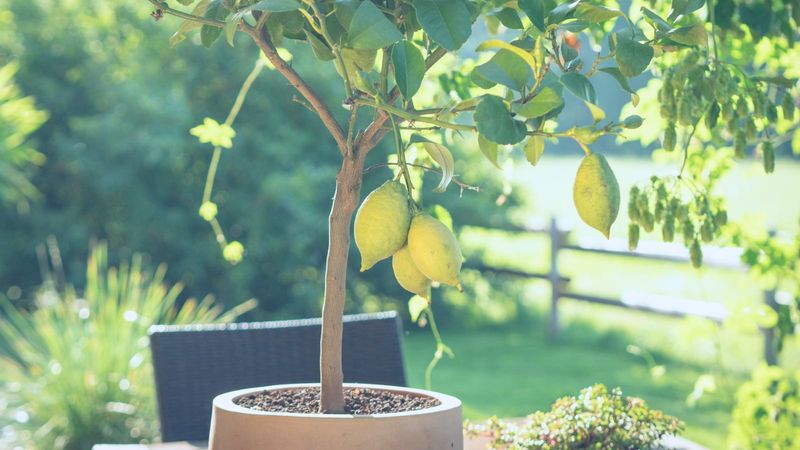
Picking just a handful of lemons from a tree you expected to load up with fruit can feel like something went seriously wrong. Before pointing at soil pH as the culprit, though, it helps to understand what “low fruiting” actually describes, because the cause often depends on exactly where in the fruiting cycle the tree falls short.
Some trees produce very few flowers. Others flower well but drop blossoms before they can develop.
Still others form tiny fruitlets that shrivel and fall off weeks later, or they carry fruit to maturity but in smaller numbers than hoped. Each of those patterns points toward different possible explanations, including insufficient light, irregular watering, temperature swings during bloom, or nutritional gaps.
Soil pH fits into this picture only when the tree also shows signs that nutrient availability may be restricted, or when a soil test confirms a meaningful imbalance.
UF/IFAS guidance on lemon trees in home landscapes lists several factors that commonly limit production, from shade and overcrowding to cold injury and pruning practices. A small harvest alone does not tell you which of those factors is at work.
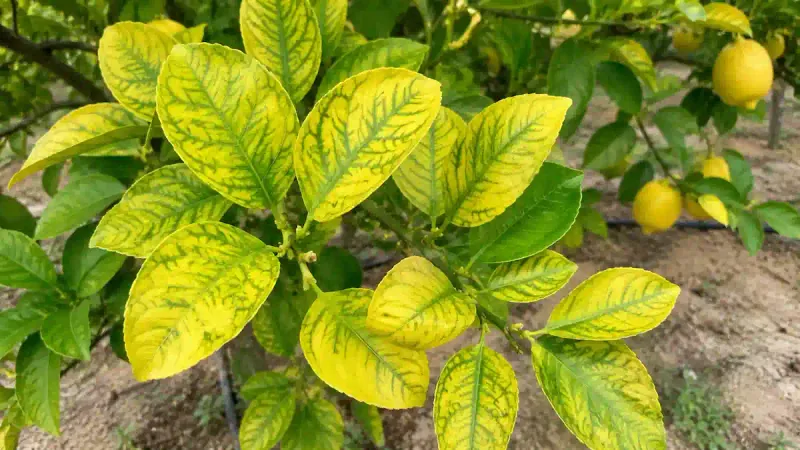
Interveinal yellowing on younger leaves, where leaf tissue turns yellow while the veins stay green, is one symptom that can suggest reduced iron or micronutrient availability in higher-pH soils, according to UC guidance on citrus leaf analysis. Even that symptom requires careful interpretation, since UC advice on Meyer lemon care notes that overwatering, cold soil, and other stressors can produce similar yellowing.
The practical takeaway is straightforward: treat a disappointing harvest as a signal to investigate, not as proof that the soil pH is off. A test-first approach, starting with a proper soil sample sent to a laboratory, gives you real data to act on rather than a guess.
The sections that follow explain how to collect that sample, interpret the results, and respond to what the test actually shows.
Why Alkaline Soil Can Limit Lemon Growth
Lemon trees grow best in well-drained soil that sits in a mildly acidic to near-neutral range. UF/IFAS places the preferred pH at 5.5 to 6.5, while UC guidance for citrus puts the range closer to 6.0 to 7.0.
The two ranges overlap around 6.0 to 6.5, which is where most extension advisors would feel comfortable. There is no single magic number, and the right target for any specific tree also depends on rootstock, soil type, and local conditions.
When soil pH climbs well above that range into alkaline territory, chemistry changes in the root zone can reduce how readily certain nutrients dissolve into soil water. Iron is the most commonly affected micronutrient in high-pH citrus situations.
In alkaline conditions, iron shifts into forms the tree cannot absorb efficiently, even when the element is physically present in the soil. The visible result is often interveinal chlorosis, a pattern where younger leaves turn yellow between the veins while the veins themselves remain green.
Zinc and manganese can become less available as well, adding to the stress on the canopy.
What alkaline soil does not automatically explain is a small fruit count on an otherwise vigorous tree. Poor fruiting and nutrient-deficiency symptoms are two different problems that can exist together or independently.
UC citrus leaf analysis guidance emphasizes confirming a deficiency through diagnosis before applying corrective treatments, precisely because the visible symptoms of iron deficiency, water stress, and cold injury can look similar. A tree showing interveinal yellowing in alkaline soil has a reasonable case for a pH-related nutrient problem.
A tree with a thin harvest but otherwise normal-looking foliage needs a broader investigation before pH correction becomes the priority.
Knowing the range helps frame expectations. Getting soil into the 6.0 to 6.5 zone can improve nutrient availability for a tree that is genuinely struggling because of high pH.
Whether that improvement translates into more fruit depends on whether pH was actually limiting the tree in the first place, which is exactly what a soil test is designed to find out.
Test the Soil Before You Amend It
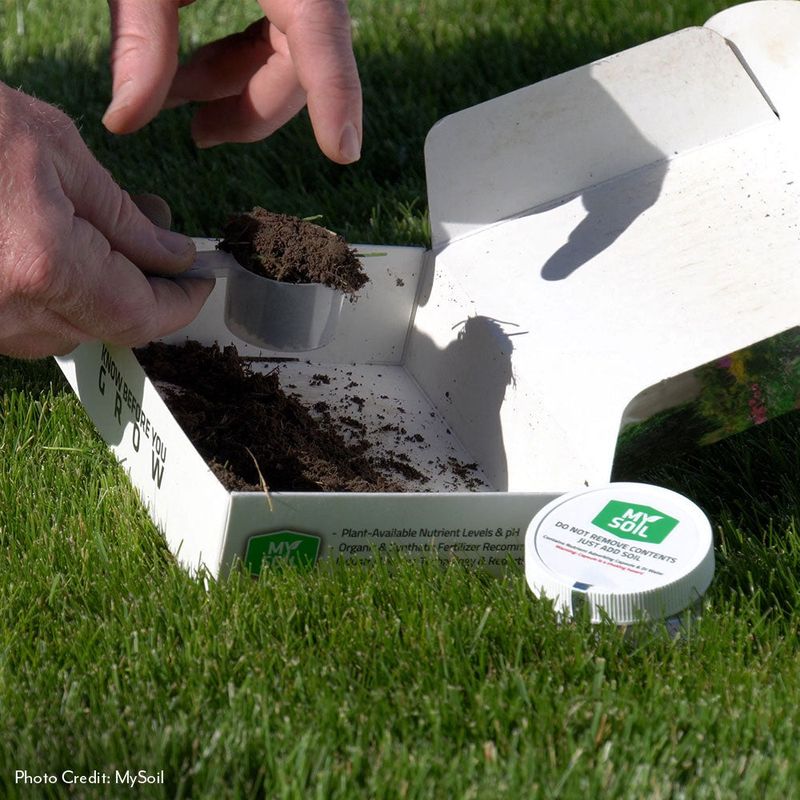
Guessing at a soil problem from leaf color or fruit count is a bit like diagnosing a car trouble by listening to the radio. A laboratory soil test gives you actual measurements of pH and available nutrients, along with crop-specific recommendations for lime, sulfur, or fertilizer if any correction is warranted.
That report is the foundation for any amendment decision worth making.
Penn State Extension’s soil testing guidance recommends collecting samples from multiple locations around the tree rather than relying on a single handful of soil from one spot. The idea is to get a representative picture of the root zone, because pH and nutrient levels can vary across even a small planting area.
Combine the samples as the laboratory instructs, usually by mixing them together and sending a measured portion, so the result reflects the whole area rather than one unusual patch.
Most university extension services and many local cooperative extension offices offer soil testing at reasonable cost, often between ten and thirty dollars depending on the panel you choose. When submitting the sample, note that the tree is a citrus or lemon so the lab can provide a recommendation calibrated to that crop.
A general garden report may not flag a pH level that matters for citrus but would be acceptable for vegetables or turf.
Penn State’s overview of soil pH explains that pH affects how nutrients move between soil particles and plant roots, which is why a precise measurement matters more than an educated guess. The report you receive will typically state the current pH, flag whether it falls inside or outside the recommended range for your crop, and suggest an amendment type and rate if a correction is needed.
The decision point is simple: if the test shows a meaningful pH problem and the report supports an amendment, proceed carefully with what the lab recommends. If the pH falls within the acceptable range, look elsewhere for the cause of the small harvest.
Use Sulfur Slowly and Only at the Recommended Rate
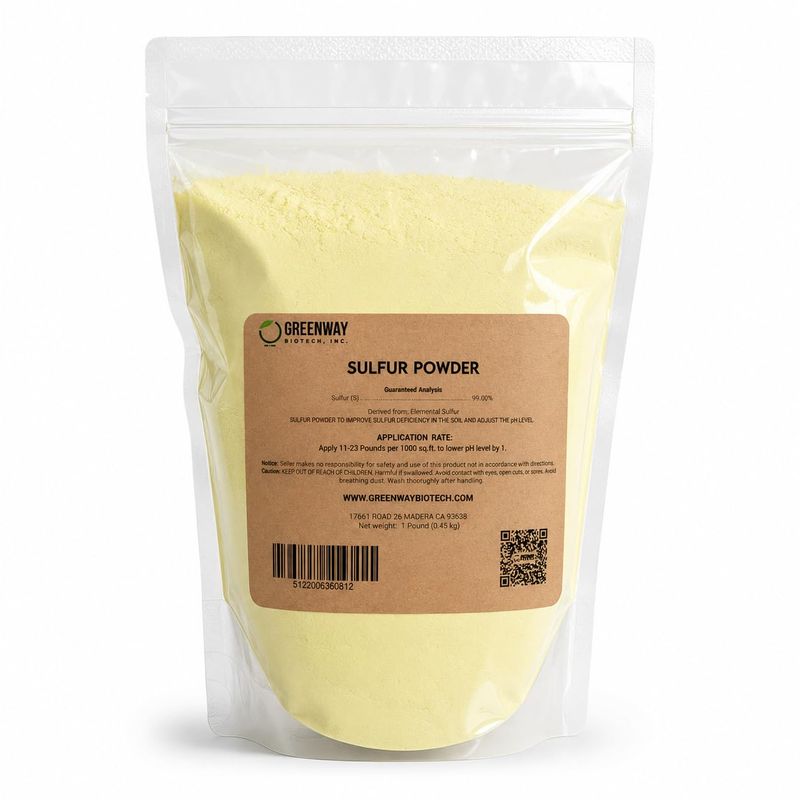
When a soil test comes back confirming that pH is genuinely too high for a lemon tree, elemental sulfur is the most commonly recommended tool for nudging it lower. The key word is “nudging.” Sulfur does not work overnight.
Soil bacteria must convert it into sulfuric acid before pH shifts, and that biological process can take several months, particularly in cool or dry conditions where microbial activity slows down.
The amount of sulfur needed is not the same for every situation. Sandy soils require less than clay-heavy soils to achieve the same pH drop, and a correction from pH 7.5 down to 6.5 requires a different rate than moving from 7.0 to 6.2.
Penn State Extension cautions that applying more amendments than a soil report recommends can harm plants and waste money, a warning that applies directly to sulfur. Follow the laboratory’s rate for your specific soil texture and starting pH rather than applying a generic amount from a bag label or a gardening website.
Penn State’s soil pH guidance also notes that large, rapid corrections create more risk than gradual adjustment. Overcorrecting the root zone can create new nutrient imbalances or injure fine roots, trading one problem for another.
If the test shows a moderate pH problem, a staged approach, testing again after six to twelve months and adjusting based on the new reading, is safer than a heavy one-time application.
If the test or leaf symptoms point specifically to iron deficiency in high-pH soil, an EDDHA iron chelate can help address iron availability more quickly than waiting for pH to drop. UF/IFAS recommends EDDHA-form iron chelate for iron problems in high-pH conditions, with the application rate depending on tree size and severity.
That product treats a confirmed iron-availability issue; it does not prove that pH was responsible for the low harvest, and it does not replace the longer work of gradual pH correction when testing shows the soil genuinely needs it. UC citrus guidance also notes that foliar feeding or fertigation can serve as temporary support while pH correction proceeds slowly in the root zone.
Match the Plan to the Growing Setup
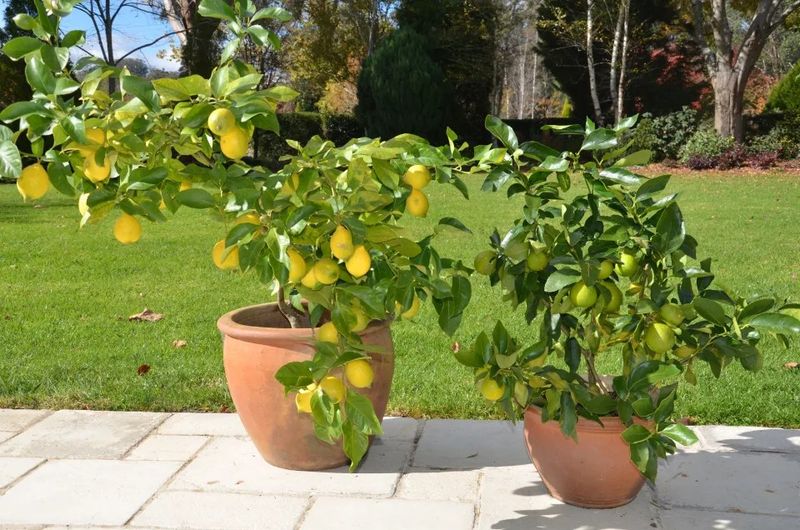
A soil amendment plan that works well for an in-ground lemon tree can cause real problems if applied to a container. The two growing situations are different enough that they need separate approaches, and mixing them up is one of the more common mistakes backyard gardeners make when they find advice online.
An in-ground tree grows in a large, interconnected soil volume where pH and nutrients shift gradually and roots can explore widely. Container citrus lives in a finite amount of potting medium that dries out faster, heats up more in summer, and gets depleted of nutrients more quickly.
University of Minnesota Extension guidance on growing citrus indoors notes that container citrus generally needs more frequent watering and fertilization attention than trees growing in the ground. That faster cycle also means pH can drift more quickly in a pot, making periodic monitoring more relevant for container growers.
Container growers should use a potting medium formulated for citrus or a well-draining mix suited to the crop, not garden soil scooped from the yard. Garden soil compacts in containers, drains poorly, and can introduce pH or pathogen problems that a quality potting mix avoids.
If a container tree seems to be struggling, repotting with fresh citrus mix and adjusting fertilization to match the container environment is often more productive than trying to amend the potting medium in place. UC guidance on container citrus supports using media suited to the container environment rather than treating a potted tree the same as one growing in native soil.
When in doubt, contact your local cooperative extension office with the specific container setup in mind so recommendations fit the actual situation.
Check Other Causes of Poor Fruiting
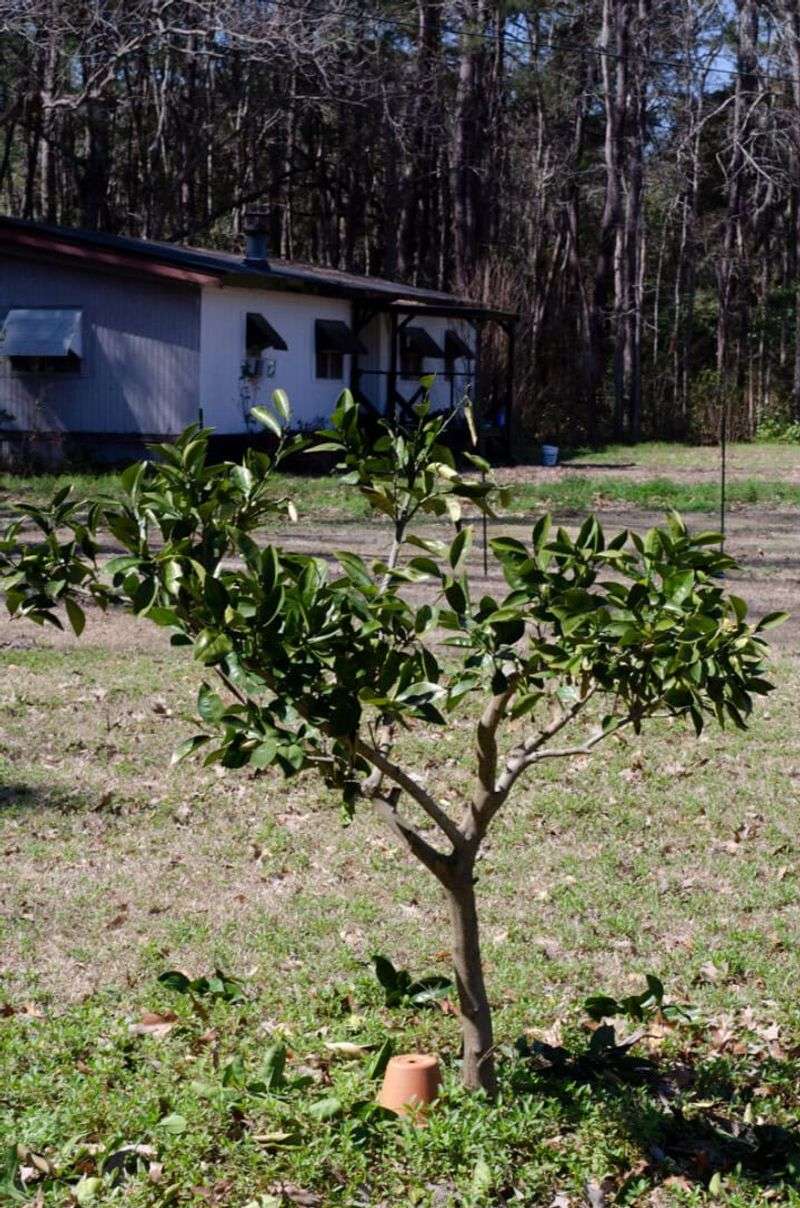
After working through the soil question, step back and look at the whole tree and its environment. Soil pH is one possible factor, but several other conditions regularly limit lemon production in home gardens, and some of them are easier to fix than adjusting soil chemistry.
Sunlight is one of the first things to check. UF/IFAS notes that lemon trees planted too close to buildings or other trees may produce less because of shade.
Citrus generally needs a full-sun position, meaning six or more hours of direct light daily. A tree that has grown into a shadier spot over the years, or one that was always a bit crowded, may produce fewer flowers and less fruit regardless of what the soil pH reads.
Water management matters as much as soil chemistry. UC guidance on Meyer lemon care describes citrus roots as shallow and recommends keeping soil consistently moist without letting it become waterlogged.
Irregular watering, either drought stress during bloom or chronically soggy soil, can cause flower and fruitlet drop. UC’s Meyer lemon overview echoes that overwatering is a common source of poor performance and yellow leaves in container and in-ground trees alike.
Tree age is another factor that often surprises new growers. Young lemon trees naturally produce little fruit in their first few years.
UF/IFAS reports that trees may yield around 38 pounds in the third year, growing to over 100 pounds by the fourth or fifth year under good conditions. Expecting a heavy harvest from a recently planted tree sets an unfair standard.
Pruning habits, cold exposure, pests, and disease round out the checklist. UC pruning guidance and University of Arizona Cooperative Extension advice on citrus pruning both recommend thinning cuts to improve light penetration rather than repeatedly heading back branches, which removes productive wood and can stimulate excessive leafy growth at the expense of fruit.
Cold injury during bloom can wipe out a season’s crop without leaving obvious damage on the canopy. UF/IFAS also confirms that lemons do not require a second tree for fruit set, so cross-pollination is not the explanation for a thin harvest.
Choose a Measured Correction Over a Miracle Yield
Pulling together everything above, the practical sequence looks like this: observe what the tree is actually doing (no flowers, flower drop, fruitlet drop, or a modest final crop), then get a soil test before touching any amendment. If the test shows pH is meaningfully outside the 6.0 to 6.5 overlap range that UF/IFAS and UC guidance share, follow the laboratory’s rate for elemental sulfur and retest in several months.
Keep checking light, drainage, watering consistency, tree age, canopy health, and any signs of pests or disease in parallel, because pH correction alone cannot compensate for insufficient sun or chronic water stress.
On yield expectations, UF/IFAS reports mature home-landscape lemon trees commonly producing around 100 to 200 pounds of fruit per year. A fruit count in the hundreds or thousands depends heavily on cultivar, fruit size, rootstock, climate, and how well all the basic growing conditions are met.
Pounds per year is a more honest benchmark than any fixed number of lemons. A proper soil test gives you a real starting point, and a documented correction gives the tree a genuinely better environment.
That is a reasonable goal, and it is more reliable than chasing a headline number.