
If Your Houseplants Keep Dying No Matter What, Here Are 13 Nearly Unkillable Ones That Forgive Every Mistake
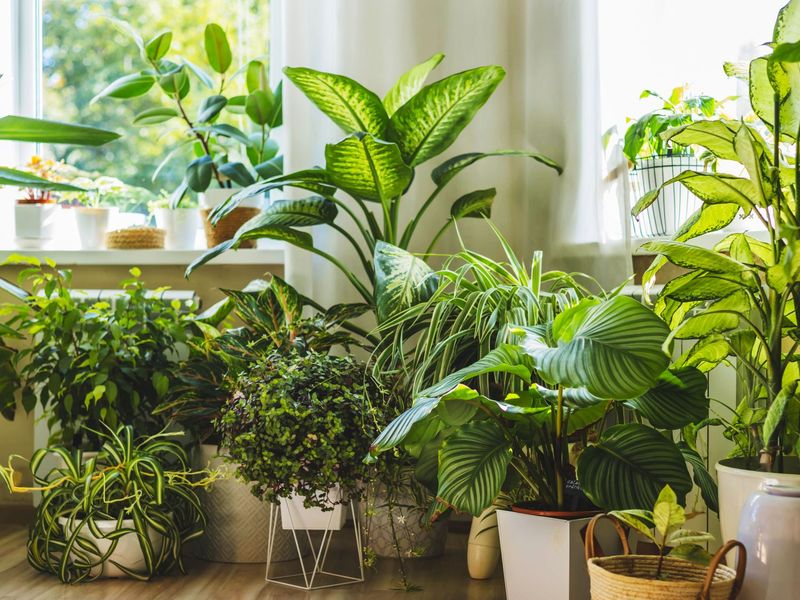
If you have ever watched a houseplant slowly give up on you, you are not alone, and it does not mean you have a black thumb. Some plants are just built tough, shrugging off forgotten waterings, dim corners, and chilly rooms without complaint.
The 13 plants below survive real life and real mistakes, so you can finally grow something green that sticks around. Keep reading to meet the survivors that forgive almost everything.
1. Snake Plant (Sansevieria trifasciata)
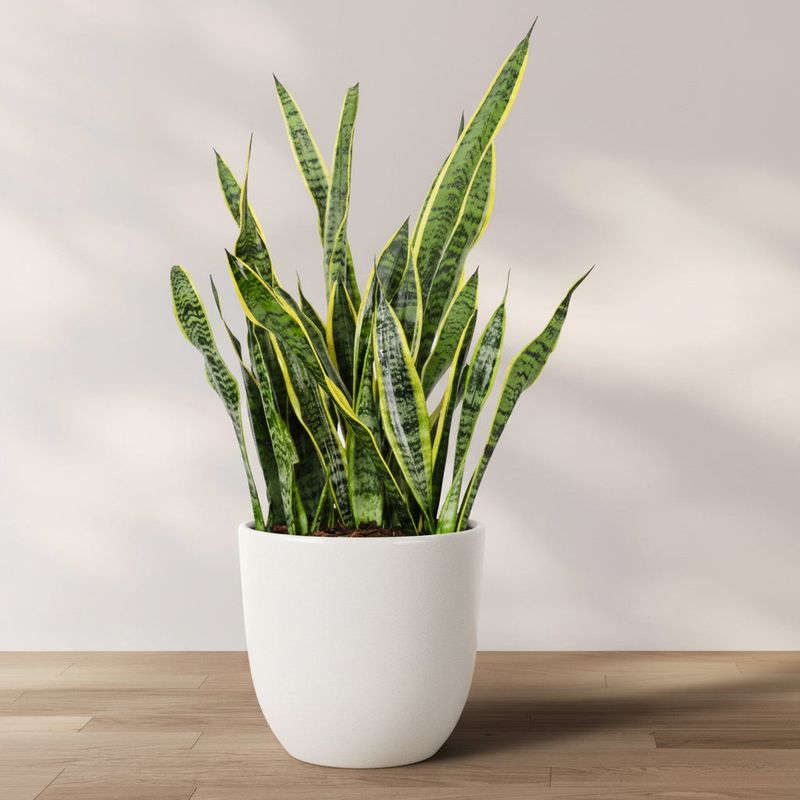
Nicknamed Mother-in-Law’s Tongue, the snake plant practically dares you to kill it. Its stiff, sword-like leaves stand tall whether you water it weekly or forget it for a month.
Low light, bright light, cool rooms, warm rooms, it handles them all without dropping a single leaf in protest. The one thing it truly hates is soggy feet.
Overwatering is the only real threat here, since wet soil rots its roots fast. Let the soil dry out completely between drinks and this plant will outlast most of your furniture.
Fun fact: NASA studied it for its air-cleaning abilities.
2. ZZ Plant (Zamioculcas zamiifolia)
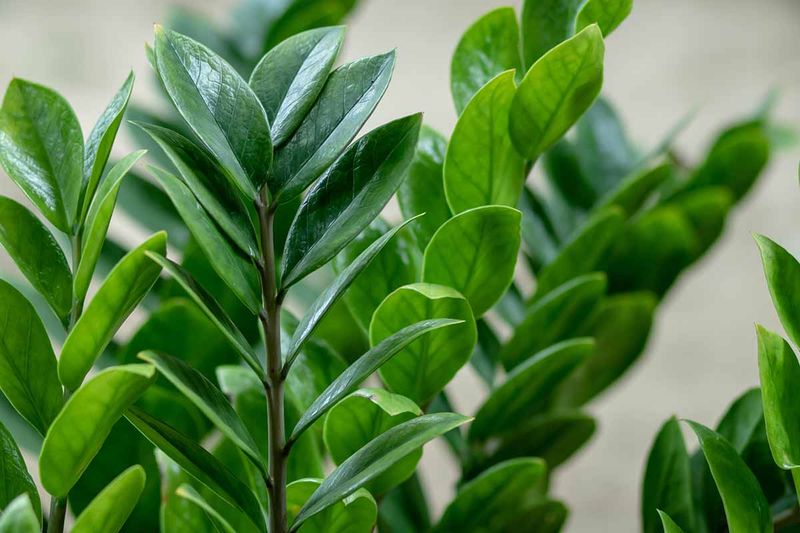
Think of the ZZ plant as the champion of neglect. Those glossy, waxy leaves look almost fake because they stay perfect even when you ignore the plant for weeks.
It stores water in thick underground rhizomes, so it happily coasts through dry spells, especially in winter when it barely needs a sip.
Dark hallway, windowless office, forgetful owner, none of it fazes this survivor. Give it dry soil and low light and it will keep pushing out shiny new stems.
If you overwater, that is honestly the only way to lose it.
3. Pothos (Epipremnum aureum)
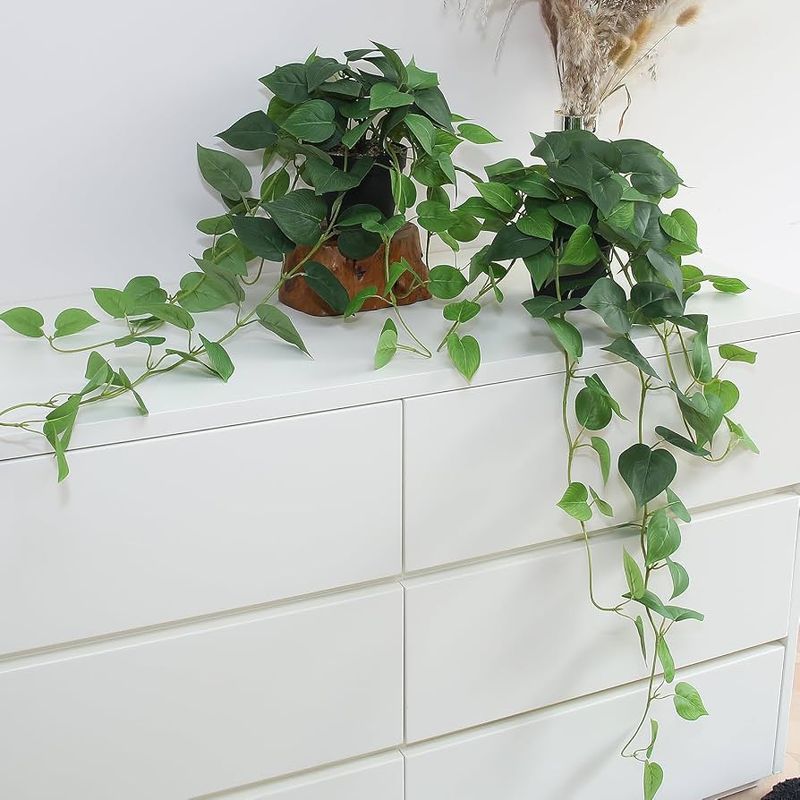
Also called Devil’s Ivy, pothos is the friend who tells you exactly what it needs. When it is thirsty, the leaves droop dramatically, and minutes after a drink they perk right back up.
Its glossy, heart-shaped leaves trail beautifully from shelves and hanging baskets, growing fast enough to feel rewarding.
Bright indirect light makes it happy, but it grows in low or medium light too, waiting patiently while you get around to caring for it. Snip a vine, drop it in water, and you have a brand new plant.
Few houseplants are this generous with second chances.
4. Peace Lily (Spathiphyllum)
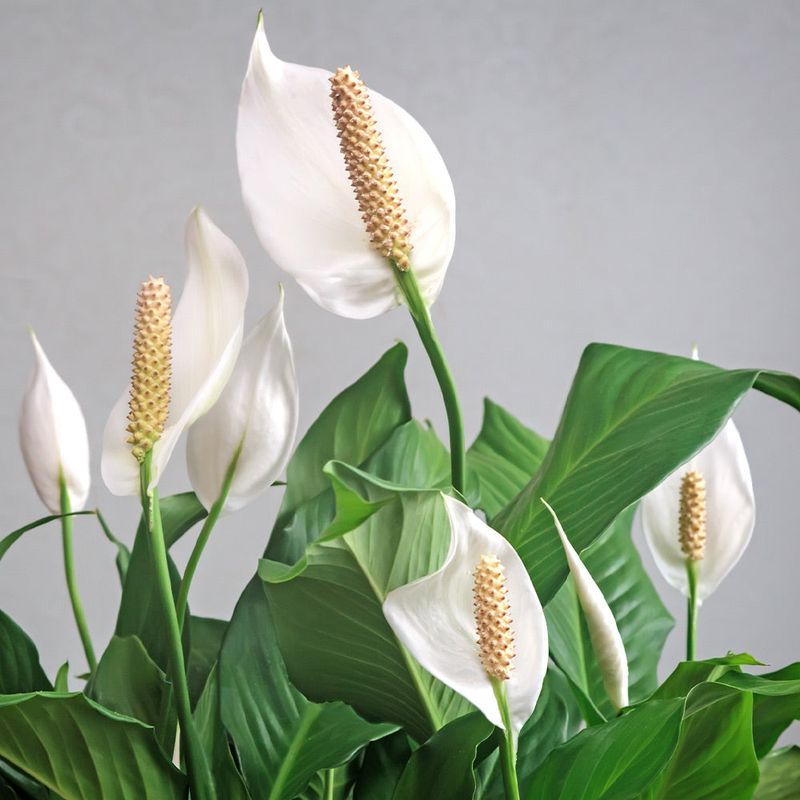
Elegant and dramatic, the peace lily faints when thirsty and springs back to life the moment you water it. That theatrical wilt is actually a gift, since it tells you exactly when to act.
Glossy green leaves and crisp white blooms make it look far fussier than it really is.
It tolerates lower light better than most flowering plants, and it recovers from a good droop like nothing happened. Keep the soil lightly moist and you will be rewarded with those signature white flowers.
Forgive its flair for drama and it will forgive your busy schedule.
5. Cast Iron Plant (Aspidistra elatior)
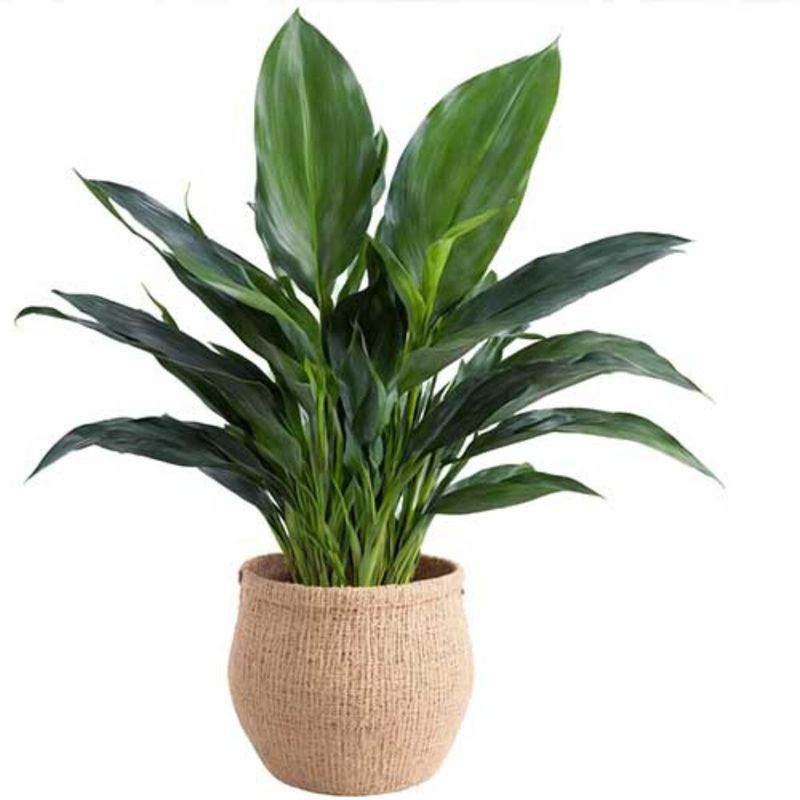
The name says it all. This plant earned its cast iron reputation by surviving conditions that would flatten anything else.
Deep shade, skipped waterings, hot summers, cold drafts, it takes them all in stride with its broad, arching green leaves.
Victorian families loved it precisely because it thrived in dim, gaslit parlors where nothing else would grow. Stick it in a gloomy corner everyone else avoids and it will fill the space with lush foliage.
Slow to grow but nearly impossible to kill, it rewards patience with steady, reliable greenery.
6. Aloe Vera
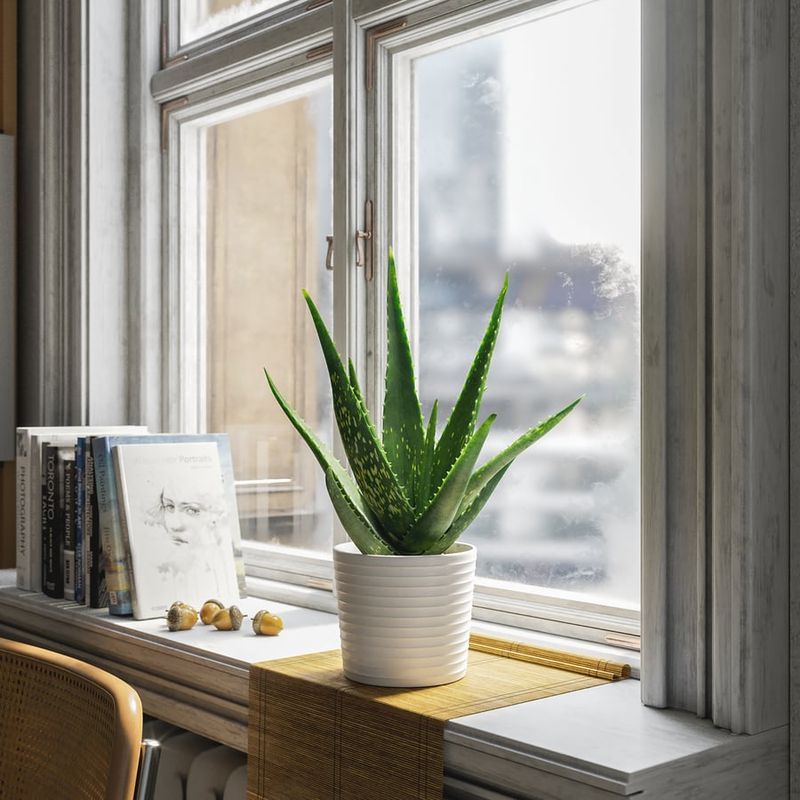
Part houseplant, part first-aid kit, aloe vera earns its spot by being useful and tough at once. Its plump, spiky leaves store water, so it sails through long stretches without a drink.
Set it in a sunny spot, water only when the soil is bone dry, and it asks for almost nothing else.
Break a leaf and you get soothing gel for minor burns and scrapes, a bonus most houseplants cannot offer. Overwatering is the classic mistake, so err on the dry side and it will thrive.
It is proof that low effort can still be deeply rewarding.
7. Spider Plant (Chlorophytum comosum)
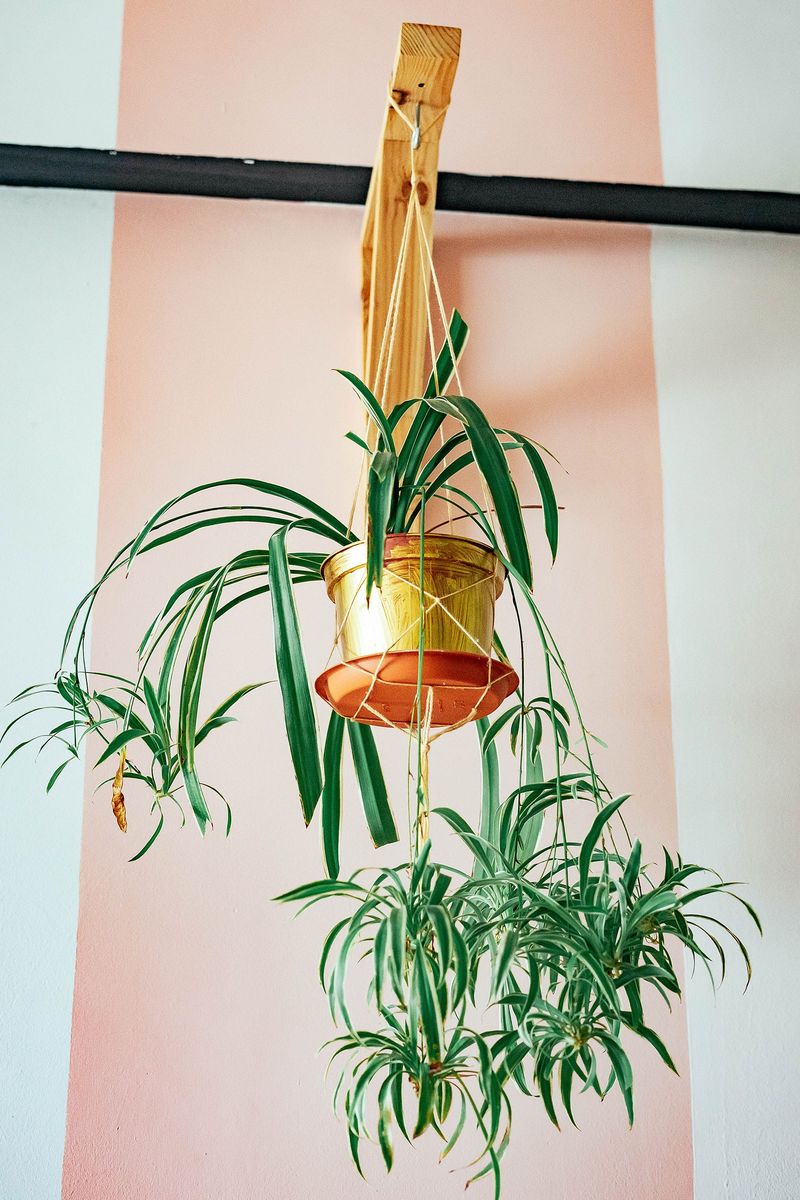
Cheerful and endlessly giving, the spider plant sends out little baby plants like it wants a whole family. Those dangling plantlets are ready to snip and root, turning one plant into many.
Its grass-like, striped leaves arch gracefully, looking great in hanging pots where the babies can spill over the edge.
Bright indirect light and a bit of humidity keep it happiest, but it forgives plenty of slip-ups along the way. Brown leaf tips usually just mean it wants more even watering, nothing serious.
Few plants make you feel like such a successful gardener.
8. Jade Plant (Crassula ovata)
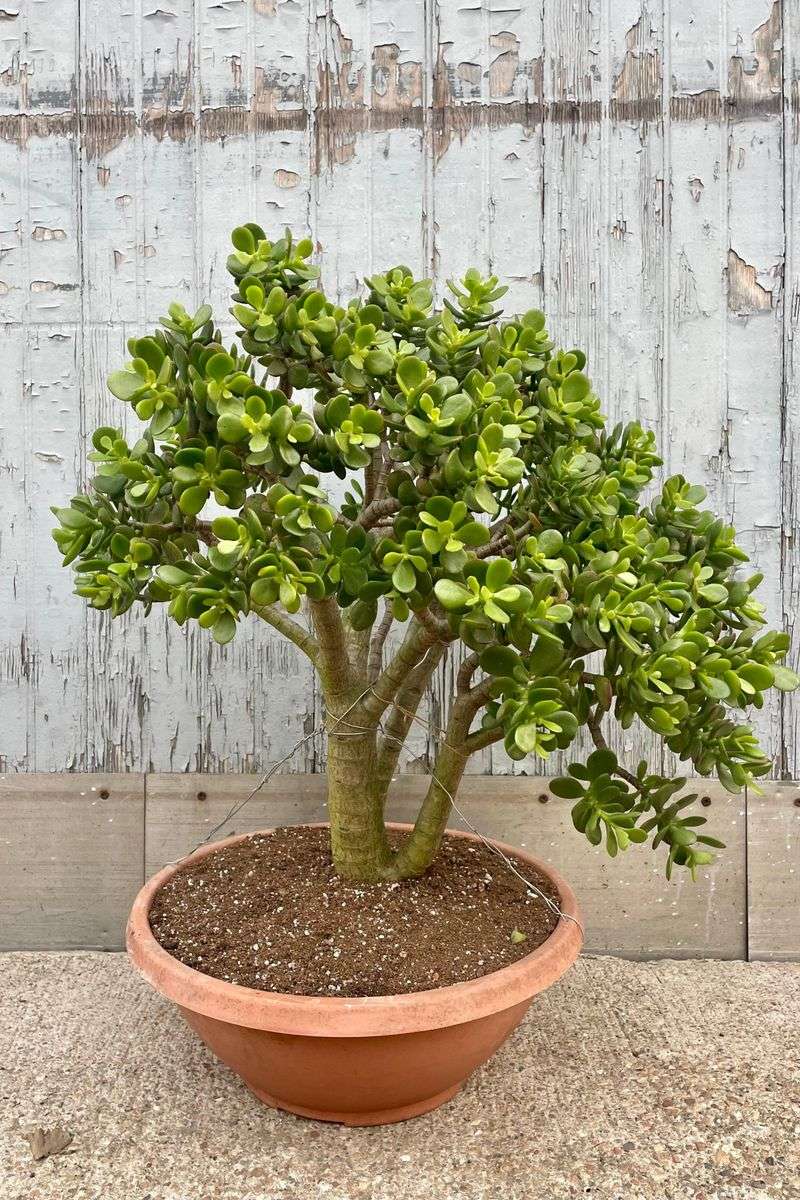
With its plump, coin-shaped leaves, the jade plant looks like a tiny tree and is often called a symbol of good luck. Those thick leaves are little water tanks, letting it shrug off inconsistent care.
It genuinely prefers to dry out completely between waterings, so forgetful owners are doing it a favor.
Give it bright light and a well-draining pot and it slowly develops a charming, tree-like shape over the years. Some jade plants become family heirlooms, passed down for decades.
Treat it like a low-key succulent and it will happily stick around.
9. Heartleaf Philodendron (Philodendron hederaceum)
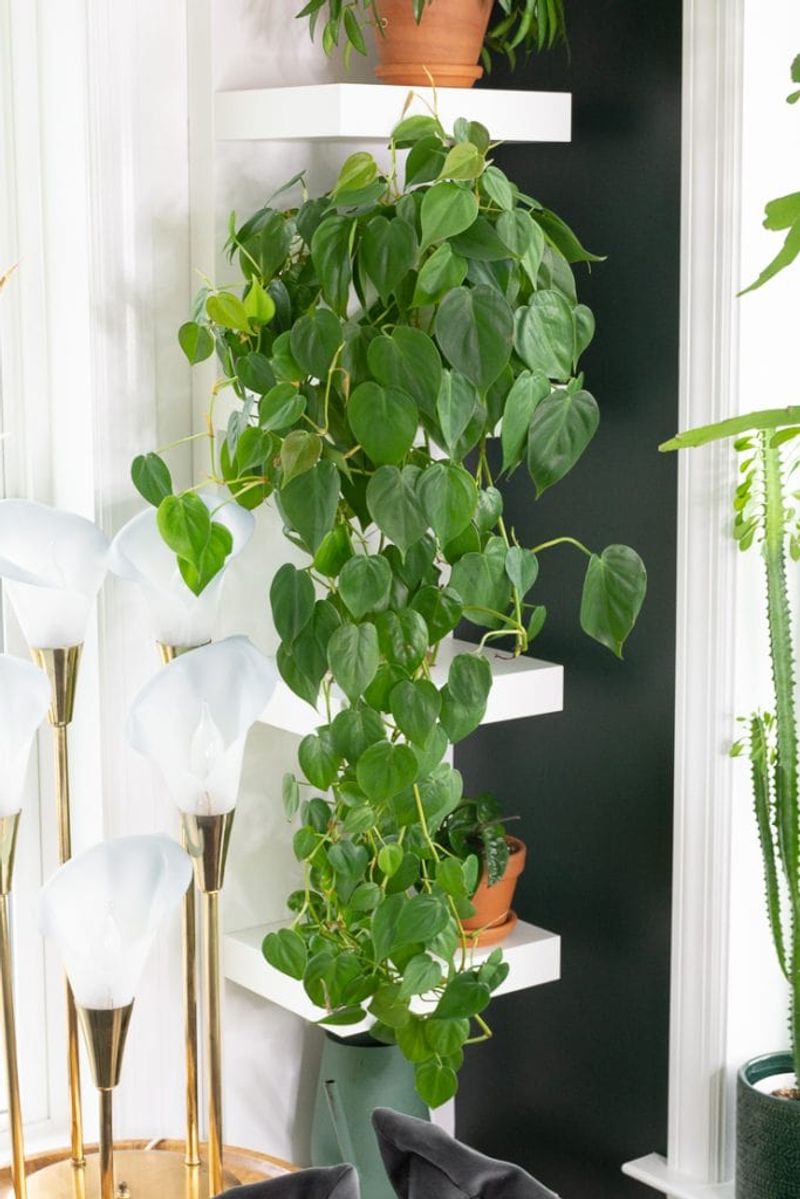
Soft, trailing, and eager to grow, the heartleaf philodendron is the easygoing cousin of pothos. Its heart-shaped leaves cascade down shelves and cabinets, filling a room with green in no time.
Fast-growing and forgiving, it regularly tops lists of the easiest houseplants for beginners.
It adapts to medium and low light, tolerates missed waterings, and rarely throws a tantrum. When a vine gets leggy, just trim it and root the cuttings for even more plants.
Relaxed and reliable, it makes filling your home with greenery almost effortless.
10. Haworthia
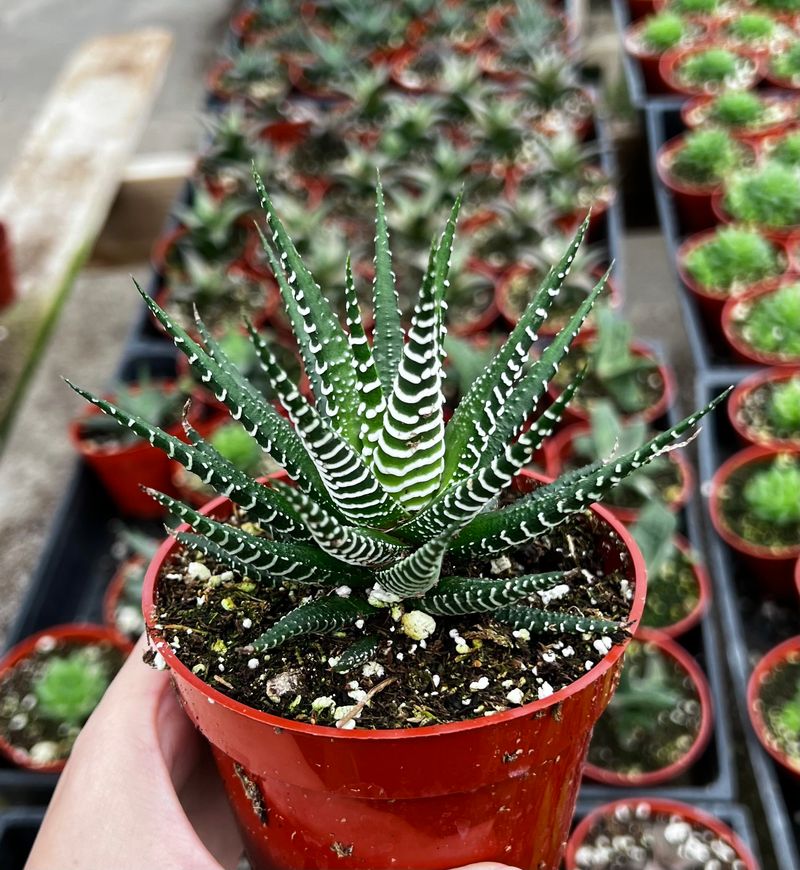
Small but mighty, haworthia breaks the succulent rulebook by actually tolerating lower light. While most succulents demand blazing sun, this little guy is fine in spots away from the brightest windows.
Its pointed leaves often wear cool white stripes or translucent tips, giving it a jewel-like look.
Because it stores water, you can forget to water it for a good while without any harm. That combination of shade tolerance and drought resistance makes it perfect for desks and bathrooms.
It proves that a tough plant can still be genuinely charming.
11. Ponytail Palm (Beaucarnea recurvata)
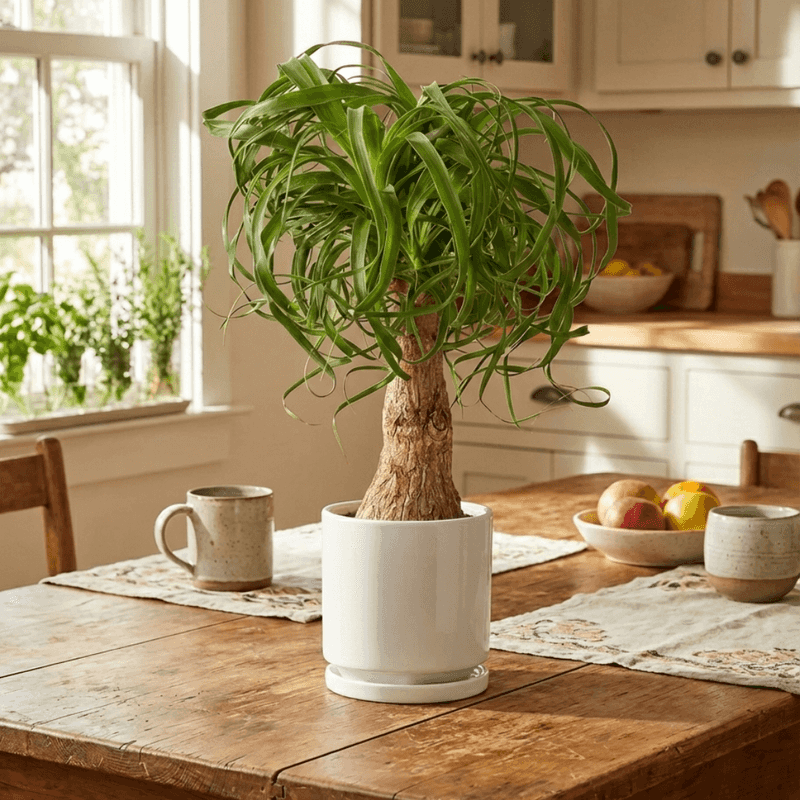
Despite the name, the ponytail palm is not really a palm at all, and that quirky bulbous trunk is its secret weapon. That swollen base stores water like a built-in canteen, so it barely notices when you forget to water it.
Long, curly leaves spill from the top like a green fountain, giving it loads of personality.
Bright light keeps it happiest, but its drought tolerance means it forgives long absences without a fuss. Overwatering is the only way to trip it up, so keep the soil on the dry side.
Playful looks and near-indestructible habits make it a standout.
12. Rubber Plant (Ficus elastica)
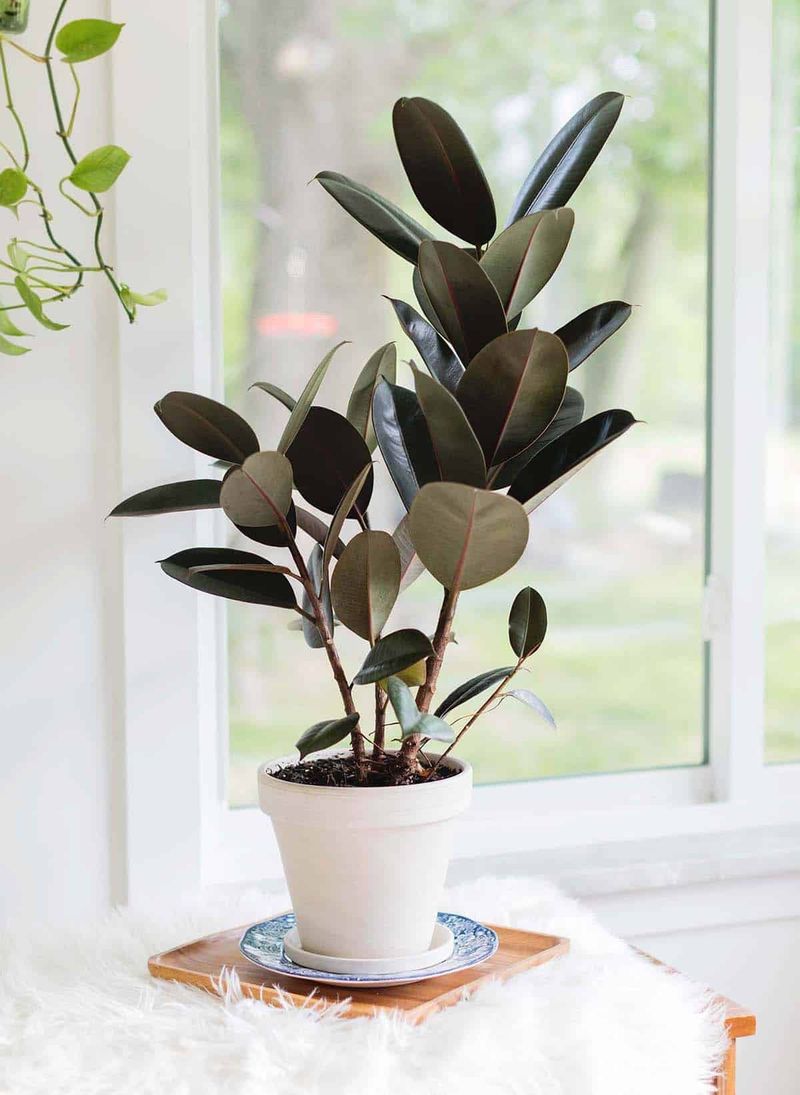
Big, bold leaves give the rubber plant real presence, and luckily it is one of the more laid-back members of the sometimes-fussy ficus family. Its thick, glossy foliage brings a lush, almost tropical feel to any room.
Unlike its temperamental relatives, this ficus tolerates a bit of neglect and settles in without much drama.
Bright, indirect light keeps its leaves shiny, and it only needs water when the top of the soil dries out. Wipe the dust off its leaves now and then and it looks like a designer bought it.
Statement style with beginner-friendly manners is a rare combo.
13. English Ivy (Hedera helix)
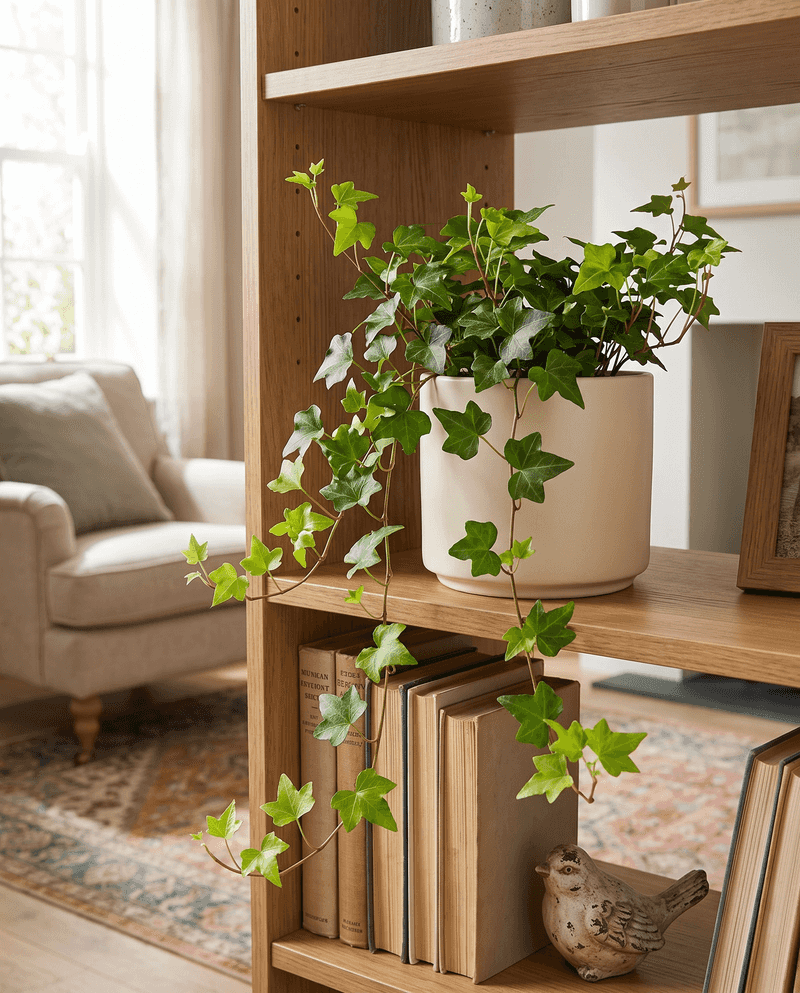
Trailing and lush, English ivy turns a plain shelf into something out of a cozy cottage. Grown indoors, it is nearly indestructible and puts up with a fair bit of forgetfulness.
The small, lobed leaves cascade beautifully from hanging baskets or spill over the rims of pots.
It handles cooler rooms and imperfect care while still filling out into a full, leafy display. A little pruning keeps it tidy and encourages even bushier growth.
For a classic, romantic look that survives real life, ivy is hard to beat.
Grow this one indoors, since it can spread aggressively if planted outside.