
If Honeybees Forage Miles From Their Hive, Here Are 12 Backyard Plants That Feed Them All Season
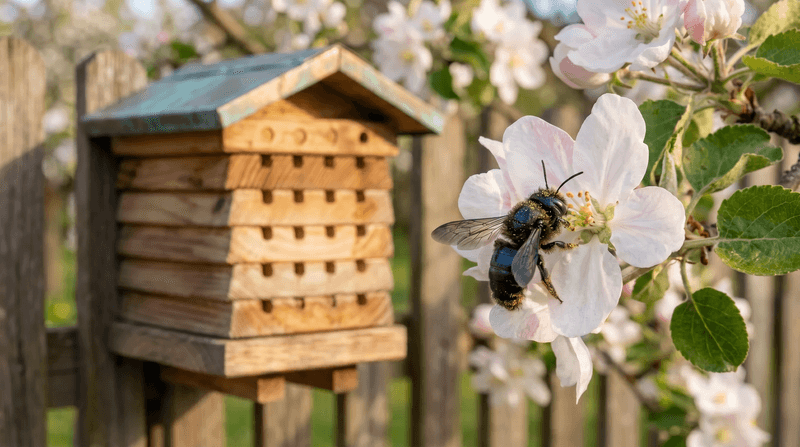
Honeybees will travel several miles from their hive just to find a good meal, which means your backyard could become one of their favorite stops. The trick is planting flowers that bloom at different times, so there is always something on the menu from spring through fall.
Below you will find 12 easy plants that keep bees fed all season long. Pick a few, and you will help these hard workers while adding color to your yard.
1. Clover
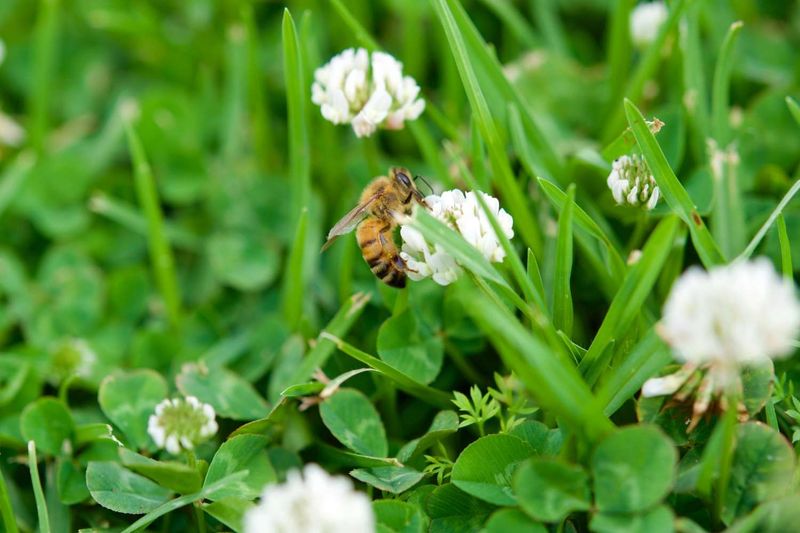
Most folks yank clover out of the lawn without a second thought, but bees would beg you to leave it be. Those little white and pink puffballs are packed with nectar and keep flowing for weeks.
Clover is one of the easiest ways to feed bees because it often shows up on its own. Let a patch of your yard grow a bit wild and you have instant forage with zero effort.
Fun bit: clover honey is one of the most common honeys sold in stores, so your bees might just be making the good stuff right in your backyard.
2. Borage
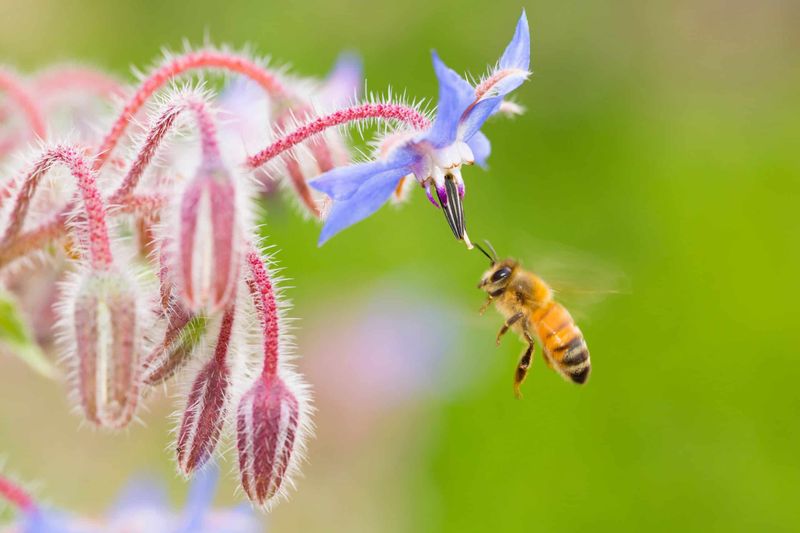
If you want a plant that refills its nectar cups fast, borage is the champ. Some gardeners say its blue star flowers top off with nectar every couple of minutes, which keeps bees coming back all day.
The blooms hang in cheerful clusters and last for a long stretch of the growing season. It self-seeds easily too, so once you plant it, you will likely have volunteers next year.
Bonus for you: the flowers are edible and taste faintly of cucumber, pretty enough to float in a summer drink.
3. Lavender
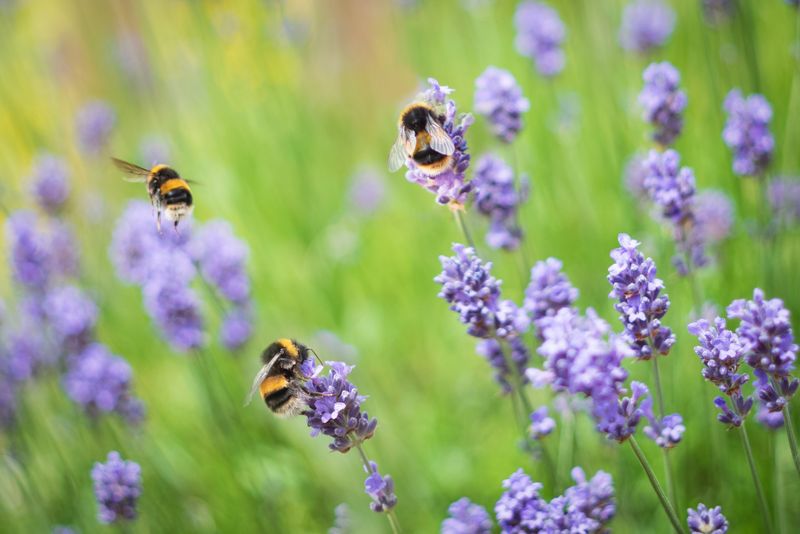
Few plants pull double duty like lavender, filling the air with scent while feeding a crowd of bees. Its purple spikes bloom for a long window, giving honeybees, bumblebees, and mason bees plenty to sip.
Once it settles in, lavender shrugs off dry spells and poor soil, so it fits busy gardeners and forgetful waterers alike.
Plant it along a sunny path where you brush past it, and you will get the fragrance while the bees get the meal.
4. Hardy Geraniums (Cranesbill)
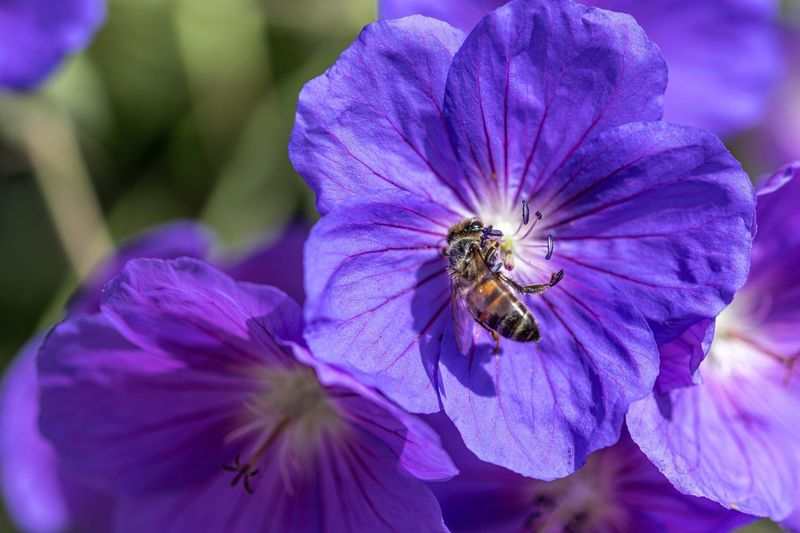
Do not confuse these with the potted geraniums on your porch railing. Hardy geraniums, also called cranesbill, are tough perennials with open, single flowers that bees can actually get into.
Varieties like ‘Brookside’ bloom from early summer into fall, and a quick deadheading often coaxes a second flush. That long run makes them a steady food source rather than a quick flash.
Skip the double-flowered bedding types, which look showy but hand bees almost no pollen or nectar. With cranesbill, what you see is what your bees get.
5. Hollyhocks
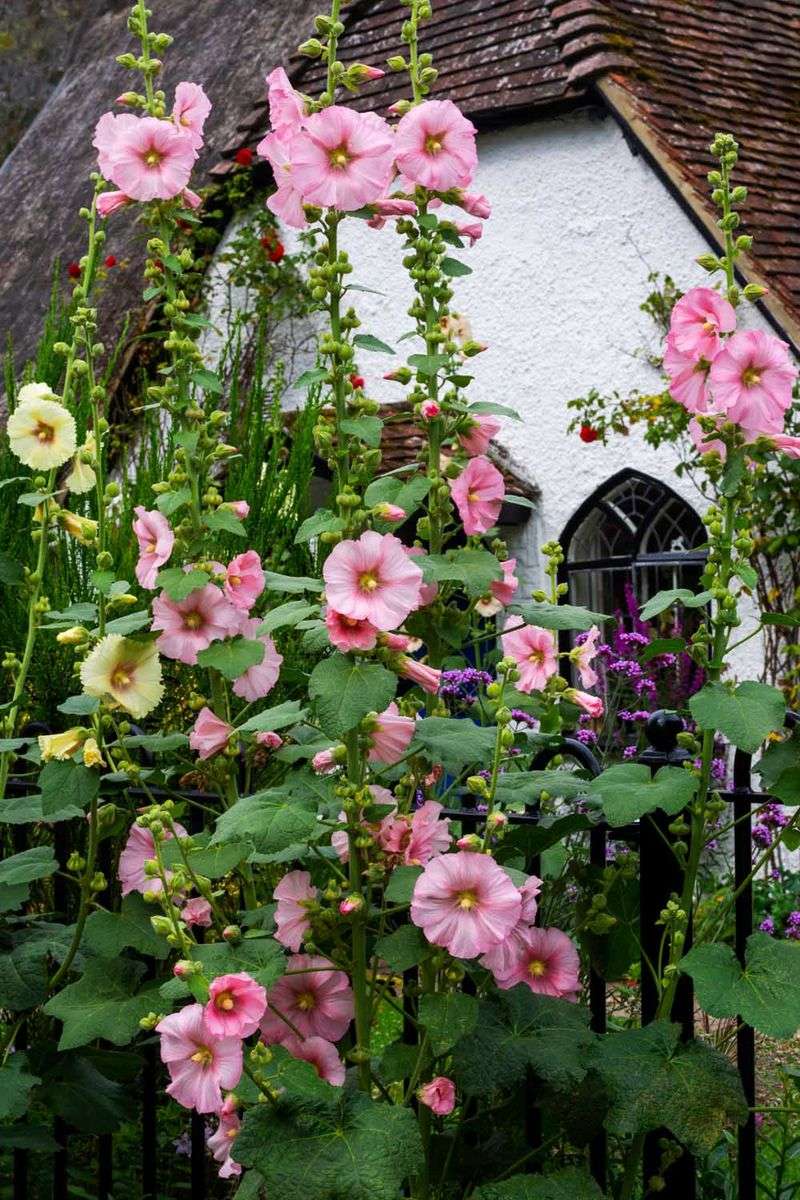
Standing like colorful towers at the back of a border, hollyhocks bring cottage-garden charm and a serious bee buffet. Their wide, open cups practically invite bumblebees and honeybees to crawl right in.
They are easy to grow from seed and shoot up tall, giving you privacy and pollinator food in one shot. Once established, they often come back year after year and drop seed for more.
Getting those tall, colorful blooms really comes down to the basics: full sun, decent soil, and a little support against the wind.
6. Sunflowers
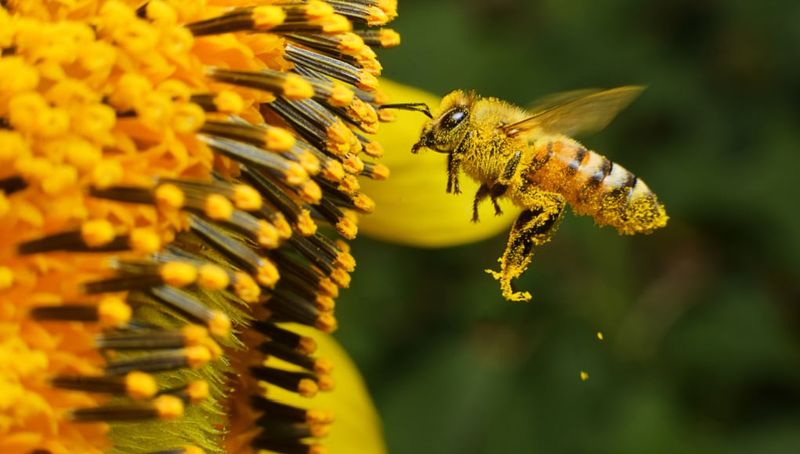
A single sunflower head is really hundreds of tiny flowers packed together, which is why bees treat it like an all-you-can-eat platter. The broad face gives them a comfy landing pad while they work.
Plant a row along a fence and you get height, cheerful color, and a magnet for pollinators. Choose the pollen-rich open-centered types rather than the fancy pollenless ones bred for cut bouquets.
Later in the season, leave the spent heads standing and songbirds will happily finish off the seeds.
7. Coneflower (Echinacea)
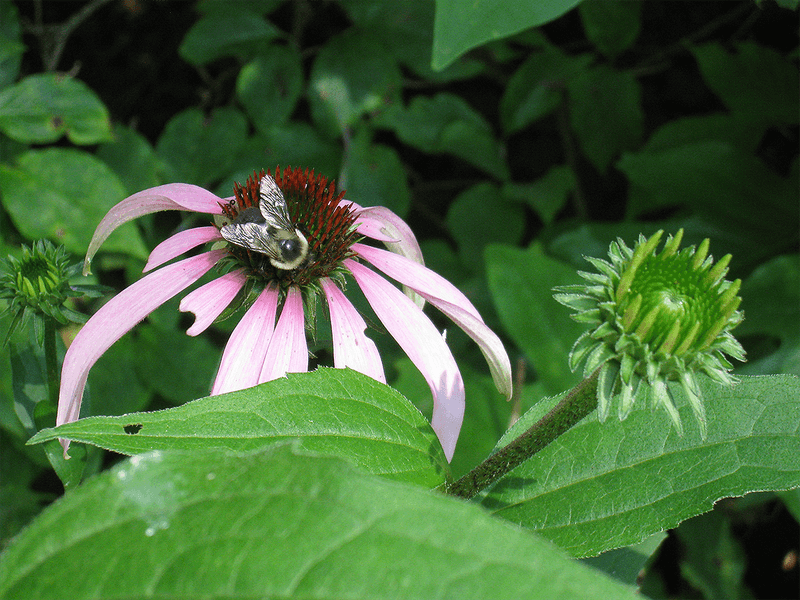
Those raised, spiky centers are not just for looks; they are loaded with nectar and pollen that bees and butterflies mob all summer. Coneflowers hold up in heat and drought, so they keep feeding when tender plants sulk.
They bloom for weeks and pair beautifully with grasses and other prairie favorites. Leave the seed heads over winter and goldfinches will thank you.
Native across much of the US, echinacea gives your local bees a plant they have known for ages.
8. Bee Balm (Monarda)
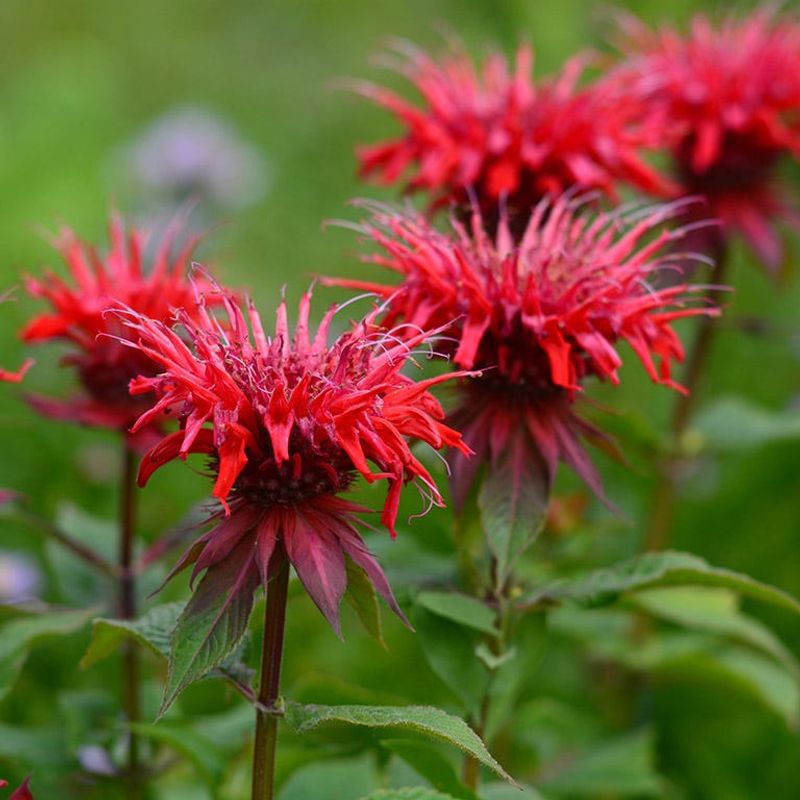
The name says it all, honestly. Bee balm, a member of the mint family, throws up shaggy, firework-shaped blooms that hum with visitors from morning to dusk.
Its aromatic, nectar-rich flowers draw honeybees, bumblebees, and even hummingbirds to the same patch. Give it room and decent airflow to keep powdery mildew from settling in.
Crush a leaf and you will catch a spicy, tea-like scent, a hint of its old use in herbal brews.
9. Lantana
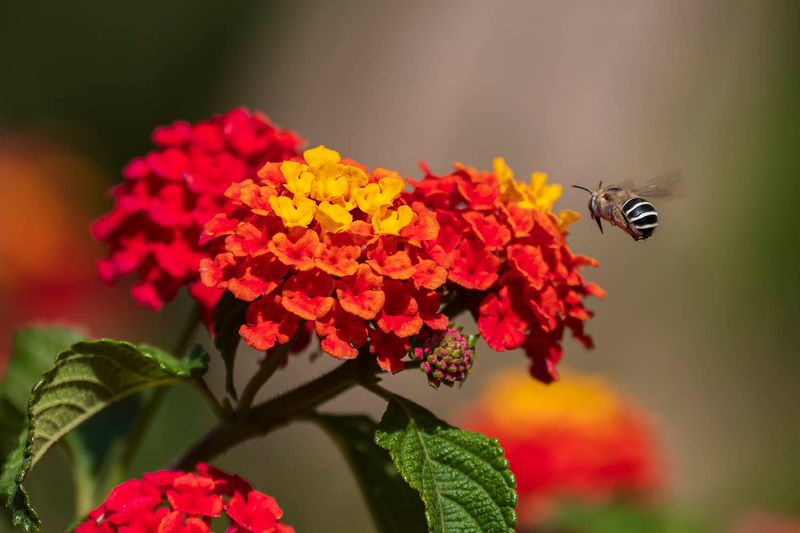
Talk about a marathon bloomer. Lantana keeps pumping out its little clustered flowers from late spring right up until the first frost, so bees never run dry.
Each rounded head is a mosaic of tiny blooms, often shifting from yellow to orange to pink as they age. It loves heat and hot spots where fussier flowers wilt, making it a smart pick for tough sunny corners.
In warm regions it comes back as a shrub, while cooler gardeners simply grow it as a knockout annual.
10. Panicle Hydrangea
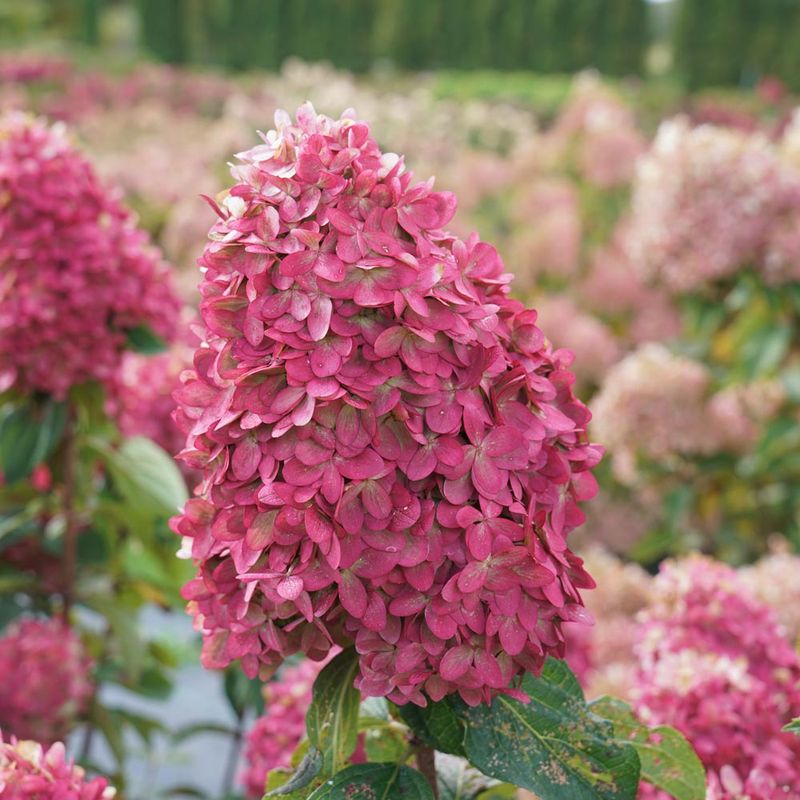
Not every hydrangea earns a spot on this list, but panicle types absolutely do. Varieties like ‘Limelight’, ‘Quick Fire’, and ‘Pinky Winky’ carry fertile little florets that turn into a pollinator smorgasbord in July and August.
The big mophead hydrangeas may steal the show, but their showy blooms are usually sterile and hand bees nothing. If feeding pollinators is your goal, reach for the cone-shaped panicle kinds instead.
You get dramatic summer flowers and a busy crowd of bees, which is a rare and happy combination for one shrub.
11. Asters
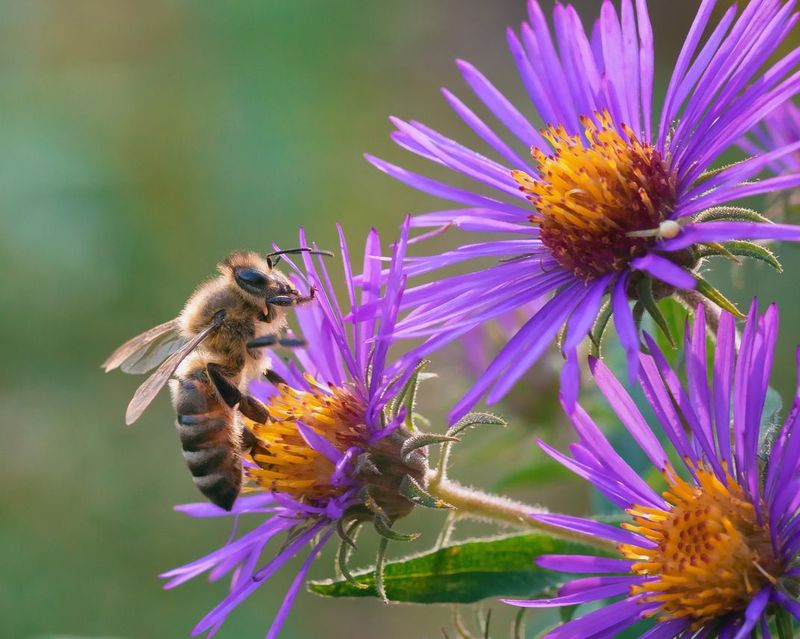
When most of the garden is winding down, asters step up like a last call for hungry bees. Their cheerful daisy blooms open in fall, exactly when honeybees are scrambling to stock up for winter.
That late timing makes them one of the most valuable plants you can grow for hive survival. They come in purples, pinks, and blues that light up tired autumn beds.
Pair them with goldenrod and you create a fall feast that pollinators will find from miles away.
12. Sedum (Autumn Joy)
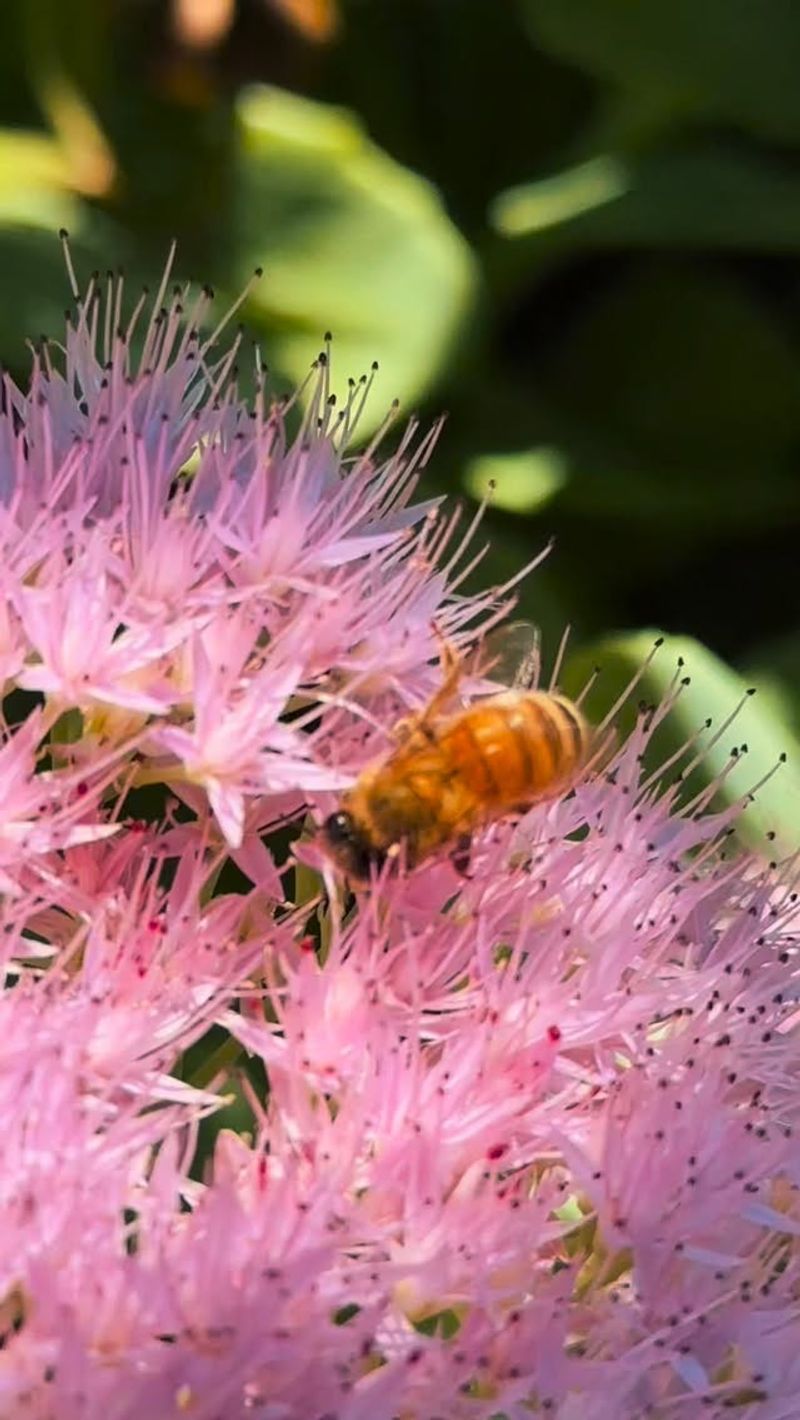
Picture a flat pink flower head so crowded with bees you can barely see the petals, and you have sedum in full swing. Its blooms open in late summer and roll into fall, offering nectar just as the weather turns.
‘Autumn Joy’ is the classic pick, tough as nails and happy in dry, sunny spots. It stores water in its thick leaves, so it forgives you on the days you forget to water.
Leave the seed heads standing through winter and they add structure to the garden while the roots rest.