
If Your Ornamental Grasses Look Brown And Collapsed, Here Are 9 Perennials You Should Leave Standing All Winter
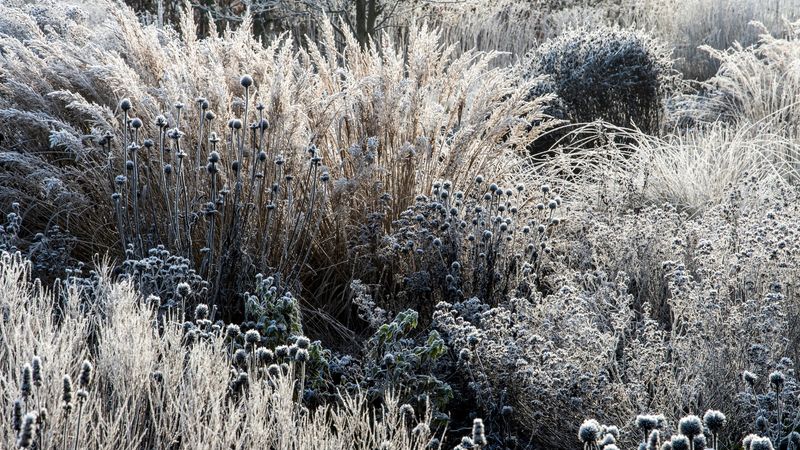
When cold weather rolls in and your ornamental grasses turn brown and flop over, it is easy to panic and think you have killed them. Good news: that browning is just how many plants go to sleep for winter, and they are not dead at all.
Even better, leaving certain perennials standing instead of cutting them back feeds hungry birds, shelters helpful insects, and protects the plants themselves. Here are nine perennials you can happily leave alone until spring.
1. Purple Coneflower (Echinacea)
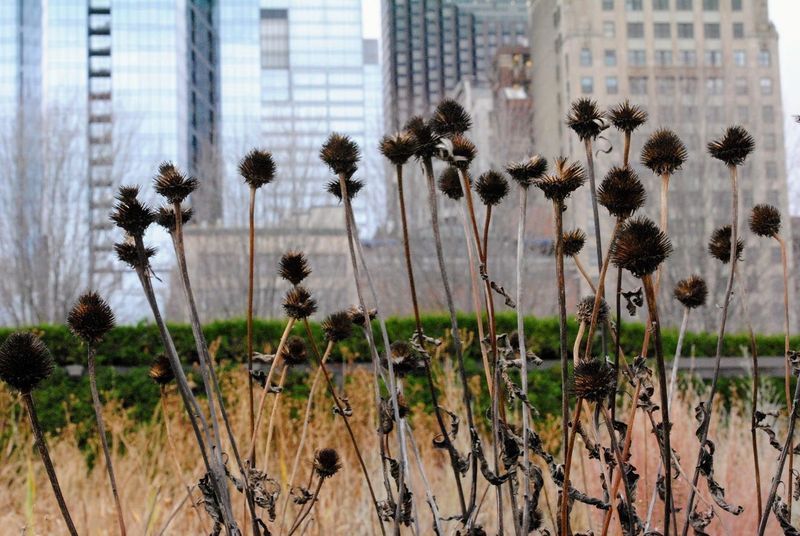
Picture a goldfinch clinging to a stiff brown stem on a freezing morning, pecking away at a spiky seed head. That is exactly the scene purple coneflower creates when you leave it standing through winter.
Those distinctive, spiky seed heads are a favorite snack for goldfinches, chickadees, and other songbirds when food gets scarce. By skipping the fall haircut, you turn your flower bed into a natural bird feeder that refills itself.
The hollow stems do double duty, offering a cozy hideout for beneficial insects. And honestly, the dark cones dusted with frost or snow add a sculptural texture that beats a bare, empty bed any day.
2. Black-Eyed Susan (Rudbeckia)
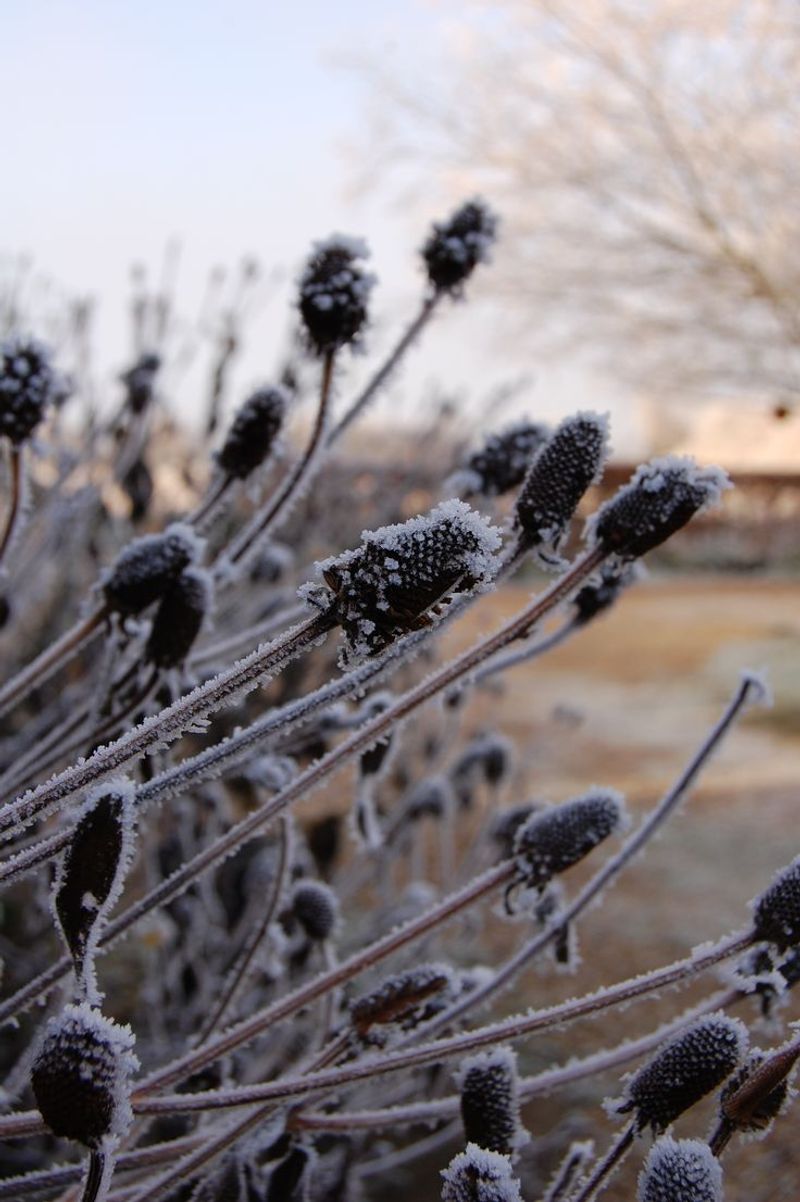
Cousin to the coneflower in both looks and usefulness, Black-Eyed Susan quietly earns its winter keep. Once the cheerful yellow petals drop, dark cone-shaped seed heads take center stage.
Small overwintering birds treat those seed heads like a well-stocked pantry, returning again and again through the coldest stretches. Watching them work is a simple joy on a gray January afternoon.
The stems stay sturdy too, giving insects a place to ride out the freeze. Leave a patch standing and you get free bird entertainment plus a bit of structure poking through the snow.
3. Sedum (Stonecrop)
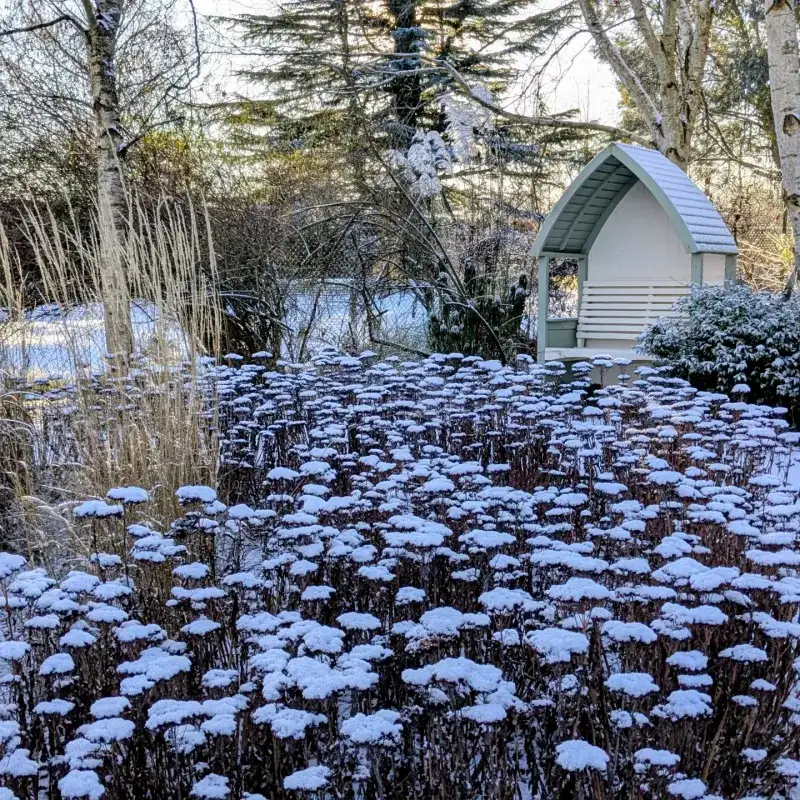
Few plants wear a snow cap as gracefully as a tall sedum. Those flat, rusty flower heads catch a puff of snow and suddenly look like tiny frosted platters scattered across the bed.
Many sedum varieties hang onto their unusual foliage well into winter, and the dried blooms keep working long after the color fades. Wildlife, including native birds, uses them for both a bite to eat and a spot of shelter.
Taller types especially bring real backbone to a dormant landscape. If you crave winter interest without any effort, this is the plant that delivers it while you sip cocoa indoors.
4. Joe Pye Weed (Eutrochium spp.)
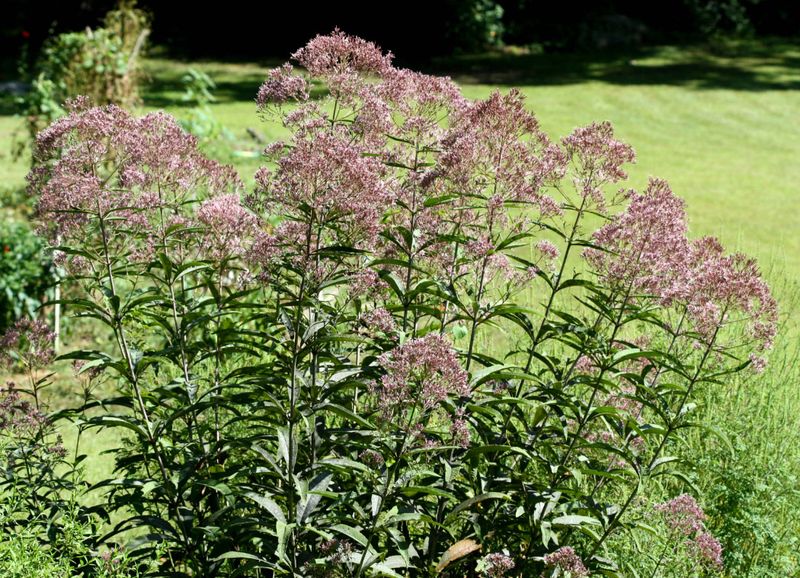
Standing head and shoulders above much of the border, Joe Pye Weed is a giant that keeps giving long past its bloom.
In fall it hands out nectar to pollinators, and in winter those tall hollow stalks become overwintering apartments for bees and wasps. Finches, in particular, adore the seeds and will visit repeatedly.
Leaving these towering stalks up also creates dramatic vertical lines against a flat winter sky. It is the kind of plant that makes a snow-covered garden feel alive rather than abandoned.
5. Brazilian Vervain (Verbena bonariensis)
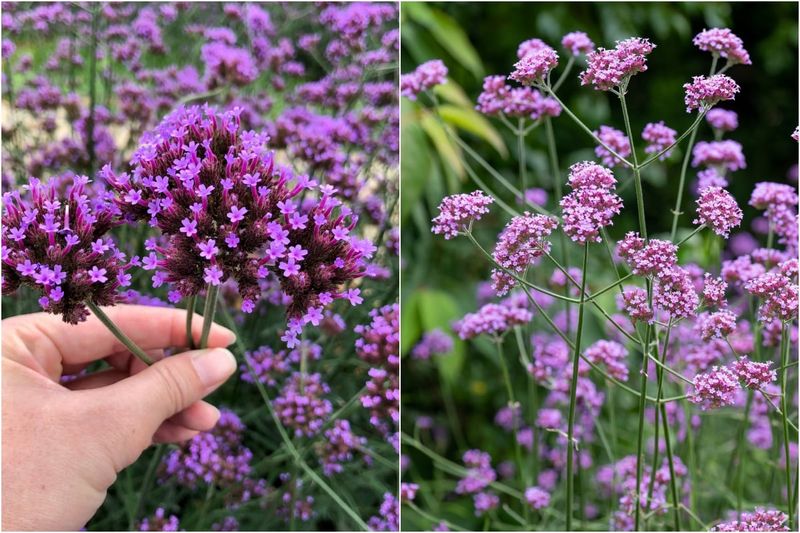
Thin as wire yet tough as nails, Brazilian vervain refuses to lie down when frost and wind arrive. Its slender stems stay upright, giving the winter garden a see-through, airy kind of structure.
The decorative seed heads pull in small birds looking for a meal, while the stems offer pollinators a quiet place to shelter.
Here is a bonus that thrifty gardeners love: this plant is a champion self-seeder. Leave it standing and you may find a crop of free seedlings popping up come spring, ready to fill gaps without costing a dime.
6. Coral Bells (Heuchera)
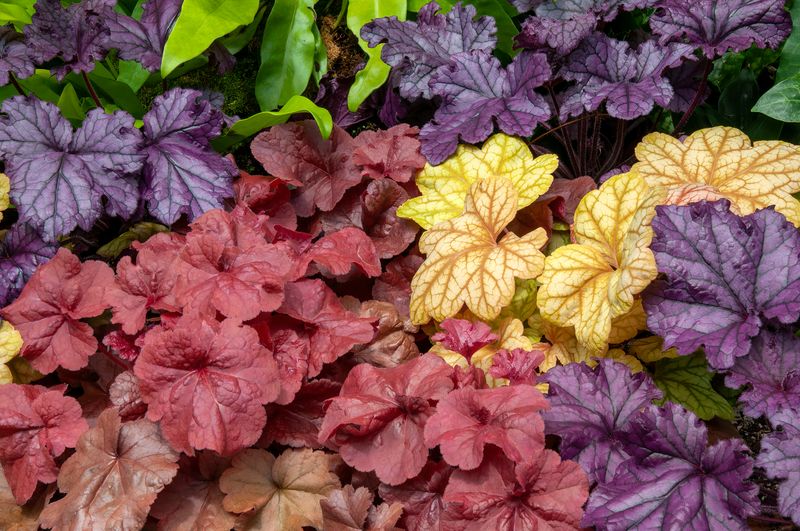
While most of the garden fades to brown, coral bells throw a splash of unexpected color into the mix. Their leaves come in shades like deep burgundy, zesty lime, warm caramel, and cool silver.
Being evergreen, that foliage stays fresh and vivid even with a blanket of snow draped over it. There is real charm in brushing off the powder to find bright leaves waiting underneath.
Beyond the good looks, those leaves protect the plant’s crown through the cold, low-maintenance and self-sufficient. Cut them back too soon and you rob the plant of its own built-in winter coat.
7. Hellebore (Lenten Rose)
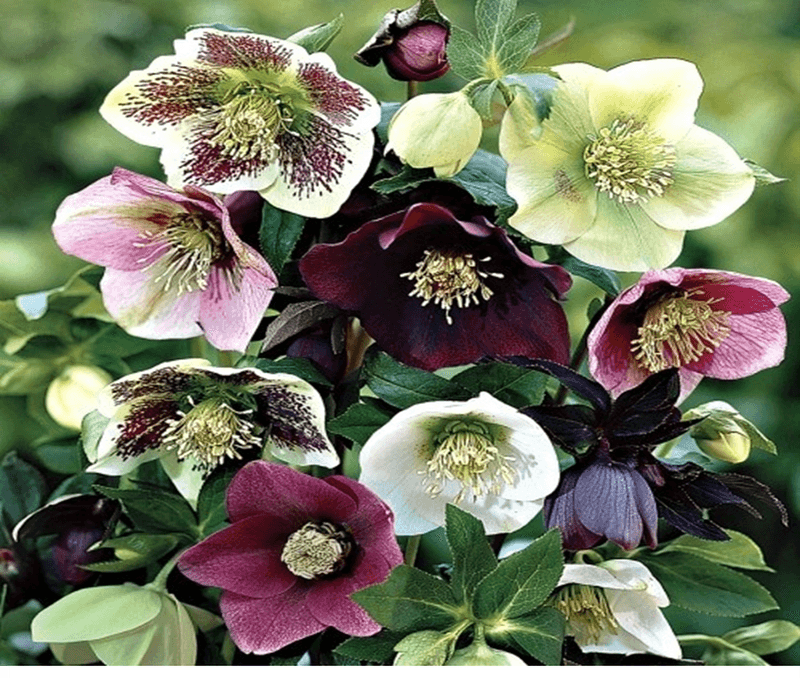
For anyone stuck with a shady, gloomy corner, hellebores are a small winter miracle. Their dense, leathery evergreen leaves keep shady beds looking lush when everything else has given up.
Depending on the variety and your growing zone, they may even push out elegant, cup-shaped blooms from late winter into mid-spring. Flowers in the middle of the cold season feel almost rebellious.
That splash of early color arrives right when gardeners are most desperate for a sign of life. Leave the foliage in place and you protect the plant while enjoying one of the season’s first shows.
8. Russian Sage (Perovskia atriplicifolia)
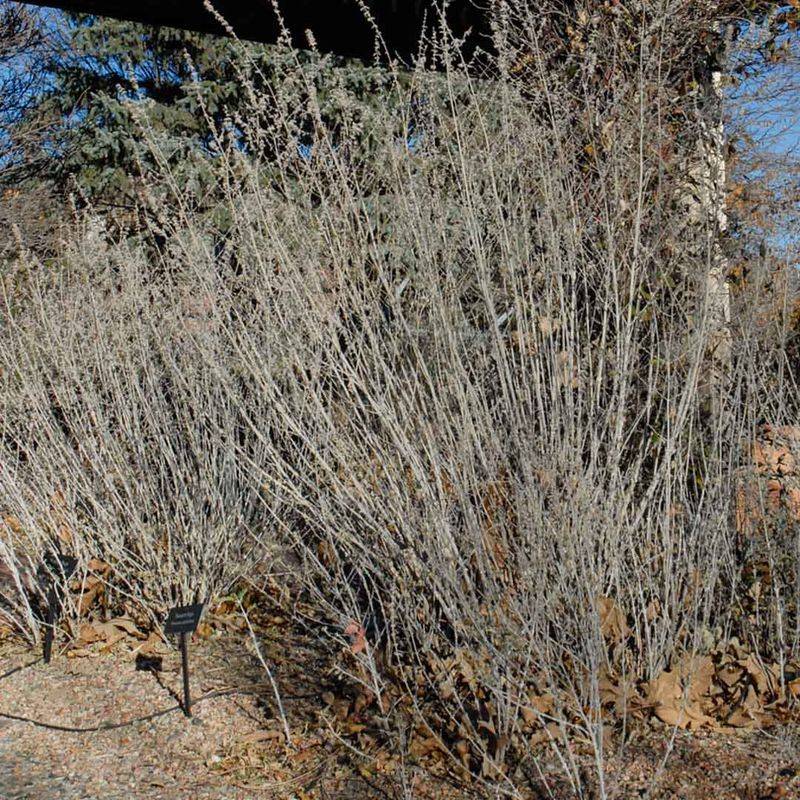
Aromatic and airy through summer, Russian sage keeps a quiet secret about winter. Cutting it back in fall can actually hurt it, because the plant is prone to winter damage.
The old, silvery growth acts like a shield, helping protect the crown from harsh cold. So doing nothing is not laziness here, it is smart plant care.
As a drought-tolerant perennial with a haze of tiny purple flowers earlier in the year, it fades into a ghostly, pale sculpture once dormant. Left standing, those wispy stems catch frost beautifully and guard next season’s growth at the same time.
9. Lamb’s Ear (Stachys byzantina)
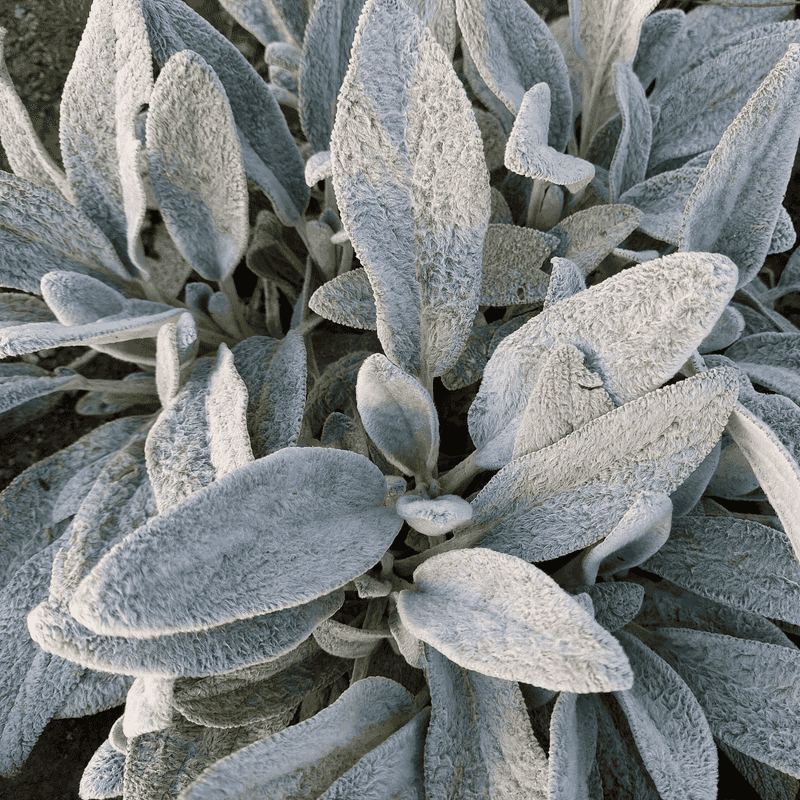
Run your fingers over Lamb’s Ear once and you will understand its name instantly. The soft, silvery, fuzzy foliage feels like touching velvet, and it looks just as inviting in the cold months.
That ground-hugging carpet adds a fresh textural surprise to a winter garden that is mostly stiff stems and bare soil. Frost clinging to the fuzzy leaves turns them into something almost magical.
Its low, spreading form also helps insulate the soil below, tucking in the roots against temperature swings. Practical and pretty, it is a fitting plant to round out the list.