
What It Really Means When A Toad Keeps Turning Up Around Your North Carolina Coneflowers
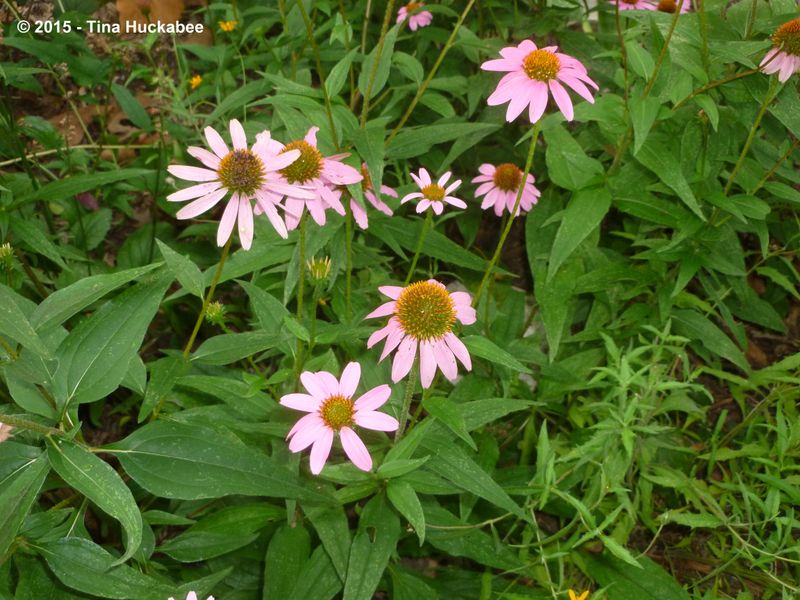
Finding the same toad tucked under your coneflower leaves day after day can feel like a mystery worth solving. Most North Carolina gardeners wonder whether the animal is helping the plants, hurting them, or simply passing through.
The answer is reassuring: the toad is almost certainly using the bed as a convenient shelter and hunting ground, not rewriting the fate of your flowers. Understanding why it keeps showing up, and what to do about it, makes you a better steward of both the wildlife and the garden.
The toad is probably reading the bed, not ruining it
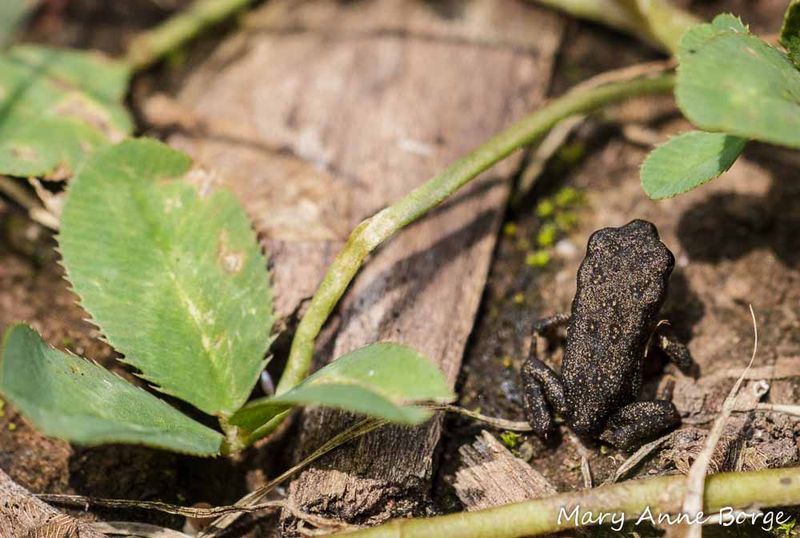
Spot a toad under your coneflowers once and you might shrug it off. See the same animal back in the same corner three mornings in a row, though, and the natural question is whether it belongs there at all.
The short answer is yes, and the longer answer tells you something useful about how your yard works.
Toads are primarily terrestrial animals that spend most of their lives on land rather than in water. North Carolina Wildlife’s profile of the American toad describes the species using gardens, meadows, and fields whenever adequate moisture, insects, and cover are available.
A coneflower bed that holds a little shade under its foliage, sits near a mulched border, and attracts flying insects at dusk can check every one of those boxes.
The toad’s daily routine reinforces this picture. During the warmest part of the day it likely rests beneath leaf litter or broad leaves where the air stays cooler and the soil holds a bit of moisture.
After dark it moves out to hunt, eating beetles, moths, pill bugs, and other invertebrates it encounters near the plants.
None of that activity damages established coneflowers. Penn State Extension’s guide to garden toads notes that toads eat many invertebrates and can contribute to natural pest reduction, though they should not be counted on as a replacement for proper plant care.
The toad is reading the bed as a useful resource, not selecting it as a target.
Treat the sighting as a habitat clue. The animal’s repeated presence suggests the spot offers something it needs, whether that is insect prey, a cooler microclimate, or simply good hiding cover.
That inference is worth noting, but it does not tell you whether your coneflowers are thriving or struggling. Those two questions belong in separate investigations.
A breeding pond need not sit beside the flowers
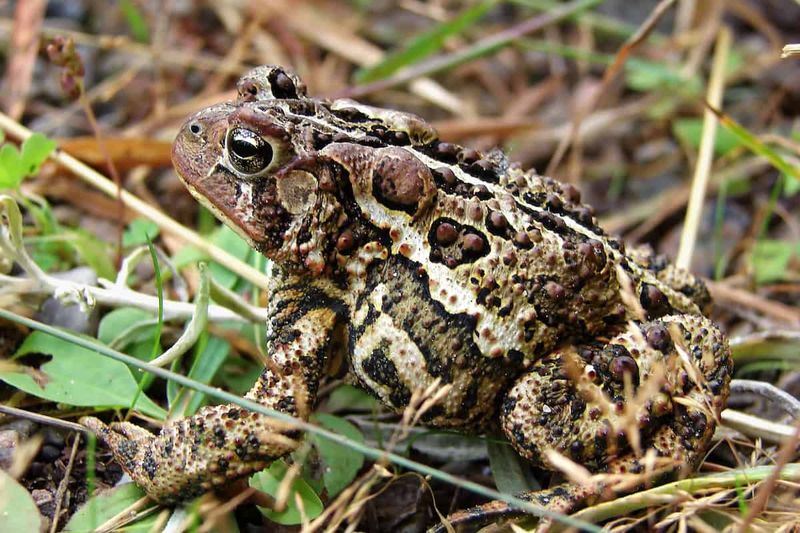
One of the most common assumptions when a toad keeps appearing in the garden is that a pond must be hiding somewhere nearby. It is a reasonable guess, but it misses how toads actually organize their lives across the landscape.
American toads breed in water, typically in shallow ponds, slow streams, or roadside ditches during late winter and early spring in North Carolina. Once breeding is finished, however, they move onto land and can travel considerable distances before settling into a summer territory.
North Carolina Wildlife documents American toads using woodland edges, gardens, meadows, and fields throughout the Mountains and Piedmont when moisture, insects, and cover are present. The garden visitor you are watching likely bred in water weeks or months ago and has since moved overland to wherever conditions suit it best.
That terrestrial lifestyle explains why a toad can return to your coneflower bed repeatedly without any pond in view. The bed offers what the animal needs right now: prey, shade, and ground cover.
The absence of standing water nearby does not mean the toad is lost or displaced. It means the animal is doing exactly what its species does after the breeding season ends.
North Carolina is home to four native true toad species, and the one in your yard will vary by region. American toads are the species most commonly encountered in the Mountains and Piedmont.
Oak toads and southern toads are primarily Coastal Plain species, and NC Wildlife’s species listings note Fowler’s toad as another native found across parts of the state. Visual identification from color alone is unreliable because these species can look similar, especially younger individuals.
Body markings, geographic range, and breeding calls offer more useful clues, but a confident identification often requires expert review.
The practical takeaway is simple. A toad in your garden does not require a pond at the property line to explain its presence, though it still depends on suitable water somewhere in the broader landscape for breeding each year.
Coneflower decline needs a separate investigation
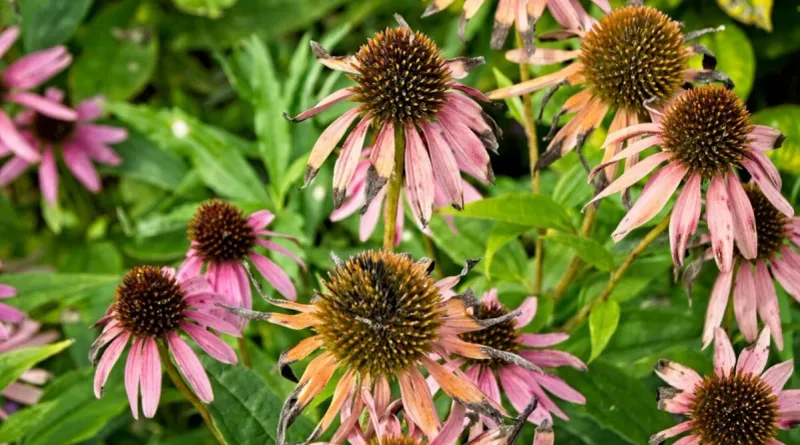
A toad in the coneflower bed can send a gardener down a tempting but misleading path: assuming the animal explains why the plants look rough. The toad’s presence and the plants’ condition may share some overlapping causes, such as moist soil or dense mulch, but the animal is not diagnosing the flowers and is not making them worse.
Before applying any care advice, identify which plant you actually have. “Coneflower” covers more than one species. Purple coneflower generally refers to Echinacea purpurea, while orange coneflower commonly refers to Rudbeckia fulgida.
NC State’s profile of Echinacea purpurea describes it as a full-sun plant that prefers well-drained soil and can tolerate drought once established, though it still performs best in moist, well-drained loam. Their cultural needs and the symptoms they show when stressed are not identical, so care advice for one does not automatically apply to the other.
For either plant, start the investigation with three independent checks. First, assess sun exposure.
Both coneflower types want several hours of direct sun each day, and a bed that has grown shadier as nearby shrubs or trees have filled in will produce weaker plants over time. Second, check drainage.
Soil that stays soggy after rain creates conditions where roots struggle or rot. Third, review your watering habits.
Prolonged dryness and consistently saturated roots both stress coneflowers, though in different ways.
NC State’s orange coneflower profile reinforces that Rudbeckia fulgida also thrives in full sun and does not perform well in soggy soil, so poor drainage is worth ruling out regardless of which plant you grow.
Beyond those site conditions, coneflower decline can involve leaf spot diseases, aster yellows, or insect feeding. These are separate issues worth investigating if the basic site conditions look fine.
A toad resting nearby cannot point to any of them specifically, and its presence should not be used as a reason to delay a proper look at the plants themselves.
Support the habitat without engineering a permanent pond
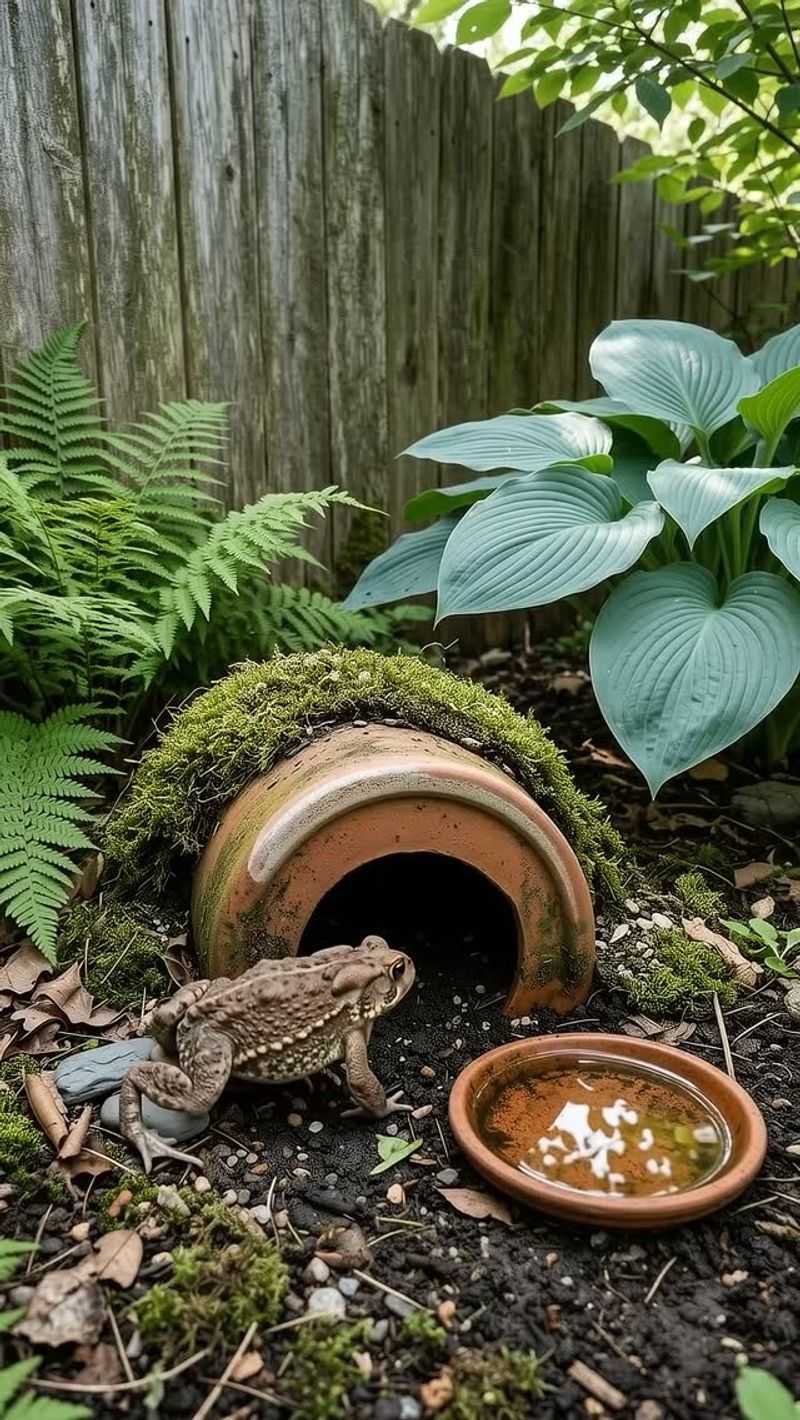
Knowing a toad is using the coneflower bed is a good reason to make the space a little more hospitable, but the most useful steps are small and inexpensive. The goal is to preserve what the animal already finds useful, not to rebuild the yard around it.
Ground cover and leaf litter are the foundation. Toads need places to hide from heat and predators during the day, and a loose layer of leaves or mulch near the bed gives the animal exactly that.
Penn State Extension’s toad gardening guidance identifies overturned clay pots with a small entry gap, rock piles, leaf litter, and dense low plantings as practical shelter options. Any one of these placed near the coneflowers, in a shaded corner or along a border, can give the toad a reliable daytime retreat without major landscaping work.
Pesticide use near the bed deserves careful thought. Toads have permeable skin, which means chemical residues on the soil surface or on plant foliage can be absorbed directly.
Spraying around the bed to address a coneflower pest problem is not a safe option when a toad is using the space. If pest management is needed, targeted, non-broadcast methods are far less likely to harm the animal.
Water is worth considering but should not become a construction project. If you want to offer a drinking and cooling source, Penn State Extension recommends a shallow container recessed into the ground so the toad can step in and out easily, kept filled with clean water.
A bowl that sits above ground level or fills with stagnant water quickly becomes a hazard rather than a help. Clean it regularly and keep it simple.
Natural cover and a chemical-light yard matter more to the animal’s long-term presence than any artificial water feature.
Resist the urge to redesign the whole bed in the toad’s honor. The animal showed up because something already works.
Retaining that something, including the leaf litter you might otherwise rake away, is the most effective habitat support you can offer.
Never turn a backyard sighting into a relocation project
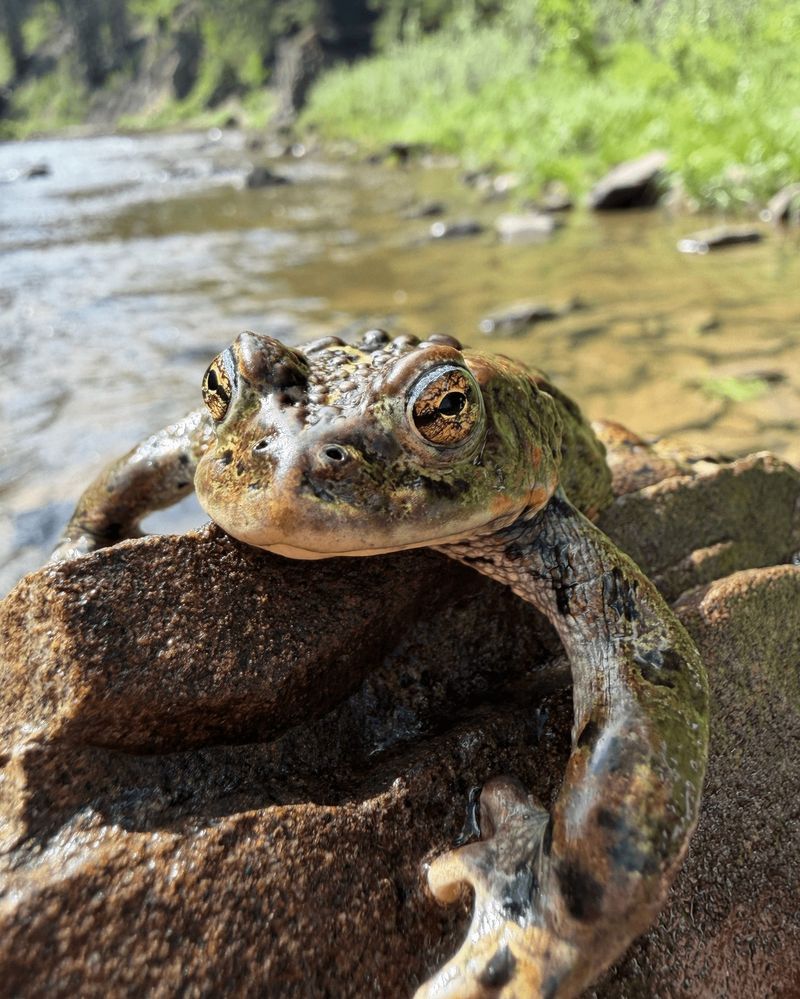
Seeing a toad repeatedly in one spot can trigger a helpful instinct: move it somewhere better. A pond a few blocks away, a nature preserve on the edge of town, a neighbor’s wilder yard.
The impulse comes from a good place, but acting on it is likely to harm the animal rather than help it.
Extension’s guidance on moving amphibians explains that relocating toads can spread disease between populations and that animals moved to unfamiliar territory may attempt to return to their original location, often crossing roads or other hazards in the process. A toad that looks perfectly comfortable in your coneflower bed is probably already where it wants to be.
Buying toads, collecting them from elsewhere, or ordering them by mail to release in the yard carries the same risks. Introduced animals may carry pathogens that resident wildlife has no immunity to, and nonnative individuals can displace or interbreed with local populations in ways that are difficult to predict or reverse.
The right approach is to support the animal that found your yard on its own, not to manufacture a population.
North Carolina Wildlife classifies native toads as nongame wildlife, and state rules address possession and collection of native wildlife species. Casual handling and relocation exist in a gray area that is best avoided entirely.
The one genuine exception is immediate danger. If a toad is sitting in a spot where it will be run over, stepped on, or attacked by a pet in the next few minutes, a short move to nearby cover is reasonable.
Use minimal contact, ideally gloved hands or a container, move the animal only a few feet to the nearest safe shelter, and wash your hands thoroughly afterward. Do not carry it to another yard, another park, or a pond across the neighborhood.
Nearby cover is the destination, not a better address.
Keep the toad away from hands, chemicals, and dogs
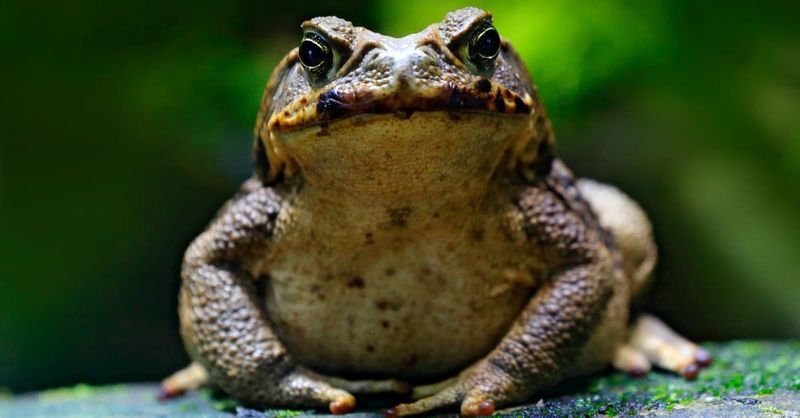
A toad living near the coneflower bed is not a toy, a teaching prop, or a pest to be chemically removed. Practical safety rules protect the household and the animal at the same time, and they are easy to follow once you know them.
Amphibians can carry Salmonella bacteria on their skin and in their droppings while appearing completely healthy. CDC guidance on reptiles and amphibians recommends washing hands thoroughly with soap and water after any contact with an amphibian or anything in its environment.
Children under five, older adults, and people with weakened immune systems should not handle amphibians at all, because Salmonella infection in those groups can become serious quickly. Supervising young children around the garden bed when a toad is present is a straightforward precaution.
Dogs present a different concern. Toad skin secretions are produced by parotoid glands behind the animal’s head and can cause significant problems when a dog licks, mouths, or attempts to eat a toad.
Pet Poison Helpline’s toad toxicity overview lists drooling, pawing at the mouth, vomiting, disorientation, and in more serious exposures, abnormal heart rhythms and seizures as possible reactions. The Merck Veterinary Manual’s entry on toad poisoning notes that severity depends on the species involved and the amount of exposure.
If your dog has licked or mouthed a toad and starts drooling heavily, retching, or acting strangely, contact a veterinarian promptly rather than waiting to see if symptoms resolve.
One myth worth clearing up: toads do not give people warts. The bumps on a toad’s skin are glands, not human wart tissue.
Penn State Extension confirms this directly while still recommending handwashing after contact because of skin secretions and microbial contamination.
Applying insecticide around the bed to address a plant problem is not a safe option with a toad in residence. Amphibian skin absorbs environmental chemicals readily, and broadcast pesticide use near a toad’s shelter or foraging area can harm or kill it.
Targeted pest management that avoids the toad’s known resting areas is the responsible path forward.
Treat the sighting as a clue, not a garden health certificate

A recurring toad near your coneflowers is worth paying attention to, but it carries a narrow message. The animal found a pocket of your yard that offers what it needs right now: prey, cover, moisture, and shade.
That is genuinely useful information about how the space functions as habitat, and it is a reason to preserve those features rather than tidy them away.
What the sighting cannot do is wider than what it can. NC Wildlife notes conservation concerns for some toad species even where common ones persist, so one backyard visitor is not confirmation that the local ecosystem is thriving, that the soil is healthy, or that the yard is free of pesticide residue.
If the coneflowers are struggling, investigate their sun, drainage, watering, and disease conditions on their own terms. Leave the toad alone unless it faces immediate danger, keep the nearby cover intact, and skip the chemicals near the bed.
A toad settling into your garden is a small sign that something works. Good stewardship means protecting that something rather than explaining it away.