
If White Pine Needles Hang On Through Winter, Here’s The Vitamin C Payload Hiding In Every Green Cluster
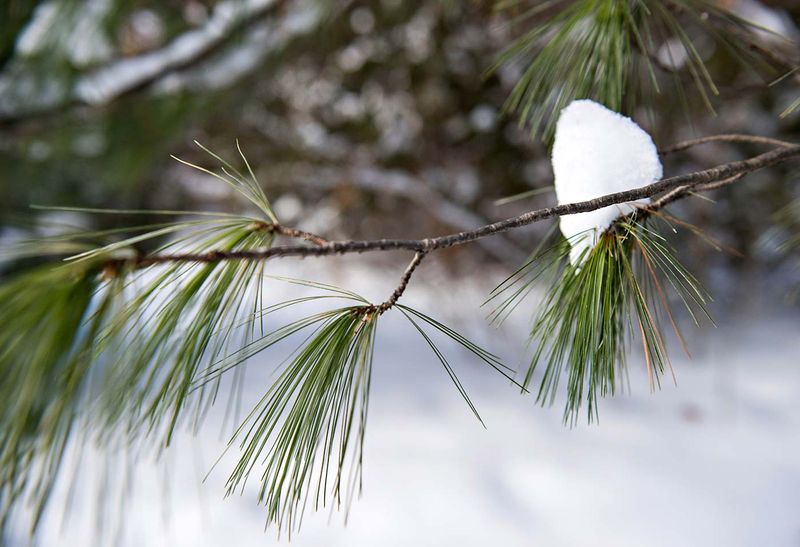
Walk past an eastern white pine in January and those long, soft needles are still green and very much alive. That has led a lot of people to wonder whether the tree is quietly storing up a big dose of vitamin C while everything else around it looks dead.
The short answer is that white pine needles do contain measurable vitamin C, but how much you actually get depends on far more variables than the season. Before you brew a cup of pine-needle tea, a few facts are worth knowing.
Eastern white pine needles contain vitamin C, but winter does not reveal a fixed dose
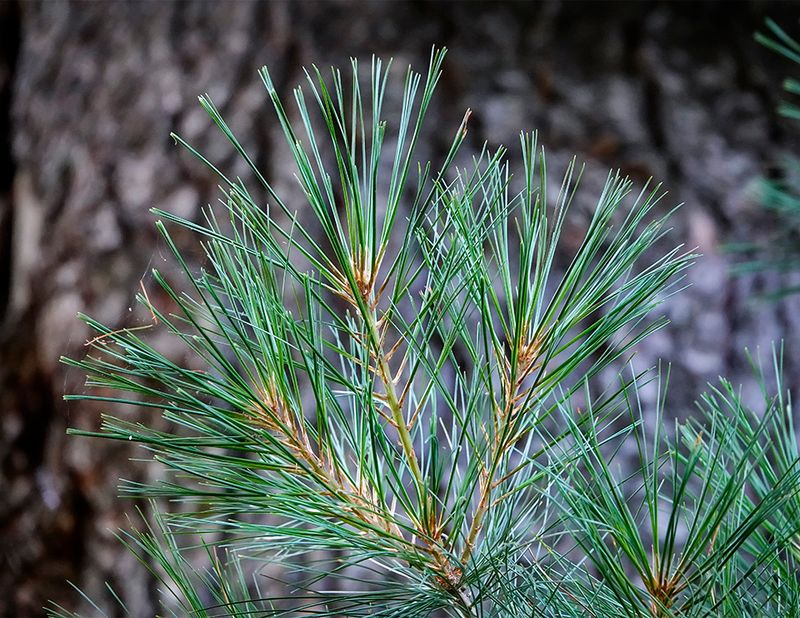
Measurable amounts of vitamin C do show up in eastern white pine needles, and that part of the popular claim holds up. What does not hold up is the idea that green needles hanging on a tree through winter carry a known, uniform, or especially high concentration.
A plant staying green in cold weather is a sign that it is evergreen, not a signal that its vitamin C content has peaked or stabilized at any particular level.
A USDA Forest Service study on eastern white pine measured ascorbic acid in the needles and found that the amount changed as needles matured and as the season progressed. That research did not cover winter months or establish what concentration you would find in a February cluster.
Without winter data, winter persistence simply cannot confirm a vitamin C peak.
The five-times-an-orange comparison floats around foraging blogs as though it were a settled fact. Treat it as a question the numbers must answer, not a conclusion.
The actual figures from the Forest Service research note and the NIH vitamin C fact sheet tell a more complicated story, one that later sections will walk through. The core answer you can take away right now: eastern white pine needles can contain meaningful vitamin C, but the amount varies by needle age, growing conditions, sample, storage, and how the needles are prepared.
No single green cluster comes with a guaranteed dose.
Identify Pinus strobus before considering any infusion
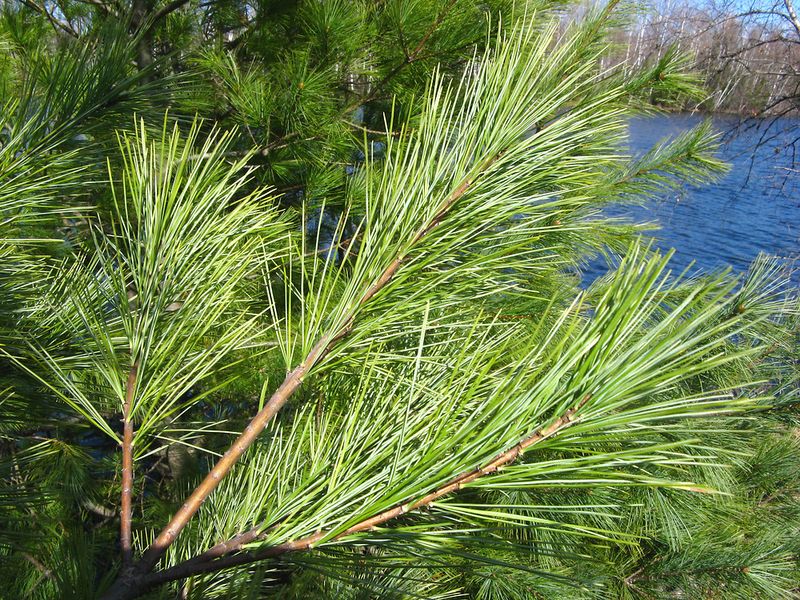
Species identification is not a formality you can skip. Eastern white pine goes by the scientific name Pinus strobus, and that name is the only anchor that connects published nutrition research to the tree in your yard.
Common labels such as pine, fir, spruce, cedar, and evergreen do not point to the same plant or the same chemistry. Oregon State University Extension explains that common names are routinely applied to multiple unrelated species, which is exactly why genus and species names exist.
Eastern white pine is recognizable by its needles, which grow in bundles of five and are noticeably soft and flexible compared with the stiff, sharp needles of many other conifers. The bundles are wrapped at the base by a small papery sheath.
Mature trees develop long, slightly curved cones that can reach six inches or more. No other native northeastern pine combines all three of those features: five needles per bundle, soft texture, and elongated cones.
The USDA research on eastern white pine was conducted specifically on Pinus strobus. Measurements from that study cannot be transferred to balsam fir, red spruce, Norway spruce, hemlock, or any other conifer, even if the tree looks vaguely similar.
Yew, in particular, is a serious hazard because its flat, dark needles can be confused with those of other conifers by someone who has not studied the differences carefully. Yew needles, bark, and seeds contain toxic compounds.
Positive identification of Pinus strobus, not a general impression of pine-like appearance, is the first and most important step before any other decision.
What the white-pine study actually measured
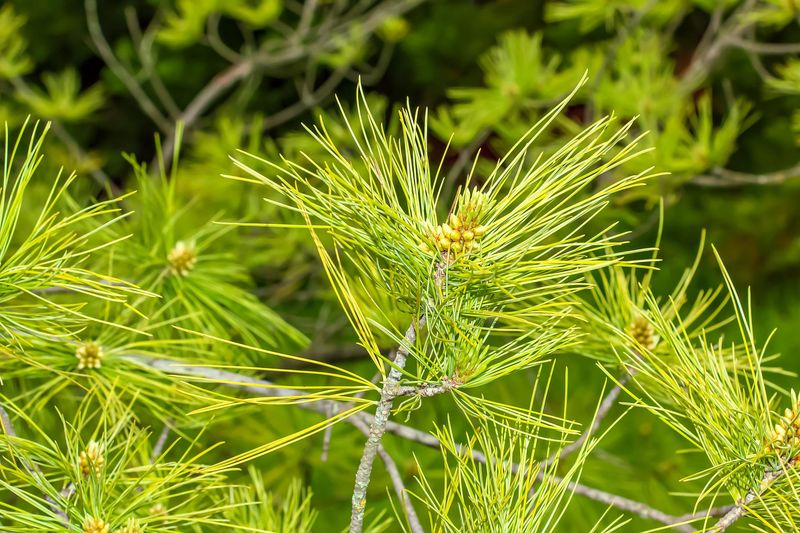
The USDA Forest Service study that gets cited most often in pine-needle nutrition discussions is a research note that examined seasonal and maturity-related changes in eastern white pine foliage. Researchers collected needles and measured ascorbic acid content at different points during needle development.
The work was conducted in June and July 1967, which means the data reflect spring and early summer conditions in a specific location, not a year-round or winter profile.
What the study found is that vitamin C concentration in the needles changed as the foliage aged. The full Forest Service record and the downloadable research note document those maturity-related shifts.
That finding is genuinely useful because it tells you needle age matters. What it does not tell you is what happens to vitamin C content in needles that persist through fall and winter, because the researchers did not measure that period.
Green needles on an evergreen tree in January are not evidence of concentrated nutrition. They are evidence that the tree is doing what evergreen trees do: retaining foliage through cold weather.
The chemistry inside those needles in winter is simply not something the available published research has measured in a way that would let anyone name a concentration with confidence.
Treating the June and July data as a window into winter needle chemistry is a stretch the study itself does not support. A figure measured in young summer foliage cannot be carried forward to older winter foliage without additional measurements, and those winter measurements have not been published in the sources available for this article.
The honest conclusion from the research is that eastern white pine needles contain vitamin C and that the amount varies with maturity, but the winter chapter of that story remains unwritten in the scientific record.
The orange comparison changes when serving size enters the picture

Numbers from the Forest Service research note give eastern white pine needles a vitamin C range of roughly 0.72 to 1.87 milligrams per gram of needles, depending on needle age. Scaled up to 100 grams, that works out to approximately 72 to 187 milligrams.
According to the NIH Office of Dietary Supplements, one medium orange contains about 70 milligrams of vitamin C.
On that raw-weight comparison, the highest figure from the Forest Service data is roughly 2.7 times the vitamin C in one medium orange, not five times. The five-times figure appears to come from comparisons involving different conifer species, often balsam fir, or from cherry-picking the highest published values and applying them universally.
Neither approach is accurate for eastern white pine specifically.
Even the 2.7-times comparison runs into a practical problem: it assumes you are consuming 100 grams of raw pine needles. That is a substantial pile of foliage, not a realistic serving.
A typical tea recipe calls for a small pinch or a tablespoon of chopped needles steeped in hot water. That quantity weighs far less than 100 grams, so the vitamin C going into the cup starts from a much smaller base before heat and water exposure reduce it further.
Vitamin C is water-soluble and sensitive to heat. Some of it will transfer into the tea, but no reliable published figure establishes what percentage survives brewing or how much ends up in a finished cup.
Comparing raw-needle concentration to the vitamin C in an orange is a starting point for curiosity, not a serving-size guarantee. The gap between what the plant contains and what you actually drink is where the headline claim falls apart.
Needle age and species do not follow one universal rule
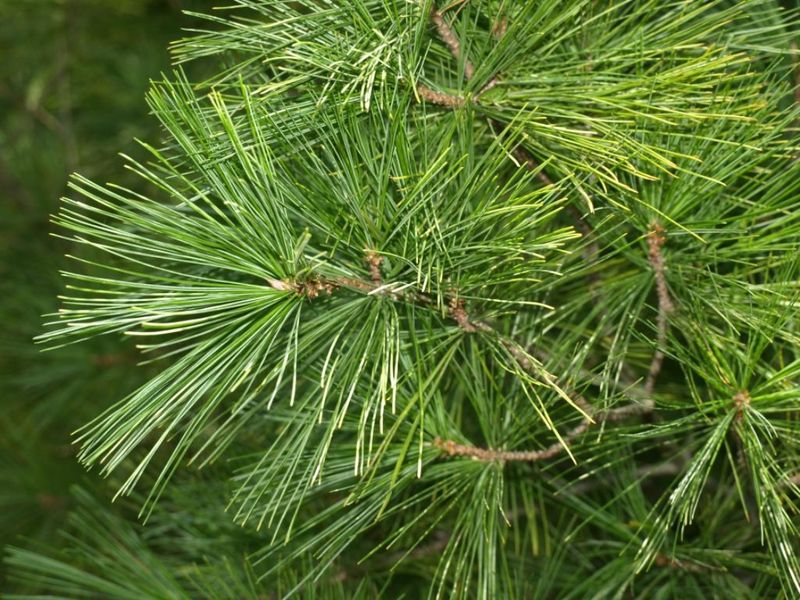
One tempting shortcut after reading about maturity-related vitamin C changes in eastern white pine is to assume that older, darker, winter-retained needles are automatically the most nutritious. The eastern white pine data do show variation linked to needle age, but that pattern does not translate into a simple rule you can apply across all conifers or all harvest windows.
A study on Norway spruce found the opposite pattern in that species: young sprouts had higher vitamin C than older needles in the samples examined. Norway spruce is a different species with different biology, and its results cannot be imported into a claim about eastern white pine.
The point is not that one pattern is right and the other is wrong. The point is that conifer species differ from each other, and a rule derived from one cannot be assumed to apply to another.
Connecting this back to winter harvesting: needles that have stayed on an eastern white pine through several months of cold are not automatically at a nutritional high point. The USDA Forest Service research documented changes during the growing season but did not establish a winter maximum or confirm that older foliage outperforms younger foliage across all conditions.
Age-related changes in one season do not reliably predict what happens over a full year of needle retention.
Replacing the five-times-an-orange oversimplification with an older-is-always-better rule would just be swapping one unsupported shortcut for another. The honest position is that eastern white pine needle chemistry varies, the published data cover a narrow seasonal window, and winter-retained needles have not been shown to represent a nutritional peak by any available measurement.
Safe harvesting matters more than the viral number
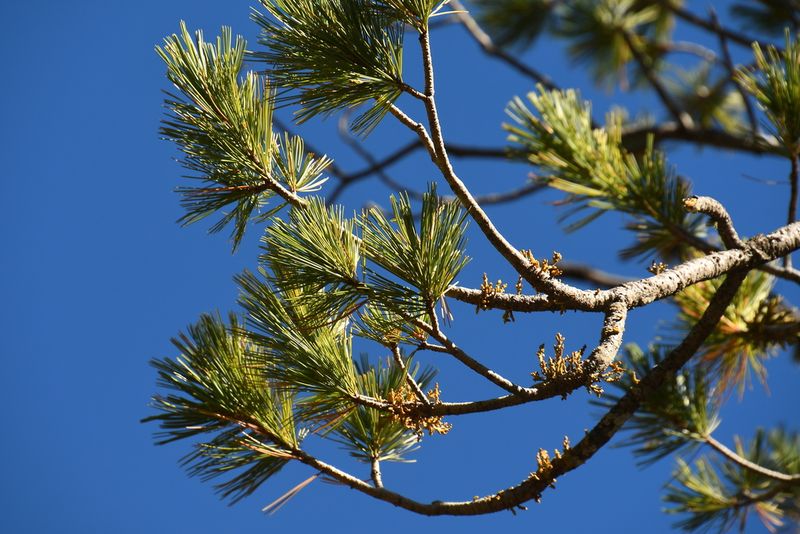
Knowing the vitamin C range in eastern white pine needles matters far less than knowing whether the foliage you are about to use is safe. Positive identification of the species comes first, and it must be confirmed before anything else.
A general impression of pine-like appearance is not enough. You need to confirm five soft needles per bundle, a papery basal sheath, and the elongated cones that together distinguish Pinus strobus from look-alikes.
Yew is the most serious concern. Yew plants contain cardiotoxic taxine alkaloids in nearly all of their tissues except the fleshy red aril surrounding the seed.
Ingesting yew material can cause arrhythmias, cardiac arrest, or respiratory failure. Yew needles are flat, dark green, and arranged in two rows along a stem, which is visually different from a white pine bundle, but someone who has not studied both plants side by side can make a dangerous mistake.
Source location is the second critical filter. Oregon State University Extension specifically warns against using ornamental plants when the spray history is unknown.
That guidance applies directly to backyard and landscape trees. A white pine growing next to a frequently treated lawn, near a roadway, or in a nursery or Christmas-tree lot may have absorbed pesticides, herbicides, or road-salt residue that no amount of rinsing will fully remove.
The CDC guidance on plant poisoning risks makes clear that misidentification and unknown chemical exposure are the two primary dangers in plant foraging. A recipe cannot fix a wrong identification, and steeping contaminated foliage in hot water does not purify it.
Collect only from a tree you have identified with certainty, growing in a location with no pesticide, herbicide, or roadway exposure you cannot account for.
A cautious tea is not a vitamin supplement or medical treatment
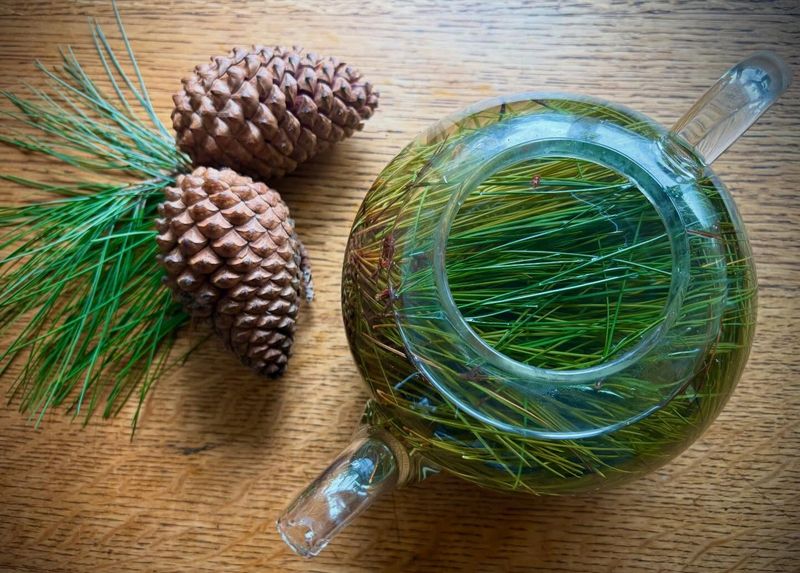
Vitamin C is water-soluble and breaks down when exposed to heat and prolonged storage. The NIH vitamin C fact sheet notes that cooking and extended storage reduce ascorbic acid content because of its sensitivity to both.
Steeping pine needles in hot water is a mild extraction process, not a lossless transfer. Whatever vitamin C the raw needles contain, the finished cup will have less, and no published figure reliably quantifies how much less.
Adult recommendations for vitamin C are 90 milligrams per day for men and 75 milligrams per day for women, with an additional 35 milligrams for people who smoke. Those are dietary reference values set for a balanced diet, not a recommended amount of pine-needle tea.
A small pinch of needles steeped briefly in hot water is not a standardized supplement, and there is no basis for assigning it a specific nutrient dose.
Some foraging articles cite laboratory antioxidant assays from pine-needle extracts and imply that the tea produces the same effects in the human body. Research measuring antioxidant activity in pine-needle extracts documents chemical behavior in a test setting, not clinical outcomes in people.
A test-tube result and a human health benefit are not the same thing. The same gap applies to Norway spruce research on nutrient content: those findings describe plant chemistry, not therapeutic effects confirmed in human trials.
Pine-needle tea has not been clinically established as a treatment for colds, flu, scurvy, inflammation, or immune disorders. Public health guidance on plant-based exposures consistently reinforces that unstandardized plant preparations carry variable chemistry and should not substitute for medical care.
An occasional cup made from a small amount of clean, positively identified foliage is a reasonable personal choice for someone who enjoys it, not a health intervention.
The useful takeaway is smaller—and safer—than the headline
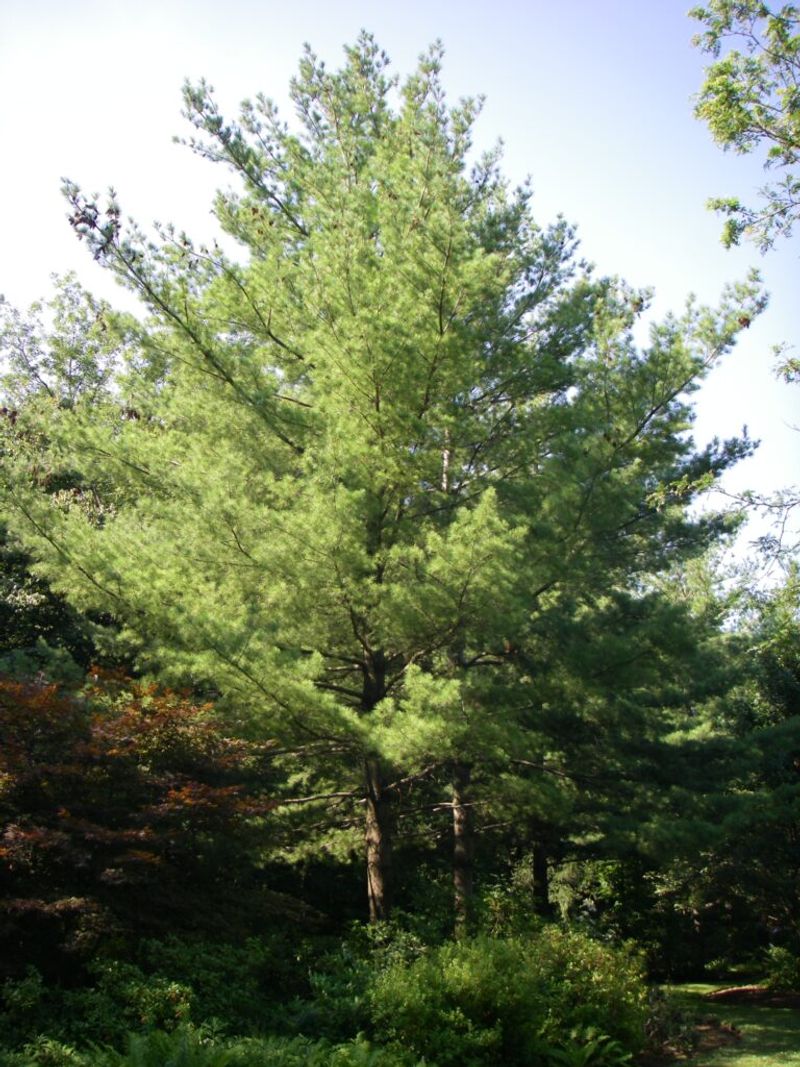
Eastern white pine needles do contain vitamin C, and the USDA Forest Service research confirms that the amount changes with needle maturity. What the evidence does not support is a universal five-times-an-orange promise, a winter-specific concentration, or a guaranteed dose in any given cup of tea.
The headline version of this story is more exciting than the accurate version, and that gap is worth knowing before you head outside with a pair of scissors.
The practical checklist is short. Confirm the species is Pinus strobus using the five-needle bundle and other physical features.
Collect only from a tree in a clean location with no pesticide, herbicide, or road exposure you cannot account for, keeping ornamental and roadside trees off the list. Use a small amount for an occasional tea, and do not treat the drink as a supplement, a cold remedy, or a substitute for medical care.
For dependable daily vitamin C, ordinary foods and professional guidance remain the most reliable path. And stay well clear of yew and other misidentified evergreens, because a wrong identification carries consequences no amount of vitamin C can offset.
The white pine in your yard is genuinely interesting; it just does not need the exaggeration to be worth knowing.