
If Your Hydrangeas Sailed Through Summer, Here Are The Fall Habits Quietly Undoing Every Bloom
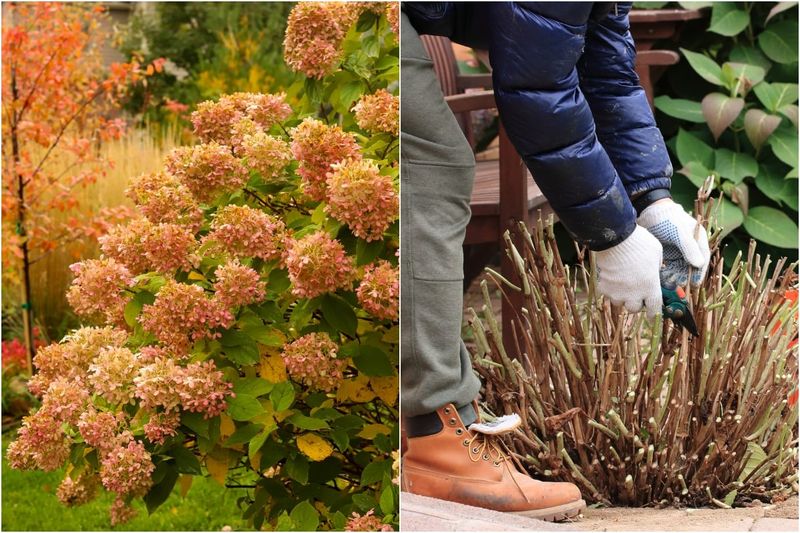
Your hydrangeas looked amazing all summer, and now you want to help them along before winter. But some well-meaning fall chores can quietly wipe out next year’s flowers before they ever get a chance.
The tricky part is that you won’t notice the damage until spring, when the blooms just don’t show up. Here are the fall habits to watch for, plus the easy fixes that keep your hydrangeas blooming big.
1. Pruning Old-Wood Hydrangeas in Fall
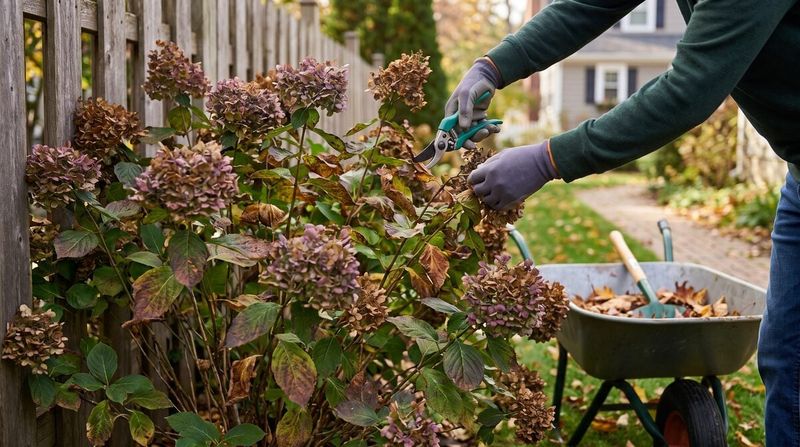
Grab those pruning shears in fall and you might be snipping away every single flower you were hoping for next June. Mophead, oakleaf, and lacecap hydrangeas bloom on what gardeners call old wood, meaning they set next year’s flower buds on this year’s stems.
Cut those stems back in autumn and you’re literally removing the buds before they ever open. The plant looks tidy, but come spring you’re staring at a big green bush with almost no color.
The safe move is simple: leave old-wood hydrangeas alone in fall. If you truly need to shape them, wait until right after they finish flowering in summer, when new buds haven’t formed yet.
Not sure which type you have? When in doubt, skip the fall pruning entirely.
You lose nothing by leaving the stems standing, and you keep every future bloom safe.
2. Cutting Off Spent Flower Heads Too Early
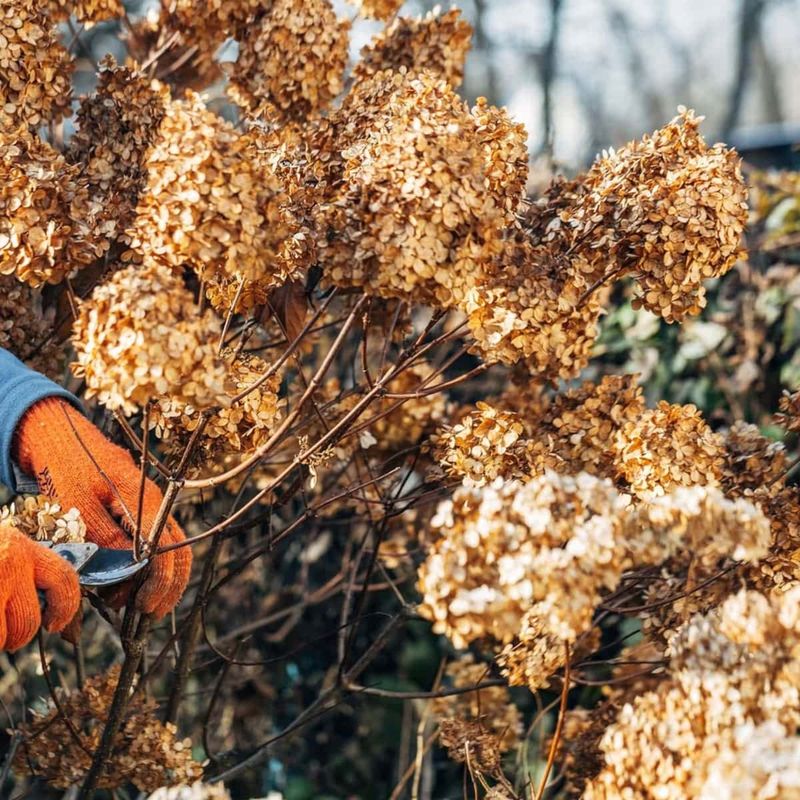
Those faded, papery blooms sitting on top of your hydrangea might look messy, but they’re actually pulling double duty. Left in place, the old flower heads act like little umbrellas, shielding the tender buds underneath from early cold snaps and biting wind.
Snip them off too soon and you strip away that free layer of insulation right when the plant needs it most. The buds sit exposed while the shrub is still trying to harden off for winter.
Think of the spent blooms as a cozy blanket the plant grew for itself. There’s no rush to remove them, and many gardeners even enjoy the frosted, dried look through the colder months.
Save the cleanup for spring instead. Once you see fresh green buds swelling, you can gently remove the old heads without putting next season’s flowers at risk.
3. Fertilizing When the Plant Wants to Rest
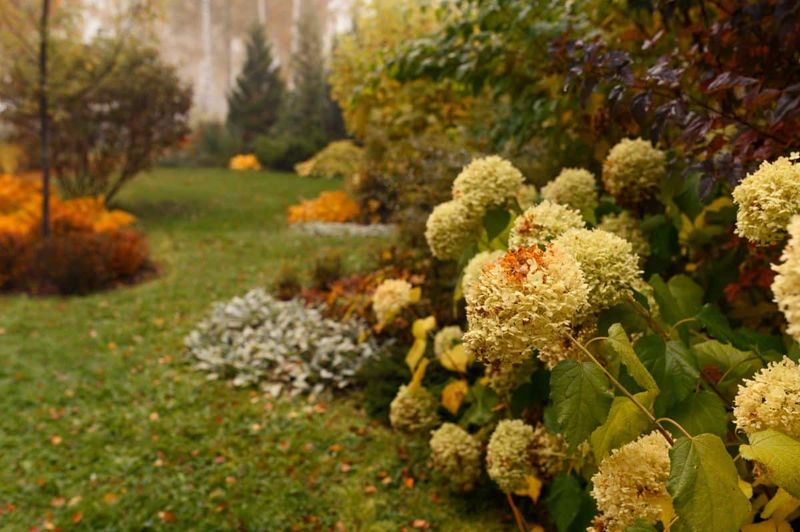
Feeding your hydrangea a fall snack feels generous, but it can backfire in a big way. Autumn is when the plant is trying to slow down and get ready for dormancy, not push out fresh growth.
A dose of fertilizer flips the wrong switch, waking the shrub up and coaxing out tender new shoots. That soft growth has zero chance against the first hard frost, and it gets zapped almost immediately.
There’s another catch too. Extra nitrogen tends to steer the plant toward leafy growth instead of flowers, so you can end up with a lush, green bush and disappointingly few blooms the following year.
Pile on too much and the salts can build up in the soil, scorching roots and leaving you with brown leaf edges, yellowing, or wilting. The kind, effective choice is to put the fertilizer away until spring and let your hydrangea rest.
4. Letting the Soil Dry Out Before Frost
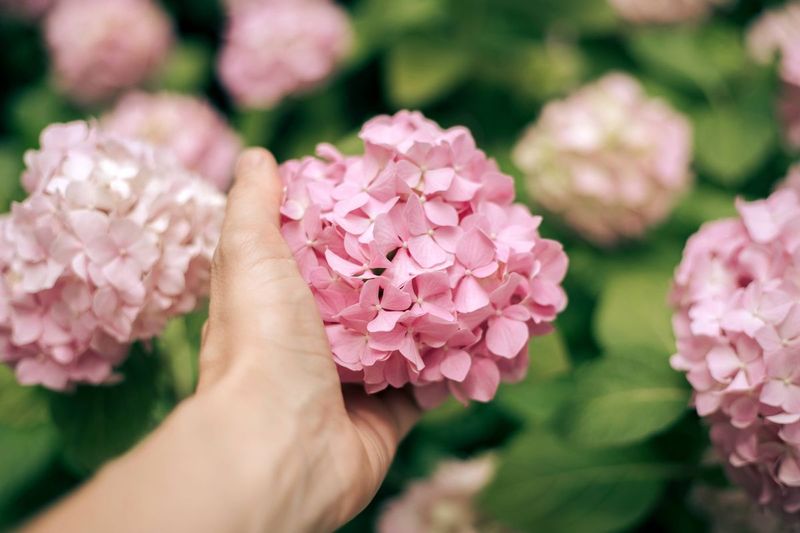
Once the summer heat fades, it’s easy to assume your hydrangea no longer needs a drink. That assumption can leave the plant going into winter thirsty and stressed, which is a rough way to face the cold.
Hydrangeas like their soil consistently moist, and a good deep watering before the ground freezes helps the roots store up what they need. A well-hydrated plant simply handles winter better than a parched one.
The trick is timing. Keep an eye on the forecast and give your shrub a thorough soak before that first hard frost arrives, especially if fall has been dry.
Deep watering beats a quick splash every time. Slow, soaking sessions push moisture down toward the roots, encouraging a stronger root system and setting the stage for healthier blooms next year.
5. Drowning Them With Too Much Water
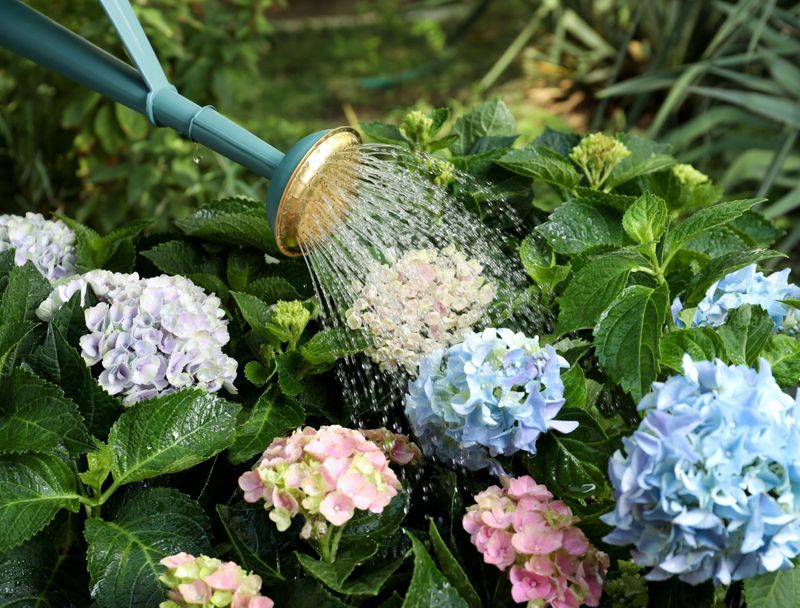
Here’s the flip side that surprises a lot of folks: you can absolutely overdo the fall watering. Soggy soil isn’t a sign of care, it’s a recipe for trouble.
When roots sit in constantly waterlogged ground, they struggle to breathe, and the plant may respond by pushing out more leaves while skimping on flower buds. You get a bushy shrub with a stingy bloom count.
Too much water can also invite root rot, which quietly undermines the whole plant from below. By the time you notice droopy or yellowing leaves, the damage is often already done.
Aim for balance instead of extremes. Check that the top inch or two of soil has started to dry before you water again, and make sure the spot drains well so your hydrangea never sits in a puddle.
6. Pruning New-Wood Types Just Because You Can
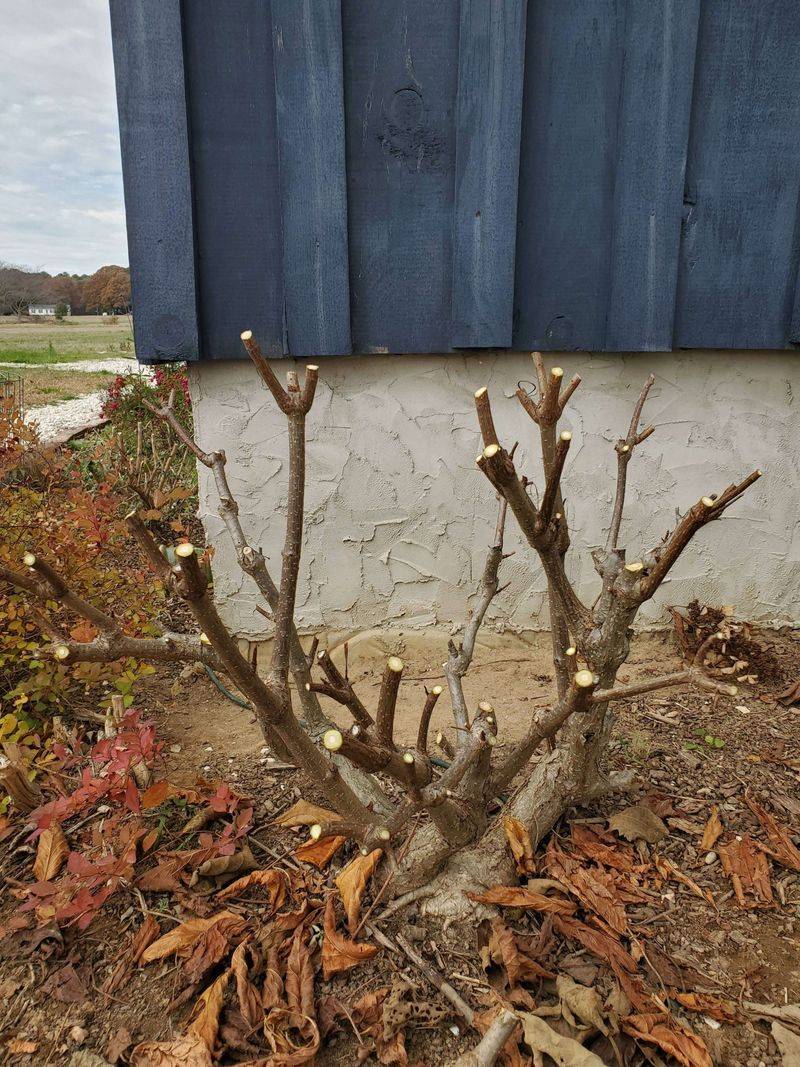
Panicle and smooth hydrangeas are the forgiving ones, since they bloom on new wood and won’t lose next year’s flowers to a fall trim. But forgiving doesn’t mean it’s a good idea.
Cutting them back in autumn leaves fresh wounds and open stems right as freezing weather rolls in. That makes the plant more vulnerable to winter damage, and stressed stems don’t do your spring show any favors.
It’s a classic case of doing a chore just because the plant technically allows it. The shrub would honestly rather keep its full frame through the cold months.
Hold off and let those sturdy stems stand until late winter or early spring. Prune when the worst freezes have passed, and your new-wood hydrangeas will reward you with strong, fresh growth and plenty of blooms.
7. Skipping Mulch and Winter Protection
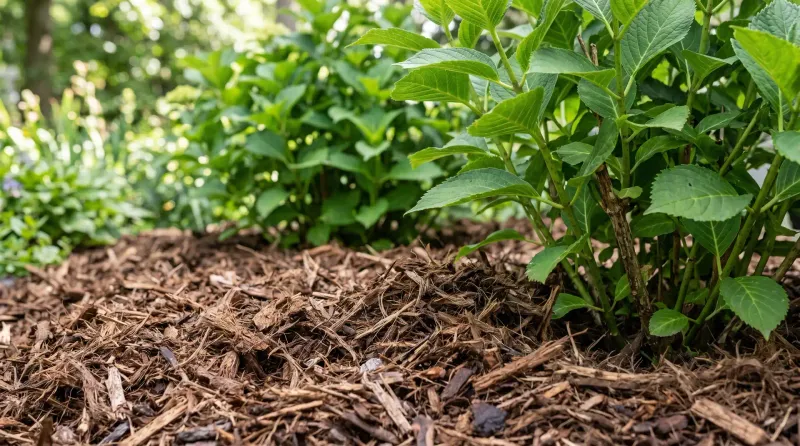
Picture your hydrangea’s roots facing a freezing, thawing, freezing cycle all winter with nothing to shield them. That constant temperature swing is one of the sneakiest ways cold weather chips away at next year’s blooms.
A generous layer of mulch around the base changes everything. Wood chips, shredded leaves, or bark help hold in soil warmth and moisture while smoothing out those wild swings that can heave roots right out of the ground.
Fun fact: even a few inches of loose mulch can make a real difference for buds low on the plant, giving them a fighting chance against harsh cold.
Spread the mulch a couple of inches deep, keeping it slightly away from the main stems so they don’t stay soggy. It’s a small, once-a-season habit that quietly protects all the bloom potential you worked so hard to grow.