
North Carolina HOA Plant Rules You Actually Have The Legal Right To Challenge This Fall
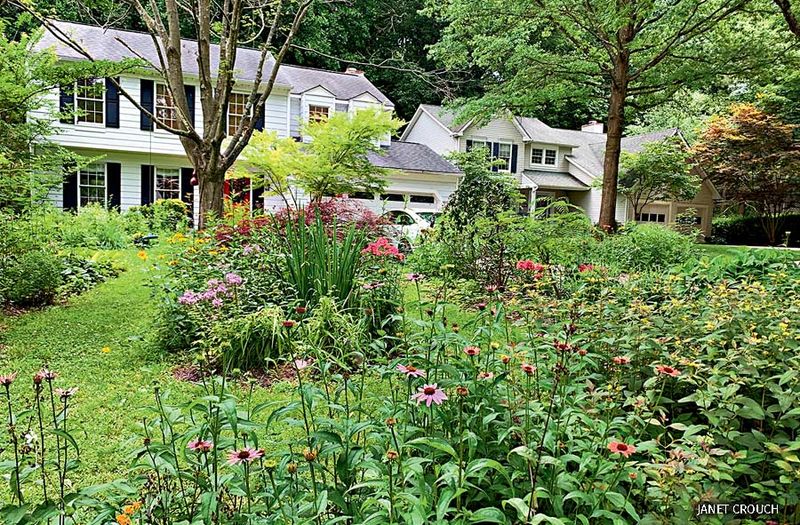
If your homeowners association keeps telling you to rip out your milkweed or replace your wildflowers with plain turf grass, you may have more room to push back than you think. North Carolina does not have one big law that protects native gardens, but there are real cracks in HOA power you can use this fall.
Fall is also the best planting season here, so the timing works in your favor. Let’s walk through the rules you can question and the smart, legal ways to do it.
1. Inconsistent Enforcement of Landscaping Rules
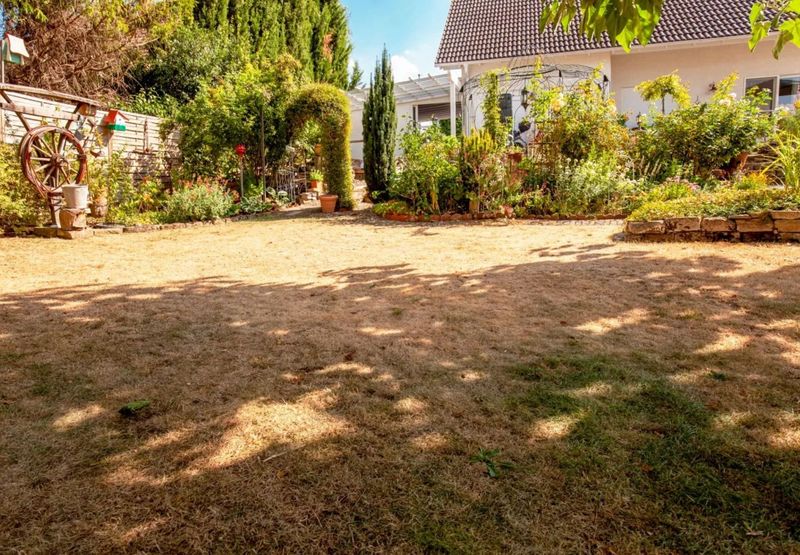
Picture two houses on the same street. One gets a violation letter for a native flower bed while the neighbor’s weedy, half-dead lawn gets a pass.
That uneven treatment is one of the strongest cards you can play.
North Carolina HOAs are expected to apply their rules evenly across the whole community. When they let some yards slide and single yours out, you may have solid grounds to dispute the violation.
Start documenting. Take dated photos of other yards that break the same rule the HOA is citing against you.
Keep copies of any letters, emails, and meeting notes.
Selective enforcement weakens the association’s position fast, because a rule that only applies to certain people often will not hold up. Bring your evidence to the board in writing, calmly, and ask why your native planting is being treated differently than similar yards nearby.
2. Vague Neat and Manicured Appearance Language

Some HOA rulebooks never actually ban native plants. Instead they use fuzzy phrases like requiring a “neat and manicured appearance” without saying which plants are off limits.
Vague language cuts both ways, and that works in your favor. If your garden looks intentional and cared for, you can argue it fully meets the spirit of the rule.
Design matters here. Add clean edges, defined borders, and mulched pathways so your bed reads as a planned landscape, not a patch of neglect.
A well-groomed stand of blue mistflower buzzing with bees in late fall can look every bit as tidy as clipped shrubs. When the rule only asks for neatness, deliver obvious neatness and let the flowers do their ecological work underneath.
Ambiguous wording is much harder for a board to enforce than a specific ban.
3. The Architectural Review Process
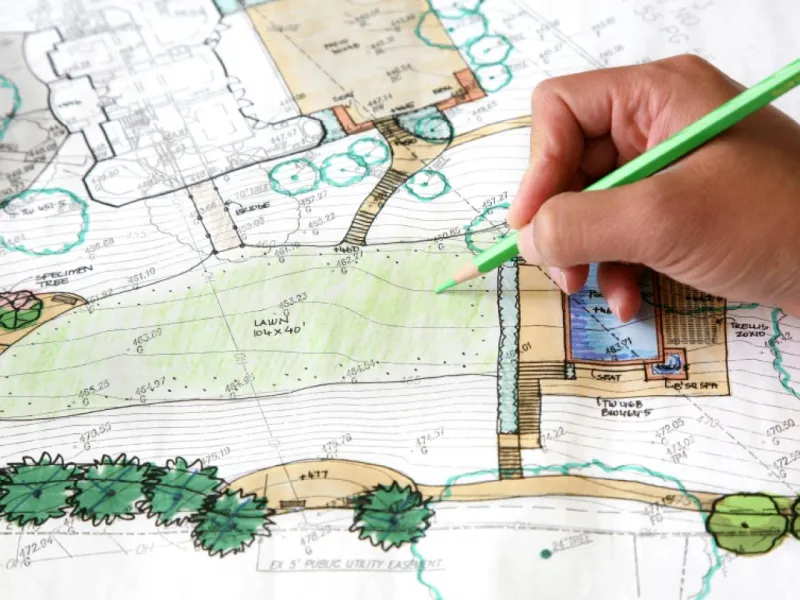
Most HOAs have an architectural review committee that approves yard changes before you dig. Rather than fighting this step, use it as your stage.
Submit a detailed, professional-looking plan. Include a drawing of the layout, a list of native species like coral honeysuckle and blue mistflower, and a short note on the ecological benefits each one provides.
Boards respond to intention. A messy request gets denied, but a thoughtful proposal that shows you have planned for stormwater management, curb appeal, and pollinators is genuinely hard to reject.
Point out that native plantings can raise property values and cut long-term maintenance costs, goals the HOA already claims to care about. When you walk in prepared with a clear design and real reasoning, you shift from asking permission to making a case they would look unreasonable turning down.
4. The Belmont Association v. Farwig Solar Precedent
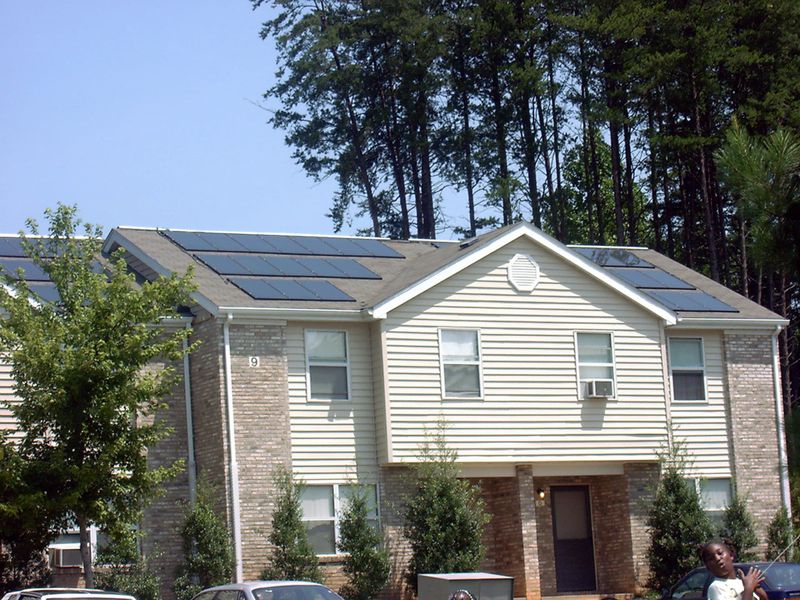
Here is a 2022 case worth knowing. In Belmont Association v.
Farwig, the North Carolina Supreme Court ruled that an HOA could not use its architectural review process to sidestep a state law protecting solar collectors.
Why does solar matter for your flower bed? Because the ruling set a bigger principle: when state law limits HOA authority, the association cannot dodge it through paperwork and committee denials.
There is no native-plant statute yet, so this is not a direct win for gardens. What it gives you is leverage in conversation and a reminder that HOA power has limits.
You can also point to N.C.G.S. section 47F-3-122, which stops HOAs from forcing irrigation during a declared drought unless the covenant specifically requires it. Both examples show that HOAs are not all-powerful, and that reality alone can make a board more willing to compromise.
5. Replacing Banned Invasives Like Bradford Pear
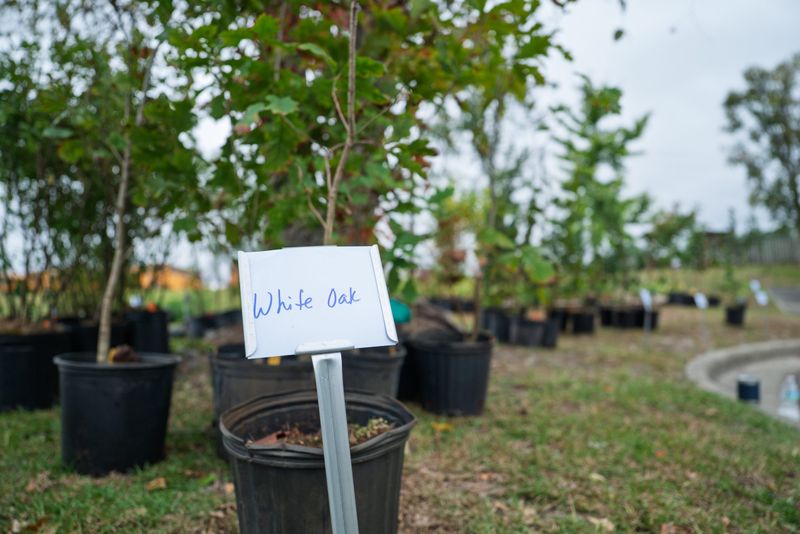
Sometimes the plants an HOA loves are the ones that actually hurt the neighborhood. Bradford pear, once planted everywhere for its spring blooms, is now widely recognized as an invasive nuisance that spreads into wild areas and splits apart in storms.
Fall is prime time to remove it and other troublemakers like Chinese wisteria, mimosa, privet, autumn olive, and burning bush. Manual, mechanical, and chemical methods all work depending on the size of the plant.
Even better, North Carolina runs a Bradford Pear Bounty Program that lets residents swap out removed trees for free native replacements. Try native crossvine or trumpet vine in place of Chinese wisteria, or native beautyberry instead of the Chinese kind.
Framing removal as protecting the whole community from a spreading pest turns your project into something the HOA has trouble opposing.
6. Tick-Safe Border Plantings
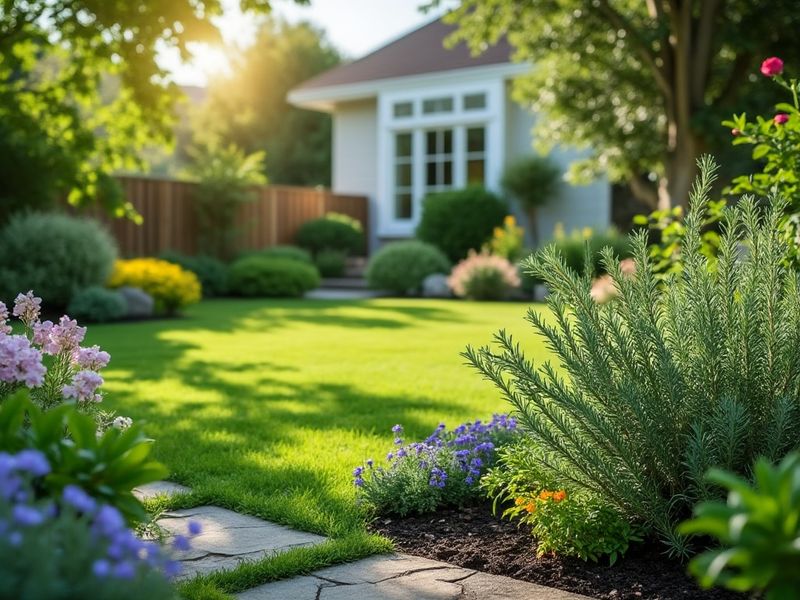
Ticks are not just gross, they carry disease, and where you plant can change how many end up near your family. A thoughtful border between your lawn and any wooded edge can help reduce tick contact zones.
Dense, well-maintained native shrub borders create a cleaner transition than a ragged, brushy line that ticks and their host animals love. This is a health-and-safety angle, and safety is a language HOA boards understand.
When you propose a native border, lead with tick reduction, not just aesthetics. Keep the planting groomed and defined so it satisfies neatness rules while doing real protective work.
A tidy shrub border can double as habitat structure and a buffer that keeps the yard’s interior more open and sunlit. Presented as a defensive upgrade for your property, this planting is far easier to defend at a board meeting.
7. Certified Wildlife Habitat Signage
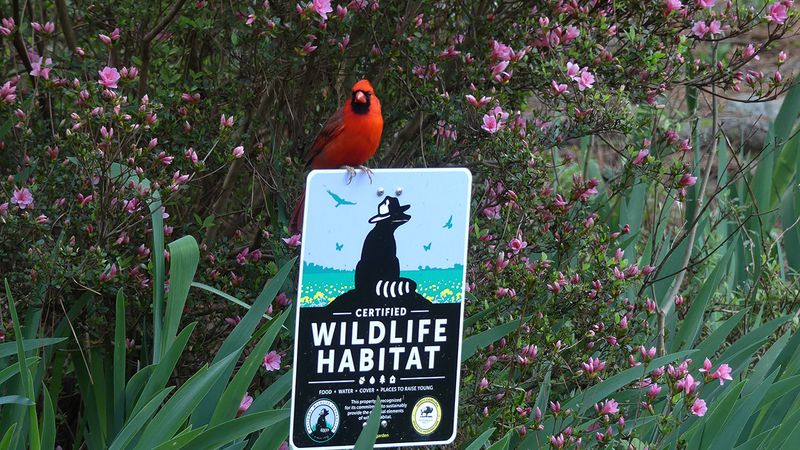
A little sign can carry surprising weight. When you certify your yard as a wildlife habitat and post the marker, your garden stops looking like neglect and starts reading as a recognized, intentional program.
Documentation strengthens your position. Signage, certification paperwork, and photos show the HOA that your space serves a purpose valued by conservation groups and neighbors alike.
Think about the wildlife your yard supports: goldfinches feeding in fall, fireflies in summer, box turtles moving through, and native bees on your mistflower. Naming those species makes the stakes real and relatable.
A quick reminder while you are at it: never relocate a box turtle you find. They have a home range and moving them can be a death sentence.
Certification plus that kind of stewardship story frames your garden as an asset the community should be proud of.
8. Drought-Related Irrigation Mandates
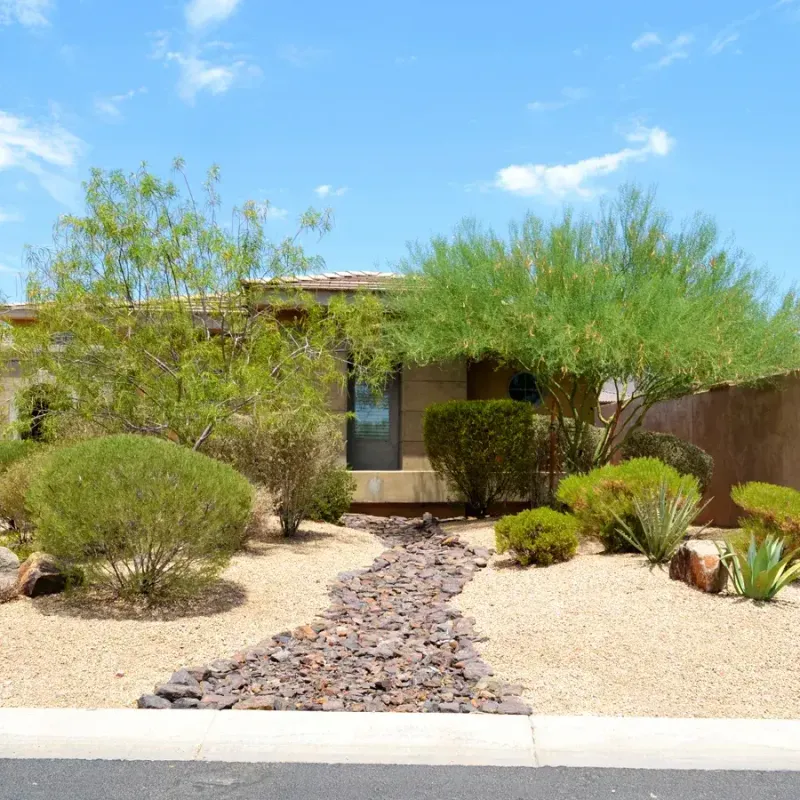
Nothing stings like an HOA demanding you water your lawn during a drought. Good news: state law has your back on this one.
Under N.C.G.S. section 47F-3-122, an HOA cannot force homeowners to irrigate during a declared drought unless the covenant explicitly requires it. That is a real statutory limit, not a maybe.
Drought-tolerant native plantings fit this moment perfectly. Species suited to your region’s dry spells stay healthy with far less water, saving you money and protecting local supplies.
If the association pressures you to keep a thirsty turf lawn green while the state asks everyone to conserve, you can point to the law and to common sense. Water-wise native landscaping is not defiance, it is responsible stewardship that lines up with public policy during dry conditions.
9. Advocacy Through the NC Native Plant Society
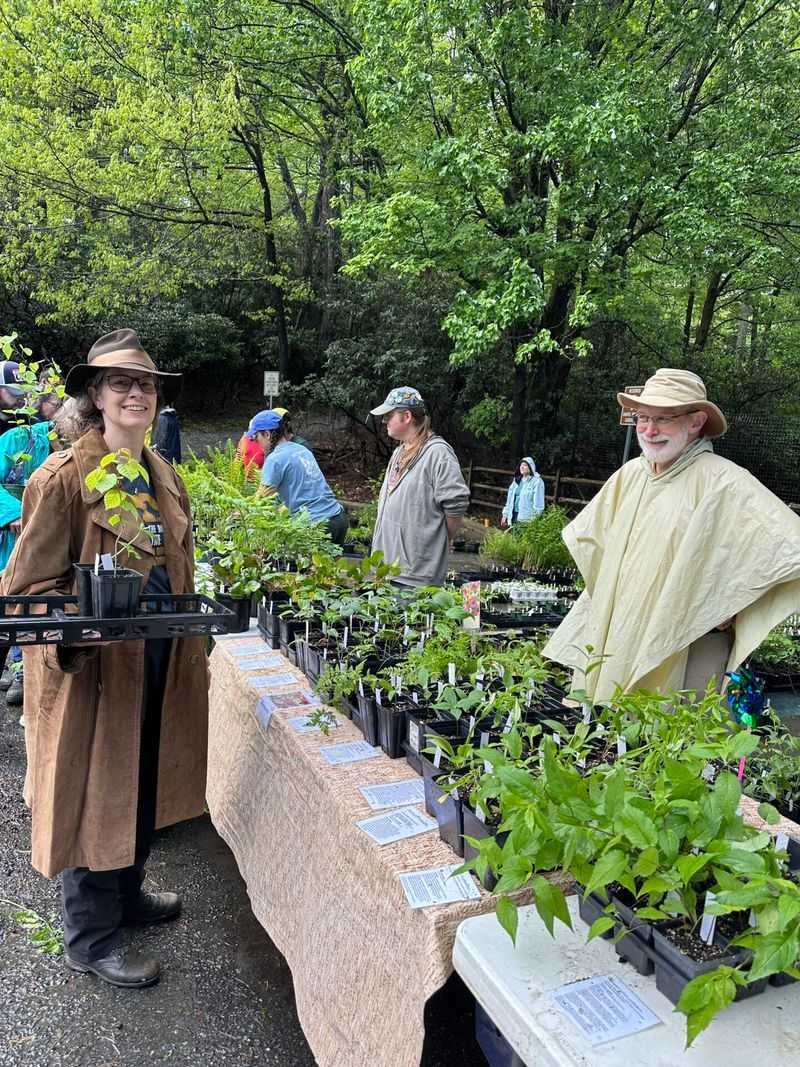
You do not have to fight your HOA alone. The North Carolina Native Plant Society actively works to encourage native plants and protect native gardening inside HOA communities.
Connecting with a group like this gives you backup. You gain access to research, plant lists, talking points, and sometimes people who have already won these arguments in their own neighborhoods.
Change can also come from within. Consider running for a board seat or joining the landscaping committee so native-friendly rules get written into future guidelines instead of fought case by case.
Rally your neighbors too. When several households want tick-safe borders, pollinator beds, and lower water bills, the request stops being one homeowner’s quirk and becomes a community movement.
Organized, informed, and polite pressure is how vague rules eventually get rewritten in favor of healthier North Carolina yards.
Take this fall as your window. Plant natives now, keep your records tidy, and make your case with confidence.