
Copperheads Keep Turning Up Along Your North Carolina Wood Pile Because The Yard Below Draws Them In
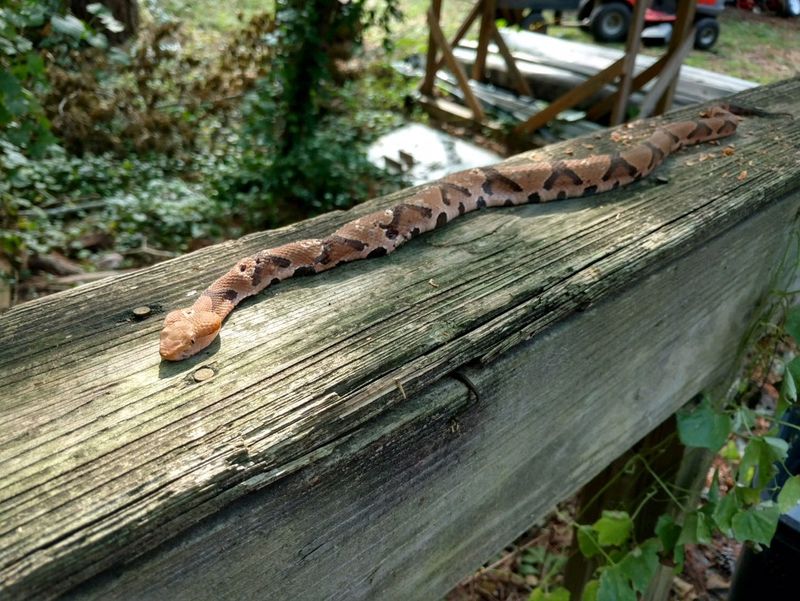
Finding a copperhead near your wood pile can stop you cold, but that moment of surprise is actually carrying information. The snake may be telling you something about your yard’s cover, warmth, or nearby food sources rather than announcing it has moved in permanently.
Understanding what draws copperheads to certain spots helps North Carolina homeowners make smarter choices about where to stack wood, how to handle the pile safely, and which parts of the yard to leave as wildlife-friendly habitat.
A sighting may offer a habitat clue—but not a complete explanation
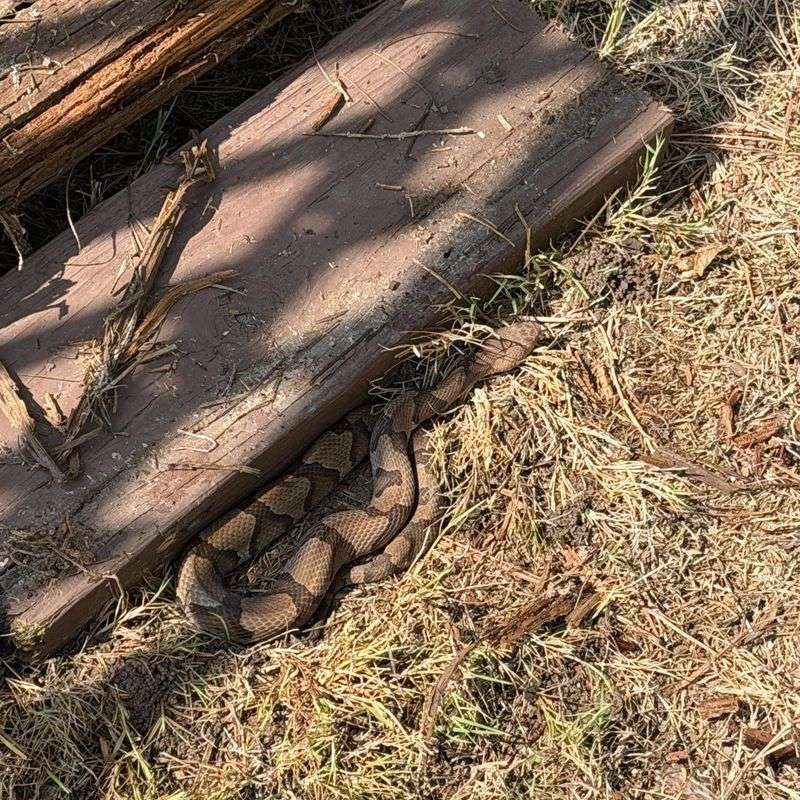
Spotting a copperhead near your wood pile is unsettling, but the encounter does not automatically explain itself. The snake may have been passing through the yard, pausing to warm up on a sun-heated log, hunting along a nearby edge, or simply using the pile as temporary cover.
A single sighting cannot tell you whether the yard has an unusual concentration of prey, whether the snake lives beneath the pile, or whether the wood pile itself caused the encounter.
Copperheads are wide-ranging snakes that move through suitable habitat rather than staying anchored to one spot. Research on eastern copperhead space use shows that individuals can shift their core activity areas seasonally and episodically, meaning a snake near your pile today may have traveled some distance to get there and may not return.
The pile may have offered something useful at that moment, but that does not make it a permanent address.
Cover, warmth, water, and food are the four conditions that NC State Extension identifies as drawing snakes into a yard. A wood pile can provide at least one or two of those things, and the surrounding yard may supply others.
The honest read on a sighting is that some combination of those factors was likely present, not that the yard is overrun or that the pile is a den. Treating the encounter as a habitat clue rather than a crisis keeps the response proportional and the decisions useful.
The wood pile can provide cover and thermal shelter
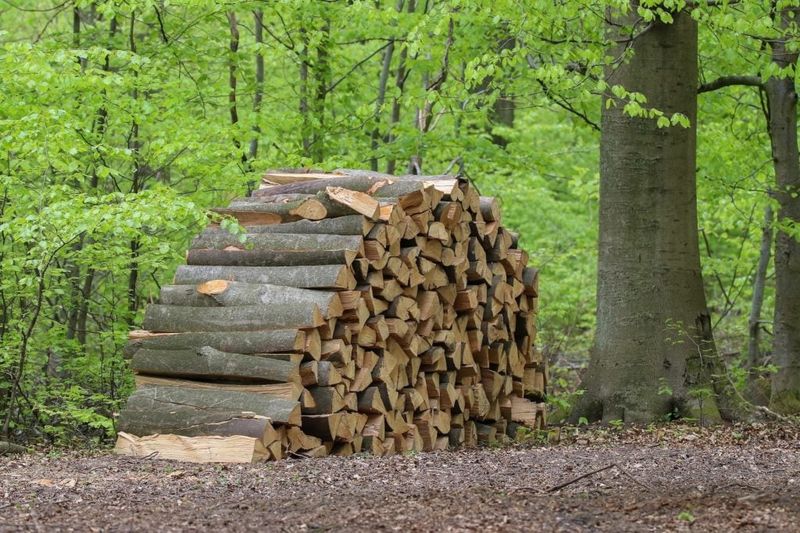
A wood pile is not just firewood storage. Gaps between stacked logs create dark, sheltered spaces that hold moisture, moderate temperature swings, and block wind.
For a snake, those qualities check several boxes at once. The pile offers concealment from predators, a surface that absorbs and holds heat during cooler mornings, and a protected corridor for moving between hunting areas and resting spots.
The surrounding yard adds to the picture. NC State Extension notes that rocks, downed wood, flower pots, tarps, and debris piles all function as cover objects for snakes, and that copperheads are commonly found beneath exactly these kinds of items.
The wood pile is one node in a broader landscape of shelter, not an isolated magnet pulling snakes from miles away.
Moisture matters too. A pile sitting directly on soil can stay damp underneath, which appeals to the salamanders, frogs, and insects that are themselves part of a copperhead’s possible diet.
Nearby vegetation, a low spot that collects water, or a garden bed that stays shaded can extend the hospitable zone well beyond the pile’s footprint. NC State’s profile of the species confirms that copperheads occur throughout North Carolina in a wide range of habitats, from rocky slopes and forest edges to suburban yards with mixed cover.
A snake can use the cover a wood pile provides even when prey is not concentrated directly beneath it. The pile may simply be the most sheltered spot along a route the snake was already traveling.
That distinction matters when you are deciding what to change in the yard and what to leave alone.
What the snake may be hunting nearby
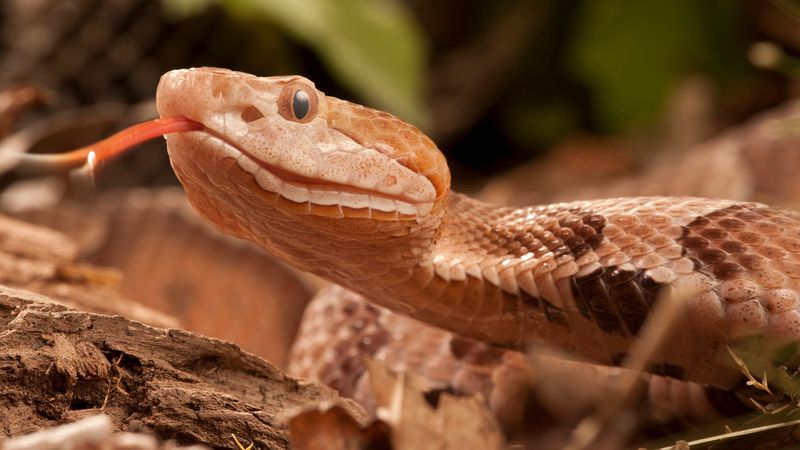
Copperheads eat a broader menu than most people expect. NC State Extension lists amphibians, reptiles, birds, small mammals, and large insects among documented prey items, which means a snake near your wood pile could be hunting almost anything that moves through that corner of the yard.
One sighting cannot identify which prey brought the snake there or whether prey was the reason for the visit at all.
Age plays a role in what a copperhead pursues. Juveniles, which are smaller and more slender, tend to take smaller prey such as insects, frogs, lizards, and salamanders.
Adults shift toward larger items, and comparative feeding research on Agkistrodon snakes indicates that adult copperheads in some populations rely heavily on mammals. However, diet varies by season, location, and what is locally available, so no single rule applies to every yard or every encounter.
The practical point for homeowners is that a copperhead sighting does not equal a rodent infestation. A damp leaf pile near the wood stack may be sheltering beetles and salamanders.
A garden bed full of mulch may be harboring the frogs a juvenile snake finds interesting. Unsecured birdseed or a compost pile left open can support small mammals, which in turn may attract an adult snake, but the chain of cause and effect is not guaranteed by a single encounter.
Reducing conditions that support a wide variety of small animals near the house, especially damp debris, open food sources, and dense low cover right next to doors and paths, addresses the prey connection without requiring you to diagnose exactly which animal the snake was after. That approach stays honest about what the sighting can and cannot tell you.
Is it actually a copperhead?
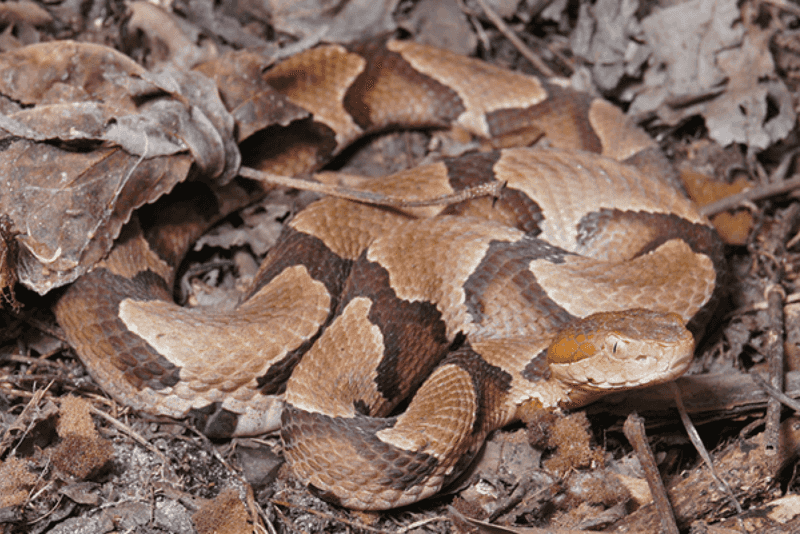
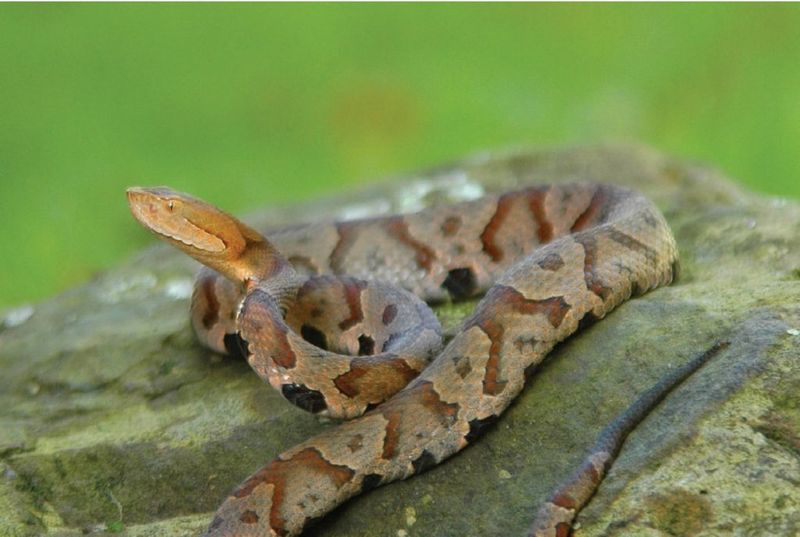
Before changing anything in the yard, it helps to know whether the snake you saw was actually a copperhead. Misidentification is common.
NC State Extension and regional wildlife educators consistently note that many harmless North Carolina snakes are reported as copperheads every year, with milk snakes, water snakes, corn snakes, and hognose snakes among the most frequent look-alikes.
The genuine copperhead has a distinctive pattern: dark, hourglass-shaped crossbands on a lighter tan or pinkish-brown body. The bands are narrow across the top of the spine and wider along the sides, which gives them that pinched, hourglass appearance when viewed from above.
NC State’s Viperidae profile describes the pattern in detail and notes that copperheads occur statewide except on the Outer Banks, across a range of elevations and habitats.
Head shape is not a reliable field mark on its own. Harmless snakes can flatten and widen their heads when threatened, creating a triangular appearance that mimics a pit viper.
NC State’s High Country snake guide specifically cautions against using head shape alone for identification, a warning that applies across the state’s regions.
The safest approach is to observe from a distance of at least several feet and, if conditions allow, take a photograph with a zoom lens or phone camera without moving closer to the snake. NC State Extension’s wildlife chapter recommends leaving any suspected venomous snake alone and contacting a qualified wildlife professional or your county Extension office for help with identification.
Accurate identification matters because it shapes every decision that follows, from how cautiously you approach the wood pile to whether you call a professional.
Move the conflict zone, not all the wildlife habitat
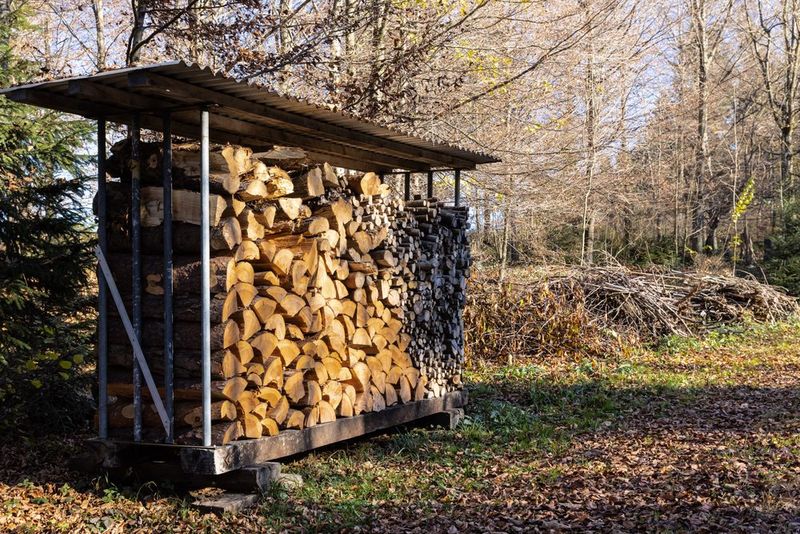
The goal after a copperhead encounter near a wood pile is not to strip the yard of every log, rock, or native plant. Most of those features support salamanders, box turtles, fireflies, and native pollinators that North Carolina homeowners genuinely want around.
The smarter target is the zone immediately around doors, porches, paths, and children’s play spaces, where a snake encounter is most likely to cause harm.
Start with the pile itself. Moving it away from the house and high-traffic areas reduces the chance that a snake using it for cover will cross paths with a person.
Penn State Extension recommends elevating stored wood at least 12 inches off the ground near buildings, which reduces the damp, sheltered void that makes a ground-level stack attractive to wildlife. Stacking wood on a rack or pallet, and keeping the stack as tight and orderly as practical, reduces the number of usable gaps.
Adjacent habitat matters as much as the pile. Tall grass, loose leaf litter, and scattered debris right next to the house create a corridor of cover between the yard and the door.
Keeping a mowed or cleared buffer around the foundation, and removing clutter such as old boards, unused pots, and tarps from that zone, reduces cover without touching the intentional wildlife areas further out in the yard.
Food sources near the house are worth examining too. NC State Extension points to unsecured garbage, birdseed, pet food, and compost as conditions that support rodent populations, which in turn can attract snakes.
Securing those sources and sealing cracks around foundations, garage doors, and sheds addresses the prey connection in the most direct way possible.
Chemical repellents, including mothballs, sulfur, and lime, have not been shown to reliably deter snakes, and some pose risks to pets, children, and the native wildlife you want to protect. NC State Extension’s wildlife guidance and Penn State’s dead-wood habitat resource both point toward habitat modification as the defensible approach, not chemical treatments.
Keep the brush pile you placed intentionally at the back of the property for box turtles and skinks. Move the firewood away from the back door.
That distinction is the whole plan.
Treat every wood-pile check as a wildlife-safety task
Retrieving firewood or rearranging a stack is the moment when a bite is most likely to happen, because it involves reaching into exactly the gaps and dark spaces that make a wood pile attractive to wildlife in the first place. A few consistent habits reduce that risk substantially without making the task complicated.
Wear sturdy footwear, long pants, and leather or heavy work gloves every time you work the pile. Use a tool, such as a hook, tongs, or a long stick, to shift the top logs before reaching in with your hands.
Roll logs toward you rather than lifting them straight up, so that anything sheltering underneath moves away from you. CDC guidance for outdoor workers specifically warns against climbing on or reaching into wood piles and recommends boots, long pants, and leather gloves when handling brush, debris, or stacked material near areas where venomous snakes occur.
Work during daylight when you can see clearly, and avoid reaching into gaps where you cannot see the bottom. Copperheads are generally most active at dusk and at night during warm months, so midday retrieval carries somewhat lower risk than an evening trip to the pile, though caution is warranted at any hour.
If you see a snake, stop. Do not try to kill it, trap it, or move it with a shovel.
NC State Extension advises leaving suspected venomous snakes alone and contacting a qualified wildlife professional if the snake is in a location where it poses an ongoing risk and will not move on its own. Most snakes that are left undisturbed will leave within a short time.
Attempting to handle or relocate the snake yourself creates the exact situation, close contact with a stressed snake, most likely to result in a bite.
A bite requires emergency care, not a home remedy
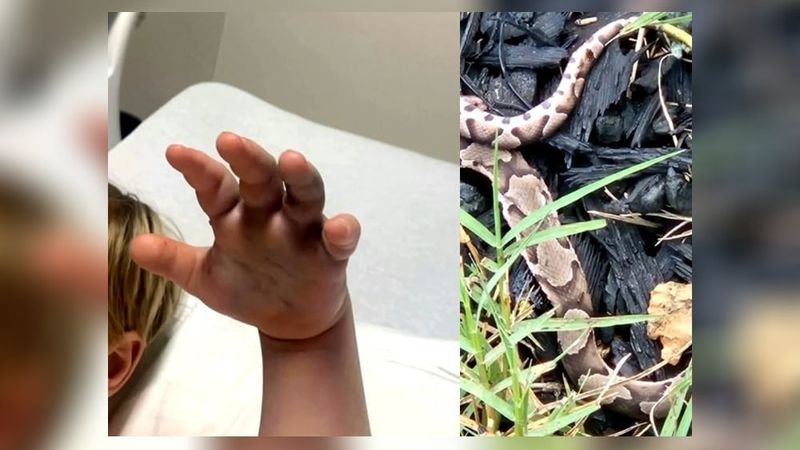
If someone is bitten by a suspected copperhead, the immediate priority is getting to emergency medical care. Move the person away from the snake, keep them as calm and still as possible, and call 911 or arrange emergency transport right away.
Keeping the person still matters because movement increases circulation and can speed venom distribution through the body.
Wash the bite area gently and cover it loosely if you have the means to do so while waiting for help. Remove rings, watches, or tight clothing near the bite before swelling begins.
CDC guidance on venomous snakebite is direct: do not apply a tourniquet, do not cut the wound, do not attempt to suck out venom, and do not apply ice. None of those actions help and some cause additional harm.
Do not try to catch or kill the snake to bring it to the hospital. CDC wildlife health guidance warns that attempting to capture a snake after a bite is one of the most common ways a second bite occurs.
A photograph taken from a safe distance, if one already exists, can help medical staff, but chasing the snake for identification is never worth the added risk. Emergency physicians are trained to treat pit viper envenomation based on symptoms, not on a confirmed species ID.
Copperhead venom is rarely fatal in healthy adults when treated promptly, but it can cause significant tissue damage and pain. Fast access to antivenom and supportive care at a hospital is the factor that matters most.
The broader lesson the yard taught you, about where to place cover, how to handle the pile, and which spaces to keep clear – is worth applying after the emergency is resolved, not during it.