
If You Tidy Up Every Perennial This Fall, Here Are 13 You Should Leave Standing Until Spring
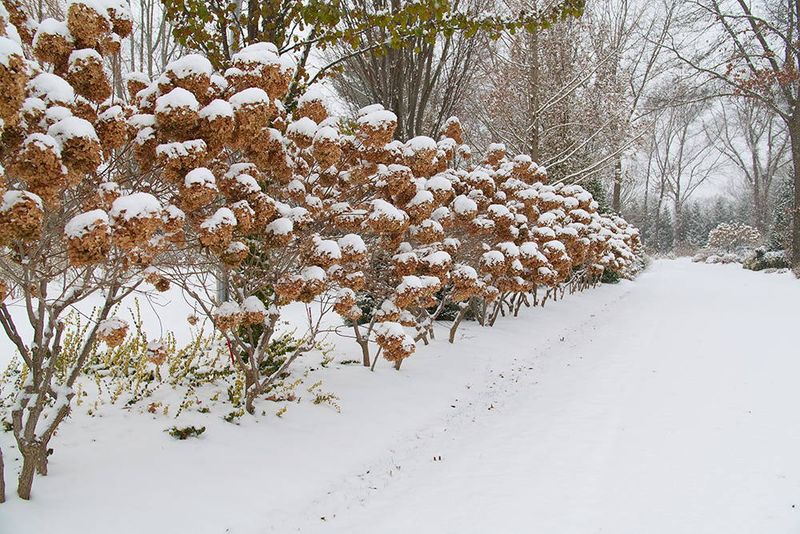
Cutting every plant down to the ground in fall feels neat and satisfying. But some perennials actually do better, and come back stronger, when you leave their stems and leaves alone until spring.
Those dry stalks feed birds, shelter helpful insects, and protect the plant’s roots from hard freezes. Before you grab the pruners, check this list so you don’t accidentally hurt a plant you love.
1. Coneflower (Echinacea)
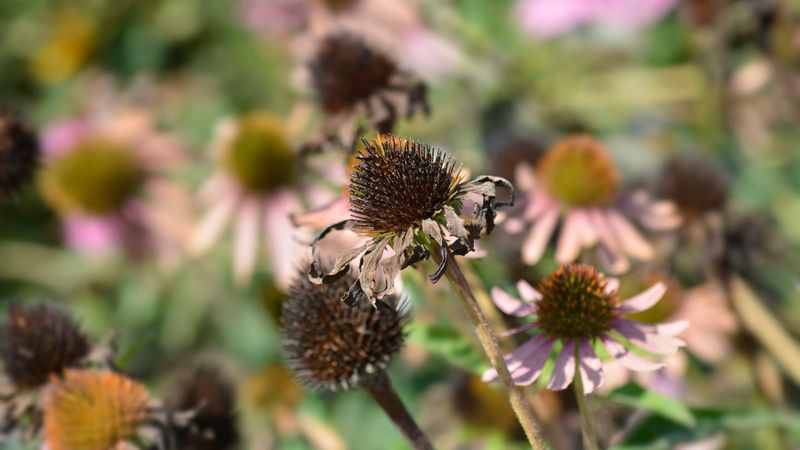
Picture a bright yellow goldfinch clinging to a spiky brown seed head on a cold November morning. That scene only happens if you leave your coneflowers standing.
Those prickly cones are packed with seeds birds love all winter long.
The hollow stems matter too. Small native bees and other helpful insects tuck themselves inside to wait out the cold, then emerge in spring ready to pollinate your garden.
Wait until new green leaves show at the base in spring, then cut the old stems back to a few inches. If you worry about messiness, leave a short stubble of stems rather than none at all.
2. Black-Eyed Susan (Rudbeckia)
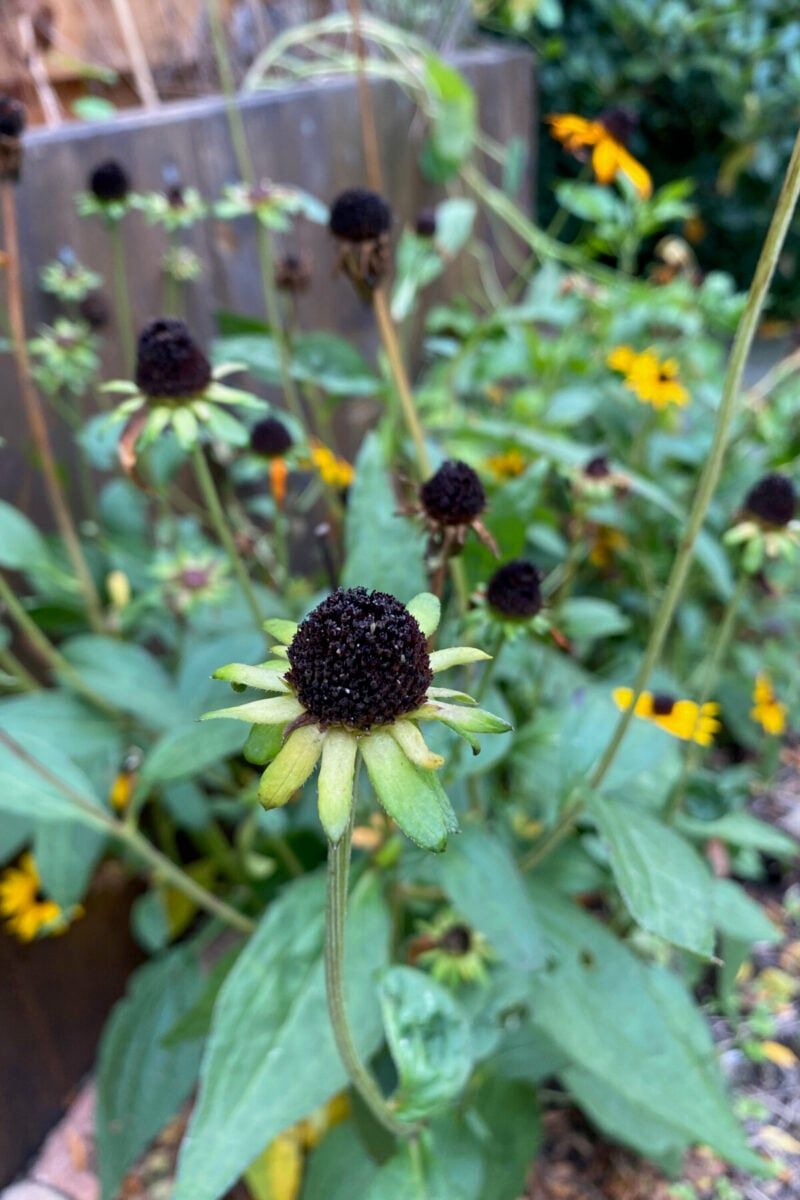
Once the golden petals fall, you’re left with little dark buttons on sturdy stems. They might look done, but chickadees, juncos, and finches see a buffet.
Black-eyed Susans also reseed a bit when stems stay up, which can fill bare spots for free. If you don’t want extra seedlings, simply pull the few you don’t need next spring.
Their stiff stems hold up well under snow, so they stay upright and tidy-looking longer than you’d expect. Cut them back in early spring before fresh growth gets tall.
3. Sedum (Stonecrop)
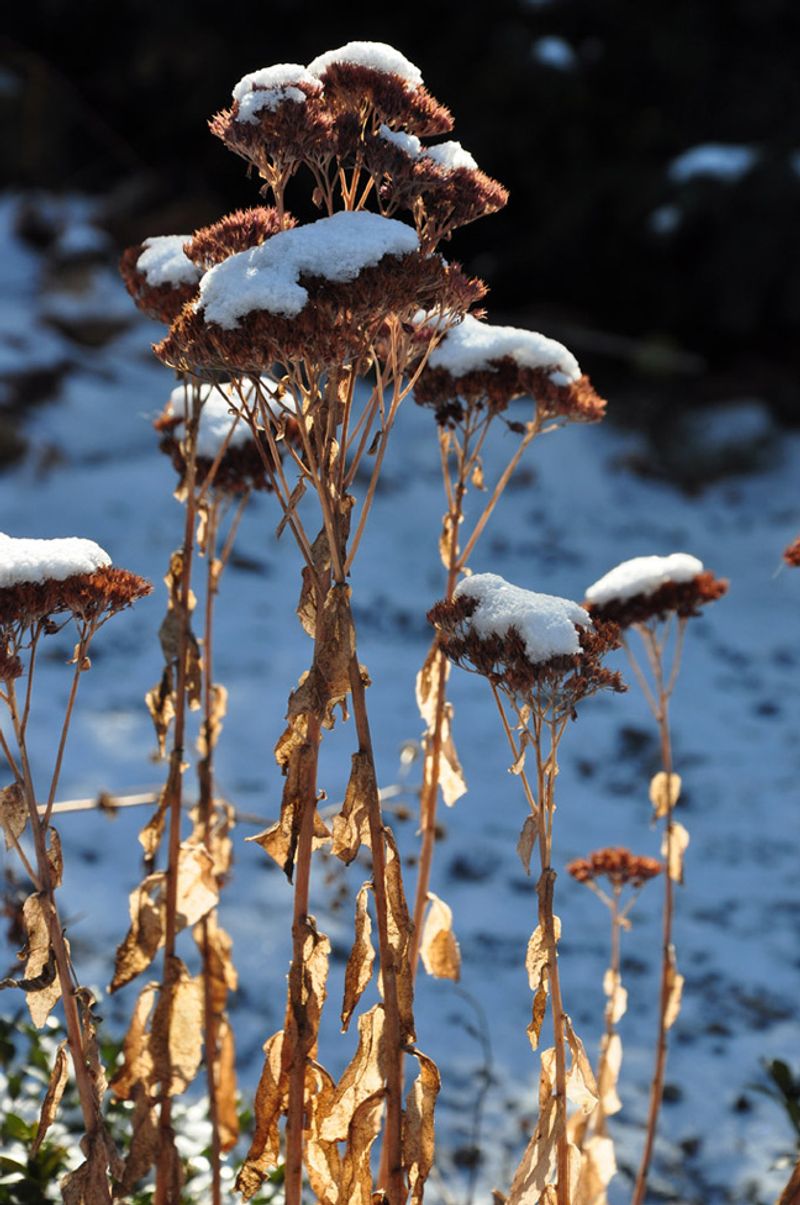
Few plants look better in January than sedum. Tall types like Autumn Joy turn a rich rusty brown, and each flat flower head catches a little cap of snow like frosting on a cupcake.
Beyond good looks, the old stems give the crown a bit of cover during harsh weather. In spring, you’ll spot tiny rosettes of new growth right at the base, and that’s your signal.
Snip the old stems just above those fresh buds. It takes about two minutes per plant, which beats fall cleanup any day.
4. Ornamental Grasses
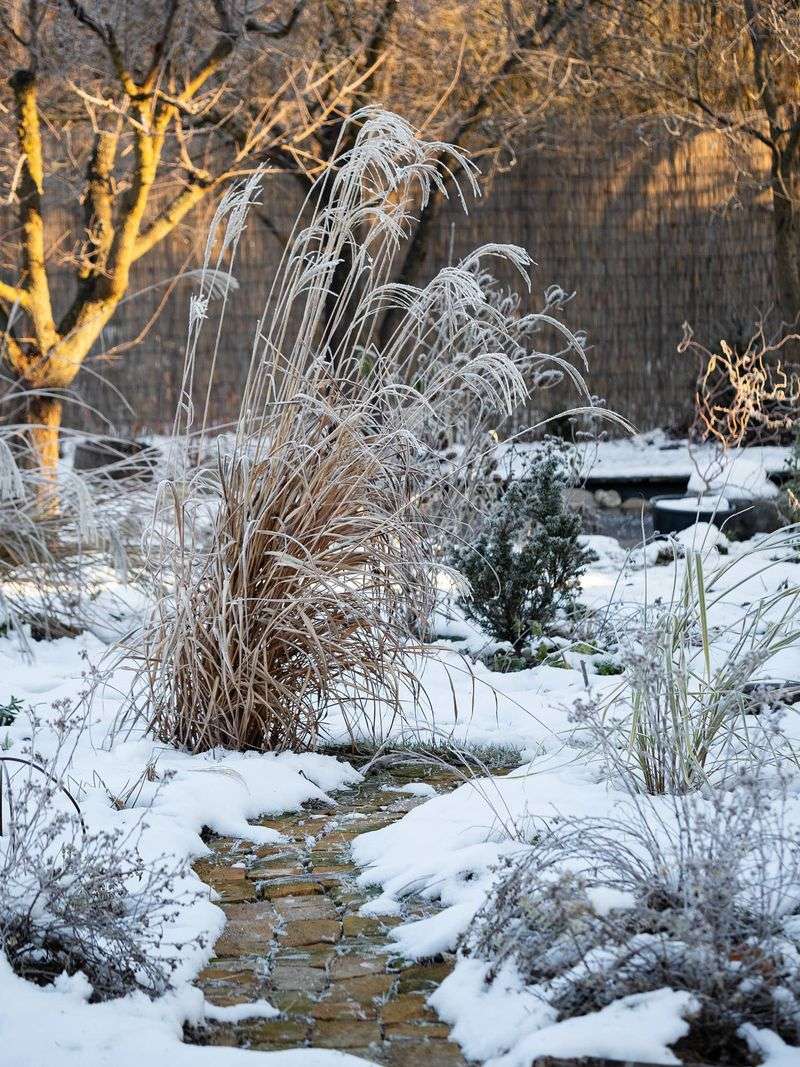
Ask any gardener who has watched frosted grass plumes glow in winter sunlight, and they’ll tell you cutting them in fall is a missed show. Switchgrass, little bluestem, and miscanthus rustle and sway all season.
The standing blades shield the crown from freezing water that can settle in and cause rot. Birds also hide in the clumps during storms.
Tie the clump with twine in late winter and cut it down to about 4 to 6 inches before new shoots appear. The bundle comes off in one neat piece.
5. Joe Pye Weed
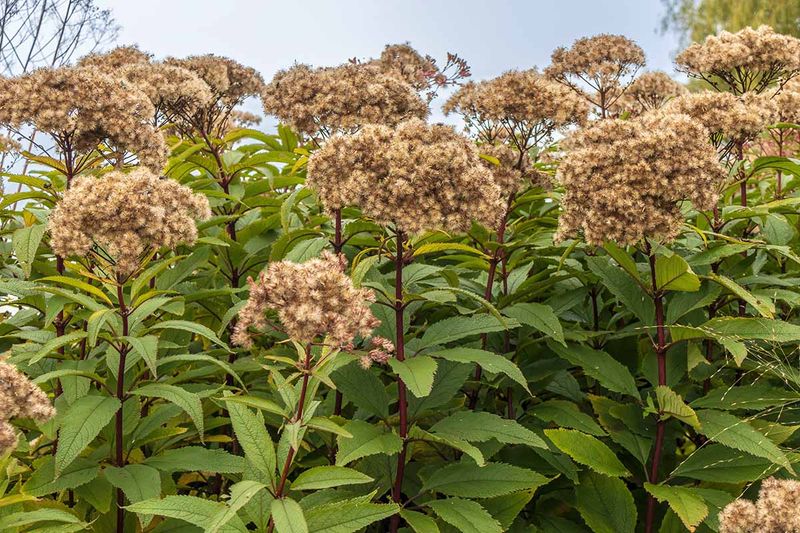
Standing taller than most people, Joe Pye weed is the giant of the fall border. Its fluffy seed clusters feed finches, and its thick stalks are like apartment buildings for solitary bees.
Those bees are gentle and rarely sting. They lay eggs in the hollow stems, and the next generation pollinates your flowers the following summer.
Fun fact: the plant is said to be named after a folk healer who used it for fevers. In spring, cut stems to around 12 to 15 inches instead of the ground, so new nesting spots stay available.
6. Hellebores (Lenten Roses)
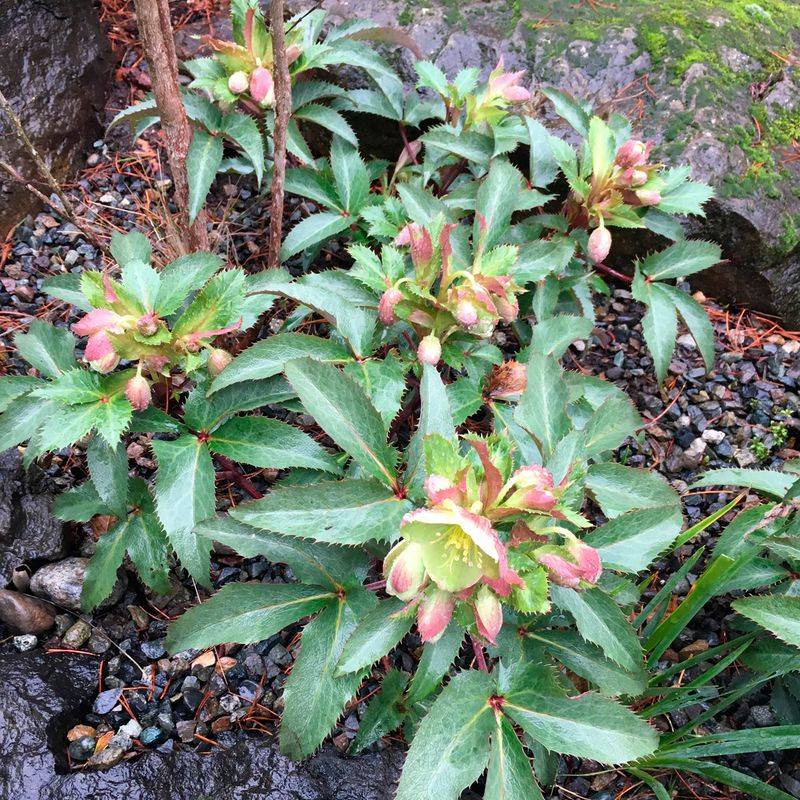
Hellebores are the rare perennial that stays green through winter, and that leathery foliage is doing an important job. It shields the flower buds forming underneath for late winter blooms.
Cut those leaves off in fall and the buds are left exposed to cold wind. That can mean fewer or damaged flowers.
Instead, wait until you see buds pushing up in late winter. Then clip away the old, tattered leaves so the flowers shine, and fresh foliage will follow.
7. Coral Bells (Heuchera)
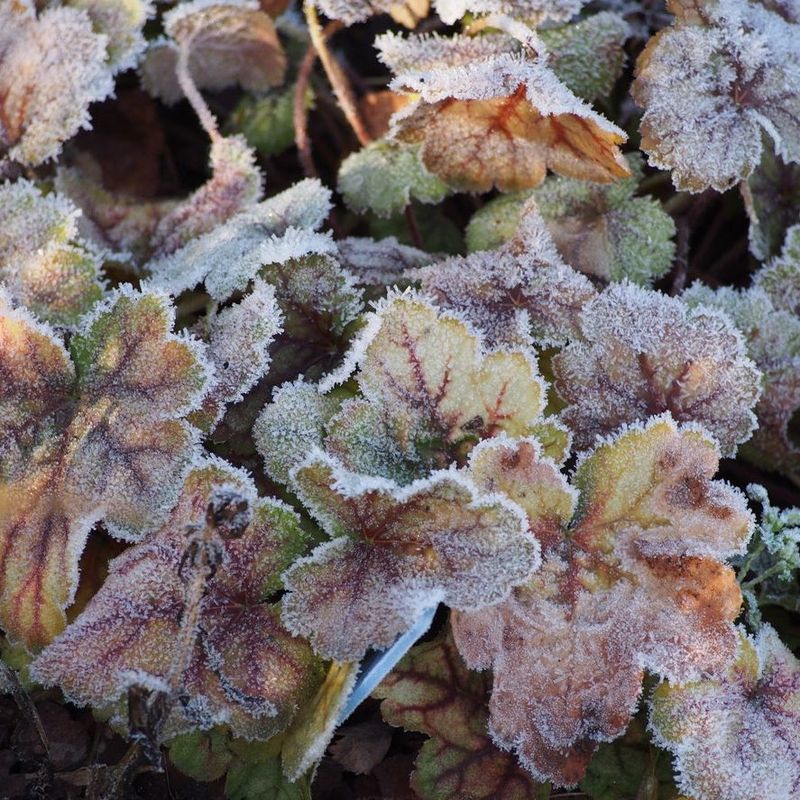
Here’s a sneaky mistake: cutting coral bells to the ground in fall, then wondering why they look weak or pop out of the soil by spring. Those colorful leaves act like a cozy blanket over the crown.
Heuchera has a shallow root system, so freezing and thawing can push it up. Keeping the foliage, plus a light layer of mulch around it, may help reduce that heaving.
In spring, pull off any mushy or brown leaves by hand. Press any lifted plants back into the soil gently.
8. Hardy Geraniums
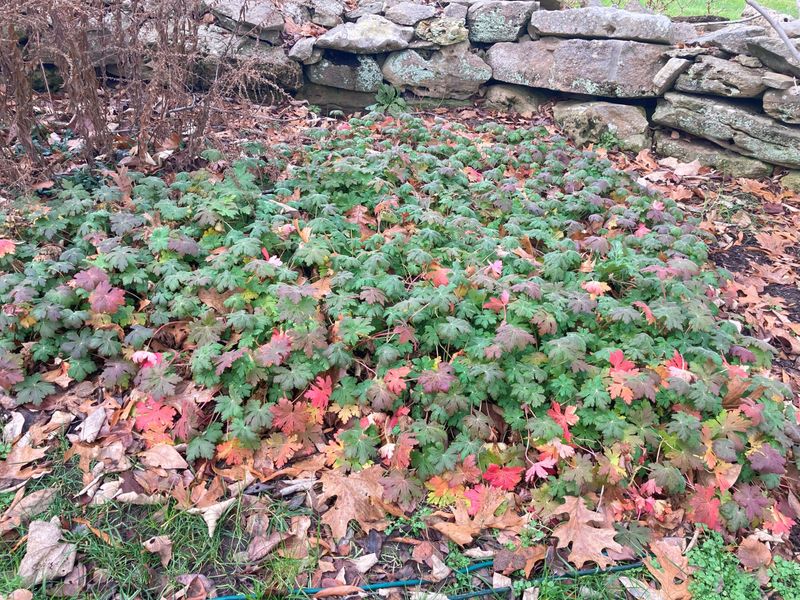
If you love geraniums, know that the hardy kind, often called cranesbill, is different from the potted ones on your porch. Many varieties hold onto their leaves well into winter, often blushing red as temperatures drop.
That low mound protects the crown like a natural quilt. It also helps keep soil from washing away in winter rain.
Once new growth starts in spring, tidy up the old leaves. Many gardeners also shear plants after the first summer bloom to encourage another round of flowers.
9. Anise Hyssop (Agastache)
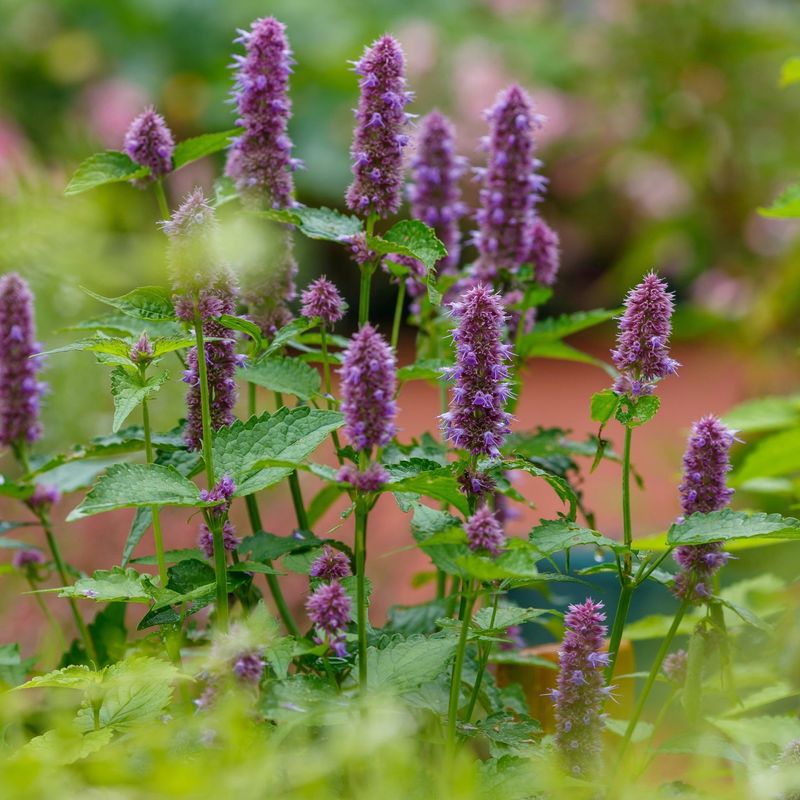
Anise hyssop smells like licorice and bees adore it, but it can be a bit touchy about winter. Wet, cold soil is its biggest enemy.
Leaving the spent stalks up helps trap fallen leaves and snow around the base. That extra layer adds insulation and may improve its odds of making it to spring.
Don’t cut it back until you see green shoots in mid to late spring. Pruning too early can invite a late frost to damage tender growth.
10. Red-Hot Poker (Kniphofia)
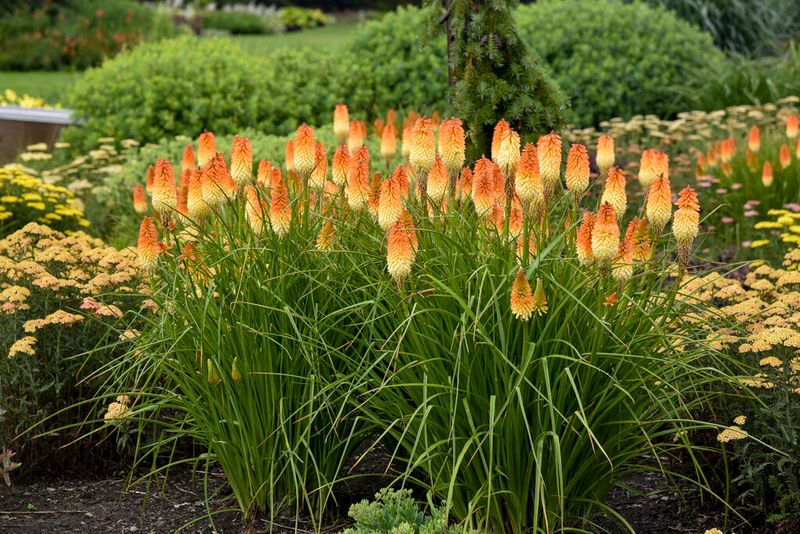
Originally from southern Africa, red-hot poker is a bit of a warm-weather visitor in many US gardens. Its fiery torches draw hummingbirds in summer, but winter is when it needs your help.
Leave the long, grassy foliage in place. Some gardeners even gather the leaves and tie them loosely over the crown to shed water and keep the center dry.
In spring, trim off the brown leaf tips once the risk of hard frost has passed. Your plant should bounce back with fresh blades.
11. Montauk Daisy
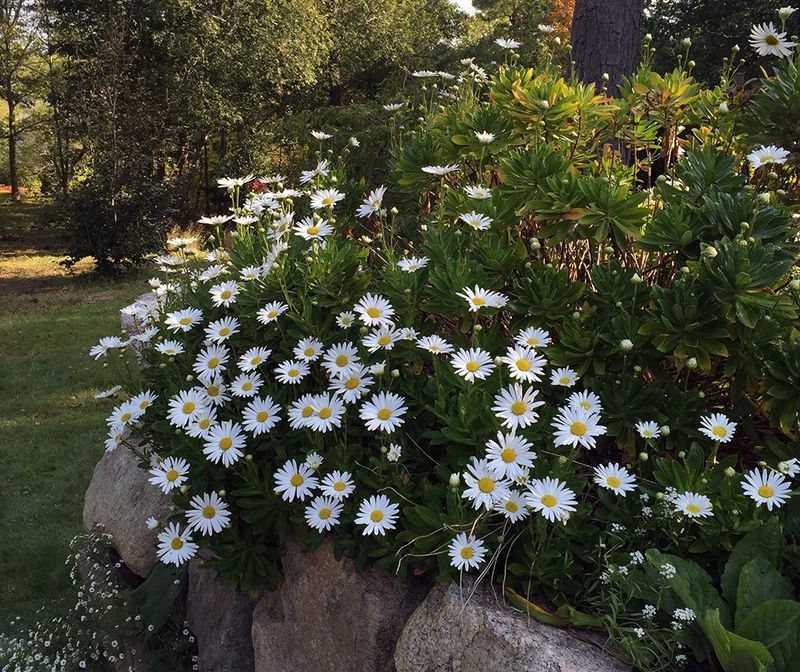
Montauk daisies save their big white blooms for late fall, just when most gardens are fading. That late show means they need extra care going into winter.
The woody top growth catches snow and leaves, building a natural insulating layer. Cutting it off early can leave the plant exposed.
In spring, trim back to where you see new leaves. Then pinch the stems once or twice before July to keep plants compact instead of floppy.
12. Clematis (Group 3)
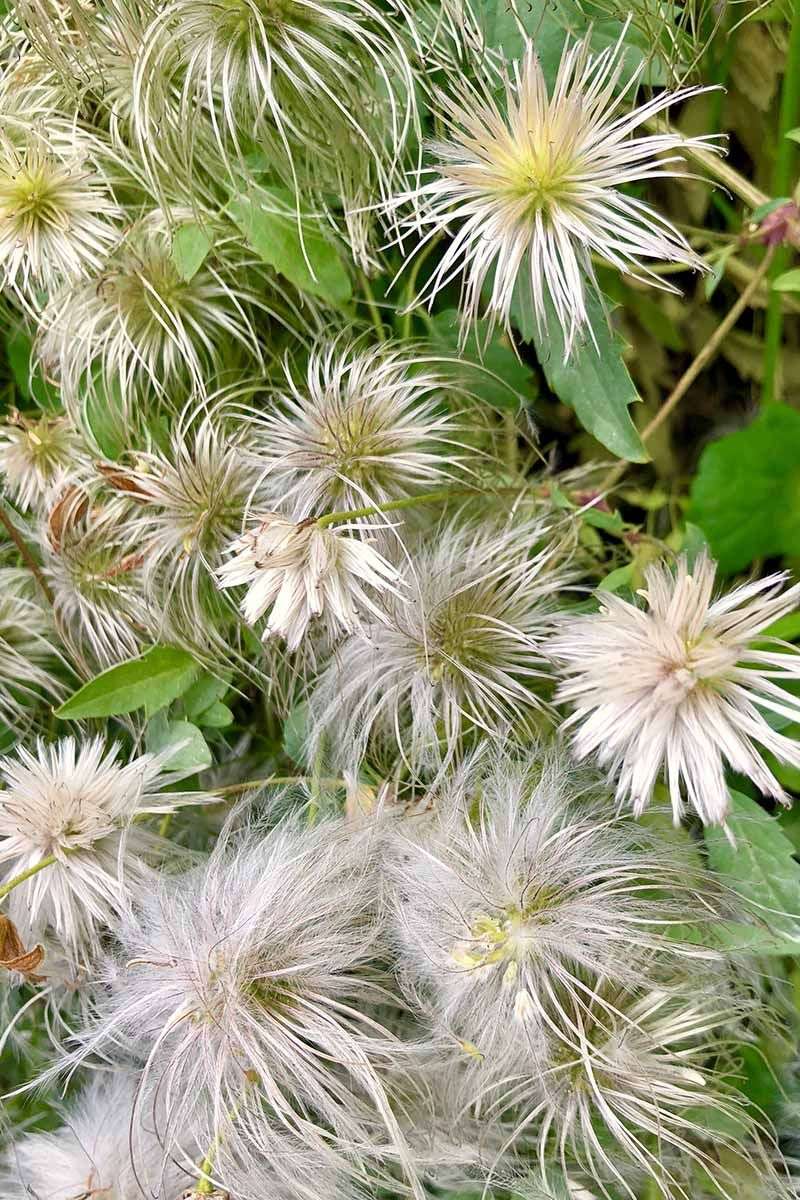
Worried you’ll prune your clematis wrong and lose the flowers? For Group 3 types like Jackmanii and sweet autumn clematis, the fix is simple: do nothing this fall.
These varieties bloom on new growth, so there’s no rush. Their tangled stems and silky seed heads look lovely on a trellis and give small birds a place to perch.
In late winter or early spring, cut stems back to about 12 inches, just above a pair of healthy buds. Not sure which group you have?
Check the plant tag or wait until spring to see where buds form.
13. Smooth and Panicle Hydrangeas
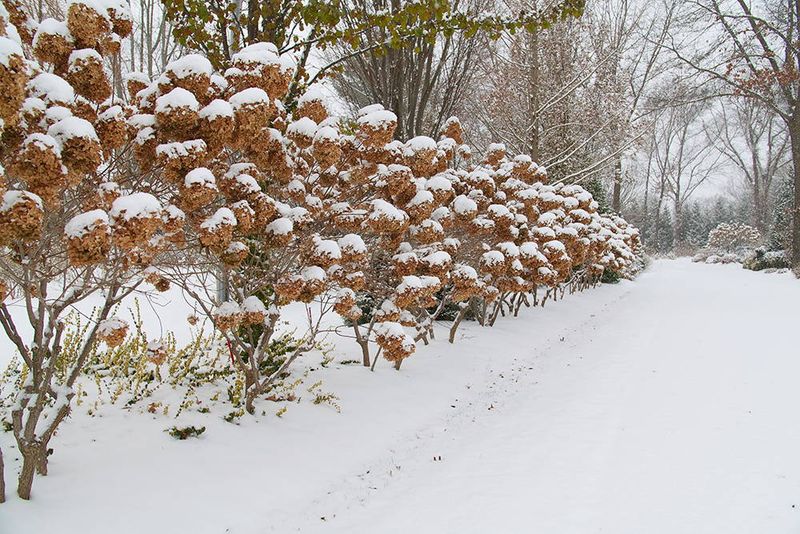
Hydrangea owners often panic about pruning, and for good reason, since the wrong cut can wipe out next year’s blooms. The good news?
Smooth types like Annabelle and panicle types like Limelight bloom on new wood.
That means their dried papery flower heads can stay up all winter. They catch snow beautifully and look almost like dried bouquets.
Prune in late winter or early spring, removing weak stems and shortening the rest. Just don’t use this approach on bigleaf hydrangeas, which bloom on old wood and shouldn’t be cut hard.