
If Your Hydrangeas Bloomed Beautifully This Year, Here Are 9 Fall Moves That Protect Next Summer’s Flower Buds
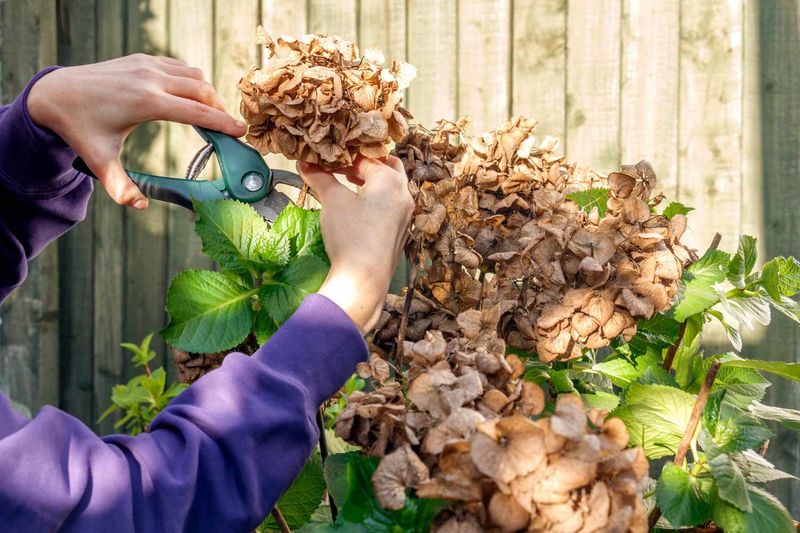
Those big, bold hydrangea blooms you loved this summer did not happen by luck. Many hydrangeas are already building next year’s flower buds right now, tucked inside the stems you see in your yard.
A few wrong moves in fall, like cutting at the wrong time or skipping water, can wipe out those buds before winter even starts. The good news is that protecting them is simple, cheap, and takes less time than you might think.
1. Figure Out Which Hydrangea You Actually Have
Picture two neighbors pruning their hydrangeas on the same October afternoon. One gets a yard full of flowers next July, and the other gets nothing but green leaves.
The difference usually comes down to which kind of hydrangea each one owns.
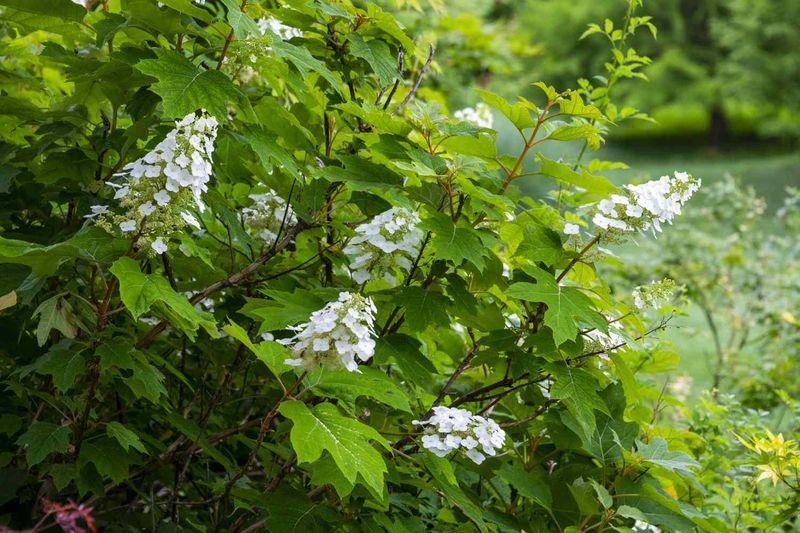
Bigleaf (Hydrangea macrophylla) and oakleaf (Hydrangea quercifolia) types bloom on old wood, meaning next summer’s buds form on stems that are already growing now. Smooth (Hydrangea arborescens) types like Annabelle and panicle (Hydrangea paniculata) types like Limelight bloom on new wood, so they make fresh buds in spring.
Not sure which you have? Check the plant tag if you saved it, or look at the flowers.
Mophead or lacecap blooms in pink or blue usually mean bigleaf, while cone-shaped white blooms point to panicle. Oak-shaped leaves are a giveaway for oakleaf.
Knowing this one detail shapes every other step on this list.
2. Leave Most Spent Flower Heads in Place
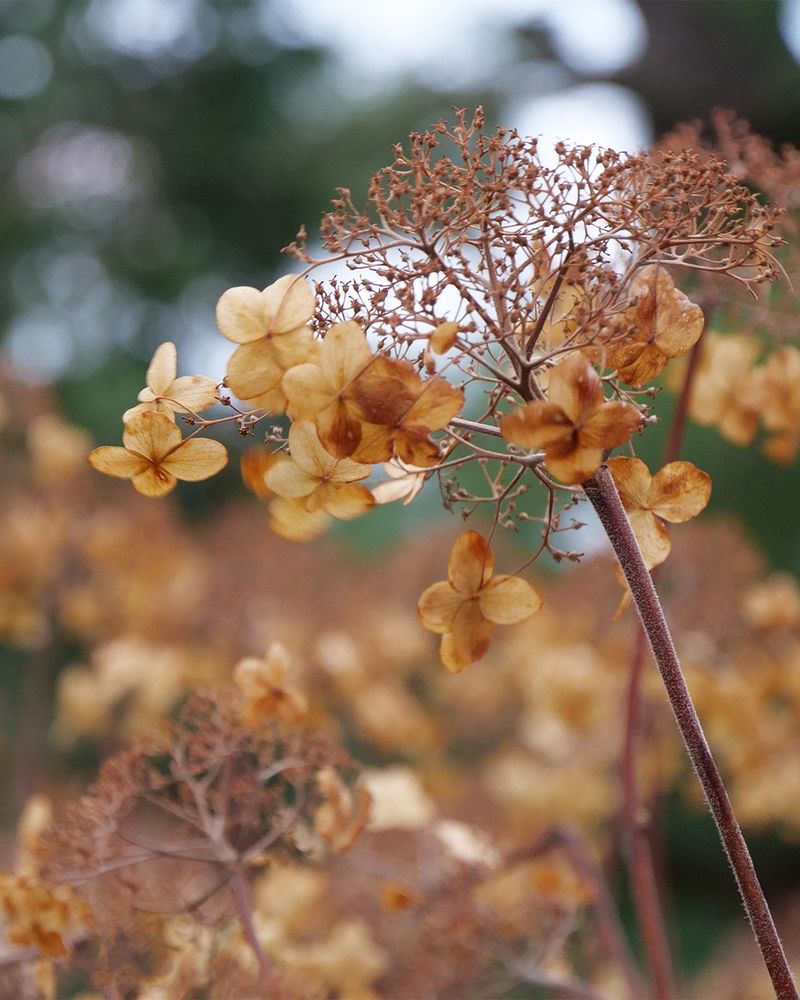
Those faded, papery blooms might look a little tired, but they are quietly doing a job. On old-wood hydrangeas, the dried flower heads can help shield the tender buds just below them from wind and cold.
If the messy look bugs you, you can still tidy up. Snip just beneath the spent flower head, taking as little stem as possible, so you do not remove the plump buds lower down.
New-wood hydrangeas give you more freedom. You can deadhead them whenever you like without hurting next year’s show.
Still, many gardeners leave them standing because they look lovely dusted with frost or snow.
3. Put the Pruners Away for Old-Wood Types
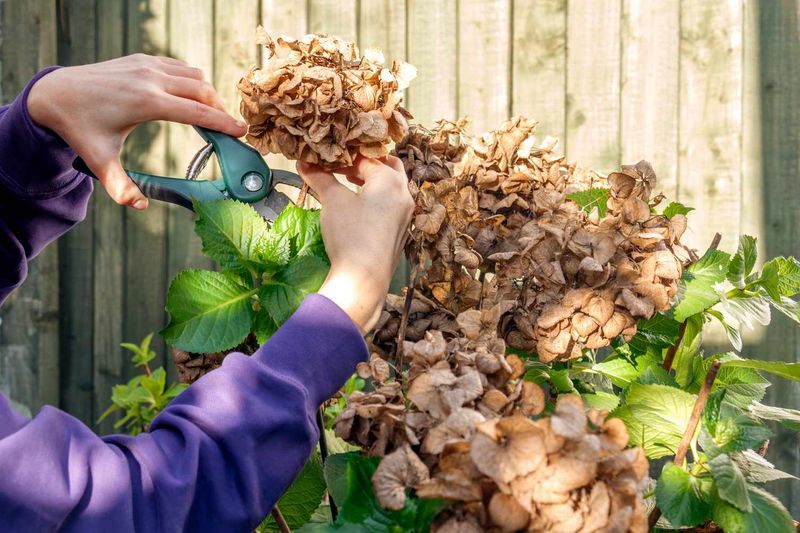
Here is the number one reason bigleaf hydrangeas fail to bloom: a well-meaning fall haircut. By the time autumn arrives, the flower buds for next summer are already sitting on those stems, waiting.
Cut the stems back now, and you cut off the flowers too. The plant will leaf out just fine in spring, which makes the mistake even more confusing when no blooms show up.
If you must trim, stick to dead, broken, or weak stems only. Dead wood snaps easily and looks gray and brittle inside.
Even for smooth and panicle hydrangeas, it is smarter to wait until late winter or early spring. Fresh cuts made in fall can leave any hydrangea more open to winter damage.
4. Keep Watering Until the Ground Freezes
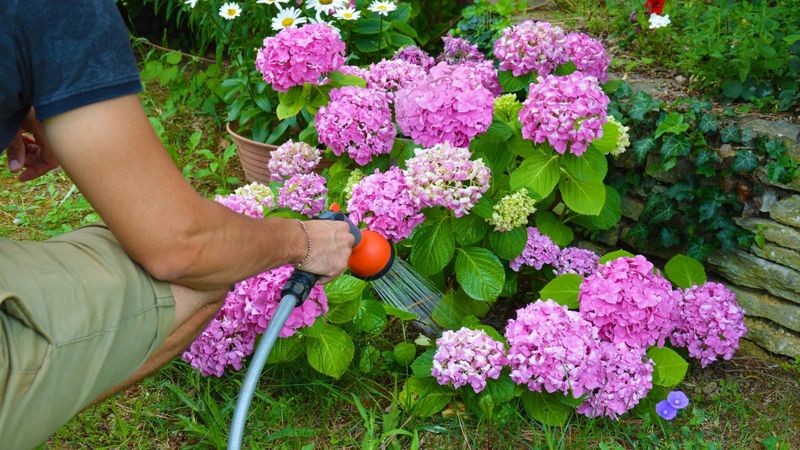
Cooler weather tricks a lot of gardeners into rolling up the hose too early. Hydrangeas are thirsty plants, and their roots keep working well into fall.
A plant that heads into winter dry is more likely to suffer from cold and harsh, drying winds. Buds on the stems can shrivel if the roots cannot keep them supplied.
Give a deep, slow soak once a week or so when rain is scarce, aiming for the soil around the roots rather than the leaves. Keep it up until the ground freezes solid.
Stick a finger into the soil a couple of inches down, and if it feels dry, it is time to water.
5. Tuck In a Thick Blanket of Mulch
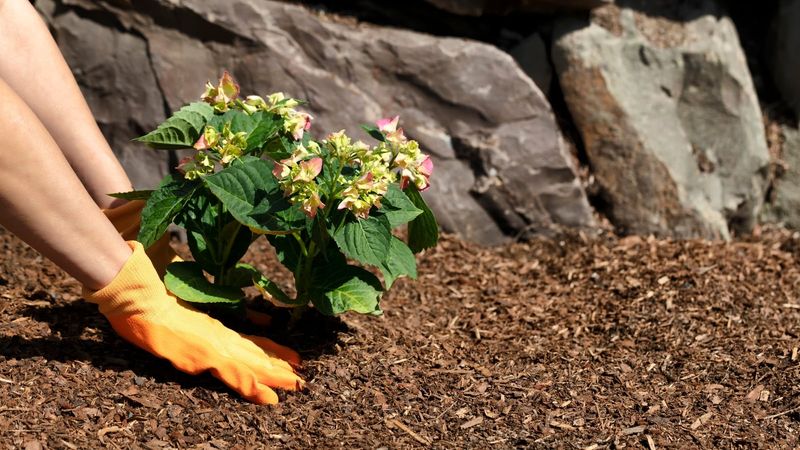
Think of mulch as a cozy quilt for your hydrangea’s roots. A 2 to 3 inch layer of shredded bark, pine needles, or compost helps even out soil temperature swings and holds in moisture.
It also helps prevent frost heaving, when freezing and thawing soil pushes roots up where they can get damaged. That kind of stress can weaken a plant before spring.
Leave a few inches of bare space right around the stems so they do not stay soggy and rot. If you garden in USDA Zone 5 or colder, you can add more, up to 5 or 6 inches, once the ground freezes.
6. Wrap or Cage Tender Bigleaf Buds
Ever had a hydrangea that grew great leaves but only flowered near the ground? That usually means winter cold killed the buds higher up while snow protected the low ones.
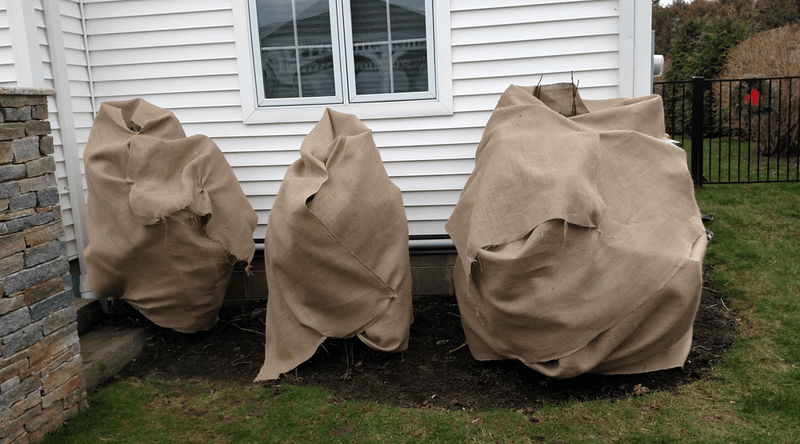
Bigleaf hydrangeas are the most sensitive, especially in colder regions. A loose wrap of burlap or breathable frost cloth can help block drying winds and bitter temps.
For extra protection, build a simple cage from chicken wire around the plant and fill it with straw or dry fallen leaves. Wait until the plant is dormant, and skip plastic, since it traps moisture and heat.
Remove everything gradually in spring once hard freezes pass.
7. Stop Feeding After Late Summer
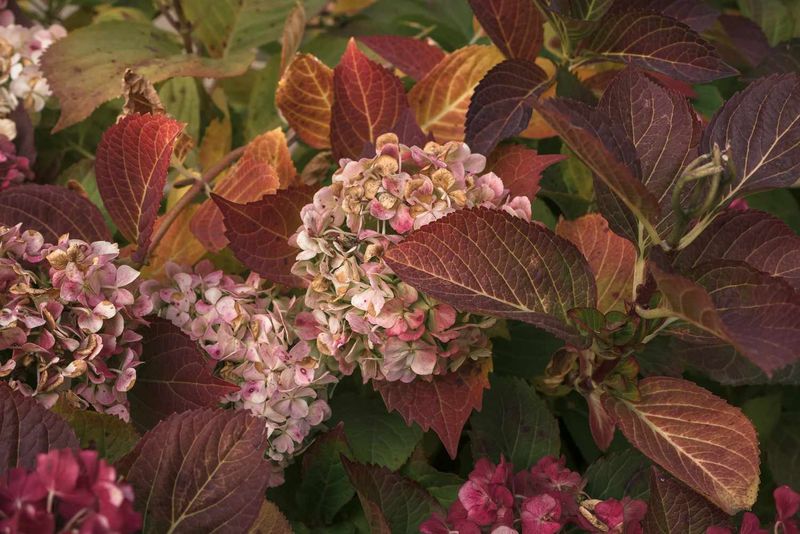
Fertilizer feels like a kindness, but late in the season it can backfire. Feeding hydrangeas in fall can push out soft new growth that has no time to toughen up.
That tender growth is easy prey for early frost, and the damage can spill over onto next year’s blooms. The plant ends up spending energy in the wrong place.
A good rule is to stop all fertilizer by late summer, usually after August. Your hydrangea is winding down for rest, so let it.
Save the feeding for spring when fresh leaves appear.
8. Move Potted Hydrangeas to Shelter
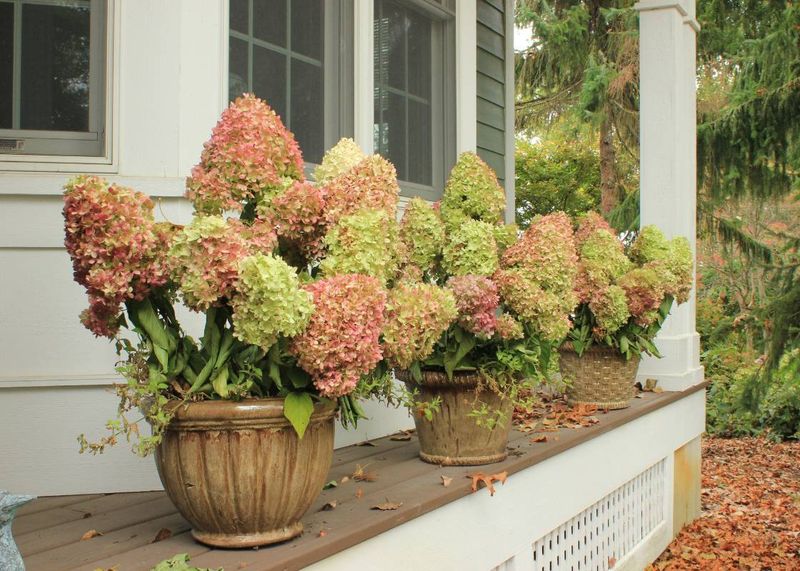
Container hydrangeas face a tougher winter than their in-ground cousins. Their roots sit above the soil line, surrounded only by a thin pot wall, so cold reaches them fast.
Before severe weather hits, slide pots against a protected house wall, into an unheated garage, or down into a cool cellar. The goal is cold but steady, not warm, since the plant still needs dormancy.
Check the soil every few weeks through winter. It should never go bone dry, so give a small drink when it does.
A little attention here can mean a full pot of blooms next summer.
9. Rake Up Debris Around the Base
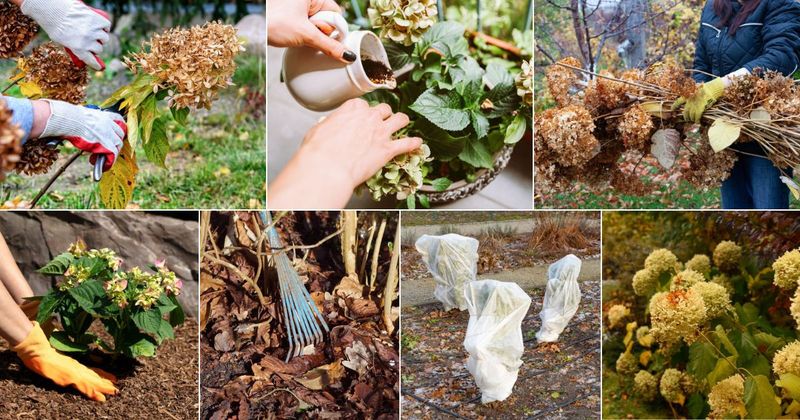
Quick cleanup, big payoff. Fallen hydrangea leaves and dropped blooms can hide fungal spores and pests that love to spend winter tucked near the plant.
Rake out that old debris, especially any leaves that showed spots or mildew this year. Toss diseased material in the trash rather than your compost pile.
Once the area is clean, add your fresh mulch layer. You will head into spring with a healthier plant and fewer problems waiting to wake up alongside those precious buds.