
If Your Christmas Cactus Spent Summer Outside, Here’s How To Lower the Risk of Bud Drop When You Bring It In
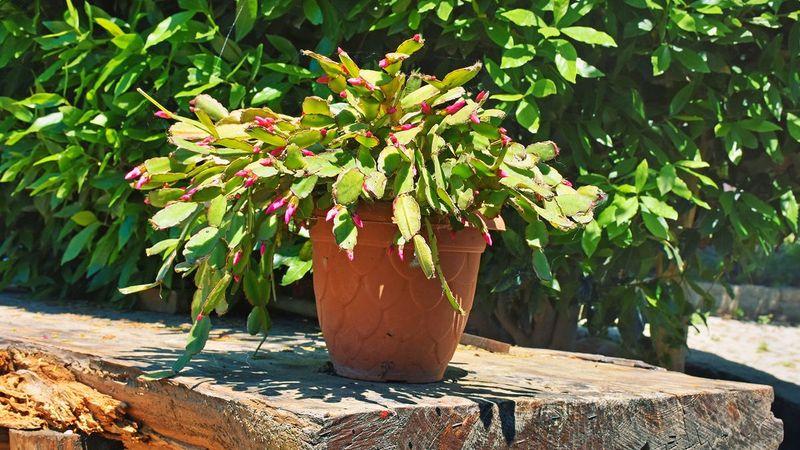
A Christmas cactus that looks perfect on the patio can start dropping tiny buds soon after it comes inside. The move is only one thing that can cause it, but it is a moment when many changes happen at once.
A little planning can cut down on avoidable stress for your plant. Here is how to make the trip indoors as smooth as possible.
Why can a move unsettle developing buds?
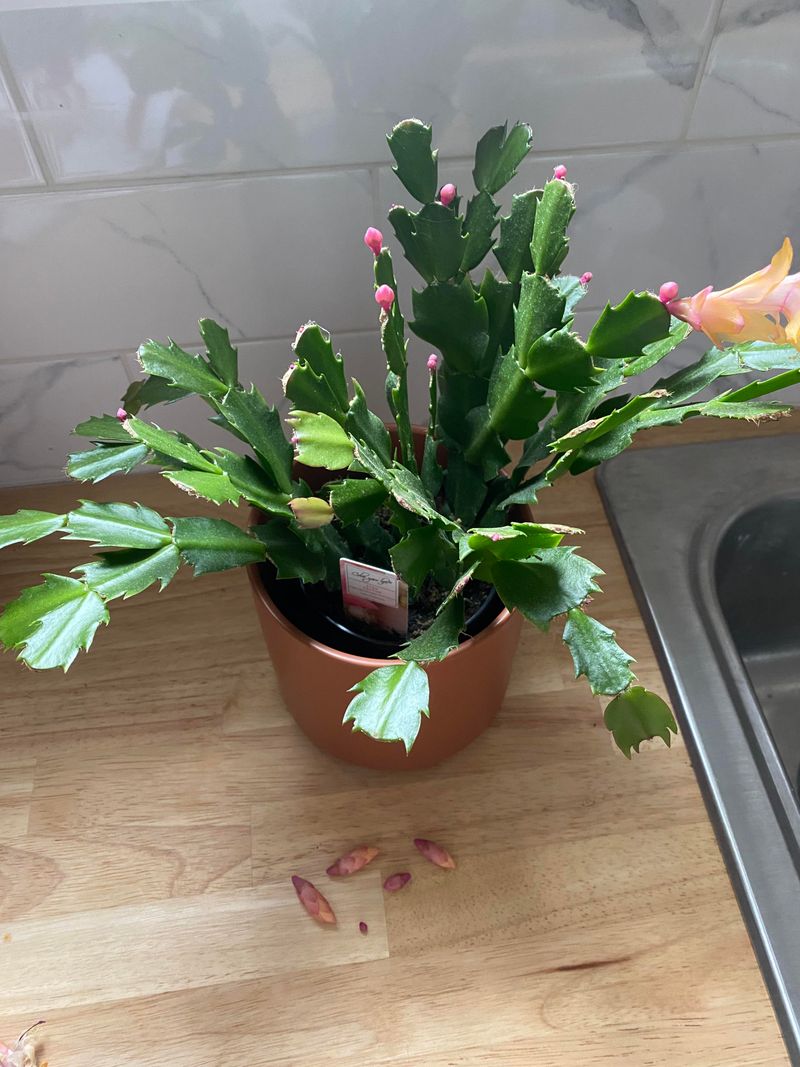
Holiday cacti can be touchy while buds are forming. Extension guidance warns that a change in conditions during bud development may lead to bud drop, and it advises against moving the plant while buds develop.
Even so, buds falling off does not mean you did something wrong.
Carrying a cactus from a breezy porch into a house can bring several changes at the same moment. The air may be warmer or drier indoors.
The light is usually dimmer, and the plant may land near a vent or a drafty door. Any one of those shifts can nudge a plant to let go of buds.
The move itself is just one possible trigger. Temperature swings, less light, cold or hot drafts, dry air, and uneven watering can all play a part.
Sometimes a plant drops a few buds for reasons you never pin down, and that can happen even when the care is careful.
So the goal here is modest and realistic. You are aiming to cut down on avoidable surprises for your cactus, not to promise that every bud stays put.
No single fix can do that. The next sections walk through the steps that make the transition calmer, starting with when to bring the plant inside.
Bring it in before cold becomes the bigger risk
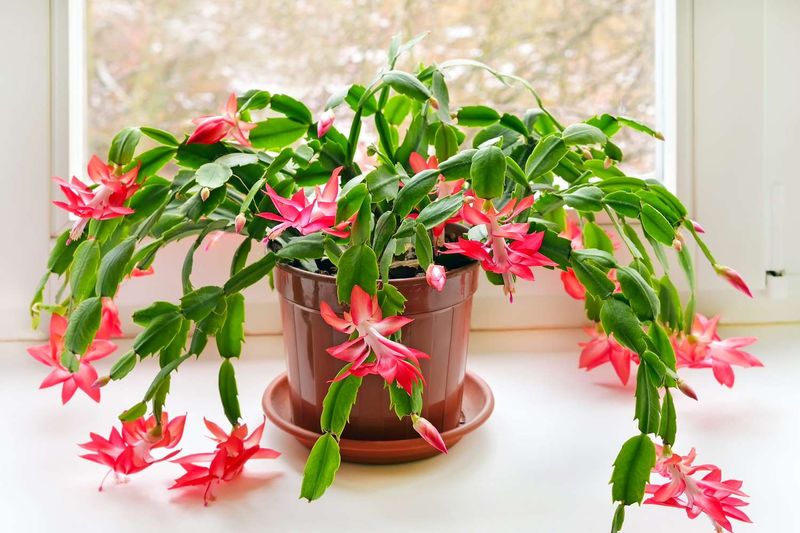
Late summer and early fall can feel mild during the day, then drop fast at night. A handy caution point is about 50°F.
University of Florida extension advice suggests getting holiday cacti inside before temperatures fall below that range. Think of 50°F as a helpful signal rather than an exact line where damage begins.
You may wonder whether it is better to leave a budded plant outside so it is not disturbed. Cold can harm the plant and its buds, and that risk can outweigh the worry about moving it.
Iowa State’s advice to avoid nonessential moves while buds develop is about skipping extra shuffling, not about ignoring a chilly forecast.
Check the forecast a few days ahead, and plan the move for a calm afternoon. If nights are heading toward the low 50s, it is time to go.
Before you lift the pot, decide exactly where it will live indoors. Walking around the house with a heavy plant while you make up your mind adds extra trips, and extra trips mean extra changes for the buds.
Pick the spot first, clear a space, and then carry the cactus straight there in one go.
Check the plant and pot before the move
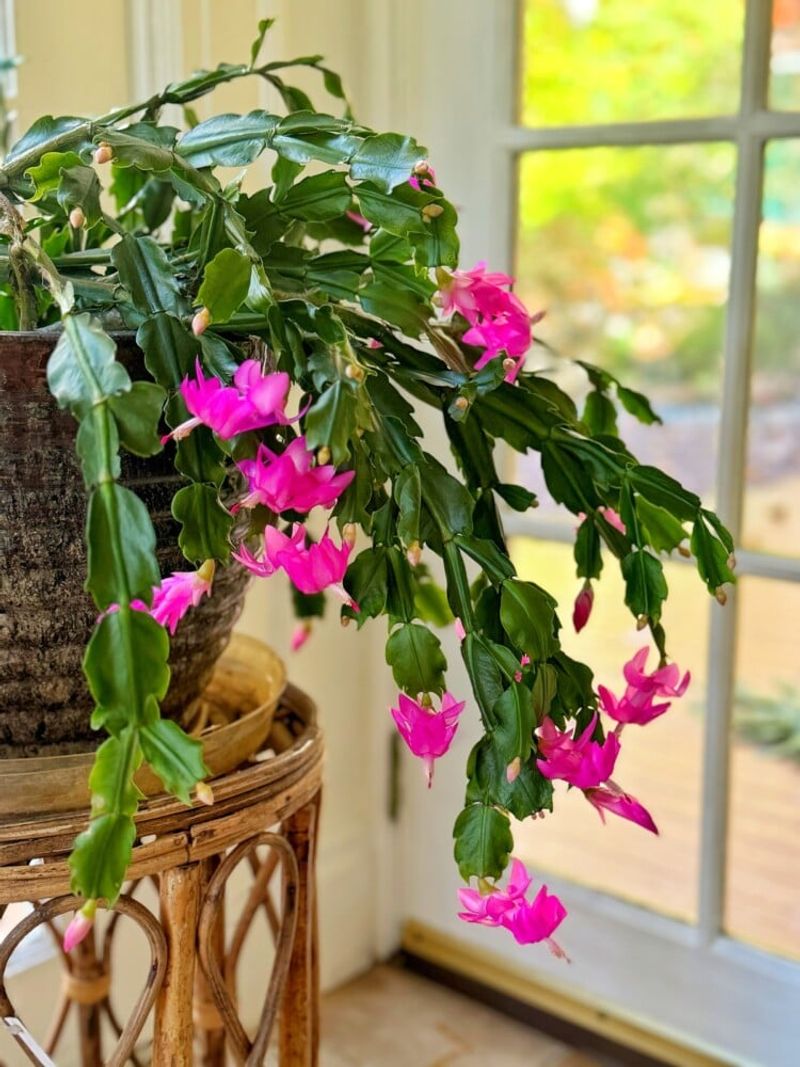
Summer outdoors means your cactus may have picked up hitchhikers. A quick look now keeps pests from spreading to your other houseplants.
University of Minnesota Extension covers basic care for holiday cacti, including keeping the pot well drained.
Start with the stems. Look along the joints and under the segments for tiny insects, cottony spots, or sticky residue.
Then check the soil surface for anything crawling, and pick off fallen leaves and other outdoor debris.
Tip the pot to make sure the drainage holes are open and water runs out freely. A pot that stays soggy is a problem inside, where the plant dries more slowly.
Finish by wiping down the outside of the pot with a damp cloth.
These steps lower the odds of bringing pests indoors. They are not a way to guarantee that buds stay on the plant.
If you do spot pests, choose a product labeled for your plant and for that specific pest, and follow the label directions. There is no need to spray soap or other treatments as a just-in-case habit when nothing is wrong.
Handle the plant gently while you work so you do not knock off buds.
Choose its indoor spot before you carry it in
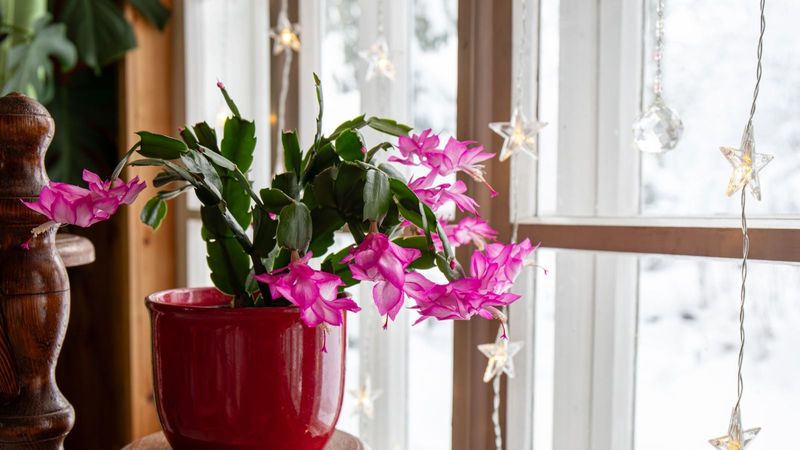
Bright, indirect light is a good match for a holiday cactus. An east-facing window, or a spot a few feet back from a sunnier one, often works well.
Iowa State guidance also points to keeping the plant away from drafts and heat sources.
Walk through the room like a detective. Skip the spot beside a heating vent, a fireplace, a space heater, or a door that swings open to cold air.
Those places can swing the temperature fast, which is the kind of abrupt change a budded plant may not like.
Once you find a good place, leave the plant there. Rotating it or moving it room to room as buds develop adds more change, so resist the urge to tinker.
Choosing well the first time is the most useful thing you can do.
You may have read about easing a plant indoors over several days, and that is common advice for houseplants in general. University of Minnesota guidance on bringing houseplants back inside mentions gradual reintroduction.
The holiday cactus sources reviewed do not show that a multi-day routine prevents bud drop, so the safer focus is a good spot and no extra moves.
Keep watering and indoor temperatures steady
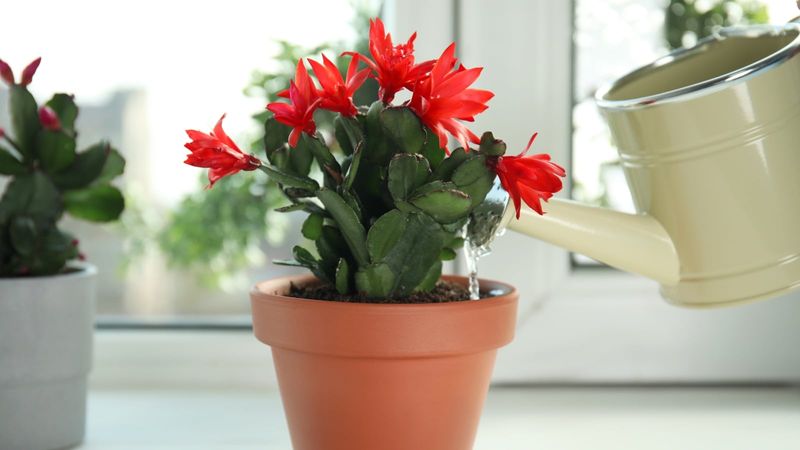
Holiday cacti are not desert cacti, so they do not want to be left bone dry for long stretches. They also do not want wet feet.
Iowa State Extension notes that soggy soil and poor drainage can lead to root problems, while excessive dryness can contribute to bud drop.
Skip the fixed calendar. Instead, check the potting mix with your finger and water when the top feels dry, letting the extra drain away.
Empty the saucer so the pot never sits in standing water.
Indoor air also matters. Iowa State lists 60 to 70°F as a comfortable indoor range, and University of Minnesota Extension suggests daytime temperatures of 65 to 70°F with cooler evenings of 55 to 65°F for bud development.
Treat these as general ranges, since plants and cultivars differ.
Steady is the key word here. A plant that gets about the same light, warmth, and water from week to week has fewer reasons to shed buds.
That lowers avoidable stress, though it cannot promise every bud will stay.
If a few buds still drop, check the basics: drafts, a dry pot, or a soggy saucer. Adjust calmly and avoid big changes all at once.
Steady care can reduce stress, not guarantee blooms
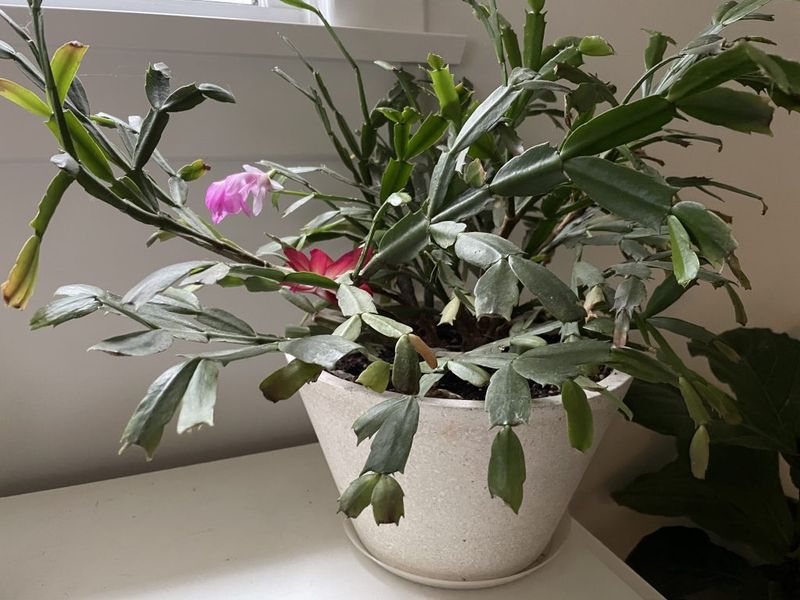
The plan is simple: bring the cactus inside when cold makes it wise, put it in its spot, and then leave it be. Skip extra moves and sudden changes in care.
Those habits can reduce avoidable stress, but they cannot promise that every bud stays or that flowers show up in December.
Bloom timing also varies because many plants sold as Christmas cactus are really Thanksgiving cactus or hybrids, as Iowa State notes. A plant that blooms in November is not off schedule, just true to its type.
Some years the flowers simply arrive on their own clock, and that is part of the charm.