
These North Carolina Native Flowers Wait Until Dusk To Open And Perfume Your Porch All Evening
Some flowers sleep all day and only wake up when the sun goes down. In North Carolina, a handful of native plants open their petals at dusk and fill the air with sweet scent just as you settle onto the porch.
They also feed moths, bats, and other night wildlife that keep your yard healthy. Here are seven native picks that turn your evenings into something special.
1. Common Evening Primrose
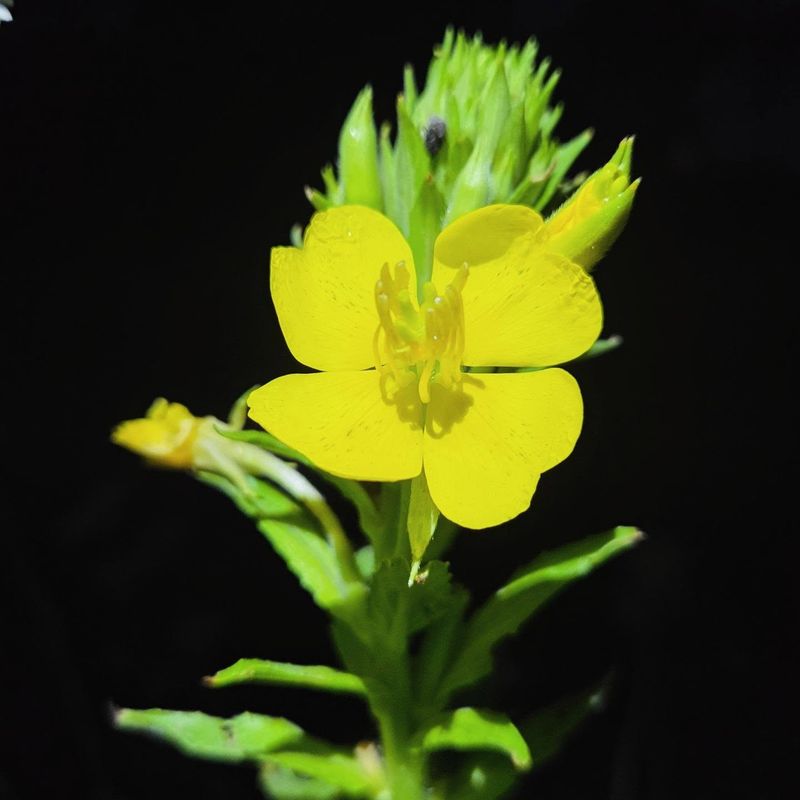
Sit still on a summer evening and you can actually watch evening primrose open. The buds loosen, the petals pop free, and within a minute or two a bright yellow cup is glowing in the twilight.
Kids love this show, and honestly, so do grown-ups.
Oenothera biennis grows wild from the Outer Banks to the Blue Ridge, so it is right at home in almost any NC yard. The blooms give off a soft lemony scent and stay open until about noon the next day.
That timing feeds night-flying moths like the white-lined sphinx and the primrose moth, then early bees in the morning.
The payoff keeps going after the flowers fade. Seed capsules feed American goldfinches and mourning doves into fall, so leave the stalks standing.
Give it full sun and sandy, well-drained soil, and expect it to self-seed, which can be a plus if you want a natural meadow corner.
2. Southern Magnolia
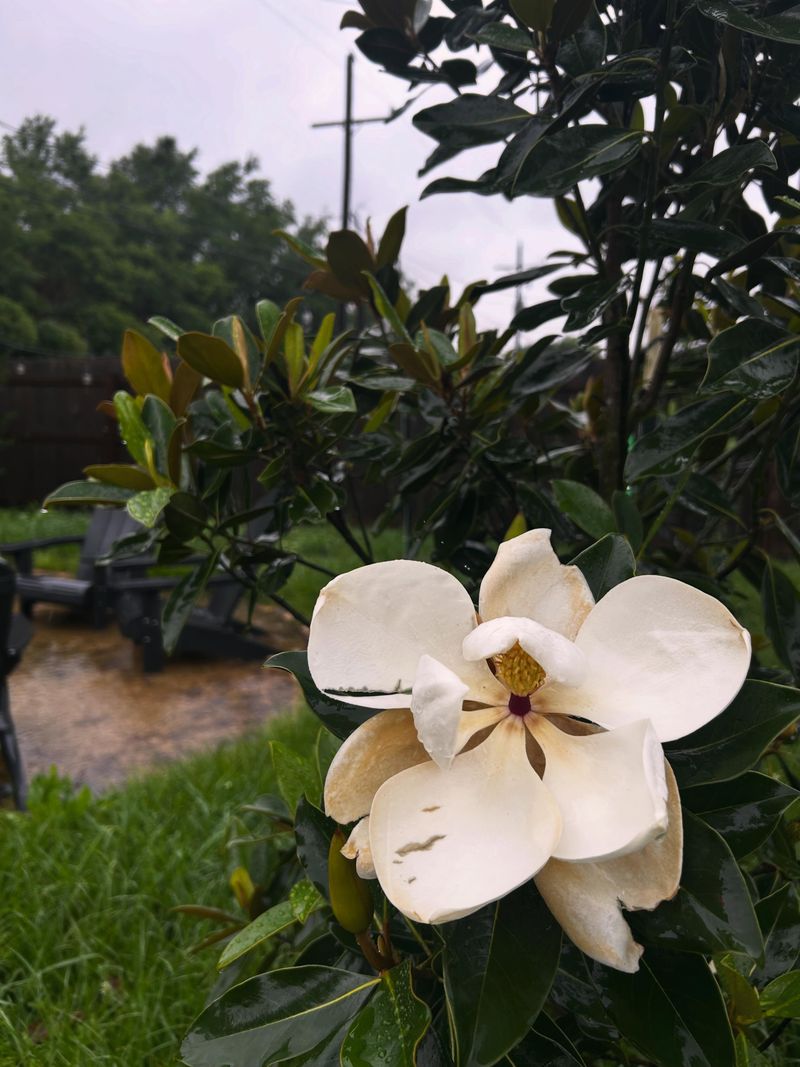
Ask any grandparent in the Carolinas what summer nights smelled like, and many will say magnolia. That rich, lemony perfume drifting across a porch is about as Southern as it gets.
Magnolia grandiflora is native to the Coastal Plain and grows well across the Piedmont too. Its huge white flowers open over a couple of days, and the scent often feels strongest in the warm, still air of evening.
Beetles, one of the oldest pollinator groups on Earth, do most of the pollinating work.
Here is a fun bit of history: magnolias existed before bees did. That is why they rely on beetles.
Plant one where it has room to spread, since it can grow quite large, and enjoy decades of fragrant June evenings.
3. Carolina Jessamine Swap: Native Moonflower Alternative, Bigroot Morning Glory
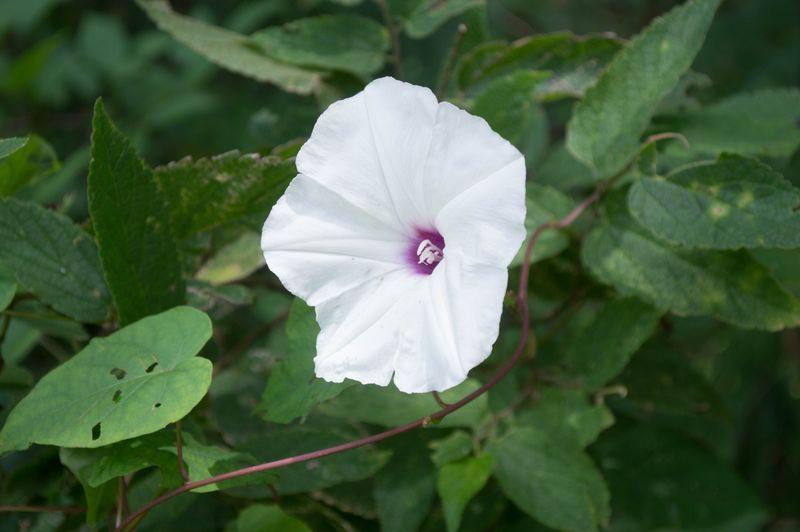
Plenty of garden centers sell tropical moonflower vine, but there is a homegrown option worth knowing. Bigroot morning glory, Ipomoea pandurata, is a true North Carolina native with big white blooms and a deep purple throat.
The flowers often open very early and linger into cloudy evenings, and the vine is a favorite of sphinx moths and native bees. It is also a smart pick if you are pulling out invasive Japanese honeysuckle from a fence line.
Swap that aggressive vine for this native and your pollinators come out ahead.
The name comes from its enormous underground root, which can weigh many pounds. That root makes it tough through drought.
Give it a sunny trellis and step back.
4. Swamp Rose Mallow
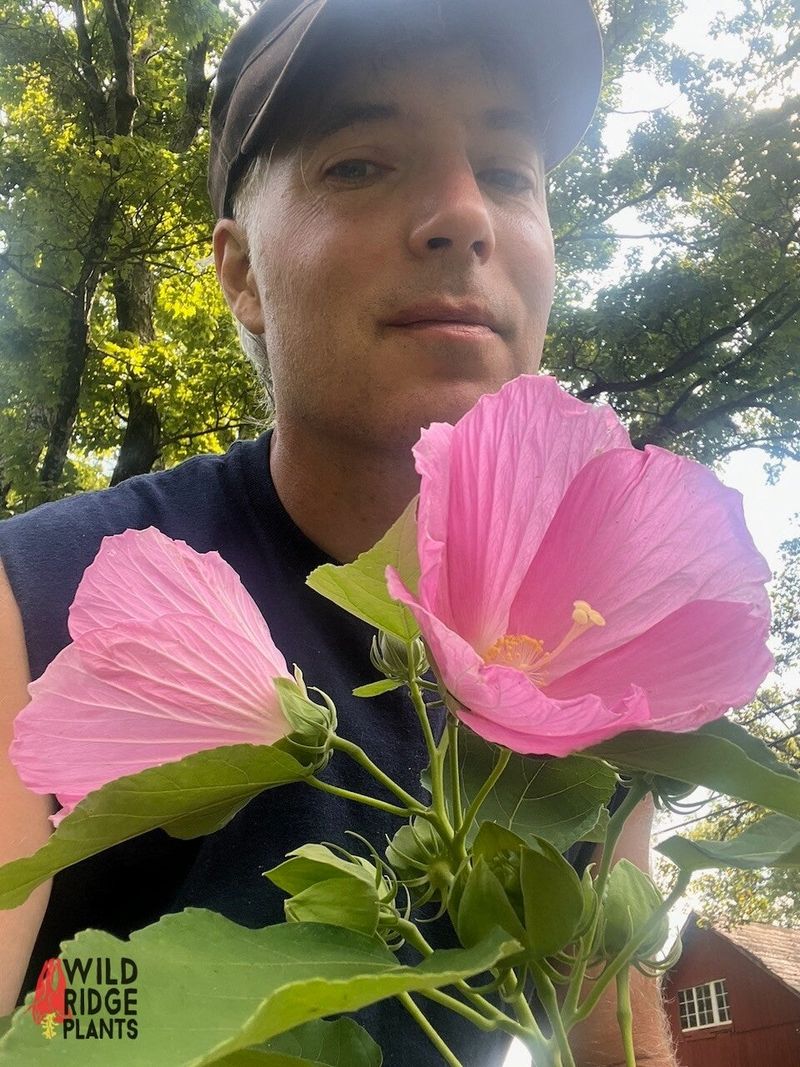
Got a soggy spot by the downspout? Swamp rose mallow will happily turn that problem into a showpiece.
Hibiscus moscheutos grows naturally in NC marshes and wet ditches. Its dinner-plate flowers are white or pink with a deep red eye, and they hold open into the evening, when hummingbird-size sphinx moths may stop by.
The fragrance is light, so plant it close to the porch steps.
It also hosts several native moth caterpillars, which in turn feed backyard birds. Cut stems back in late winter, not fall, so overwintering insects have shelter.
It is a great replacement for non-native tropical hibiscus.
5. Fragrant Water Lily
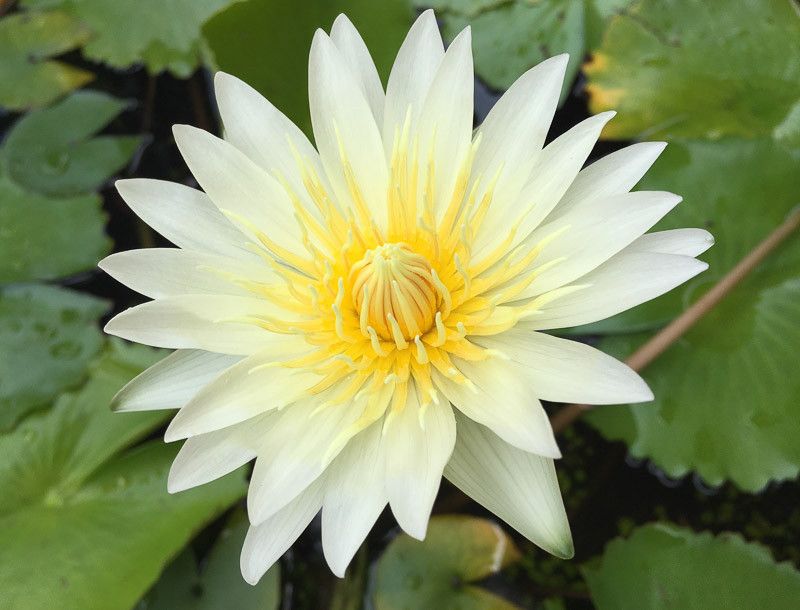
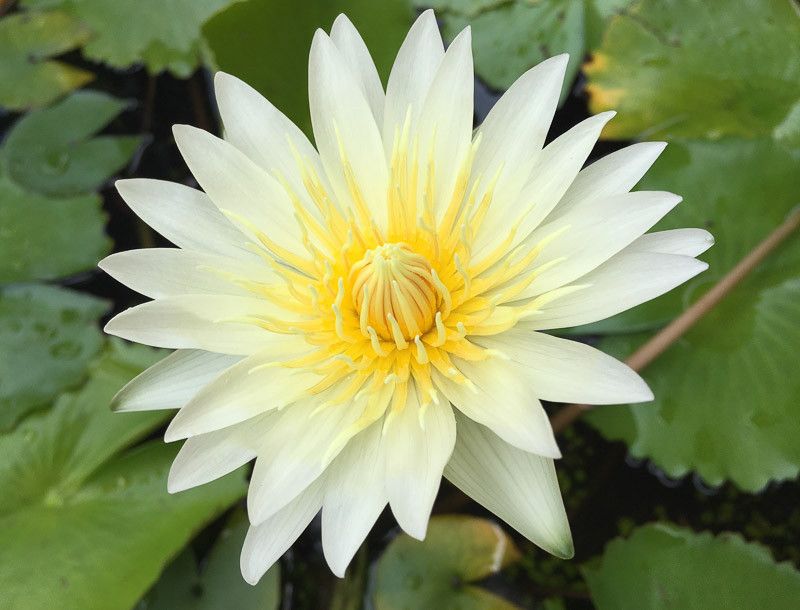
Picture a small backyard pond at sunset, with frogs starting their chorus and a sweet scent rising off the water. That is what Nymphaea odorata brings.
This native lily grows in ponds statewide. Its white flowers open in the morning and close by afternoon, so it is more of a bonus guest than a true night bloomer, but the perfume lingers into warm evenings.
Pads shade the water, keeping it cooler for tadpoles and dragonfly nymphs.
Choose it over invasive water hyacinth or non-native lilies that can choke NC waterways. One pot in a container pond is enough to start.
6. Mountain Mint and Evening Phlox Pairing: Garden Phlox
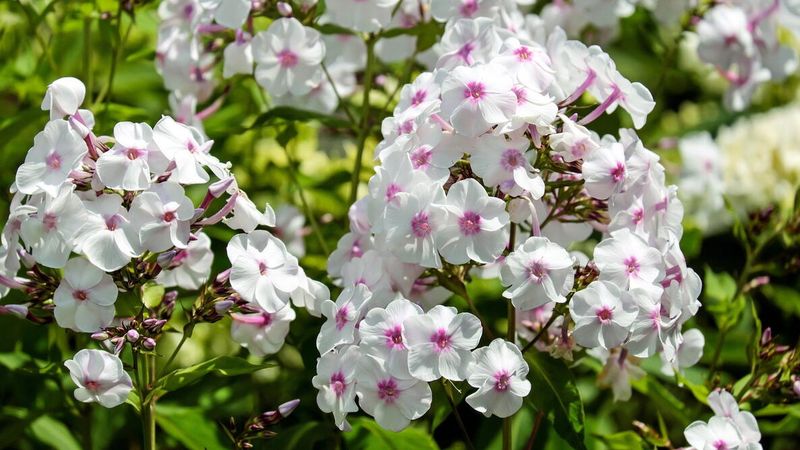
Garden phlox is the plant that makes people stop and sniff on the way to the front door. As the day cools, its sweet, clove-like fragrance gets stronger, perfect for porch sitting.
Phlox paniculata is native to the NC mountains and Piedmont. Its long, narrow flower tubes suit moths and butterflies with long tongues, so you will see visitors both at sunset and in daylight.
Pale pink and white forms almost glow at dusk.
Give it good airflow to prevent powdery mildew, and water at the base during dry spells. Cutting spent blooms can bring a second flush in late summer.
7. Sweetbay Magnolia
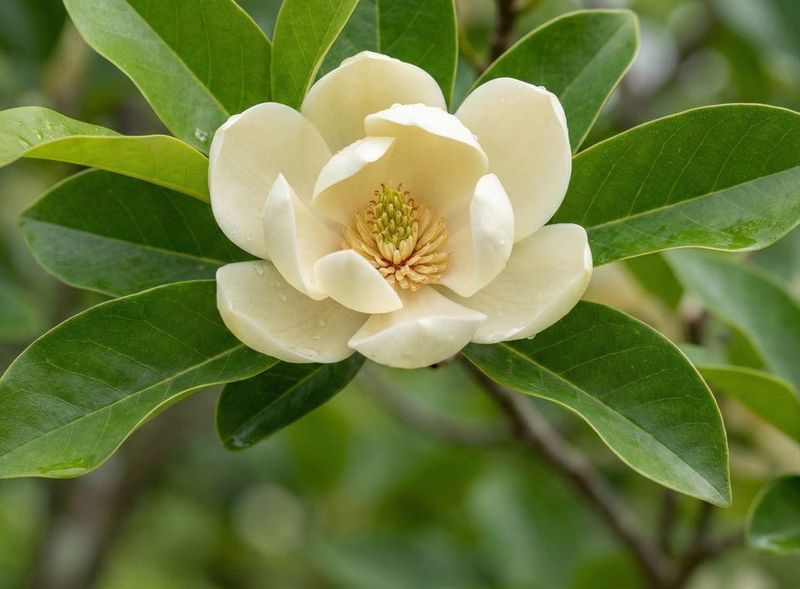
If a full Southern magnolia is too big for your lot, meet its smaller cousin. Sweetbay grows to a tidy small tree, yet its blossoms pack a big vanilla-lemon scent.
Magnolia virginiana is native to wet woods across eastern North Carolina. Flowers open in late spring and keep coming through summer, and the fragrance often seems strongest in the cool of evening.
Silvery leaf undersides flash in the breeze, adding a little magic at twilight.
It is the host plant for the sweetbay silkmoth and supports tiger swallowtails too. Try it as a native replacement for invasive Bradford pear.
Your nose and your local moths will both thank you.