
That Silky Tassel You Strip Off Your Garden Corn Has Been Brewed Into Tea For Centuries
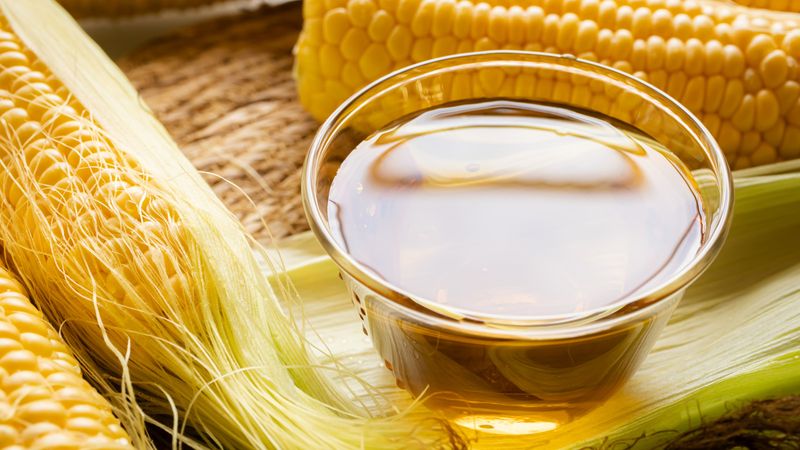
Peel back the husk on a fresh ear of sweet corn and you will find a tangle of fine, pale strands. Most gardeners brush them off and toss them in the compost.
Those strands are corn silk, and some people save them to simmer into a mild herbal tea. Here is what the silk really does in your garden, how it is used in the kitchen, and what is still unproven.
Corn silk—not the tassel—has a job before harvest
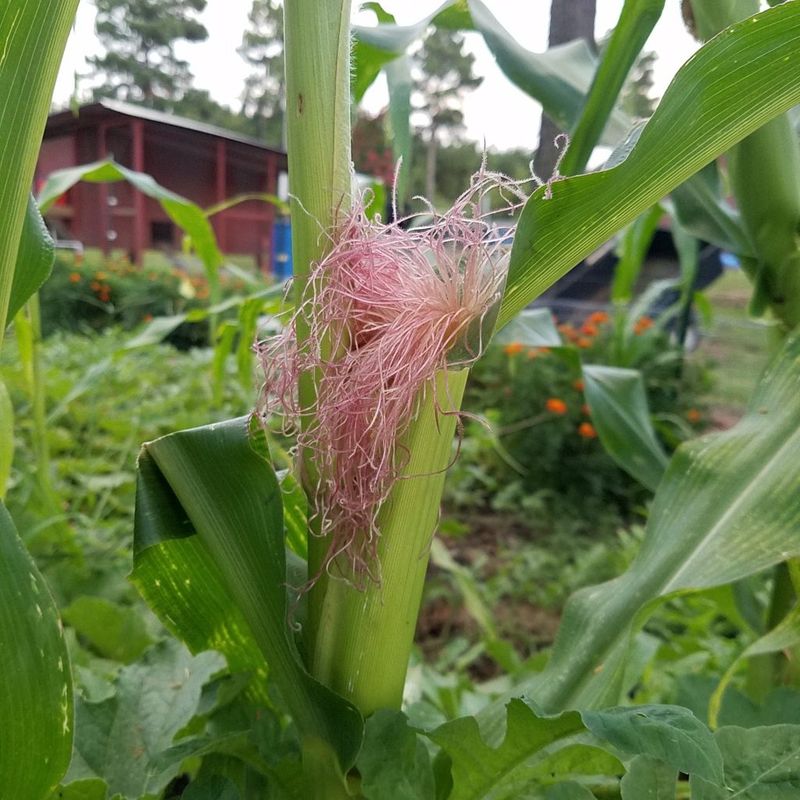
Those fine strands poking out of the husk are corn silk, not a tassel. The tassel is the feathery spike at the very top of the plant, and it makes the pollen.
The silk is part of the ear’s female flower, and each strand connects to one future kernel.
Here is how it works. Pollen drifts down from the tassel and has to land on the silk.
Each strand that catches a grain of pollen leads to one kernel forming on the cob. That is why a poorly pollinated ear ends up with gaps and bare patches, as University of Missouri Extension explains in its sweet corn guide.
So the silk has real work to do before you ever think about the kitchen. Leave it attached while pollination is underway, which is the stretch when the silk is fresh and pale and the tassels are shedding pollen.
Resist the urge to pull back husks to peek or to trim the silk for tidiness.
Once the ear is ready and you pick it, the silk has finished its job. That is the moment to collect it instead of tossing it.
Pinch off the strands as you shuck, and you have a small bonus from a plant you already grew.
Corn silk appears in traditional herbal preparations
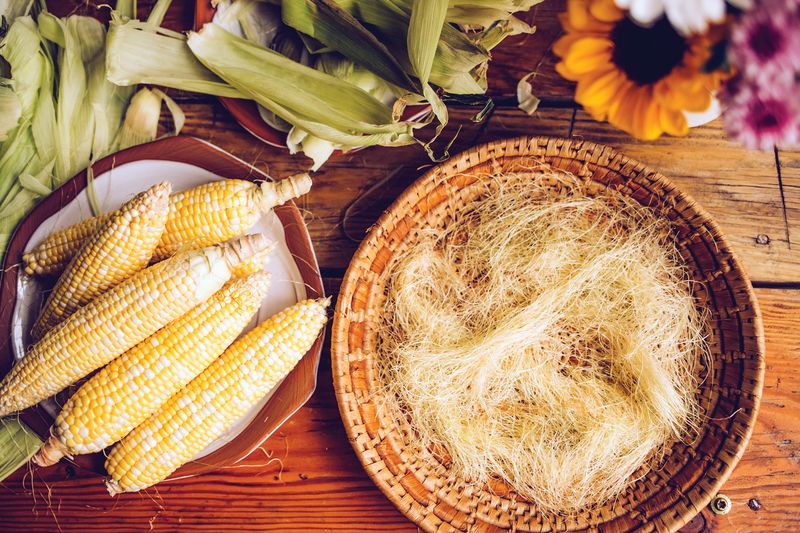
Corn silk has a long list of traditional uses as a simple herbal infusion. A review of Mesoamerican herbal medicine reports that corn silk infusions are used as a diuretic, meaning something people drink to increase urine flow.
That is a record of what people do, not a finding that it works.
Europe has also taken a look. The European Medicines Agency has a draft herbal monograph on corn silk.
It describes a proposed traditional use for relief of minor urinary symptoms. Note the word draft, because it has not been adopted as a final document.
Think of it like grandma’s recipe for a cold remedy. Plenty of families swear by it, and it may be part of a cultural food tradition, but that is different from a tested treatment.
Traditional use tells you how a plant has been used. It does not tell you the tea cures anything.
For a gardener, the useful takeaway is modest. Corn silk is a recognized ingredient in traditional herbal practice, and it is free from the ears you already grow.
Treat it as a curiosity for the teapot, not as medicine.
The earliest written record is not settled
You may have seen a catchy claim that corn silk has been brewed for centuries. Nobody has verified how long, so that line does not hold up.
Even the neat story about the oldest record has problems.
One review, an umbrella review of corn silk research, repeats a claim that corn silk shows up in China’s Southern Yunnan Materia Medica in the 15th century. The trouble is timing.
Scholarship on maize’s journey to China places its arrival or spread later, including by the end of the 16th century, as seen in USDA research on maize in China and in a paper on maize’s global travels.
A crop cannot easily show up in a medical text before it reaches the country. That does not prove the claim false, since dates and texts can be tangled, but it means the 15th-century entry needs checking against the original text and specialist historians.
So the honest answer is that nobody here can name a first record or a start date. If a friend quotes you a number of centuries, you can smile and say the history is still being sorted out.
A simple cup starts with a clean harvest
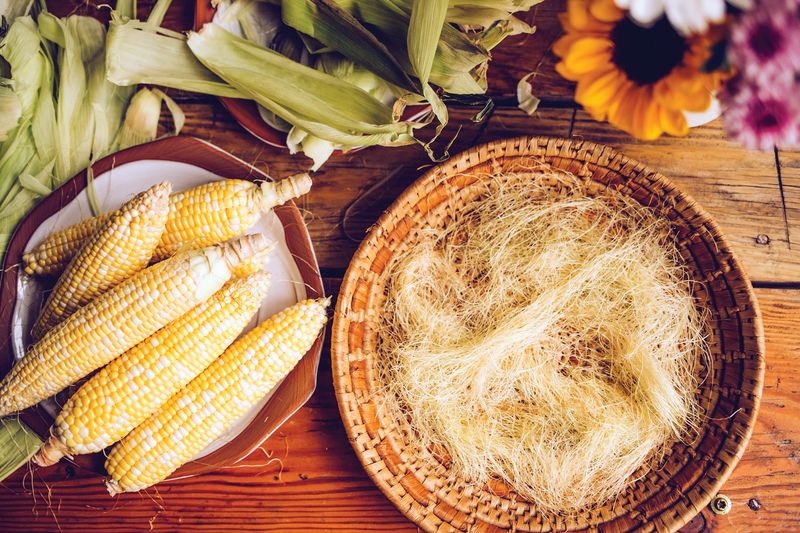
Start at the sink. Homegrown produce should be rinsed under running water, and the FDA’s produce safety guidance says not to use soap or detergent.
Gently rinse your silk in a colander to wash off garden dust and any bits of husk.
For a cup, Cleveland Clinic gives a simple recipe. Combine 2 tablespoons of fresh or dried corn silk with 2 cups of water in a small pot.
Simmer it, then strain out the strands and pour.
Expect a mild, lightly sweet, grassy flavor. Some people add a squeeze of lemon or a little honey.
If you want to dry silk for later, spread the rinsed strands out on a clean towel in a airy spot until crisp, then store them in a jar.
Fresh silk can also go into food after washing. Cleveland Clinic mentions this as another option, so you could try a small amount in a dish if you are curious.
Treat all of this as culinary guidance. It is a way to make a drink from a garden leftover, not a medicinal dose, and it does not match the preparations used in clinical studies.
Traditional use is not proof of treatment
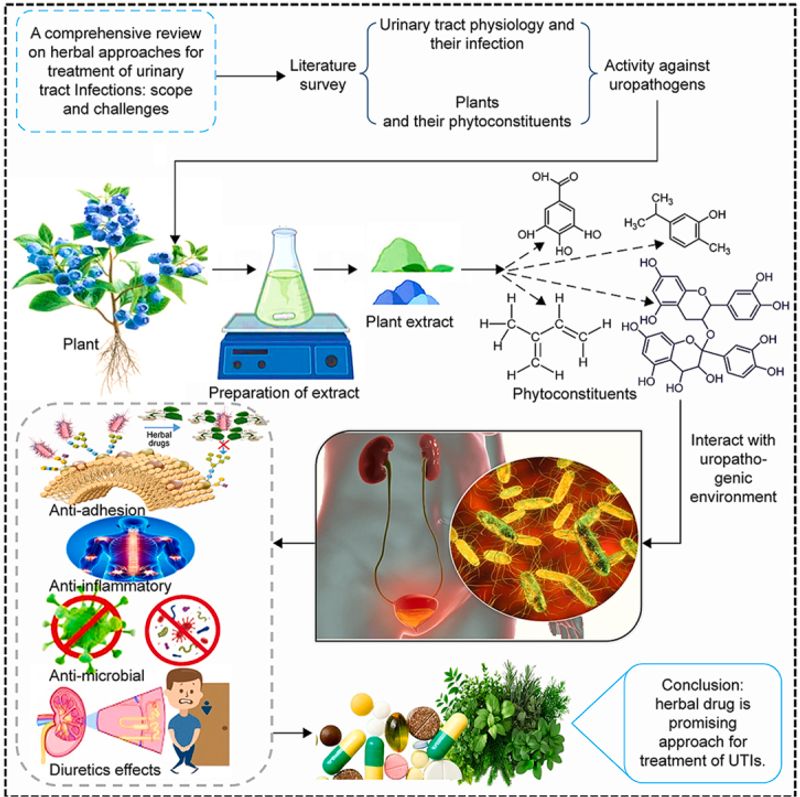
A document can describe how people use a plant without saying the plant works. That is the case with the European Medicines Agency’s draft monograph on corn silk.
It proposes a traditional use for relief of minor urinary symptoms, based on long-standing use rather than clinical proof.
Read that sentence slowly. The wording is about tradition.
It is not a statement that the tea cures a urinary tract infection, dissolves kidney stones, lowers blood pressure, or manages diabetes. It also is not a final, adopted monograph, because it is labeled a draft.
Here is a handy test for any herbal claim you read online. Ask whether the source says the plant has been used, or whether it shows a trial where people got better compared with a placebo.
The first is history. The second is evidence of an effect.
For a gardener, this means you can enjoy the tea as a mild drink without expecting it to fix a health problem. If you are dealing with urinary symptoms, the tea is not a stand-in for getting checked.
Human studies leave important questions open
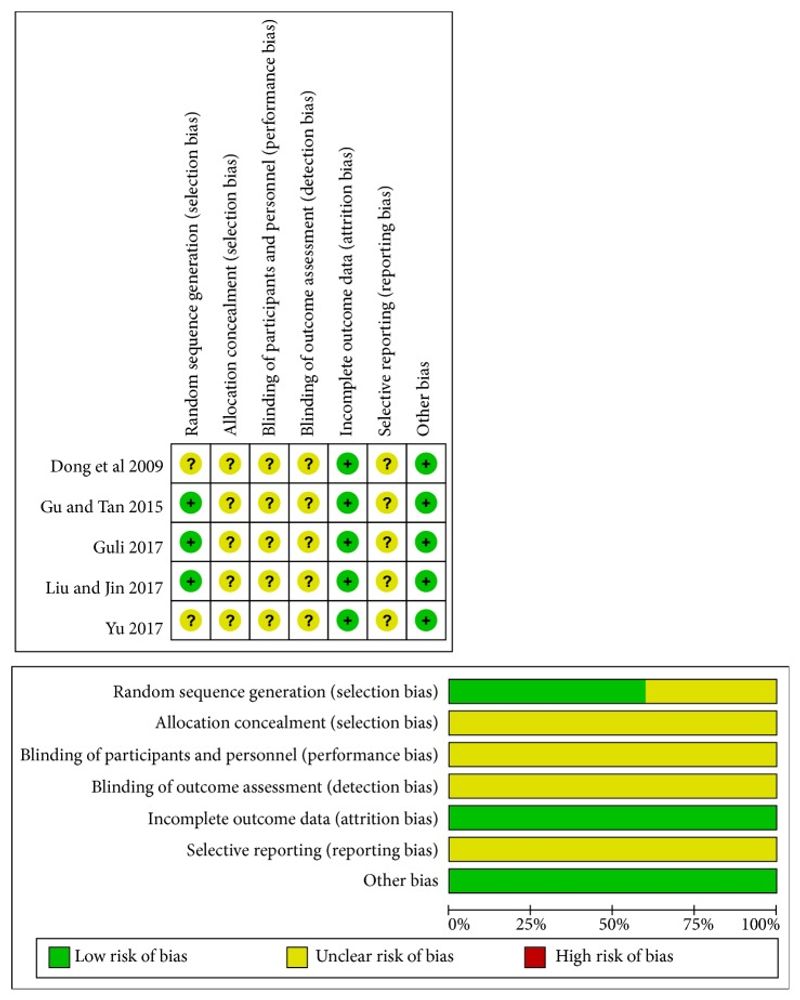
Studies in people are where the hype meets reality. One systematic review of corn silk tea for hypertension found five trials with 567 participants in total.
The reviewers judged the methods of those trials poor, so the evidence was not reliable enough for a firm conclusion that the tea works.
That is not the same as proving it does nothing. It means the studies were not strong enough to say either way.
Weak trials leave the question open.
Separately, the Mesoamerican herbal medicine review mentioned earlier reports a small placebo-controlled trial in 38 healthy men. After one day, there was no significant difference in urine output between the group that got corn silk and the placebo group.
Put those side by side and you can see why nobody can promise a reliable diuretic effect or a broad health benefit. One body of work is too shaky, and the other small test did not show a change in urine output.
Both used healthy volunteers or specific conditions, so they say little about what happens in your own kitchen.
The takeaway is practical. Drink corn silk tea because you are curious about the flavor and tradition, not because a study told you it would do something for your body.
Some situations call for medical advice, not tea

Herbal does not automatically mean safe for everyone. The EMA draft monograph says safety during pregnancy and breastfeeding has not been established, and it does not recommend use in those circumstances.
If you are pregnant or nursing, skip the tea.
The draft also cautions against use when a clinician has advised limiting fluids. Since the tea is a traditional diuretic and you drink a couple of cups of liquid, that caution matters for people on fluid limits, such as some with heart or kidney conditions.
Ask your clinician first.
As for interactions with medicines, the draft reports none. That means none were reported in the assessment, not that interactions have been ruled out.
If you take prescription drugs, a quick question to your pharmacist is cheap insurance.
Some symptoms need a professional, not a teapot. Fever, painful urination, or blood in the urine all warrant medical attention.
A home tea is not a remedy for those, and waiting can let a problem get worse.
The Mesoamerican review also noted the small trial with no significant change in urine output, which is another reason not to lean on the tea. And never swap it for care a clinician has prescribed.
Save the silk as an ingredient, not a promise
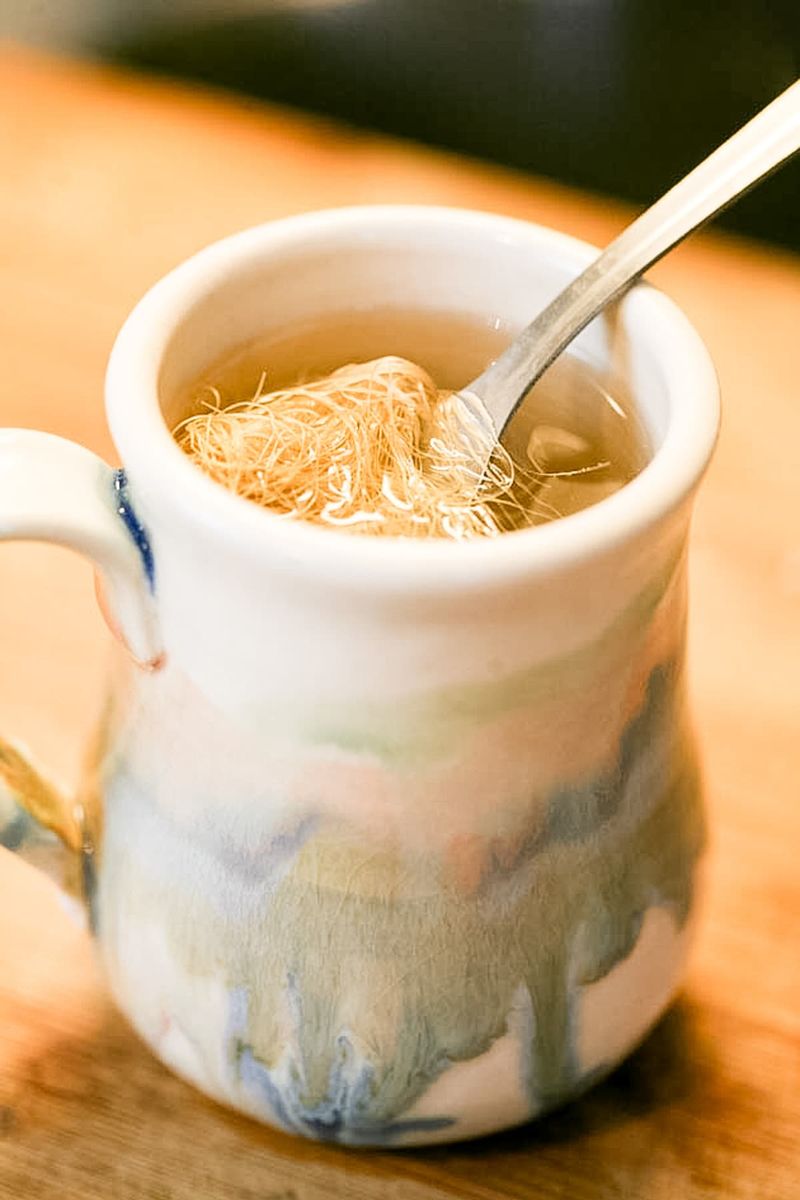
Your corn has one job for its silk and then another for your kitchen. Leave it on the ear while pollination is underway, as Missouri Extension advises, then collect it at harvest.
If you are curious, try the simple simmered preparation with rinsed silk.
Keep the expectations light. The EMA draft describes traditional use, not a promised benefit.
Some garden leftovers earn a spot in the compost, and this one earns a spot in a mug. Just let it be a pleasant cup, nothing more.