
Why Most North Carolina Bat Houses Sit Empty, And The Placement Fix That Finally Gets Bats Moving In
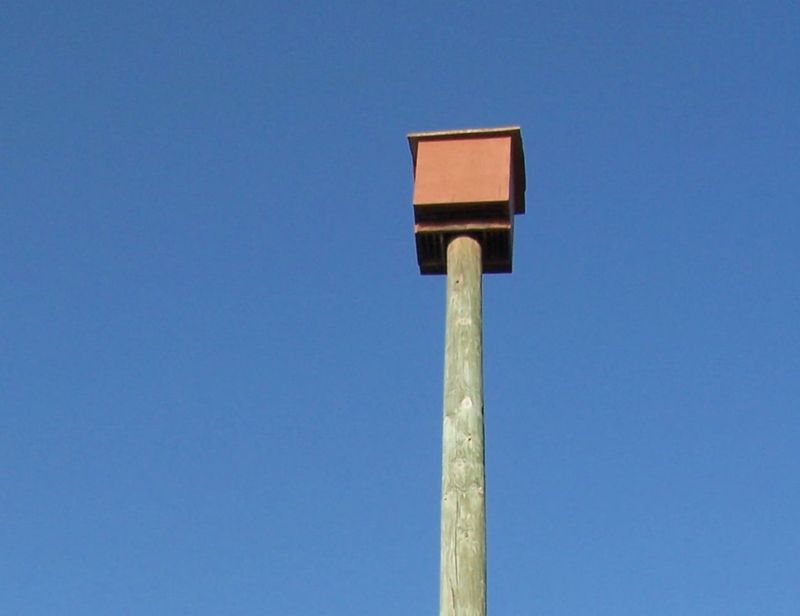
You bolt a bat house to a post, wait all summer, and nothing seems to move in. That can feel like a failure, but a quiet box is a common experience and often has more than one cause.
Where you hang the house, how it is built, and how long you wait all play a part. Here is how to set up your North Carolina yard so a house has a better shot at being used.
A Bat House Can Stay Empty Even When You Site It Well
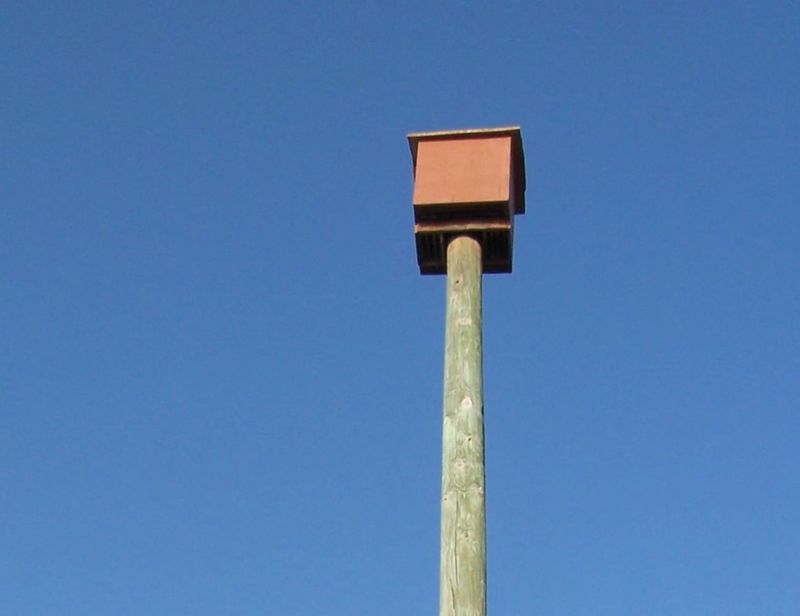
Plenty of homeowners wonder if most bat houses in the state go unused. No one has measured that.
The sources reviewed for this guide do not include a statewide occupancy survey for North Carolina, so nobody can honestly say what share of houses sit empty.
What is clear is that an empty house is a known possibility. Bat Conservation International cautions that a house may never be occupied.
Placement is one piece of the puzzle, but it does not work alone. The design of the house, the local bat species, the habitat around your yard, the roosts already nearby, and plain time all affect whether bats show up.
You may come across numbers that sound like odds. NC State Extension’s bat guidance mentions a 60% occupancy rate, but it does not explain where or how that was measured, so it is not a prediction for your yard.
A study of bat boxes in Bavaria found 38.4% occupancy, but that was a German dataset and it does not tell us what happens in the Piedmont, the Coastal Plain, or the mountains.
Think of this guide as a way to improve your setup, not a way to diagnose every vacant box. Better choices can raise the chances that bats find a house suitable.
They cannot promise a tenant on any particular date.
Choose Height, Open Flight Space, and Nearby Habitat

Start with the mounting spot. NC State Extension suggests hanging a house 10 to 15 feet above the ground, which is a practical range rather than a proven cutoff.
A house a little lower is not automatically the reason it is vacant, but this range is a sensible target for a home setup.
Pick a sturdy pole or a suitable building wall instead of a tree. Trees sway, hold shade, and give predators a path in.
Keep branches away from the entry and the flight path, because bats need room to drop out and swoop up. Bat Conservation International stresses open space below the exit, and about 12 feet of clearance is a good goal when your yard allows it.
Now look at the surroundings. NC State Extension recommends a spot near permanent water, such as a pond, creek, or lake edge.
Insect-rich habitat nearby matters too, like a meadow patch, native plantings, or a woodland border.
Walk your yard at dusk and notice where open air meets water and plants. A spot like that can improve suitability, though it still leaves the outcome up to the bats.
Balance Sunlight Against Overheating
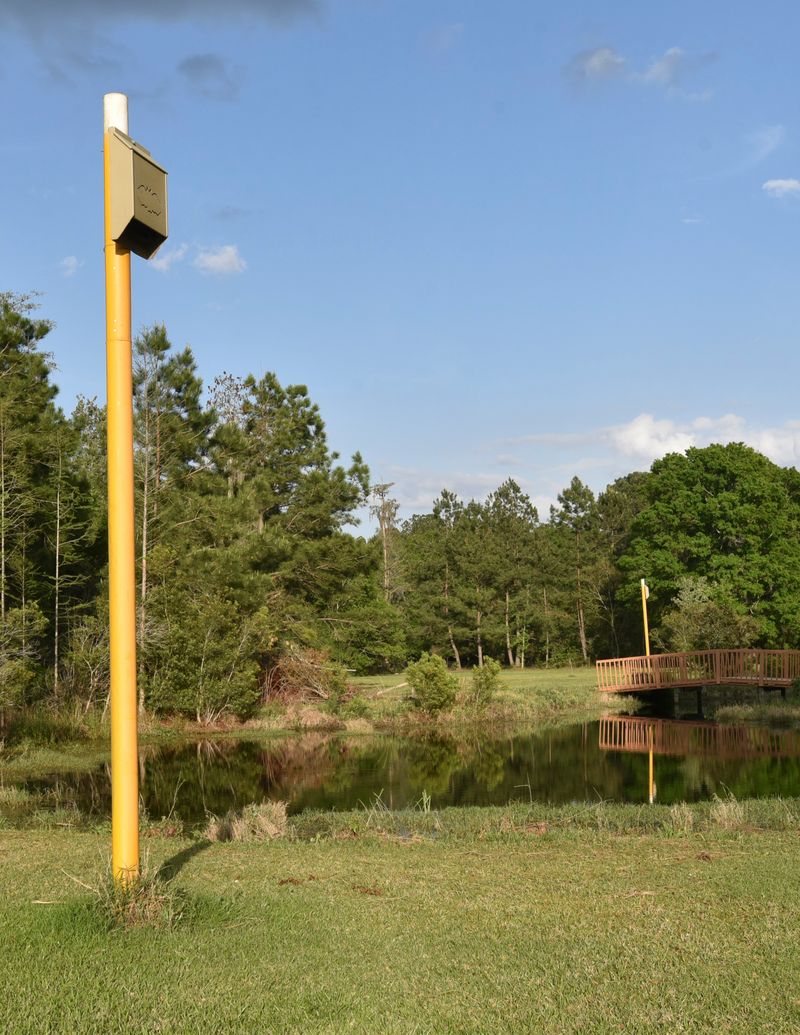
Sun advice can sound like a simple rule, but North Carolina summers make it tricky. NC State Extension advises giving a house maximum sunlight, since warmth helps bats stay comfortable and raise pups.
Heat can swing the other way. Bat Conservation International notes that in warm southern climates, morning sun with afternoon shade can help limit overheating.
A dark box baking in hot afternoon sun on a Coastal Plain July day is a different thing from the same box on a cooler mountain ridge.
So there is no single compass direction or sun amount that fits every yard. Think about your own conditions.
How hot do your summers run, and where does the afternoon shade fall?
One flexible idea is to mount two houses a short distance apart with different sun and shade conditions. Bats can then pick the temperature that suits them on a given day.
If you only have room for one, lean toward a spot with strong morning sun and some relief from the harshest late heat, and watch how it behaves through the season.
Choose a Well-Built House, Not Just a Good Location
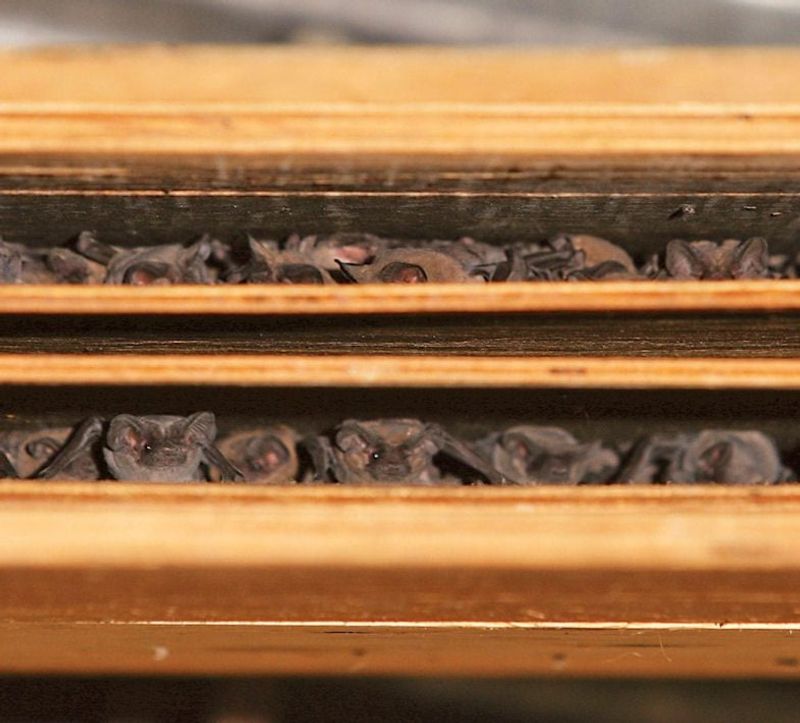
A perfect spot cannot rescue a poor box. When shopping for or checking a house, look at the build as closely as the site.
Bat Conservation International recommends rough, untreated wood inside so bats can grip, sealed seams to block drafts, and multiple chambers. Tall, multi-chambered houses give bats more temperature options, since they can move between spaces as the day heats up or cools down.
Watch for warning signs. Unsuitable materials, roosting gaps that are too wide, and unstable temperatures can lower a house’s suitability or even create risks for bats inside.
Smooth plastic panels or strongly treated surfaces are examples worth avoiding.
A peer-reviewed review of artificial roosts warns that boxes can expose bats to extreme temperatures and predators. That is a good reason to pick quality over a bargain.
You do not need to build one from scratch. Choose a house that matches these basics, or improve a homemade one, and keep the rest of the advice in mind.
Install Before Spring, but Do Not Expect Instant Occupancy
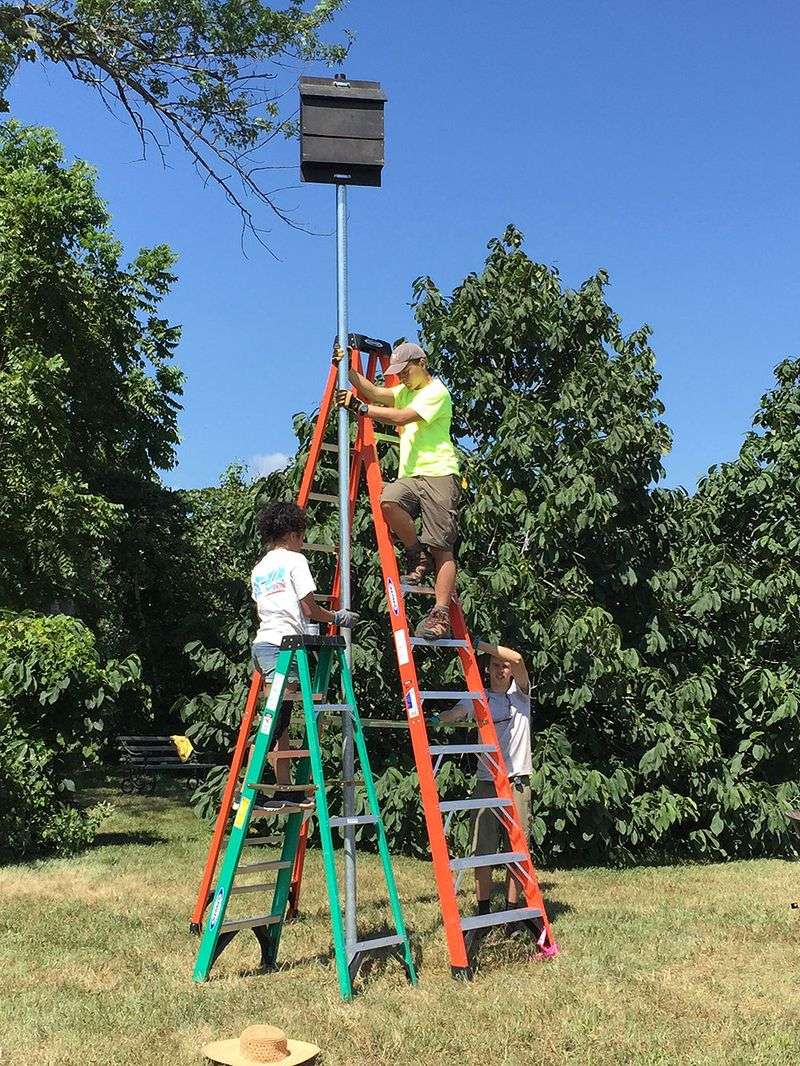
Timing gives a house its best opening. Bats search for roosts when they return in spring, so a house that is already up has a better chance of being noticed.
NC State Extension recommends installing by early April. Bat Conservation International’s installation guide says houses can go up at any time, but they are more likely to be used in their first summer if they are in place before bats return.
If you are reading this in fall 2026, a house put up now could be ready and waiting for spring 2027. That is a good head start.
It is not a promise, and no source guarantees that bats will move in by then.
Use the cooler months to prepare. Choose the site, check the pole and clearance, and mount the house securely so it is not a last-minute scramble in March.
Give Bats Time and Check Without Disturbing Them
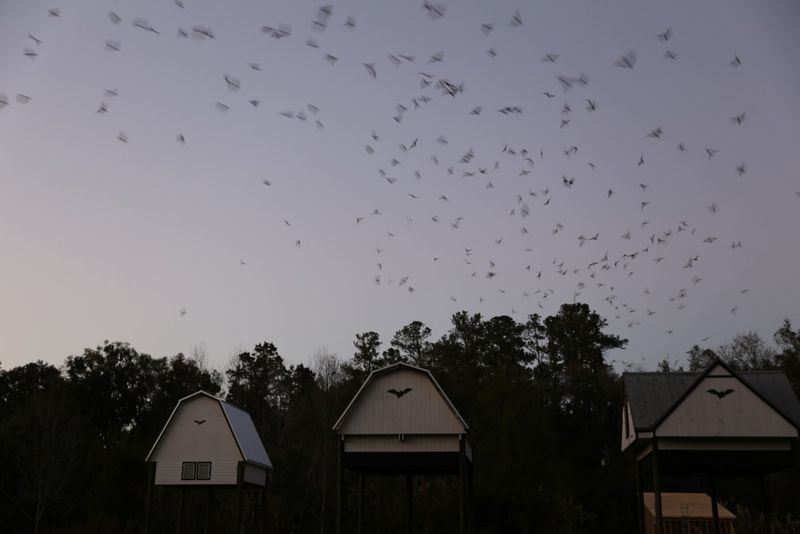
A quiet bat house is not proof that you did something wrong. NC State Extension says bats may take up to two years to find a house.
Bat Conservation International goes further. It says a house may never be occupied, and it reports that some successful houses took as long as five years.
Bats may also use a house briefly and move on.
Check in gently. Watch the house from a distance around dusk in summer, and look for stains or droppings below it.
Never open the house to peek inside while it might be occupied, and never catch, touch, or place bats into a house.
Do maintenance only when the house is unoccupied, such as clearing wasp nests or fixing a loose mount. If you see no activity for a season, treat it as a cue to review your setup calmly rather than a verdict.
A Bat House Supports but Cannot Replace Natural Habitat
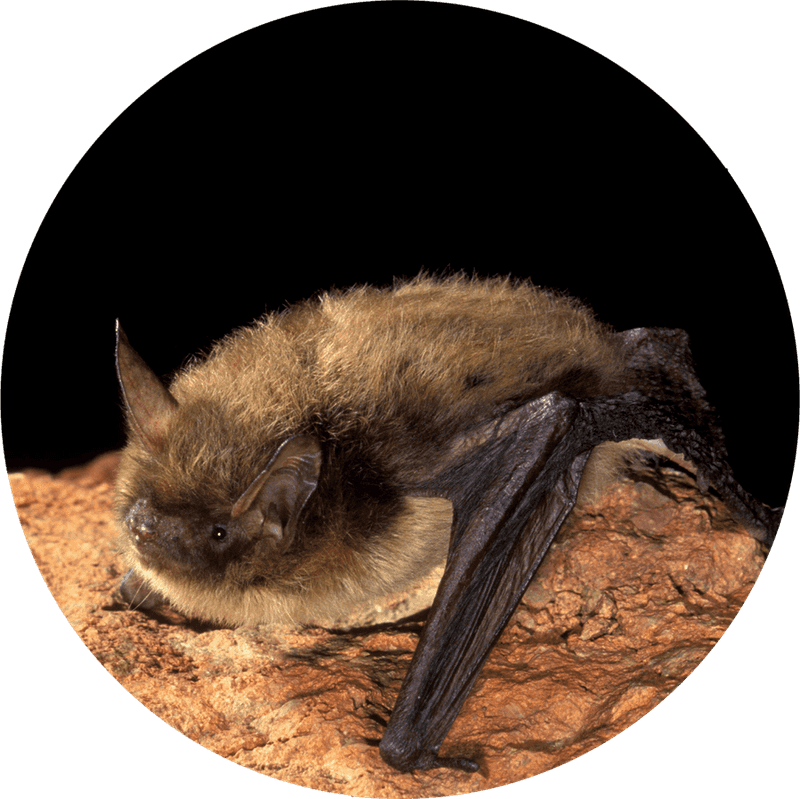
North Carolina has 17 bat species, and they do not all roost the same way. Some use caves, snags, tree cavities, bridges, and rock crevices, as NC State Extension describes.
Do not assume every local species will move into a backyard box.
A full house is nice, but it is not the whole story. A peer-reviewed review says occupancy and abundance are not enough to measure habitat quality.
A bat house is not a replacement for natural habitat, so keep dead trees that are safe to leave, plant native species, and protect water sources.
Many people hope for fewer mosquitoes. A study of three southeastern bat species documented that they eat mosquitoes, but it did not give simple guidance for reducing disease-carrying mosquitoes.
University of Florida IFAS Extension also covers the insect-eating role of bats. Eating insects does not mean a house will cut mosquitoes or ticks in your yard.
If bats are already in your attic, do not seal holes or evict them yourself. North Carolina has an eviction moratorium from May 1 through July 31 because flightless pups can be trapped inside, and paid evictions must be done by a licensed wildlife control agent.
Check the Whole Setup and Be Patient
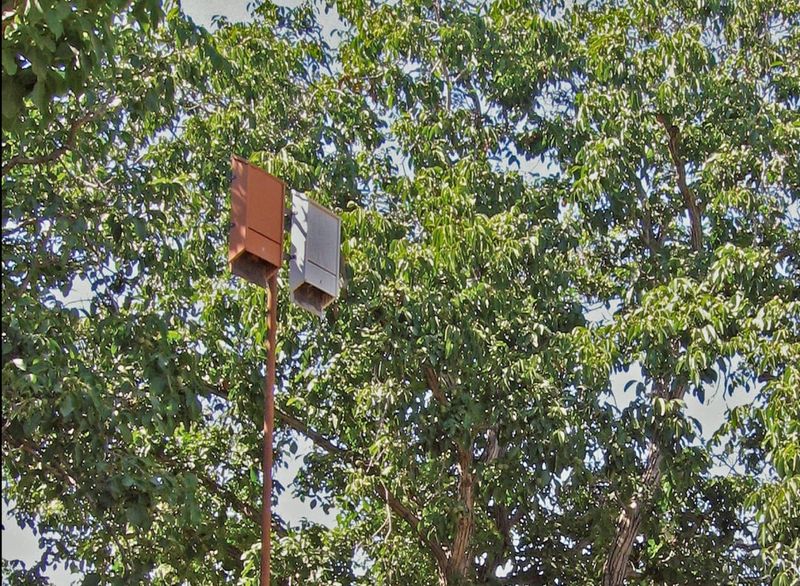
Before you move a quiet box, run through the basics. Is it 10 to 15 feet up, with a clear flight path and open space below?
Is water and insect-rich habitat nearby? Does it get a sensible mix of sun and shade for your local heat, and is the house itself well built?
These choices can improve your setup, but they cannot guarantee bats next spring. NC State Extension and Bat Conservation International both point to time as part of the answer.
Keep the yard bat-friendly, and let the bats set the schedule.