
If Moss Keeps Taking Over Your Lawn, Here Are 11 Hidden Reasons And The Fix For Each
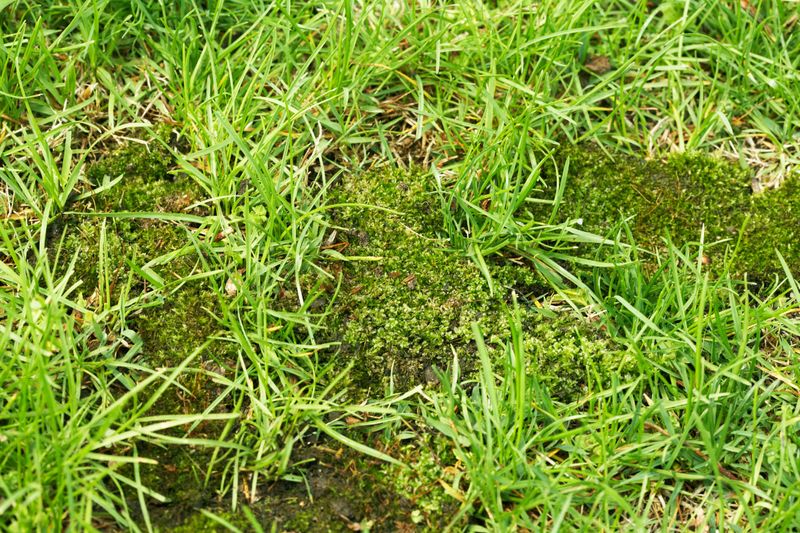
Green, velvety moss showing up in your lawn can feel like a sign that you are doing something wrong. It usually is not.
Moss tends to settle in where grass has already grown thin or weak, which makes it a useful clue about your yard. Here is how to read that clue and choose steps that fit your own lawn.
Moss points to weak turf, not a grass-killing invasion
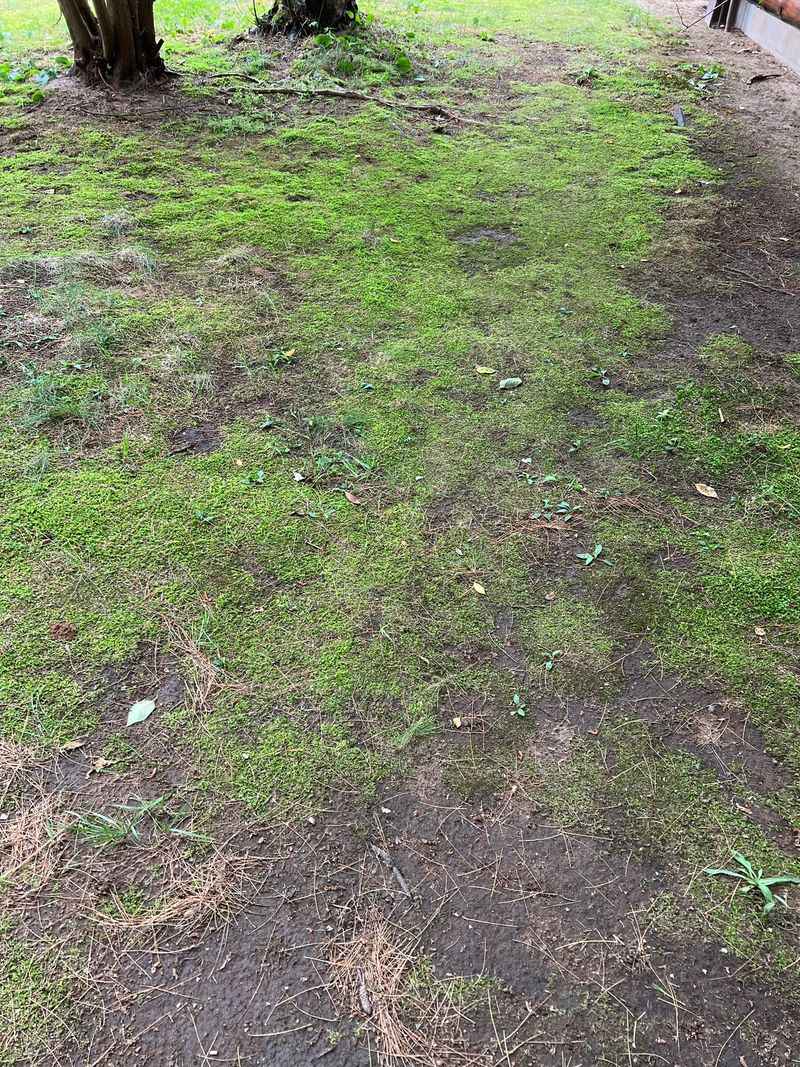
Moss gets blamed for ruining lawns, but it is better understood as a messenger. Penn State Extension explains that moss does not crowd out vigorous turf.
It establishes where grass is already struggling and conditions favor it.
That changes how you approach the problem. If you rake out or spray the moss but leave the cause alone, the relief is often temporary.
Grass stays thin, and moss slips right back into the open space.
So think of your lawn like a detective case. Light, moisture, soil, and lawn care can all play a part, and University of Maryland Extension notes that several of these factors can overlap in the same yard.
You do not need to try every fix on a long list. Look at where the moss grows, what the spot is like, and which conditions actually match.
A mossy patch under a maple will have a different story than one in a low corner where water sits. Start by noticing, and let your own lawn point the way.
Check whether the site gives grass enough light and airflow
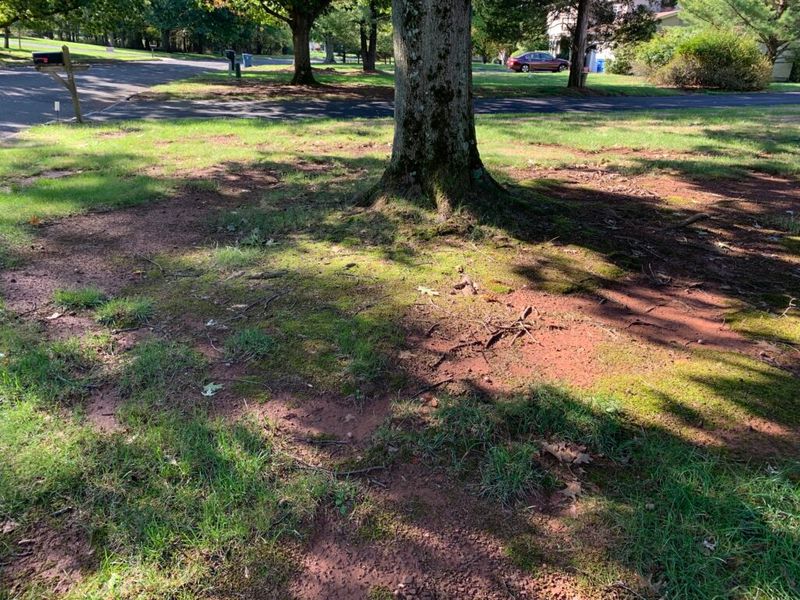
Walk your yard at different times of day and see where the sun actually lands. Heavy shade and stagnant air can leave grass thin, and thin turf is where moss tends to settle.
Maryland Extension lists shade and poor air circulation among the common factors worth checking.
If trees or shrubs are the issue, selective pruning can help. Removing a few low limbs or thinning dense branches lets in more light and moves air through the area.
You do not need to strip the tree, just open it up where practical.
Shade is not always a dead end. A lawn that gets a few hours of filtered light may do well with better care and shade-suited grass.
Heavy, year-round shade is another matter.
Where shade is simply too deep for turf, a groundcover or a mulched bed may be a more realistic choice than another round of reseeding. Moss itself is not limited to shady spots, either.
Wisconsin Extension notes that some mosses tolerate dry, sunny sites, so keep looking at other clues if your mossy area gets plenty of sun.
Follow the water before changing the soil
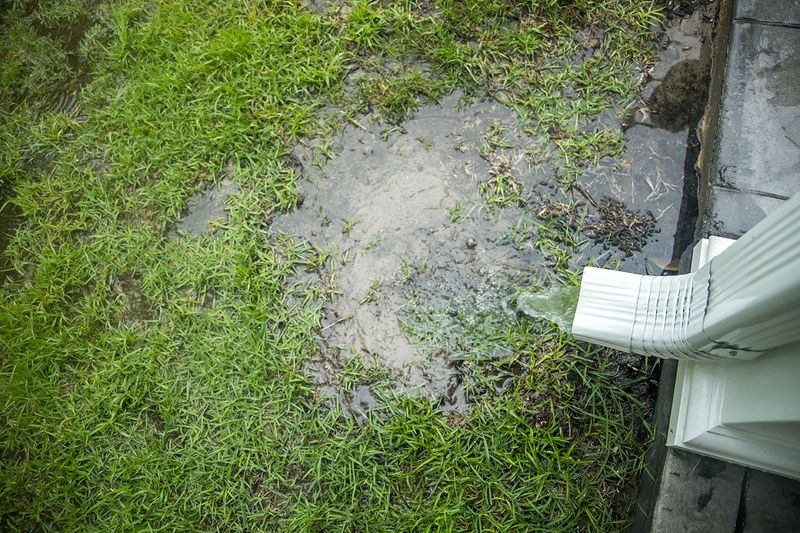
After a good rain, go outside and watch where the water goes. Puddles that linger, soggy corners, and spots that stay squishy for days all point to a drainage problem.
Where water collects, improving drainage is the sensible response, whether that means regrading a low area or redirecting a downspout.
Overwatering is a different issue with a different fix. A sprinkler running on autopilot can keep the soil wetter than grass likes, even in a well-drained yard.
Cutting back on unnecessary irrigation lets the surface dry between waterings. Maryland Extension includes poor drainage and excess irrigation among the conditions that can favor moss.
Separating these two helps you avoid fixing the wrong thing. A puddle after every storm needs a site solution.
A mossy strip near a sprinkler head may only need a new schedule.
Moisture is not the whole story, though. Wisconsin Extension points out that some mosses grow in dry, sunny places.
If your mossy patch is not wet, look at soil, mowing, and grass choice next.
Compaction, shallow soil, and thatch can limit turf
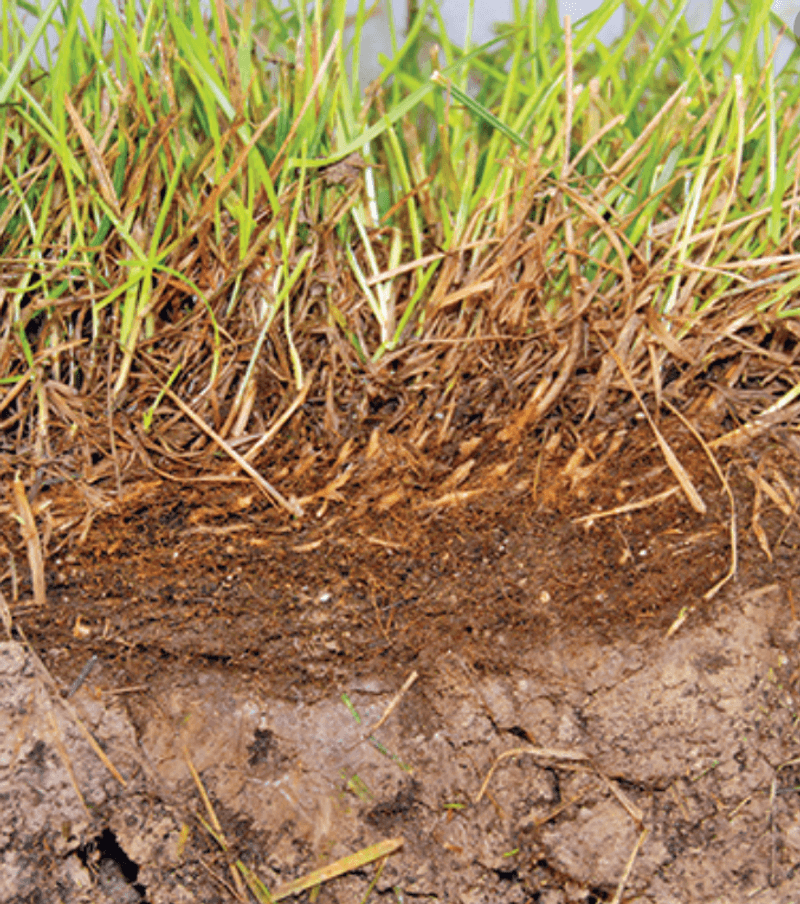
Grass roots need room to grow. Hard, compacted soil, often from foot traffic or heavy equipment, squeezes out air and water and leaves turf thin.
Core aeration can help with compaction, and it works best when grass is actively growing. Maryland Extension, for example, suggests fall aeration for cool-season grasses and mid-to-late spring for zoysia.
Shallow or rocky soil is a different kind of limit. If there is only a thin layer of soil over rock or fill, grass may never root deeply no matter how well you care for it.
In that case, you may need to choose tougher plants or accept that part of the yard will stay mossy.
Thatch is the third clue, and it deserves careful wording. Oregon State Extension documents moss thriving in the thatch zone, but that does not mean thatch causes every moss problem.
Check how thick the layer is before reaching for a dethatching rake.
Timing for dethatching and aeration varies by region and grass type. Oregon State’s Western Oregon advice, for example, differs from what suits other parts of the country, so lean on local extension guidance rather than a single calendar.
Test before correcting pH or fertility
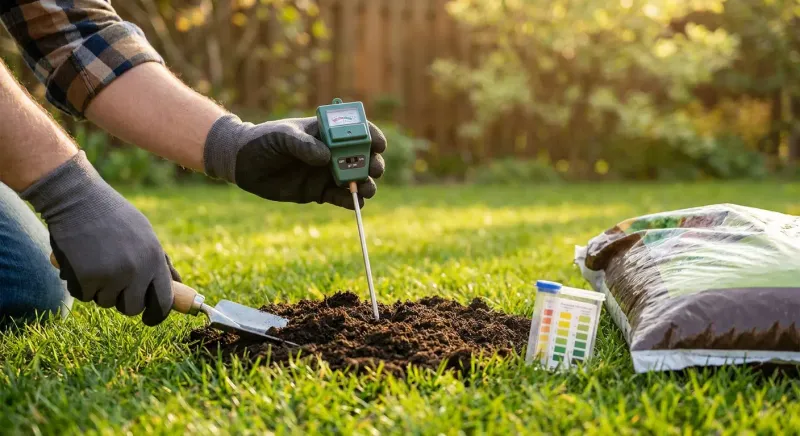
It is tempting to blame acidic soil whenever moss appears, but moss alone cannot tell you that. Soil pH that does not suit grass and low fertility can both contribute, yet moss grows for other reasons too.
Wisconsin Extension advises testing the soil before making changes.
A soil test takes the guesswork out. It shows your pH and nutrient levels, so any correction is based on facts.
Apply lime only if the results call for it, and keep in mind that lime does not remove moss that is already there.
Fertilizer needs the same care. There is no single rate that is right for every lawn.
Shaded turf often needs less nitrogen than grass growing in full sun, as noted in Wisconsin guidance on mossy lawns, so feeding a shady patch like a sunny one may not help.
Maryland Extension also lists low fertility and unfavorable pH among the possible factors. Treat them as possibilities to confirm, not assumptions to act on.
Choose grass and mowing practices that fit the site
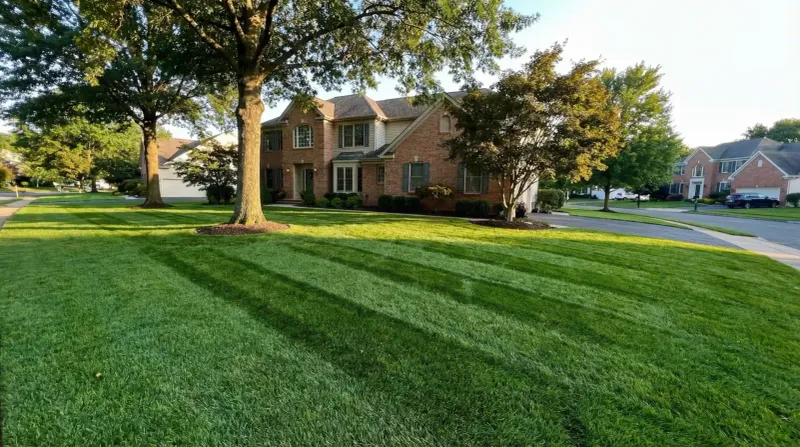
Sometimes the grass itself is the mismatch. A variety that loves full sun will struggle in a shaded yard, and thin turf invites moss.
Maryland Extension lists grass species poorly suited to the site as one possible factor.
Fine fescues are often suggested for shaded lawns because they tolerate shade. They are not a cure-all, though.
They may not hold up in shade that is also very wet or in areas with heavy foot traffic.
Mowing height matters too. Cutting too short, or scalping, weakens grass and leaves gaps.
Taller mowing helps turf root and fill in better, and exact heights depend on your grass type and region.
As one regional example, Wisconsin Extension advises mowing shaded turf at about 3 to 4 inches. Use that as a reference point, then check recommendations for your own area before adjusting your mower.
Address the conditions before removing moss
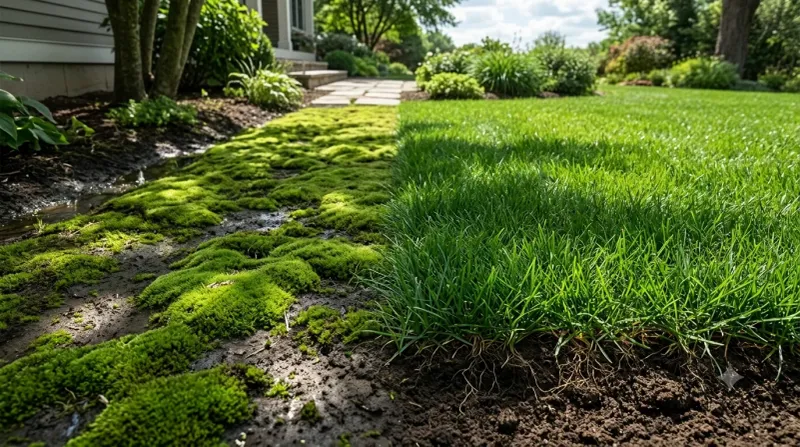
Order matters here. First, correct the conditions that fit your lawn, whether that is light, drainage, compaction, or mowing.
Then remove the moss if you want to, and reseed bare spots with grass suited to the site. Maryland Extension describes raking or treating moss and then reseeding as part of the process.
Removal is optional, and it may only be temporary. Raking or a moss-control product can clear the surface, but if the growing conditions stay the same, moss can return.
Oregon State says lime has no direct effect on existing moss, so do not count on it as a moss killer.
If you choose a product, use only one labeled for lawns. Roof or walkway moss products can injure grass and should never go on turf.
Follow every label direction and precaution, including how long to keep children and pets away.
For general safety habits, the EPA offers pesticide safety tips worth reading before you open the container.
A mossy patch does not always need rescuing
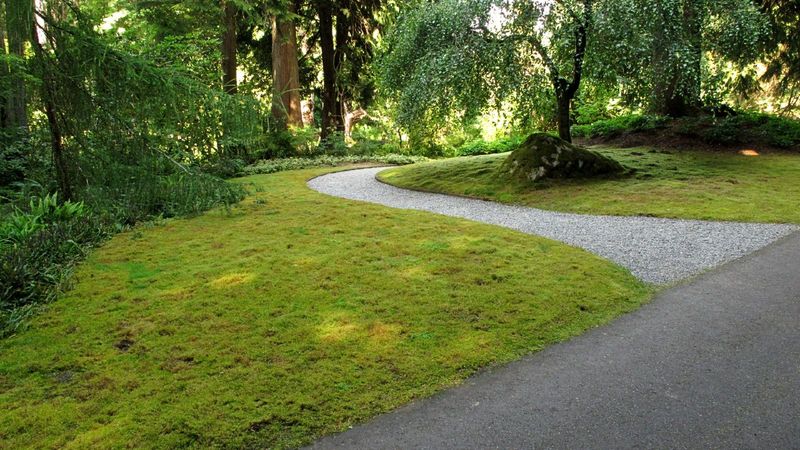
Ask yourself whether grass can realistically thrive in that spot. If the answer is no, because of deep shade, shallow soil, or constant dampness, moss may be a perfectly fine groundcover.
Maryland Extension notes that moss can be acceptable where grass is hard to grow, and removal is a personal preference.
Pick the fixes that match your yard rather than chasing every possible cause. Moss is a clue, not a verdict, and sometimes the kindest move is to let the soft green stay.