
Fall Leaf Removal Won’t Stop Stink Bug Damage to Your North Carolina Tomatoes and Peppers
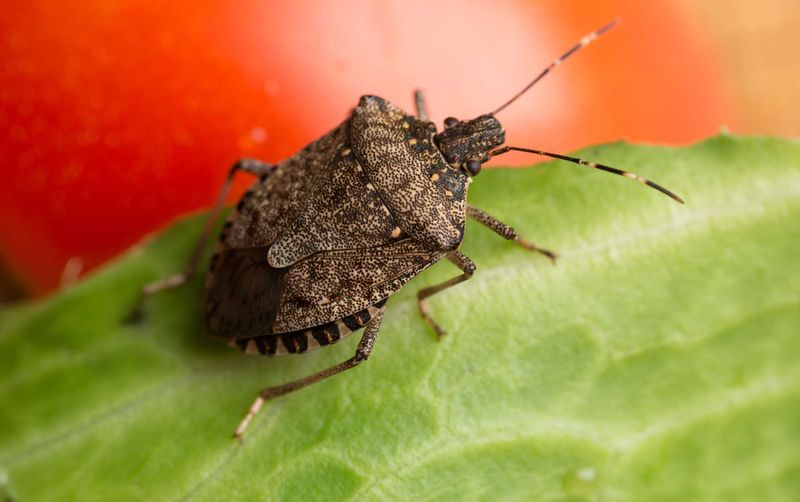
When the leaves start dropping, many gardeners wonder if a big cleanup will keep stink bugs away from next summer’s tomatoes. The answer is not as simple as the rake makes it seem.
Researchers have looked at where these bugs actually spend the winter, and the results may surprise you. Here is what North Carolina yards really need this fall.
A fall leaf sweep is not proven to prevent next summer’s damage
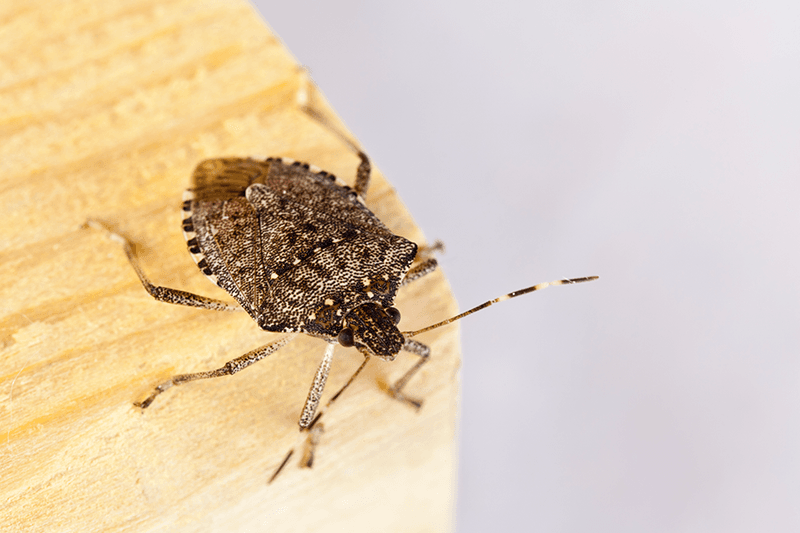
Raking every leaf will not protect your tomatoes and peppers next summer, at least not according to anything researchers have shown so far. The idea sounds logical, but no evidence ties a homeowner’s leaf cleanup to how many stink bugs show up the following year.
Consider what scientists actually found. In a PLOS ONE study of natural overwintering sites, researchers surveyed wooded landscapes using human surveyors and detector dogs.
They found brown marmorated stink bugs tucked into dry crevices of standing dead trees. They found none in leaf litter or in downed trees at the sites they surveyed.
The same survey did turn up native stink bugs in ground litter. That is a good reason to think twice before sweeping away a layer of leaves that shelters native insects.
Now for the limits. The study covered specific natural sites, so it does not prove these bugs never shelter in any kind of debris or any other location.
What it does give us is a strong reason not to treat leaf cleanup as stink bug control.
It also does not show that removing leaves lowers next year’s tomato or pepper damage. Nobody has connected those dots.
If crop damage worries you, and it is a fair worry, the better moves are the ones covered in the sections below: knowing your bug, knowing your local risk, and choosing targeted steps.
Brown marmorated stink bugs seek sheltered places to overwinter
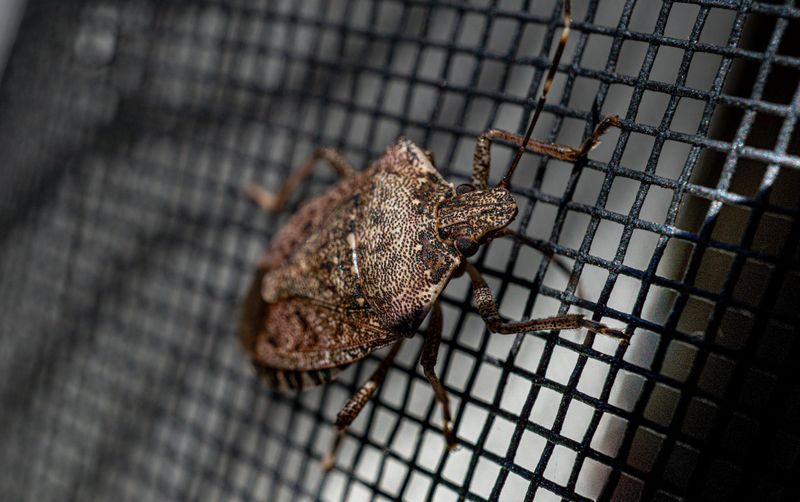
As nights cool in autumn, adult brown marmorated stink bugs go looking for protected spots to wait out winter. NC State Extension notes that they seek shelter in places such as buildings and dead trees.
That is why many people notice them clustering on sunny walls or slipping indoors.
When warm weather returns, the adults leave those hideouts and move to host plants. From there, they can feed on a wide range of crops, including tomatoes and peppers, through spring and summer.
Extension’s FAQ page lays out this yearly cycle in plain terms.
Here is the part worth keeping straight. Knowing the bugs seek shelter does not mean your leaf pile decides where they go.
No source ties a homeowner’s leaf choices to the numbers that later show up on garden plants.
Think of the cycle as a calendar rather than a cause and effect chain. Fall is shelter season, spring is the return trip, and summer is when fruit can get stung.
The garden’s leaf layer is not a documented step in that chain.
This general behavior is also separate from the overwintering-site study discussed earlier. That study looked at specific natural woodlands, while this section describes the broader seasonal pattern Extension reports for the species.
Not every stink bug in the garden is the invasive pest
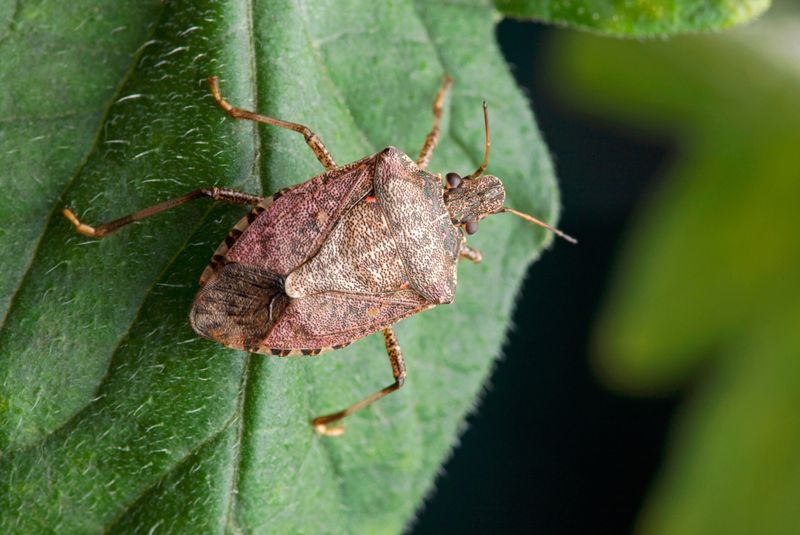
Before you squash, spray, or sweep, take a close look. Calling an insect a stink bug does not tell you whether it is a pest.
North Carolina is home to the invasive brown marmorated stink bug, native plant-feeding stink bugs, and helpful predatory stink bugs.
To complicate things, NC State notes that some native species look a lot like the invasive one. A quick glance can easily lead to the wrong call.
The predators matter most for gardeners who want a balanced yard. Extension’s guide to predatory versus plant-feeding stink bugs explains that some stink bugs hunt other insects instead of eating plants.
Those hunters are working for you.
A practical clue is to watch what the bug is doing. One feeding on a tomato or pepper fruit is a different story from one stalking caterpillars on a leaf.
Photograph anything uncertain and compare it with Extension’s identification resources, or send a picture to your county Extension office.
The takeaway is simple. Do not remove or kill a stink bug you have not identified.
Treating them all as enemies risks harming the native and beneficial species that share your garden, and those insects belong to the wildlife-friendly yard you are trying to build.
Tomato and pepper risk varies across North Carolina
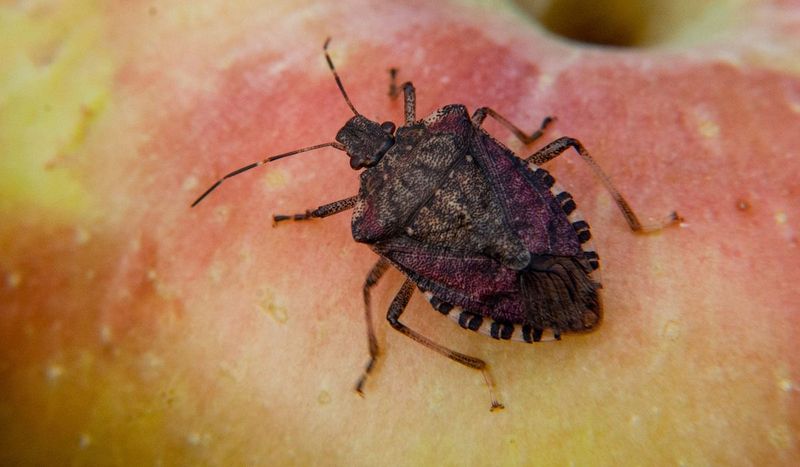
Tomatoes and peppers can take a real hit when brown marmorated stink bugs are around. These insects feed with piercing-sucking mouthparts, and NC State’s FAQ says that feeding can discolor or ruin the fruit you plan to eat.
Plant vigor is rarely affected, so the plant may look healthy while the harvest suffers.
Where you garden matters. Extension reports that the pest is more established in the Piedmont and mountains than in the Coastal Plain.
Confirmed occurrences cover 80 of the state’s 100 counties as of March 2026, so presence alone does not tell you how heavy the pressure will be.
Surroundings count too. Extension’s guide to fruiting vegetables says damage severity varies greatly, and crops near woods or corn fields may be more susceptible.
A raised bed beside a wooded lot may face more pressure than one in the middle of a open lawn.
Nothing here promises a swarm in your yard. Some gardeners will see little damage, and others will see plenty.
The best approach is to watch your own plants. Check fruit for pale, spongy patches and look for adult bugs on stems and fruit through summer.
That tells you far more about your situation than any statewide forecast.
Keep fall leaves where they support the yard
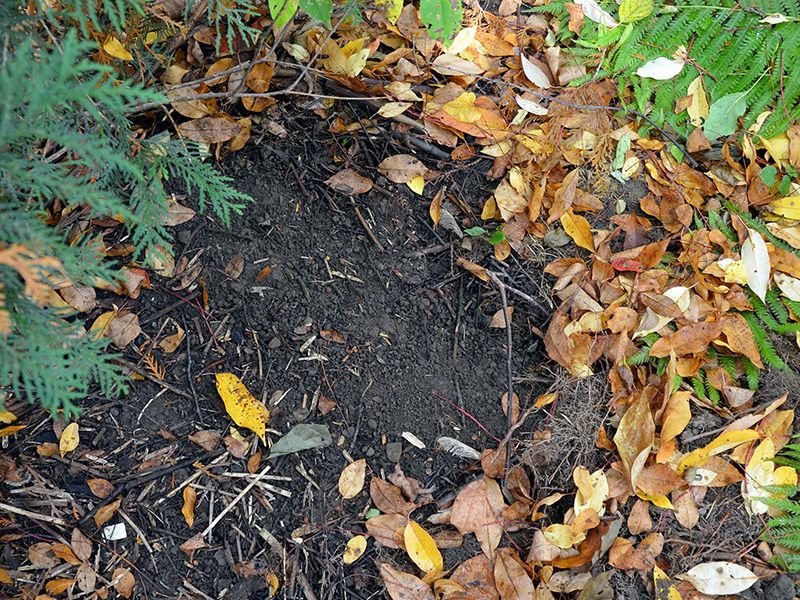
Fallen leaves are free habitat and fertilizer, which is why Extension encourages gardeners to keep many of them. N.C.
Cooperative Extension explains that leaf litter helps pollinators, shelters overwintering insects and amphibians, and builds soil as it breaks down.
That makes a blanket cleanup a poor trade. Many native bees, moths, and beetles spend winter tucked into the litter, and frogs and salamanders use it for cover.
Extension’s practical advice is easy to follow this weekend:
Use leaves as mulch under trees, shrubs, and garden beds. Leave some litter undisturbed in a corner or along a border.
Keep thick leaf cover off turf, since it can smother grass, and out of drains and walkways. Compost whatever is left over.
Notice what this advice does and does not claim. These steps support soil, pollinators, other insects, and amphibians.
They are not stink bug control, and leaving leaves is not a way to invite or repel the pest.
Keeping that line clear helps you avoid two mistakes. You will not strip your yard bare out of stink bug fear, and you will not expect a tidy leaf pile to protect your tomatoes either.
Choose targeted pest steps instead of a fall eradication campaign
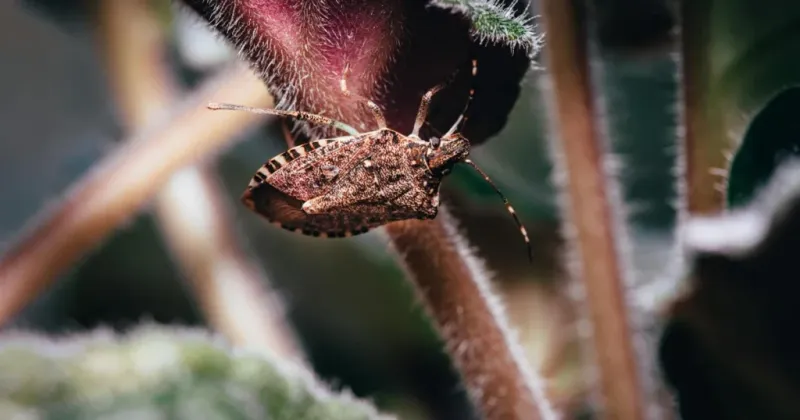
A smarter plan than a fall cleanup blitz is a short list of proportionate steps. Start by identifying any stink bug you suspect, then keep an eye on fruit for signs of feeding as the season moves along.
The predatory versus plant-feeding guide helps you avoid acting against a helpful hunter.
Be realistic about control. NC State’s FAQ describes garden control as difficult, and says insects can move in from outside areas, so even a perfectly managed bed may get visitors.
It also says insecticides can kill beneficial insects, and advises reserving chemical use for severe infestations rather than routine broad-spectrum spraying.
If bugs are getting into your house, timing matters. Extension suggests sealing gaps around doors, windows, vents, and pipes before bugs return in late August.
Sealing in fall, winter, or early spring may trap bugs already inside, so save that job for the right window.
Treat leaf stewardship and crop protection as two separate decisions. Leaves can stay for soil, pollinators, and amphibians, while pest steps focus on the plants where fruit is at stake.
A garden can hold a few stink bugs and still be a healthy place to grow dinner.