
If Your Hydrangea Blooms Turned Green And Papery Early, Here’s What That Tells You Before Winter
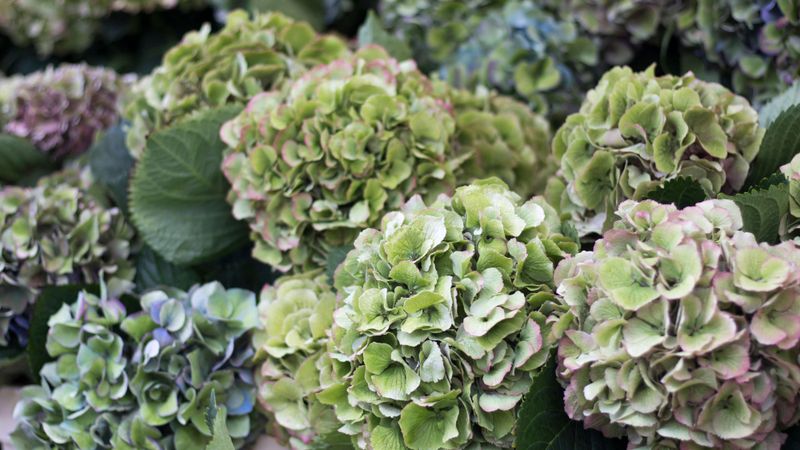
Your hydrangea flowers have gone green and crispy, and it feels like something is wrong. Most of the time, that look is just a flower head growing old.
Still, the rest of the plant can tell you more than the blooms can. Here is how to read the signs and what to do this fall to protect next summer’s flowers.
Green, papery blooms are often spent flower heads
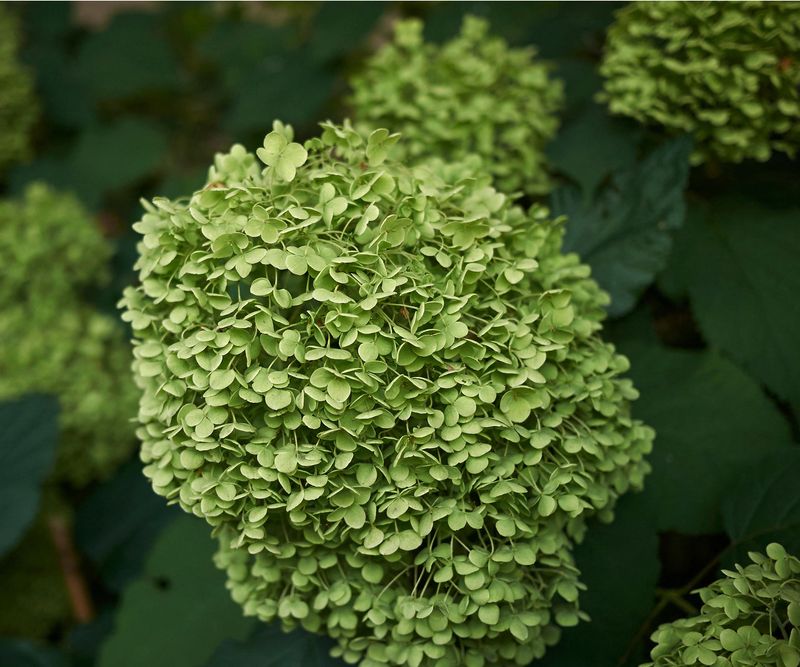
Picture a hydrangea in late summer, covered in flower heads that have shifted from fresh color to a muted green, then to a dry, pale tan. It looks tired, but that is often just the natural life cycle of a bloom.
Flowers age, and aging hydrangea flowers change color before they dry out.
Take smooth hydrangeas, the type that includes the popular white ‘Annabelle’ and ‘Incrediball’ styles. University of Maryland Extension answered a gardener’s question about white flowers turning green and treated this as ordinary aging, with the flowers fading green and later drying to a pale brown.
Panicle hydrangeas do something similar. Their blooms can shift toward green, pink, or red as they mature, as described in Maryland Extension’s hydrangea problem guide.
So what does a green, papery bloom tell you? Mostly that the flower has finished its show.
It does not prove your shrub is in danger, and it does not mean the plant needs some special treatment before winter.
It also does not prove the opposite. A papery head is simply one clue, and it is not a health report.
The sections ahead show what else to look at, so you can tell a normal fade from a real problem without guessing from the flowers alone.
If the leaves look healthy, the stems look sturdy, and the plant is otherwise behaving, you can relax a little. Nothing here calls for a rescue mission, just a bit of careful looking.
Bloom color and timing depend on the hydrangea
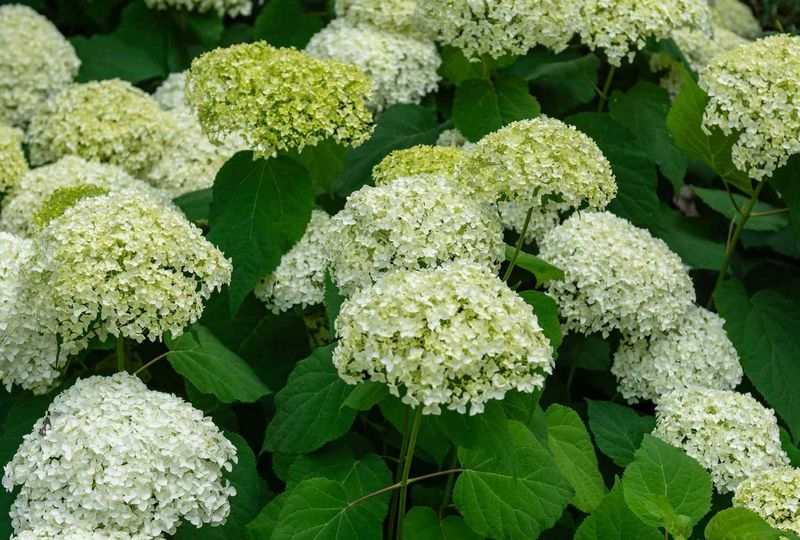
Calling a fade early only makes sense if you know what is normal for your particular plant. Hydrangeas vary a lot.
Some cultivars open green and stay that way for weeks, while others turn green only as older blooms fade.
According to UGA Extension’s guide to identifying hydrangeas, panicle hydrangeas can move from white to green, pink, or red, and smooth hydrangea blooms may turn green as they age. Your neighbor’s shrub may look different from yours simply because the type or cultivar is different.
That is why timing alone is a weak diagnosis.
Soil pH comes up often here, so it helps to set it straight. It does change flower color in many bigleaf and mountain hydrangeas.
It does not do that in smooth or panicle hydrangeas, according to Maryland Extension.
Even in the pH-responsive types, aging blooms can fade toward green. And no soil treatment will bring a spent bloom back to its original color, as noted in that same Maryland Extension answer.
So before you buy a soil amendment, skip the panic purchase. If you know the type and cultivar, look up what its blooms normally do.
If you do not, a photo of the shrub and its leaves is a good start for identifying it.
Check the plant and conditions before calling it stress
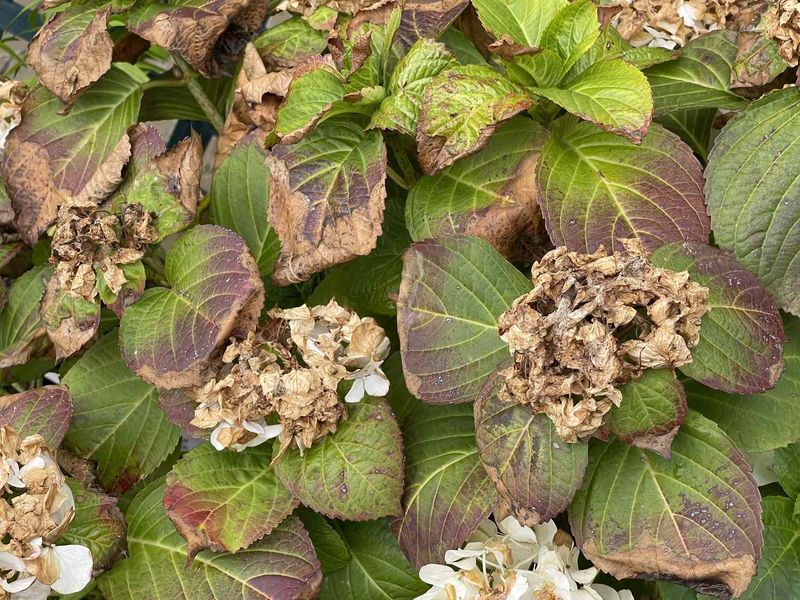
Walk around the whole shrub instead of staring at the flowers. Look at the leaves, the stems, and the overall shape.
Then think about the last few weeks of weather.
Heat and drought can hurt blooms. Oregon State University Extension notes that stressed hydrangeas can show brittle tan edges on blooms and crispy leaf margins.
If you see both on a plant that endured a hot, dry stretch, stress is a fair suspect. A bloom that is simply aging and drying evenly, on a plant with healthy leaves, looks different.
Wilting needs a careful read too. A droopy hydrangea in afternoon heat does not automatically have dry soil.
Maryland Extension points out that bigleaf hydrangeas may wilt in daytime heat even when the soil is moist, then recover overnight. Check the soil and look again in the evening before assuming thirst.
One more rare possibility is virescence, a disease problem. Green color alone does not diagnose it.
Penn State Extension describes the picture as green flowers along with stunted blooms, leafy shoots growing from flower parts, or a plant that is declining overall.
If you see those extra signs, take a closer look and consider asking your local extension office. If you only see ordinary fading, keep observing.
Water only if a dry fall has left the root area dry
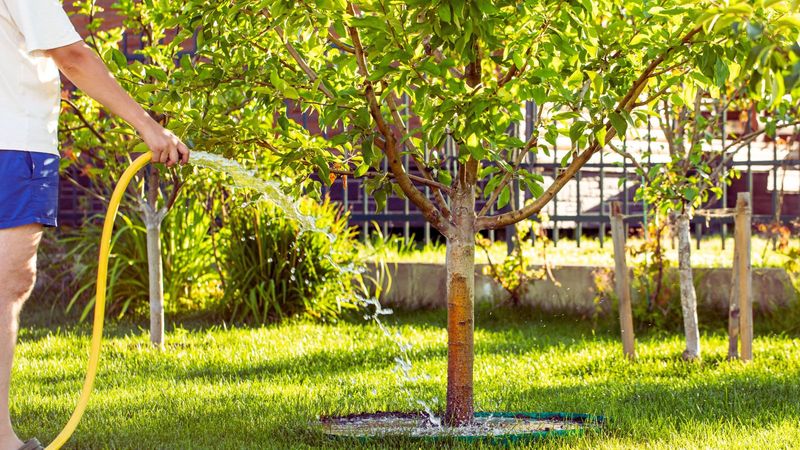
A quick soil check beats a watering calendar. Push a trowel or your finger down about 6 to 9 inches near the shrub’s root area, away from the trunk.
If the soil there feels dry, the plant could use a drink.
That depth matters. University of Minnesota Extension suggests checking the soil 6 to 9 inches down and watering when it is dry.
When you do water, soak the whole root area slowly and deeply. A brief surface sprinkle wets the top inch and leaves the roots mostly untouched.
Fall timing deserves a note as well. The same university’s winter guidance recommends watering before the ground freezes if fall has been dry.
If autumn has brought steady rain, the soil may already be fine.
Skip any rigid schedule like every Saturday. Rainfall, soil type, and temperature all change what your shrub needs.
A sandy bed dries faster than a heavy clay bed, so check each one.
If the soil is already damp at that depth, put the hose away. Extra water will not help the papery blooms, and soggy ground brings its own troubles.
Identify the hydrangea before pruning its stems
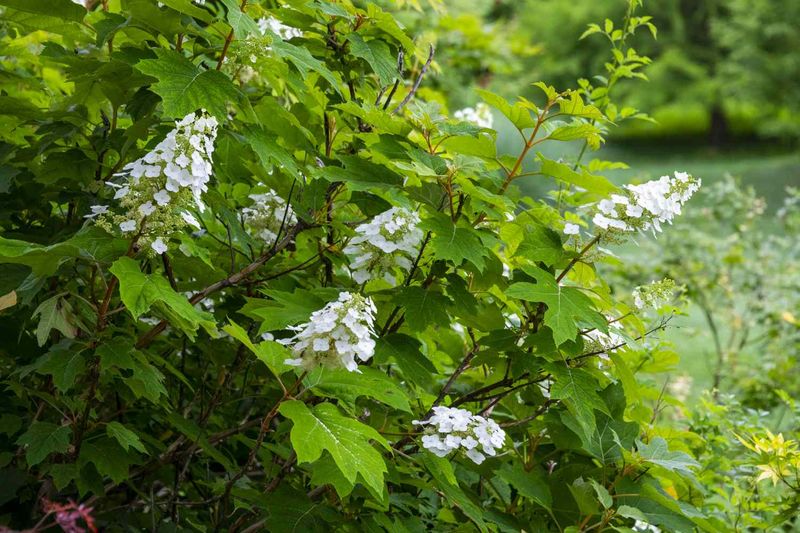
Faded flowers tempt many of us to grab the pruners. Hold off for now.
A fall cut can remove next year’s flowers on some types.
Bigleaf and oakleaf hydrangeas generally bloom on old wood, meaning the flower buds form on last season’s stems. UGA Extension explains that cutting those stems in fall or winter can take off the buds.
Penn State Extension lists poorly timed pruning as a common reason hydrangeas fail to bloom.
Do you not know what you have? Then leave the stems alone until you identify the type.
Bare, stick-like stems in November can still be carrying buds, so do not remove them just because they look dead.
Smooth and panicle hydrangeas are different. They bloom on new wood and are generally pruned in late winter or early spring, as Maryland Extension notes.
Keeping their stems through fall is not as critical for flowering.
A simple habit helps: label your shrubs. Tuck the plant tag into a garden notebook or snap a photo of it.
Knowing the type answers the pruning question for years to come.
Deadheading is optional cleanup
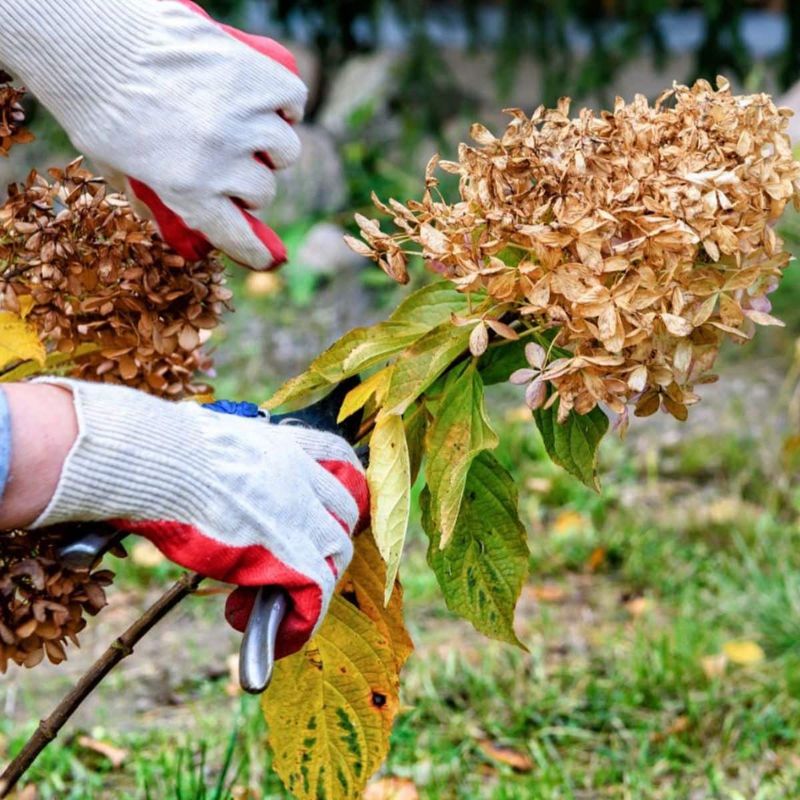
Leaving the spent flower heads on is perfectly fine. Some gardeners enjoy how dried blooms look in fall, and they can add interest to the border.
Nothing about removing them is required for the shrub’s health.
If tidiness matters to you, snip off just the flower head. When you are unsure of your hydrangea type, do not cut farther down the stem.
Buds may sit lower on the stem, and cutting there can remove them on old-wood or reblooming types, as University of Maryland Extension advises.
Here is a handy way to think about it. Take the head and leave the stem.
That small rule keeps you safe no matter which hydrangea you grow.
One thing deadheading will not do is guarantee more flowers. Whether and when a hydrangea reblooms depends on its type and cultivar, as covered in another Maryland Extension answer.
Treat the snipping as housekeeping, not a bloom booster.
So grab the pruners on a mild afternoon if you want a neater look, or skip the task entirely and enjoy your coffee instead.
Choose fall care from the plant’s condition and type
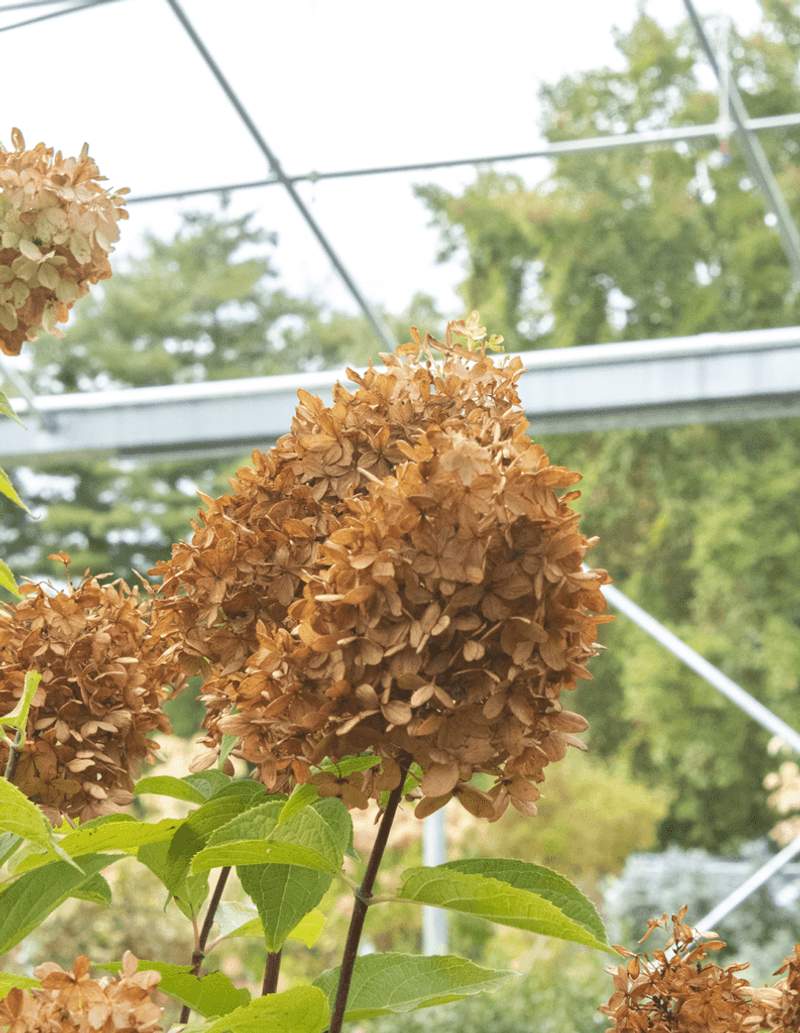
Faded green, papery heads alone usually call for watching, not rescuing. Look over the whole plant and check the soil.
If it is dry 6 to 9 inches down, water deeply as Minnesota guidance suggests.
Then identify your hydrangea before any pruning. Skipping fall cuts protects next season’s buds mostly on old-wood types like bigleaf and oakleaf, as UGA Extension describes, while smooth and panicle types wait for late winter or early spring.
Penn State Extension backs up the pruning-timing point.
A papery bloom is a note from a plant that finished its season. Read it, check the roots, and let the shrub rest.