
Your Potted Fig Survives A North Carolina Winter Just Fine If You Handle These Few Things Before Frost
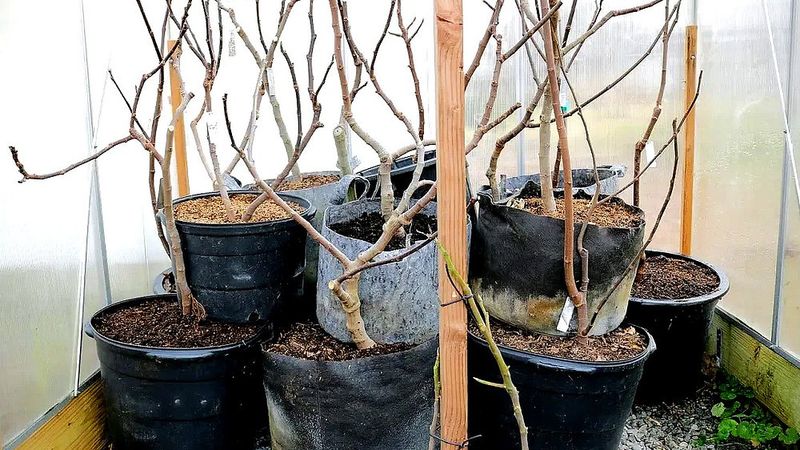
A fig in a pot can sail through a North Carolina winter, but only if you do a little prep before the first hard freeze. Figs come from warm Mediterranean hills, so our icy January nights in the Piedmont and mountains can catch them off guard.
The good news is that the work is simple and takes just a weekend or two. Handle these seven things now, and you will be picking sweet figs again next summer.
1. Let the Fig Go Dormant Outdoors First
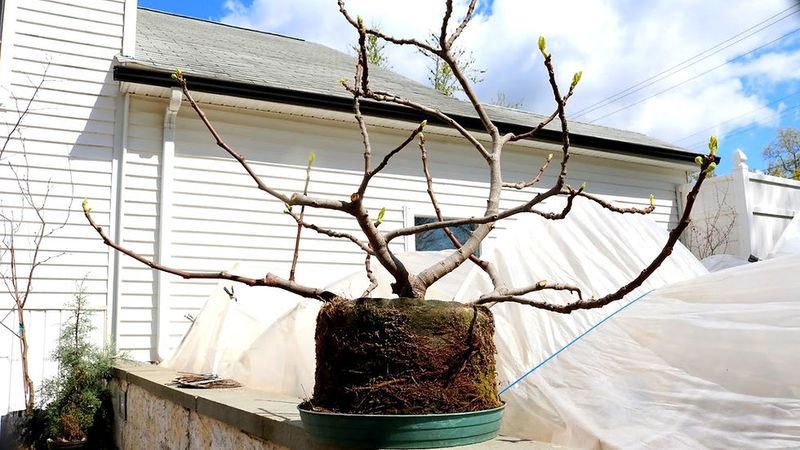
Patience is the secret most new fig growers miss. When the forecast first dips into the 30s, the urge to haul your fig inside is strong, but hold off.
Figs need cold and shorter days to fall asleep properly. A few light frosts, plus one hard frost around 25°F, tell the tree to drop its leaves and slow its sap.
In the Piedmont that usually happens in mid to late November, a bit earlier in the mountains and later along the coast.
Watch for bare branches and leaves that fall with a gentle tug. Once the tree looks like a bundle of sticks, it is ready to move.
Bringing it in too soon can leave it half awake and confused all winter.
2. Pick a Cool, Unheated Winter Spot
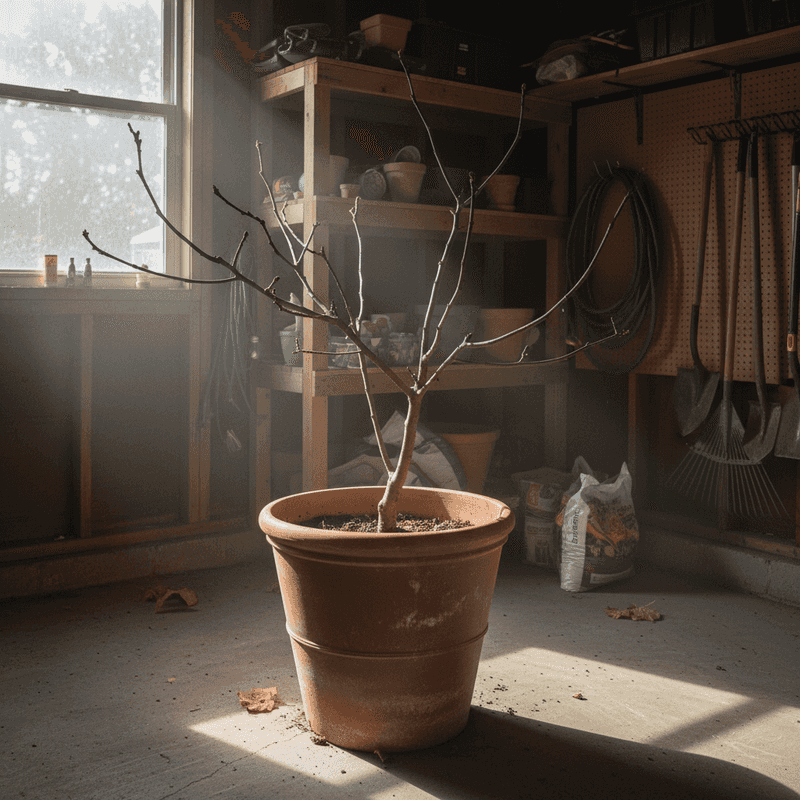
Think of your garage as a fig hotel. The ideal room stays between about 20°F and 50°F, cold enough to keep the tree asleep but not so cold that the root ball freezes solid.
Garages, sheds, crawl spaces, and unheated basements all work well. A warm living room is the wrong choice, because heat wakes the tree early and it puts out pale, weak shoots that rarely fruit well.
Light is not a big deal while the fig is leafless. A dark corner is fine, so long as it stays cool and steady.
3. Cut Back the Water and Skip the Fertilizer
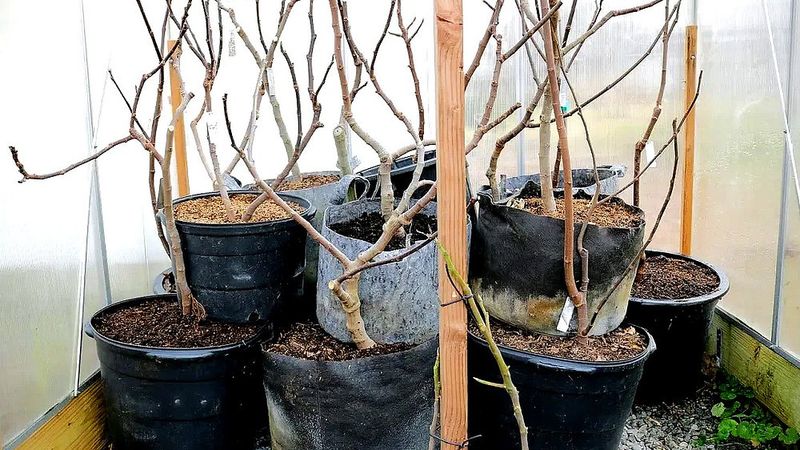
Here is the easiest chore on the list, because it mostly means doing less. A sleeping fig uses very little water.
Poke a finger a couple of inches into the soil. Only water when it feels dry, which often works out to about once a month.
Soggy roots in a cold room invite rot, and rot kills more stored figs than cold ever does.
Put the fertilizer away until spring, too. Feeding a dormant tree does nothing helpful and can push early growth you do not want.
4. Wrap the Pot if It Must Stay Outside
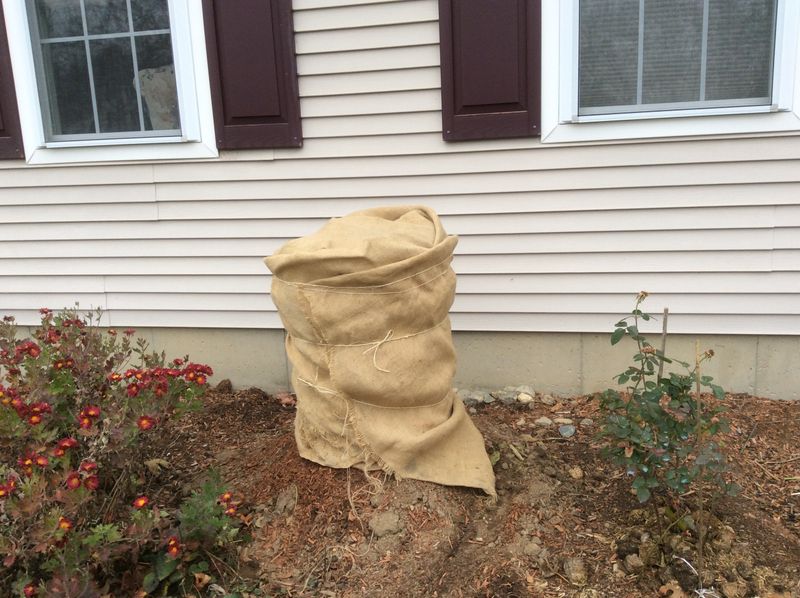
No garage? Plenty of Coastal Plain gardeners keep figs outdoors all winter with a little extra armor.
Roots in a pot are far more exposed than roots in the ground. Wrap the container in burlap, bubble wrap, or an old blanket, then push it snug against the south or east wall of your house where it soaks up stored warmth.
NC State Extension suggests breathable covers like straw when temperatures near 20°F are coming.
Pine straw from your own yard makes a handy, local mulch around the base. Skip plastic sheeting right on the branches, since trapped moisture can do more harm than good.
5. Check for Hitchhikers Before Moving It
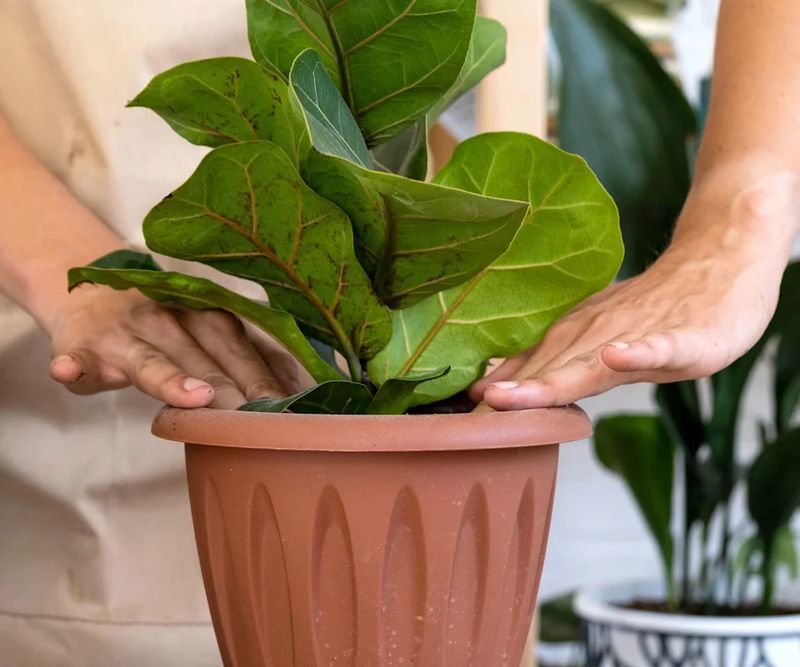
A quick inspection keeps your garage, and your yard’s wildlife, safe. Pots that sat outside all season often shelter more than soil.
Tip the container and look underneath for slugs, ant nests, or scale insects on the bark. Wipe off scale with a damp cloth rather than spraying broad pesticides that can harm pollinators and the beneficial bugs your yard depends on.
If you find a tree frog, toad, or anole tucked in the pot, gently set it in a leaf pile near where you found it. Those little neighbors eat pests all summer and deserve a quiet place to overwinter close to home.
6. Rake Up Fallen Fig Leaves and Old Fruit
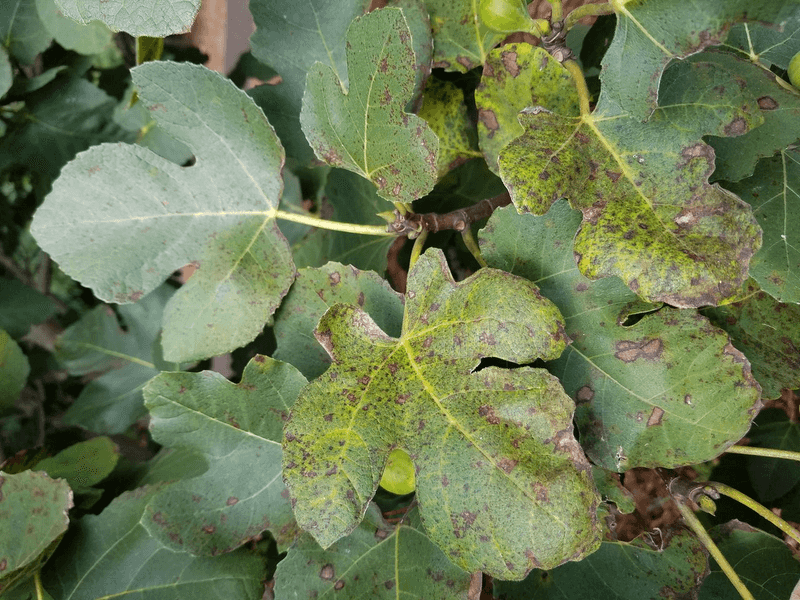
Leftover figs on the patio are an open invitation to trouble. Rotting fruit draws fruit flies, wasps, and sometimes rats looking for an easy meal.
Gather every dropped leaf and mummified fig once the tree goes bare. Fig rust, a common disease in humid NC summers, can spend the winter on old leaves and return in spring.
Healthy leaves can go in the compost or a leaf pile where box turtles and fireflies’ larvae find winter cover. Toss any rusty, spotted leaves in the trash instead.
7. Plan the Slow Spring Return
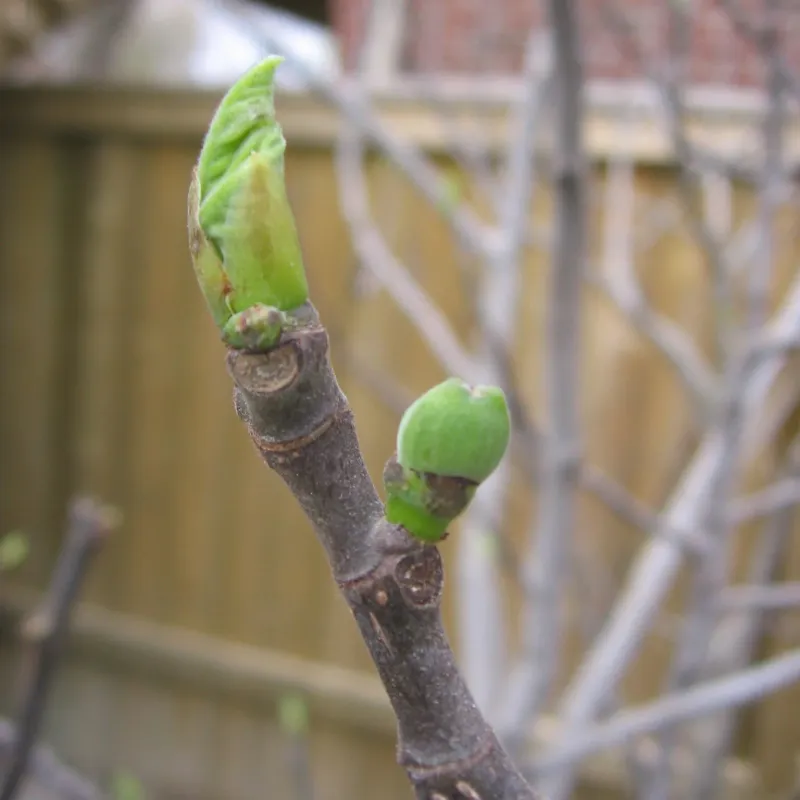
Spring fever hits hard when dogwoods bloom, but a fig fresh out of storage needs a gentle wake-up. Put a plant dolly under the pot now so moving it later is easy.
Once frost danger passes, usually April in the Piedmont, set the fig outside for a few hours a day. Bring it back in at night for about a week, then leave it in full sun for good.
Start regular watering when new leaves appear, and feed once they open. Fun fact: many figs fruit on new wood, so a healthy spring start often means a bigger summer harvest.