
Cut These 11 Perennials Back This October And They Come Back Stronger Next Spring
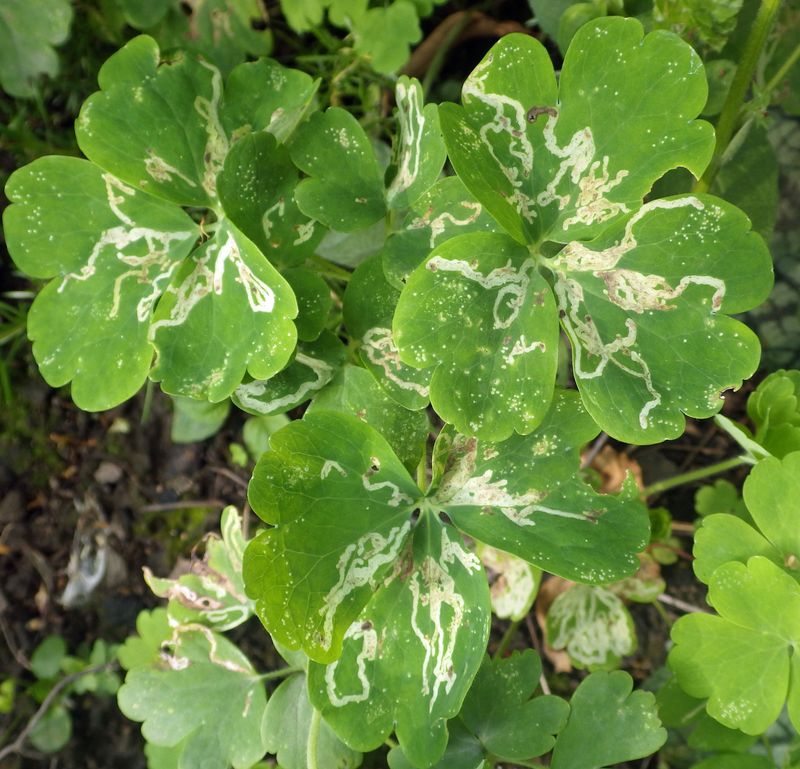
Your perennial bed probably looks a little tired by October, with brown stems, spotty leaves, and flopped-over foliage. For some plants, leaving that mess in place lets mildew spores, slug eggs, and borer eggs spend the winter right next to the roots.
A quick fall trim on the right plants can mean cleaner leaves, fewer pests, and better blooms when spring comes back around. Here are 11 common perennials that respond well to an October haircut, plus exactly how low to cut each one.
1. Bee Balm
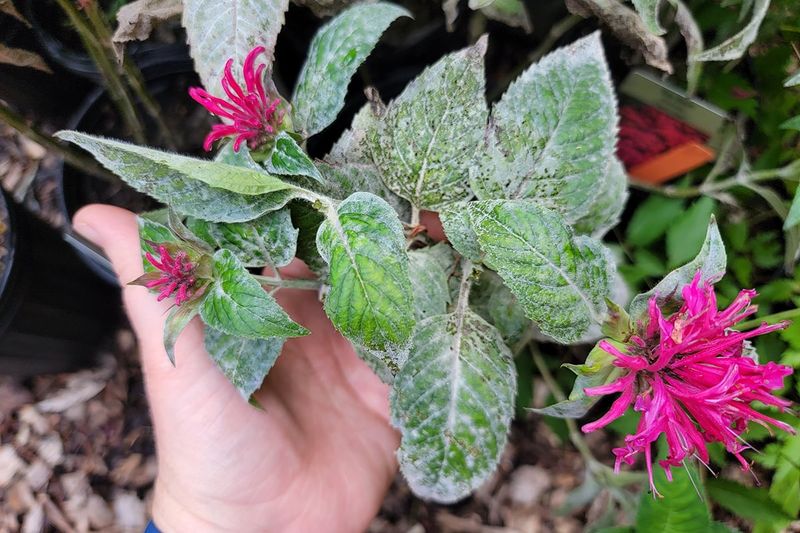
White, dusty leaves by late summer? That chalky coating is powdery mildew, and bee balm is famous for it.
The good news is that a simple fall cut can stop much of it from getting a head start next year.
Once the flowers are done and the leaves look ragged, cut the stems down to about 2 inches above the soil. Then rake up every fallen leaf around the base.
Mildew spores like to hide in that debris over winter.
Bag the trimmings or toss them in the trash rather than your compost pile. Most backyard compost does not get hot enough to kill fungal spores.
In spring, fresh shoots come up from clean ground, and you can thin a few of them to let air move through the clump.
2. Garden Phlox
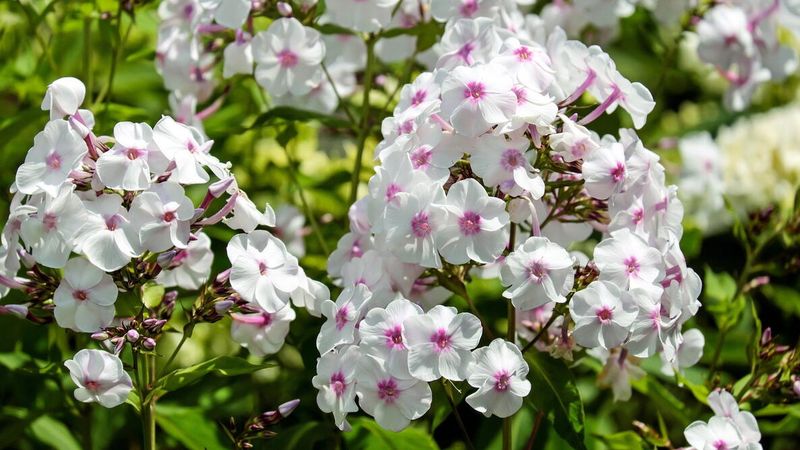
Ask any phlox lover about August and you will probably hear a groan. Those tall, sweet-smelling flowers often sit on top of leaves that look like someone sprinkled flour on them.
October is your chance to break the cycle. Cut garden phlox stems down to 1 or 2 inches once the plant starts to brown.
Clean up all the leaves underneath too, because that is where the trouble waits for warm weather.
Here is a fun fact: plenty of newer phlox varieties, like David and Jeana, were picked partly because they resist mildew better. Even those benefit from a tidy fall trim, though.
Pair the cutback with good spacing next spring and your phlox may stay greener much longer into summer.
3. Hostas
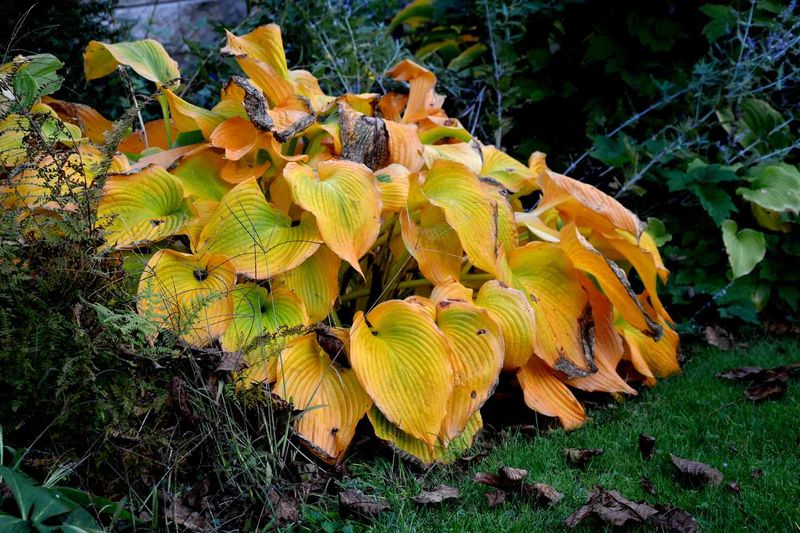
Picture this: you wake up after the first frost and your hostas have turned into a slimy, see-through pile. Not pretty, but it is actually your signal to act.
Slugs love that soggy mess. They lay eggs in it, and those eggs hatch just as your new hosta shoots unroll in spring.
That is why so many gardeners see Swiss cheese leaves in May without knowing where the slugs came from.
Cut the dead leaves right down to the soil line and pull out any loose debris. Wear gloves, since frosted hosta foliage gets mushy fast.
Your reward is a cleaner bed with far fewer hiding spots, giving your hostas a much better chance at smooth, hole-free leaves next year.
4. Peonies
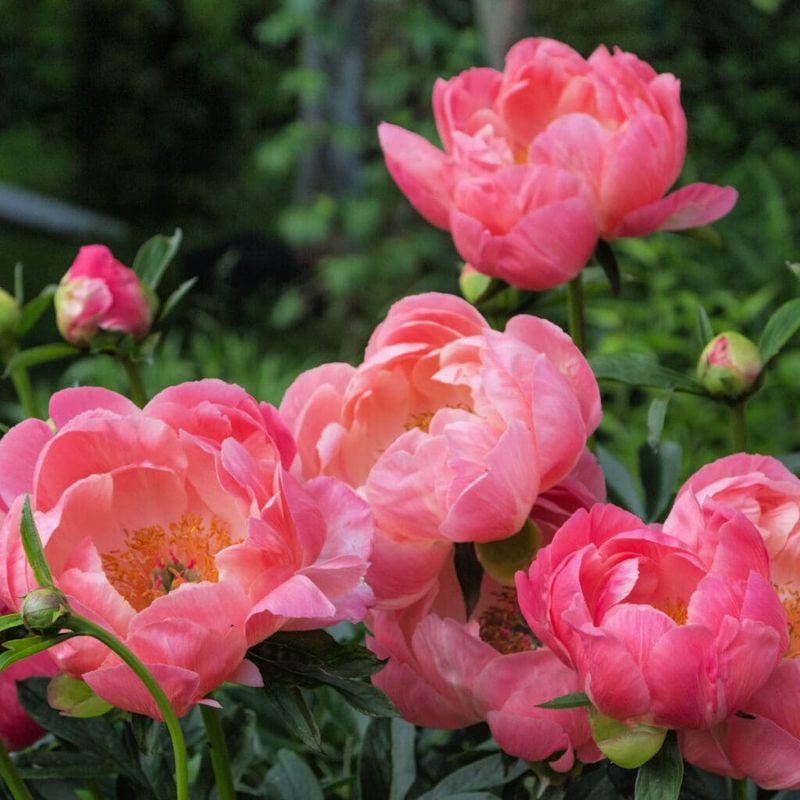
Peonies can live for 50 years or more in the same spot, so a little yearly care goes a long way. Fall cleanup is one of the most helpful things you can do for them.
When the leaves turn golden or brown, cut every stem to about an inch above the ground. Be careful not to dig into the crown, where those little pink or red buds for next year are already forming.
Then gather up all the leaves.
Why bother? Peony foliage can carry botrytis, a gray mold that blackens buds in spring, plus powdery mildew.
Removing infected material in autumn may cut down on both. Skip heavy mulch right on top of the crown, since peonies planted too deep often refuse to bloom.
5. Daylilies
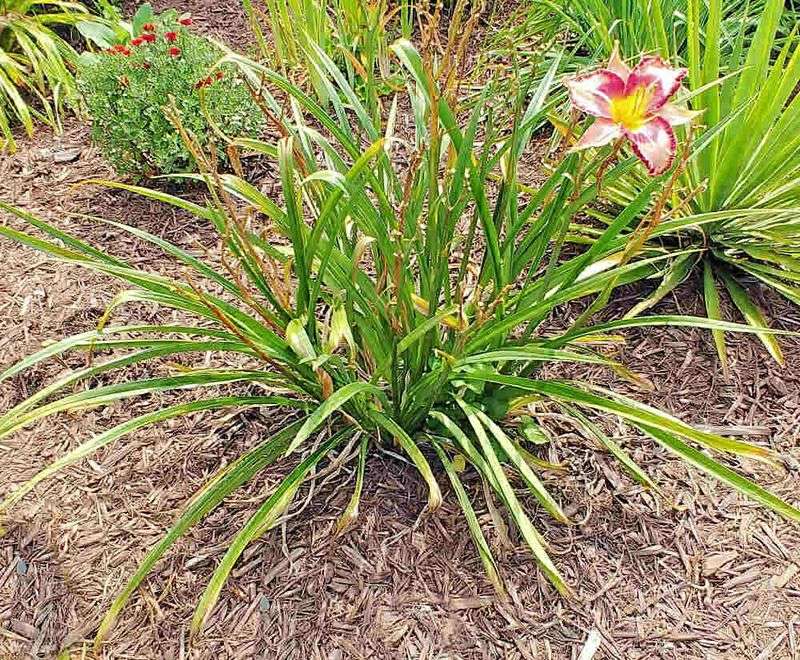
Daylilies are tough as nails, which is exactly why people forget about them. By fall, though, the leaves often flop over and turn brown or even black at the base.
Leaving that mushy foliage can invite rot right at the crown, especially in wet winters. Grab a pair of shears and cut the clump back to 3 or 4 inches.
Pull away any slimy leaves by hand.
Spring cleanup also gets much easier this way. Instead of untangling a matted mess around tender new shoots, you will just see fresh green spears popping up.
If your clump has stopped blooming well, it may be crowded, so fall is also a fine time to divide it.
6. Yarrow
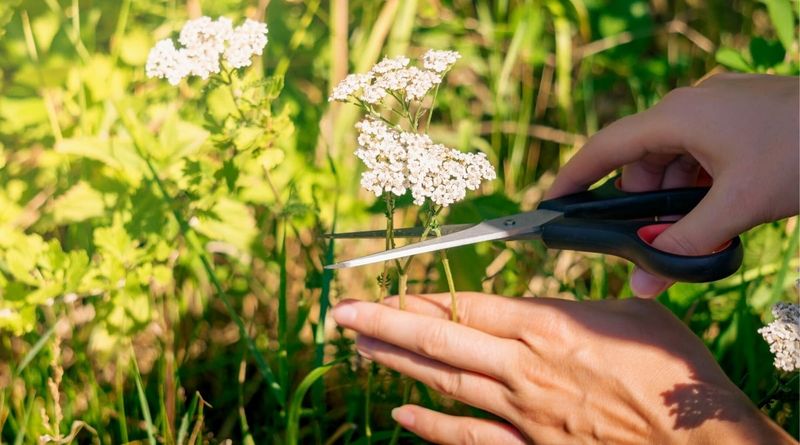
Yarrow is the friend who shows up to help and then never leaves. It spreads, it self-seeds, and given half a chance it will wander into your lawn.
Cutting the old flower stalks in October keeps those seeds from scattering all over the bed. Trim the stems down to the low cluster of feathery leaves at the base.
Leave that green rosette alone, since it helps the plant ride out winter.
A fall trim also helps yarrow stand up straighter next summer instead of sprawling. If your clump has grown floppy and bare in the middle, dividing it in spring can bring back that tight, colorful look.
7. Bearded Iris
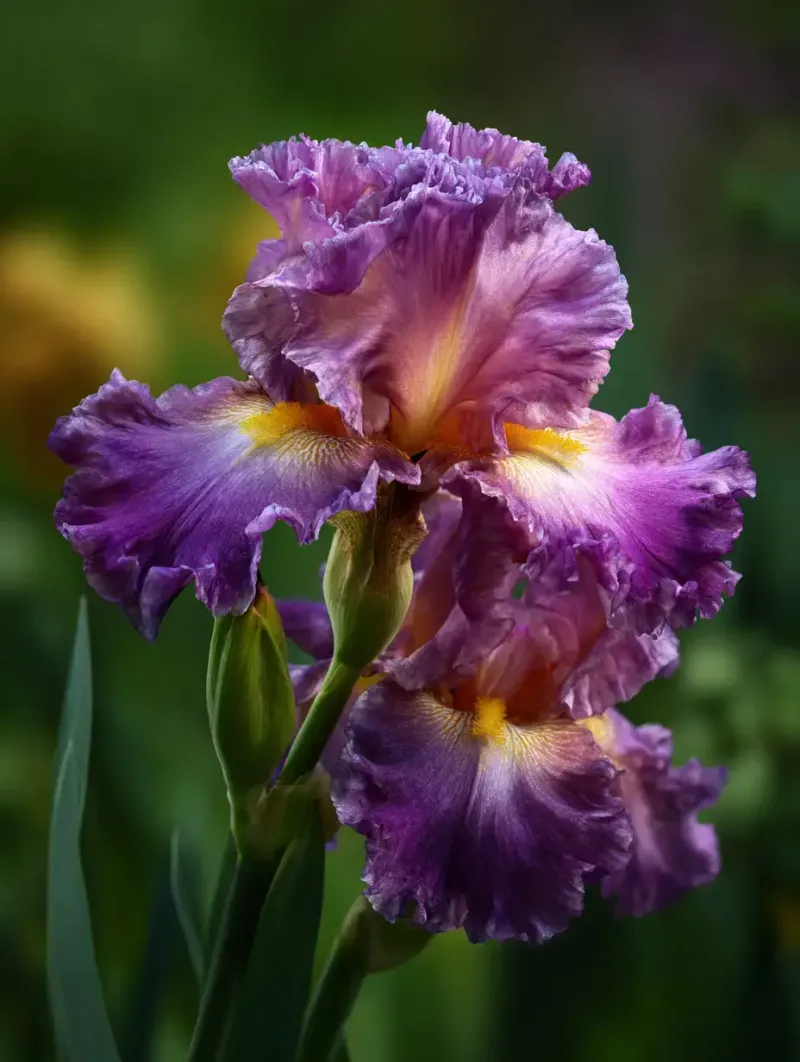
Iris borers are sneaky. The moths lay eggs on old iris leaves in fall, and in spring the tiny larvae chew down into the rhizomes, leaving mushy, smelly roots behind.
So here is the fix. Once the foliage yellows, cut each fan down to about 6 inches, often in a neat upside-down V shape.
Remove all the dead leaves and toss them out, since that removes many of the borer eggs before they hatch.
Check the rhizomes while you are there. They should be firm and sitting right at the soil surface, almost sunbathing.
Soft or hollow spots are a sign of borer damage or rot, and those pieces are best cut away.
8. Blanket Flower
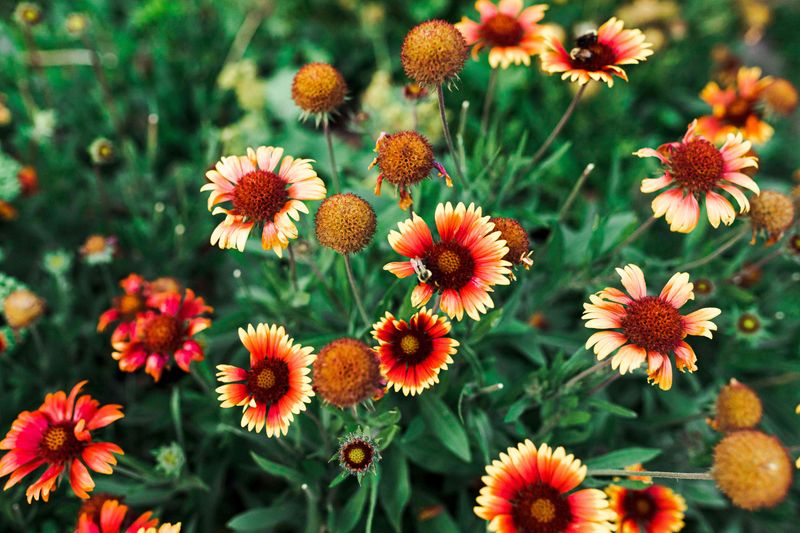
Blanket flower blooms like it has something to prove, pumping out red and yellow daisies all summer long. That nonstop show can wear it out, and many gardeners notice it fading after just a couple of years.
An October trim gives it a breather. Cut the spent stems back to a few inches, leaving the low leaves in place.
That shift lets the plant put energy into roots instead of seeds.
One caution: gaillardia hates wet feet in winter. If yours sits in heavy clay, a fall cutback plus good drainage may be what keeps it alive until spring.
Do not smother it in thick mulch.
9. Catmint
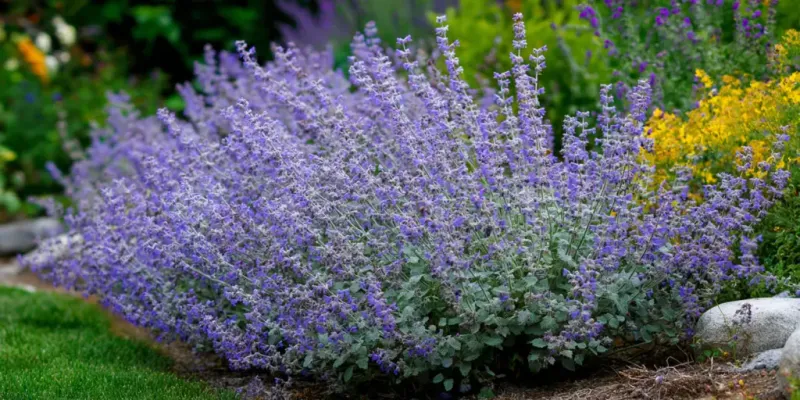
If your neighborhood cats have been rolling around in your catmint all summer, you already know how floppy it can get. By fall, the stems are often splayed open and woody.
Wait until after the first frost, then cut catmint down to a few inches above the ground. Clear away the winter-damaged bits so fresh growth has room to come through.
Catmint rewards a firm hand. Plants that get cleaned up tend to come back bushier and more compact, and you can give them another trim after the first spring bloom to get a second flush.
Few perennials bounce back quite so cheerfully.
10. Columbine
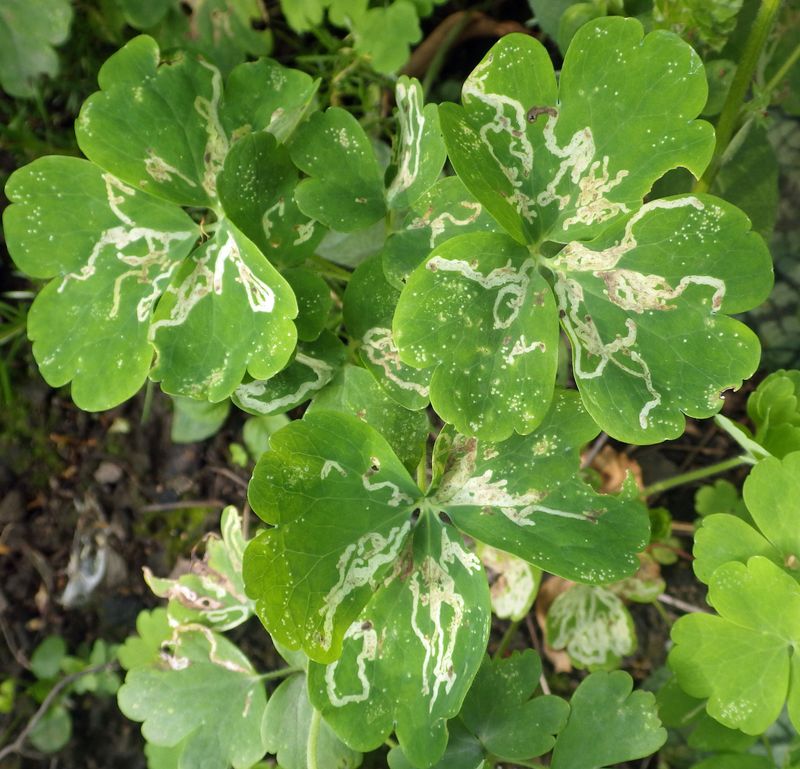
Ever notice white, wiggly lines drawn across your columbine leaves? Those trails are made by leaf miners, tiny larvae tunneling between the leaf layers.
They look worse than they are, but the pests can overwinter in the soil and old foliage. In October, remove any damaged leaves and clear the debris around the base.
After frost, trim the rest of the old foliage back.
Columbines are short-lived, often lasting only 3 or 4 years. If you want them around for a while, let a few seed heads drop before you clean up.
That way new seedlings can take over as the parent plants fade out.
11. Hardy Geraniums
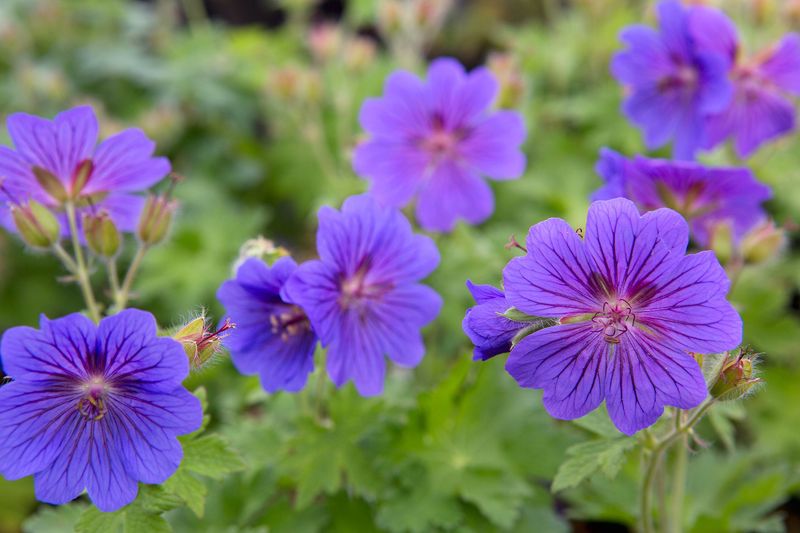
Hardy geraniums are not the same as the potted red geraniums on your porch. These cranesbills come back every year, and they tend to sprawl once cool nights arrive.
Trim them back by about a third in October or whenever growth slows. Cut off leggy stems and any leaves that look spotty or tired.
The plant stays tidy and stores energy for spring.
Gardeners often notice fuller mounds and more flowers the next year. It is a five-minute job, which makes it a perfect closing task.
Finish your fall cleanup here, and your whole bed will be set up for a stronger, healthier start next spring.