
That Ultrasonic Mole Stake In Your Lawn Is A 1950s Bottle Trick That Never Worked – Here’s What Actually Stops Moles
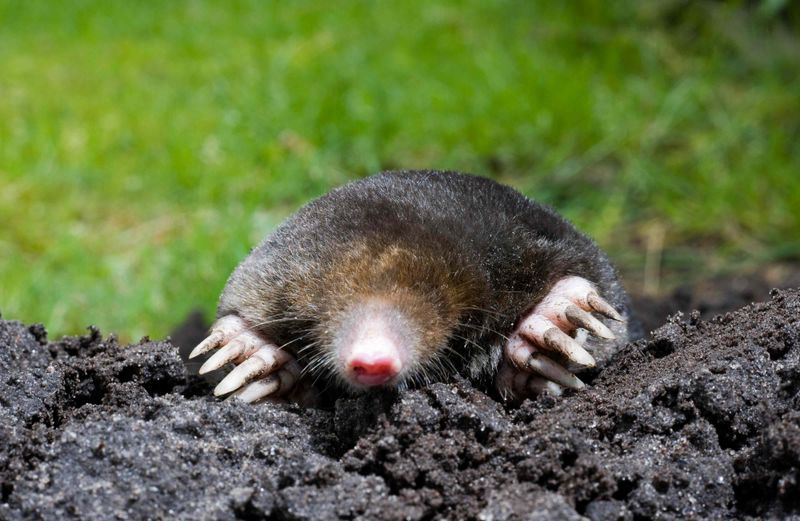
You pushed a buzzing stake into the grass, waited a week, and the ridges kept popping up anyway. You are not doing anything wrong, and your yard is not cursed.
The noise-in-the-ground idea goes back to old tricks like burying glass bottles so the wind would whistle, and it never truly worked then either. Here is why those gadgets fail and what can actually protect your lawn and garden beds from moles.
1. Why the Ultrasonic Stake Fails
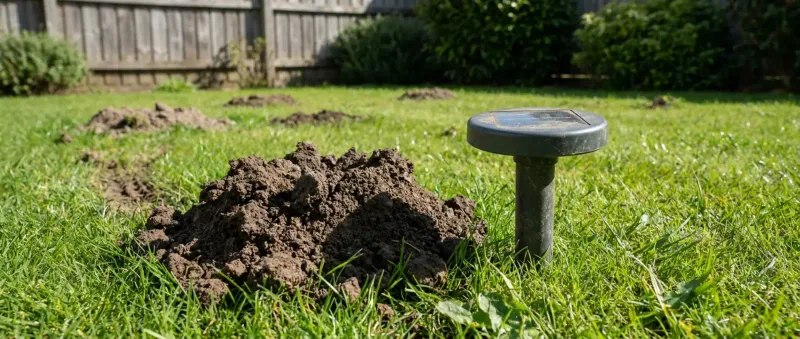
Picture a mole’s daily life. It spends almost every hour underground, surrounded by thumping footsteps, rumbling lawn mowers, rain, and passing trucks.
A small buzzing stake is just one more sound in a very noisy world.
University extension programs, including the University of Nebraska and the UC Statewide IPM Program, have found no solid evidence that sonic, ultrasonic, or vibrating devices drive moles away. Moles get used to the buzz quickly, sometimes within days.
The Federal Trade Commission has even pushed makers of similar electronic pest gadgets to stop making claims they could not back up.
Soil also works against these stakes. Rocks, roots, wet clay, and loose patches soak up vibration, so the signal fades fast and leaves big gaps.
If you see fresh tunnels running right past the stake, that is not bad luck. That is the device doing exactly what science predicts, which is very little.
2. The Old Bottle Trick and Its Cousins
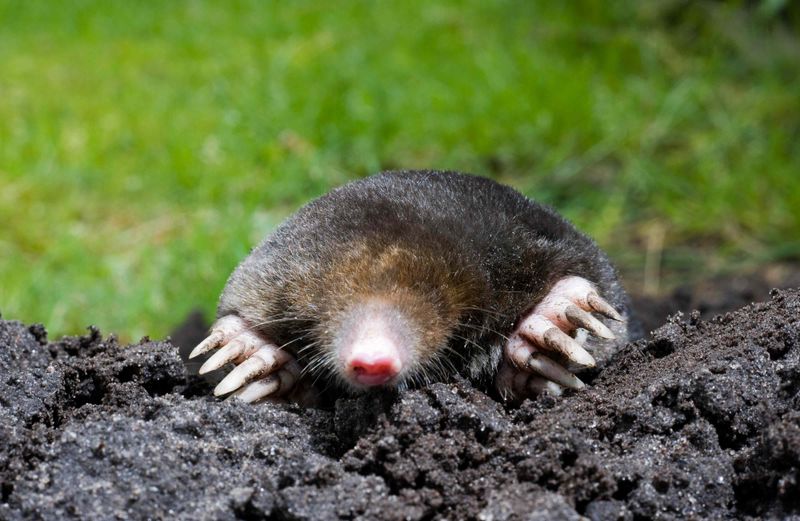
Grandpa swore by it. Bury empty soda bottles neck-up in the yard, let the wind whistle across the openings, and the moles would supposedly flee the spooky hum.
Plenty of 1950s gardeners tried it, and plenty of moles kept right on digging.
The modern stake is basically the same promise with a battery and a solar panel. Other folk remedies belong in the same drawer, too.
Mothballs, human hair, chewing gum, razor blades, coffee grounds, essential oils, and gas cartridges all have little or no proof behind them.
Flooding tunnels with the garden hose is another favorite that falls flat, since moles simply return once the soil dries a bit. Some of these tricks are also unsafe around kids, pets, and your vegetable beds.
Save your money and your weekend for methods that hold up.
3. Finding the Active Tunnel First
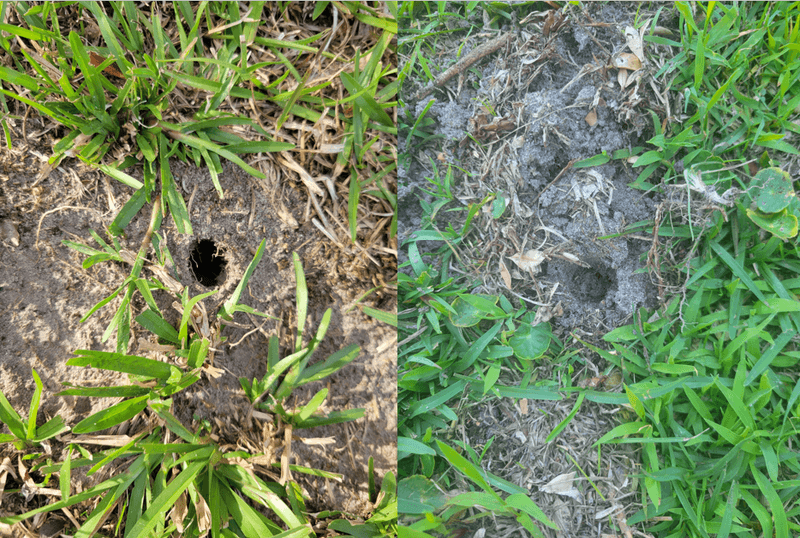
Most mole control fails before it starts, simply because people aim at the wrong tunnel. Many of those squiggly ridges across your lawn are feeding paths a mole used once and abandoned.
What you want are the main highways. Look for straight runs, tunnels that follow a fence, driveway, or flower bed edge, or paths that connect two mounds.
These get used again and again.
Try this simple test. Step down on a short section of tunnel, or poke a small hole in the top, and mark it with a flag or stick.
If the mole repairs it within a day or two, you have found an active run. Every effective method below, from traps to baits, works best when placed right here.
4. Trapping in Spring and Fall
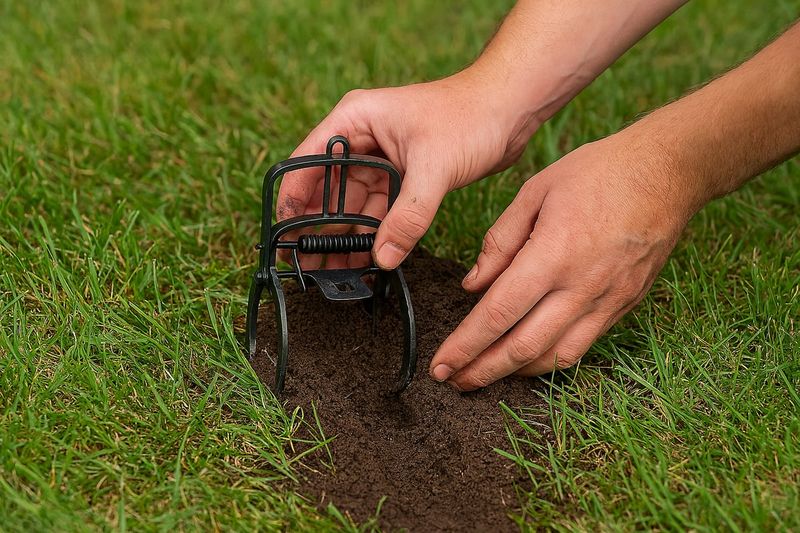
Ask any extension specialist what truly works, and trapping lands at the top of the list every time. It is the most reliable way to remove a mole from your yard rather than just annoying it.
Timing makes a huge difference. Moles are busiest in spring and fall, when the soil is moist and earthworms sit closer to the surface.
Set traps then, and your odds jump.
Harpoon or plunger traps are easy for beginners and sold at most garden centers. Scissor traps and hands-free models, like the Tomcat Mole Trap, also do a solid job.
Place the trap on a confirmed active run and follow the package directions closely. Check it daily.
If nothing happens in a few days, move it to another busy tunnel instead of waiting and hoping.
5. Worm-Shaped Baits, Not Rodent Poison
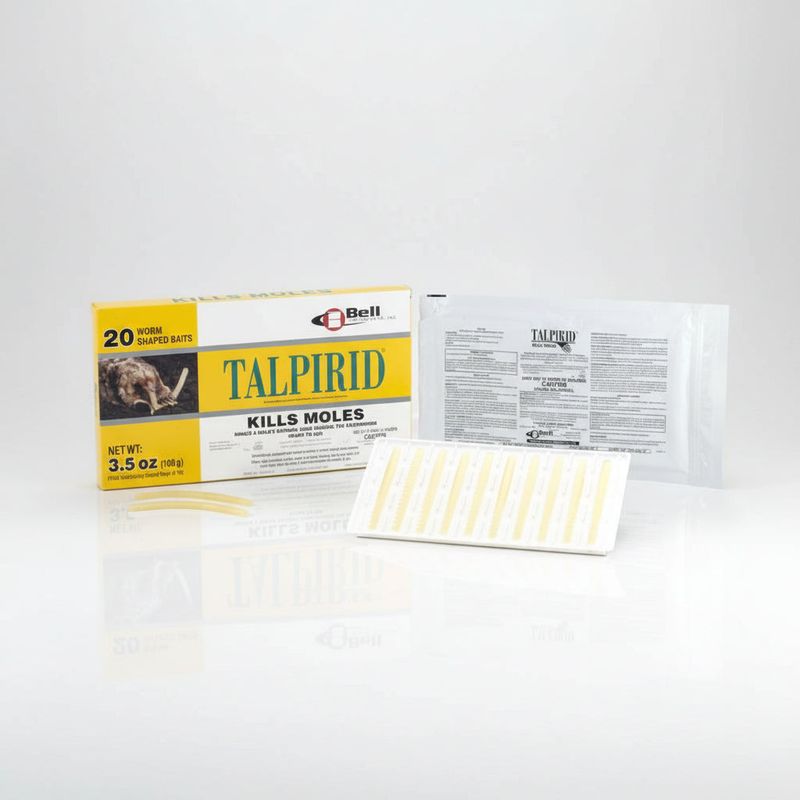
Moles are not mice. They do not want peanuts, grain pellets, or seeds, so standard rodent baits sit in the tunnel untouched while the mole keeps munching on your lawn.
Earthworms make up somewhere between 55 and 93 percent of a mole’s diet, with grubs and soil insects filling in the rest. That is why worm-shaped baits, often made with bromethalin, can work where other poisons fail.
Drop the bait into an active tunnel exactly as the label explains, then close the hole gently so light does not get in. Wear gloves and keep pets and children away from treated areas.
Bait is a strong tool, so treat it with care and read every line of the instructions.
6. Castor Oil for Short-Term Relief
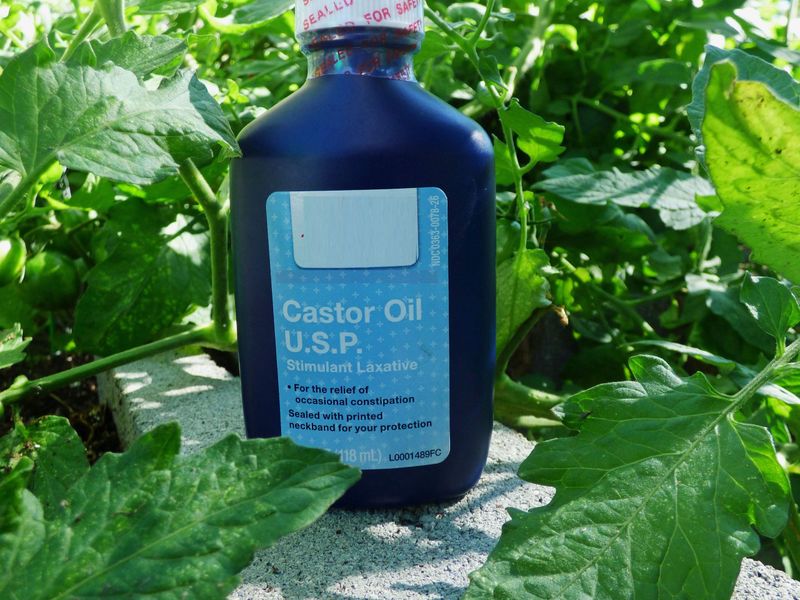
Here is the one repellent that earns a little respect from extension experts, so it deserves an honest look. Castor oil coats the soil and the earthworms living in it, giving the mole’s dinner a nasty taste.
The mole may decide to move somewhere else.
That word may matters. Castor oil does not kill moles or clear a yard for good, and some studies suggest it works about half the time at best.
Soil type and moisture change the results quite a bit.
If you want to try it near a prized hydrangea or tomato bed, water it in deeply so it reaches the root zone. Plan to reapply every 4 to 6 weeks while moles are active.
It is a gentler, pet-friendlier choice, just not a cure.
7. Drier Soil and Buried Barriers
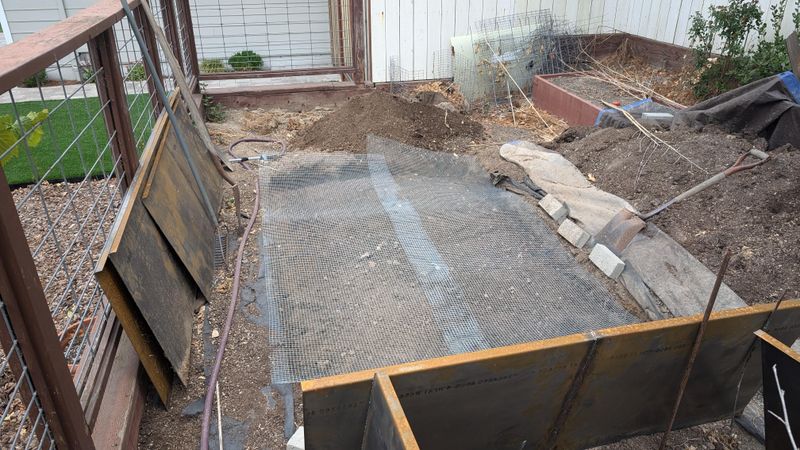
Soggy, soft lawns are a mole buffet. Damp soil is easy to dig, and it keeps earthworms close to the surface, so overwatering basically rolls out a welcome mat.
Water deeply but less often, and skip the daily sprinkler habit. Your grass and shrubs will grow stronger roots, and the yard becomes a bit less tempting.
Grub killers alone rarely fix the problem, since the worms stay put.
For special beds, like your tomatoes or a row of geraniums, a buried barrier can help. Dig a trench about 6 inches wide and 2 feet deep around the bed.
Line it with galvanized hardware cloth or wire mesh with openings no bigger than 3/4 inch, or fill it with rock. It takes an afternoon, but it can protect those roots for years.