
These Overlooked North Carolina Native Plants Bring Box Turtles Back To Your Backyard Every Spring
Every spring, eastern box turtles wake up from their winter sleep and start wandering North Carolina yards looking for food, shade, and a safe place to hide. Many of them live their whole lives in an area smaller than two acres, so your backyard might already be part of a turtle’s home.
The plants you grow can decide whether that turtle sticks around or keeps on walking. Here are ten easy-to-miss native plants that give box turtles exactly what they need, while also helping you swap out invasives and keep your yard healthy.
1. Wild Strawberry (Fragaria virginiana)
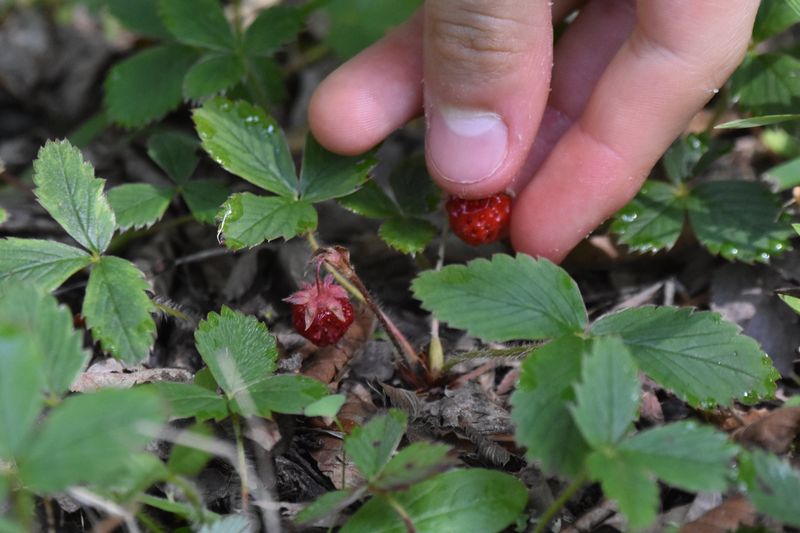
Ask any turtle watcher what gets a box turtle moving fastest, and the answer is usually something red and juicy. Wild strawberries are like candy to them.
The tiny fruits sit right at shell height, which makes them one of the easiest meals a turtle can find.
Our native strawberry spreads quickly by runners and forms a thick mat in full sun. White flowers show up early in spring and feed native bees that come out before most other blooms open.
By early summer, the berries feed turtles, birds, and chipmunks alike.
Here is the swap that makes it special: wild strawberry can replace English ivy on sunny banks and lawn edges. English ivy smothers trees and offers almost nothing to wildlife, while this little native gives food all season.
It even handles light foot traffic, so it works near paths.
Fun fact: wild strawberry is one of the parents of the big garden strawberries sold in stores today.
2. Golden Ragwort (Packera aurea)
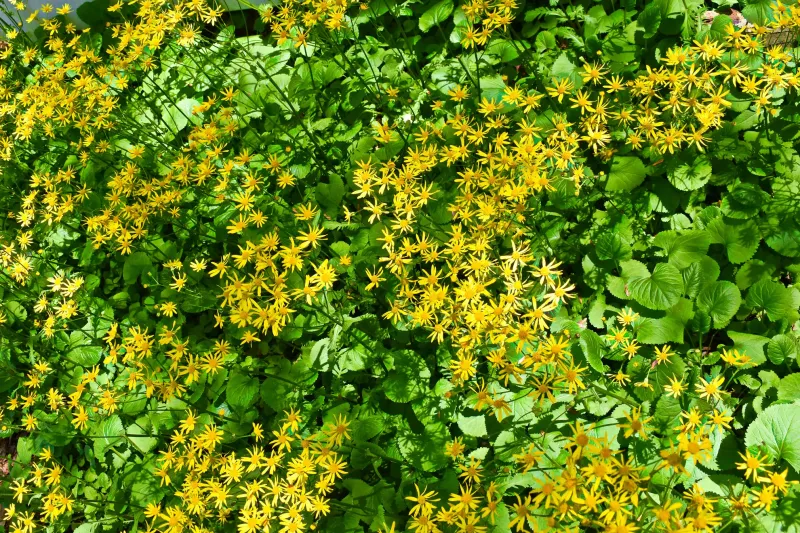
Picture a hot May afternoon. A box turtle needs somewhere cool to tuck in, and a carpet of golden ragwort leaves is just the spot.
Golden ragwort grows in thick, spreading mats that stay green much of the year. In early spring it sends up cheerful yellow flowers that give nectar to early pollinators.
Underneath, the low leaves trap moisture and keep the ground shady and damp, which is the kind of microhabitat turtles love.
It does well in part shade and handles moist soil near creeks or low spots. Plant it where Japanese pachysandra or English ivy might otherwise creep in.
Once it settles, it fills gaps and crowds out weeds with very little help from you.
3. Allegheny Spurge (Pachysandra procumbens)
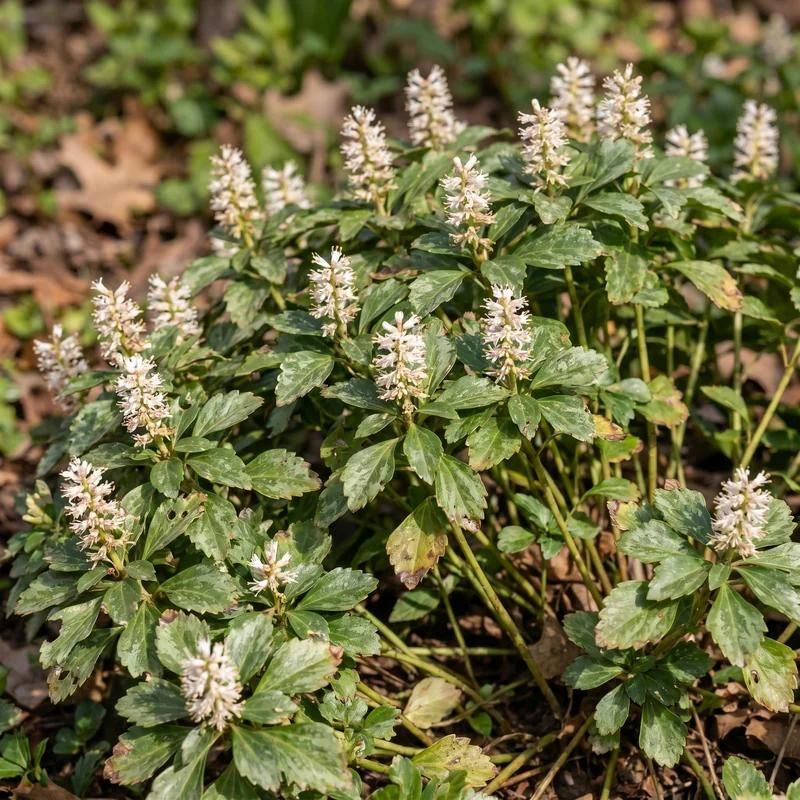
Most people have heard of pachysandra, but few know there is a native version hiding in Southern woods. Allegheny spurge is that quiet cousin, and it deserves a spot in your shade garden.
The leaves carry soft silver mottling, and fuzzy white flower spikes pop up in early spring with a sweet scent. It spreads slowly into a dense carpet.
That slow pace is a good thing, since it never runs wild the way Japanese pachysandra can.
For box turtles, the value is cover. A patch under oaks or maples, mixed with fallen leaves, becomes a hidden hallway where turtles can hunt slugs and rest out of sight.
It also handles dry spells once rooted, so you will not be stuck watering it all summer.
4. Green and Gold (Chrysogonum virginianum)
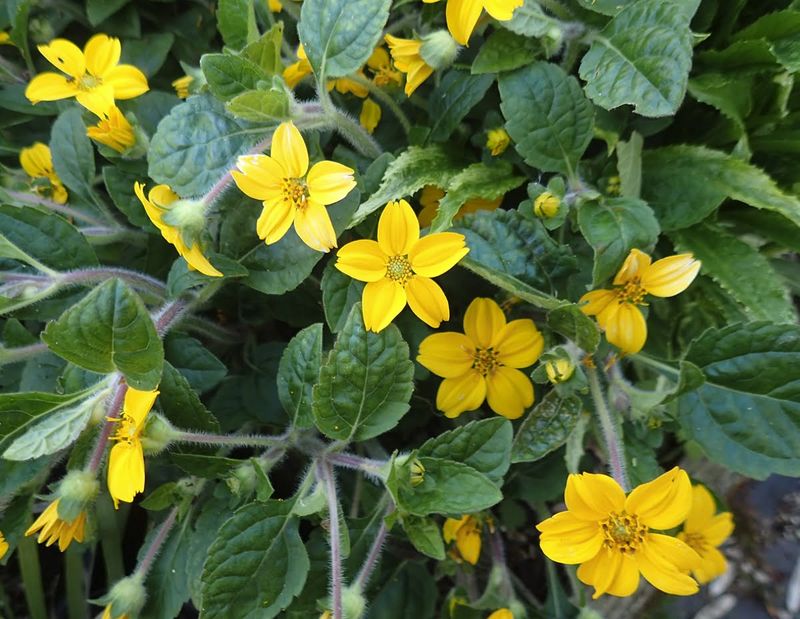
Small yellow stars across a dark green mat. That is what green and gold looks like in April, and it stays tidy enough for the front of any bed.
This low perennial hugs the ground and keeps its leaves through much of winter. It likes part sun to part shade, making it handy for those in-between spots along fences and paths.
Flowers often keep coming on and off into summer.
Turtles use the edges between sun and shade to warm up and then cool off. A border of green and gold gives them a soft, safe strip to travel through.
Bonus for you: it looks neat, so neighbors will not think your yard has gone wild.
5. Virginia Wild Ginger (Hexastylis virginica)
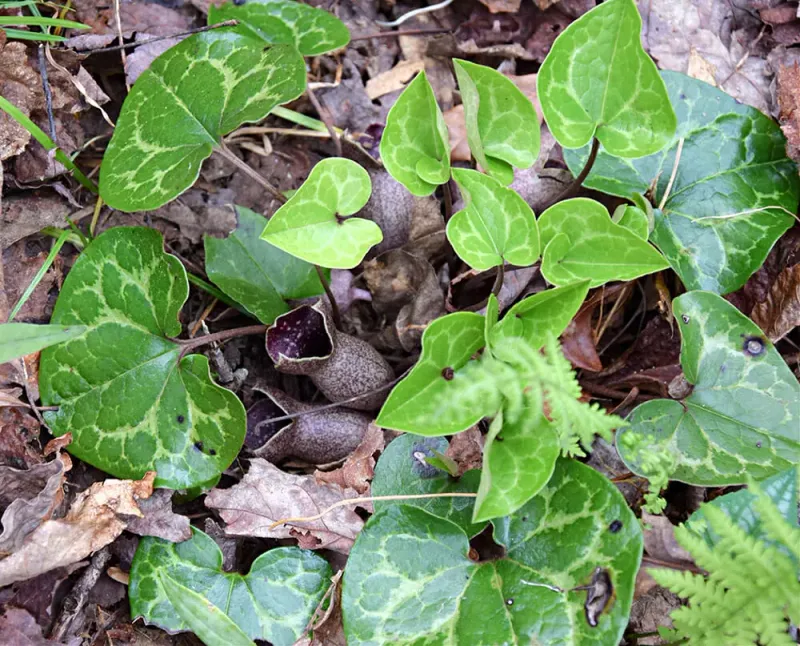
Lift a leaf of Virginia wild ginger in spring and you might find a strange little brown flower sitting right on the soil. Those odd blooms are pollinated by ground-crawling insects, which tells you a lot about where this plant lives: right down at turtle level.
The heart-shaped evergreen leaves form clumps in moist shade. They pair beautifully with a rotting log or a pile of leaves.
Together, they create a damp, quiet corner full of beetles, worms, and slugs.
That is basically a turtle buffet. Box turtles depend on moist ground to hunt and stay hydrated, especially in the mountains and Piedmont during dry summers.
Plant wild ginger in your shadiest, dampest spot and let nature do the rest.
6. Inkberry Holly (Ilex glabra)
If you have nandina in your yard, here is some hard news. Its bright red berries can be toxic to birds, and it spreads into nearby woods.
Inkberry holly is the friendly fix.
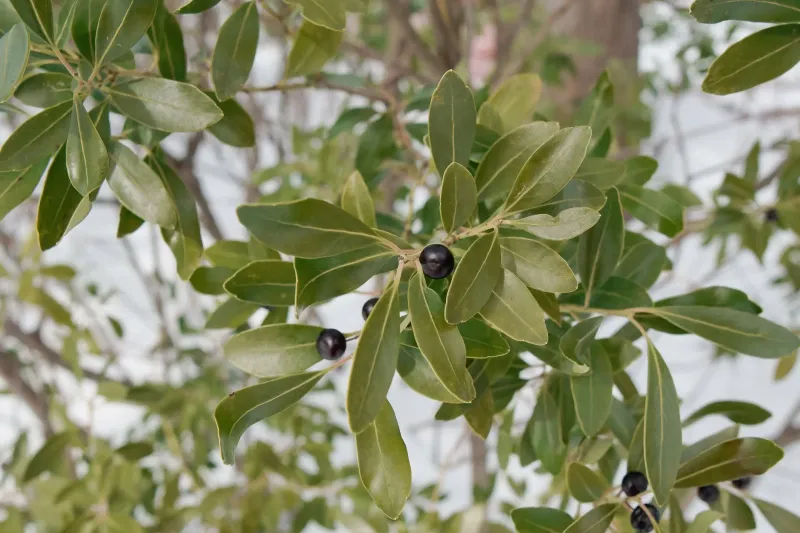
This native evergreen holly keeps its leaves all year, so it gives steady cover in every season. Its small black berries feed birds safely.
The low, dense branches create a shaded shelter at the base where turtles can rest away from hawks and dogs.
Inkberry loves wet soil and part shade, which makes it perfect for soggy spots near downspouts. It works as a hedge too, and it is a solid replacement for Chinese privet and burning bush.
One shrub swap can protect birds and turtles at the same time.
7. American Beautyberry (Callicarpa americana)
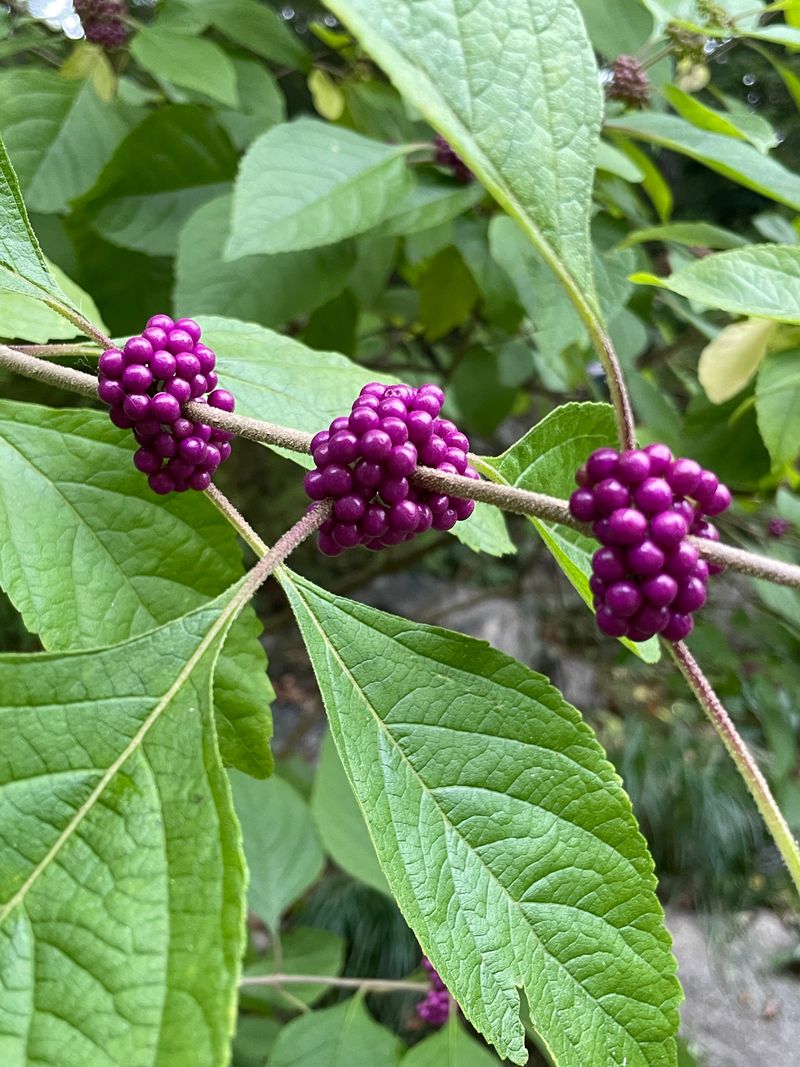
Nothing else in the yard glows quite like beautyberry in September. Clusters of neon purple berries wrap the stems, and they hang on well into fall.
Songbirds, mockingbirds, and small mammals all feast on those fruits. Some berries drop to the ground, where a hungry turtle can grab a late-season snack before heading into winter.
Fattening up in fall matters a lot for animals that sleep through the cold months.
Beautyberry grows fast in sun or part shade and is very forgiving. You can cut it back hard in late winter and it bounces right back.
Old-timers in the South even crushed the leaves and rubbed them on skin to keep bugs away, and researchers later found compounds in the plant that may help repel mosquitoes.
8. Spicebush (Lindera benzoin)
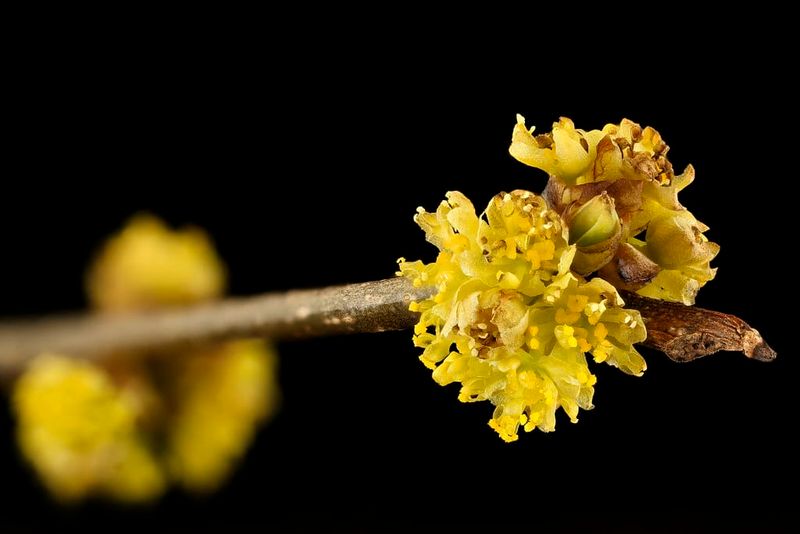
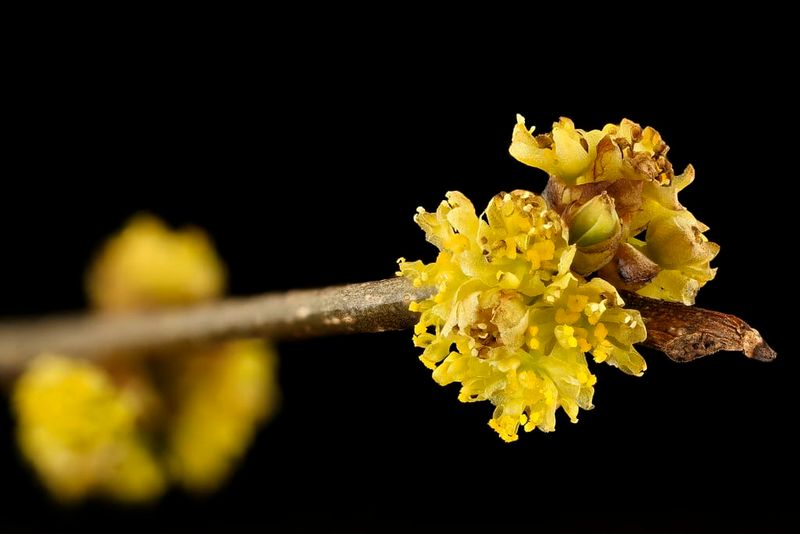
Scratch a twig and sniff. That spicy, lemony scent is how spicebush got its name, and it is one of the first shrubs to bloom in a North Carolina spring.
Tiny yellow flowers cover the bare branches in March, right around the time box turtles start waking up. Early bees depend on them.
By late summer, bright red berries appear and feed thrushes and other wildlife.
Spicebush is also the host plant for the spicebush swallowtail butterfly. Its caterpillars look like little green snakes with fake eyes.
More caterpillars and insects mean more food for young turtles, which eat mostly animal matter when they are small.
Plant it in moist shade, along a creek, or under tall trees. It is a calm, easygoing shrub that asks for almost nothing.
9. Mapleleaf Viburnum (Viburnum acerifolium)
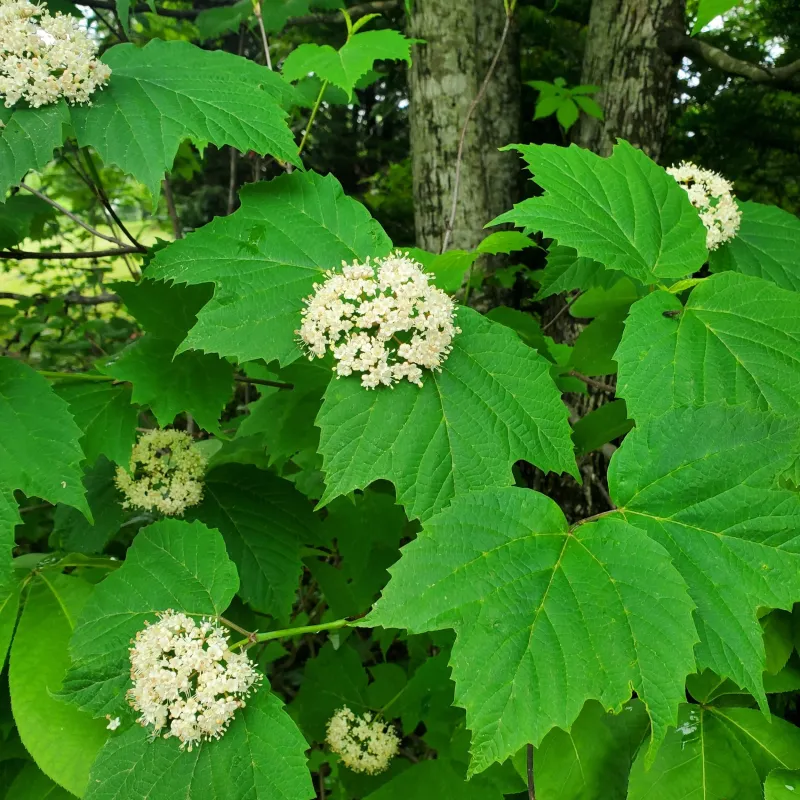
Chinese privet has taken over thousands of acres of North Carolina woods, and many backyards still have it along the fence line. Pull it out and try mapleleaf viburnum instead.
This small native shrub grows happily in shade where many plants struggle. Its leaves look like little maple leaves and turn pink and purple in fall.
White flower clusters show up in late spring, followed by dark berries that feed turkeys, bluebirds, and other wildlife.
Planted in a loose group under trees, it builds the layered understory that box turtles need. Add a small brush pile nearby and you have created a safe zone for hiding, hunting, and resting.
It is the kind of quiet upgrade that pays off for years.
10. Blue Flag Iris (Iris virginica)
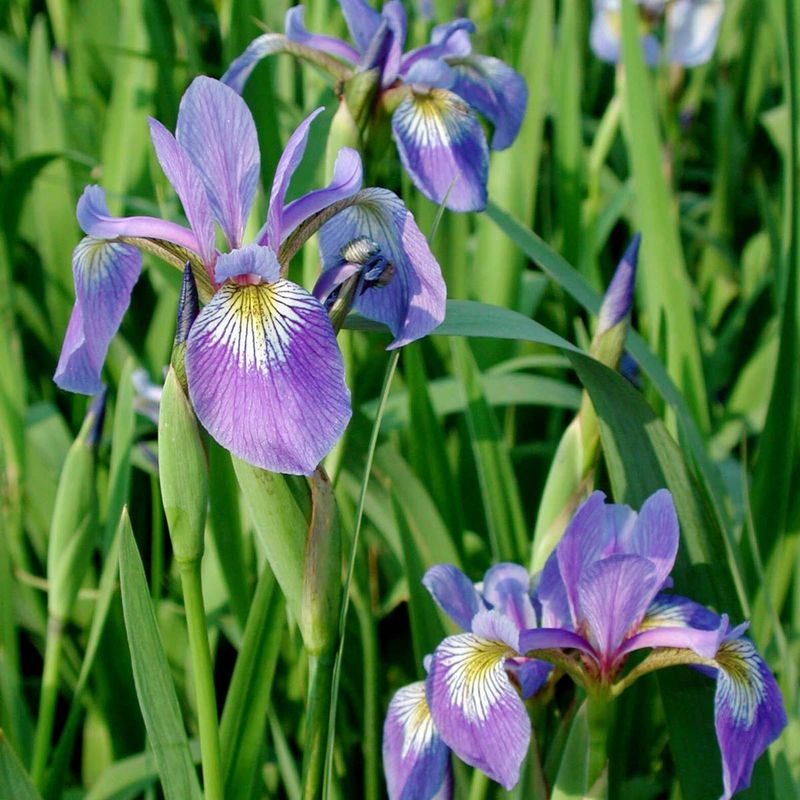
Turtles get thirsty too. Box turtles like to soak in shallow water on hot days, and a soggy corner of your yard can become their favorite hangout with the help of blue flag iris.
This native iris thrives in wet ground and pond edges. Lavender-blue blooms open in late spring, and the creeping roots hold soil in place.
It fits perfectly around a small wildlife puddle made with a shallow pond liner set in shade.
Keep the water only an inch or two deep with a gentle slope so turtles can climb out. Then follow a few simple steward rules: skip pesticides, leave some leaves, and mow carefully.
And if you spot a turtle crossing your yard, never move it somewhere new, since box turtles often die trying to get back home.