
The Old Copperhead Myths North Carolina Homeowners Still Believe That Put Them In Real Danger
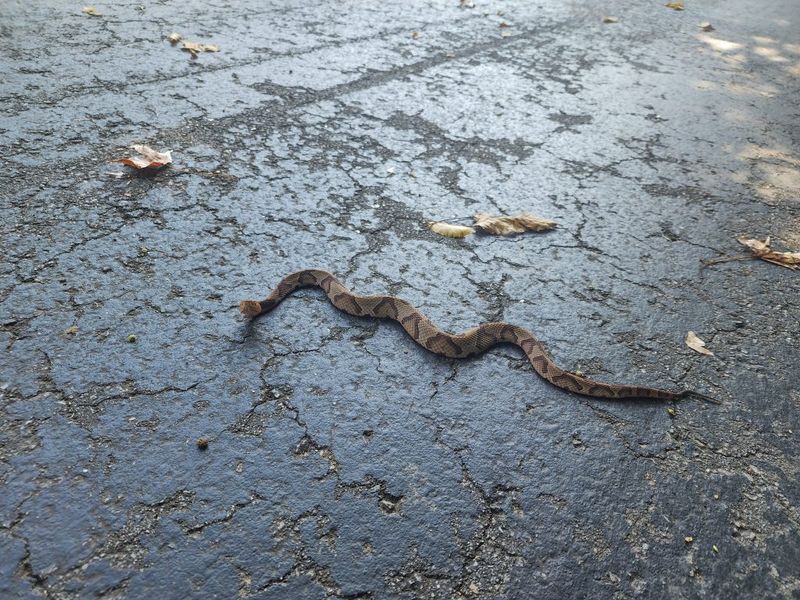
Copperheads live in every one of North Carolina’s 100 counties, from mountain coves to Raleigh cul-de-sacs. Most of us grew up hearing stories about them from parents, neighbors, and that one uncle who swore by mothballs.
The trouble is, a lot of those stories are wrong, and believing them can get you bitten, waste your money, or cost your yard the helpful snakes it needs. Here are ten old myths worth retiring for good.
1. Baby Copperheads Are Deadlier Than Adults
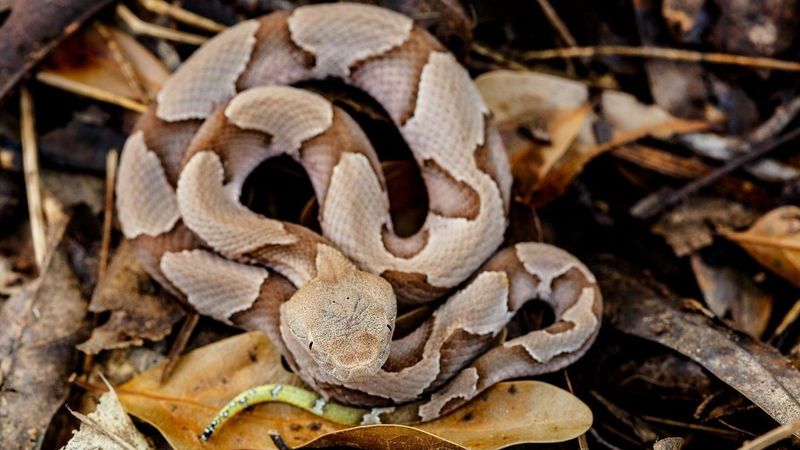
Every late summer, someone posts a photo of a tiny copperhead on a neighborhood app with the warning that babies are the worst kind. The idea sounds logical: young snakes supposedly cannot control their venom, so they dump it all.
Herpetologists say that simply is not true.
Newborn copperheads, which usually show up in North Carolina yards in August and September, carry far less venom than adults. They can also give dry bites with no venom at all, just like grown snakes.
A bite from any copperhead still deserves a trip to the hospital, but a juvenile is not some extra-toxic menace.
Where the myth causes harm is in panic. People see a pencil-sized snake and grab a shovel, which is exactly when bites happen.
A better move is to learn the giveaway feature: that sulfur-yellow or greenish tail tip, which young copperheads wiggle to lure frogs and lizards. Spot it, step back, and let the little snake move along.
2. A Copperhead Bite Means Death or Amputation
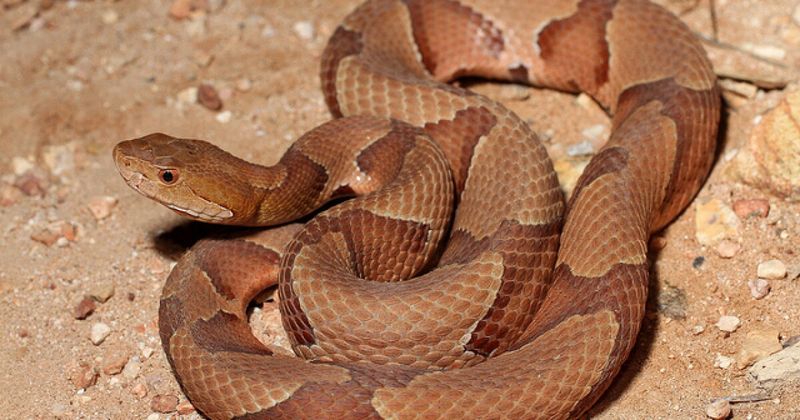
Fear makes people do strange things after a snakebite. Some freeze, some waste time searching online, and some reach for a pocketknife because they think they are about to lose a limb.
Here is the calmer truth.
Deaths from copperhead bites in North Carolina are extremely rare, and amputations are rarer still. About half of bites cause only mild pain and swelling.
That does not make a bite minor, since the swelling and pain can be intense and medical care matters.
So what should you actually do? Keep the bitten arm or leg still and at or below heart level, remove rings or tight clothing, and get to medical care right away.
Call NC Poison Control at 1-800-222-1222 on the way. Skip the old movie tricks: no cutting, no sucking, no tourniquet, and no ice, because each one can make the injury worse.
3. Any Brown Banded Snake Is a Copperhead
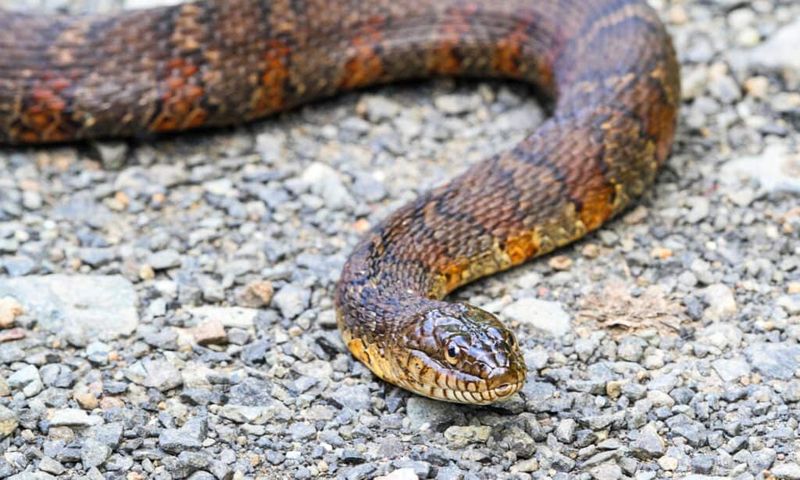
Ask any wildlife officer in the state and they will tell you the same thing: most snakes reported as copperheads are not copperheads. Corn snakes, northern water snakes, young black rat snakes, and eastern hognose snakes all get mistaken for them constantly.
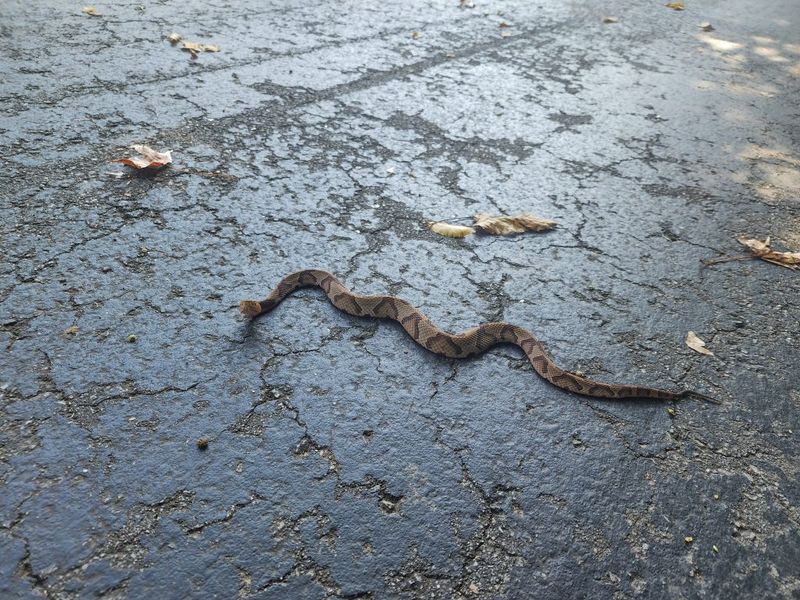
The real thing has a few clear marks. Look for hourglass-shaped crossbands that are wide on the sides and skinny across the back, like a row of Hershey’s Kisses seen from above.
The head is plain coppery tan and broad, and the pupils are vertical slits, though you should never get close enough to check.
Killing look-alikes hurts your yard. Rat snakes and corn snakes eat the mice and voles that chew garden roots and carry ticks.
A good steward learns the hourglass pattern so harmless helpers can keep working.
4. Copperheads and Water Moccasins Are the Same Snake
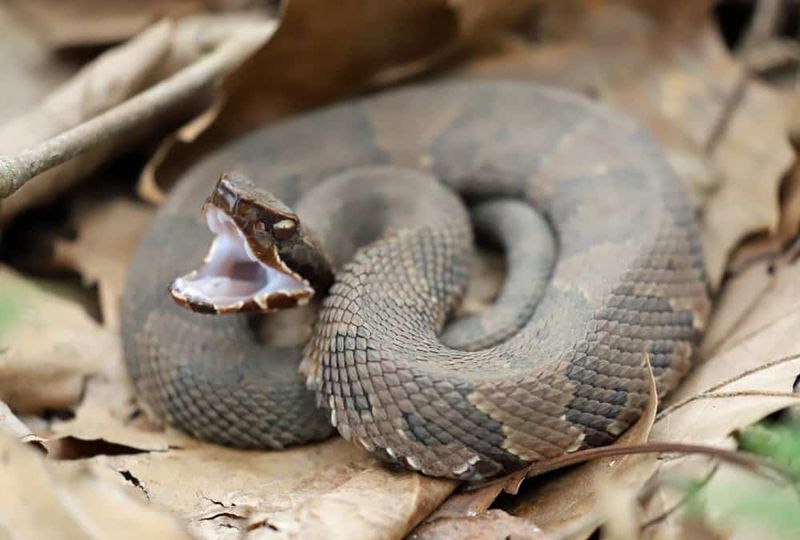
Down at a family fish fry in Johnston County, you might hear somebody call every pit viper a moccasin. Old regional nicknames blur things together, and that blurring causes real confusion.
Copperheads and cottonmouths, also called water moccasins, are two different species. Both are pit vipers, but cottonmouths in North Carolina mostly live in the Coastal Plain and eastern counties, hanging around swamps, ponds, and slow water.
Copperheads live statewide, including dry wooded lots in Asheville and Charlotte suburbs.
Why does it matter? If you live in the mountains and assume any snake near your creek is a cottonmouth, you are likely killing a harmless water snake.
And if you live in the west and think venomous snakes only hang out in water, you may get careless around your woodpile, which is prime copperhead real estate.
5. Copperheads Stay on the Ground
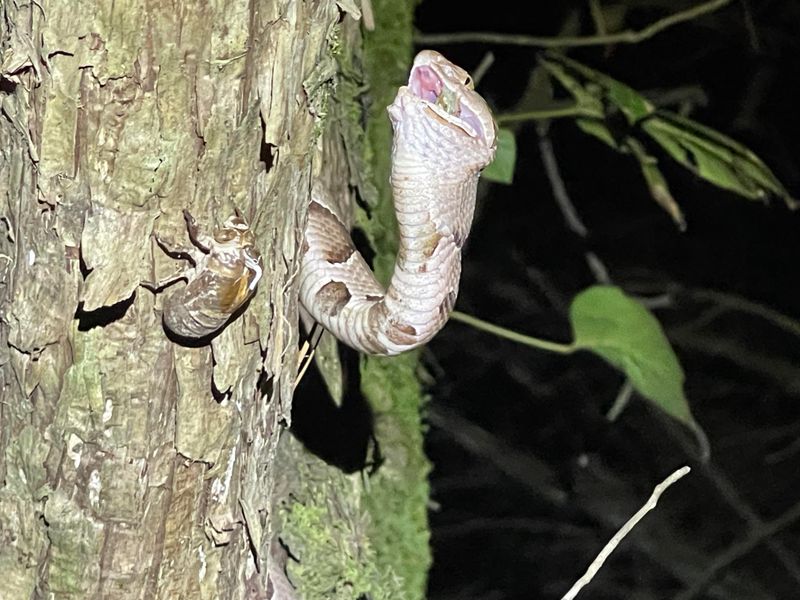
Picture this: you are trimming a crape myrtle on a June evening, eyes on the grass, and something coppery is resting on a branch at shoulder height. That surprise happens more than people expect.
Copperheads can and do climb. They have been found in shrubs, low trees, and even on decks and balconies, usually chasing prey like cicadas emerging on summer nights.
Cicada season in particular can pull them up tree trunks after dark.
Scan at eye level, not just your feet, when you prune or pick blueberries. Use a flashlight on evening walks near trees, and wear gloves when reaching into dense shrubs.
6. Mothballs and Snake Repellents Keep Them Away
Grandma swore by them. Mothballs tossed around the porch, maybe a jug of store-bought granules sprinkled along the fence.
Sadly, the snakes never got the memo.
Studies and wildlife experts agree that mothballs and commercial snake repellents do not reliably deter copperheads. Mothballs also contain chemicals that can poison soil, pets, kids, and the box turtles and toads you want in your yard.
Using them in the garden is actually against label law.
The biggest danger is false confidence. A homeowner who thinks the repellent is working stops watching where they step.
Put that money toward a sturdy pair of boots and a good rake instead.
7. Copperheads Chase People
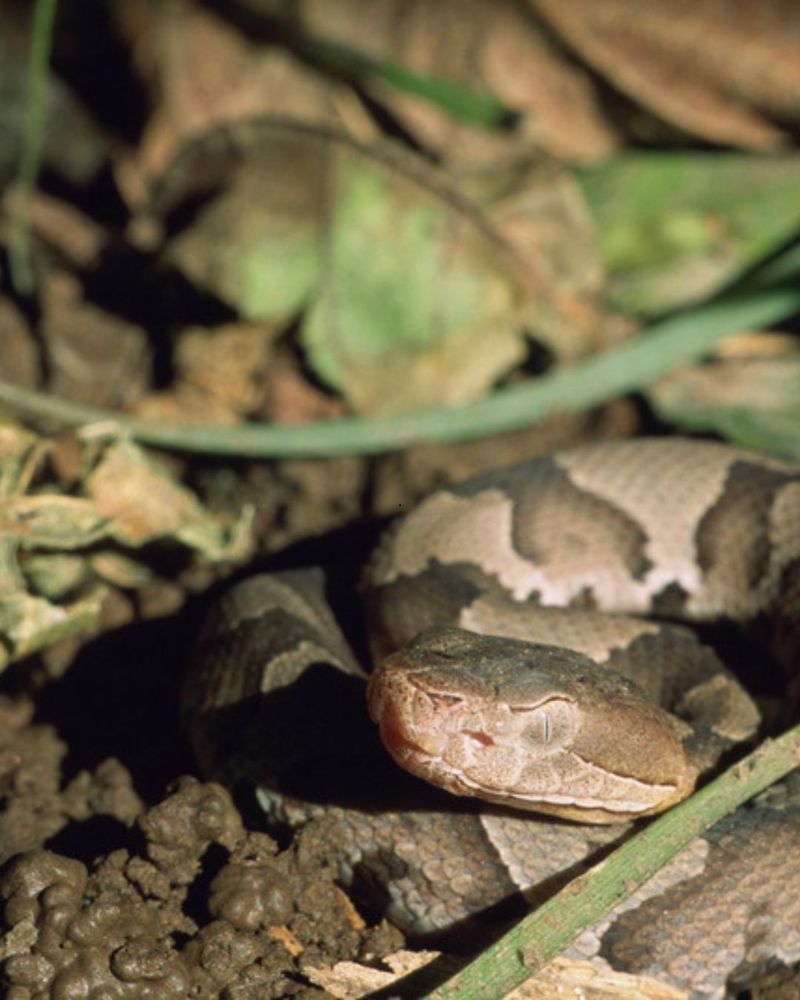
Copperheads are masters of sitting still. Their whole survival plan is to blend into leaf litter and hope you walk past, which is why so many bites happen when someone steps right on one.
They are not aggressive and do not chase people. Most bites happen when a person accidentally touches a snake or tries to catch or kill it.
A snake moving toward you is usually just heading for cover that happens to be behind you.
The fix is simple. Give any copperhead several feet of space, walk around it, and keep kids and dogs back.
Left alone, it will usually slip away within minutes.
8. The Only Good Snake Is a Dead Snake
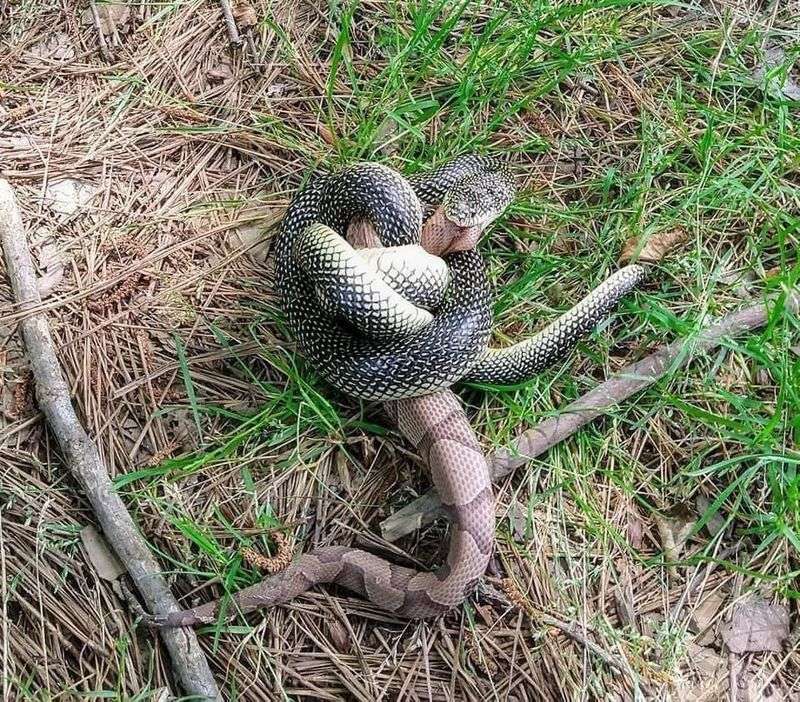
Few sayings have done more damage to North Carolina wildlife. Generations repeated it, and countless rat snakes, kingsnakes, and garter snakes paid the price.
Snakes are part of a healthy yard. They keep rodent numbers down, and fewer mice can mean fewer ticks, since mice carry many of the ticks that spread Lyme disease.
Eastern kingsnakes even eat copperheads, so killing one removes a free bodyguard.
Trying to kill a copperhead is also one of the most common ways people get bitten. If a venomous snake truly must go, such as one living under your back steps, call a licensed wildlife professional.
The NC Wildlife Resources Commission keeps a helpful list of contacts.
9. A Tidy-Looking Yard Is Snake-Proof
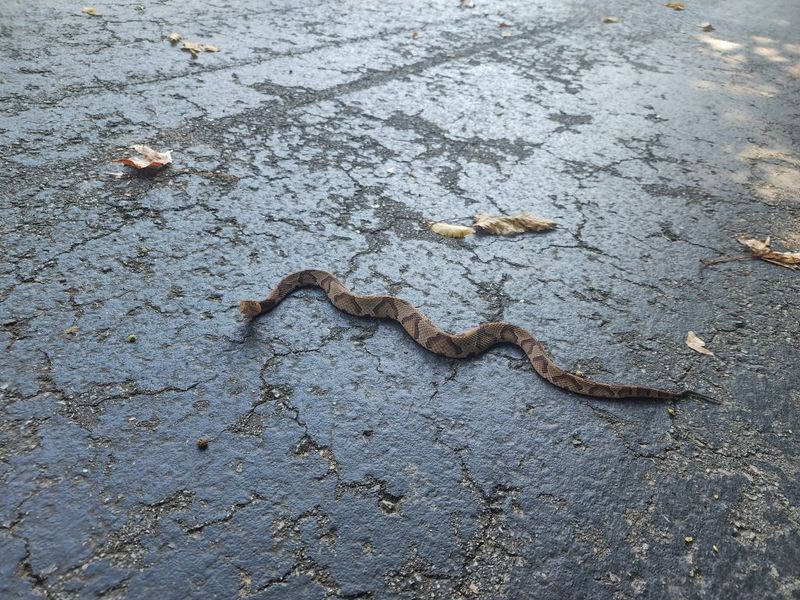
A freshly mowed lawn can fool you. The real question is what sits around the edges, because copperheads care about cover and food, not curb appeal.
Firewood stacked against the house, rock borders, toys left out, and thick mulch beds near the door all make great hiding spots. They also draw mice, which draw snakes.
Move woodpiles away from the foundation and raise them off the ground, keep grass short near paths, and pick up yard clutter.
You can still be wildlife-friendly. Keep brushy habitat for birds and box turtles at the far back of the lot, away from doors and play areas.
10. Bare Hands and Flip-Flops Are Fine for Yard Work
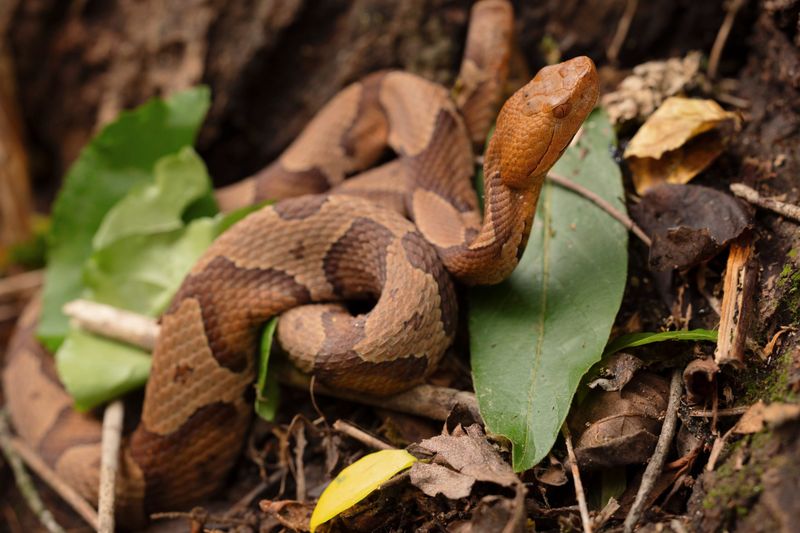
Plenty of copperhead bites in our state happen to hands and feet during ordinary chores. Pulling weeds, grabbing a hose, or reaching under the deck in sandals puts skin right where snakes rest.
Wear closed boots and thick gloves when working in ivy, pine straw, or tall groundcover. Use a rake or stick to move leaves before reaching in, and carry a flashlight at night, when copperheads are most active in summer.
Bonus tip: replacing invasive English ivy along your foundation with low native groundcovers like green-and-gold makes it easier to see what is underfoot. Small habits like these keep you safe while your yard stays welcoming to the wildlife you love.