
Chilled Cooked Potatoes May Form More Resistant Starch, but Safe Storage Comes First
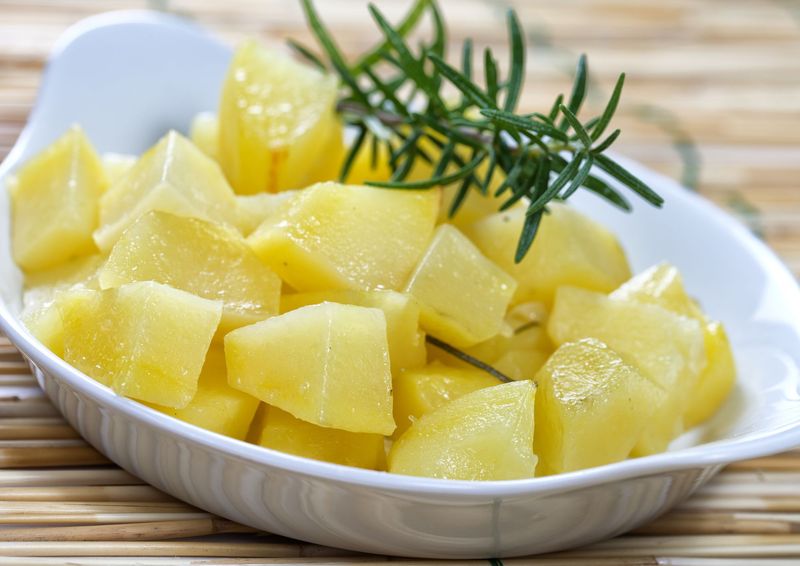
You dug a basket of potatoes, cooked more than you could eat, and now a container of leftovers sits in the fridge. Some people say chilling them changes the starch inside in a way that matters for your gut.
There is real science behind part of that idea, but also a lot of hype. Here is what cooling can and cannot do for your homegrown spuds.
Cooling changes some of a potato’s starch
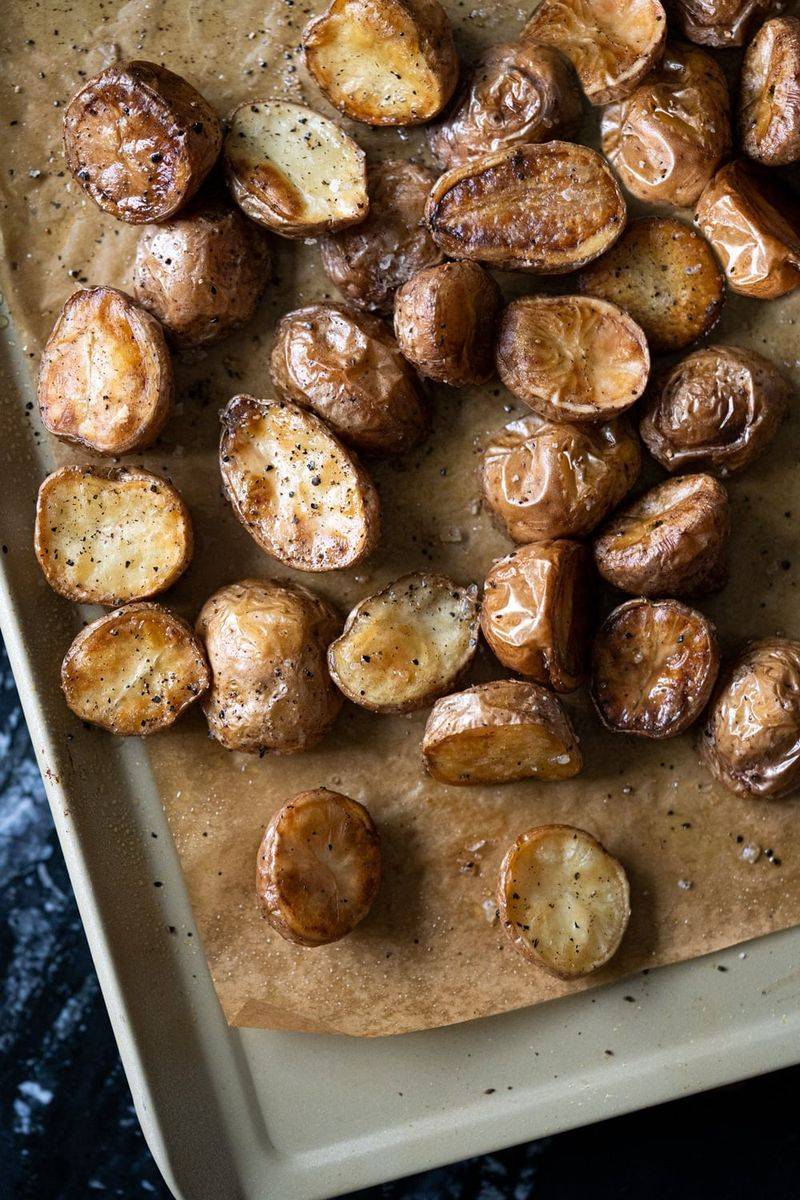
Raw potatoes are packed with starch, and cooking softens it so your body can digest it easily. Once the cooked potato cools, some of that starch molecules tighten up and line back up in a new pattern.
Scientists call this retrogradation.
The result is a form called resistant starch type 3. It resists digestion in the small intestine, so some of it travels on to the large intestine, where gut microbes can ferment it.
A peer-reviewed review of potatoes in a healthy diet describes this link between cooling and resistant starch.
Notice the word “some.” Only part of the starch makes the switch, and the rest of the potato stays what it was: a starchy vegetable with potassium, vitamin C, and plenty of digestible carbohydrate. Cooling does not turn your harvest into a different food.
It also helps to separate a mechanism from a payoff. Knowing that starch can rearrange tells you what happens in the container.
It does not prove that you will feel better, digest meals more easily, or gain a health boost from a serving of leftover potato salad.
Gut microbes do not all respond alike, either. Your neighbor and you could eat the same cooled potatoes and have very different experiences.
So think of cooling as a small, real change in starch composition, not a promise of a gentler food.
What potato studies actually measured
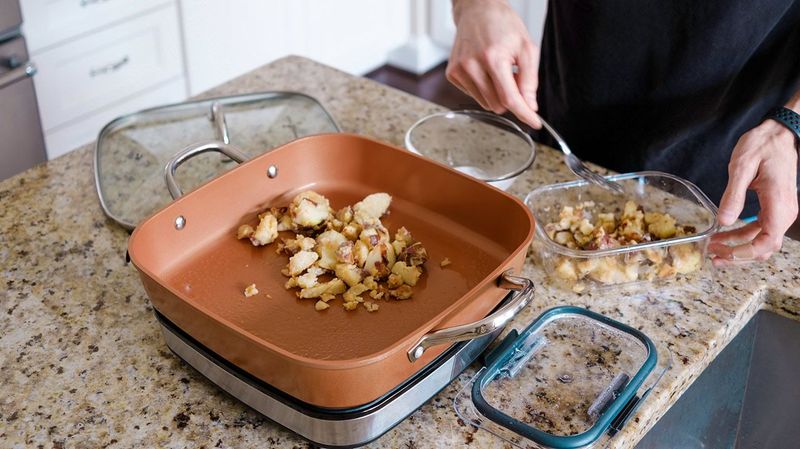
Numbers help keep this topic in proportion. In a small 2005 human study, resistant starch in boiled potatoes rose from 3.3% to 5.2% of the starch after 24 hours of cold storage.
That is a measurable increase, but it still means most of the starch stayed digestible.
A different team ran a lab analysis of commonly eaten potatoes that chilled them for six days. That is a much longer wait than a single night in the fridge, so its results cannot be copied straight onto your Tuesday leftovers.
Both studies used specific potato varieties and controlled preparations. Neither one tested a mixed bag of backyard spuds cooked in a home kitchen, and neither claimed that garden potatoes behave in a special way.
What the researchers measured was starch composition. They did not show that an ordinary serving delivers a major health benefit.
A shift from 3.3% to 5.2% is interesting chemistry, not proof of a result you will notice.
So an overnight stay in the refrigerator may nudge your potatoes in this direction, but the exact amount will depend on the variety, how you cooked it, and how cold and how long it stays. Treat the studies as a reasonable hint, not a recipe for a guaranteed effect.
Reheating may reduce, but not erase, the change
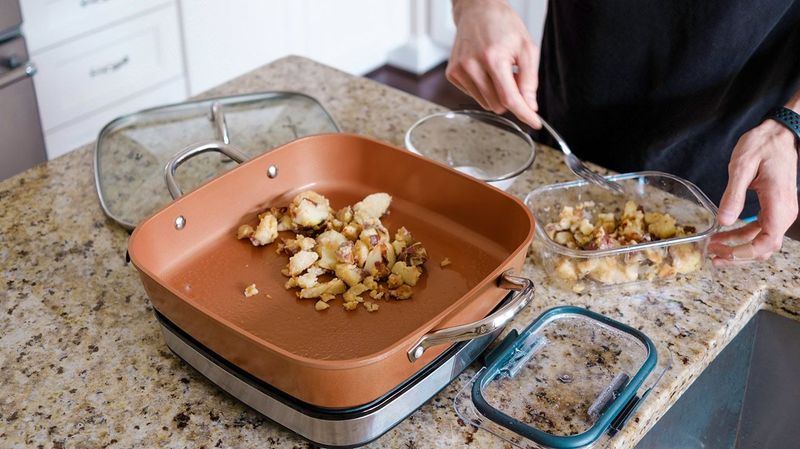
Plenty of people ask whether warming up chilled potatoes wipes out the whole effect. The short answer is no, but it is not a free pass either.
In the potato analysis mentioned earlier, reheated potatoes had less resistant starch than chilled ones, but more than potatoes served hot.
Picture three bowls: freshly cooked, chilled, and chilled then reheated. The chilled bowl lands highest, the reheated bowl sits in the middle, and the hot bowl lands lowest.
That middle spot is why the claim that reheating does not undo it is too absolute.
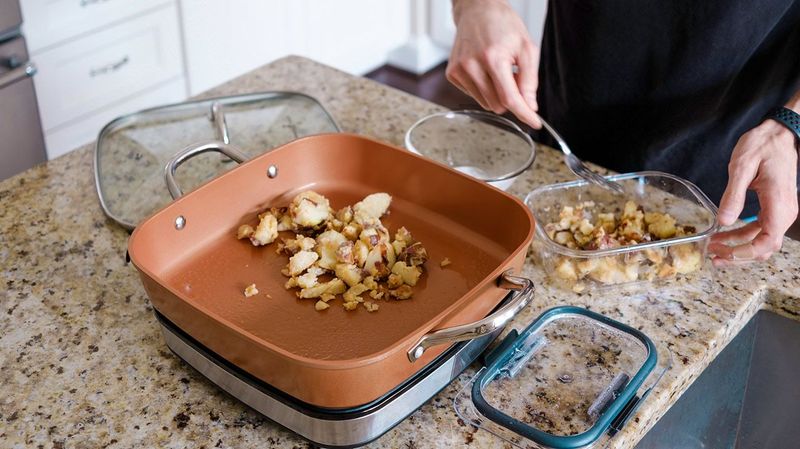
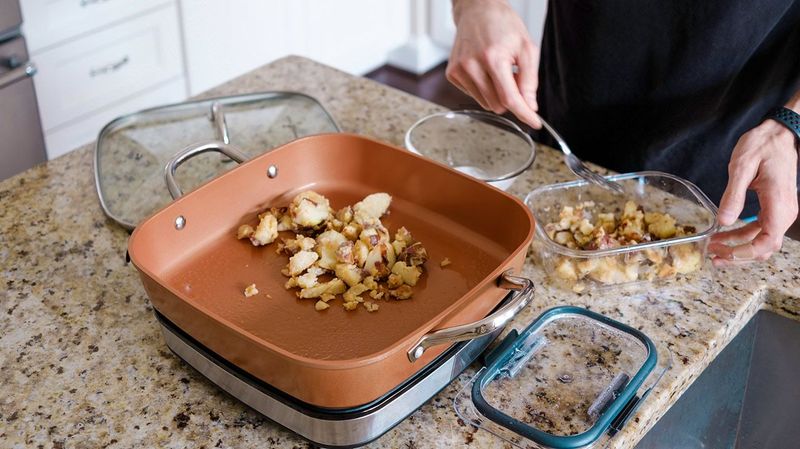
If you like crispy hash browns or a quick skillet of leftover potatoes, you can go ahead and reheat them. Just do not assume all of the resistant starch survived the trip back to the stove.
It also helps to keep expectations modest about what that middle bowl means for your body. A higher measured amount of resistant starch in a lab does not guarantee a particular digestive result or a change in blood glucose after a meal.
The amount can shift with the potato type, the way it was cooked, and how it was handled. For a practical rule, reheat for safety and flavor first, and treat any leftover resistant starch as a possible bonus.
Digestive and blood-glucose effects are uncertain
Resistant starch that reaches the large intestine gets fermented by gut microbes, which is the reason it gets so much attention. The potato review covers this idea.
Fermentation, though, is not the same as improved gut health.
In a 2024 analysis of resistant potato starch, reported digestive symptoms did not change significantly on average. A systematic review of resistant starch supplements noted that some participants had gas, bloating, or cramping.
Supplement doses are also much bigger than a plate of cooled potatoes, so neither result maps neatly onto your leftovers.
That is why “gentler” is the wrong word. For some people, extra fermentation can make a meal feel more uncomfortable, not less.
Blood sugar results are mixed too. In a small study of novel potato selections, cooling lowered glycemic index a lot for two selections but only slightly, and not significantly, for two others.
The researchers also found that the rise in starch malabsorption did not explain the whole change.
If you manage diabetes or have a sensitive gut, talk with your care team instead of counting on cooled potatoes to help. For everyone else, try a small portion first and see how you feel.
Refrigerate cooked potatoes promptly
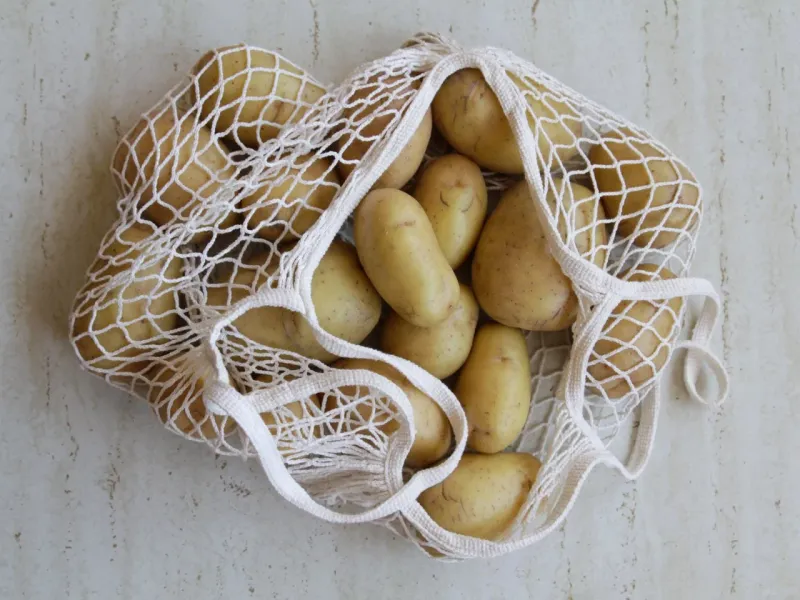
Here is where safety beats chemistry every time. Never leave cooked potatoes on the counter overnight to cool them down.
USDA guidance on leftovers says to refrigerate within two hours, or within one hour if the temperature is above 90°F.
Spread the potatoes in shallow containers so they chill quickly all the way through. A deep pot of mashed potatoes holds heat in the middle for a long time, so divide it up first.
Keep your refrigerator at 40°F or below, and plan to eat the leftovers within three to four days. When you reheat them, bring them to 165°F.
Foil-wrapped baked potatoes deserve a special mention. USDA warns about botulism risk when they are mishandled and left unrefrigerated.
Unwrap them and chill them promptly instead of letting them sit on the counter.
Do not worry that a quick trip to the fridge will cheat you out of resistant starch. Cooling still happens in the refrigerator, and the safe route is the only one worth taking.
Keep cooked leftovers separate from raw-potato safety
Digging your own potatoes feels special, and it is natural to wonder if homegrown ones cool differently. The research does not say so.
The potato analysis tested specific varieties and preparations, not a range of garden harvests, so there is no sign of a unique transformation for backyard spuds.
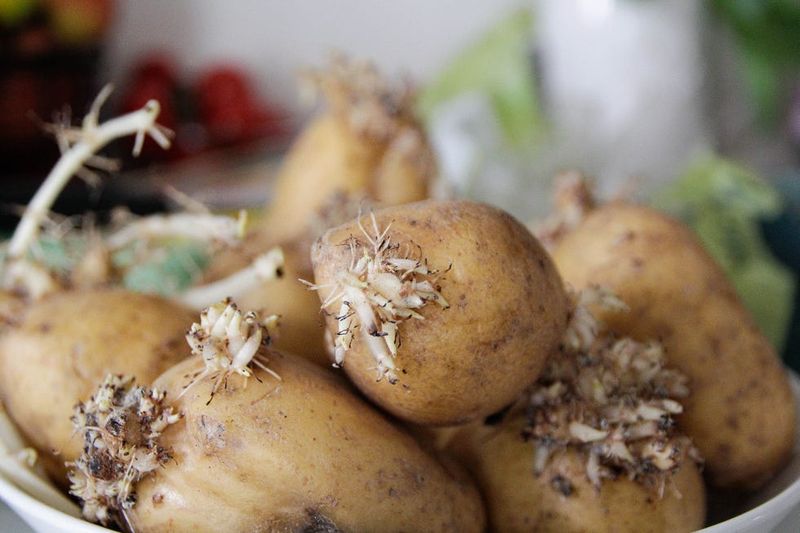
A separate question is the quality of the raw tuber before you cook it. MedlinePlus advises against eating potatoes that are spoiled or green below the skin, and says to discard sprouts.
Check your stored harvest before you cook. A potato that turned green after sitting in the light, a shriveled one with long sprouts, or a soft, smelly one belongs in the compost, not the pot.
Chilling cooked leftovers does nothing to fix any of that. Cooling affects starch structure, not the compounds in green or sprouting tubers, and it will not rescue a spoiled one.
So treat these as two checklists. First, pick good potatoes.
Second, handle the cooked leftovers safely.
Chill for safe leftovers, not a guaranteed health effect
Safe refrigeration lets some resistant starch form, and the potato analysis suggests reheating does not necessarily remove all of it. How much forms, and what it does for you, is still unclear.
Follow USDA leftover rules, and enjoy cooled potatoes as a handy leftover, not a gentler, gut-friendly, or blood-sugar-lowering food.
A good potato salad is worth making either way.