
Late Boneset: A North Carolina Native That Can Add Late-Season Nectar for Migrating Monarchs
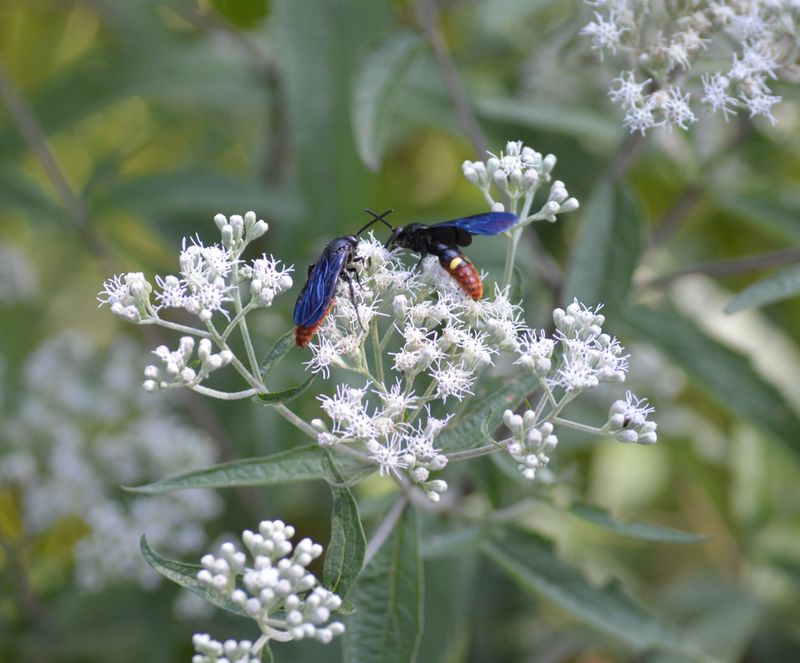
Walk a North Carolina yard in early October and you may spot a tall plant topped with frothy white flowers, buzzing with small visitors. That plant could be late boneset, a native that blooms when many other flowers have faded.
Monarch butterflies pass through our state in the fall, and they need nectar to fuel the trip. Here is how to tell whether late boneset fits your yard and how to use it wisely.
Late boneset can add nectar during the October migration
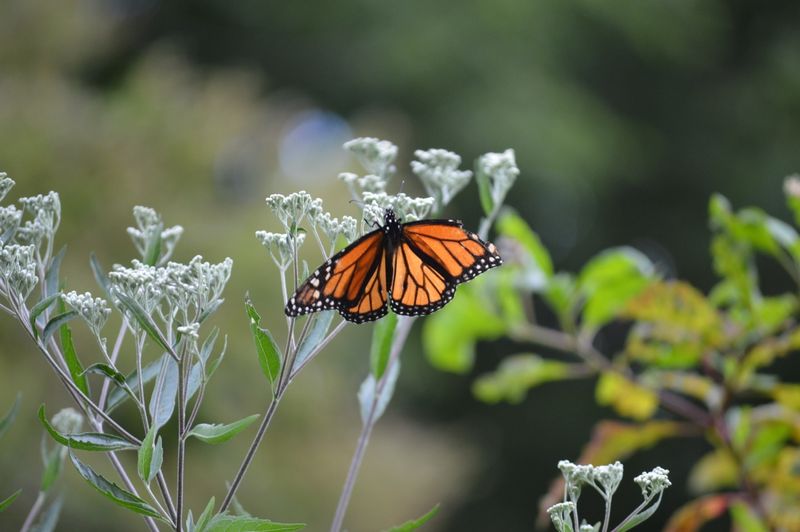
Late boneset, known to botanists as Eupatorium serotinum, is a tall native plant that blooms when the garden is winding down. North Carolina’s state flora records its flowering from late August through October.
That timing lines up with the fall travels of monarchs. The state butterfly account shows monarchs in North Carolina during September and October, when many are migrating south.
Adult monarchs sip nectar to build the energy they need for the long flight.
Here is the honest picture. Monarchs take nectar from many kinds of flowers, so late boneset is one useful late-season option, not a flower they uniquely need.
Monarch Joint Venture guidance stresses having suitable flowers available across seasons rather than relying on a single species.
Timing also varies. A plant may bloom a little early or late, and monarchs may skip your block on any given afternoon.
Think of late boneset as a way to add one more option to your yard’s autumn menu, not as a guaranteed butterfly magnet or a way to save the species.
If you already have a sunny, moist corner and a taste for natural-looking plantings, it deserves a closer look. The next sections show how to recognize it and decide whether your site suits it.
How to recognize late boneset
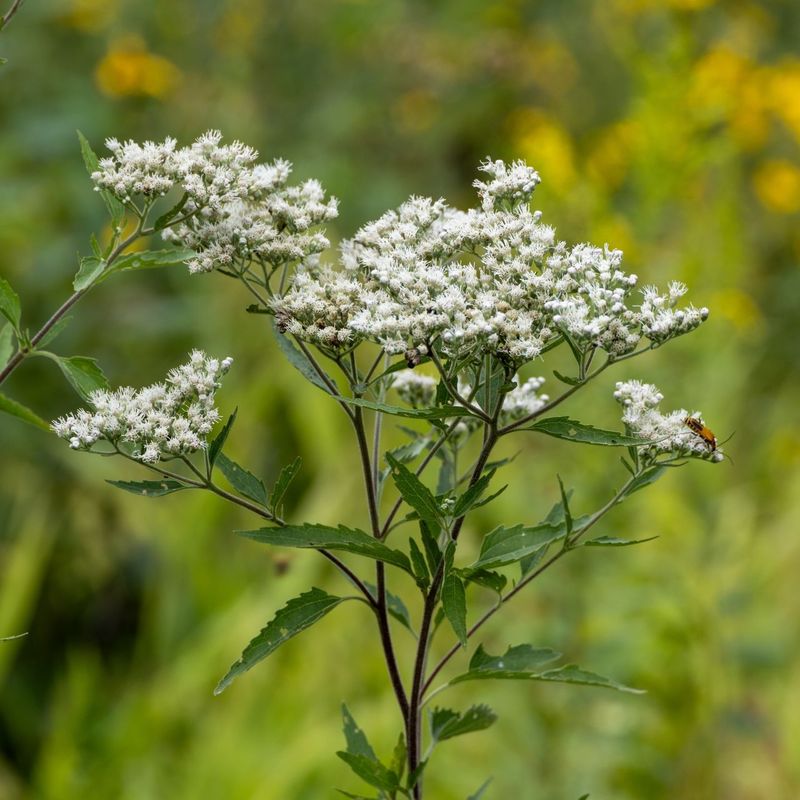
Start with the size. Late boneset is a tall, upright plant, and North Carolina’s flora says it commonly reaches 4 to 5 feet and can stretch to about 6 feet.
Expect it to tower over knee-high perennials by autumn.
Next, check the leaves. They grow in opposite pairs along the stem, each on a short stalk, and the edges are toothed.
Then look up top for small white flowers gathered into flat-topped, fluffy clusters. N.C.
Cooperative Extension lists it among the state’s fall-blooming natives and describes those white clusters.
Be careful with the name, because boneset is not one plant. Common boneset, Eupatorium perfoliatum, is a different species, and the NC State Plant Toolbox profiles it separately.
Its leaves join around the stem in a way that looks like the stem pierces them, which is a handy clue that you are not looking at late boneset.
Before you decide a volunteer is late boneset, check the leaf stalks, the tooth pattern, and the bloom time against the scientific name, not the common name alone. If you are unsure, take clear photos and ask your county Extension office to confirm before you mow, pull, or plan around it.
Match the plant to your region and site
A plant being native to North Carolina does not mean it belongs in every yard. State flora records show late boneset is common in the eastern and central Piedmont and the lower Coastal Plain, but infrequent in the Mountains.
If you garden in the Blue Ridge, treat it as a maybe rather than a must. Piedmont and lower Coastal Plain gardeners are more likely to find it fits both the region and the habitat.
Moisture matters too. Extension describes it on moist slopes, in damp meadows, and in clearings, in full sun to part shade.
A low spot where rain lingers, a ditch edge, or a sunny corner near a downspout might suit it far better than a dry, shaded bed.
It also grows vigorously in recently disturbed moist soil, so a freshly graded area can fill in fast. That is great for a naturalized corner and less great for a tidy, small border.
Give it room. Picture a 5-foot plant with some elbow space, ideally at the back of a bed or along a wild edge where its height looks intentional.
If your yard is a small, dry, shady plot, other native bloomers may serve you better.
An established plant may help now; a new one will not bloom on demand
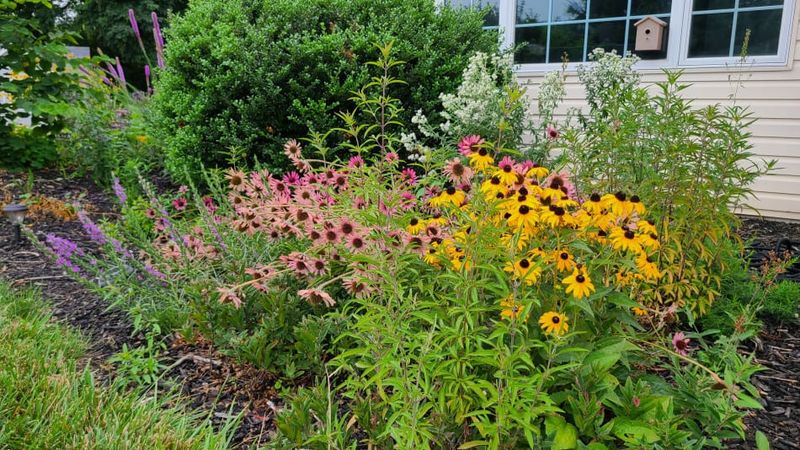
Here is the fall reality check. If a correctly identified late boneset is already growing in your yard and flowering, it may be offering nectar this very week.
Walk your property edges, damp corners, and unmowed patches before you decide what to remove.
If you find one, mark it with a stake so the mower and string trimmer skip it. Preserving what is already there is the simplest way to put the plant to work.
A new purchase is another story. NC State Extension’s landscape calendar supports fall as a suitable time for planting perennials, because cooler weather helps roots settle in.
But a perennial planted now is not an instant source of October flowers. Its job this season is to grow roots, and the blooms come later.
Planting this fall can still pay off in future autumns. The Extension Gardener Handbook notes that newly planted natives need regular water for the first few weeks while roots establish.
Check the soil every few days and water when it feels dry a couple of inches down. After that early stretch, a plant suited to its site should need far less fuss.
Nectar for adults is not food for caterpillars
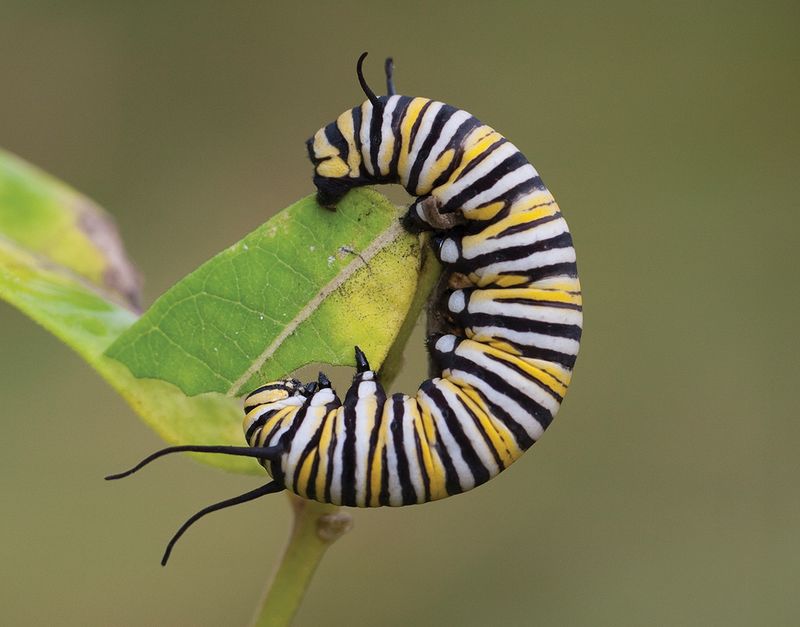
Monarchs live two different lives, and each needs different plants. Adults sip nectar from many flowers, and late boneset can be one of them.
Caterpillars, though, are picky eaters.
The North Carolina butterfly account explains that monarch caterpillars rely on milkweeds and other plants in the milkweed family. Late boneset is not in that group, so it cannot stand in for a host plant.
No caterpillar will be raised on it.
If you want to support the whole life cycle, you need both pieces: milkweeds suited to your region for the caterpillars, and a run of nectar flowers for the adults. Late boneset only covers part of the second job, and only in the weeks it blooms.
Keep the scale in perspective. Monarch Joint Venture guidance points to a wide variety of suitable flowers across seasons rather than one required nectar species.
So if your yard has no milkweed yet, consider adding it next spring alongside any boneset. One tall white bloomer is a nice piece of the puzzle, not the whole picture.
Choose nursery stock and protect flowering plants
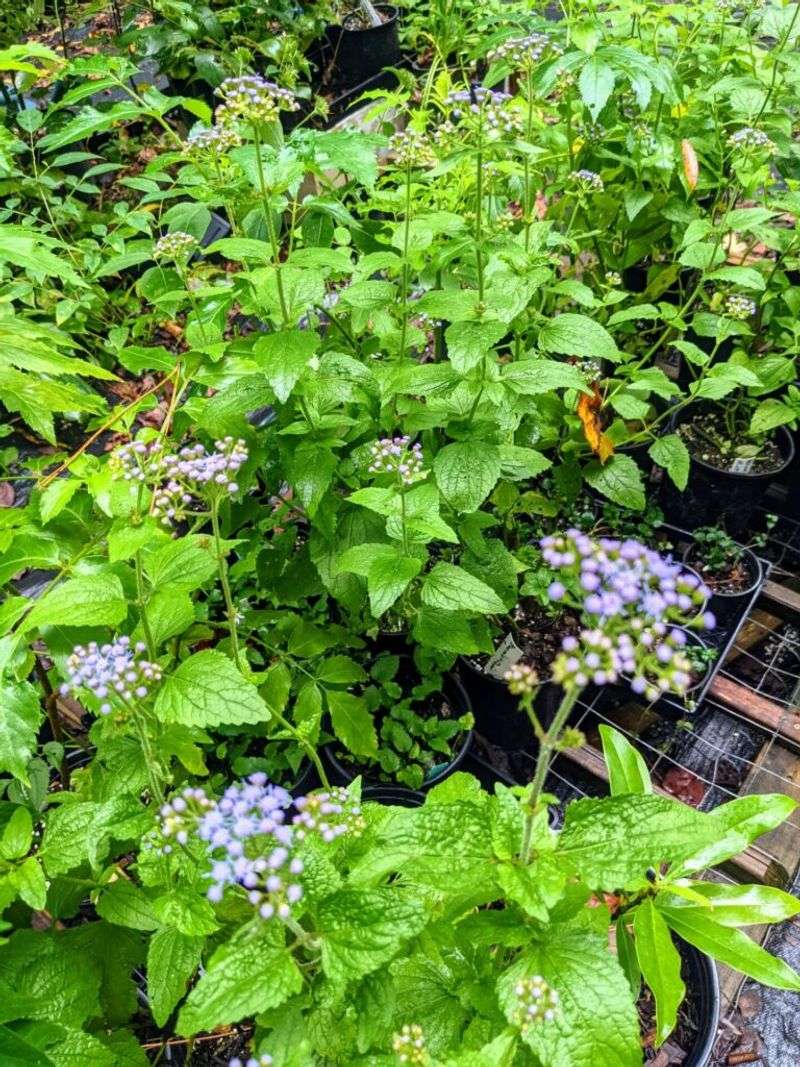
If you need a plant, buy one that was grown for sale. Better yet, protect any late boneset that is already on your property.
Digging from roadsides or woodlots is a poor shortcut.
NC State Extension cautions that taking plants from the wild can harm natural populations, and dug plants often perform poorly after transplanting. Nursery-propagated stock usually settles in better and leaves wild stands alone.
At the nursery, ask how the plants were treated. Some growers use insecticides that stay inside the plant and can linger in nectar and pollen.
Those systemic products are the ones to avoid around flowers that butterflies and bees will visit.
Monarch Joint Venture advises avoiding insecticides on nectar plants and milkweed, especially systemic products. It also notes that even soaps and oils can harm beneficial insects that are present during treatment.
That means spraying is not routine care for a blooming bed. If a pest problem truly seems unavoidable, read the label first and choose a targeted, least-harmful method.
Try hand removal or simply tolerating a few chewed leaves, since a ragged leaf is a small price for a yard that stays safe for visiting insects.
Plan for blooms beyond one plant
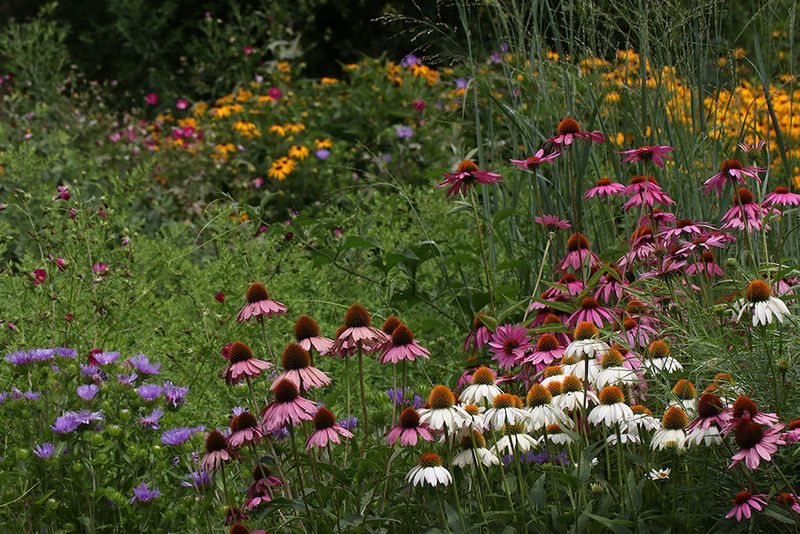
Late boneset earns a spot where your region and soil suit it, and where you can spare the space. It adds late nectar, but it works best as one member of a mixed planting.
Extension guidance recommends at least three species blooming in each growing season, and Monarch Joint Venture likewise favors flowers across seasons. Walk your yard next spring and summer and note any gaps.
A yard is judged by its calendar, not by a single plant.