
Purslane vs. Spinach: What One Study Found About Plant Omega-3 in Garden Purslane
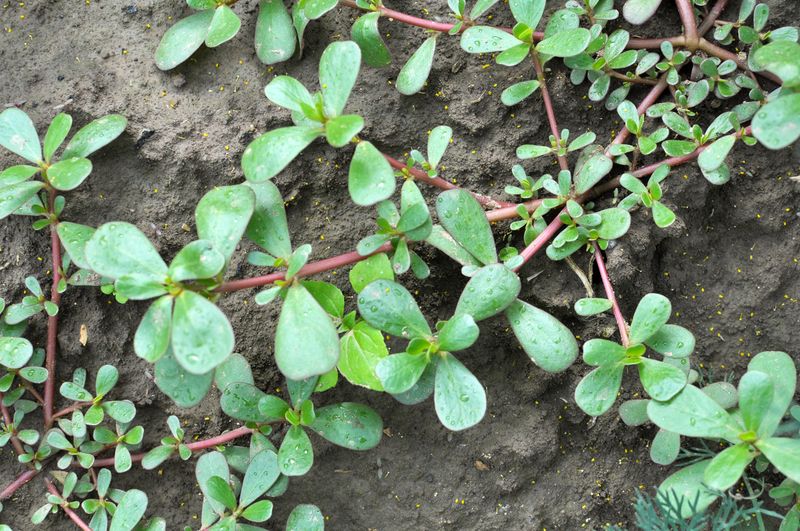
You might yank purslane out of your garden bed without a second thought. Yet a 1992 study measured more of a plant omega-3 called ALA in its purslane leaves than in its spinach leaves.
That result comes with some big fine print, and it does not mean every purslane plant in your yard beats your spinach. Here is how to tell what you have, what the science really says, and how to handle it safely if you decide to eat it.
First, make sure the weed is purslane
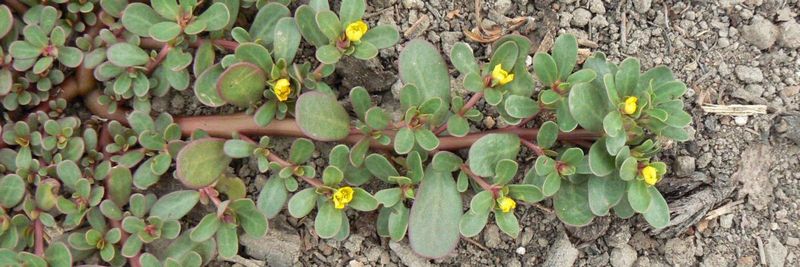
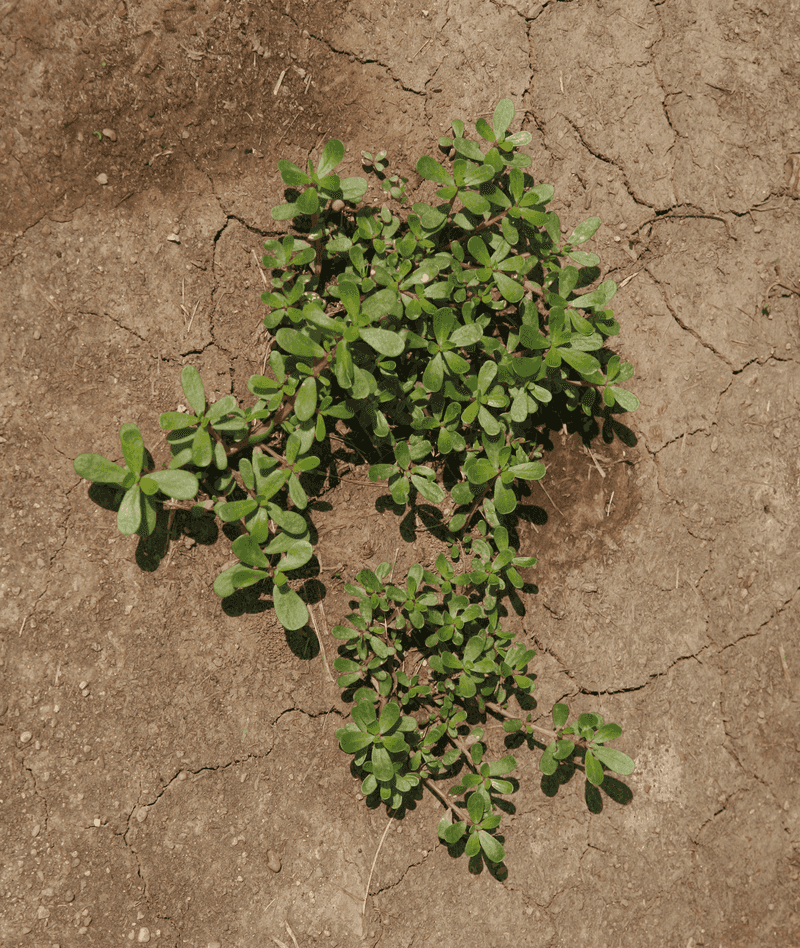
Look down at the ground-hugging mat in your garden path. Common purslane (Portulaca oleracea) grows low and spreads outward like a flat green star.
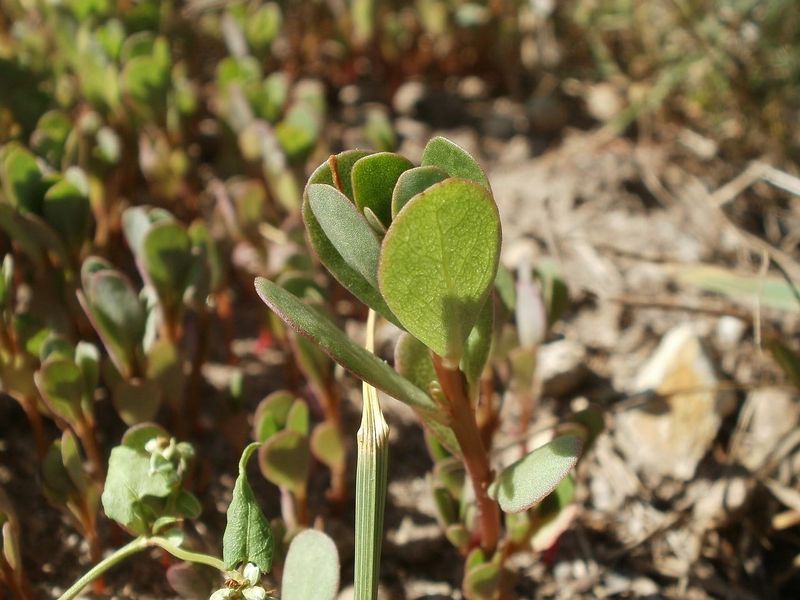
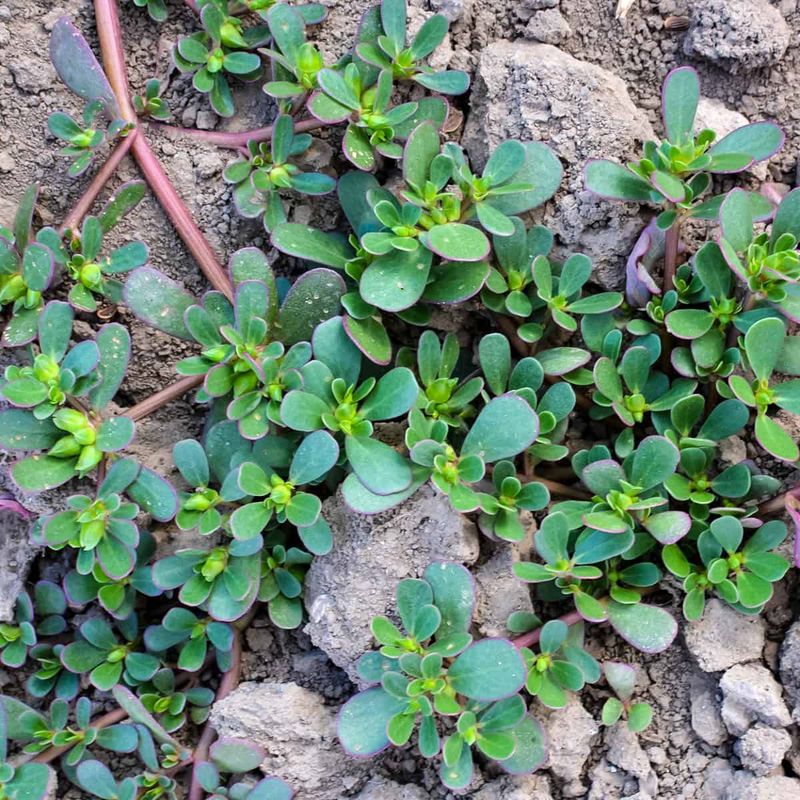
Its leaves and stems are thick, smooth, and fleshy, the stems are often reddish, and it opens small yellow flowers.
Before anything else, plant identification comes first. UF/IFAS Extension advises positively identifying purslane before you eat it and harvesting only from pesticide-free areas.
A plant that merely looks similar from a distance does not qualify.
The most common look-alike is spotted or prostrate spurge, another low, sprawling weed. Mississippi State Extension points out that spurge has milky white sap, while purslane’s sap is clear.
Snap a stem and see what oozes out.
Treat that sap test as one clue, not the whole answer. A plant can pass one check and still be something else, so look at the leaves, stems, flowers, and growth habit together.
If you cannot name the plant with confidence, leave it uneaten and pull it out like any other weed.
That gap between “possibly edible” and “safe to harvest” is the thread that runs through the rest of this article. Identification is step one, and the site where it grows matters just as much.
Its drought defenses start with water storage
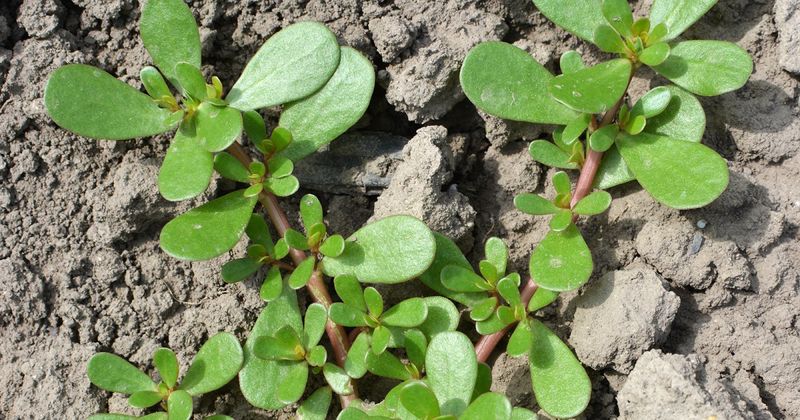
Squeeze a purslane leaf and you will feel how plump it is. According to Cornell’s weed profile, common purslane stores water in succulent leaves and stems.
That built-in reservoir helps it ride out dry spells that wilt many neighbors.
There is also a trick happening inside the leaves. In a study of purslane under natural conditions, well-watered plants relied on C4 photosynthesis, a efficient way of capturing carbon dioxide in hot, bright weather.
When drought hit, the plants showed limited CAM activity. CAM is a water-saving style of photosynthesis in which a plant takes in carbon dioxide at night, when less water escapes through its pores.
Think of it as a backup mode that switches on only under certain conditions, and only partly.
Put together, thick tissues and a flexible way of handling carbon help purslane cope with dry conditions. That does not make it drought-proof.
Plants in the experiments still felt the stress, and a purslane patch in a long, hot dry stretch can still shrivel.
Notice what this section leaves out: fats. Water storage and CAM-like activity are one line of evidence about drought.
Nothing here ties them to the plant’s ALA content, so keep those two stories separate in your mind.
What the spinach comparison actually measured
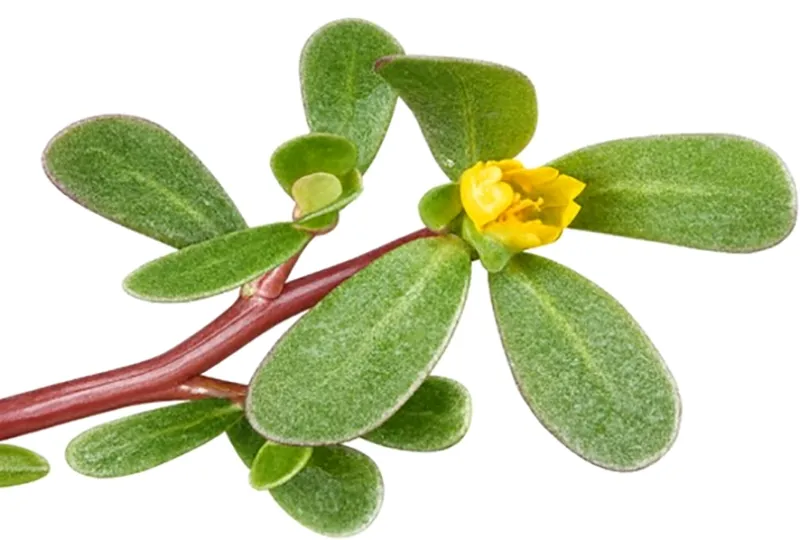
Numbers first. A 1992 study, Common purslane: a source of omega-3 fatty acids and antioxidants, compared purslane and spinach leaves and found more alpha-linolenic acid (ALA), a plant omega-3, in both wild and growth-chamber purslane.
A later review, a purslane nutrition review, reproduces the fresh-weight figures: 3.22 to 3.41 milligrams of ALA per gram for purslane, versus 0.48 milligrams per gram for spinach.
Those are measurements from particular samples. They do not promise that the purslane by your tomatoes holds more ALA than the spinach you planted.
Nutrient levels in purslane shift with plant part, growing conditions, and harvest stage, and other studies report a lot of variation.
The comparison also covers one nutrient per gram of fresh leaf. It does not rank the plants on overall nutrition, and it says nothing about how much of either you would eat in a real serving.
Spinach has its own strengths, and this study did not weigh them.
A fair way to say it: in those samples, purslane leaves carried a lot more ALA than spinach leaves did. That is interesting and worth knowing, but it is a starting point for curiosity rather than a reason to rip out your spinach bed.
ALA is not the whole omega-3 story
Omega-3 is a family of fats, and its members do different jobs. ALA is the plant version, found in foods like flaxseed, walnuts, and, as the study showed, purslane.
EPA and DHA are long-chain omega-3s found mostly in fish and seafood.
The NIH Office of Dietary Supplements treats ALA as distinct from EPA and DHA. Your body can convert some ALA into those longer fats, but only to a limited extent, so the three are not swappable gram for gram.
That is why the purslane result has a narrow meaning. The study measured ALA.
It did not measure EPA or DHA, and it did not show that eating purslane gives you the same thing fish does.
It also did not test any health outcome. A plant having a nutrient in its leaves is not proof that eating it treats inflammation, prevents disease, or replaces fish or EPA and DHA in your diet.
Those are different questions that need different kinds of research.
None of this makes ALA a throwaway. It is a real dietary omega-3, and a leafy source of it is a pleasant surprise from a garden weed.
Just keep it in its lane: a plant omega-3 worth noticing, not a stand-in for the long-chain kind.
Drought can affect composition, but it does not prove cause
Here is where the “survival fats” idea comes from. In a 2015 to 2016 field experiment in Iran, leaf omega-3 rose by about 34% under the study’s water-stress treatments.
Over the same period, grain yield dropped by roughly 21 to 23%.
Both results belong to that experiment. Its soil, climate, treatments, and fertilizer plans were its own, so a home garden might behave differently.
Do not expect a dry July to boost the omega-3 in your backyard purslane.
What the study does show is that stress can change a purslane plant’s composition and cut its yield in that setting. That fits with a possible stress-related shift in ALA.
It is a finding about the plant’s chemistry under tough conditions.
It is a separate matter from the drought physiology covered earlier, like water storage and limited CAM activity from the natural-conditions study. One line of evidence describes how the plant handles dry weather.
The other describes what fatty-acid levels did when water was short.
Neither one shows that ALA is what makes purslane resilient. The fats rose and the yield fell, but nobody demonstrated that the fats did the protecting.
The tidy “armor” story is a fun image, not a proven mechanism.
Harvest only what you can identify and handle safely
Ready to taste it? Start with the ground rules.
Be sure you have common purslane, and pick only from spots where you know pesticides and herbicides are not a concern, as UF/IFAS advises. A roadside strip or a lawn treated with weed killer is not the place.
Back in the kitchen, rinse the stems and leaves thoroughly under running water. FDA guidance says to skip soap, detergent, and commercial produce washes.
Rinsing reduces some bacteria but does not eliminate them, so it is a good habit rather than a guarantee.
Purslane also contains oxalate. Published estimates vary, and one review reports figures of 671 to 869 milligrams per 100 grams of fresh weight.
If you have had kidney stones, there is no one-size rule to eat it or avoid it. NIDDK notes that diet advice depends on your stone type and circumstances, so ask a health professional about oxalate before making purslane a regular dish.
A weed can be edible and still not be safe to harvest from a given spot. Your garden’s best salad ingredient is the one you can name, trust, and wash well.