
Fig Tree Leafy but No Figs? Check Your Fertilizer First
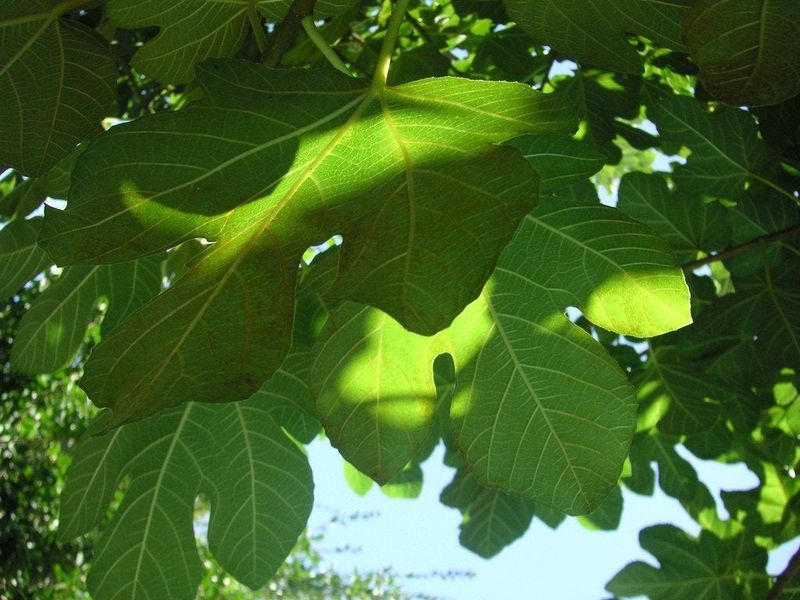
A fig tree with big, glossy leaves and long, strong branches looks like a success story. Then summer ends and there is not a single fig to pick.
Many things can hold back fruit, but one common lead is easy to check without buying anything. Here is how to look at your own tree and sort out the likely causes.
A leafy fig makes nitrogen worth checking
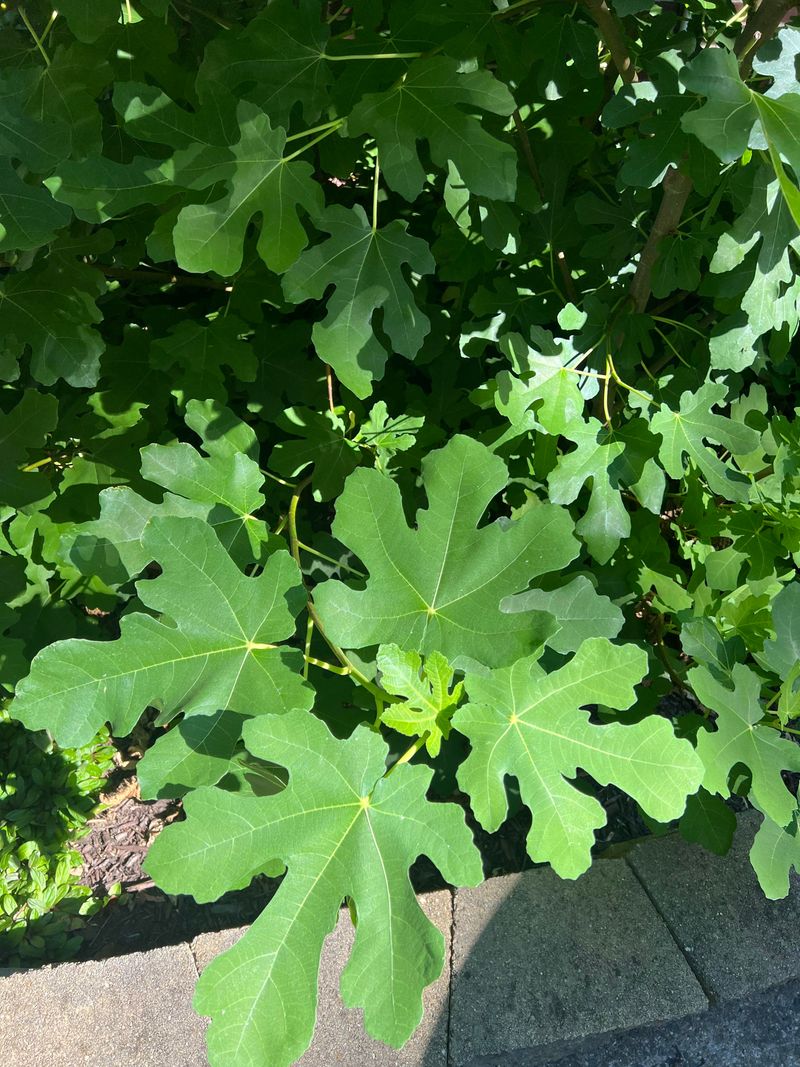
Picture a fig that grows like it has something to prove. The leaves are huge, the shoots stretch long, and new branches keep appearing.
Yet there is no fruit anywhere.
That pattern makes excess nitrogen a sensible first lead. Nitrogen pushes plants to make leaves and stems, and UC IPM lists too much nitrogen among the causes of figs with little or no fruit.
When a tree gets plenty of it, energy can go into growth instead of a crop.
A lush look alone cannot prove the cause, though. A young tree, a shady spot, or dry soil can all produce a tree that looks fine and still skips fruit.
Think of nitrogen as the first clue to follow, not a verdict.
So start with a simple question: has this tree been fed a lot? Think back over the last year or two.
Did you use a general garden fertilizer, compost piles dumped at the base, or manure? Did a lawn feeding ever spread across the roots?
If the answer is yes, you have a real lead. If the answer is no, you have just ruled something out, which still helps.
Either way, the next step is a careful look at what has been going on around the trunk, and that is where the next section picks up.
Review fertilizer before adding more
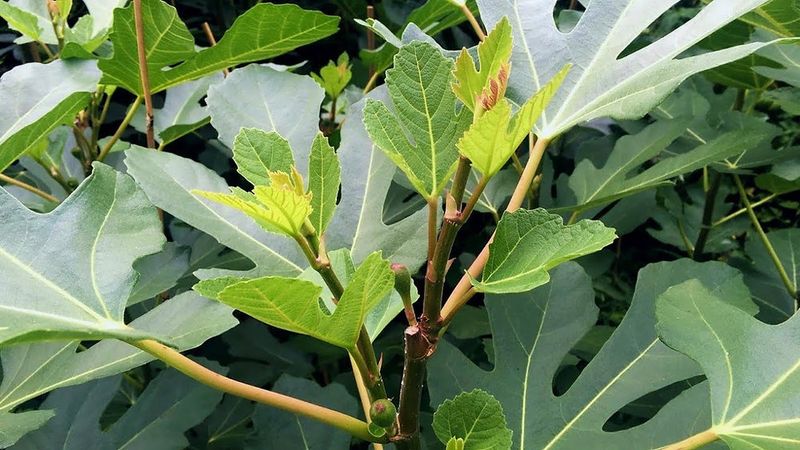
Grab a notebook and list everything the tree has been given lately. Count the bagged fertilizer, compost, manure, and any feeding you did for nearby plants.
Lawn fertilizer deserves a close look. Figs often grow near turf, and their roots reach well past the branches, so a high-nitrogen lawn feeding can end up in the fig’s root zone.
UC IPM’s nitrogen excess page explains how too much of it can cause lush growth and trouble with fruiting.
If the tree is growing very vigorously, the advice from UGA Extension is to stop fertilizing it. UC IPM also suggests feeding figs sparingly, and its fig drop and no fruit guide says the same about excessive vigor.
Resist the urge to add something because the tree has no figs. More fertilizer can make a leafy tree leafier.
A bloom booster sold for flowers is not a proven fix here either, and fig flowers are not the kind you can spot anyway.
There is no single schedule that suits every yard, so keep it simple. Pause feeding, watch how much the shoots grow, and see how the tree responds over a season.
Pausing is low risk, but it will not promise a crop by itself.
Age and variety can affect fruiting
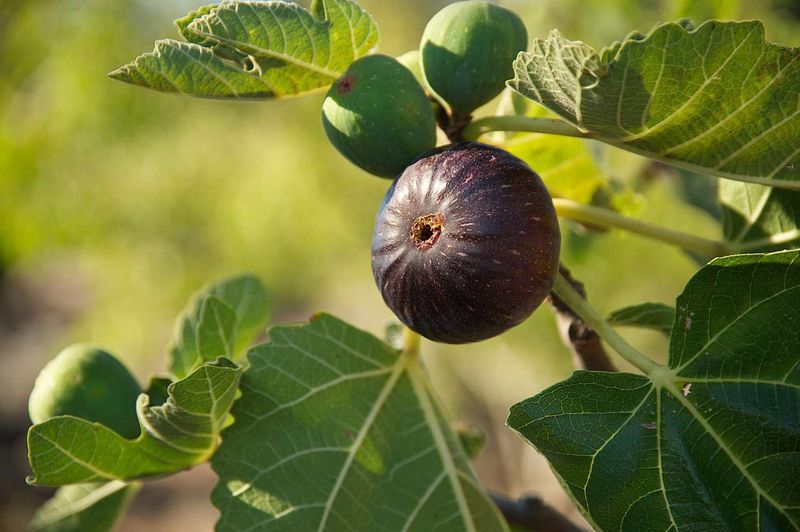
Sometimes the tree is simply too young. According to UC IPM, figs generally do not fruit before age two, and some take as long as six years.
Count from when the tree was planted or rooted, not from when you bought it.
Next, dig up the variety name. Tags get lost, but a purchase receipt, nursery email, or the person who gave you a cutting may remember.
Some varieties suit cooler summers and short seasons, while others need a long, warm stretch to ripen. Local extension offices and nurseries can tell you what does well in your area, so avoid one-size-fits-all lists.
Many people also worry about pollination. They hear a fig needs a second tree or bees, and they start hunting for a partner plant.
That is not true for every fig. University of Florida IFAS notes that common figs can develop fruit without pollination, though other fig types need specific pollination.
Most backyard figs sold for home gardens are the common kind, so buying a second tree is rarely the answer. If you do not know your type, identifying the variety comes first.
Check sunlight and soil moisture
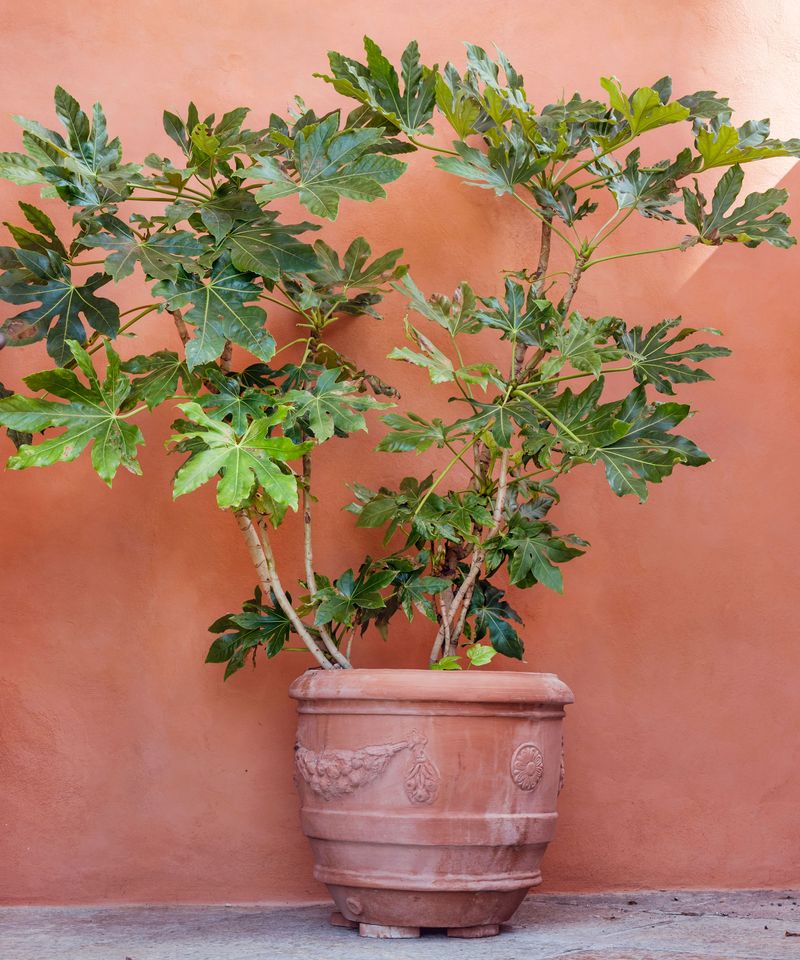
Spend one clear day watching where the sun lands. UC IPM recommends full sun and well-drained soil for figs.
Penn State Extension, in its Pennsylvania guidance, suggests at least eight hours of sun. A fig that has crept into shade from a growing neighbor tree or a new fence may grow leaves happily and still hold back fruit.
Then look at the soil. After a heavy rain, does water sit around the roots for long?
Heavy, soggy ground can stress a tree, and so can bone-dry soil during hot spells. Both too little and too much water can hurt fruit production or cause fruit to drop.
The goal is reasonably steady moisture, not a rule you can copy from a neighbor. Sandy soil dries out fast, clay holds water, and a newly planted tree drinks differently from one that has been in the ground for years.
Stick a finger a few inches into the soil near the tree. If it is dusty and dry, the tree may need a deep drink.
If it is wet and cold days after watering, ease off. Do not stop watering altogether, since dry stress is a problem too.
No fruit differs from fruit that drops
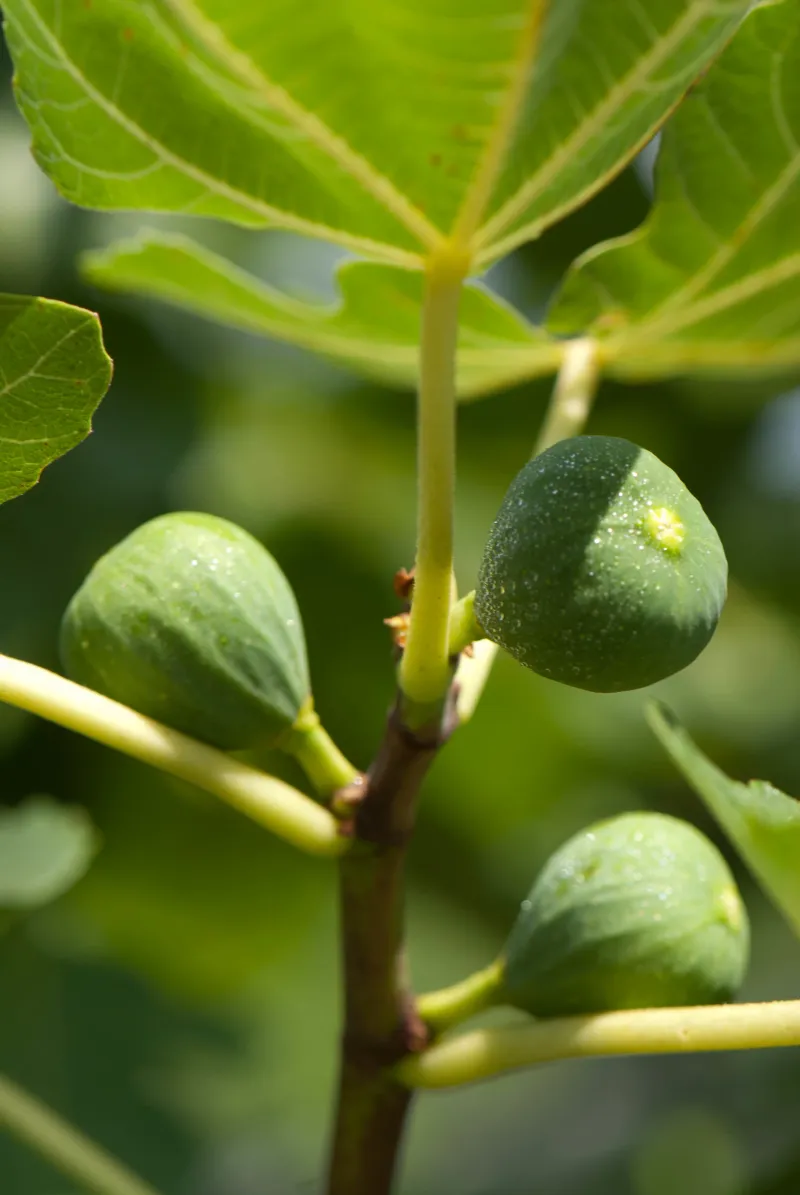
Walk out and look closely at the branches in early summer. Do you see tiny green figs forming at the leaf joints?
If so, your tree is making fruit, and the real question is why it later falls or never ripens.
If you never see any small figs at all, you are in a different situation. Age, fertilizer, and sunlight move to the top of the list, as covered in the earlier sections.
UC IPM also connects fruit drop with moisture problems and some diseases, so uneven watering is a good thing to check if figs form and then fall.
Do not hunt for pretty blossoms. Fig flowers grow inside the developing fig, according to UGA Extension, so a tree with no visible flowers is behaving normally.
It tells you nothing about whether something is wrong.
Where you live matters too. Cold winters can injure wood that would have carried fruit, and a short season may not leave enough time for figs to ripen.
UC IPM’s cultural tips note that cultivars differ in how and when they crop, so winter protection and variety choices should match your area, not a national rule.
Keep notes this year on when figs appear, drop, or stay hard. That record will point you to the right fix faster than guessing.
Make a low-risk plan and reset expectations
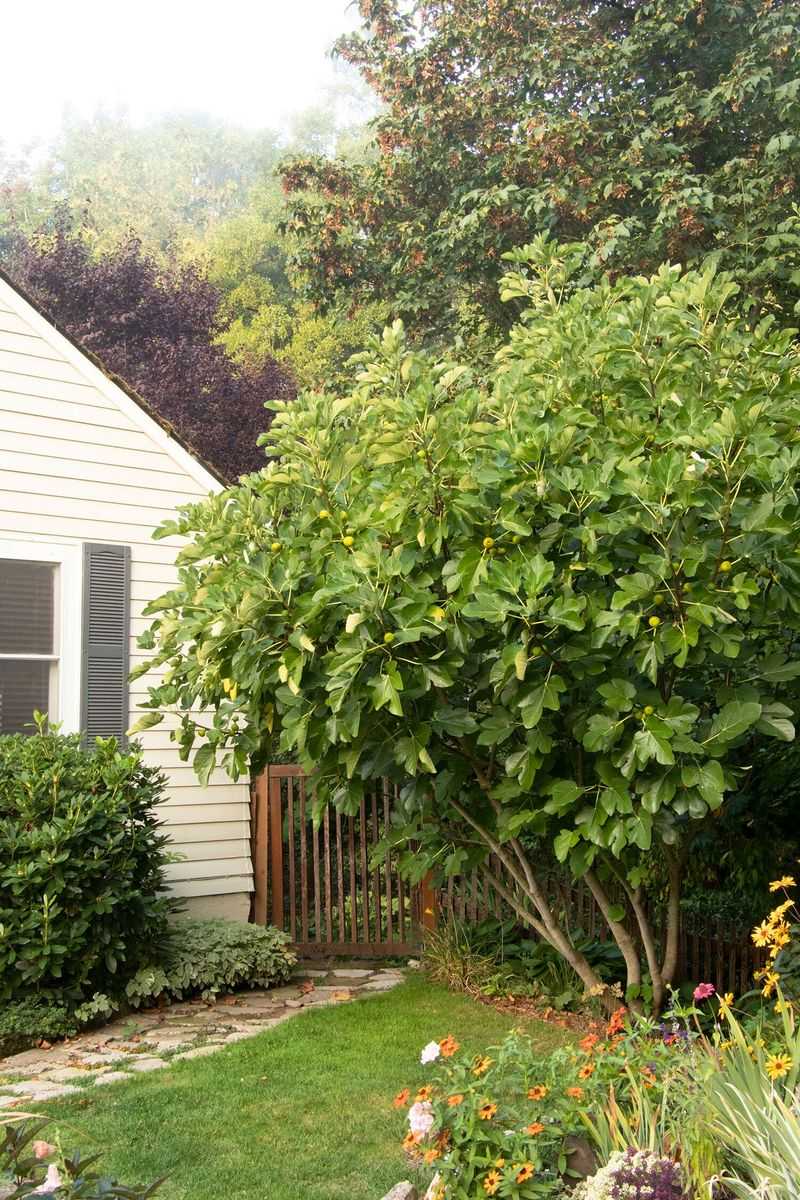
Start with the easiest step: pause fertilizer if the tree is growing very vigorously, and make sure lawn feeding is not reaching its roots. Next, confirm the tree’s age and variety, then check sun and soil moisture through a full season.
None of these steps can guarantee a crop next year. They simply deal with likely causes at little cost and little risk to the tree.
Skip dramatic pruning as a shortcut. UC IPM explains that fruiting depends on the crop and variety, and heavy winter cutting can remove figs on some types.
For more background on why figs fail, see the UC IPM fig drop guide.
A fig that grows well is already halfway there, and patience often does the rest.