
First Frost Warning Tonight? Here’s Which Plants Come Inside, Which Get Covered, And Which Shrug It Off
The weather app just buzzed with a frost warning, and suddenly every plant in your yard looks a little nervous. Some of them will be fine without any help, but a few could turn black and mushy by morning.
The good news is that you only need a few minutes, some old sheets, and a plan to save the ones that matter most. Here is a simple sorting list so you know exactly what to grab, what to cover, and what to leave alone tonight.
1. Geraniums
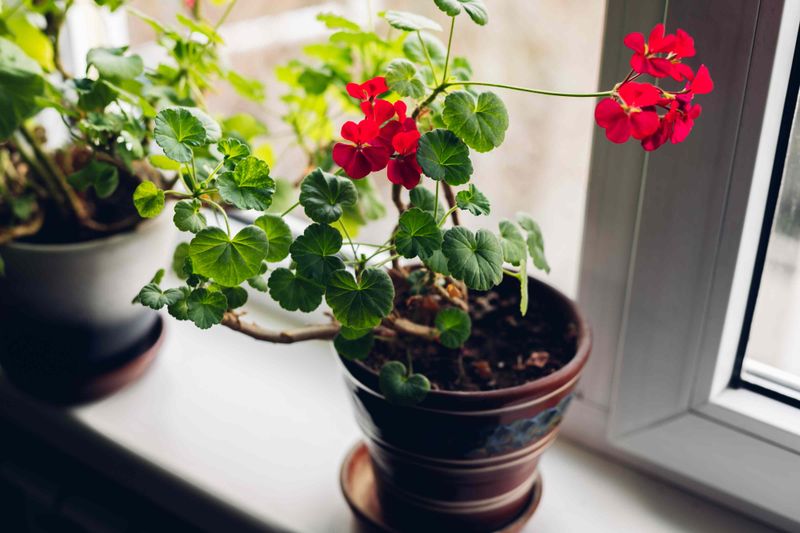
Every fall, someone tosses out a geranium they could have kept for free. Those cheerful red and pink pots on your porch are tender perennials, which means they can live for years if you bring them in before frost hits.
Start by trimming the plant back by about half. Snip off yellow leaves and spent flower stems, then check the undersides of the leaves for aphids or whiteflies so you don’t carry bugs indoors.
If the pot is huge, you can lift the plant, trim the roots a bit, and repot it into the smallest container that fits. Set it in a cool, bright window and water only when the soil feels dry an inch down.
Overwatering in winter is the most common way geraniums fail inside.
Come spring, your saved geranium may bloom earlier than anything you buy at the store.
2. Tropical Hibiscus and Mandevilla
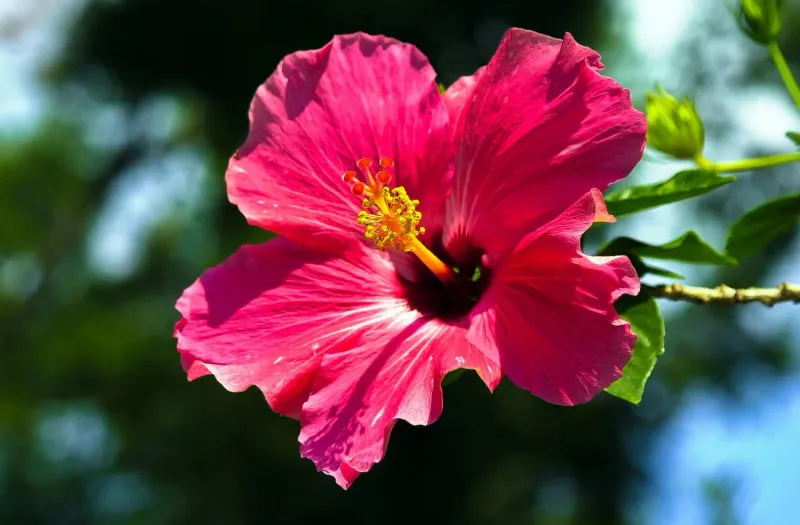
Here’s a surprise for many gardeners: your tropical hibiscus and mandevilla don’t wait for freezing temperatures to get upset. Many tropical plants start to suffer once nights dip below about 50 to 55 degrees, long before any frost forms on the grass.
Signs of cold stress include dropping leaves, yellowing, and buds that fall off before opening. If you’ve already seen a few of those, don’t panic.
Bring the pots in now and give the plant a week or two to adjust.
Hose the leaves gently and inspect for spider mites before moving them indoors. Place them in your sunniest spot, ideally a south-facing window.
Expect some leaf drop as they settle in, which is normal and usually not a sign the plant is dying.
3. Basil and Tender Herbs
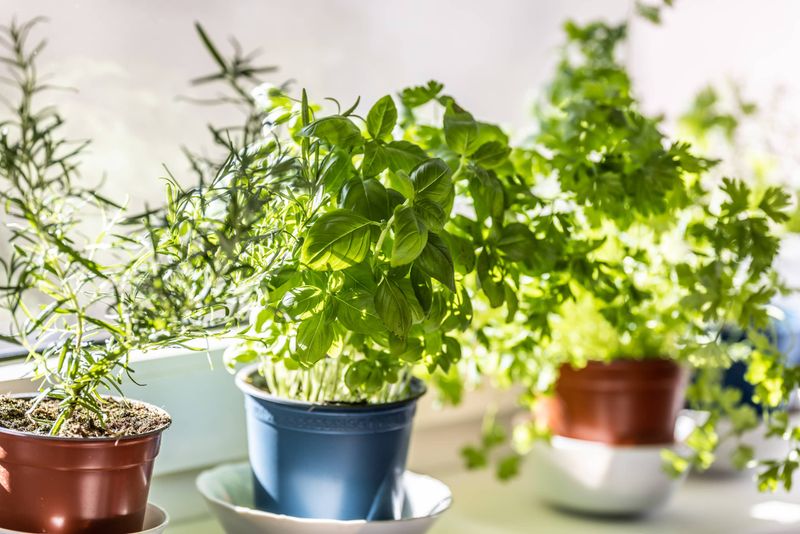
Basil is the drama queen of the herb garden. Leaves can turn black at temperatures just below 40 degrees, so it often goes down before a real frost even arrives.
If your basil is in the ground, harvest it all tonight. Make pesto, freeze leaves in olive oil in ice cube trays, or tuck a few stems in a glass of water on the counter.
Potted basil can come inside to a sunny window, though it may sulk for a while.
Rosemary, lemongrass, and potted bay trees also deserve a spot indoors in colder regions. Rosemary handles a light chill better than basil, but a hard freeze can finish it off in many northern areas.
Keep it in bright light and let the soil dry slightly between waterings.
4. Tomatoes
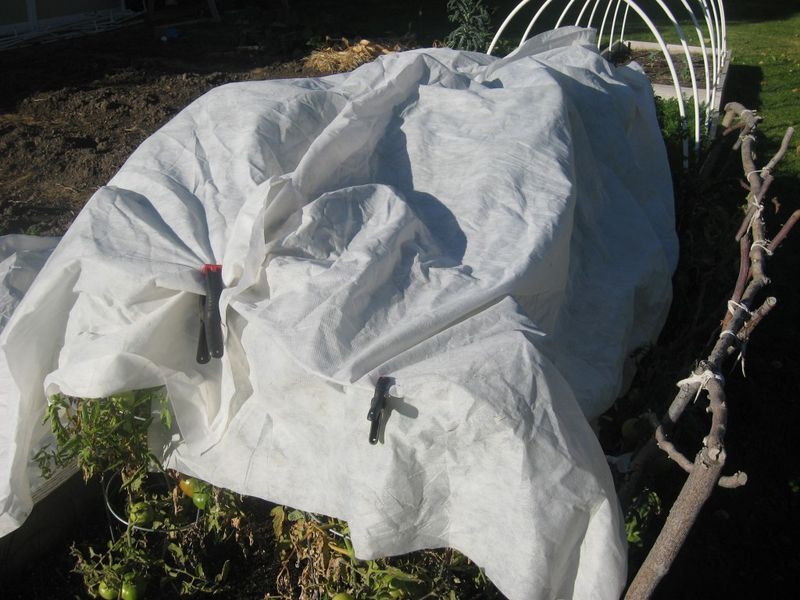
Picture this: a vine loaded with green tomatoes that just needed two more warm weeks. A single light frost can wreck those plants, so tonight is worth a little effort.
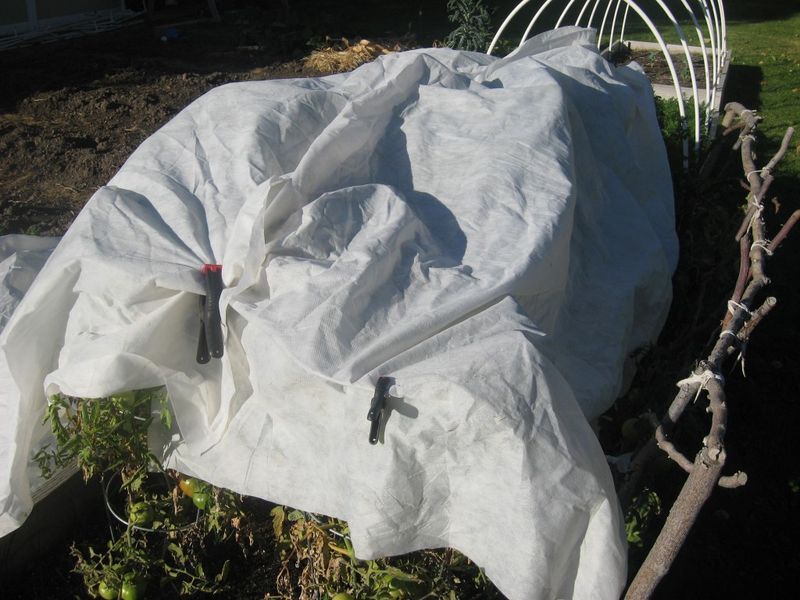
Drape frost cloth, an old bedsheet, or a light blanket over the plants before sunset. Let the fabric reach the ground and weigh the edges with bricks or rocks, since the warmth you’re trapping rises from the soil.
For smaller plants, an upside-down bucket works great.
Keep the cover from pressing hard on the leaves, because spots that touch the fabric can still freeze. Pull covers off in the morning once it warms up.
If a hard freeze is coming, pick every tomato showing even a blush of color. They’ll ripen on your counter in a paper bag.
5. Petunias
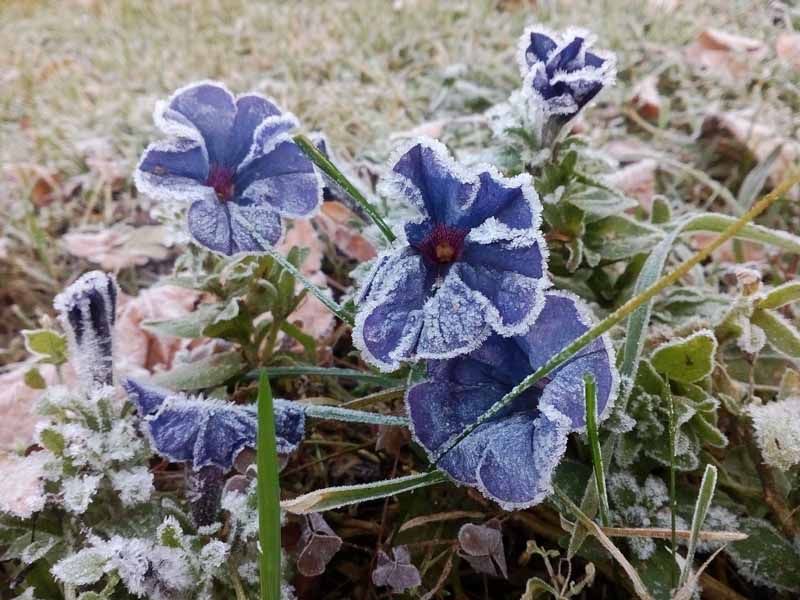
Petunias have a way of looking their best right when the cold shows up. After a long summer, many baskets finally fill out in fall, which makes losing them to one chilly night extra painful.
Hanging baskets and small pots are easy: just carry them into a garage or porch overnight and set them back out tomorrow. Bedding petunias in the ground can get a sheet tossed over them, anchored at the edges.
Gardeners in warm zones 9 to 11 can often keep petunias outside but should cover them when temps drop below about 40 degrees. Farther north, think of covering as a way to buy a few more weeks of color rather than saving them for next year.
A quick trim of leggy stems afterward can push out one last flush of blooms.
6. Mophead Hydrangeas
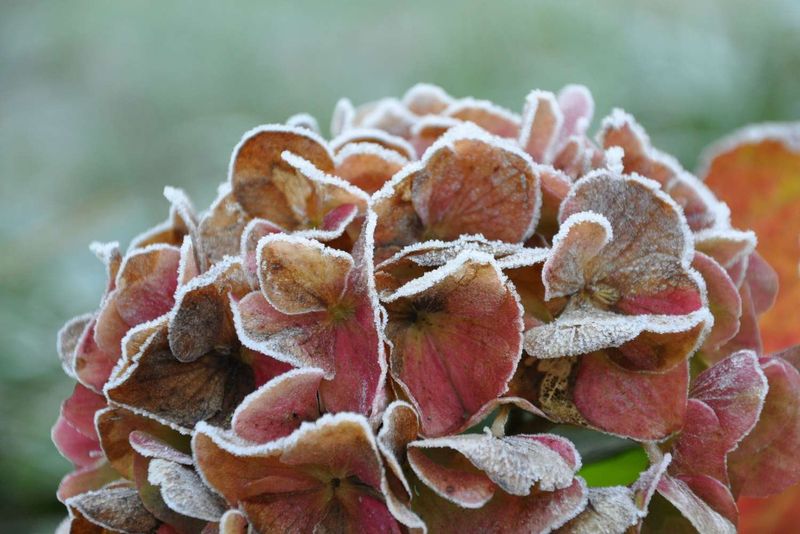
Ever wonder why your hydrangea grew big leaves but zero flowers? An early freeze may be the hidden culprit.
Mophead and lacecap hydrangeas form next year’s flower buds on old wood, and a sudden cold snap can damage those buds.
The plant itself is usually hardy, so this is about protecting future blooms. Throw a frost cloth, burlap, or sheet over young or smaller shrubs before dark, and remove it in the morning.
First-year plants deserve extra attention since they haven’t built up toughness yet.
One big mistake to avoid: don’t prune your mophead in fall. Cutting it back now removes the very buds you’re trying to save.
Leave the old flower heads on too, since they may help shelter the buds through winter.
7. Clematis
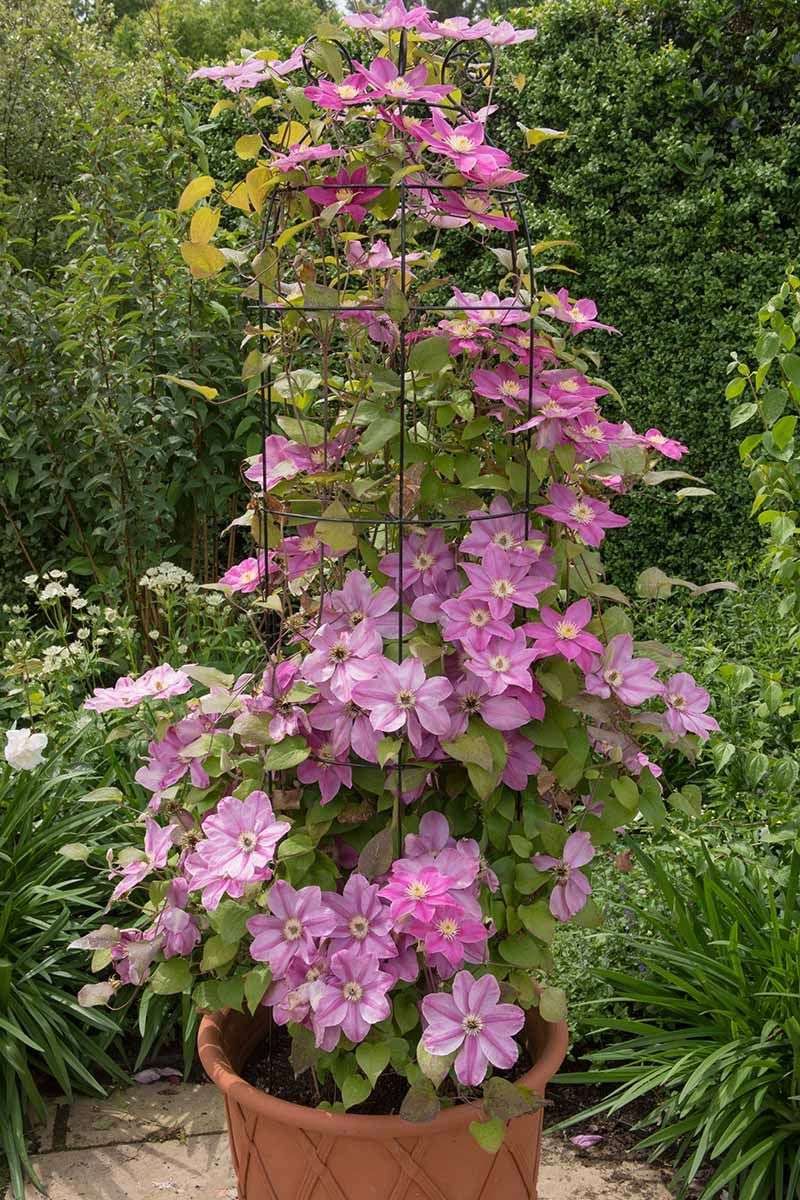
Tough as nails up top, a bit fussy down below. That’s clematis in a nutshell, and its weak point in cold weather is the roots, not the vines.
In-ground clematis usually handles the first frost without help. The real job comes after the ground freezes, when a 4 to 6 inch layer of mulch, like shredded leaves or straw, keeps the roots steady and may reduce frost heaving.
Potted clematis is another story. Roots in a container sit exposed on all sides, so wrap the pot with bubble wrap or burlap, or move it against a sheltered wall.
Don’t worry if the leaves brown up after a frost, since that is normal and doesn’t mean the plant is dead.
8. Peppers, Squash, and Beans
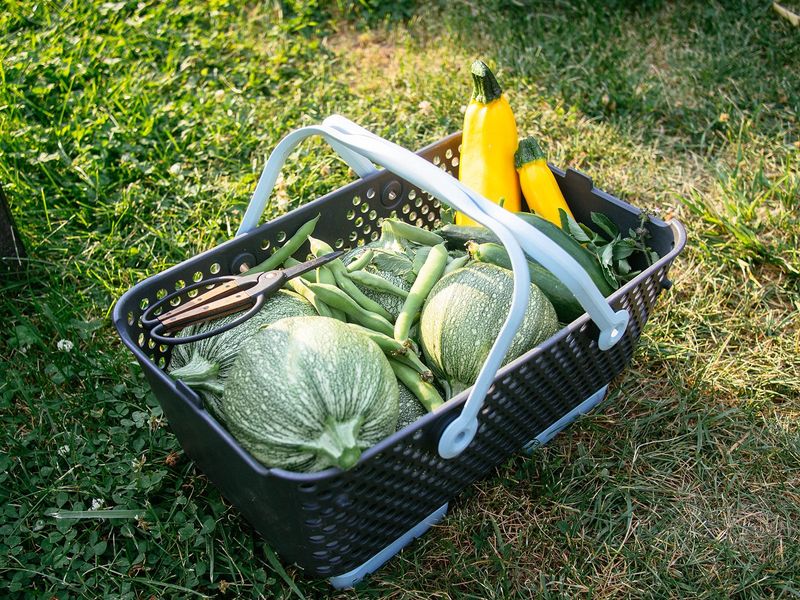
Warm-season veggies like peppers, cucumbers, beans, squash, zucchini, and melons have zero frost tolerance. Even a light frost can turn leaves to mush overnight.
You have two options, and both are fine. Cover them like tomatoes with row cover or sheets reaching the ground, or simply harvest everything usable tonight.
Green peppers are perfectly edible, and small squash still cooks up nicely.
A handy trick: water the soil lightly in the late afternoon. Moist soil holds and releases heat better than dry soil, which may give covered plants a few extra degrees of protection.
9. Pansies, Kale, and Hardy Panicle Hydrangeas
Relax, these guys have got it. Pansies and violas actually enjoy the cold and often keep blooming into winter in milder areas.
Snapdragons, calendula, and established coneflowers also handle a light frost with ease.
In the veggie patch, kale, collards, spinach, carrots, broccoli, and Brussels sprouts can shrug off temps in the upper 20s. Fun fact: frost can make kale and collards taste sweeter, because the cold nudges the plant to turn starches into sugars.
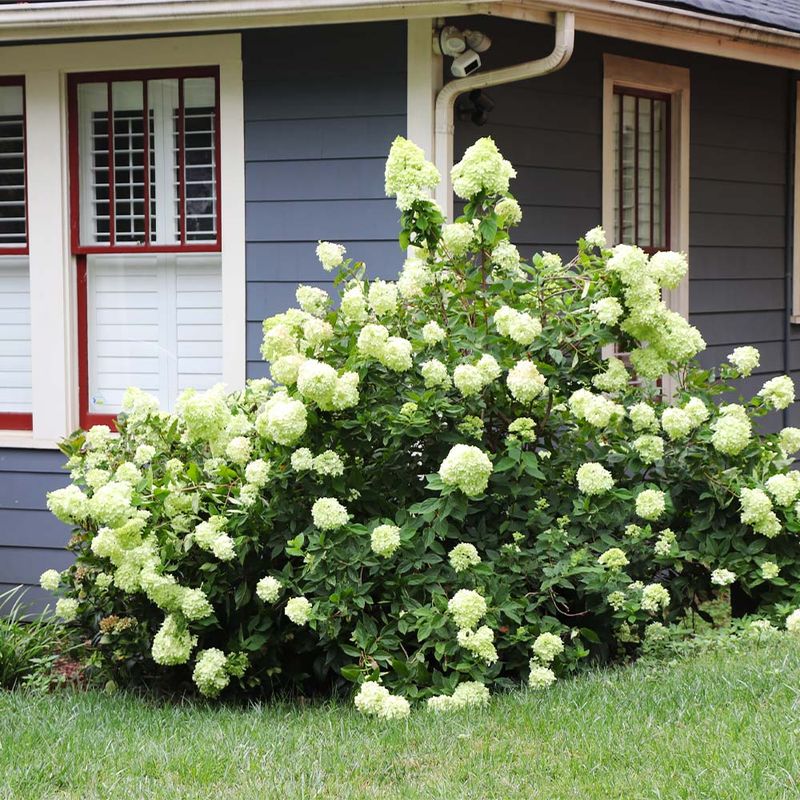
Panicle hydrangeas like Limelight and smooth types like Annabelle bloom on new wood and are famously tough, so they need nothing tonight. Hardy herbs like parsley, chives, thyme, and oregano will be fine too.
Save your sheets for the plants that truly need them, and enjoy a good night’s sleep.