
If Your Last Green Tomatoes Won’t Ripen Before Frost, Here Are 13 Ways To Save Every One
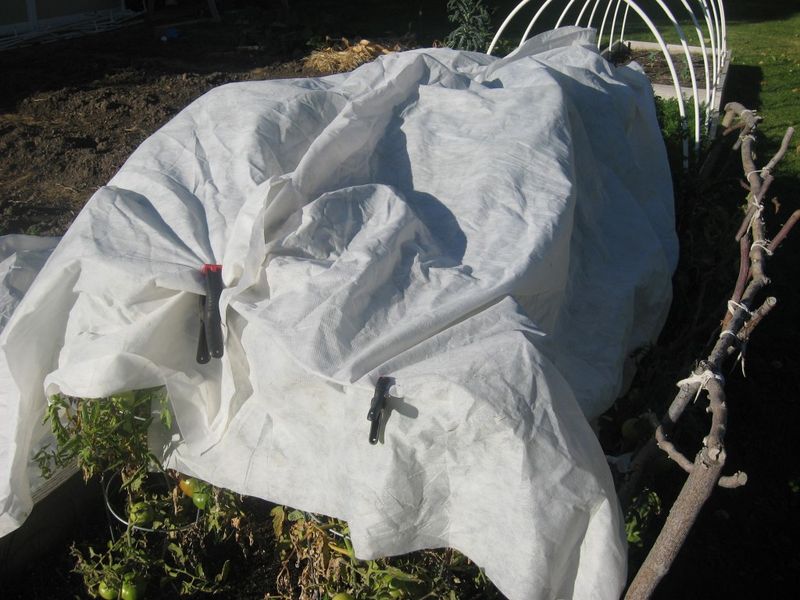
Your tomato plants are still loaded with hard green fruit, and the weather app just showed a frost warning. It feels like a whole summer of work is about to turn to mush overnight.
The good news is that most of those green tomatoes can still turn red, or become something tasty, if you act now. Here are 13 simple ways to rescue every last one.
1. Harvest the Day Before Frost Hits
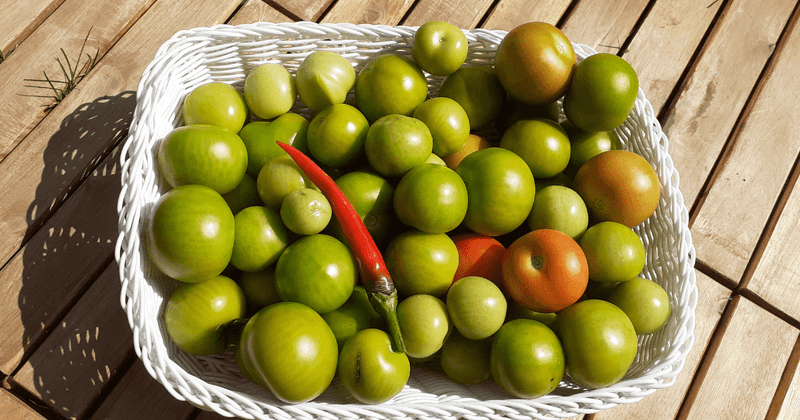
Frost is sneaky. One cold, clear night can turn firm green tomatoes into soft, watery fruit that will never ripen.
Watch your local forecast closely in fall. When a frost is predicted, pick every mature green tomato the day before, ideally in the afternoon when the fruit is dry.
Don’t wait to see if the frost really shows up. A tomato that gets nipped by cold often looks fine at first, then breaks down within a few days on your counter.
2. Sort Ripeners From Kitchen Tomatoes
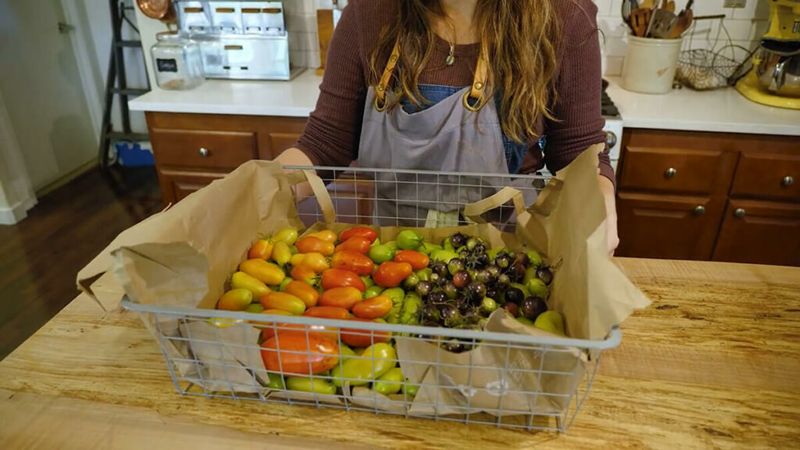
Not every green tomato has the same future. Some are ready to blush red, and others are better headed for the frying pan.
Look for full-sized, shiny fruit with a pale, whitish star at the blossom end. Those are mature greens, and they usually ripen well indoors.
Small, dull, rock-hard tomatoes rarely ripen with good flavor. Set them aside for recipes instead.
Pull off the stems, wipe each fruit gently, and let them dry completely so mold has less of a chance to start.
3. Top Your Vines Two Weeks Early
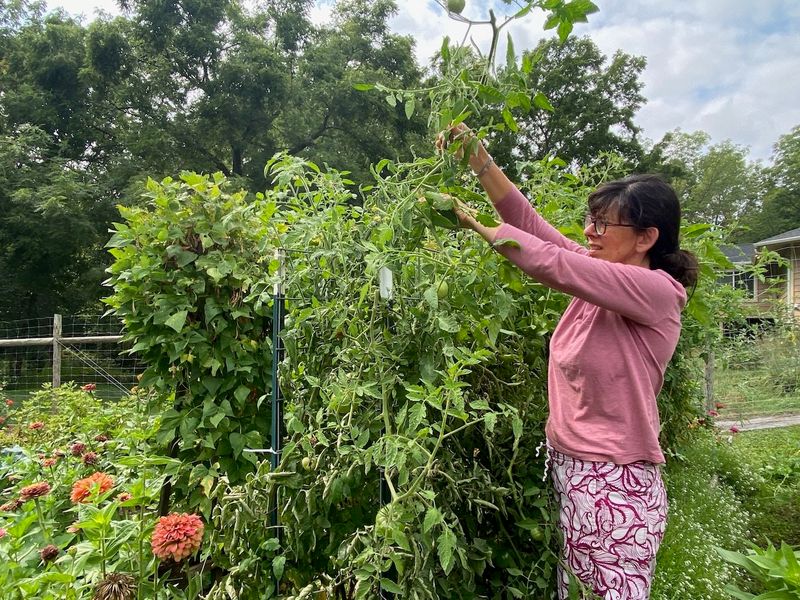
Think of it as telling your plant that summer’s over. Snipping the growing tips sends a clear signal to stop making new leaves and flowers.
About one to two weeks before your expected first frost, cut the top off each indeterminate tomato vine. Remove any brand-new flowers and tiny fruit too, since they won’t have time to mature.
The plant can then put more energy into the tomatoes already hanging there. It’s a small step that may help a few more fruits ripen right on the vine.
4. Spread Them Out in a Single Layer
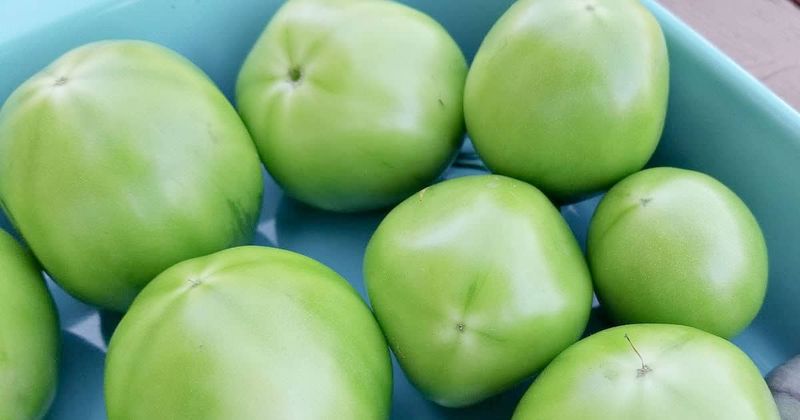
Piling tomatoes in a bucket feels efficient, but one bad fruit can ruin the whole bunch. A single layer keeps trouble from spreading.
Place dry, unblemished tomatoes stem-end up on a shallow tray, shelf, or low box. Leave a little gap between each one so air can move around them.
Some gardeners line trays with newspaper to soak up moisture. Either way, you’ll be able to spot ripe or spoiling fruit at a glance.
5. Tuck a Few Into a Paper Bag
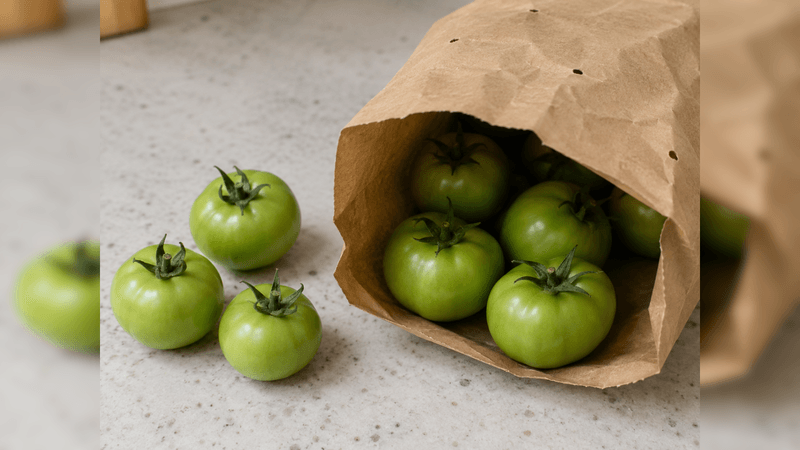
Grandma’s paper bag trick still works. Tomatoes give off a natural gas called ethylene as they ripen, and a bag helps hold it close.
Drop three to five mature green tomatoes into a clean paper bag and loosely fold the top. Skip plastic, which traps moisture and invites rot.
Check the bag every day or two. This method shines for small batches when you just want a few red tomatoes for sandwiches.
6. Add a Banana or Apple Helper
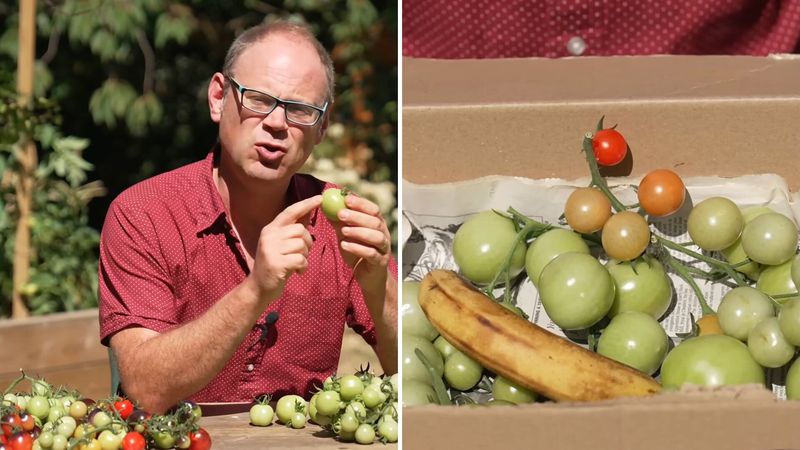
Here’s a fun bit of kitchen science. A ripe banana is basically an ethylene factory, and your green tomatoes will happily borrow some.
Slip a ripe banana, apple, or already-red tomato into the bag or box with your greens. The extra ethylene can speed up ripening by a few days.
Swap the helper fruit out once it gets overripe. It’s an easy boost that costs nothing if you already have fruit on the counter.
7. Keep Them Warm, Not Sunny
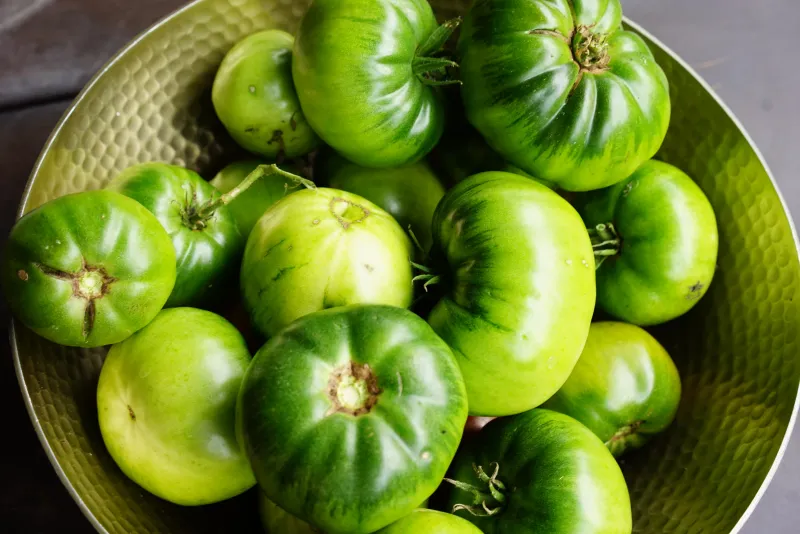
Most folks line tomatoes up on a sunny windowsill. It seems logical, yet warmth matters far more than light for ripening.
Aim for room temperature, around 65 to 70 degrees F. Direct sun can overheat the fruit, leaving it shriveled or unevenly colored.
A kitchen cabinet top or a spare room shelf works nicely. Cooler than 50 degrees, and ripening may stall or flavor can suffer.
8. Slow Things Down for Later Eating
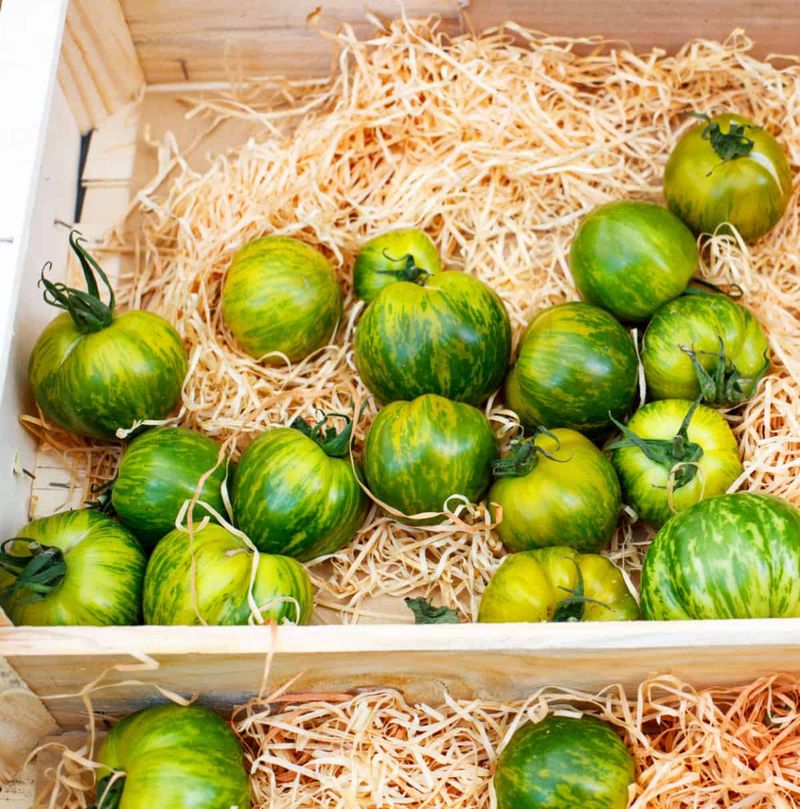
Want homegrown tomatoes at Thanksgiving? Slowing the ripening clock can stretch your harvest for weeks.
Store sorted green tomatoes in a cool, dark, frost-free spot like a basement or attached garage, ideally between 50 and 60 degrees F. At these temps they ripen gradually instead of all at once.
Whenever you need a few, bring them into a warmer room. In about a week they’ll usually color up, giving you a steady trickle instead of a counter flood.
9. Hang Whole Plants Upside Down
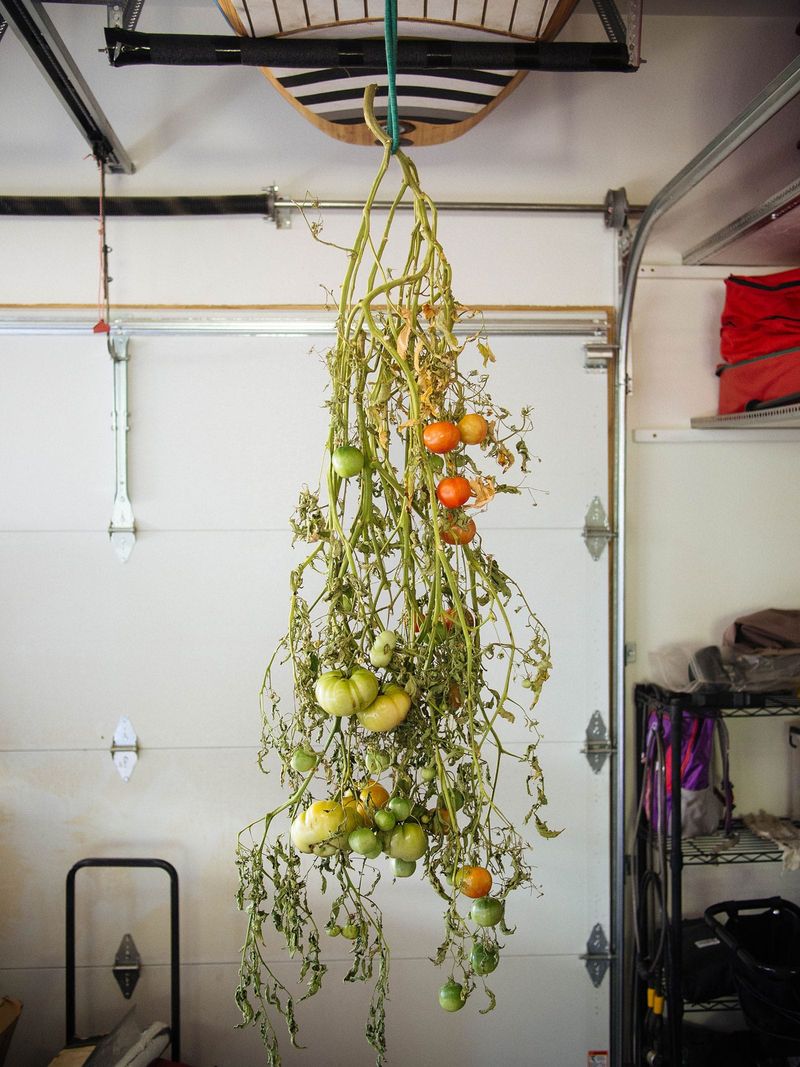
Picture a garage rafter dangling with tomato vines like old-fashioned drying herbs. It looks quirky, but gardeners have done this for generations.
Before frost, pull up healthy plants loaded with green fruit and shake off the soil. Hang them upside down in a cool, sheltered spot like a garage or shed.
The fruit ripens slowly while still attached. Lay down a tarp, because leaves will drop, and only use disease-free plants.
10. Check Your Stash Every Few Days
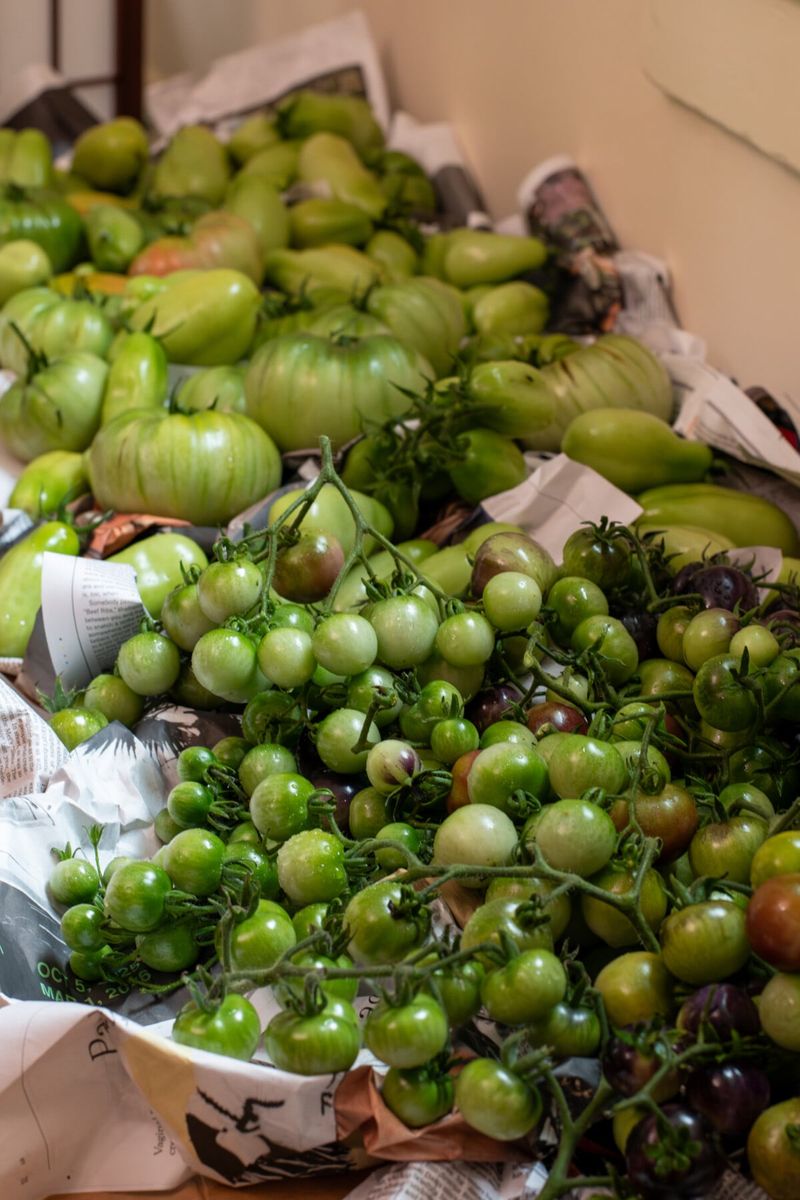
Out of sight really can mean out of mind. Tomatoes tucked in a basement are easy to forget until you smell a problem.
Every two or three days, look over your fruit. Pull out ripe ones to enjoy, and toss anything soft, leaking, or fuzzy with mold right away.
One rotten tomato can spoil its neighbors quickly. A quick five-minute check protects all the work you put into saving them.
11. Water the Soil Before Sunset
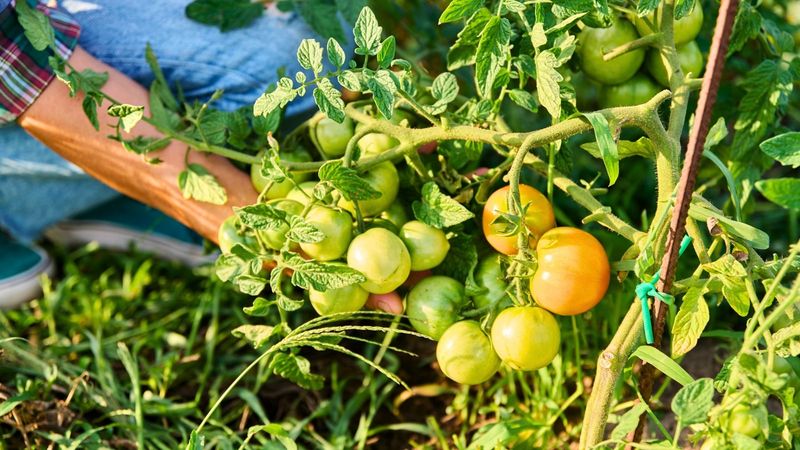
Moist soil acts like a little heat battery. It holds warmth during the day and releases it slowly overnight.
When a light frost is coming, water the ground around your plants deeply in the afternoon or before sunset. Dry soil loses heat much faster.
This won’t save plants from a hard freeze, but it can reduce damage on borderline nights. Pair it with a cover for better results.
12. Throw a Sheet Over Them
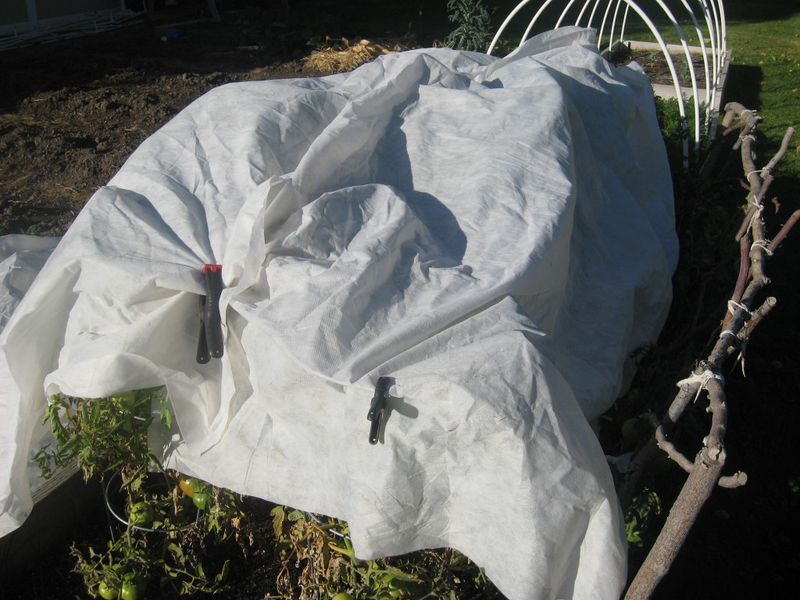
Old bedsheets finally have a job. A simple cover can buy your tomatoes several extra days of growing time.
Drape plants with sheets, blankets, burlap, or frost cloth in the evening, letting fabric reach the ground to trap soil heat. Tomato cages make a handy frame.
Avoid plastic touching leaves, since it can transfer cold. Remove covers the next morning once temperatures rise so plants don’t overheat.
13. Cook Up the Stubborn Ones

Some tomatoes just refuse to turn red, and that’s okay. Green tomatoes have a tangy bite that’s delicious in its own right.
Slice them for classic Southern fried green tomatoes, or blend them into salsa verde. They also make great relish, chutney, and pickles.
Small, immature fruit works perfectly here. Nothing goes to waste, and you’ll have a jar of summer to open in winter.