
Do Bats Really Eat Thousands of Mosquitoes a Night? What Research Says About Your Backyard Bats
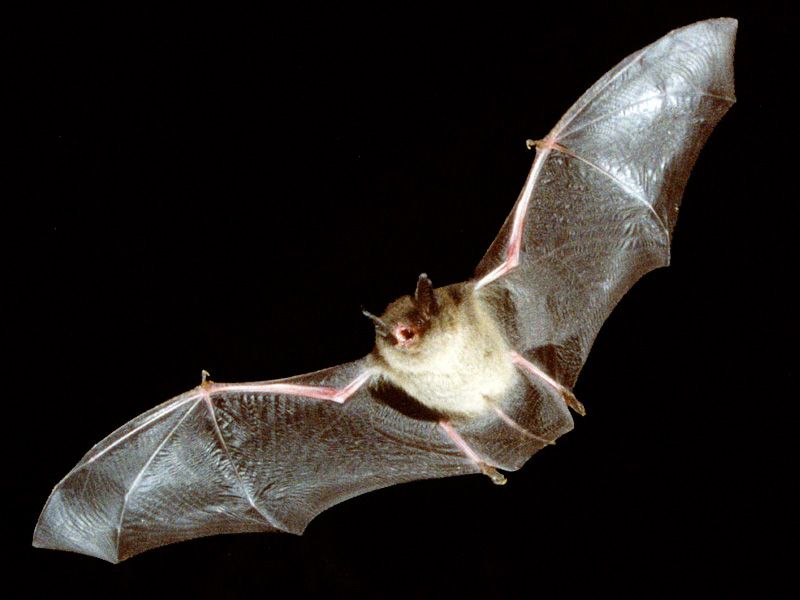
Watch a bat flicker across the sky at dusk and it is easy to imagine it vacuuming up your mosquitoes. You may have heard that one bat eats thousands of them every night.
That number gets repeated a lot, but the research tells a more careful story. Here is what scientists have actually found, and what you can do about bites in your own yard.
A brief laboratory observation does not establish a nightly rate
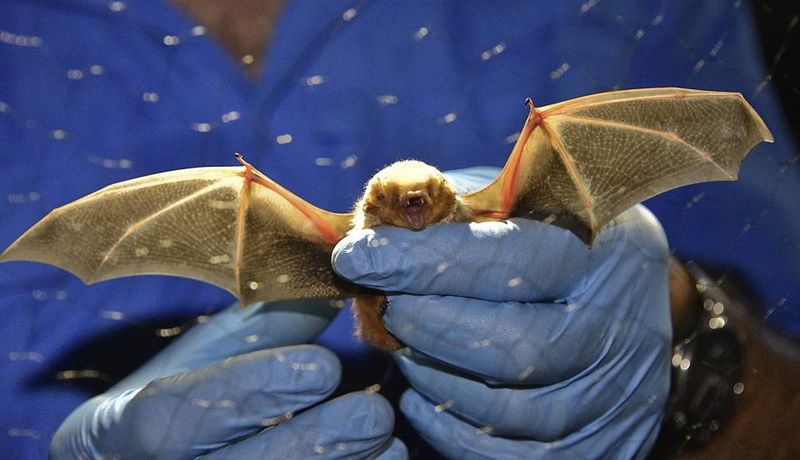
Ask where the big mosquito numbers come from, and a 1960 laboratory study often comes up. In that 1960 study, researchers reported that some bats caught as many as 10 mosquitoes per minute for several minutes.
The bats were in a room where mosquitoes were available.
That is a short burst, measured in a captive setting. Mosquitoes were easy to find, there was no weather, and there were no owls or other hazards to worry about.
The study is sometimes cited when people talk about the thousands-per-night claim, but it reported a brief feeding rate and nothing more.
Here is why the math falls apart. Take a rate seen over a few minutes and stretch it across an entire night, and you get a very large number.
But a wild bat does not stay in a cloud of mosquitoes for hours. It travels, rests, hunts different insects, and finds food that is thinner and more scattered than a lab room.
A practical example helps. If you timed yourself eating cookies at a party for five minutes, you would not conclude you eat that many cookies every day.
The same caution applies to bats. Researchers at the University of Wisconsin-Madison also point out in their review of bats and mosquitoes that this kind of captive observation does not tell us what bats eat in your yard.
So the lab result is a real observation, just a small one. It shows that bats can catch mosquitoes quickly under the right conditions.
It does not give us a nightly total for a wild bat.
Field studies confirm that some bats eat mosquitoes
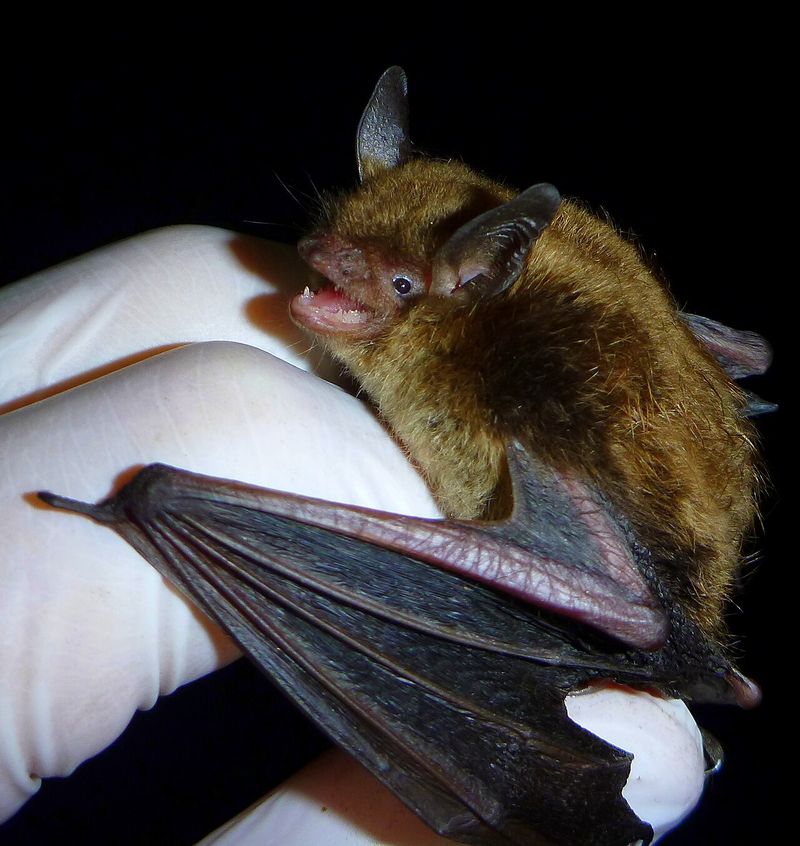
Out in the field, scientists take a different approach. They collect droppings from wild bats and look for traces of the insects those bats ate.
The results show that mosquitoes really are on the menu for some bats.
In Wisconsin, researchers screened fecal samples from little brown and big brown bats at 22 sites. According to the study record, mosquito DNA turned up in 71.9% of little brown bat samples and 33.3% of big brown bat samples.
Those numbers describe the samples tested for those two species, not every bat everywhere.
A study in the southeastern United States found similar evidence of mosquito eating. The researchers identified 17 mosquito species in 180 guano samples from three bat species.
Several of those mosquitoes can carry arboviruses, which are viruses spread by insect bites.
Notice what is missing from both results. Neither one gives a count of mosquitoes eaten per bat or per night.
They show that bats ate mosquitoes, and in the southeastern study, which kinds. The authors of that study said more research is needed to understand what bat feeding means for mosquito numbers or public health.
So the fair summary is this: yes, some wild bats eat mosquitoes, sometimes often enough to show up in many samples. That is a solid finding.
It just stops short of a nightly total.
What mosquito DNA in guano can—and cannot—tell us
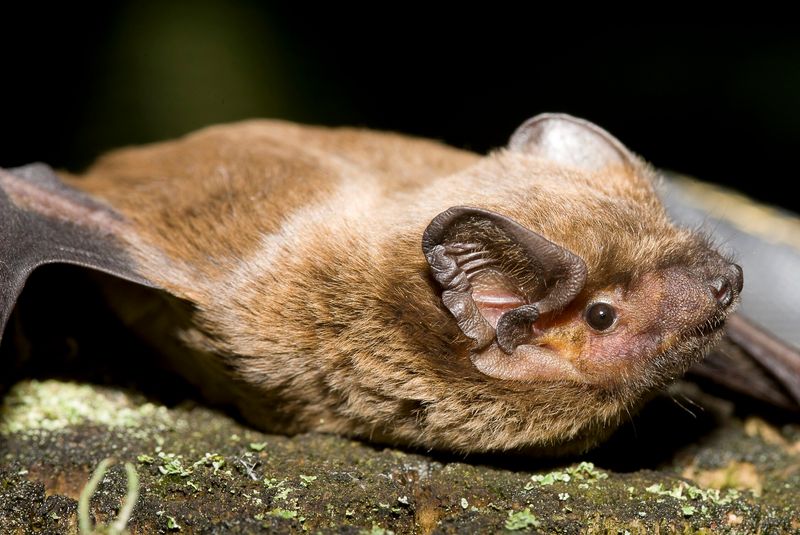
Finding mosquito DNA in bat droppings is a bit like finding a candy wrapper in a trash can. It proves someone ate candy.
It does not say how much, or how much of the day’s food it made up.
That is the key limit of DNA diet studies. They can show that a bat ate a certain prey, but they do not measure how many were eaten or what share of the total diet they were.
In the Wisconsin work, the number reported is how often mosquito DNA showed up in the samples tested. A high rate of detection is not the same as a high share of the diet.
The same goes for the southeastern study. It documented which mosquito species appeared in guano, which is useful.
But that research does not show fewer mosquitoes around homes or fewer bites because bats are nearby.
Place and species matter too. In a study of five Australian bat species, mosquitoes were found in only two of the smaller species sampled.
The authors also cautioned that the detection method could not tell how many mosquitoes were eaten.
That Australian study is helpful as a picture of how much diets can vary. It is not an estimate for bats in a U.S. backyard.
For the same reason, be wary of any single figure, like a neat 1% of the diet, offered as if it applied to every bat. Studies differ in species, location, and what they measure.
Mosquitoes are one part of a varied insect diet
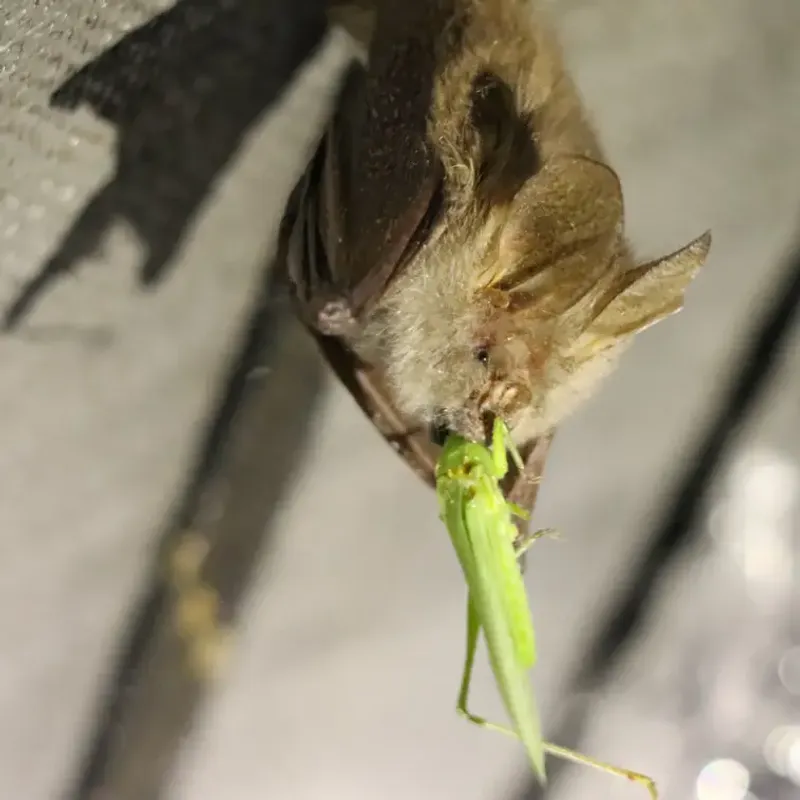
Moths, beetles, and flies top the list of insects commonly eaten by bats in the United States, according to University of Florida IFAS Extension. Mosquitoes are on a bat’s menu, but they share the table with plenty of other bugs.
Many of those are bigger, meatier, and easier to catch.
A real example comes from Wisconsin. In a sample of little brown bat droppings, moths were much more common than mosquitoes, as described by University of Wisconsin-Madison mosquito researchers.
That finding belongs to that sample. It is not a universal diet share for all bats.
Why would diets differ so much? Bat species have different sizes, hunting styles, and favorite spots.
One may work along a forest edge, another over open water. What insects are flying that week, and where, also changes the answer.
For a backyard watcher, the takeaway is practical. A bat flying over your patio may be after moths drawn to your porch light, beetles rising from the lawn, or a few mosquitoes.
You cannot tell by watching.
That variety is part of what makes bats useful in a general way, since they eat many kinds of insects. It is also a reason to be cautious about picturing them as dedicated mosquito hunters.
Does a bat overhead mean fewer bites in your yard?
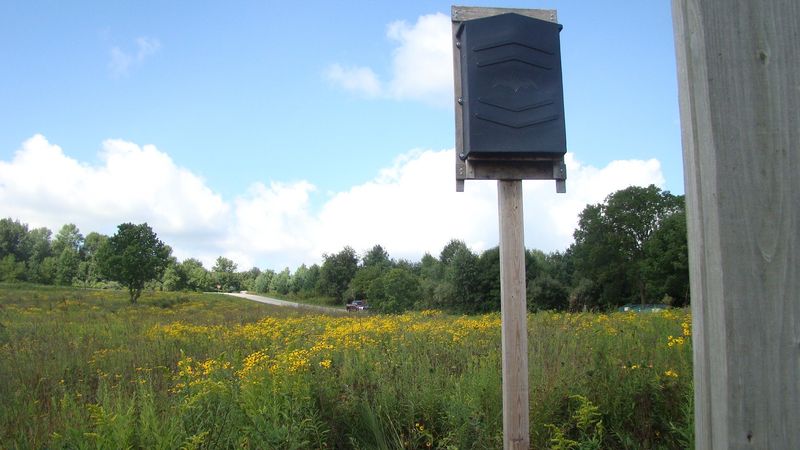
Here is the question most homeowners really care about. If bats eat mosquitoes, will having them around mean fewer bites on your arms?
So far, nobody has shown that it does. Eating mosquitoes and controlling their numbers are two different things.
The University of Wisconsin-Madison mosquito site says there is no evidence that increasing bats in an area reduces mosquitoes enough to affect human biting rates.
The DNA studies do not fill that gap. The southeastern U.S. team that documented mosquito species in guano noted that more study is needed to understand what bat predation means for mosquito numbers or public health.
Think of what a bite problem looks like in real life. A few mosquitoes that hatched in a clogged gutter or a flowerpot saucer can find you in minutes, whether a bat is flying nearby or not.
A bat overhead does not guard your porch.
That does not make bats a bad thing to have around. They are interesting wildlife that eat many insects.
It just means they are a bonus, not a bite-prevention plan, and your yard’s mosquito problem deserves its own approach.
EPA-recommended steps to reduce mosquito breeding and bites
If bats will not handle your mosquitoes, what will help? The EPA offers a short list of practical steps in its mosquito bite prevention tips.
Some aim to cut down breeding, and others aim to keep bites off your skin.
Start with standing water. Eliminate it where you can, since mosquitoes lay eggs in water that sits around.
Check buckets, toys, tarps, clogged gutters, and anything else that holds a puddle after rain.
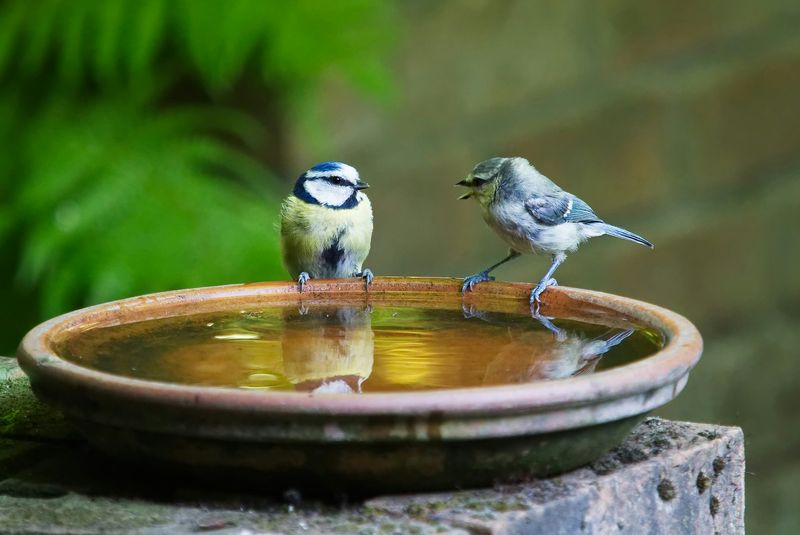
Then look at the water you keep on purpose. The EPA recommends emptying and changing the water in bird baths and plant trays at least weekly.
A quick rinse and refill on laundry day is an easy habit for anyone with potted tomatoes, geraniums, or a bird bath.
Indoors, maintain your screens. Patch small holes and make sure they fit tightly so mosquitoes stay outside.
For your own skin, the EPA suggests using EPA-registered repellents. Always follow the product label for how to apply it and how often, and for any limits on use with children.
These are recommended practical steps, and each does a different job. Some cut breeding sites, while others protect you directly.
Used together, they give you more control over bites than waiting on the bats.
A bat house supports roosting habitat, not an instant mosquito fix
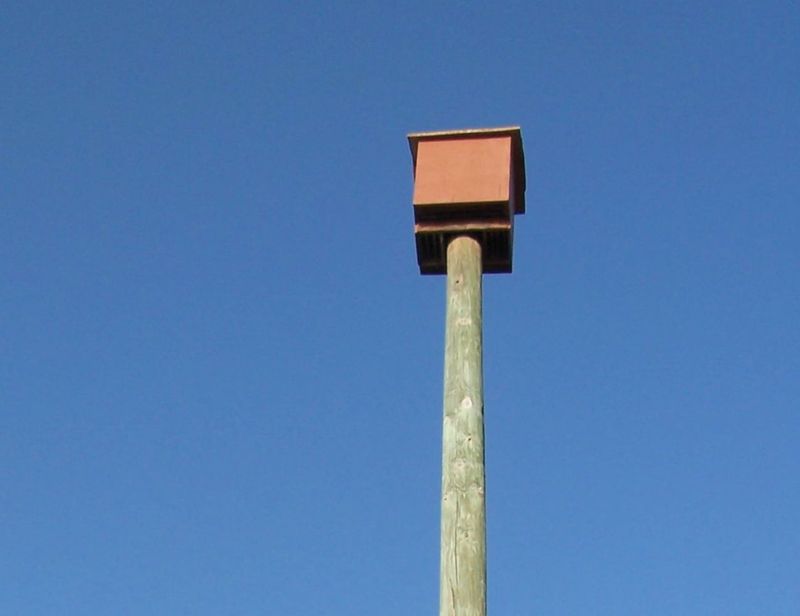
A bat house can give bats a place to roost, which is a nice thing to offer wildlife. It is not a dependable mosquito-control device.
And it will not work overnight, since the U.S. Fish and Wildlife Service says a new bat box can take up to five years to be occupied.
Some never are.
Design matters. The agency’s guidance points to suitable, multi-chamber boxes, and it stresses monitoring for heat stress, since a box that gets too hot can harm the bats inside.
Rules also vary by place. Local laws may protect roosting bats, so talk with a state bat biologist about exclusion timing and methods before removing any roost.
Safety comes first with any bat. Do not handle bats.
CDC guidance advises avoiding contact, and says that anyone who may have had contact with a bat should consult a health professional or the local health department.
If a bat gets inside your home, the CDC advises contacting animal control or public health before letting it go, so you get proper guidance first.
Treat a bat house as a long-term gift to local wildlife, not a quick pest fix. The bats may or may not move in, and your mosquito plan should not depend on them.