
The One Thing North Carolina Strawberry Plants Need Before Winter Or Next Spring’s Crop Comes Up Tiny
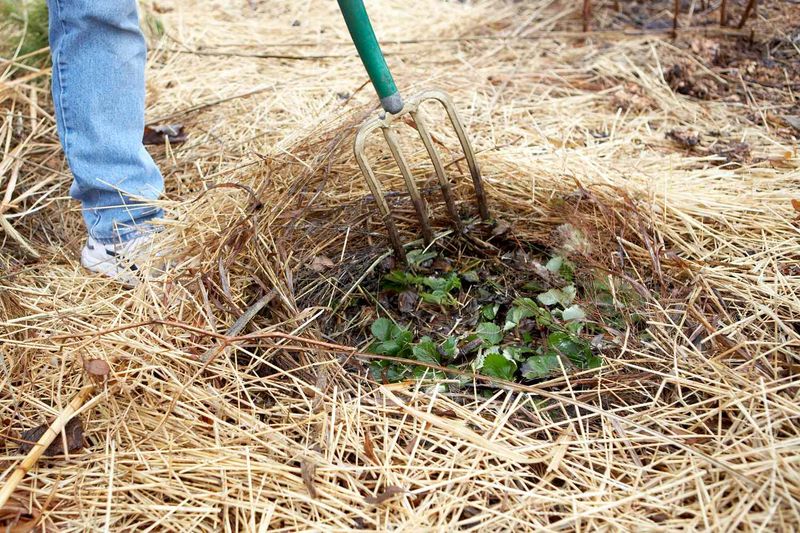
Strawberry plants in North Carolina look tough in the fall, but a few hard freezes can quietly ruin next spring’s berries. The buds that become your fruit are already tucked inside each plant’s crown, waiting out the cold.
If those crowns get damaged this winter, you could end up picking berries the size of peas. The good news is that one simple job, done at the right time, protects your whole patch.
1. A Thick Blanket of Clean Straw Mulch
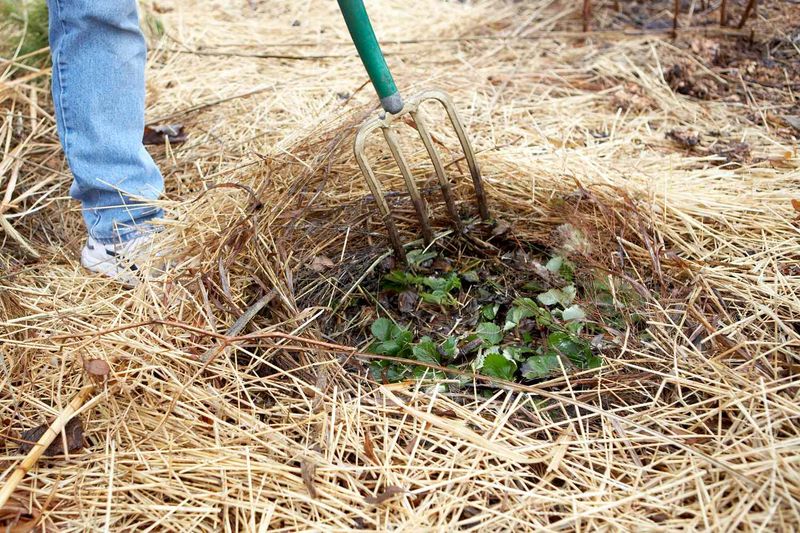
Picture a cold January night in the Piedmont, with the thermometer sliding toward 15 degrees. Under a fluffy layer of straw, your strawberry crowns stay snug, almost like kids sleeping under a heavy quilt.
That straw blanket is the one thing standing between you and a tiny spring harvest.
Temperatures below about 20 degrees can damage flower buds, roots, and crowns. Repeated freezing and thawing, which NC winters love to do, can also push plants right out of the ground.
Gardeners call this frost heaving, and it can tear roots apart.
Timing matters more than most people think. Wait until the leaves take on a grayish or reddish cast, or after a few nights near 20 degrees, which is often December in the Piedmont and earlier in the mountains.
Mulching too soon keeps plants from hardening off and can make them more likely to get hurt.
Spread about 4 inches of clean wheat, oat, or soybean straw over the plants and the soil around them. Raised beds run colder, so give them 6 to 8 inches.
Pine needles from your own longleaf or loblolly pines work well too, and skip hay, since it is packed with weed seeds.
Here is a bonus for good stewards: a straw-covered bed gives ground beetles and other helpful critters a place to shelter. In spring, pull the straw back when about a quarter of the plants show new growth, and keep it nearby to toss back over blooms if a late frost threatens.