
If These 15 Animals Show Up In Your Yard This Fall, Your Garden Is Healthier Than You Think
Maybe your tomatoes looked tired this year, or your hydrangeas dropped a few leaves early, and you worry the whole garden is slipping. Before you panic, take a slow walk outside and look for visitors.
The creatures that crawl, hop, and fly through your yard in fall can tell you a lot about your soil, your plants, and how balanced things really are. If you spot even a few of the animals on this list, your garden is probably doing better than you think.
1. Earthworms
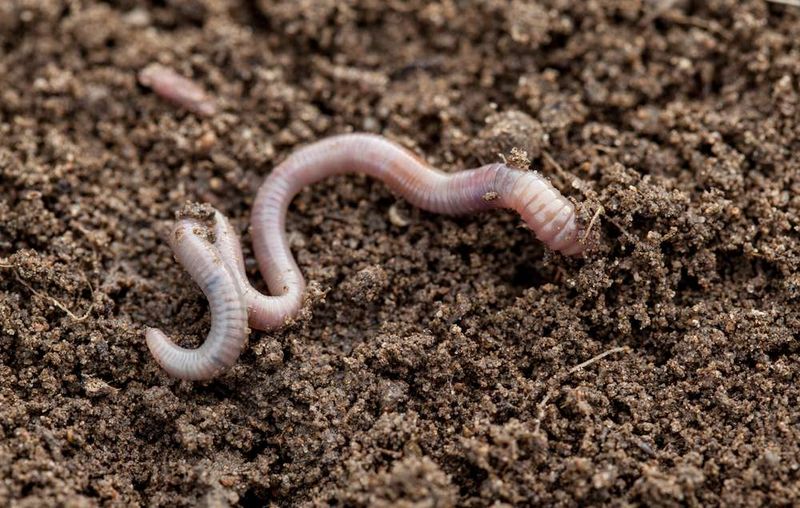
Dig one shovel of soil next to your tomato bed and count the worms. Three or more in that single scoop is a quiet sign that the ground under your plants is alive and working hard.
Earthworms tunnel through dirt, letting air and water reach roots. They also eat dead leaves and turn them into castings, a rich natural fertilizer that feeds next year’s crops.
That is free plant food made right where you need it.
If you find very few, try leaving a thin layer of shredded leaves on your beds this fall. Skip heavy tilling, which can break up their tunnels.
Worms usually return once they have food and cover.
2. Ladybugs
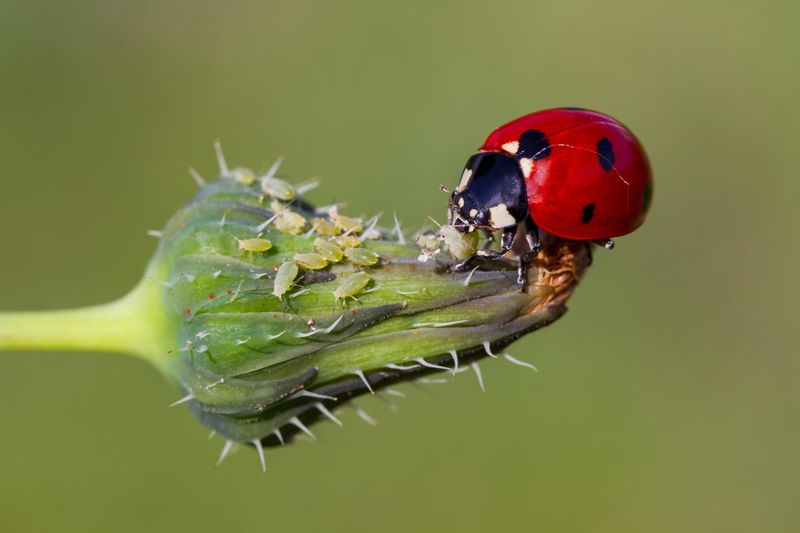
Spotting a ladybug on your geraniums feels like good luck, and for your plants it really is. Those tiny red beetles are hungry hunters of aphids, mites, whiteflies, and mealybugs.
Their young look nothing like the adults. Ladybug larvae resemble little black-and-orange alligators, and a single one can gobble dozens of aphids in an hour.
Many gardeners squish them by mistake, so learn the shape before you start pest patrol.
In fall, adults look for sheltered spots to spend winter, like leaf litter or loose bark. Leaving a messy corner can help them stick around.
Come spring, they may be the first line of defense for your roses and clematis.
3. Green Lacewings
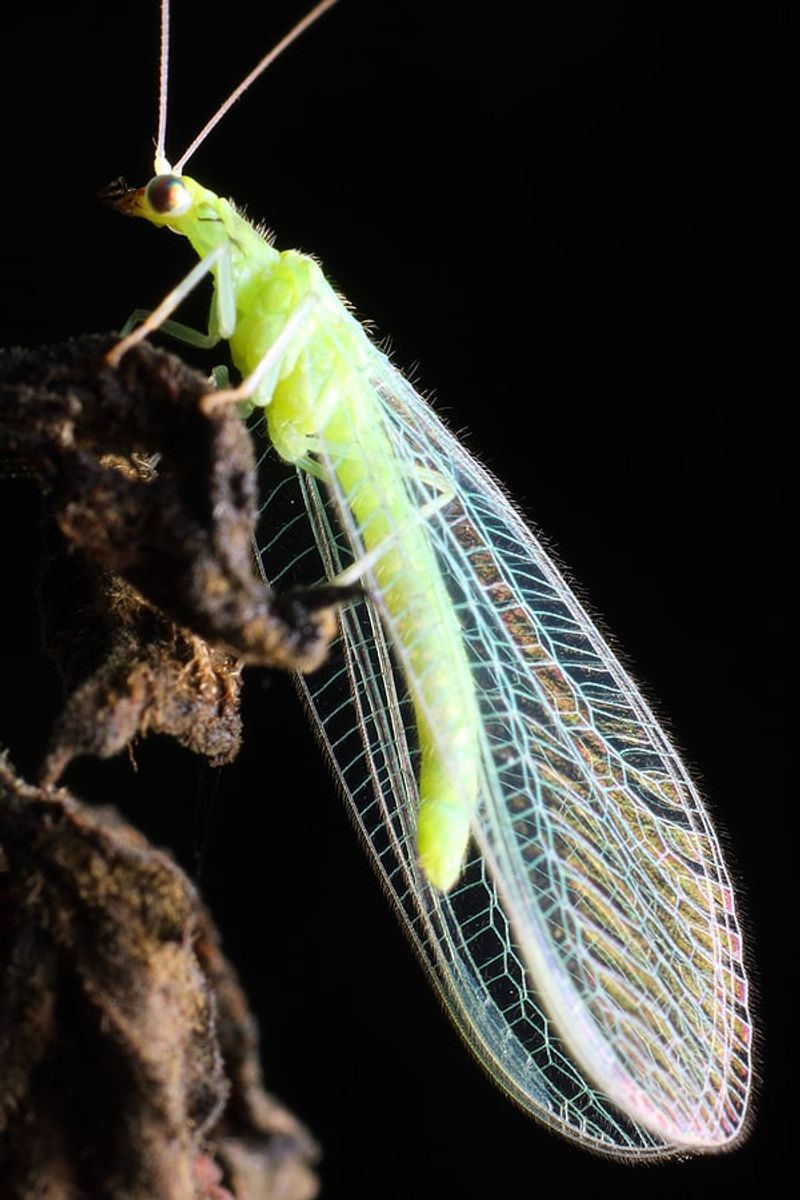
Pale green with see-through wings that look like lace, this insect seems far too dainty to be a fighter. Don’t be fooled.
Adult lacewings sip nectar and pollen, but their larvae carry the nickname aphid lions for a reason. They hunt aphids, small caterpillars, leafhoppers, whiteflies, and even insect eggs.
If the curled leaves on your hydrangeas have suddenly cleared up, lacewings may deserve the credit.
They are drawn to yards with small flowers and no broad pesticide sprays. Seeing them in fall suggests your garden has kept a healthy balance between pests and predators.
Avoid spraying when you see them flitting around your porch light at dusk.
4. Hoverflies
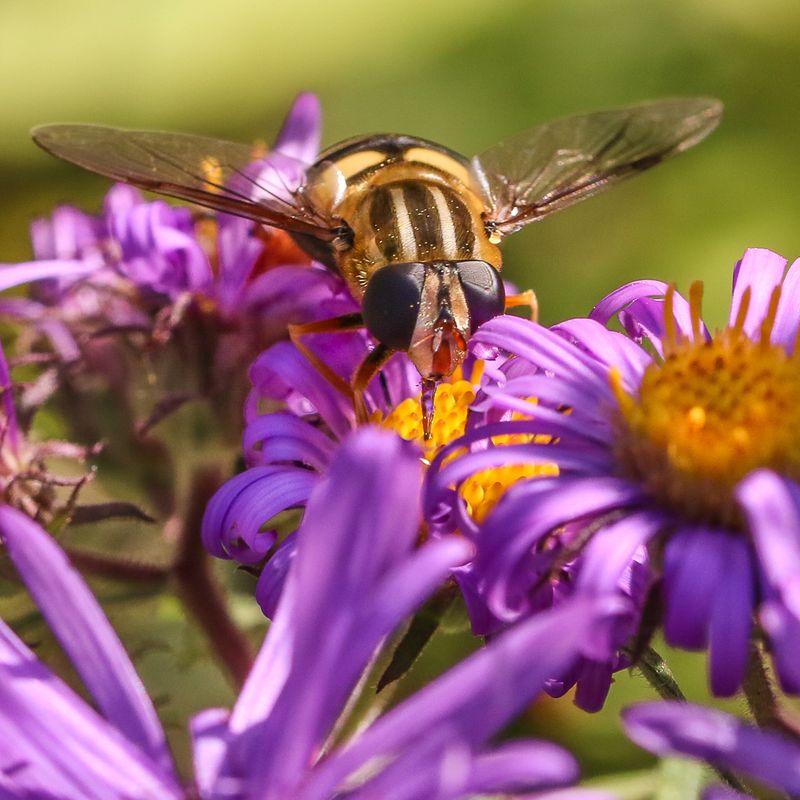
At first glance it looks like a bee, with yellow and black stripes, but watch how it hangs perfectly still in midair. That hovering trick gives the hoverfly its name, and it does not sting.
Adults are busy pollinators, visiting asters, mums, and late petunias for nectar. Their larvae, meanwhile, crawl along stems eating aphids by the hundreds over their short lives.
So you get two jobs from one visitor. A yard full of hoverflies in fall usually means you still have flowers blooming and a pest population kept in check.
Keep a few late bloomers going to give them a reason to return.
5. Ground Beetles
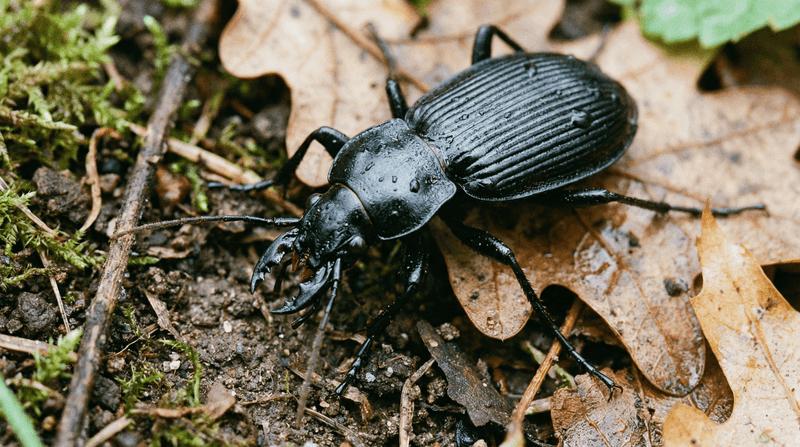
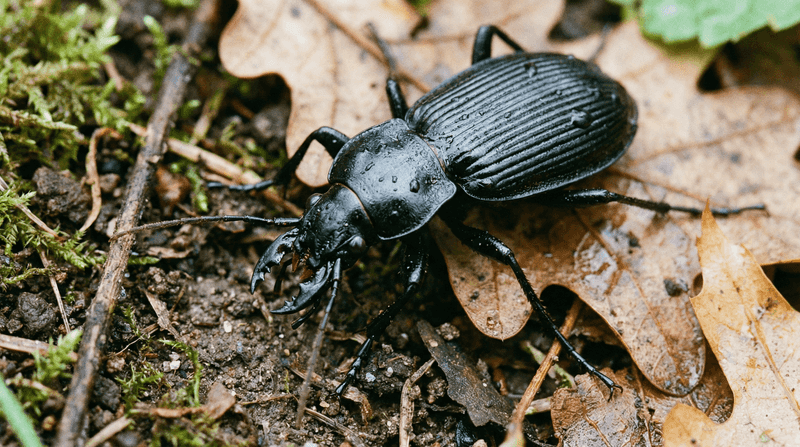
Lift a flat stone or an old board in your garden and something shiny and black may race away. Most people shudder.
Smart gardeners smile.
Ground beetles work the night shift, hunting slugs, cutworms, and other soil pests that chew holes in your seedlings and hostas. Both the adults and the larvae eat pests near or under the soil surface, right where damage starts.
They need cover to hide during the day, such as mulch, stones, or low plants. If you see plenty of them, your beds offer good shelter and a steady food supply.
Keep some mulch in place over winter to help them stay.
6. Native Bees
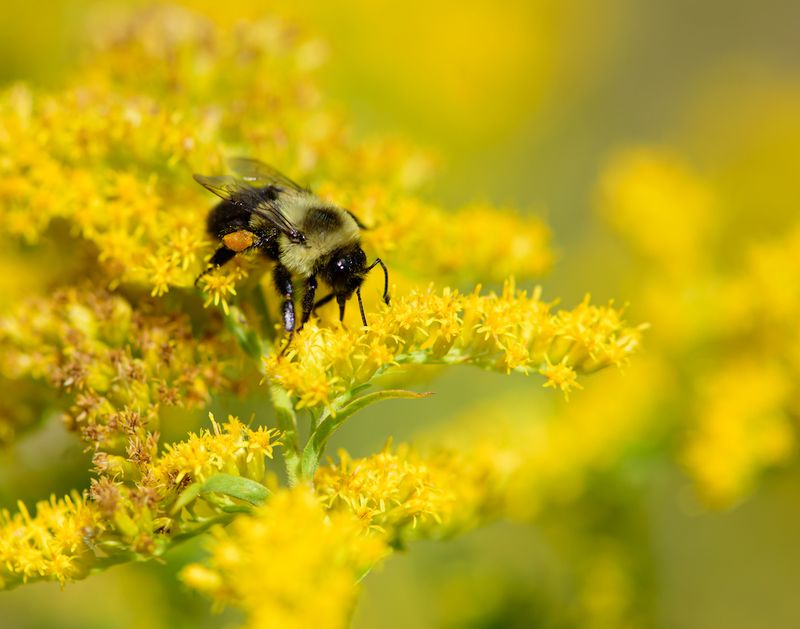
Bumblebees bumbling around your goldenrod in October are a real treat. They are only one of thousands of native bee species in the US, and many are small enough to miss.
Native bees pollinate tomatoes, squash, and flowers more effectively than many people realize. Bumblebees can even shake pollen loose from tomato flowers with a buzz, a skill called buzz pollination.
Here is the part that matters for fall cleanup. Many native bees spend winter inside hollow stems or underground.
Leaving some stems standing about 12 to 18 inches tall, and a bare patch of soil, may help next year’s pollinators survive.
7. Butterflies
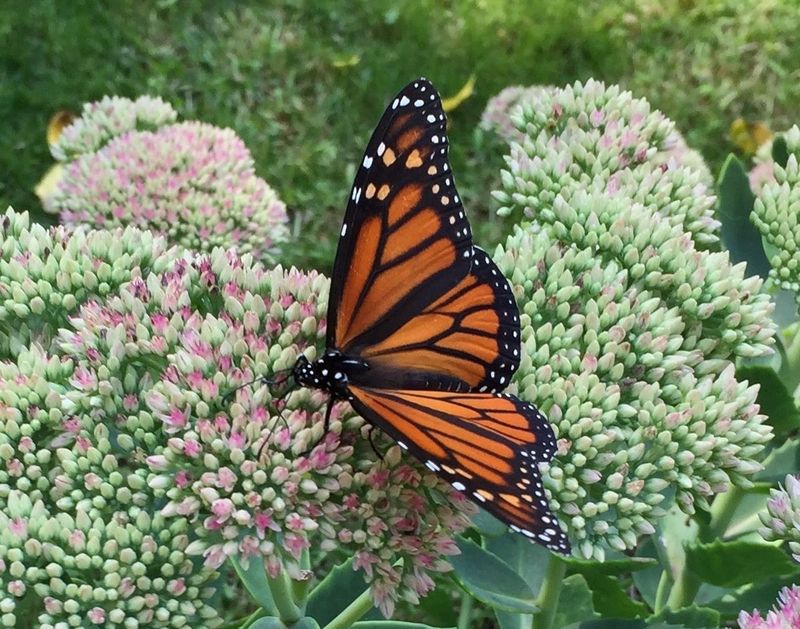
Few sights beat a monarch resting on your sedum before its long trip to Mexico. Butterflies need nectar to fuel up, so their visits tell you your garden still has food when many yards have gone bare.
Some species stay put through winter. Mourning cloaks and question marks spend the cold months as adults, tucked into bark, crevices, or dry leaves.
Others ride out winter as caterpillars or chrysalises on old plants.
That is a great reason to go easy on the rake. A few leaf piles under shrubs can shelter next spring’s butterflies.
Plant late bloomers like asters and sedum to keep the buffet open.
8. Frogs
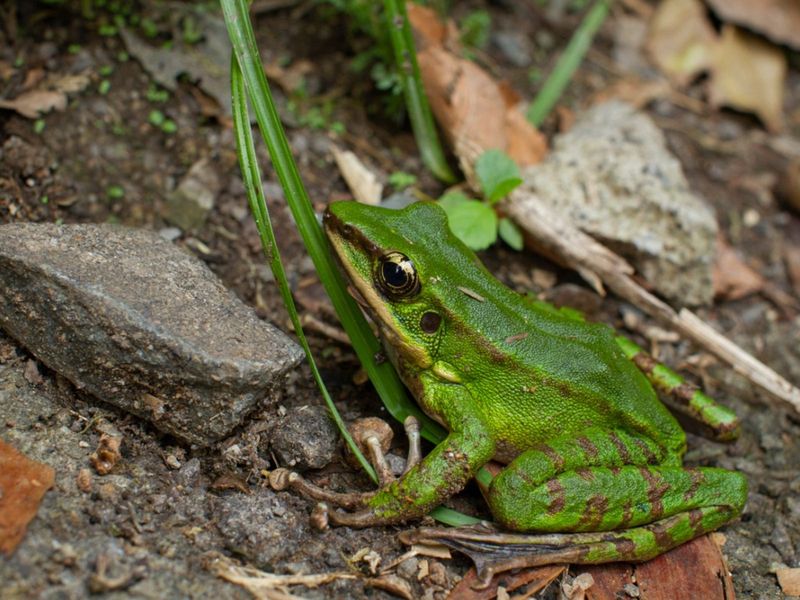
Frogs are like a health report card with legs. Their thin, damp skin soaks up chemicals easily, so they struggle where pesticides are used heavily.
That means one frog sitting near your birdbath tells you something good about your yard. They also earn their keep by eating slugs, mosquitoes, and many leaf-chewing insects.
As nights cool, frogs search for hidden spots like leaf piles, loose soil, or pond bottoms to hibernate. A shallow dish of water and a pile of leaves can make your garden a winter home.
Hold off on mowing tall grass edges, where they often hide.
9. Toads
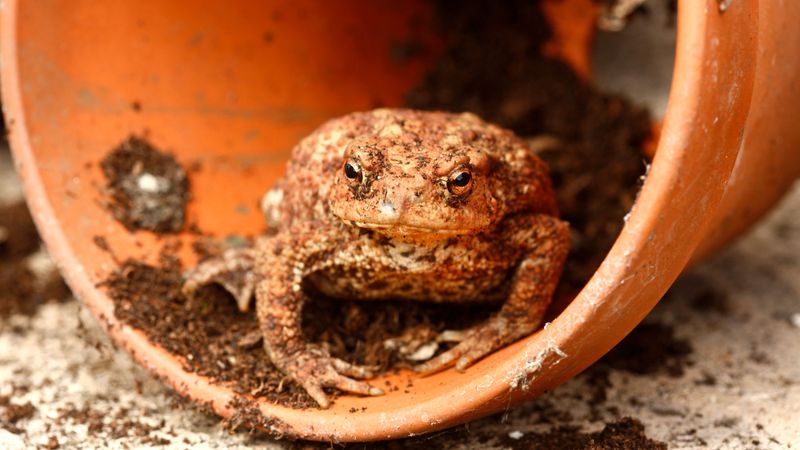
Grandma used to say a toad in the garden was worth more than any bug spray, and she had a point. One toad can eat thousands of insects over a season.
Unlike frogs, toads have dry, bumpy skin and spend more time on land. They hang out under tomato plants and in flower beds, snapping up slugs, beetles, and cutworms after dark.
Toads dig into loose soil or leaf piles for winter. An upside-down clay pot with a small doorway makes a cozy toad house.
Seeing one hop by in fall means your soil is soft and the bug buffet is still open.
10. Lizards
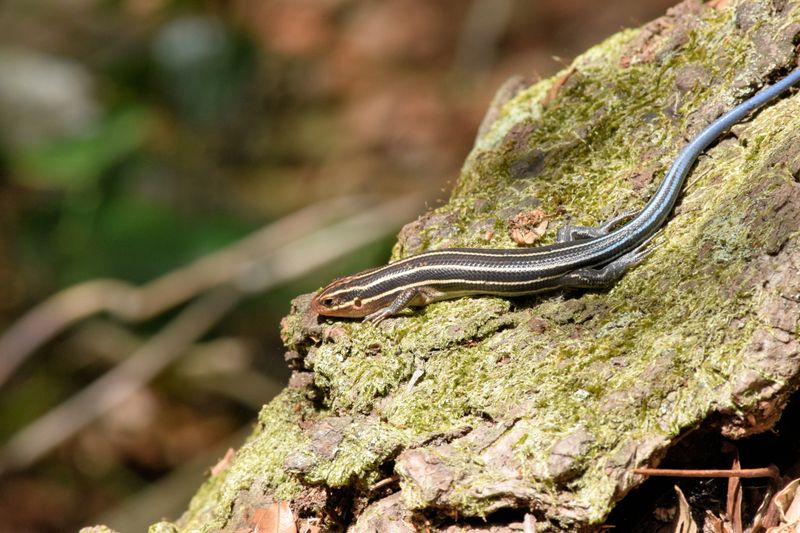
A quick flash of movement on a sunny rock, then gone. Lizards are fast, and their presence says your garden layout is smarter than you planned.
Skinks, anoles, and fence lizards need two things close together: warm spots to bask and dense cover to escape birds and cats. A yard with both has good structure, mixing open sun with shrubs, groundcover, or brush piles.
In return, they eat crickets, beetles, spiders, and other pests. In warmer states you may see them all fall long.
In cooler areas they slip into crevices for winter, so leave stone walls and log piles alone.
11. Garter Snakes
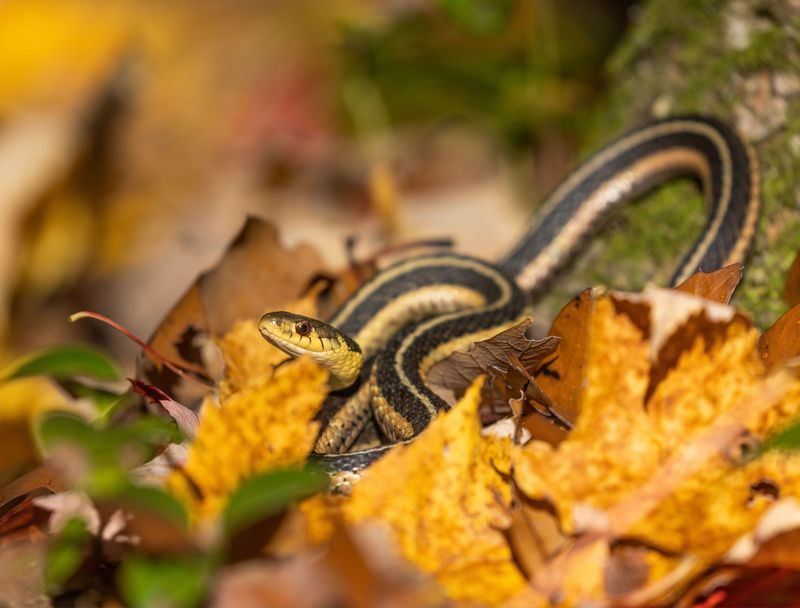
Okay, take a breath. Garter snakes are harmless to people and are some of the best pest hunters you could ask for.
These striped snakes eat slugs, caterpillars, and other critters that chew through your lettuce and hostas. Some even eat small rodents.
They usually flee the second they see you, so a sighting is often just a quick glimpse.
They like compost piles, logs, and thick leaf litter, especially as fall sets in. Finding one means your garden has a full food chain, from bugs to the animals that eat them.
That kind of balance takes time to build.
12. Robins
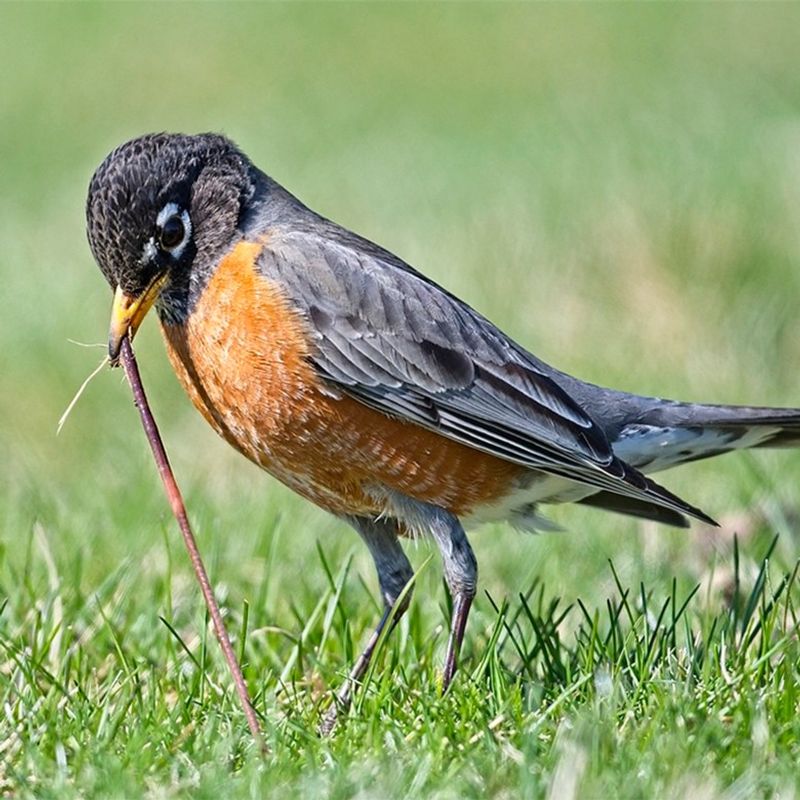
Watch a robin tilt its head, freeze, and then yank a worm from the lawn. That little show is also a soil test.
Robins return again and again to places with plenty of earthworms, and worms only thrive in rich, moist, chemical-light soil. So a robin pecking around your garden beds is good news for your roots.
In fall, many robins switch to berries and gather in loose flocks. Plants like dogwood, holly, and winterberry help feed them into the cold months.
Fewer leaves on the trees also make them much easier to spot.
13. American Goldfinches
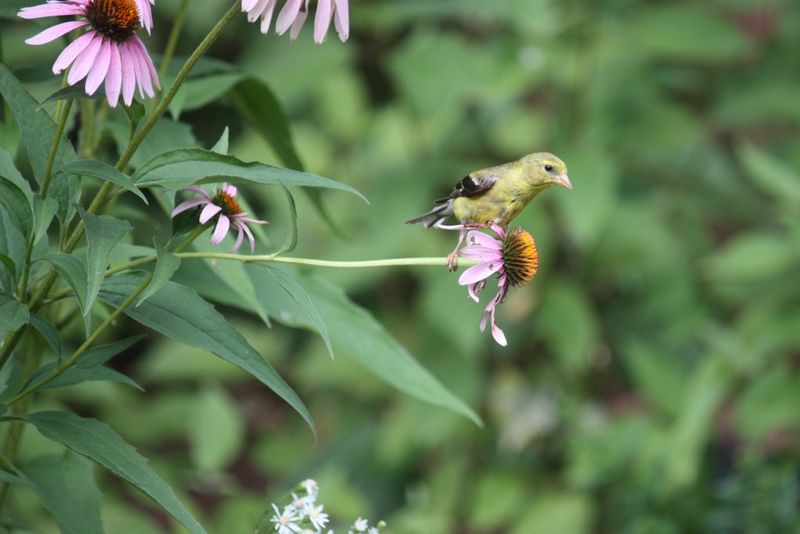
Did you leave your coneflowers standing instead of cutting them down? Goldfinches will thank you.
These cheerful little birds eat mostly seeds, and fall is their feast. They cling to coneflower, sunflower, and black-eyed Susan seed heads, picking them clean.
By now their bright summer yellow is fading to a softer olive.
Seeing them tells you your plants matured fully and set seed, which is a sign of healthy growth. Skip deadheading a few late flowers and you get free bird food plus winter interest in your beds.
14. Wrens

Tiny, brown, and impossibly loud, the wren sings like it is ten times its size. If one is scolding you from the hedge this fall, take it as a compliment.
Wrens eat almost only insects and spiders. As the weather cools and bugs thin out, a wren that sticks around means there are still enough insects to support it.
That points to a living, varied garden rather than a sterile one.
They also love thick shrubs, brush piles, and tangles. Leaving a little wild cover lets them hunt and hide all winter.
15. Bats
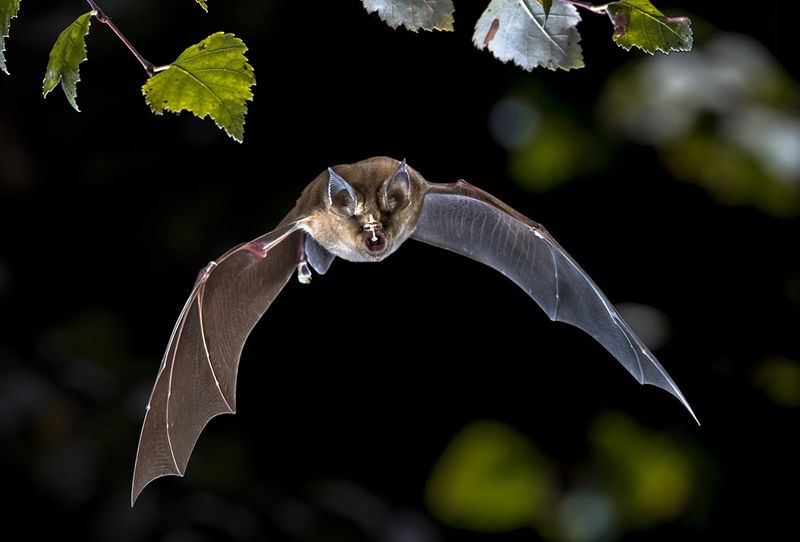
Step outside at dusk on a warm fall evening and you might catch dark shapes darting over the yard. Those are bats, and they are working hard for you.
Many bats eat moths, beetles, and mosquitoes by the hundreds each night. Some of those moths lay the eggs that become tomato hornworms and corn earworms, so fewer moths can mean fewer chewed plants next summer.
Bats show up where insects are plentiful and the ecosystem is in balance. A bat house mounted on a sunny wall may encourage them to stay.
Seeing them before they migrate or hibernate is a strong sign your garden is thriving.
Spot a few of these 15 visitors and you can relax a little. Your garden is doing a lot of work on its own, and a lighter fall cleanup will help it keep going.