
The Everyday Garden Setups That Quietly Hurt North Carolina Box Turtles Before Winter

Right now, somewhere under the leaves in your yard, a box turtle may be getting ready for a long winter nap. North Carolina’s state reptile spends its whole life in one small patch of land, and for many turtles that patch includes our backyards.
The trouble is that some of our most normal fall chores can hurt them without us ever knowing. Here are ten common garden setups to rethink before the cold sets in, plus easy fixes you can try this weekend.
1. The Spotless, Leaf-Free Lawn
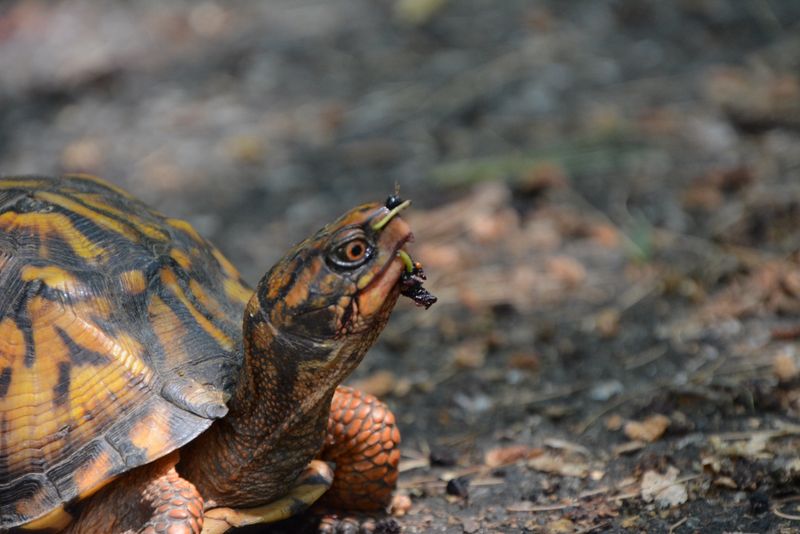
Picture a box turtle in October, tucked under a cozy blanket of oak leaves. Then picture that blanket raked into a bag and hauled to the curb.
For the turtle, a bare lawn is like losing the roof over its head right before winter.
Eastern box turtles use leaf litter for hiding, hunting worms and beetles, and most of all for brumation, their slow winter rest. Deep leaves hold warmth and moisture and help keep frost away from a turtle buried in the soil below.
You don’t have to give up a tidy yard completely. Keep a leafy zone under trees and along shrub edges, and rake only paths and the front walk.
Your turtles, fireflies, and overwintering bugs will all thank you.
2. Mowing Without a Walk-Through
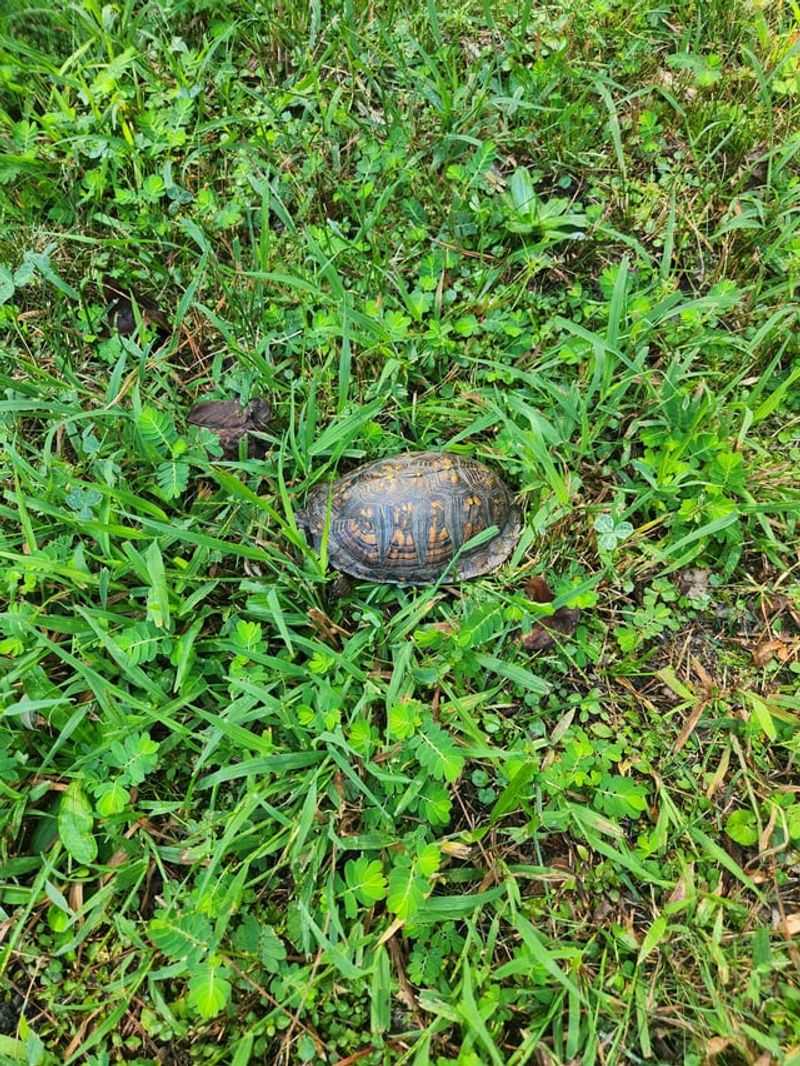
Here’s a hard truth: a box turtle’s shell is nearly the same color as a dry leaf. From the seat of a riding mower, you’d likely never see one until too late.
Fall makes things worse because cooling weather leaves turtles sluggish. They can’t scramble away from blades the way they might in July.
The fix takes about five minutes. Before you mow, stroll the yard slowly and look closely at leaf drifts, tall grass, fence lines, and shrub borders.
Raise your mower deck a notch too, since a higher cut can reduce the chance of striking a low shell.
3. String Trimmers Along Fence Lines and Beds
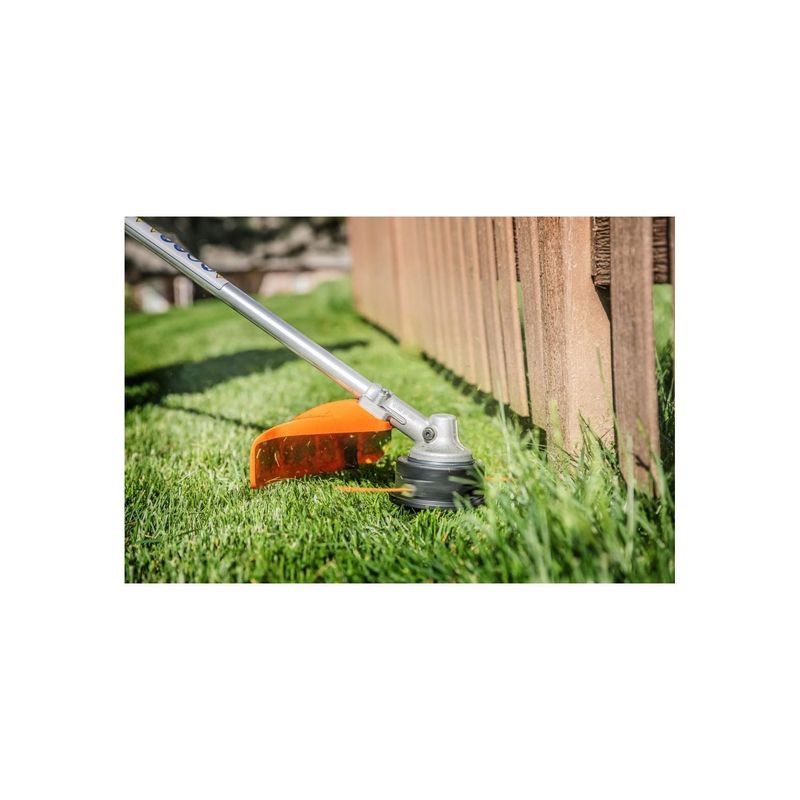
Weed eaters do their work exactly where box turtles like to hang out. Fence rows, bed edges, and the base of shrubs are the soft, shady seams turtles use as highways through a yard.
Wildlife rehabbers across North Carolina see shell injuries from trimmers every year. Edgers can be just as risky near flower beds, where a turtle may have dug into loose soil to rest.
Try hand-pulling or clipping close to beds in fall instead. If you must trim, part the grass with a rake handle first.
A slow approach costs you little and might save a turtle that’s been living on your property for 40 years.
4. Clearing Out Brush Piles in Fall
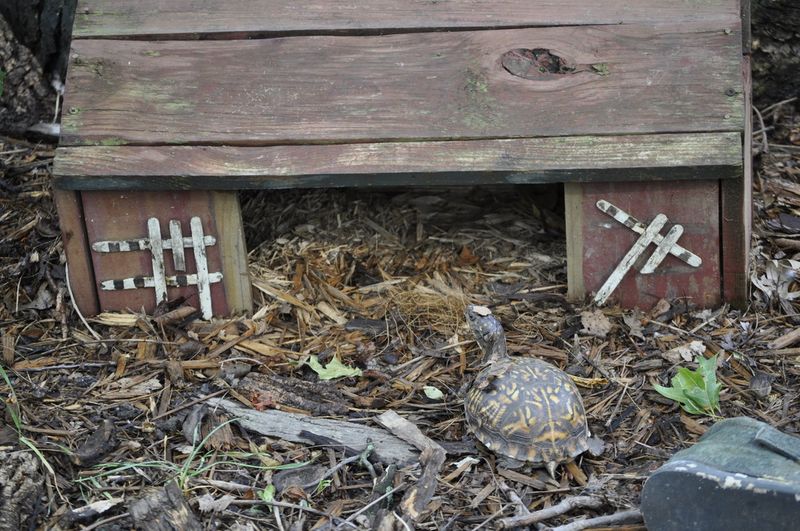
That messy pile of branches behind the shed? To a turtle, it’s prime real estate.
Brush piles shield animals from wind, frost, and predators. Box turtles often settle in beneath them by late fall, already slowing down for winter.
Pulling the pile apart in November can crush or expose a turtle that has no energy left to find a new spot.
Burning is even riskier, because animals that sheltered inside get trapped. If a pile needs to go, handle it in late spring after turtles are active again.
Better yet, keep one tucked in a back corner on purpose.
5. Hauling Away Old Logs and Stumps

Old wood looks useless, but it’s quietly one of the busiest spots in your yard. Rotting logs and stumps hold moisture, grow mushrooms, and attract slugs and beetles that box turtles love to eat.
Many turtles brumate right beside or under a decaying stump, where the soil stays soft and insulated. Lifting a log just to tidy up can disturb a turtle that dug in weeks ago.
Leave fallen logs in shady areas through winter. Fun fact: box turtles are among the few animals that happily snack on mushrooms, including some that are toxic to people, so leave fungi alone too.
6. Fall Pesticide and Weed Killer Sprays
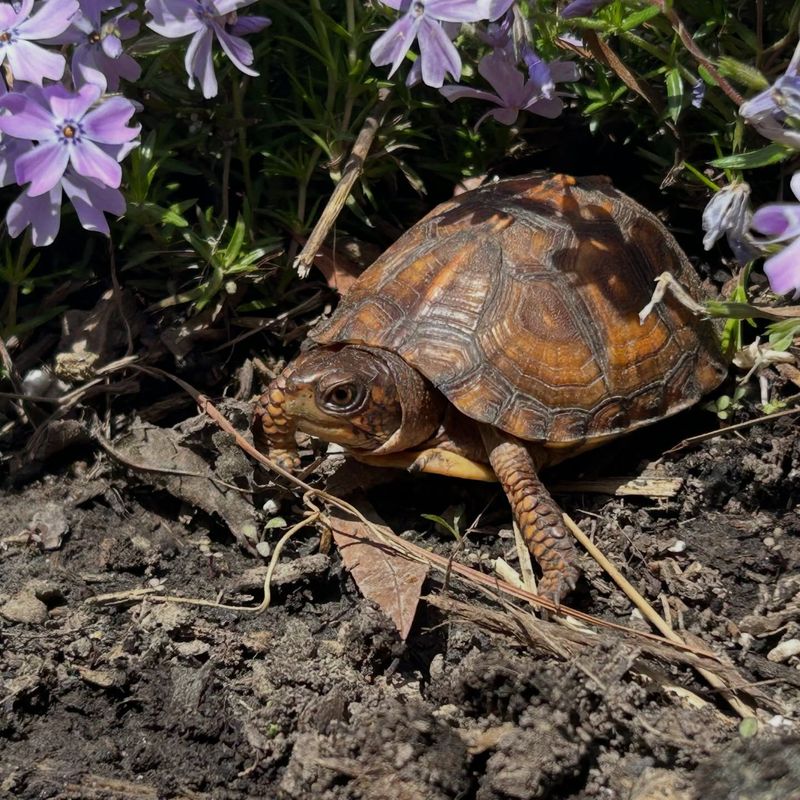
A turtle spends its life with its nose an inch off the ground. Whatever lands on the soil, the turtle meets up close.
Synthetic pesticides and herbicides can be absorbed through treated soil, plants, puddles, and the insects turtles eat. Exposure may lead to sluggishness, poor appetite, breathing trouble, or shell problems, right when a turtle needs to be healthy going into winter.
Skip the fall weed-and-feed and spot-treat by hand instead. Pull invasives like Japanese stiltgrass before it sets seed rather than spraying.
Fewer chemicals also means more beetles and worms on the turtle menu.
7. Cutting Back Every Bed to Bare Soil
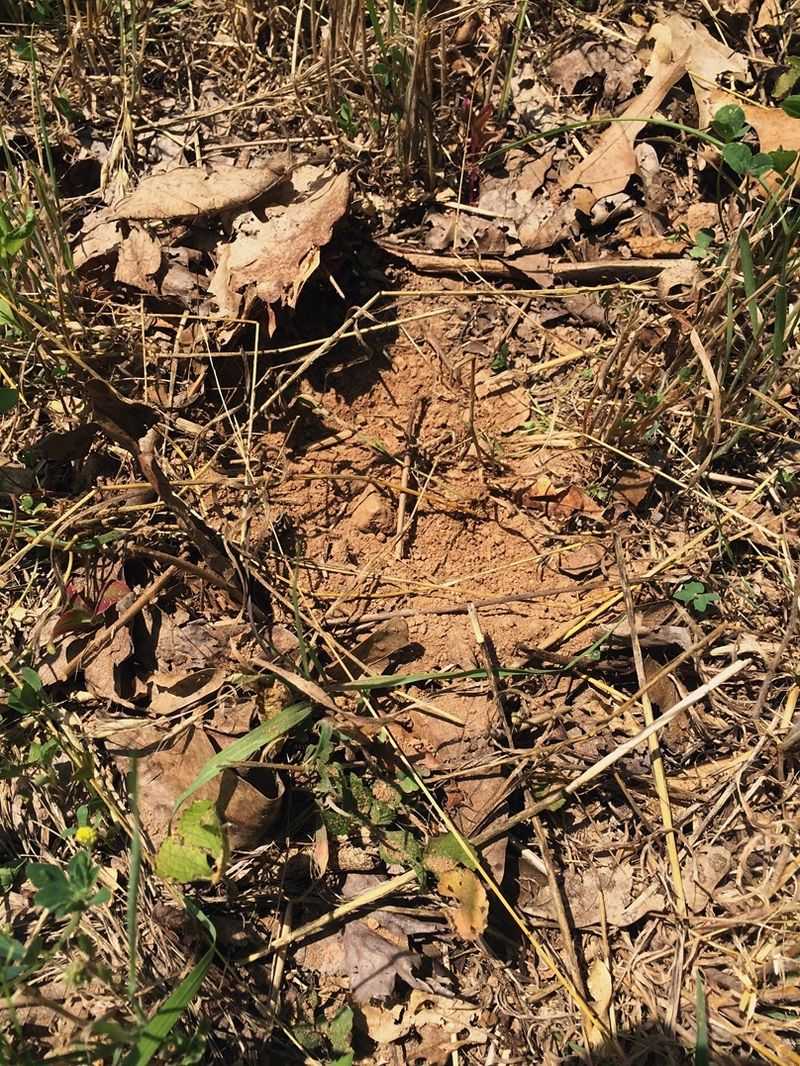
There’s a certain satisfaction in chopping every perennial to the ground. Turtles just don’t share the feeling.
Standing stems and thick groundcover give cover and catch leaves that pile up into natural insulation. A cleared bed of bare, loose soil can tempt a turtle to dig in shallowly, then leave it exposed to hard freezes and your spring shovel.
Let ferns, wild ginger, and black cohosh stay put through winter. Leave seed heads standing for goldfinches too.
Cut back in spring once the soil warms and turtles are back on the move.
8. Deep, Steep-Sided Water Features
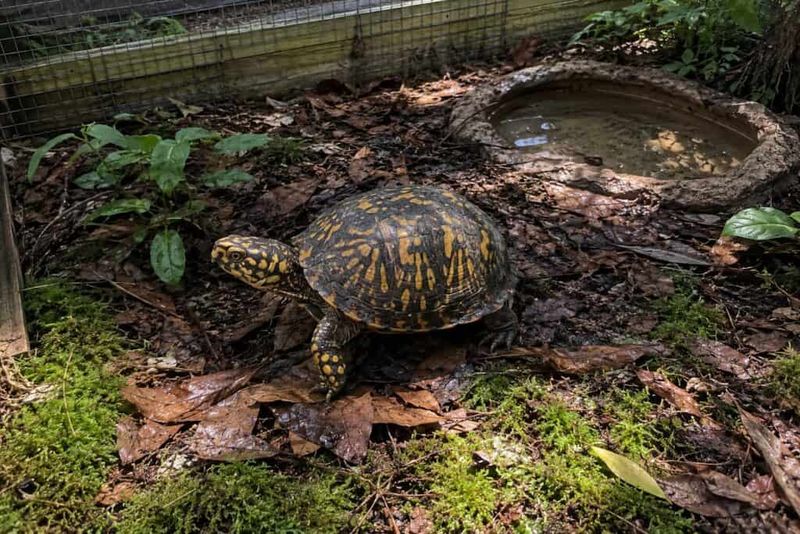
Box turtles are land turtles, and they’re surprisingly poor swimmers. A deep pond with slick, steep walls can become a trap.
Turtles soak to stay hydrated, especially during dry fall spells in the Piedmont. If one slips into a pool, pond liner, or tall-sided bucket, it may not climb out.
Offer a shallow dish instead, no deeper than the turtle’s shell height, set flush with the ground. Add a rock ramp or sloped edge to any pond.
Empty buckets and cover window wells before winter.
9. Tight Fencing and Garden Netting
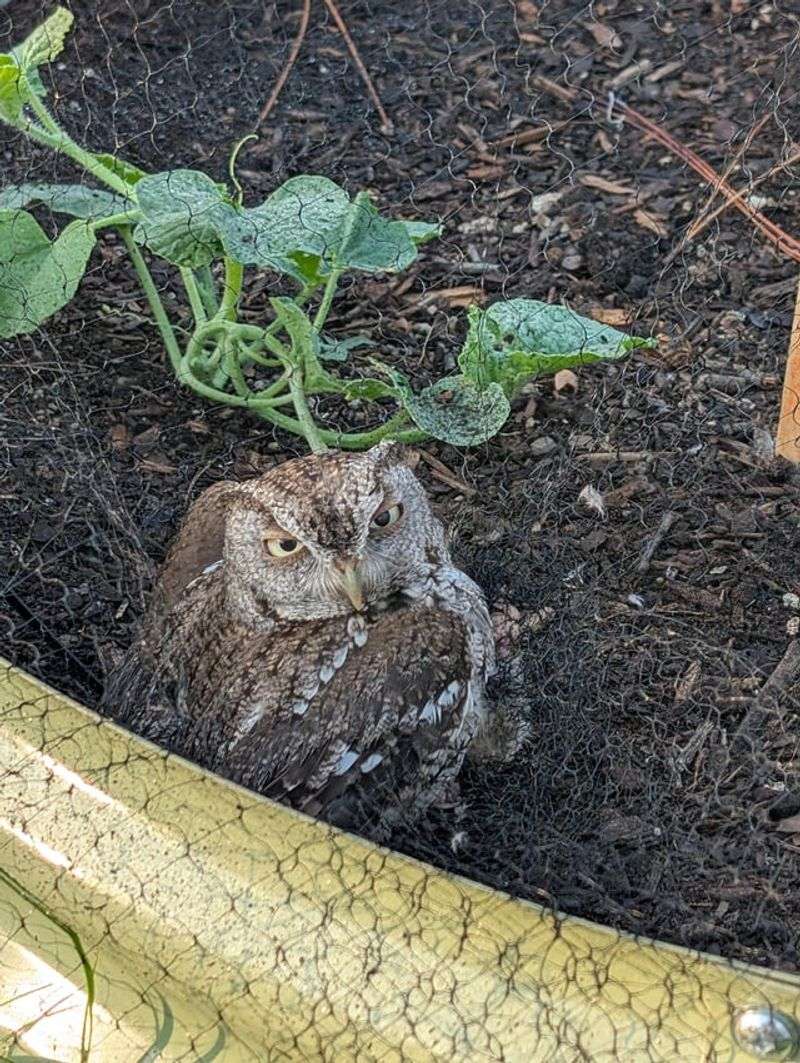
Remember, a box turtle’s home range covers a few acres, and it knows every inch. Its food, water, and favorite winter spot may sit on opposite sides of your fence.
Solid fences that reach the ground can block a turtle from its brumation site just as it’s heading there. Loose bird netting is another hazard, since turtles tangle easily and can’t back out.
Leave a gap of about five inches under part of the fence. Swap floppy netting for rigid row covers, and pick up old netting lying in the grass.
10. Moving a Turtle Out of Harm’s Way, Too Far
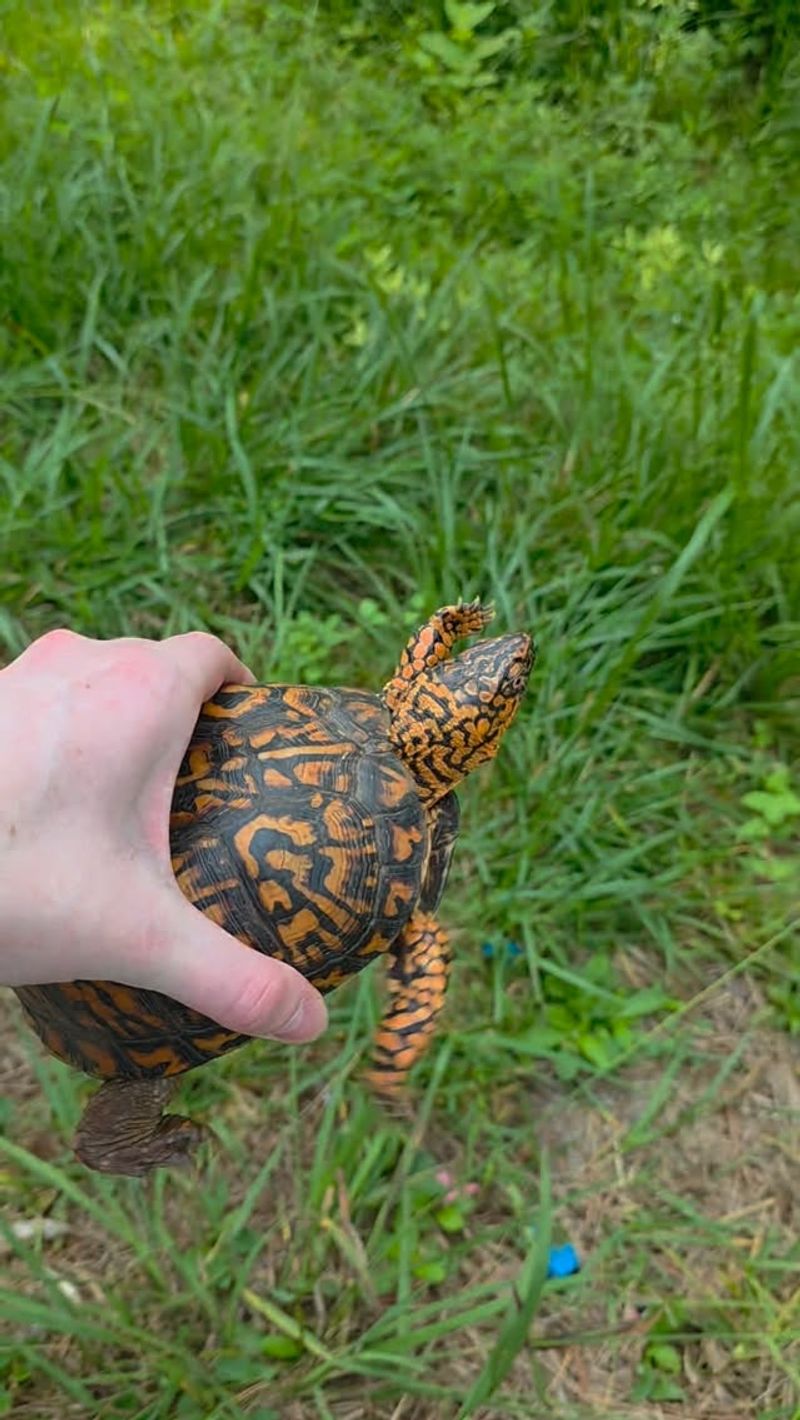
Kind hearts cause this one. You find a turtle near the driveway and decide it would be safer at the park down the road.
Sadly, relocated box turtles often wander for months trying to get home, and many die trying. Their entire survival map lives inside that small home range, including where they plan to spend the winter.
If a turtle is in danger, move it less than 50 feet, in the direction it was already going, to a sheltered spot. Never take it to a new area or keep it as a pet.
Leaving it home is the best gift you can give.