
Your Roses Look Finished For The Year – 7 October Jobs That Decide How Hard They Bloom Next June
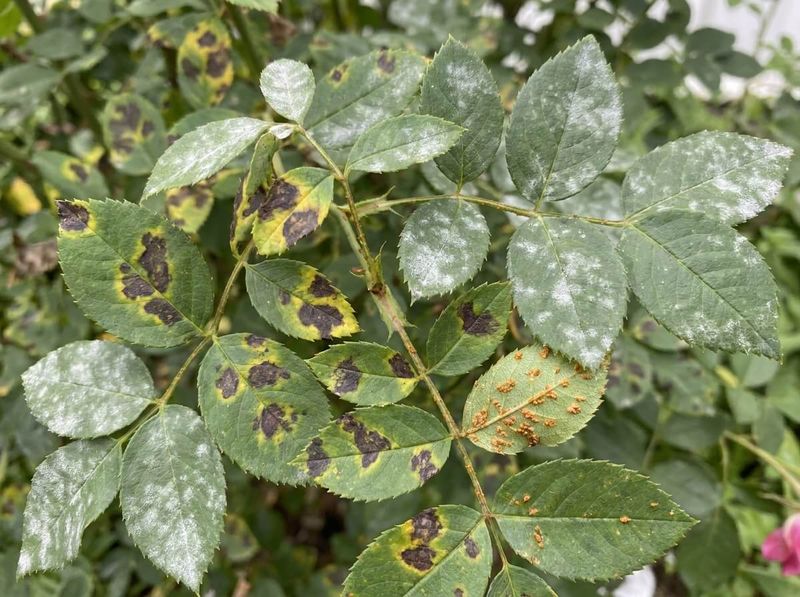
Your rose bushes might look tired, leggy, and spotted right now, and it is easy to walk past them until spring. But what you do this month can shape how many flowers you get next June.
Roses are quietly getting ready for winter, and a few simple jobs can help them come back strong instead of sick or broken. Here are seven October tasks that cost little and make a real difference.
1. Put the Fertilizer Away
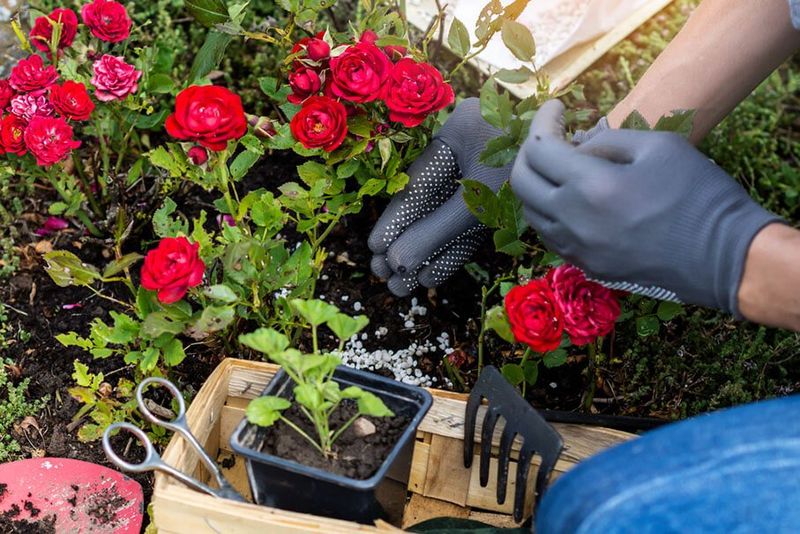
Feeding a rose in October is a bit like handing a kid a soda at bedtime. The plant gets a burst of energy right when it should be winding down.
Nitrogen pushes soft new shoots that an early frost can kill in a single night.
Your rose needs to get the message that the season is ending. Skipping fertilizer now helps it slow down, harden its canes, and slip into dormancy on schedule.
Stronger canes in winter usually mean more flowering wood in spring.
Gardeners in warm Southern or West Coast areas sometimes give one last light feeding of a low-nitrogen product or bone meal in early October for a final fall flush. If your winters bring hard freezes, though, the safest move is simply to stop.
2. Rake Up Every Fallen Leaf
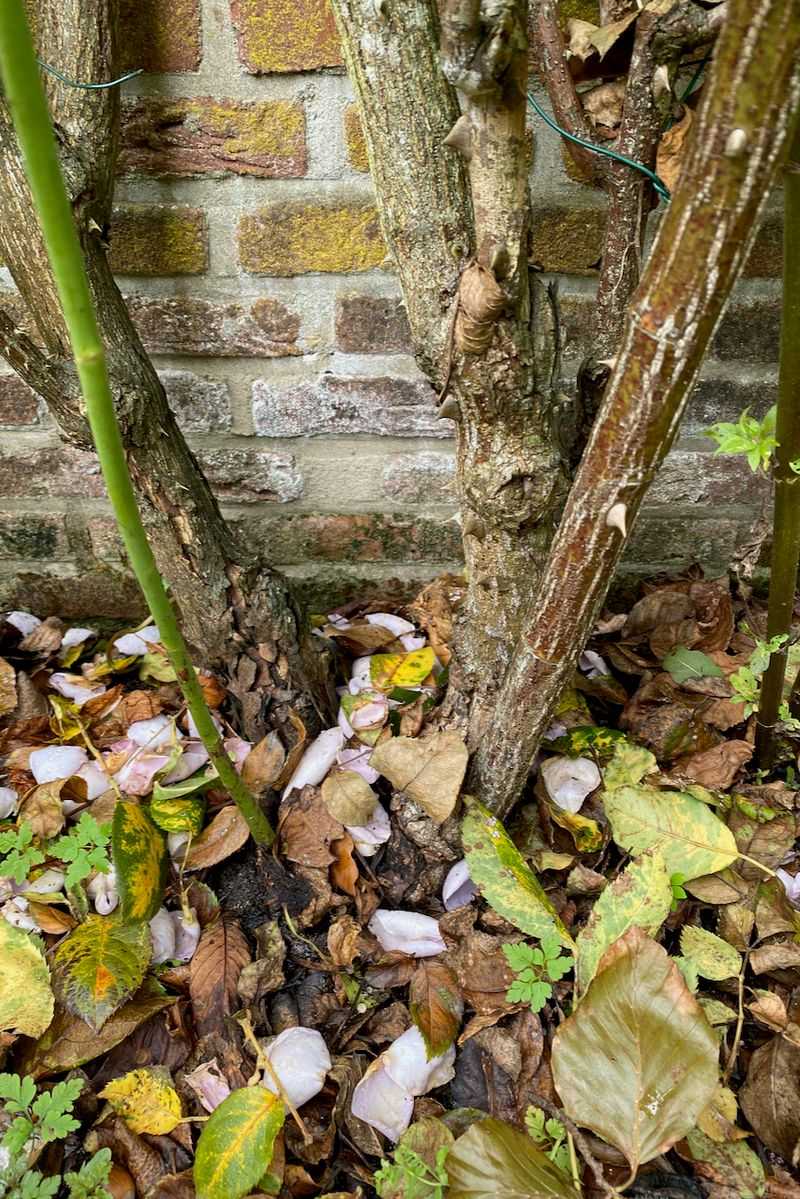
Those yellow, black-spotted leaves under your bush are not harmless litter. They are winter housing for blackspot and rust spores, plus a few insect eggs.
Leave them there, and they can splash right back onto fresh leaves next spring.
Grab a rake and clear the ground under each plant, including tired old mulch that has collected debris. Pull off any badly spotted leaves still hanging on the canes too.
One rule matters here: bag diseased leaves for the trash. Most home compost piles do not get hot enough to kill fungal spores, so tossing them in can spread the trouble around your yard.
3. Keep Watering Through Dry Spells
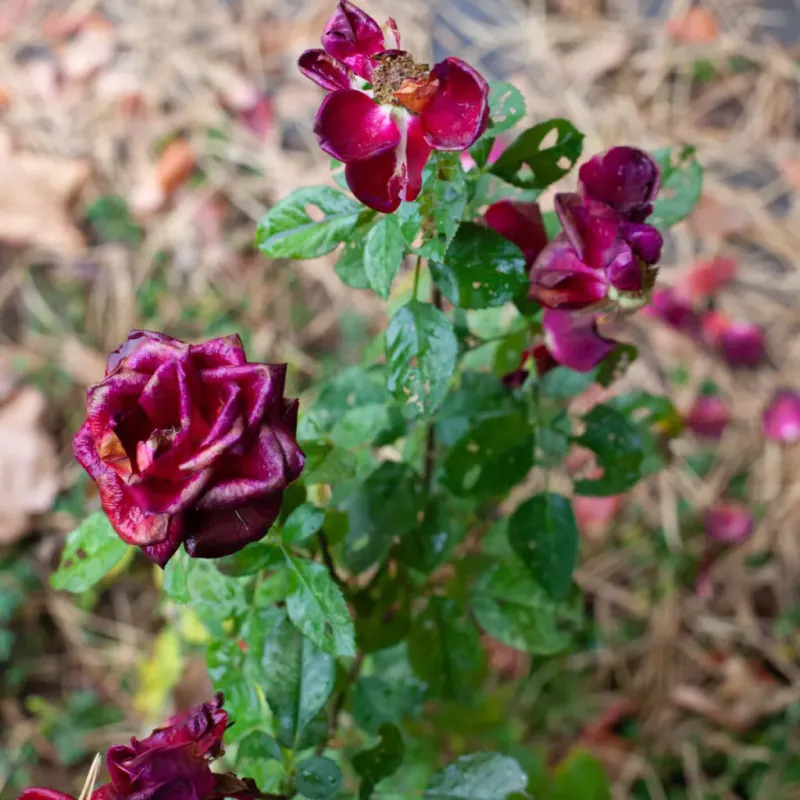
Cool air fools a lot of gardeners. The weather feels damp, so the hose gets coiled up for the year.
Meanwhile, a dry October can leave rose roots thirsty right before winter.
A well-hydrated rose handles cold much better than a stressed one. Dry roots and canes are more likely to suffer winter dieback, which means fewer healthy stems to bloom in June.
Check the soil a few inches down with your finger. If it feels dry, give a slow, deep soak at the base once a week until the ground freezes.
Water in the morning so leaves dry before evening, which helps keep fungus away.
4. Trim Only the Dead and Damaged Canes
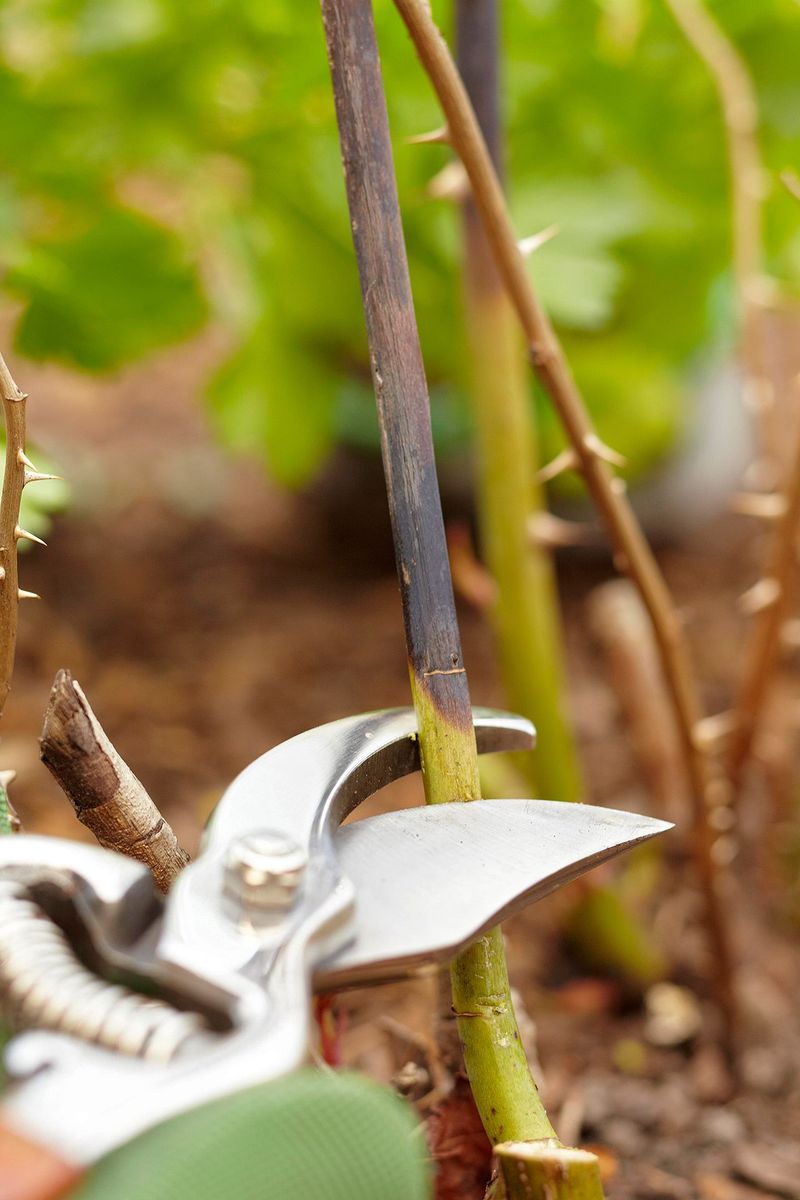
Hold off on the big haircut. Heavy pruning belongs in late winter or early spring, because cutting hard now can wake up buds that freeze later.
October is the time for a tidy-up instead. Snip any canes that are dead, broken, or clearly diseased, cutting down into healthy green or white tissue.
Clean pruners between plants help avoid spreading disease.
Very tall shrub roses can be shortened by up to one-third so winter wind does not whip them around. Fun fact: roses have been pruned for at least 2,000 years, and Roman growers already knew that damaged wood invites trouble.
5. Catch Late Pests and Mildew Early
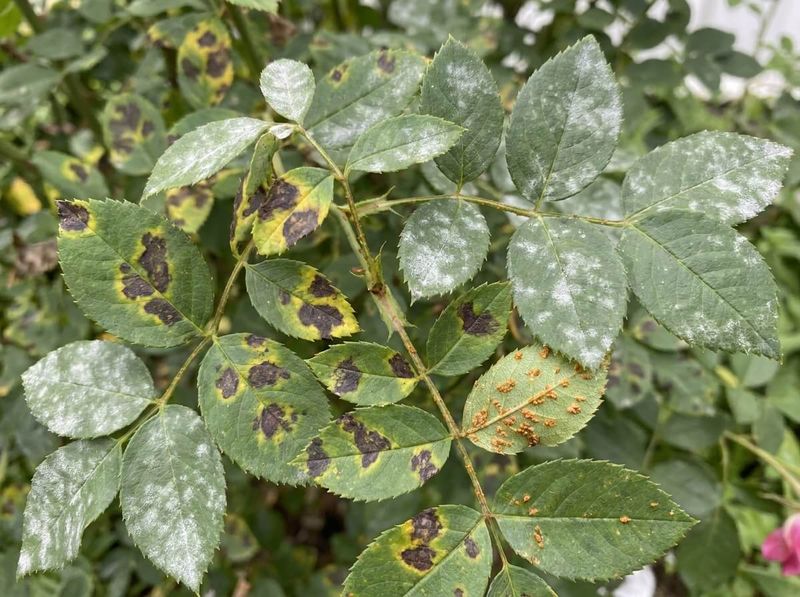
Cool nights and wet mornings are basically a welcome mat for powdery mildew and blackspot. Fall can be one of the busiest times for these problems, even when blooms are slowing.
Walk past your roses every few days and pick off any leaves with white dust or dark spots. Removing them quickly can reduce how much disease spreads to the rest of the plant.
Aphids and spider mites may also make a late appearance. A strong spray from the hose often knocks them loose without any chemicals.
Thinning crowded stems so air moves through the bush may help prevent fungus from settling in.
6. Tie Down Climbers Before the Wind Hits
Picture a long climbing cane flapping against a fence all winter. Every gust rubs the bark, cracks stems, and loosens roots.
By spring, the canes that should carry next summer’s flowers can be shredded.
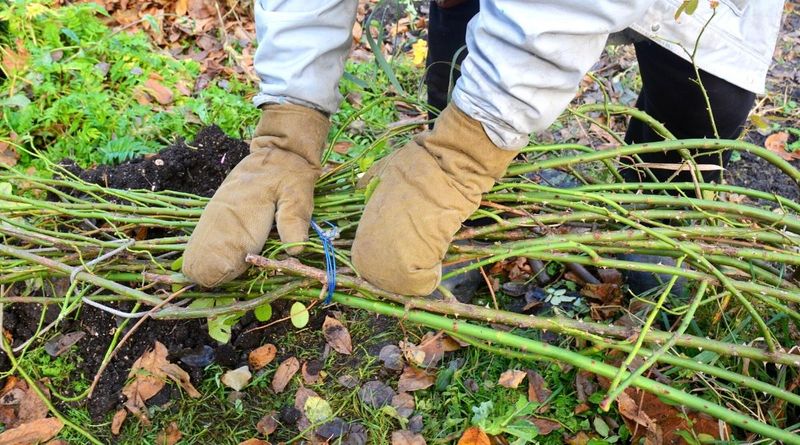
Secure climbers and tall roses to their supports with soft ties or strips of old fabric. Avoid wire, which can cut into the bark as stems sway.
In very cold northern areas, some growers carefully lower canes from the trellis, bundle them, and lay them on the ground for extra protection. It takes a little effort, but climbing roses bloom on older wood, so saving those canes really pays off.
7. Gather Mulch Now, Pile It Later
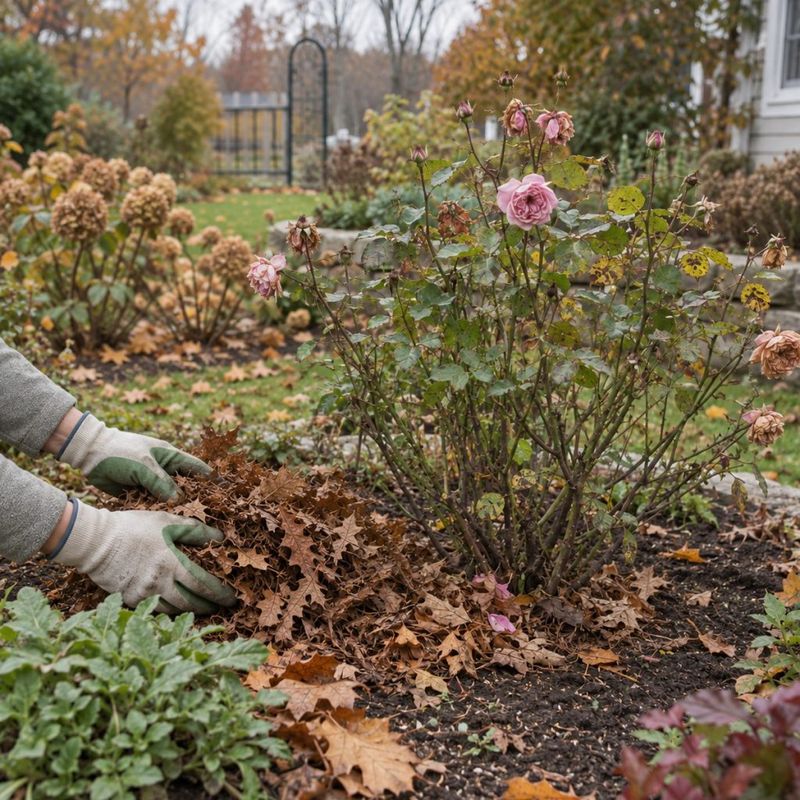
Timing is everything with winter mulch. Pile it on too early, and you can delay dormancy by keeping the soil warm.
Use October to collect your supplies. Dry shredded leaves, straw, pine bark, or compost all work well.
Then wait for the first hard frost, usually late October or November depending on where you live.
Once the ground starts to freeze, mound 6 to 12 inches of mulch around the base, making sure the knobby bud union is covered. That insulation shields it from freeze damage and harsh, drying winds.
Pull it back gradually in spring, and get ready for a June show worth the work.