
Why Crabgrass Moves Into Thin Lawns, and What Actually Helps Keep It Out
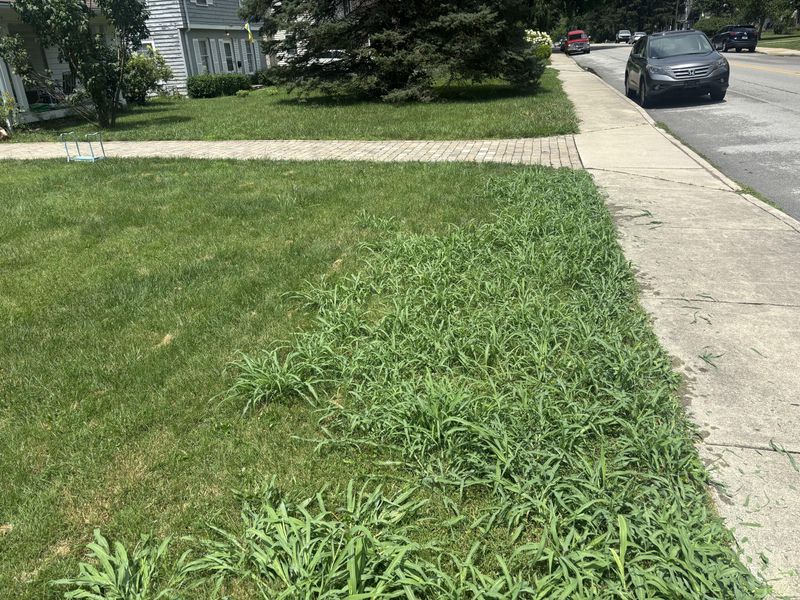
Crabgrass seems to show up overnight in thin spots, along sidewalks, and anywhere the grass looks tired. It is not random, and it is not a sign you did something wrong.
Certain lawn conditions give its seeds an easy place to start. Once you know what those conditions are, you can fix many of them with tools and habits you already have.
Crabgrass finds opportunities in thin or exposed turf
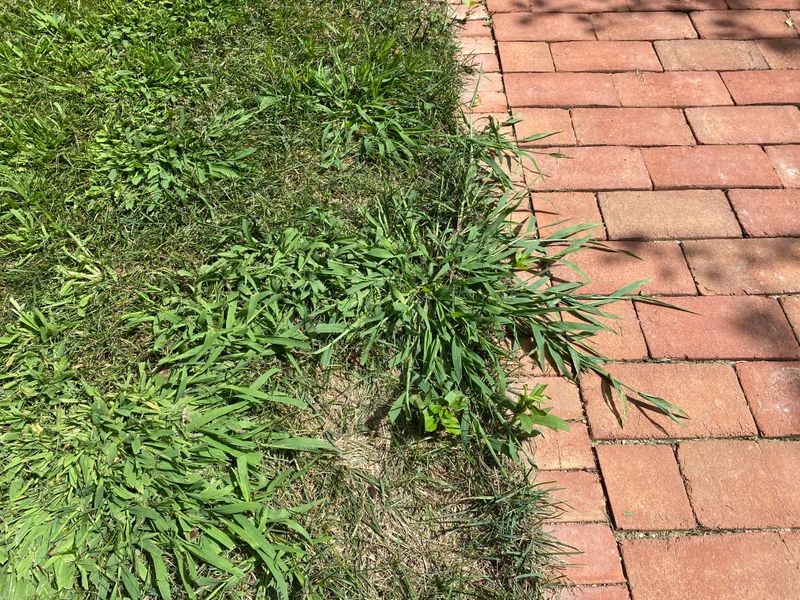
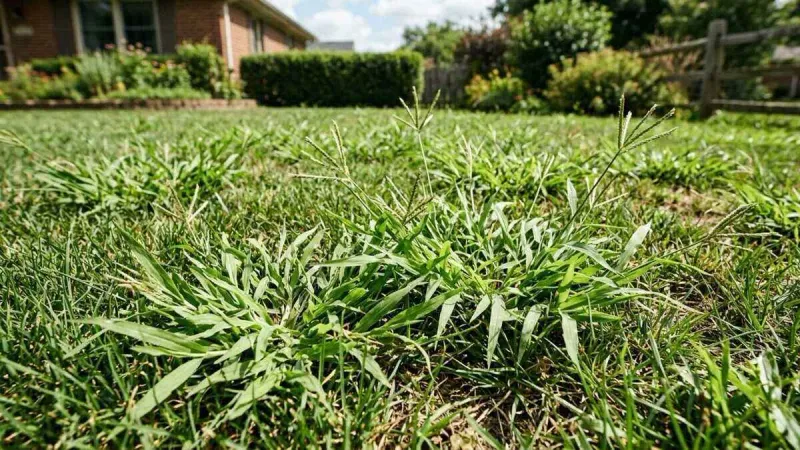
Walk the edge of your driveway in midsummer and you will probably spot it first: pale green, sprawling clumps pushing up where the lawn looks thin. Crabgrass is a summer annual, which means each plant lives one season and spreads by seed.
Those seeds sprout in open spots where sunlight reaches the soil.
According to UC IPM, crabgrass often shows up in open areas, beside sidewalks where the soil may be warmer, and where turf is mowed closely. Mowing too short can leave thin or bare patches that let weed seeds settle in.
Thin turf, bare soil, and very close mowing are the usual openings.
Notice that none of this points to one single cause. A dog path, a compacted corner, a drought stretch, or a hot strip near pavement can each do the job.
A lawn can have more than one of these at once.
Thinking of crabgrass as a opportunist helps. A thick lawn leaves fewer places for seeds to land and grow, as Purdue and Illinois Extension explain.
That makes spotting the thin areas in your own yard the best first step.
A mower adjustment can help, but it is not a cure
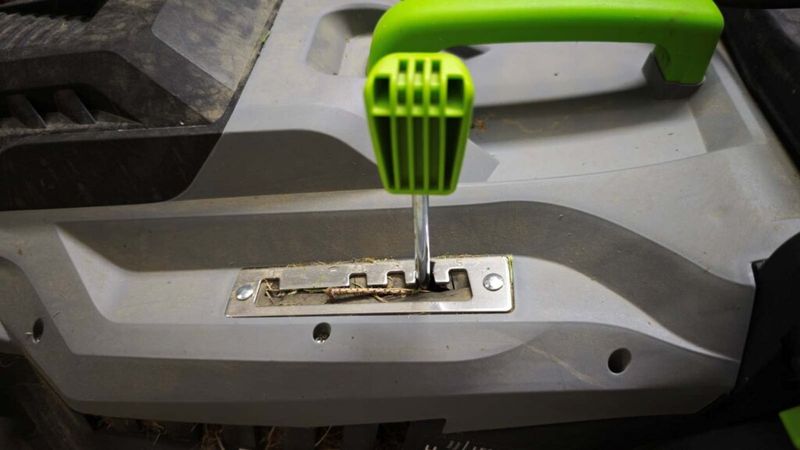
Here is the honest version of the old promise: a mower is not a household product, and it does not kill crabgrass. Changing the blade setting will not fill every bare patch either.
It is simply one tool you may already own.
If your lawn has been cut very short, raising the blade may help the grass grow denser. Taller, fuller turf shades the soil and leaves less room for seeds.
If you already mow at a suitable height, there is nothing to change here.
Think of it as one helpful practice among several. UC IPM links close mowing to thin turf and weed seed establishment, but it also points to watering, feeding, grass type, and repairing bare spots.
Even with good mowing, a few crabgrass plants may still appear. Purdue’s guidance says expecting total eradication is unrealistic.
Set mowing height for the grass you have
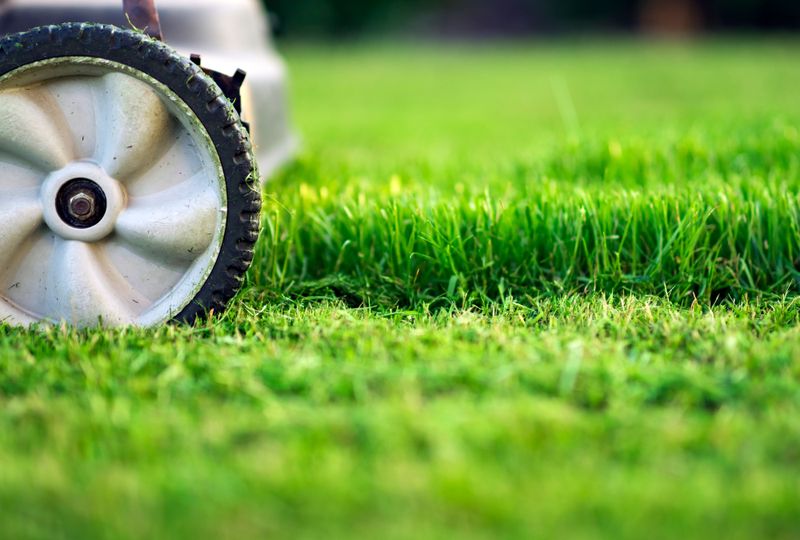
No single number fits every lawn. UC IPM lists different ranges by grass type: about 2 to 3 inches for tall fescue, 1.5 to 3 inches for Kentucky bluegrass, and 1 to 2 inches for common bermudagrass and zoysiagrass.
Those ranges show why a rule like “always mow at three inches” can steer you wrong.
Start by working out which grass you have. If you are unsure, your local Extension office can help you identify it and share heights that suit your region.
Local conditions such as shade, heat, and traffic can also shift the best setting.
Then follow the one-third rule: never remove more than one-third of the leaf blade in a single mowing. If the grass has gotten tall, trim it down in steps over several mowings instead of scalping it at once.
Scalping exposes soil and stresses the plants.
You can find this height-by-species guidance in the UC IPM crabgrass page. Raise the blade only if your lawn is being cut lower than what suits your grass.
Build turf density with more than mowing
Mowing is only one piece of a dense lawn. Watering, feeding, grass type, and bare-spot repair all play a role, and UC IPM lists each of them as relevant to crabgrass.
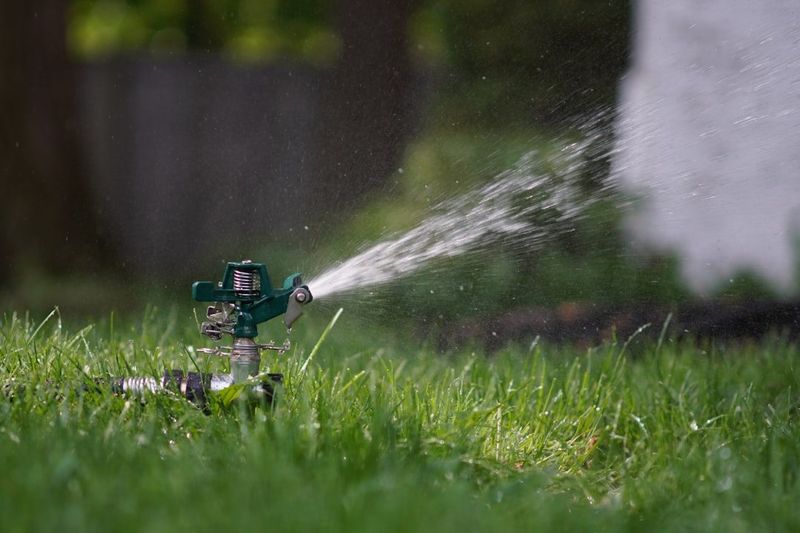
On watering, deeper and less frequent irrigation can encourage deeper roots, while frequent light watering tends to weaken turf. Exact amounts and schedules depend on your soil, weather, and grass, so there is no universal number.
Check local guidance for what suits your area.
Fertility matters too. A lawn that is underfed may thin out, while the right feeding for your grass type supports steady growth.
A soil test can tell you what your lawn needs before you buy anything.
Grass species is another factor. A variety poorly suited to your sun, shade, or climate will struggle and leave gaps.
Matching the grass to the site is a long-term fix.
Finally, fill weak or bare spots promptly. Healthier, denser turf can reduce opportunities for crabgrass, but as Purdue Extension notes, it will not guarantee a crabgrass-free yard.
A few plants may be acceptable.
Remove a few young plants before they set seed
Prevention and removal are two different jobs. Prevention keeps seeds from starting, while removal deals with plants already growing.
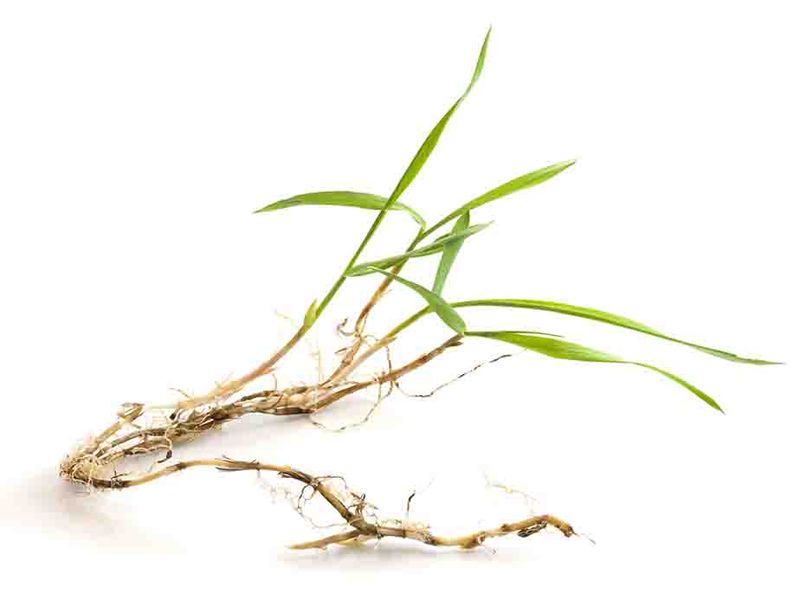
If only a few young crabgrass plants have popped up, you can handle them by hand.
Pull or dig them out before they produce seed. Wisconsin Extension notes that early removal helps stop seed production.
A hand weeder or an old kitchen knife can lift the whole plant, and moist soil makes the job easier.
Timing matters. Small plants come out easily, but large, established clumps have sprawling stems and are much harder to remove.
As Illinois Extension points out, crabgrass is an annual weed that can still be a perennial problem because of its seeds.
Hand removal suits small infestations only. If crabgrass covers large parts of the lawn, pulling will not clear the seeds already in the soil, so you will need a broader plan.
Fill the bare spot afterward so new seeds do not take its place.
Repair bare spots at the right time for your lawn
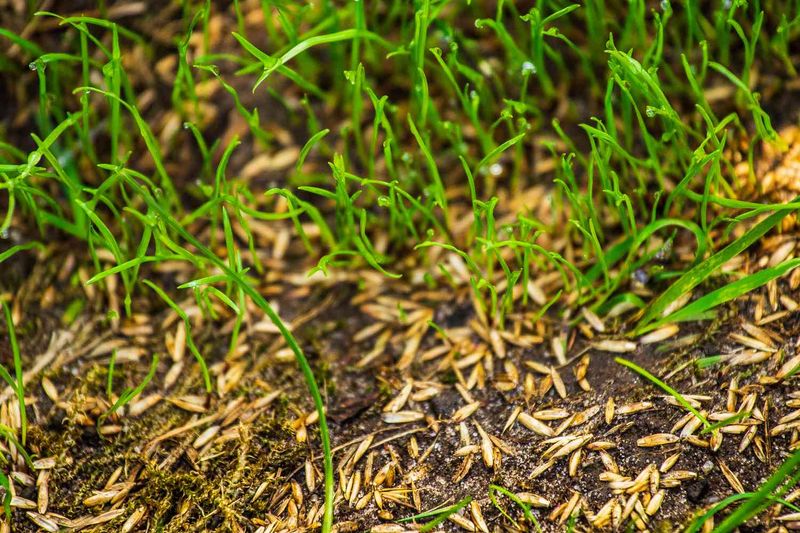
Bare soil is an open invitation, so repairing it can reduce crabgrass opportunities. Patch repair and overseeding rebuild density over time, though.
They are not instant weed control.
Timing depends on your grass and your region. As one example, Iowa State Extension recommends late summer to early fall for renovating thin cool-season lawns in Iowa.
That is an Iowa example, not a nationwide rule, and warm-season grasses follow a different schedule.
Iowa State also cautions that bare, disturbed soil in late spring or early summer can be vulnerable to crabgrass. Seeding then may give weeds a head start over the new grass.
Wisconsin Extension raises similar concerns about open soil.
So check your grass type and local calendar before you rake and sow. Your county Extension office can tell you the best window where you live.
Kitchen weed-killer recipes are not a lawn fix
Online recipes promise a cheap kitchen cure, but they do not hold up. Vinegar acts on the foliage it touches and is nonselective, so it can injure the grass you want to keep.
University of Maryland Extension says grassy weeds like crabgrass are not controlled as well as broadleaf weeds, and one study reported only 28 to 45 percent control.
Vinegar-and-salt mixes are worse. Oregon State Extension described a trial of vinegar, Epsom salts, and dish soap that burned both the grass and the weed.
The weed returned the next year while the grass did not. Skip these recipes on lawns.
Corn gluten meal is not a dependable answer either. Maryland Extension reports mixed research results, and it also adds nitrogen to your lawn.
Labeled crabgrass preventers are a different category. They must go down before germination, and Wisconsin Extension notes they will not remove established plants.
Iowa State Extension also stresses following label directions and local timing guidance.
Reduce the invitation without promising eradication
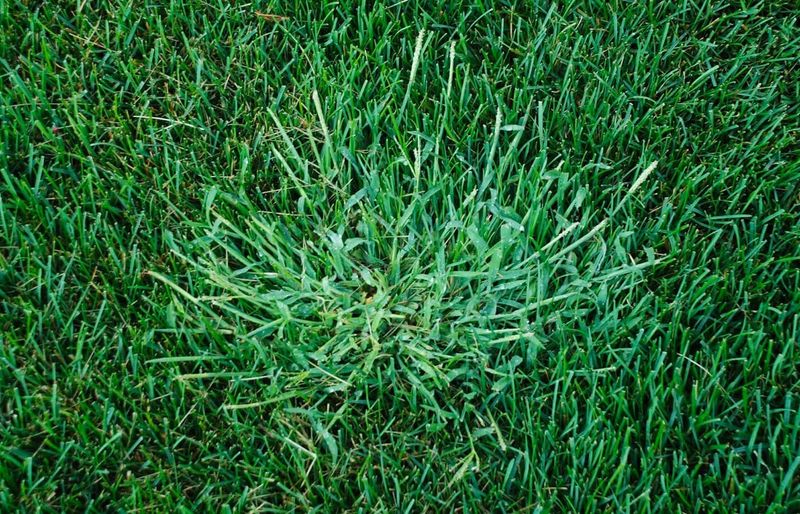
A practical plan is simple. Set your mower to suit your grass if it has been cut too low, support healthy turf, repair bare areas at the right time, and pull a few young plants before they seed.
These steps can reduce crabgrass opportunities, but they cannot promise zero. UC IPM notes that seeds can persist in soil for years, so some plants may still appear.
A lawn does not need to be perfect to be healthy. Keep the thin spots small, and the weeds will have fewer places to move in.