
These 11 Fall Bugs Are Already Looking For A Way Into Your House – Here’s How To Keep Each One Out
When the nights turn cool, your garden is not the only thing changing. Lots of bugs that spent the summer outside are now hunting for a warm place to spend the winter, and your house looks perfect to them.
A few small fixes done now can save you from months of finding beetles on the curtains and spiders in the tub. Here are the 11 most common fall invaders and simple ways to keep each one outside where it belongs.
1. Brown Marmorated Stink Bugs
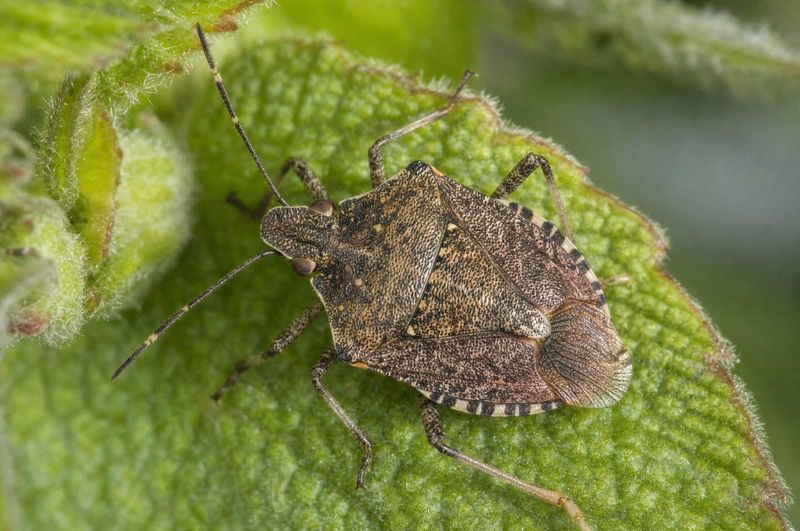
Ever caught a whiff of something like dirty cilantro near your window? That smell is the calling card of the brown marmorated stink bug, a shield-shaped pest that loves sunny siding in September.
Once temperatures drop, these bugs squeeze through tiny cracks around siding, pipes, chimneys, and window frames. Grab a tube of silicone or silicone-latex caulk and seal those gaps on a dry afternoon.
Fix torn screens and add door sweeps where you can see daylight under a door.
Outdoor lights draw them in, so switch porch lights off when you are not using them. Pick up fallen fruit and trim shrubs so branches do not touch the house.
A spray of water mixed with peppermint or clove oil around entry points may help deter a few.
If some still sneak in, do not squish them. Slip a knee-high stocking into your vacuum hose, suck them up, and toss the stocking outside so your vacuum does not end up smelling for weeks.
2. Asian Lady Beetles
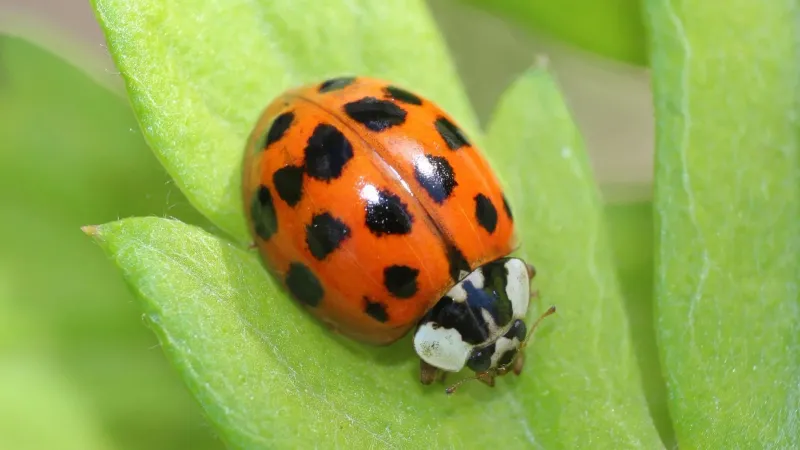
They look sweet, but the orange beetles piling up on your windowsill are usually not the native ladybugs that guard your roses from aphids. Asian lady beetles invade by the hundreds, and if you crush one, it leaves a yellow stain and a bitter smell.
Light-colored walls and bright, sunny spots attract them most. That means homes with pale siding often see bigger crowds in October.
Seal gaps around windows, eaves, outlets, and pipes, and replace worn weatherstripping. A pot or two of mums near the door might discourage them, and many folks report luck with peppermint, citrus, or clove scents.
Bay leaves tucked along sills are an old, cheap trick worth trying.
For beetles already indoors, vacuum them gently and empty the bag outside right away. Otherwise, they may crawl right back out.
3. Boxelder Bugs
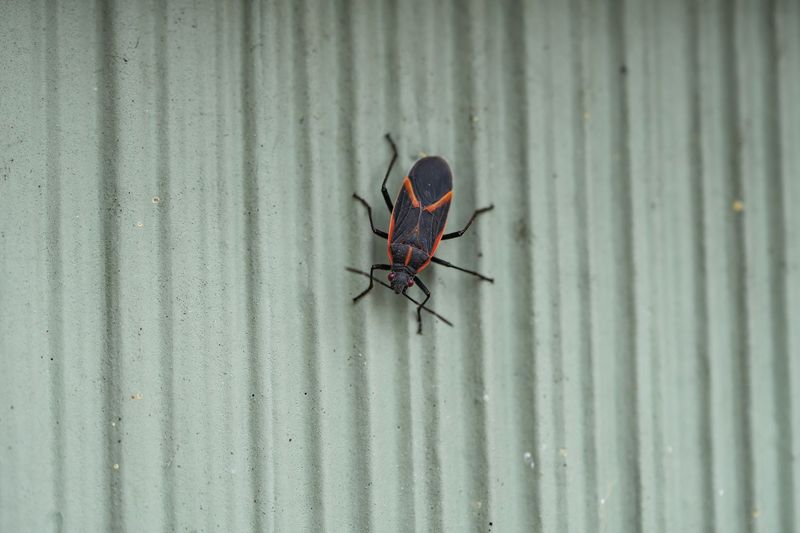
Picture a warm south-facing wall covered in black bugs with bright red stripes. That sunbathing party is a classic boxelder bug gathering, and it usually happens right before they slip inside.
Boxelder bugs feed on boxelder, silver maple, and ash trees, so yards with those trees see more of them. Trimming those trees away from the house can cut down on hangout spots.
Clear clutter and debris near the foundation too.
Next, walk around the house with caulk. Seal cracks around windows, siding, rooflines, and anywhere cables or pipes enter.
Check soffit and roof vent screens, since a small tear is all they need.
Here is a fun fact: boxelder bugs do not bite, chew wood, or breed indoors during winter. They are mostly just annoying.
Late summer is the best window for any outdoor wall treatment, before the crowd moves in.
4. Cluster Flies
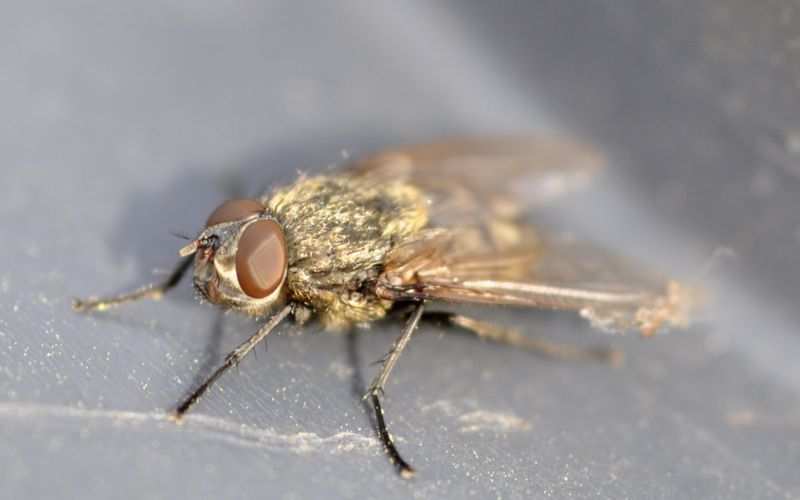
Slow, clumsy flies buzzing at the attic window in November are not a sign of poor housekeeping. Cluster flies look like house flies with golden hairs on their backs, and they spend summer as larvae living inside earthworms in your lawn.
In late summer, adults look for protected spots in attics and wall voids. On the first warm winter day, they wander out, confused and sleepy.
Sealing is your best defense. Caulk cracks around windows, behind chimneys, under fascia boards, and around utility lines.
Repair any ripped screens before August ends.
Inside, seal gaps around outlet boxes, light fixtures, and baseboard trim. That keeps any flies already in the walls from reaching your living room.
5. House Spiders
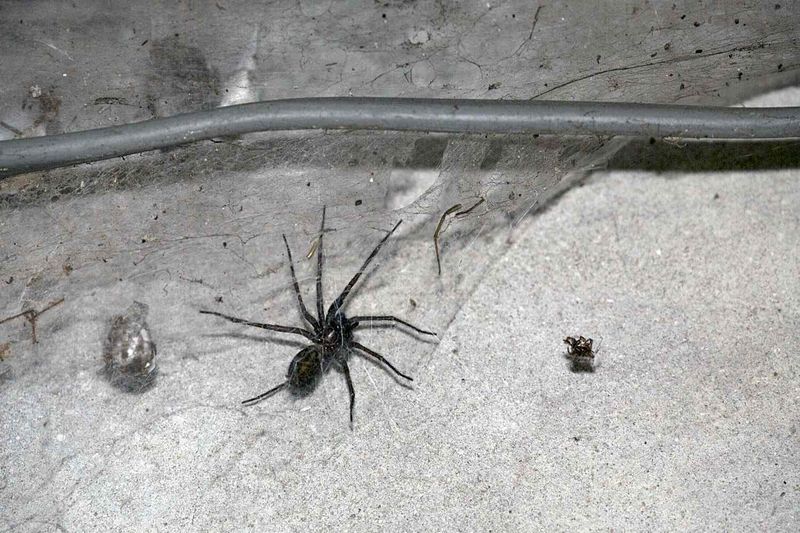
Spiders get a bad rap, but most are garden helpers that eat aphids and flies all summer. In fall, though, males go wandering for mates and shelter, which is why you suddenly spot them in the bathtub.
Start outdoors. Keep shrubs and plants from touching the siding, pull mulch back a few inches from the foundation, and stack firewood away from the house.
Inside, clear cardboard piles in garages and basements, since boxes make cozy hideouts. Check potted plants before you bring them indoors for winter.
Spiders also follow the bugs that gather at lights, so turn off porch lights and close blinds at night.
A spray of water with peppermint or tea tree oil along sills may help keep some away.
6. Earwigs
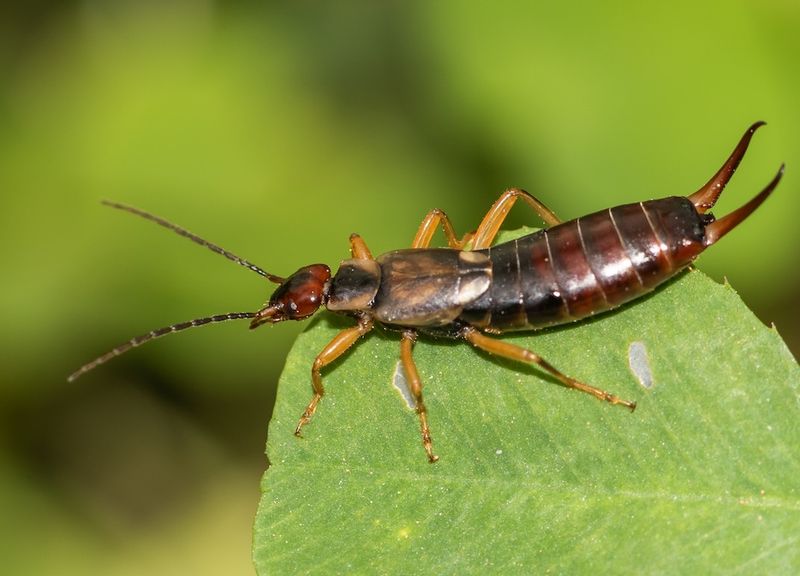
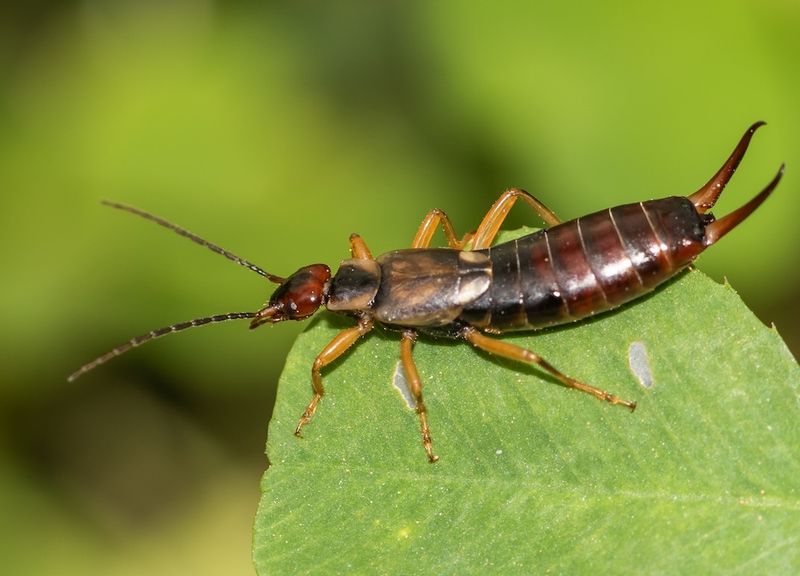
Gardeners already know earwigs as the pincer-tailed pests that chew holes in dahlia petals and seedlings. When fall rains and cold arrive, they go looking for damp, dark spots, and your basement fits the bill.
Moisture is the magnet. Fix drips under sinks and around water heaters, and run a dehumidifier in damp basements.
Make sure gutters and downspouts carry water away from the house.
Rake leaf piles and thick mulch away from the foundation, and seal gaps around doors and foundation cracks. Door sweeps help a lot.
To catch strays, roll damp newspaper into a tube and leave it by the door overnight. In the morning, shake it out into soapy water.
Despite the old myth, earwigs do not crawl into ears.
7. Silverfish
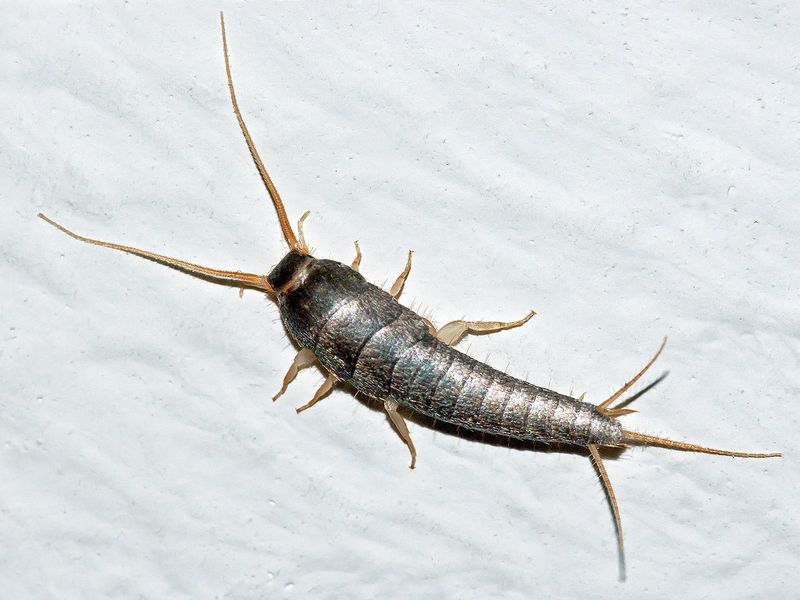
Silverfish have been around for hundreds of millions of years, longer than dinosaurs. These shiny, wiggly bugs love humid rooms and snack on paper, glue, book bindings, and even your seed packet stash.
Dry air is their enemy. Use a dehumidifier in the basement, bathroom, or laundry room, and repair leaky pipes.
Better airflow helps too.
Move old papers, photos, and linens out of cardboard and into plastic bins with tight lids. Keep pantry food sealed, and vacuum cracks often to remove eggs.
Caulk gaps around pipes and baseboards. Cedar blocks, cloves, or lavender sachets in closets may help deter them in a pleasant-smelling way.
8. Ants
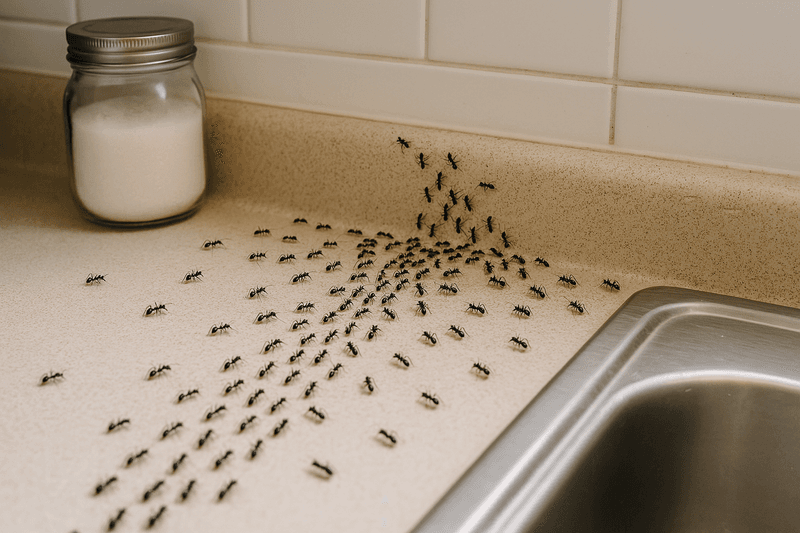
A single ant on the counter is a scout. Follow it, and you will often find a trail leading back outside to a colony that wants drier ground after soggy fall rains.
Seal cracks in the foundation and around windows and doors. Pay attention to where the trail enters and caulk that exact spot first.
Store food in airtight containers, wipe counters, and sweep up crumbs daily. Use trash cans with tight lids.
Fix any leaks, because ants like moisture as much as sugar.
9. Cockroaches
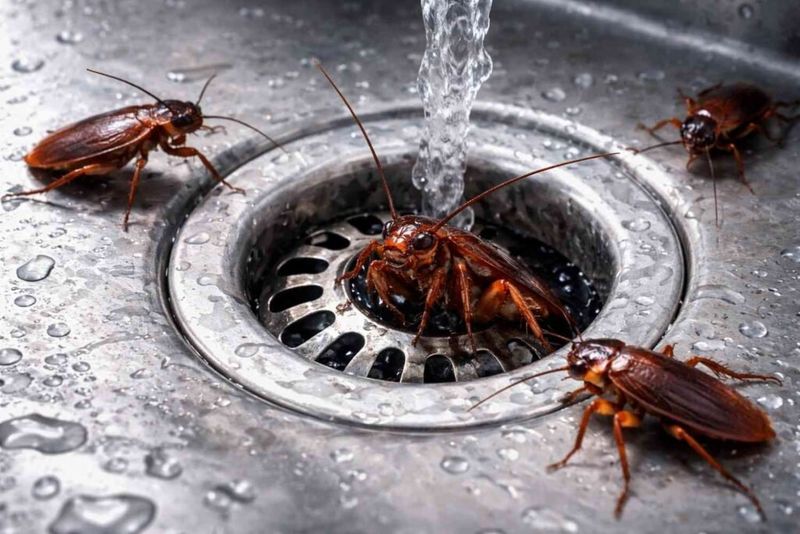
Nobody wants to flip on the kitchen light and see something scurry. Cockroaches crave warmth and moisture, and as the weather cools, a heated kitchen becomes very appealing.
Look under your sinks first. Fix dripping faucets and leaky pipes, and wipe up standing water around the dishwasher.
Keep food sealed, take the trash out often, and do not leave pet food sitting out overnight. Caulk cracks around pipes and cabinets, where roaches like to travel.
A clean, dry kitchen gives them very little reason to stay.
10. Springtails
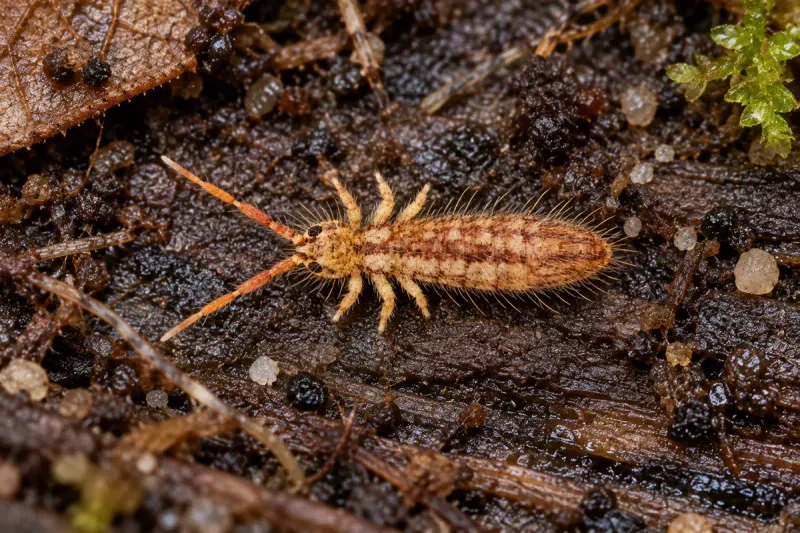
Tiny specks that jump when you touch them? Those are springtails, and you may notice them in overwatered houseplant pots you just brought inside for winter.
Springtails live on mold and decaying matter, so they show up where things stay damp. Spotting a lot of them can hint at hidden water damage.
Let houseplant soil dry out between waterings and empty saucers. Run a dehumidifier in the basement, improve bathroom ventilation, and seal gaps letting moisture in.
Once things dry out, springtails usually disappear on their own.
11. Overwintering Wasp Queens
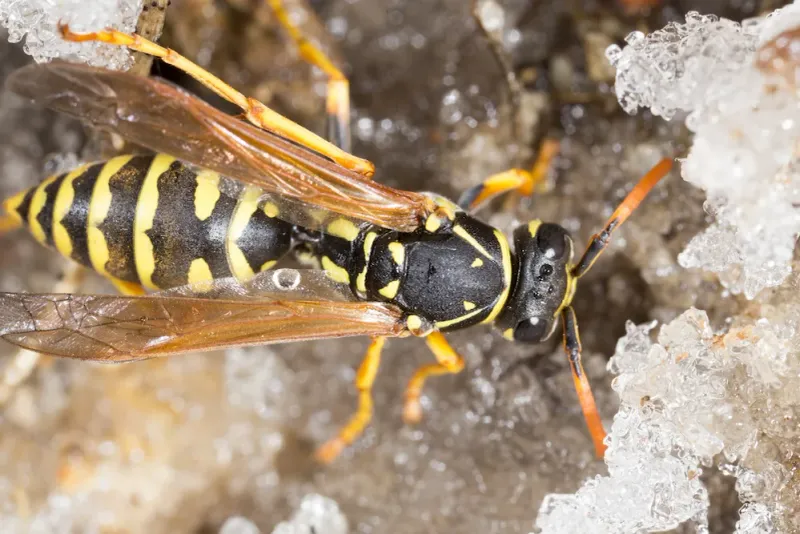
By late fall, the wasp nest by your tomato cages is dying off. Only the newly mated queens survive, and each one is searching for a sheltered nook to sleep through winter.
Attics, wall cavities, and gaps near rooflines are top choices. One queen tucked in your attic today could start a whole new nest near your porch next spring.
Check attic vents and make sure the screens are intact. Caulk gaps along the roofline and around eaves.
If you keep finding sleepy wasps indoors, a professional inspection can track down the entry point safely.