
Plant These North Carolina Winter Bloomers Now And Your Yard Stays Colorful Through January
Most North Carolina yards go gray and quiet by the time the holidays roll around. It does not have to be that way.
A handful of native shrubs and trees bloom, berry, or glow with bright bark right through January, and they feed the birds and pollinators that count on your yard all winter. Plant a few this season and you get color for you and a lifeline for local wildlife.
1. Witch Hazel (Hamamelis virginiana)
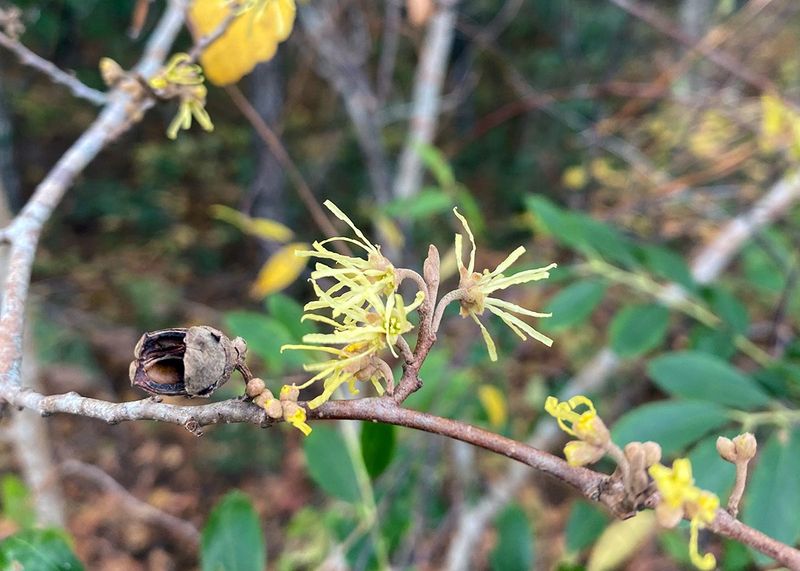
Picture a cold December morning when everything looks asleep, and then you spot a shrub covered in tiny yellow ribbons. That is witch hazel, and it is one of the few native plants in North Carolina that actually flowers when winter settles in.
Blooms often start in November and hang on into December and beyond.
The flowers are not just pretty. Late-flying moths, flies, and small native bees may find almost nothing else to eat this time of year, so witch hazel acts like a winter snack bar.
The shrub also gives birds a place to hide from hawks and wind.
Here is a fun bit: the seed pods from last year can pop open with a snap and fling seeds several feet. You might see old pods and new flowers on the same branch.
Plant it at a woodland edge in part shade, where it grows into a loose, small tree that fits nicely in Piedmont and mountain yards.
2. American Holly (Ilex opaca)
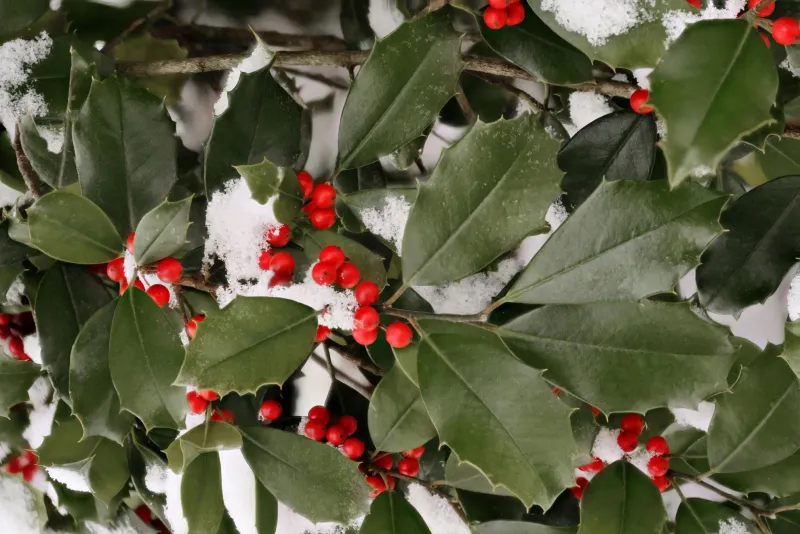
Grandparents across the state have strung holly over mantels for generations, but the real magic happens when you leave it growing outside. American holly keeps its glossy green leaves all year and holds red berries well into January.
On a gray day, it looks like the yard is wearing a holiday sweater.
Those berries feed bluebirds, mockingbirds, robins, wild turkeys, and quail when food gets scarce. The thick, prickly branches also give songbirds safe cover from cats and cold winds.
Even tiny Henry’s Elfin butterfly caterpillars use it as a host plant in spring.
One tip saves a lot of frustration. Only female hollies make berries, and they need a male nearby, so buy from a nursery that labels the plants.
Skip non-native English holly, which can spread into NC woods, and choose our native instead.
3. Winterberry (Ilex verticillata)
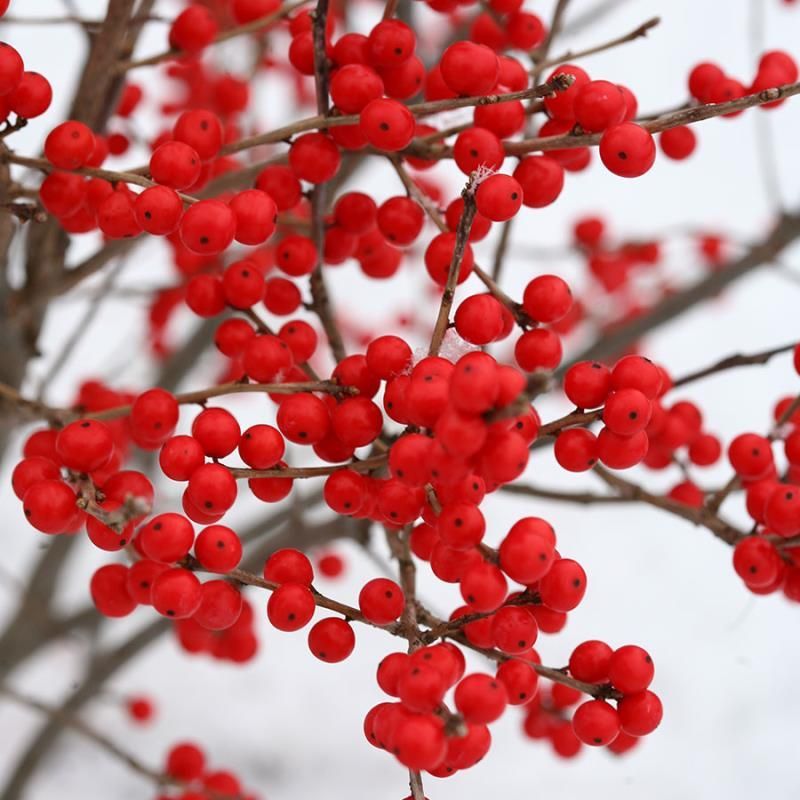
Bare branches. Bright red dots.
Nothing else. Winterberry drops its leaves in fall, and what is left looks like someone glued cherries all over a shrub.
Unlike American holly, this native holly is deciduous, so the berries really pop against the empty stems. Cedar waxwings, robins, and bluebirds tend to strip it clean by late winter, which is exactly the point.
You get color in December and a full bird feeder that never needs refilling.
Winterberry loves damp spots, so that soggy corner of the yard or the edge of a rain garden is perfect. Like other hollies, plant a male pollinator within reach of the females.
It works well in all three regions of North Carolina and makes a cheerful swap for invasive burning bush, which also offers fall color but crowds out natives.
4. Yaupon Holly (Ilex vomitoria)
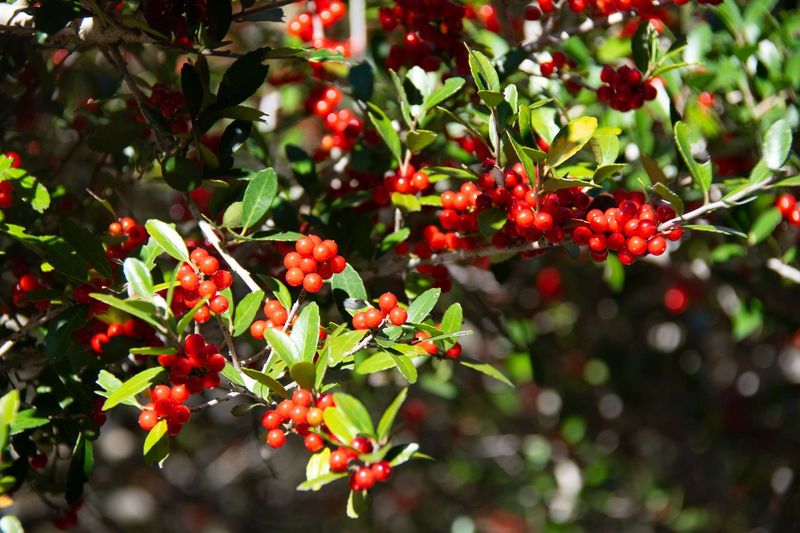
Don’t let the scientific name scare you off. Yaupon got its odd label from an old misunderstanding, and in truth it is the only native North American plant with caffeine in its leaves.
Coastal tribes brewed it as a tea long before coffee arrived.
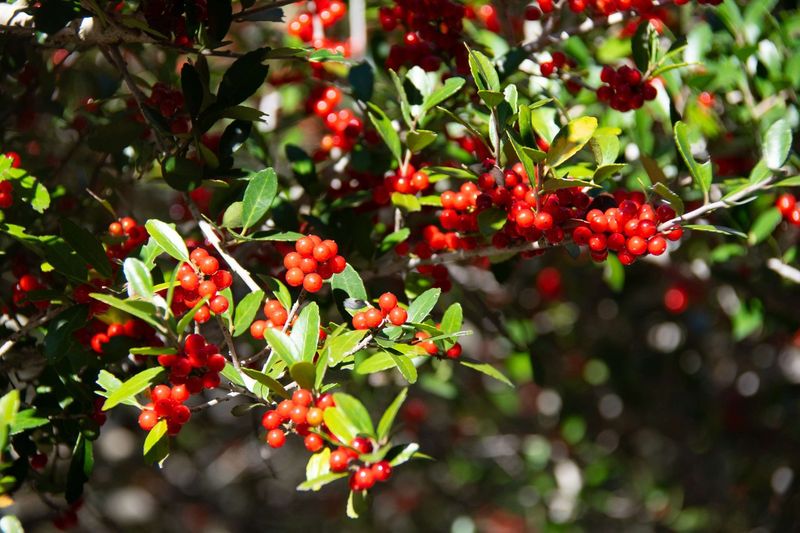
For your yard, yaupon is the tough, fast-growing evergreen that shrugs off drought, salt spray, sandy soil, and the occasional flood. Female plants carry loads of tiny red berries that brighten the hedge through winter.
Birds and small mammals snack on them when other food runs thin.
Many homeowners use yaupon as a privacy screen in place of invasive privet or Japanese photinia. Its spring flowers draw pollinators, and its leaves support butterfly caterpillars.
Coastal Plain gardeners especially will find it nearly impossible to kill, which is a nice feature for a busy weekend gardener.
5. Inkberry Holly (Ilex glabra)
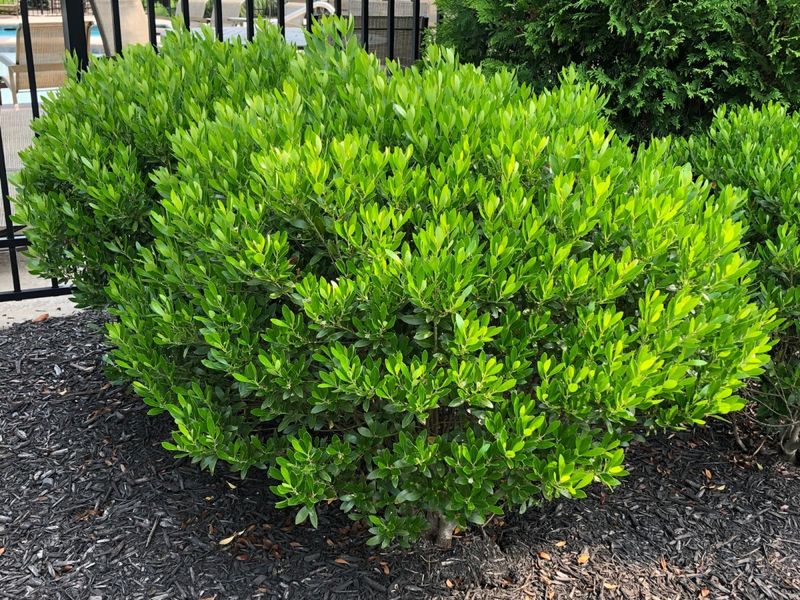
Some plants shout, and some plants just quietly do their job. Inkberry is the quiet type, with dark green leaves and small black berries instead of red ones.
It gives your winter garden a calm, steady backdrop that makes the brighter plants stand out.
Where inkberry really earns its spot is along the edge of the yard. It grows into a dense, tidy hedgerow, and a defined border between woods and lawn can help reduce how often ticks drift into the places where kids and pets play.
Keep the strip mulched and the grass mowed short on your side for the best effect.
Quail, wild turkeys, and songbirds eat the berries, and the thick branches make great shelter. It is also a host plant for the Henry’s Elfin butterfly.
If you have been eyeing boxwood or invasive privet for a hedge, inkberry is the native choice that gives back.
6. Silky Dogwood (Cornus amomum)
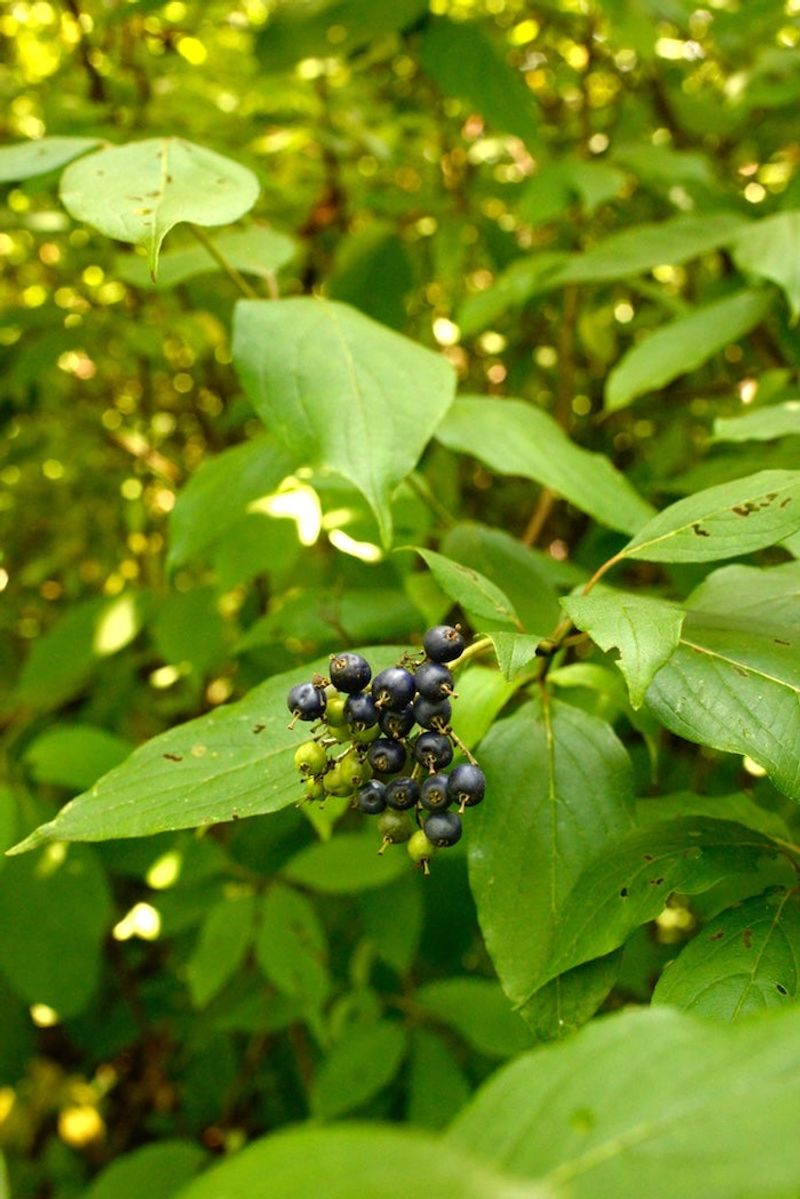
Flowers are not the only way to get winter color. Silky dogwood shows off with reddish-maroon twigs that seem to glow once the leaves fall.
A group of them against a frosty lawn looks warm, almost like embers.
Plant several together and you get a living hedge that catches the eye from your kitchen window. In late spring, creamy white flowers feed pollinators.
Later, blue fruit appears that birds gobble up fast.
This shrub likes moist soil and does well near creeks, ditches, or low spots, where its roots help hold the ground in place. It is a strong swap for invasive Asian bush honeysuckle, which often fills those same wet edges.
Cut a few of the oldest stems back each late winter, since young stems carry the brightest color.
7. American Beautyberry (Callicarpa americana)
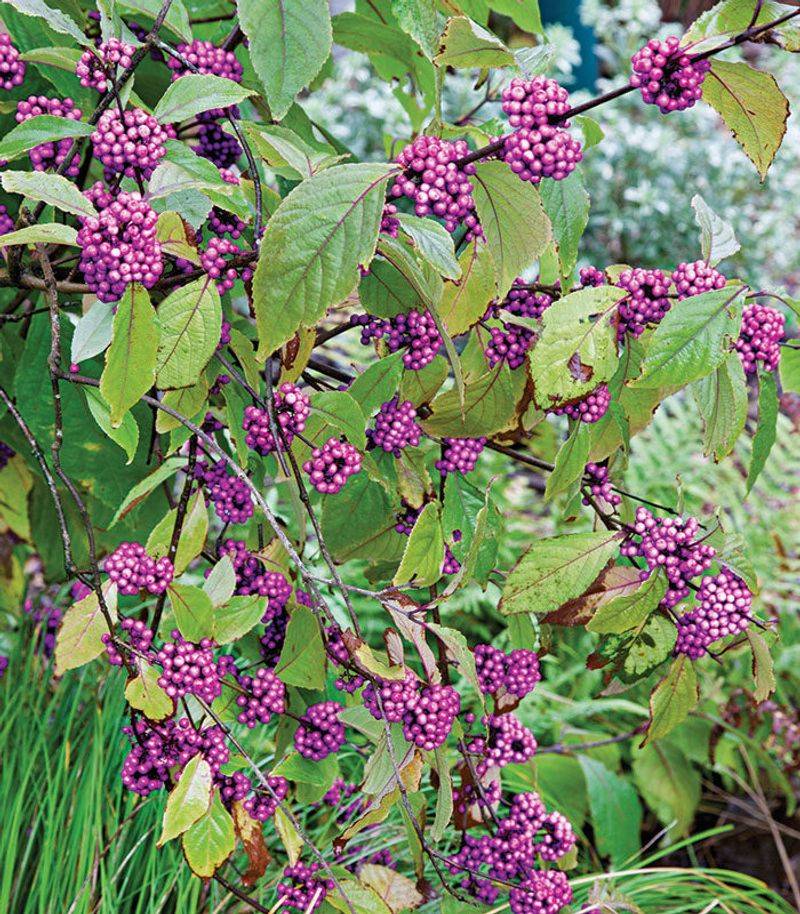
Ever seen a berry so purple it looks fake? Visitors often ask if beautyberry has been painted, and it never gets old.
Clusters of vivid violet fruit wrap around the arching stems from fall into winter.
Eastern towhees, robins, and purple finches pick at the berries as the cold sets in. Foxes, opossums, and squirrels join the feast too, which makes this shrub a small wildlife buffet.
Old-timers in the South even rubbed the crushed leaves on their skin, believing it kept bugs away.
Beautyberry grows easily in sun or part shade across North Carolina. Cut it back hard in late winter and it bounces back fuller in spring.
Pair it with the hollies on this list, and your yard can carry red, black, and purple berries all the way through January.