
Can Catnip in Your Garden Really Help With Mosquitoes? What the Research Shows
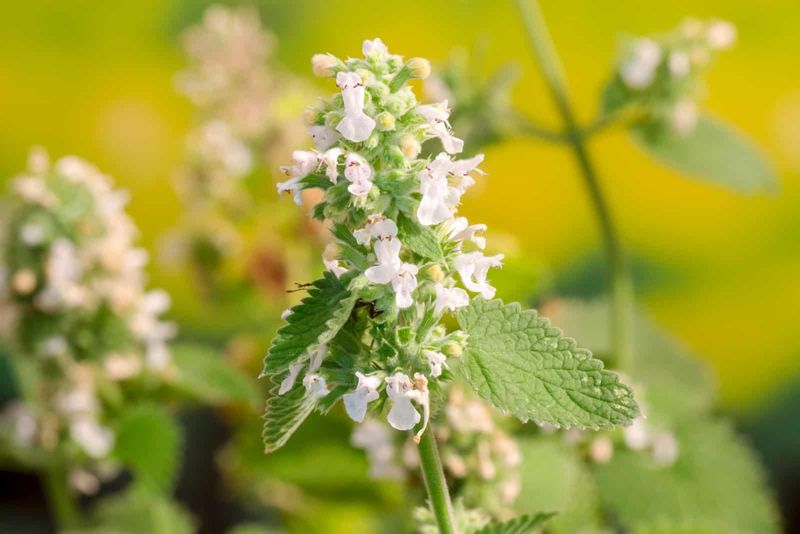
Gardeners often pull catnip out as a weed, then hear it can beat DEET and citronella. That story is catchy, but the science behind it is narrower than the headlines.
Here is what researchers actually tested, how to grow true catnip without regret, and which steps really cut down on bites around the spots where you sit.
The catnip trial tested lotion, not a patio plant

Planting catnip near your seating area has not been shown to keep mosquitoes away, and nobody has shown it outlasts citronella. The catchy claim mixes up two very different things.
The exciting research was about a lotion, not a living plant.
In a 2026 field study in Eastern Uganda, researchers tested catnip oil lotions at 2% and 6%. They compared them with plain lotion and a 15% DEET lotion.
Each trial ran for four hours in the evening, and the team counted mosquitoes landing on participants’ exposed lower legs.
The 6% catnip oil lotion performed similarly to the DEET lotion in that setting. That is real news for people who make and study repellent products.
It does not tell us how a pot of catnip on your deck would behave, because no plants were tested and no patios were measured.
The study also did not compare catnip with citronella at all. Its results cover two locations, evening hours, and the mosquitoes found there.
They do not automatically carry over to other climates, other mosquito species, other formulations, or longer stretches of time.
Plant advice from universities points the same way. Iowa State University Extension says plants simply sitting in the landscape do not work as mosquito repellents.
So enjoy the research as a promising lead for products, and keep your expectations for the garden bed modest.
Catnip is not simply stronger than DEET
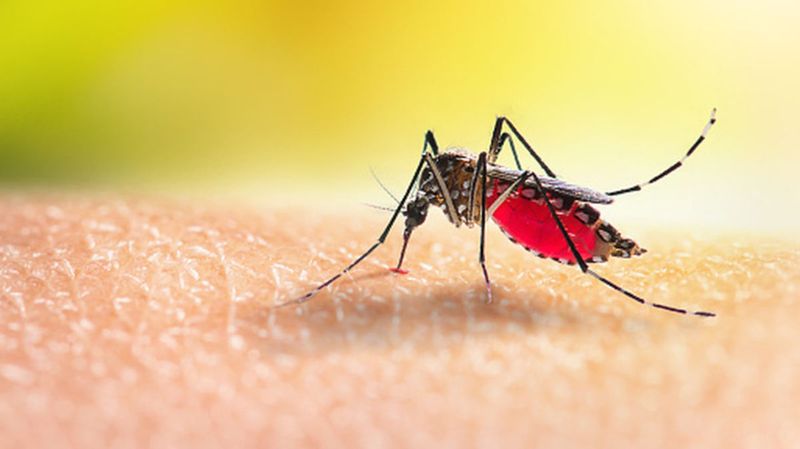
Whether catnip beats DEET depends on what you measure. Scientists use different tests, and each one answers a different question.
A win in one test is not a win in all of them.
In USDA-affiliated research on catnip oil and DEET, catnip oil did better in a spatial repellency assay. That test looks at whether mosquitoes steer away from a treated area.
It is not the same as asking whether you will get bitten.
When the question was protection through contact, DEET came out more effective. A separate study with human volunteers also found catnip oil and nepetalactone, the compound in catnip, were less effective than DEET at deterring bites.
Those are the tests closest to what you care about on a summer evening.
So the hook that catnip is stronger than DEET is too broad. Results shift with the assay, the mosquito, and the formulation.
Treat each finding as a narrow result about one test.
The practical takeaway: if you hear a catnip claim at a garden club, ask what was measured and on whom. A lab result in a cage is a clue, not a promise about your patio.
Citronella can mean an oil or a different plant
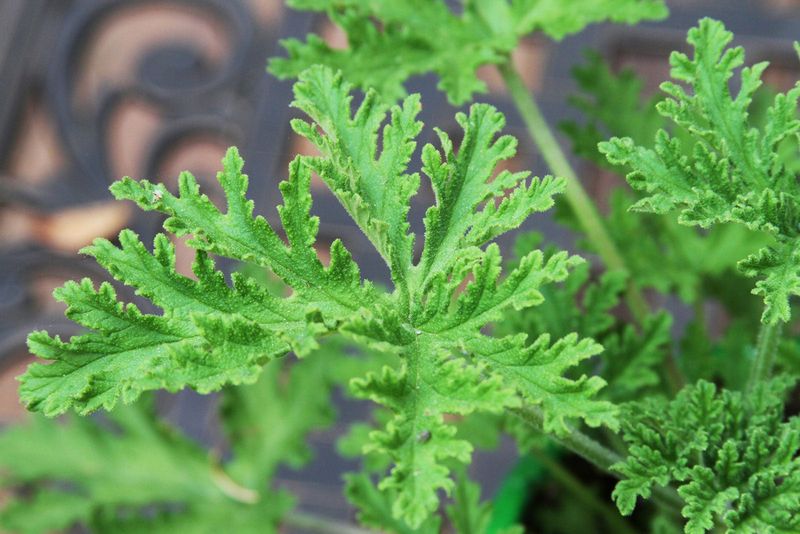
Shop for a citronella plant and you may carry home the wrong thing. Citronella oil is distilled from grasses.
The plant sold in many garden centers under that name is a citronella-scented geranium, Pelargonium citrosum, which is a different plant.
That difference matters. In a field evaluation of the citrosa plant, the geranium did not significantly reduce mosquito biting compared with no treatment.
Its oil also did not match commercial citronella oil.
So a pot of scented geranium is not a stand-in for citronella candles or sprays. Smelling lemony does not mean a plant works as a repellent.
The same goes for any leafy herb you might tuck beside a chair.
This also explains why a head-to-head contest between catnip and citronella is not backed by evidence. One side is an oil from grasses, another is a different living plant, and a third is a catnip oil lotion.
They were never tested against each other on a patio.
As Iowa State Extension notes, plants marketed as mosquito repellents do not deliver when they just grow nearby. Buy scented geraniums because you like the foliage, not for bite defense.
True catnip grows best in sun and can spread
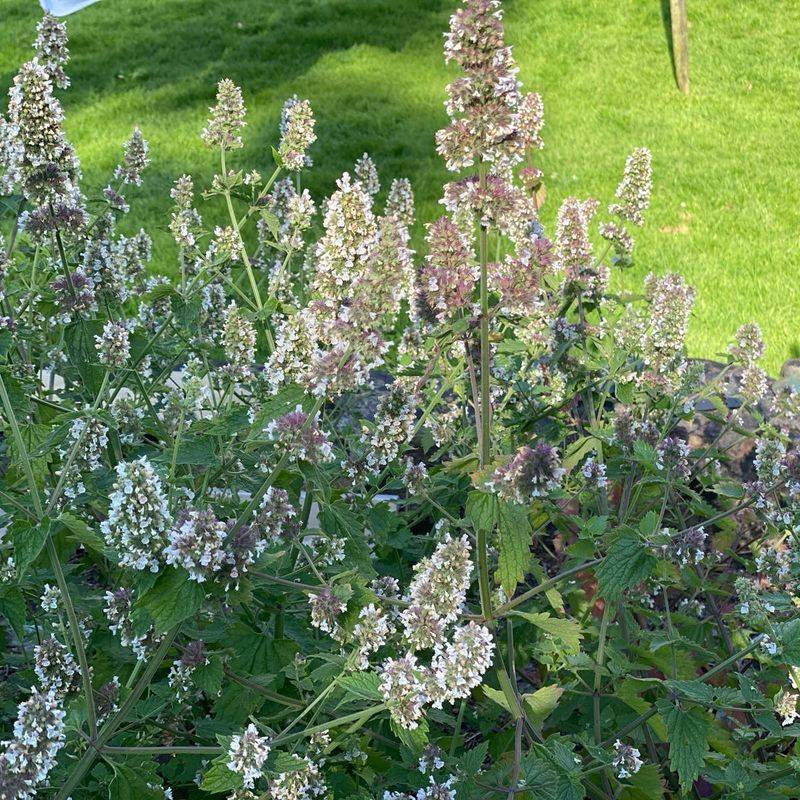
If you want catnip for its own sake, pick true catnip, Nepeta cataria. Many ornamental Nepeta relatives look similar but are different plants, so check the botanical name on the tag.
According to University of Illinois Extension, catnip does well in full sun and moist, well-drained soil. It tolerates light shade, so a spot with some afternoon relief works too.
Soggy ground is the thing to avoid.
Plan for its habit as well. University of Wisconsin Extension notes that catnip can spread and reseed.
That does not happen in every garden, but it is common enough to plan around, especially if you let flowers fade on the plant.
A good spot is a corner of the herb bed where a little wandering will not crowd out tomatoes or your prized hydrangeas. Give it room, and check it each spring for seedlings popping up where you did not plant them.
Think of it as an herb with soft, gray-green leaves, lavender-white blooms, and plenty of visits from bees. That is a perfectly good reason to grow it, and it does not need to double as a mosquito barrier.
Contain catnip and consider your cats
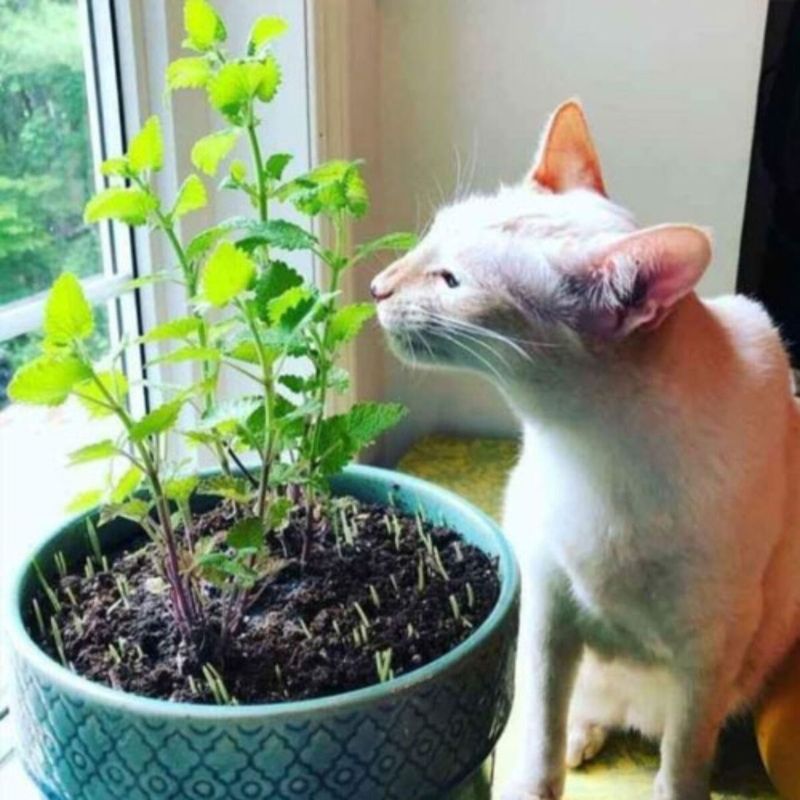
A container is the easiest way to keep catnip in line. Set the pot on a hard surface such as a deck or patio stones, where seedlings have no soil to root in.
In the ground, a bed edge or a spot you check often works better than a far corner.
Pruning helps too. University of Wisconsin Extension guidance supports growing it in a container, pinching it back, and removing spent flowers to limit spread.
Snip off faded blooms before they set seed, and the plant stays tidier and bushier.
Now the cat question. Catnip attracts cats, and the ASPCA lists catnip as toxic to cats.
It names vomiting and diarrhea as possible signs after ingestion.
That does not mean every nibble leads to serious harm. Many cats just roll around and sniff.
Still, a pot does not automatically make the plant safe, since a determined cat can chew a stem or knock it over.
If your cat eats a lot or seems unwell, call your veterinarian. A raised planter or a spot out of reach is a simple precaution for a cat that gets a little too enthusiastic.
Use labeled repellents for personal bite protection

For protection from bites, reach for a product made for skin. CDC guidance says to use EPA-registered repellents and follow the directions on each label.
It also says the effectiveness of repellents that are not EPA-registered is unknown.
The CDC names several active ingredients: DEET, picaridin, IR3535, oil of lemon eucalyptus, PMD, and 2-undecanone. They are not interchangeable, and no ingredient suits every person or every use.
Age limits, skin sensitivity, and how long protection lasts vary, so the label is your guide.
You may notice catnip oil on the EPA’s list of skin-applied repellent ingredients. It appears in some registered products.
That listing applies to those formulated products, not to garden catnip.
So crushed leaves rubbed on your arms or a homemade essential oil mix are not substitutes for a labeled product. Nobody has shown those preparations protect you.
If you like the idea of catnip oil, look for a registered product and use it exactly as the label permits.
Keep a bottle by the patio door so it is easy to apply before you sit down. Reapply as the label says, especially in the evening.
Empty standing water around the patio every week

Mosquitoes need standing water to breed, and gardens are full of little containers. Once a week, walk the yard with a sharp eye.
Anything holding water is worth a second look.
According to CDC advice on mosquito control at home, you can empty and scrub, turn over, cover, or throw out water-holding items weekly. That includes planters and flowerpot saucers, which are easy to forget under a row of geraniums.
Try a quick routine. Tip out every saucer and scrub off any slimy film.
Flip over buckets, wheelbarrows, and watering cans, and cover rain barrels or rain-collecting containers.
Check the less obvious spots as well. Toys, tarps with sagging pockets, clogged gutters, and plant trays can all hold enough water to matter.
Discard anything you do not use.
This will not make your patio mosquito-free, because mosquitoes also come from neighboring yards. Still, cutting down local breeding sites can reduce how many hatch near you, and it pairs well with a labeled repellent on your skin.
Set a weekly reminder so it becomes habit.
Grow catnip as an herb, not as patio protection
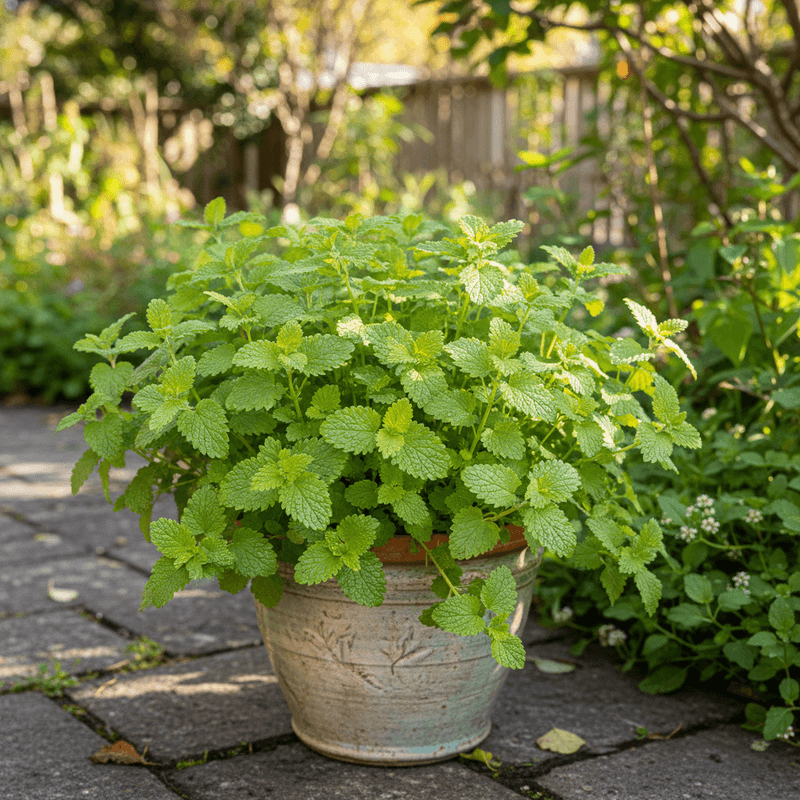
Two decisions are easy to blend together, so keep them apart. Grow true catnip if you enjoy the herb, and contain it so it stays where you want it.
The 2026 catnip study tested a lotion, so it gives no proof that the plant protects a patio or beats citronella.
For bite prevention, rely on labeled repellents and weekly water checks.
Let the catnip be a pretty, bee-friendly plant, and let the repellent do the repelling.