
Why North Carolina Gardeners May Get Several Years of Spring Color from Ornamental Allium
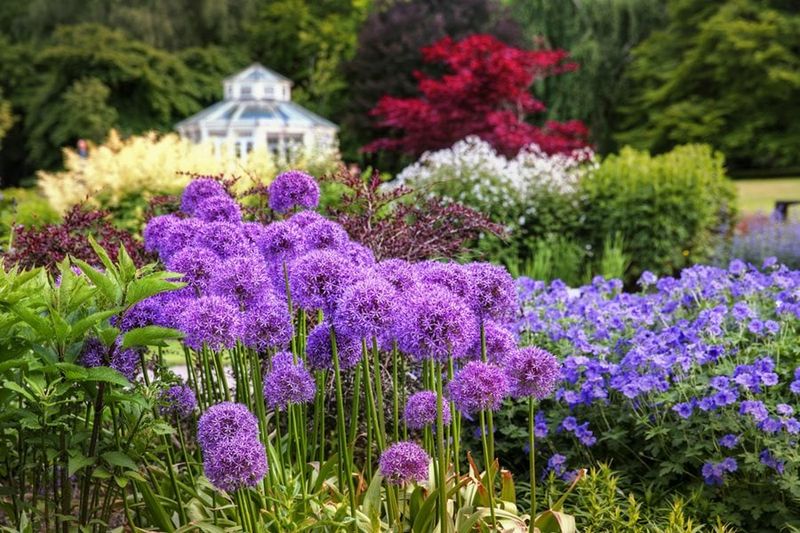
Those round purple globes floating above the garden in spring are hard to forget, and they start as bulbs planted in fall. Ornamental allium can give North Carolina yards a bold show the first spring and sometimes a few more after that.
The catch is that returns are possible, not promised, so choosing the right plant and planting at the right time matters. Here is how to give your bulbs a fair shot in the mountains, the Piedmont, or the Coastal Plain.
Allium may return, but it is not a permanent bulb
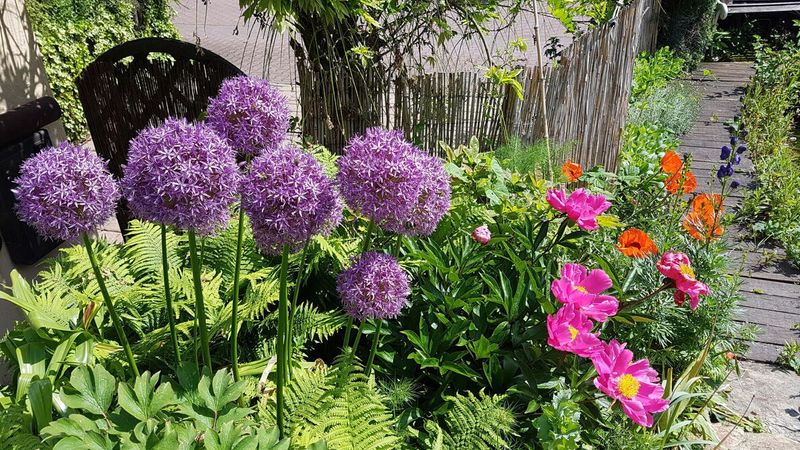
Plant a suitable ornamental allium this fall, and it should flower the spring after planting. That first show is the dependable part.
According to N.C. Cooperative Extension in Pender County, ornamental onions are less reliable about coming back year after year, though some last three or four years and occasionally longer in ideal conditions.
So the honest pitch is this: allium is a bulb that may give you several springs of color, not a permanent fixture. Some gardeners will see clumps return for years.
Others will see them fade sooner, depending on the variety, the soil, and the site.
Tulips make a useful comparison, but it needs to be fair. Many North Carolina gardeners, especially in the east, treat tulips as annuals and replant them each fall, as Pamlico County Extension notes.
Still, some tulip cultivars can perennialize, and NC State’s Extension Gardener Handbook describes tulips as short-lived perennials at best in the South, with three years counting as a success.
That means allium is not a guaranteed winner over every tulip. It is simply a worthwhile choice if you want a chance at repeat blooms, with tulips as a fine option for a single season of color.
Choose an allium suited to a spring garden
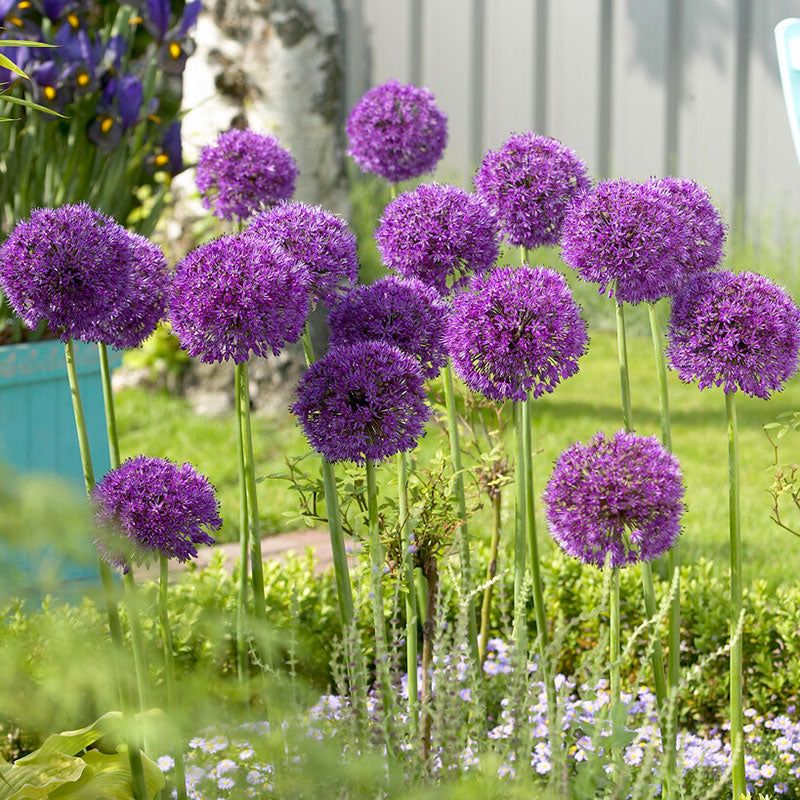
Walk into a garden center and you will find that Allium is a huge family. It includes onions, chives, garlic, and many ornamental species, and they do not all bloom at the same time or handle the same winters.
The word Allium on a package does not tell you the bloom season or hardiness.
Look for a named ornamental species or cultivar sold for spring flowering. NC State Extension lists Allium among spring-flowering bulbs and advises checking the growing conditions for each species or cultivar before you buy.
Read the label or the supplier’s page for bloom time, hardiness zone, sun needs, and mature height. Then match it to your yard.
A mountain garden in Zone 6 and a Coastal Plain bed in Zone 8 may not suit the same variety.
The NC State Plant Toolbox entry for Allium is a handy place to see how varied the group is. Stick with a spring-blooming ornamental you can name, and skip guesswork.
Time fall planting to North Carolina conditions
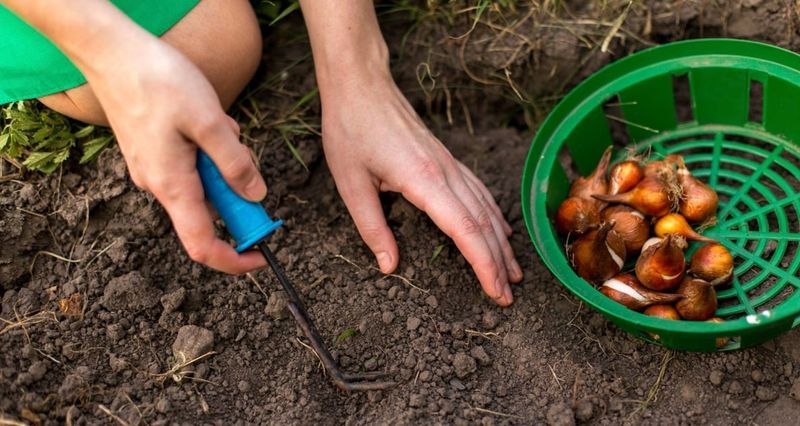
October gets all the planting attention, but North Carolina is too varied for one date. The better signal is soil temperature.
NC State recommends planting fall bulbs once the soil at bulb depth is below 60°F.
In Zone 6, which covers some higher mountain areas, October is the general window. In Zones 7 and 8, which include much of the Piedmont and Coastal Plain, bulbs generally go in during November or early December.
That means a gardener in the Piedmont who plants on a warm October afternoon may be a few weeks early. Planting into warm soil is a common mistake, so a little patience helps.
A simple soil thermometer pushed in to the planned bulb depth takes the guesswork out. Check it in the morning, when soil is coolest, and wait for readings that stay under 60°F.
Use your own zone and local conditions rather than the calendar alone. If you are not sure which zone you are in, your county Extension office can tell you.
Give bulbs sun, drainage, and the right planting depth
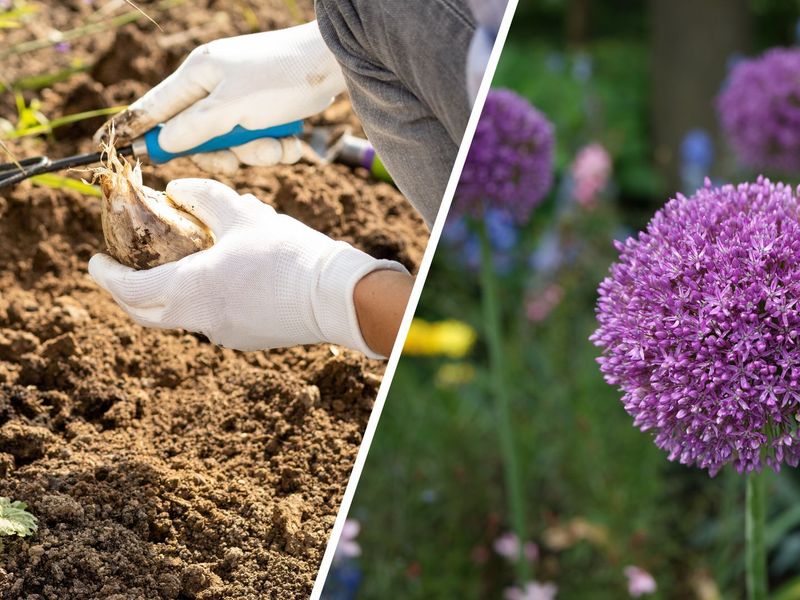
Pick the sunniest spot you have. NC State says most bulbs prefer full sun, and bulbs left in the ground need ample sun to flower well.
Drainage matters just as much. Soggy ground can rot bulbs, and poor drainage is one of the things that can keep bulbs from coming back.
If your yard holds water after rain, think about a raised bed or a slope, or mix in organic matter to loosen heavy clay.
A quick test: dig a hole, fill it with water, and see how fast it drains. If water is still standing hours later, choose another spot.
For depth and spacing, follow the supplier’s instructions for your particular variety. As a loose rule of thumb, Extension guidance suggests planting bulbs about two to three times their size deep.
Depth varies by species, so the package should win over any general rule.
Sun and good drainage support performance, but they do not guarantee that bulbs will return.
Let green leaves die back after bloom
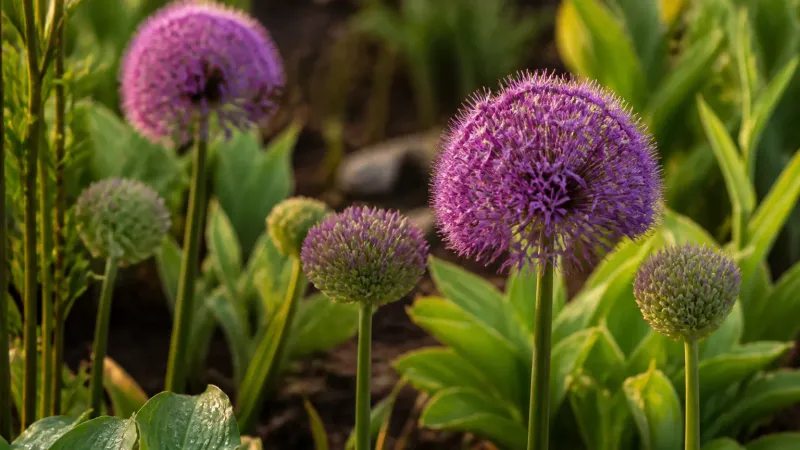
When the purple globes fade, the job is not over. You may snip off spent flower heads if you like the tidier look, but the green leaves need to stay.
Those leaves are working. According to NC State Extension, foliage replenishes the bulb, and cutting, braiding, or bending it can shrink the bulb and reduce future flowering.
Allium leaves can look ragged by the time the flowers finish, which tempts many of us to cut them back. Resist that urge until the leaves turn yellow and die back on their own, then clean them up.
A practical trick is to plant allium among perennials or low shrubs that leaf out in late spring. Their growth hides the fading foliage while the bulbs recharge underground.
Mark the spot, too, so you do not dig into dormant bulbs when planting summer annuals.
Keep ornamental alliums out of pets’ reach
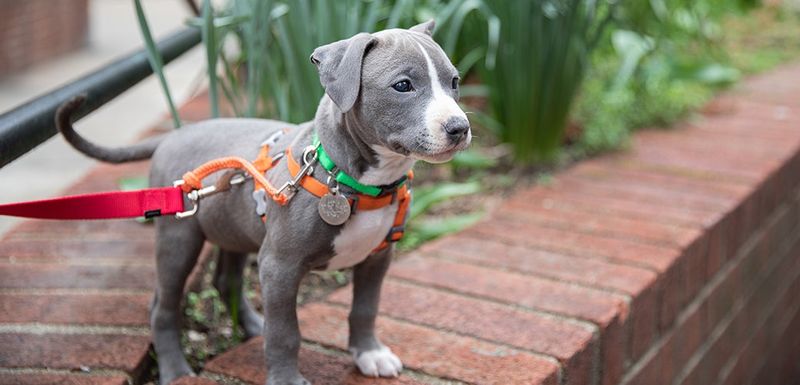
Pretty does not mean pet-friendly. The ASPCA warns that spring-blooming Allium can cause gastrointestinal symptoms if a pet eats it, and with enough ingestion, it can damage red blood cells.
Ornamental alliums should not be treated as pet-safe. Dogs that dig and cats that nibble can both get into trouble, and freshly planted bulbs are easy to unearth.
Plant them where pets cannot reach, such as in a fenced bed, a raised bed, or a spot your pets do not visit. Store unplanted bulbs in a closed container high on a shelf, and clear away any dug-up bulbs or leftover plant trimmings right away.
If you think a pet has eaten any part of an allium, call your veterinarian or an animal poison hotline promptly.
Plan for repeat blooms, not a promise
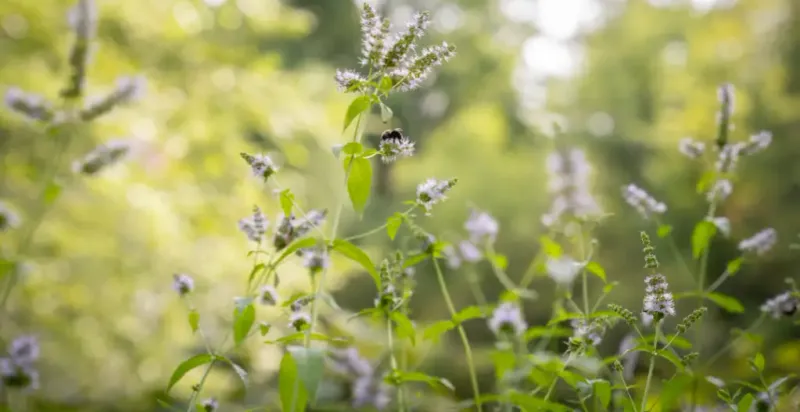
Choose a spring-flowering ornamental allium that suits your zone, plant it once soil at bulb depth cools below 60°F, and give it sun and drainage. Then let the leaves fade on their own.
Those steps give the bulbs their best chance, as Extension guidance and the NC State handbook outline.
A return for several years is possible, but it is not certain. Count the first spring as the sure thing and any later ones as a bonus.
Some bulbs simply outperform the plan, and that is half the fun of gardening.