
17 Houseplants That Actually Thrive In A Dim Winter Window (No Grow Light Needed)
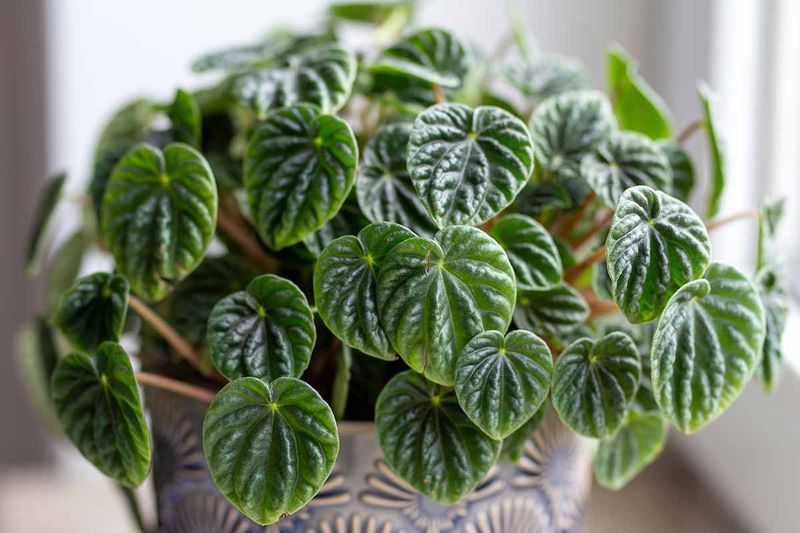
Winter days get short, and that north-facing window suddenly looks more gray than green. Many gardeners panic when their indoor plants start leaning, yellowing, or just sitting there doing nothing.
The good news is that some plants come from shady forest floors and actually like dim light. Here are 17 tough, friendly houseplants that can handle a dark winter window without any grow light at all.
1. Snake Plant
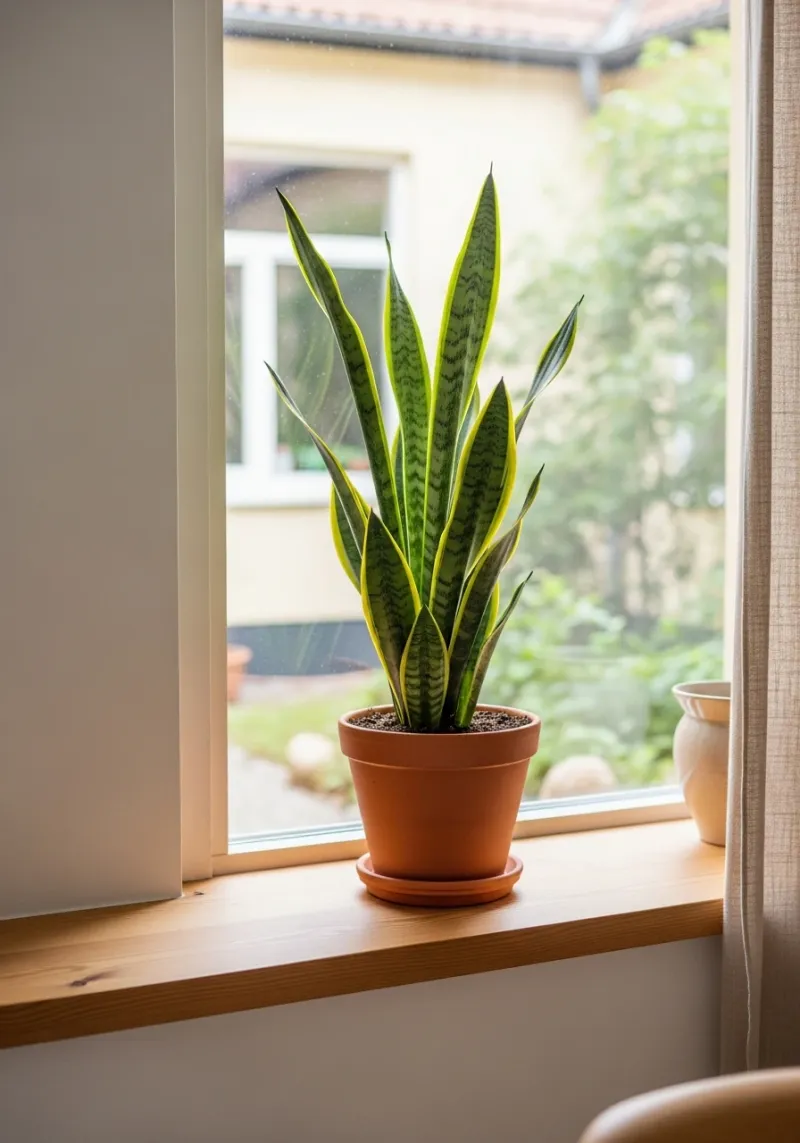
Ask any plant shop worker which plant survives the most neglect, and the snake plant usually wins. Its stiff, sword-shaped leaves store water like tiny canteens.
That means it barely notices short, cloudy days.
The biggest danger is not darkness. It is too much water.
In winter, wait until the soil is completely dry, which may take three to four weeks in a dim room.
Watch the base of the leaves. If they feel soft or mushy, the roots are getting soggy, so skip the next watering and let the pot dry out fully.
A clay pot with a drainage hole can help extra moisture escape.
2. ZZ Plant
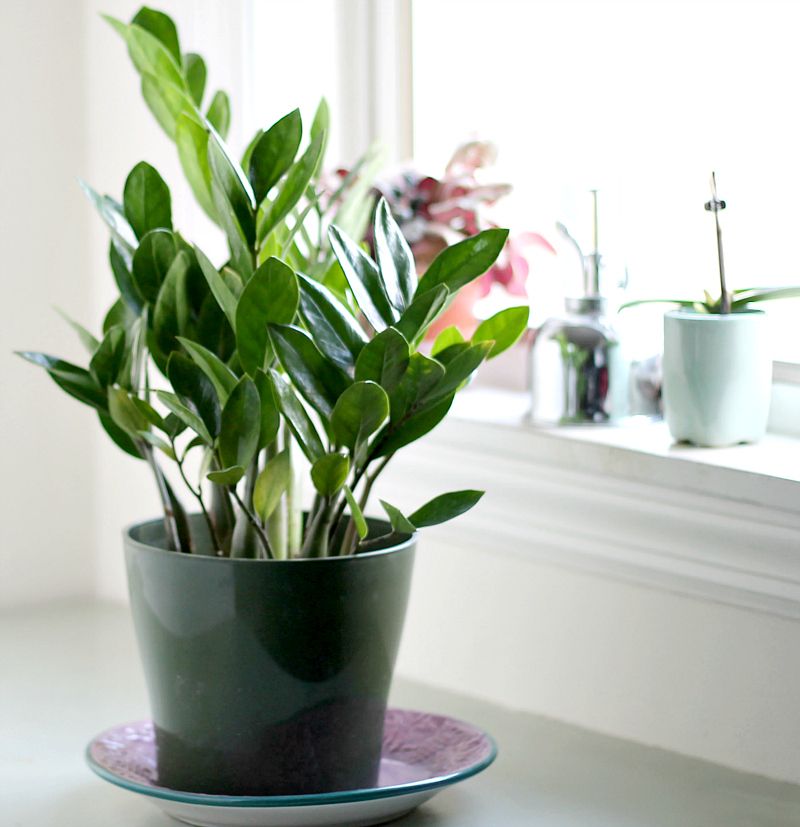
Those shiny leaves are not just pretty. The waxy coating on a ZZ plant bounces around what little light reaches it, helping the plant make the most of a gloomy room.
Underground, it hides chunky potato-like rhizomes that hold water for weeks. Some owners water theirs only once a month in winter, and the plant seems perfectly happy about it.
If stems start turning yellow from the bottom up, overwatering is the likely cause. Let the soil dry out and hold back.
A ZZ plant grows slowly in low light, so do not expect new shoots until spring, and that is completely normal.
3. Pothos
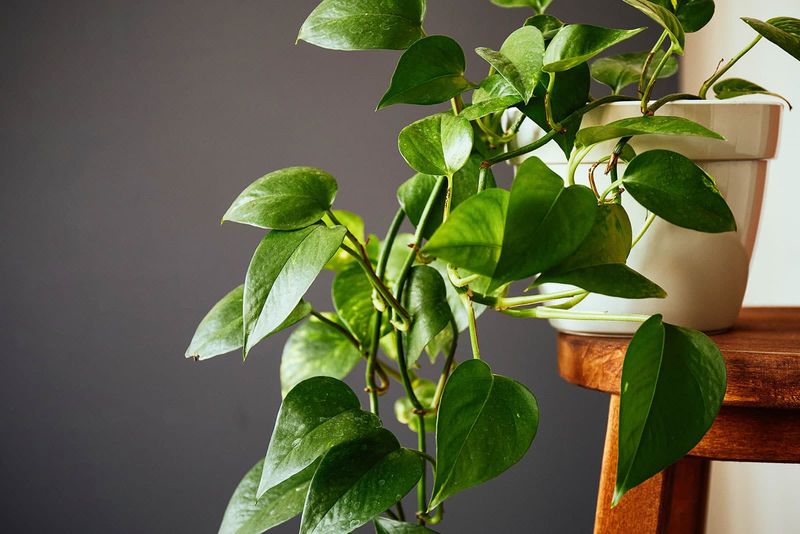
Picture a vine that keeps growing even when the sky stays gray for a week straight. Pothos is that plant, and it is often the first one beginners get right.
In dim light, variegated types like Golden Pothos may lose some of their yellow streaks and turn greener. That is just the plant adjusting to collect more light, not a sign of trouble.
Leggy, stretched vines with big gaps between leaves mean it wants a little more brightness. Move it a foot closer to the window and trim the long strands.
You can even root the cuttings in a glass of water for free new plants.
4. Peace Lily
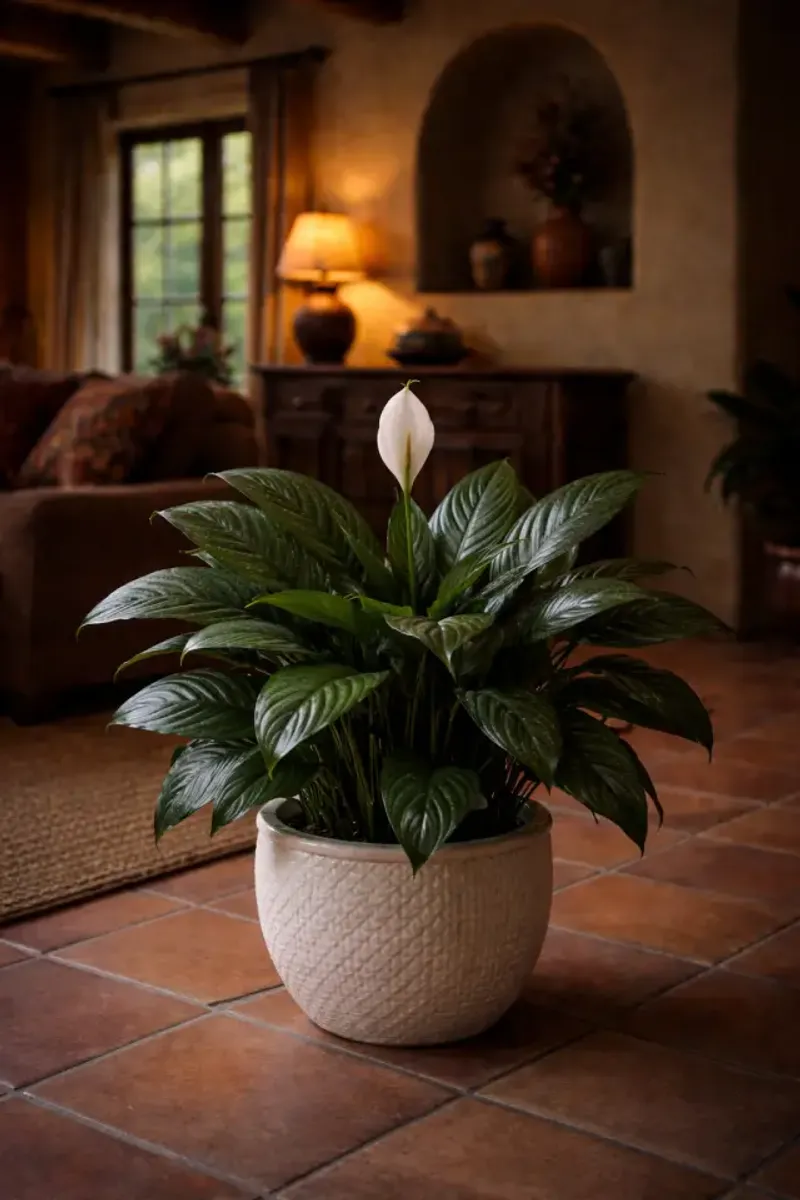
Few plants will actually flower in a shady room, which makes the peace lily a small winter miracle. Its white spoon-shaped blooms can show up even when light is limited.
Here is the handy part: a peace lily tells you when it is thirsty. The whole plant droops dramatically, almost like it is fainting.
Give it a good drink and it usually perks back up within hours. Try not to let it get to that point too often, though, since repeated wilting can brown the leaf tips.
Keep it away from cold drafts by the door.
5. Cast Iron Plant
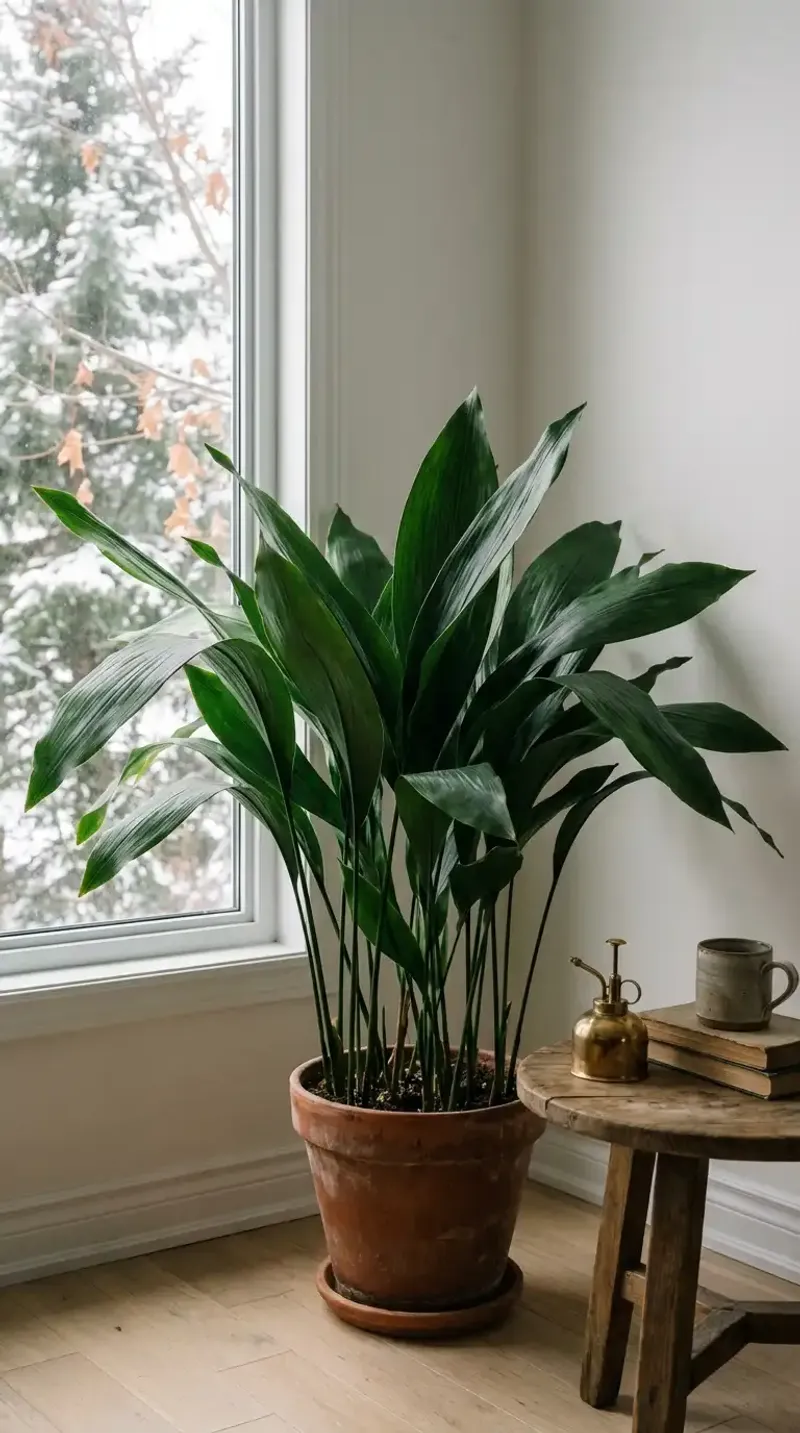
Victorian homes were dark, drafty, and full of gas lamp fumes. The cast iron plant survived all of it, which is how it earned its tough-as-nails name.
Today it handles dim corners, dry heated air, and forgetful watering with almost no complaint. Its wide, leathery leaves grow slowly, so one plant can stay with you for decades.
Just dust the leaves now and then with a damp cloth. Dust blocks light, and in a dim winter room every bit counts.
6. Chinese Evergreen
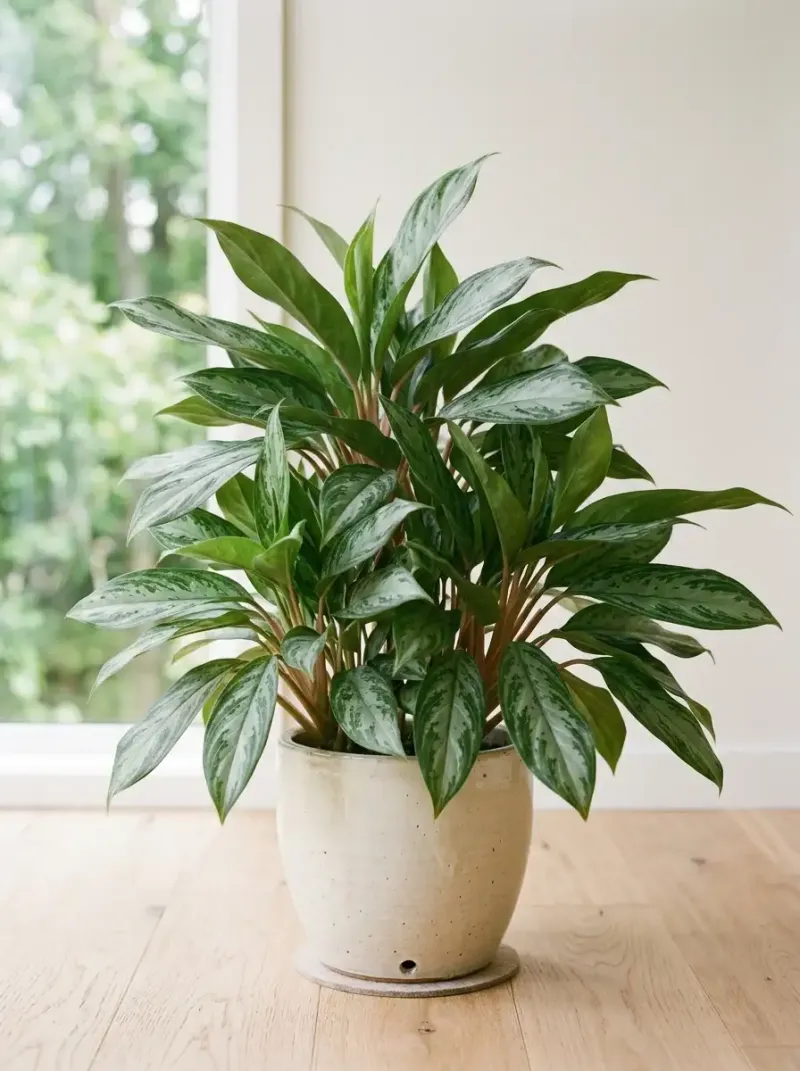
Silver, pink, and green patterns make the Chinese Evergreen look fancy, but it is surprisingly easygoing. It has been a favorite low-light houseplant for generations.
One tip matters more than the rest: it hates cold. Keep it away from icy glass and drafty spots, since temperatures below about 60 degrees can cause dark patches on the leaves.
Darker green varieties handle dim light best. The pink and red ones prefer a bit more brightness, so give them the better window if you have more than one.
7. Heartleaf Philodendron
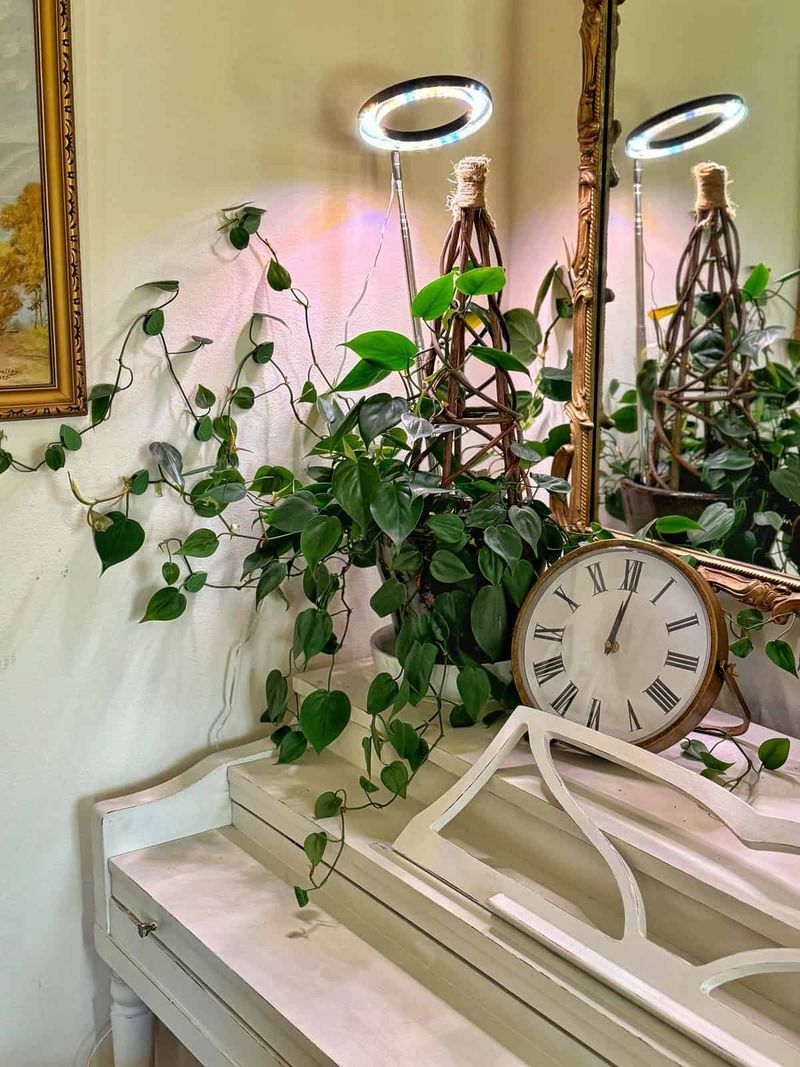
Sweet little heart-shaped leaves and a relaxed growing style make this philodendron feel cozy on a winter shelf. It trails, climbs, and generally goes with the flow.
Growth slows way down in winter, and that is fine. Water when the top inch of soil feels dry, which might be every 10 to 14 days.
If new leaves come in smaller than the old ones, the plant is asking for slightly more light. Shift it closer to the glass, but not touching it.
8. Dracaena
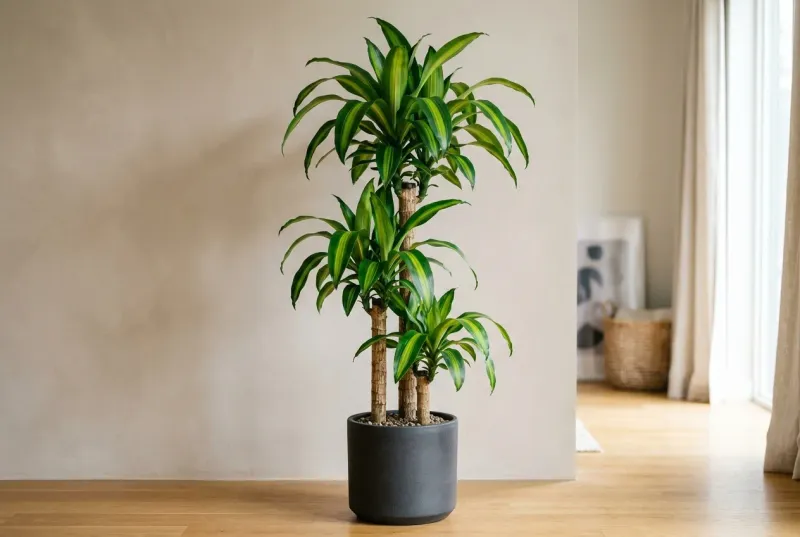
Want some height in a dark room? Dracaenas like the Corn Plant and Red Edge Dracaena bring a tall, tree-like look without needing sunny windows.
Brown leaf tips are the common complaint. They often come from fluoride and salts in tap water, or from very dry winter air.
Try filtered or rainwater, and let the soil dry halfway down before watering. You can trim brown tips with clean scissors for a neater look.
9. Parlor Palm
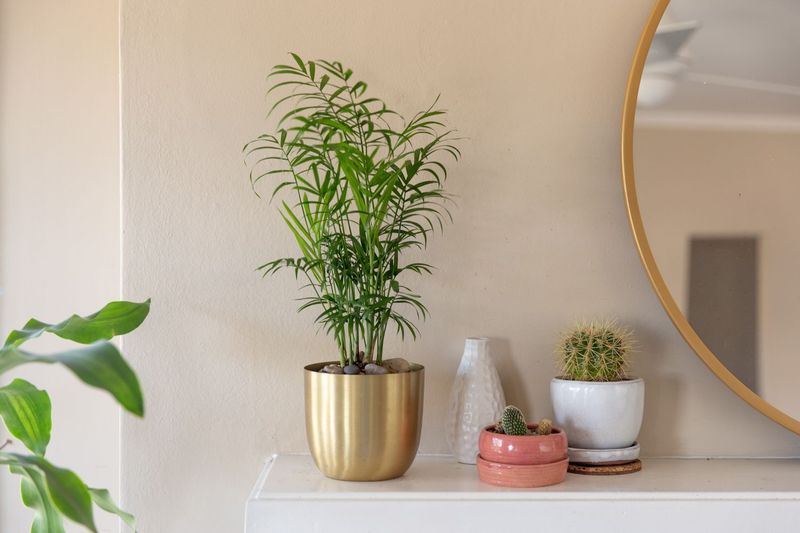
Back in the 1800s, parlor palms decorated formal sitting rooms with heavy curtains. They were built for dim spaces long before anyone talked about grow lights.
The feathery fronds add a soft, tropical feel when everything outside is bare. Keep the soil lightly moist but never soggy.
Spider mites can show up when heated air gets very dry. Check under the fronds for fine webbing, and rinse the plant in the shower if you spot any.
10. English Ivy
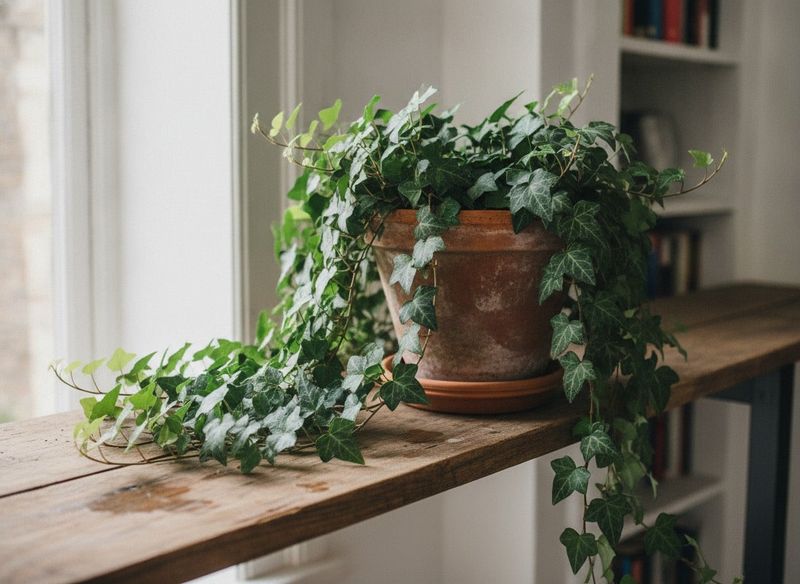
Here is a twist: English ivy actually likes cooler rooms. That chilly back bedroom or mudroom window might suit it better than a warm living room.
It handles partial shade well and stays lush in cool, humid air. Hot, dry rooms invite spider mites, so a quick misting or a pebble tray can help.
Keep it away from pets that chew, since ivy can upset their stomachs. A hanging pot keeps it out of reach and lets the vines spill down nicely.
11. Spider Plant
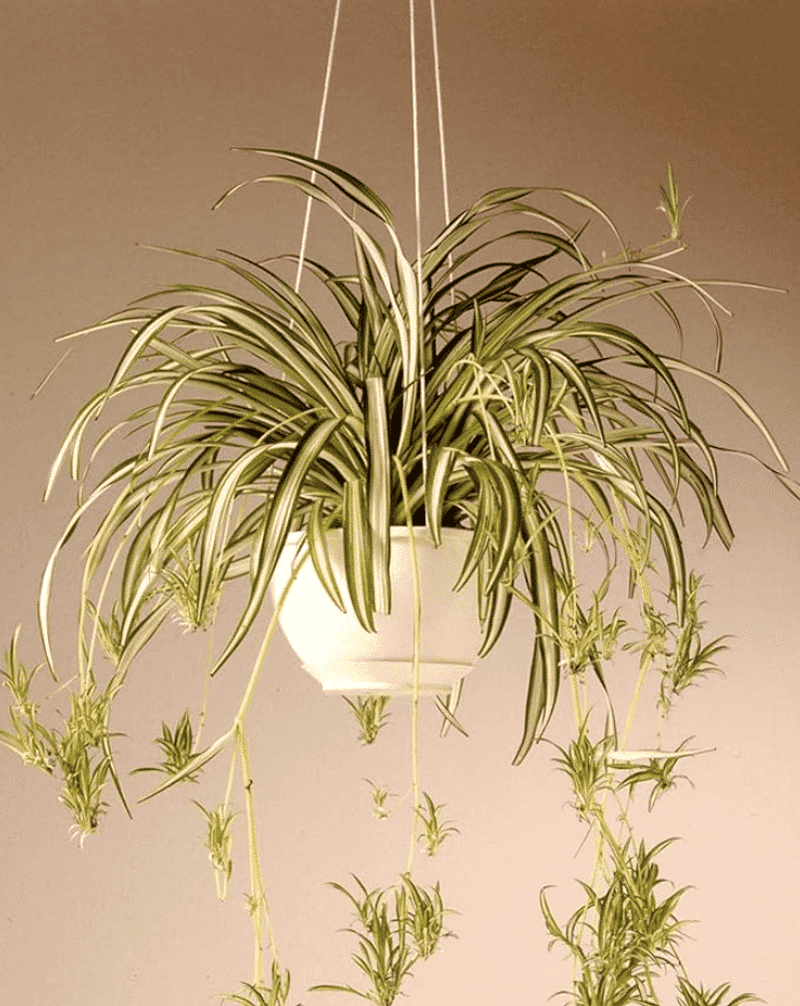
Grandma probably had one of these, dangling babies everywhere. Spider plants are cheerful, forgiving, and happy in a shady spot.
In low light, they may make fewer of those little plantlets. The leaves still stay fresh and arching, which brightens a dull corner.
Brown tips usually mean dry air or salty tap water. Switch to filtered water and the new growth should come in cleaner.
12. Calathea
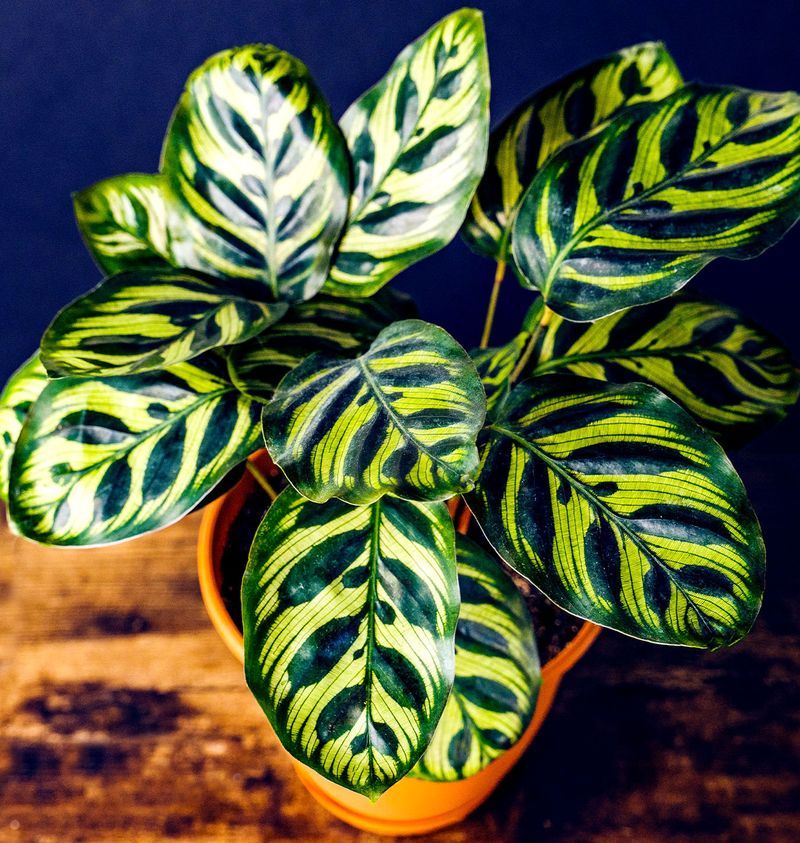
Calatheas grow on rainforest floors under thick tree cover, so dim light feels like home. Strong sun can actually fade and scorch their painted leaves.
The trick is humidity, not light. Dry winter heat can make the edges crispy and curled.
Group it with other plants, run a small humidifier, or set it on a tray of wet pebbles. Use room-temperature filtered water, since it can be fussy about minerals.
13. Prayer Plant
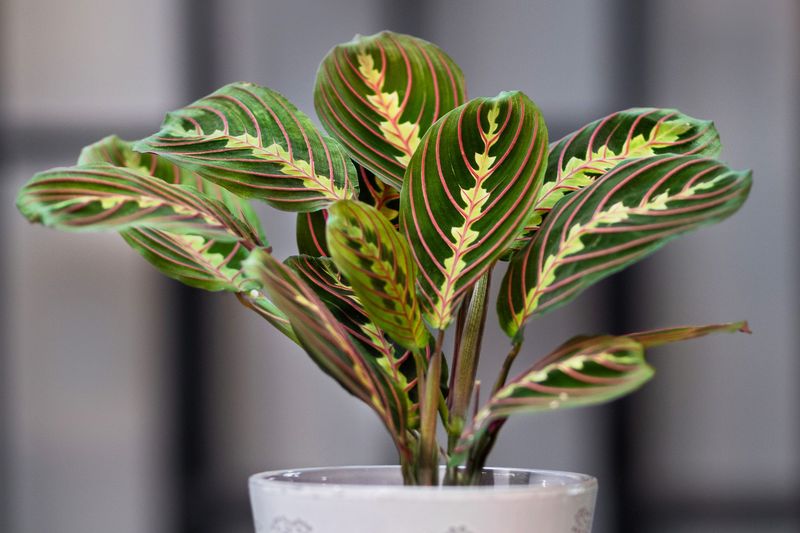
Watch one at dusk and you will see the leaves fold upward, like hands in prayer. That nightly movement is a fun little show on a dark winter evening.
Filtered light suits it fine. Too much direct sun can bleach its red-veined leaves.
Keep the soil evenly moist and the air humid. If leaves stop folding or start curling, it may be too dry or too cold.
14. Monstera Adansonii
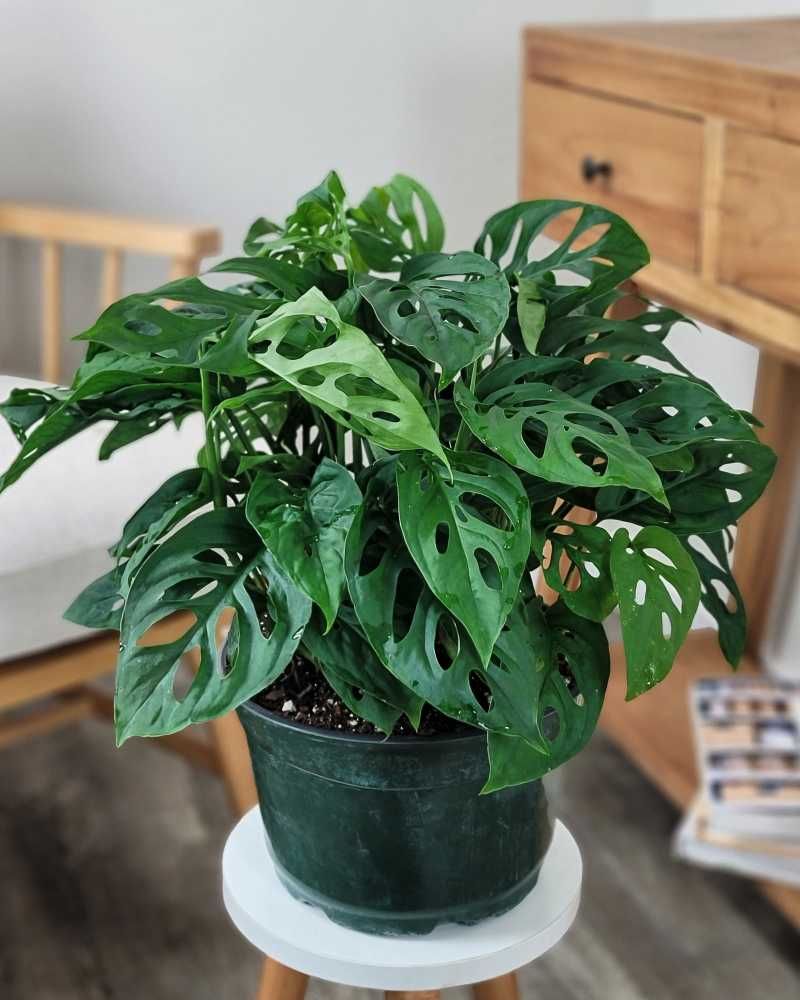
The big Monstera deliciosa really prefers brighter light, but its smaller cousin, the Swiss Cheese Vine, is more forgiving. It can hang on nicely in a medium-dim spot.
Its leaves are full of natural holes, which is a fun conversation starter. In lower light, new leaves may have fewer holes, and that is expected.
Water when the top inch is dry, and give it a pole or trellis to climb. Climbing plants often grow bigger leaves.
15. Peperomia
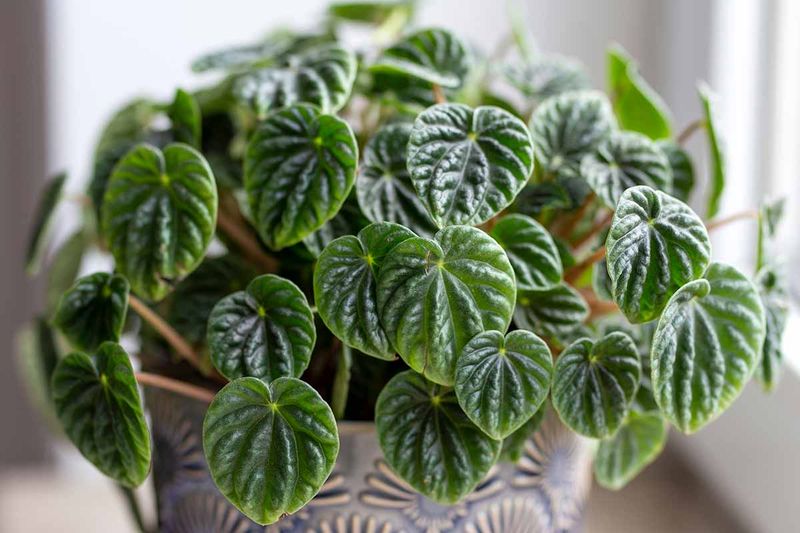
Short on space? Peperomias are compact, often fitting on the smallest windowsill or desk.
Many types have thick, juicy leaves that store water. That makes them easy to underwater and easy to rot, so err on the dry side in winter.
With dozens of varieties, from rippled to watermelon-striped, you could collect several and still fit them on one shelf.
16. Arrowhead Vine
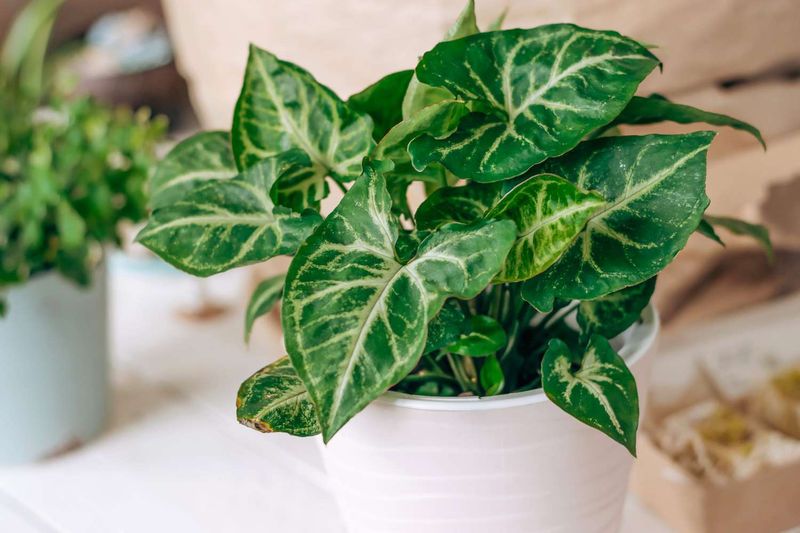
Young arrowhead vines have neat arrow-shaped leaves that slowly change shape as the plant matures. It is a bit like watching a plant grow up.
It adapts to lower light well, though pink and cream varieties keep their color best with some brightness. All-green types handle dim rooms easiest.
Pinch back long stems to keep it bushy. Like pothos, cuttings root easily in water.
17. Lucky Bamboo
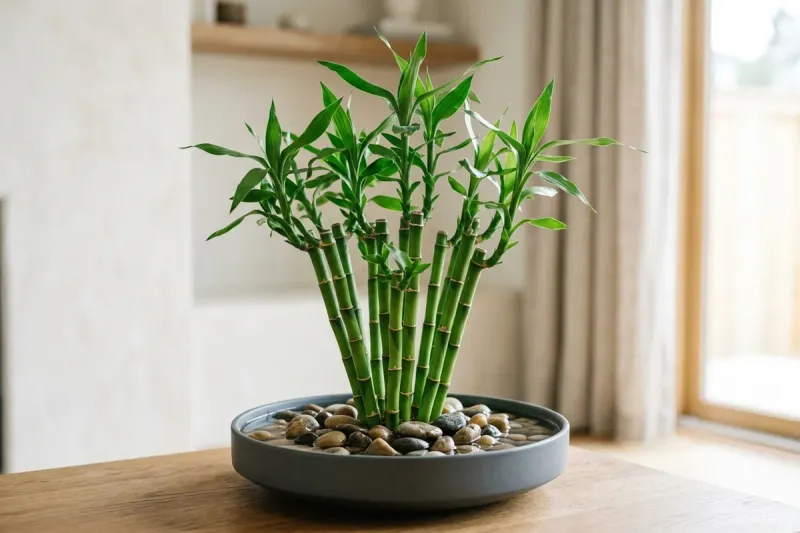
No soil, no fuss. Lucky bamboo often grows in just water and pebbles, which makes it one of the simplest plants for a dim kitchen window.
Despite the name, it is not true bamboo. It is a type of dracaena.
Change the water every week or two, and use filtered water if possible. Yellow stalks usually mean dirty water or chemicals in tap water.