
These Old Fashioned Plants From Grandma’s Yard Are Quietly Taking Over North Carolina Gardens Again
Walk past a few yards in Raleigh, Asheville, or Wilmington this year and you might spot flowers that look like they came straight out of an old family photo. Coneflowers, bee balm, goldenrod, and ferns are popping up again, and it is not just about nostalgia.
Many of these classic plants are NC natives that feed goldfinches, shelter box turtles, and give fireflies a place to grow up. Here are ten old favorites worth bringing back to your own patch of North Carolina.
1. Purple Coneflower
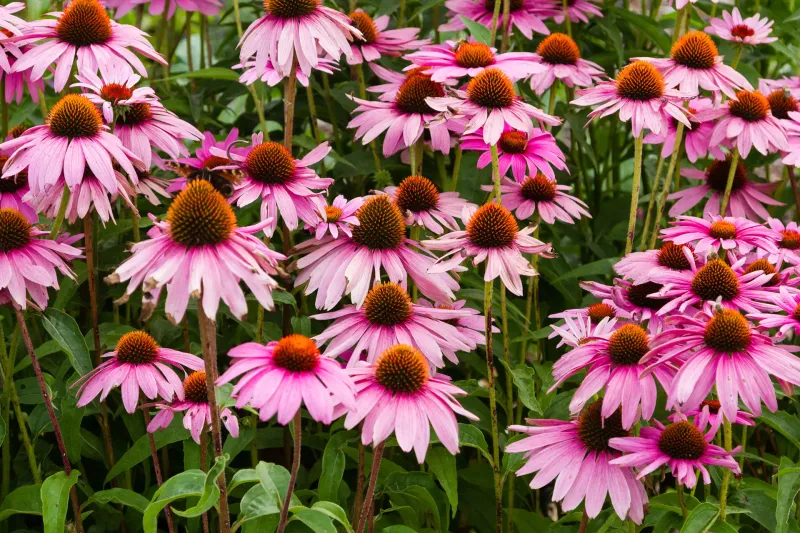
Grandma probably never called it Echinacea purpurea. To her it was just the pink daisy that came back every June without fuss, and honestly, that toughness is exactly why it is booming again.
Purple coneflower handles Piedmont clay, summer heat, and dry spells better than most fancy perennials. Bees and butterflies crowd the spiky orange centers all summer long.
Then, as the petals fade, the real show begins for bird lovers.
Goldfinches adore those seedheads from late summer through the first frost. Here is the simple trick: skip the fall cleanup and leave the dried stems standing.
You will get a free bird feeder that refills itself.
Plant a group of at least three in full sun this spring or fall. A small patch near a window gives you a front-row seat when the finches arrive.
2. Black-Eyed Susan
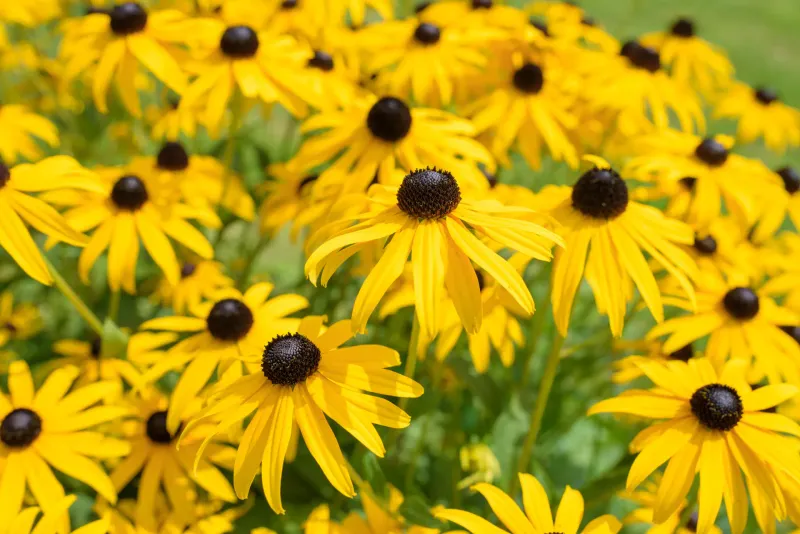
Some flowers whisper. Black-eyed Susan shouts sunshine from the mailbox post to the back fence, and Carolina gardeners have loved it for generations.
Both Rudbeckia hirta and Rudbeckia fulgida grow happily across the state, from sandy Coastal Plain soil to mountain slopes. They bloom for weeks in the hottest part of summer, when many other plants give up.
Native bees, small butterflies, and beetles all stop by for a sip.
Like coneflowers, the dark centers turn into seed snacks for goldfinches and sparrows in fall. Let a few seedheads drop, and you will likely find new seedlings next spring.
That generous spreading habit is part of why Grandma always had extra to share over the fence.
Fun bit of history: Maryland claims it as the state flower, but North Carolina fields have been glowing with it just as long.
3. Bee Balm
Crush a leaf between your fingers and you will smell why old-timers brewed it into tea. That minty, spicy scent is also the secret behind bee balm’s modern comeback.
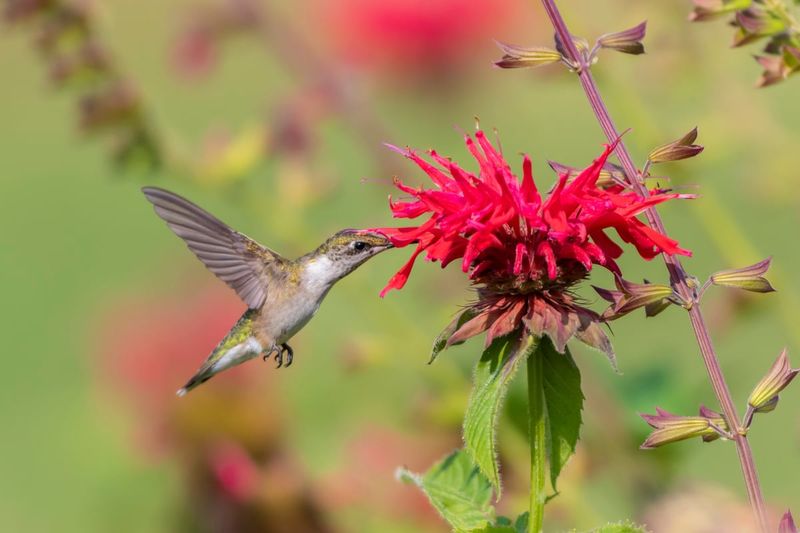
Scarlet bee balm (Monarda didyma) and wild bergamot (Monarda fistulosa) light up summer borders with wild, shaggy blooms. Hummingbirds zip in for the red ones, while native bees work the lavender flowers.
It feels like a party in the flower bed.
Here is the steward angle: strongly scented plants like bee balm tend to be skipped by deer. Fewer deer wandering through can mean fewer tick hitchhikers in your yard.
Planting it along borders, paired with a clear woodchip or gravel strip between lawn and woods, may help reduce tick traffic near where your family plays.
No plant is a magic shield, of course. Still, a fragrant border that also feeds hummingbirds is a pretty good deal.
4. Goldenrod
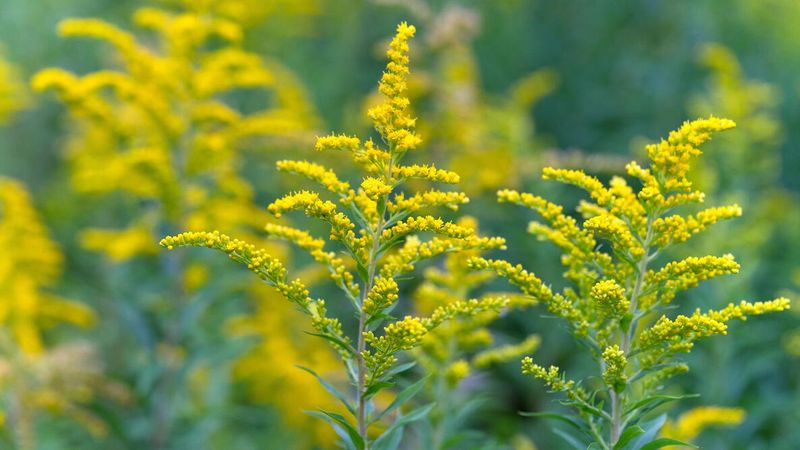
Poor goldenrod spent decades taking the blame for fall sneezing. The real troublemaker is ragweed, a plain green plant that blooms at the same time and tosses pollen into the wind.
Goldenrod’s pollen is heavy and sticky, made for insects, not your nose. Showy goldenrod and silverrod, both NC natives, offer late-season nectar when most flowers are done.
Bees, butterflies, and night-flying moths depend on it to fuel up before winter.
Those moths matter more than you might think. North Carolina bats eat moths, mosquitoes, and midges, so a goldenrod patch can help keep your neighborhood bats fed.
Skip the pesticides, and the whole food chain stays intact.
Goldenrod is also a smart swap for butterfly bush, a non-native that spreads into wild areas. Plant it in a sunny spot and enjoy a September glow your grandparents would recognize.
5. Native Asters
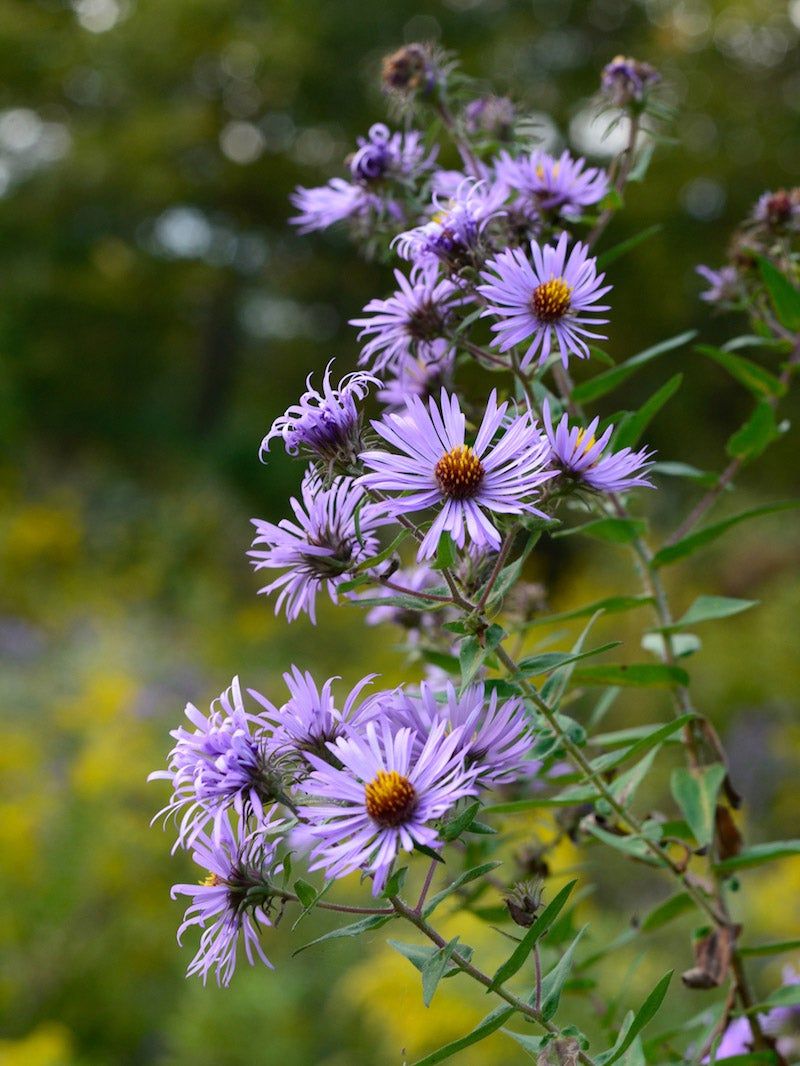
Picture a chilly October morning. The tomatoes are done, the zinnias look tired, and yet a cloud of purple stars is buzzing with bees.
That was Grandma’s aster patch, and it is still a lifesaver for pollinators today.
Native asters in the Symphyotrichum and Eurybia groups bloom when food gets scarce. Migrating monarchs fuel up on them while passing through North Carolina.
Bumblebee queens load up before tucking in for winter.
Afterward, the fluffy seeds feed goldfinches and other small birds. Leave the stems through winter, since some native bees even shelter inside hollow stalks.
Fall is the ideal planting window across the Piedmont and Coastal Plain. Asters grow well with goldenrod, and the purple-and-gold combo looks like something painted on an old quilt.
6. Butterfly Weed
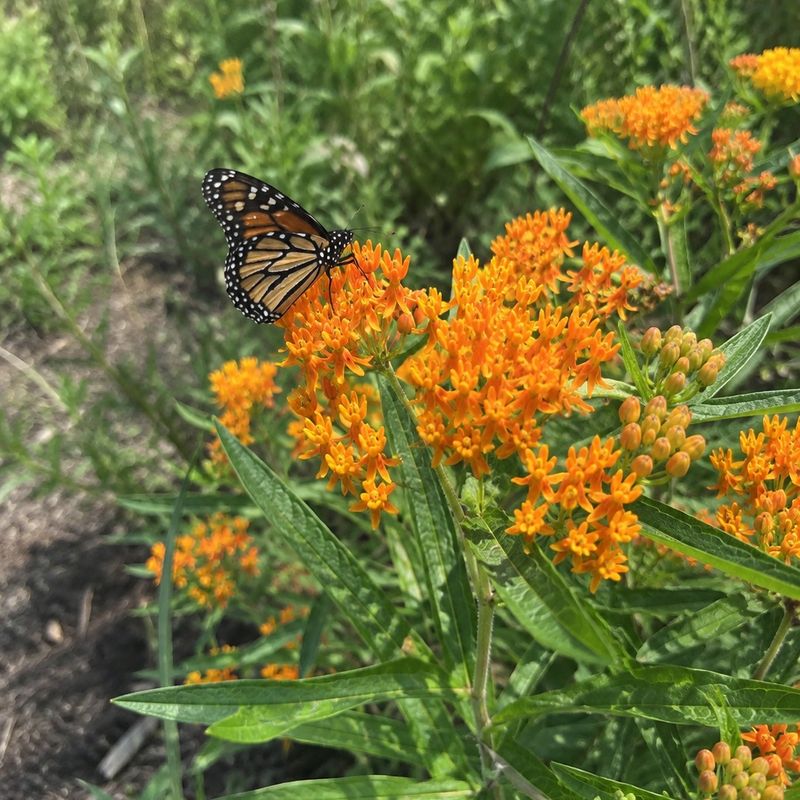
Bright orange and almost impossible to kill once settled, butterfly weed is the milkweed for gardeners who do not like to water.
Asclepias tuberosa sends down a deep taproot that helps it survive dry sandy soil and long August droughts. Monarchs lay eggs only on milkweeds, so every plant becomes a potential nursery.
Seeing striped caterpillars munching away is a thrill for kids and grown-ups alike.
Have a wetter spot? Swamp milkweed loves soggy soil, and common milkweed fills bigger sunny spaces.
Mixing a few types gives monarchs and other pollinators more chances to find you.
One tip: plant young plants and leave them alone. Butterfly weed hates being moved because of that long root, so pick its forever home carefully.
7. Joe Pye Weed
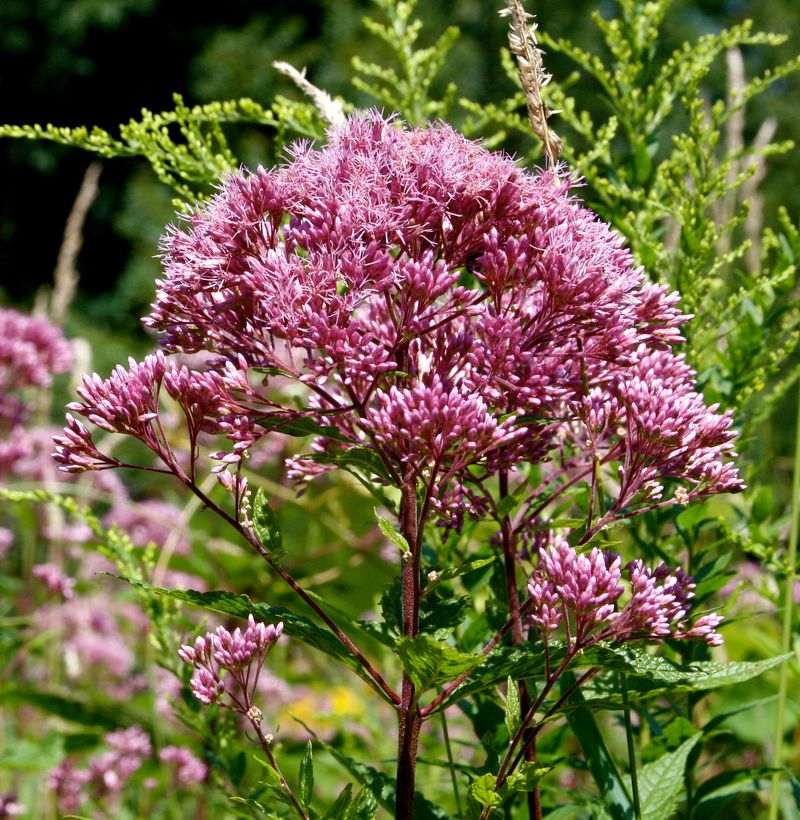
Tall enough to peek over the fence, Joe Pye weed is the gentle giant of the old-fashioned garden. Some plants reach seven feet by late summer.
Its dusty pink flower domes draw eastern tiger swallowtails, North Carolina’s state butterfly, along with skippers and native bees. On a warm August afternoon, the whole plant can seem to flutter.
Later, goldfinches pick at the seeds.
Legend says the name comes from a healer who used it to treat fevers, though historians still argue about the details. Either way, it has a long story in the Southeast.
Give it moist soil and room at the back of a bed. It works beautifully in rain gardens or low spots where water lingers after storms.
8. Native Ferns
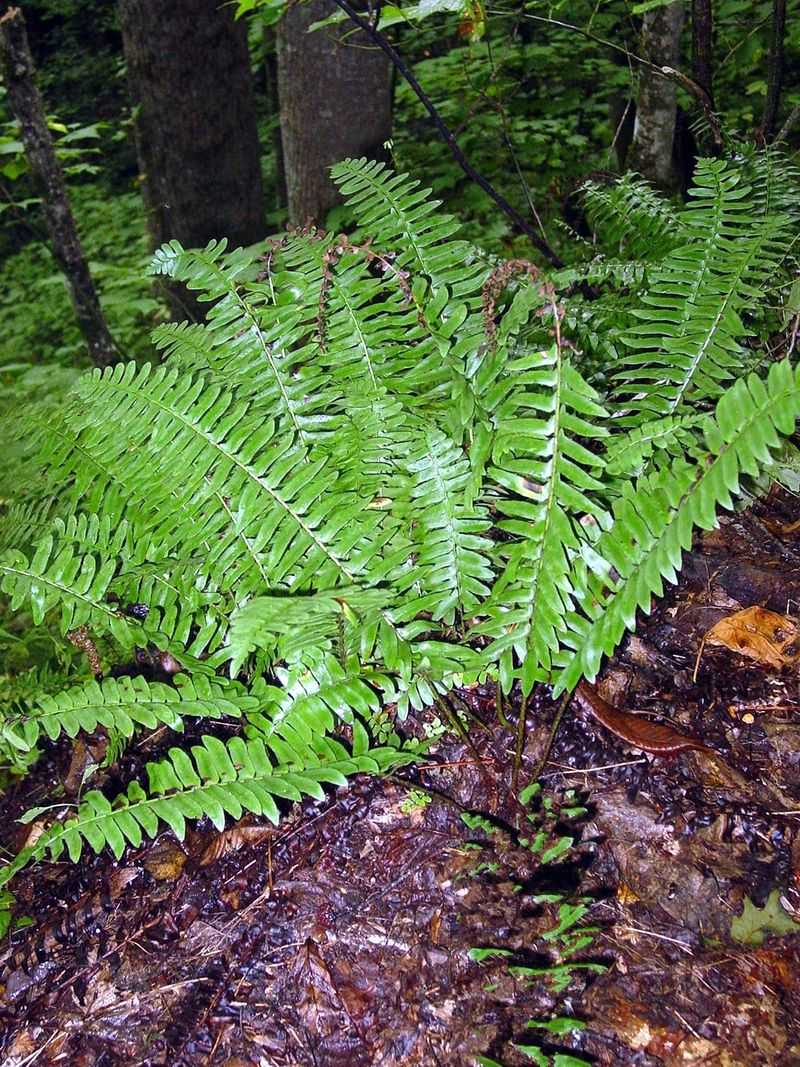
Every grandma had that shady, damp corner where ferns grew and nobody bothered to mow. Turns out she was running a wildlife sanctuary.
Christmas fern, cinnamon fern, and maidenhair fern keep soil cool and moist. Firefly larvae spend one to two years living in damp leaf litter, hunting snails and slugs.
Eastern box turtles, North Carolina’s state reptile, hide in the same kind of shelter.
So here is the rule: leave the leaves under your ferns, and keep the mower out. If you find a box turtle, admire it and let it be.
Never relocate one, since most spend their whole lives in a small home range and moving them can be deadly.
Ferns also make a lovely replacement for invasive bigleaf periwinkle. Your shady spot can be beautiful and useful at once.
9. Summersweet
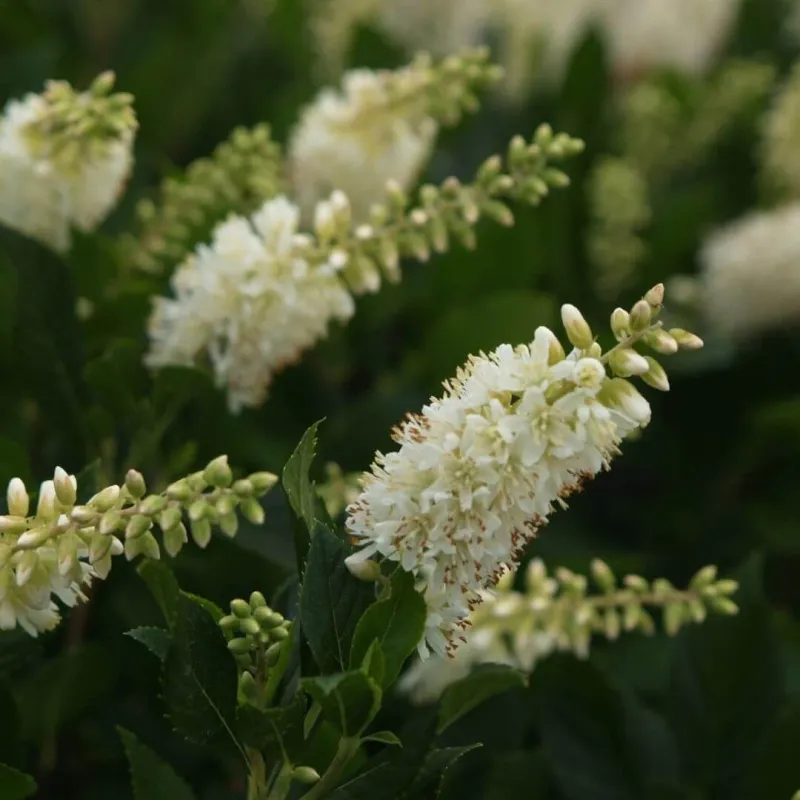
Smell it before you see it. In July, summersweet fills the air with a honey-spice perfume that once drifted across many Carolina porches.
Clethra alnifolia is a native shrub that grows naturally in the Coastal Plain’s damp soils but adapts well elsewhere. Its white flower spikes pull in native bees and butterflies during the heat of midsummer.
The dense branches create shady cover close to the ground.
That cover is gold for fireflies. Adults rest in shrubs during the day, and larvae need the moist leaf litter below.
Turn off bright outdoor lights near your shrubs, since artificial light can confuse their flashing signals.
Plant summersweet where you sit on summer evenings. The fragrance and the glowing show at dusk make a pretty perfect pair.
10. American Beautyberry
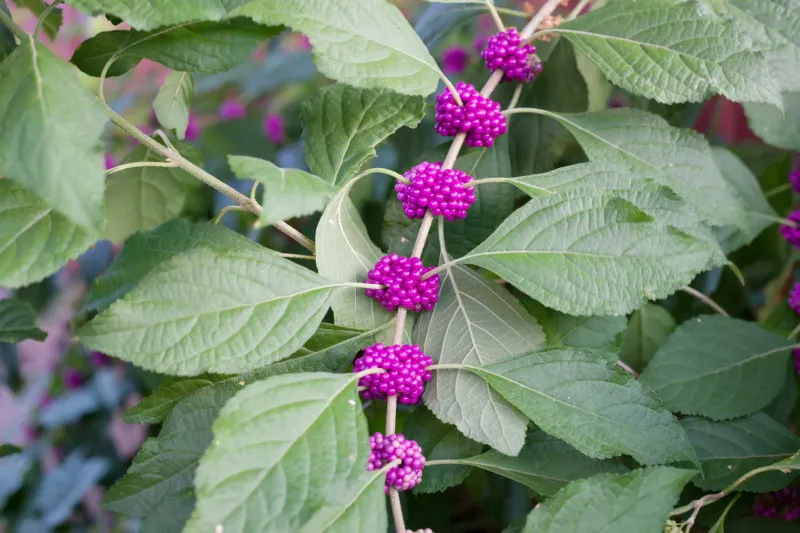
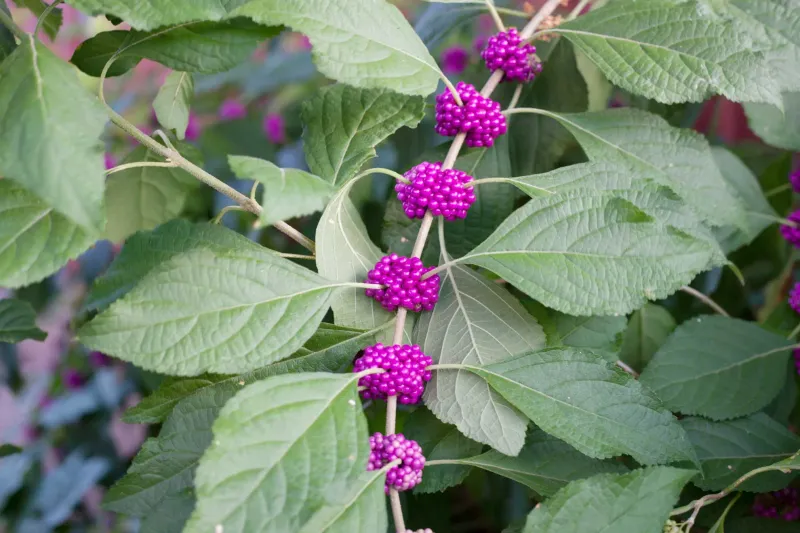
Nothing else in the fall yard looks quite like it. Clusters of glossy, almost unreal purple berries wrap around the stems of American beautyberry from September into winter.
Birds like mockingbirds, robins, and catbirds feast on them as cold weather arrives. The shrub thrives in sun or part shade across all three regions of the state.
It grows fast and asks for very little.
Two honest notes for good stewards. First, buy the native Callicarpa americana, not the invasive Chinese beautyberry sold at some garden centers.
Second, you may hear that crushed leaves repel ticks, but research does not support using it for tick control, so stick with clear borders and regular checks.
Treat it as a bird feeder with style. That alone earns it a spot in any NC yard.