
Is Lily-of-the-Valley Toxic to Children and Pets? What Gardeners Should Know

Those little white bells and sweet scent make lily-of-the-valley a favorite in shady corners. But this pretty groundcover has a serious side if someone eats it.
Knowing where the real risk lies helps you decide how to plant it, handle it, and respond if something goes wrong.
The main risk comes from ingestion, not touch
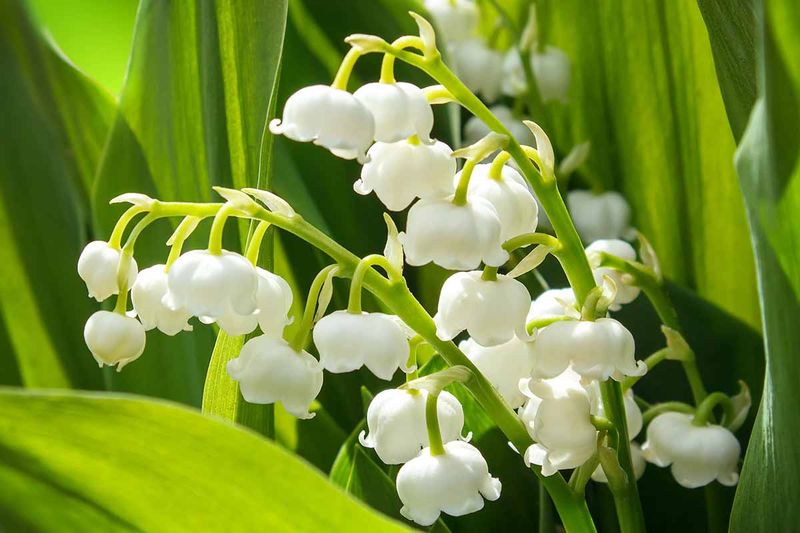
Picture a toddler brushing past a patch of lily-of-the-valley, or a dog trotting through it. Simple contact like that is not what the safety warnings are about.
The documented danger is eating plant material, or drinking water that cut stems have sat in.
That distinction matters because it keeps the worry pointed at the right place. MedlinePlus describes lily-of-the-valley poisoning as something that happens when people eat parts of the plant, including the flowers, fruit, and leaves.
Nothing in that guidance treats a brush against intact skin as a likely route to heart trouble.
It also helps to know that the plant has not been shown to be the single most dangerous thing in a yard. No comparison like that exists in the sources gardeners rely on, so ranking claims are best set aside.
What remains is a plain, practical hazard: the plant should not end up in a mouth.
Some reassurance comes from real numbers. In a conference abstract on pediatric exposures reported to poison centers, reviewers looked at 2,636 cases and found one major outcome and no deaths.
Serious results were uncommon in those reports.
That does not make any single exposure safe. The same abstract notes that the amount a child ate can be hard to judge, which is exactly why a suspected ingestion deserves a call to poison experts rather than a guess.
Think of the data as a reason to stay calm, not a reason to skip the phone call.
Why ingestion can affect the heart
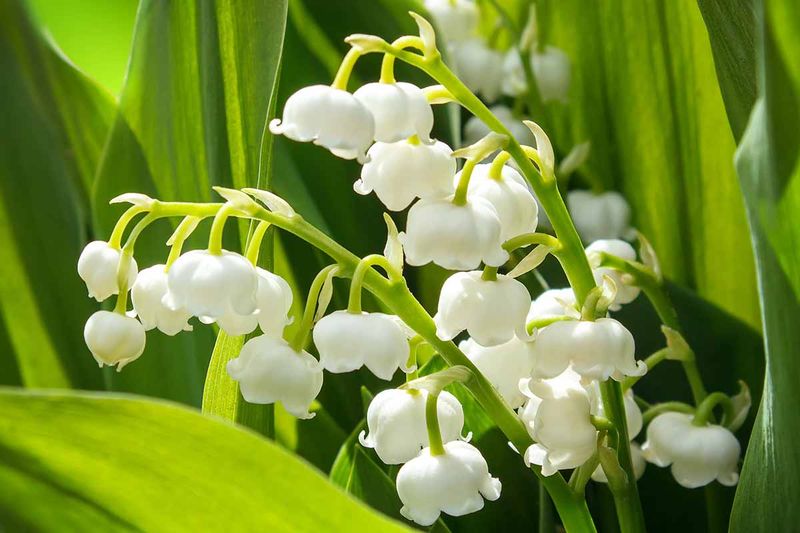
Lily-of-the-valley belongs to a group of plants that make cardiac glycosides. These are natural chemicals that act on heart muscle cells.
Doctors actually use related compounds in some heart medicines, which gives you a sense of how strongly they can influence the heart.
According to MedlinePlus, the plant contains compounds such as convallatoxin. When someone eats enough plant material, these chemicals can disturb heart rate or rhythm, and the stomach often reacts first.
Notice the wording: can affect. Not every bite leads to a heart problem, and the effect depends on things like how much was eaten and who ate it.
Small children and small pets have less body mass, so a given amount matters more for them, but that still does not predict an outcome in any one case.
This is why the plant earns respect without earning panic. The chemistry explains the warnings on plant labels and poison-center pages.
It does not say a garden walk, a quick weeding session, or a glance at the blooms is risky.
For gardeners, the takeaway is simple. Treat the plant as something that belongs in the garden, not in the mouth.
The next sections cover where the plant parts and vase water fit in, and the full list of symptoms comes later.
Plant parts and vase water call for care
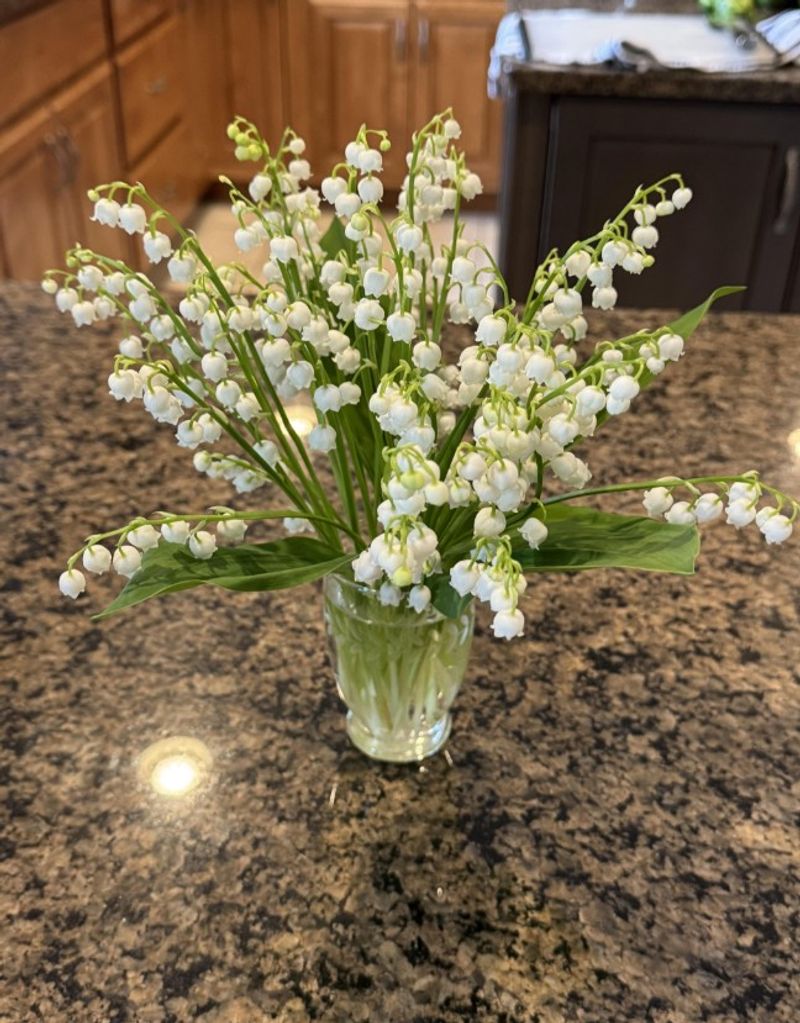
Leaves, flowers, and berries all count as poisonous if eaten. MedlinePlus names those parts specifically.
Safety advice often says the whole plant is a concern, but nobody has shown that every part holds the same amount of toxin, so there is no need to rank them. The simple rule is to keep every part out of mouths.
Bright red berries deserve a little extra thought in late summer. They look like candy to a curious toddler, and they can be easy to miss under the leaves.
Cut flowers bring the plant indoors, and that is where vase water comes in. A Cooperative Extension answer says all parts are poisonous and advises against drinking the water from a vase of these flowers.
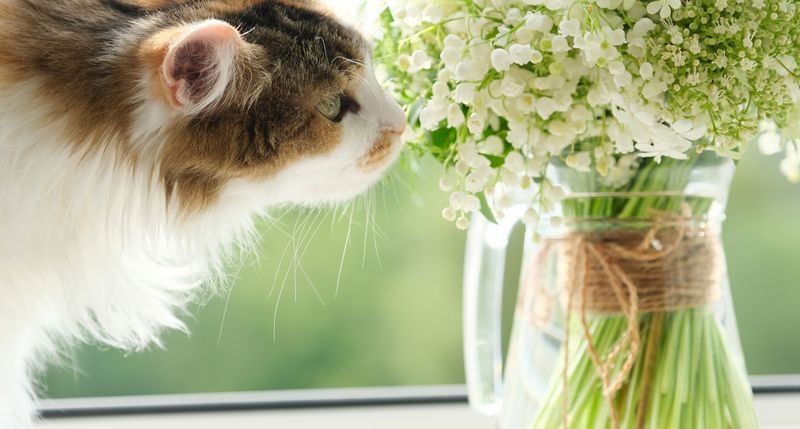
A bouquet on a low coffee table is easy for a dog or toddler to reach.
A poison center in Belgium lists vase-water drinking among the exposures it sees. Its guidance advises calling the center even after small amounts.
That is a precaution, not proof that every sip of vase water causes heart effects.
In practice, put arrangements on a high shelf, empty the water where pets cannot lap it up, and rinse the vase after use. Those steps cost almost nothing and cover both the garden and the dining room.
Decide whether it belongs in your shade bed
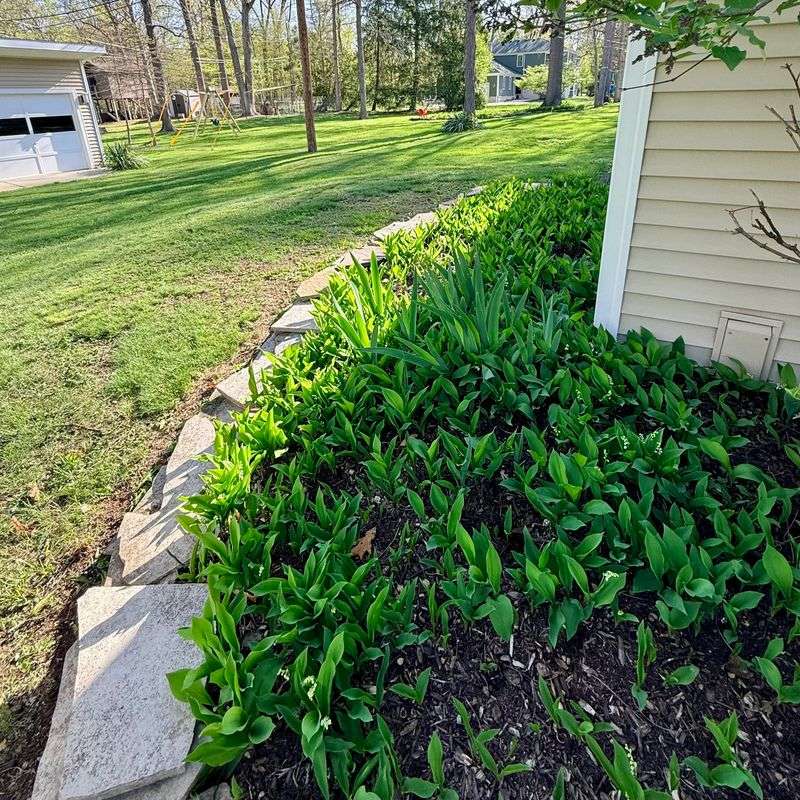
Lily-of-the-valley is a partial-shade groundcover that forms colonies, according to the University of Utah Poison Control plant guide. Once it settles in, it can spread into a thick mat.
That is part of its charm, and it also means the plant may creep closer to places kids and pets spend time.
So ask a practical question: can a toddler or a dog reach it easily? A patch behind a shrub border or along a back fence is a very different situation from one beside the patio steps or next to a sandbox.
If the bed is right where small children crawl, dig, and taste things, moving the plant to a less accessible spot is a sensible choice. A raised bed, a fenced section, or a different corner of the yard can all reduce exposure.
Dogs that chew on plants may call for the same thinking.
If your children are older and your pets leave plants alone, you may reasonably decide to keep it where it is. Nothing in the guidance says every garden must remove it.
It is a judgment about access, and you know your household best.
If you do relocate or thin a patch, plan to wash your hands afterward and keep trimmings away from curious mouths. Bag the pulled plants rather than leaving a pile on the ground.
Know the possible symptoms
After a person eats lily-of-the-valley, the first signs are often stomach-related. MedlinePlus lists nausea, vomiting, diarrhea, and abdominal pain.
A slow or irregular heartbeat is also possible in more serious cases.
Not everyone has every symptom, and some people may have few. That is why you should not use symptoms as a signal to start worrying or as a reason to wait.
If you think a child swallowed a piece of the plant, call for advice even if the child seems fine.
Pets can show a different mix of signs. The ASPCA lists the plant as toxic to dogs, cats, and horses and reports vomiting, irregular heartbeat, low blood pressure, disorientation, coma, and seizures.
Those are the possible signs, not a checklist every animal will show. A dog that vomits after nosing through the bed may have eaten something else entirely, but it is still smart to mention the plant when you call a veterinarian.
One helpful habit is to note what you saw. Where was the plant, was there chewed foliage, were berries missing, or was a vase knocked over?
Those clues help experts decide what to recommend, and they take only a moment to gather while you reach for the phone.
Call for case-specific advice after a suspected ingestion
If a person may have swallowed any part of the plant or its vase water, call U.S. Poison Help at 1-800-222-1222.
The line connects you with poison experts who can tailor advice to the person’s age, size, and what happened. The National Capital Poison Center’s first aid page stresses acting fast and getting expert guidance rather than guessing.
Do not try to make the person vomit unless a poison expert or clinician tells you to. Skip home remedies, and do not look for a magic amount that counts as safe.
Case-specific guidance is the point of the call.
For a pet, contact a veterinarian or an animal poison service promptly. The ASPCA advises getting in touch quickly when a pet may have eaten this plant.
Human poison lines are not the right first stop for animals, so keep your vet’s number handy, along with an after-hours option.
When you call, have a few facts ready: who or what ate the plant, roughly when, which part, and how much you think was taken. Bring a piece of the plant or a photo if you can.
If the person has trouble breathing, collapses, or has a seizure, call emergency services right away.
MedlinePlus also points people toward poison control and emergency care for lily-of-the-valley poisoning, so you can feel confident that a quick call is the standard, expected step.
Keep access—not panic—at the center of your plan
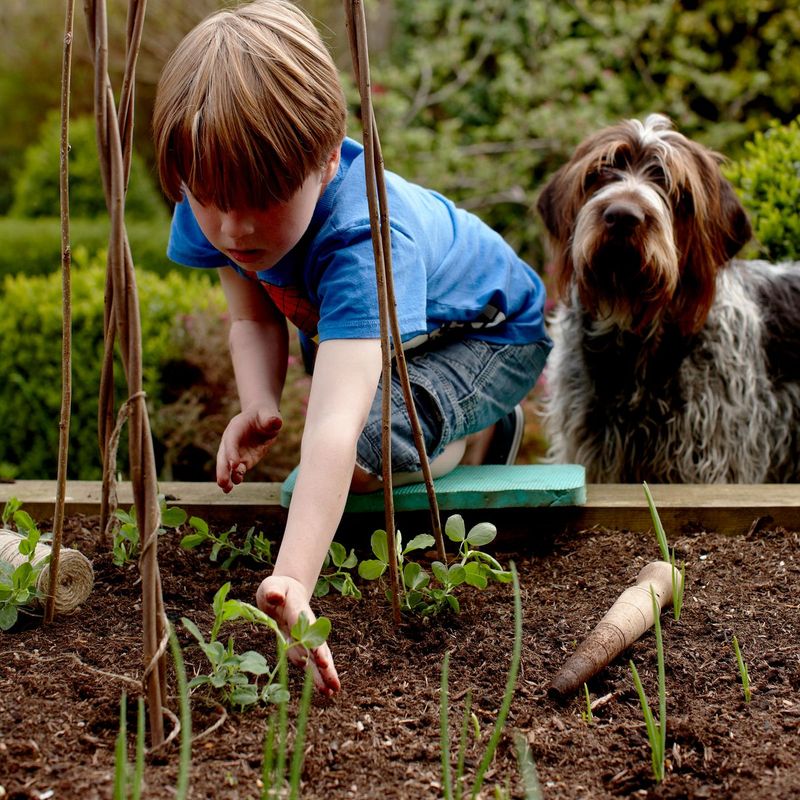
A good plan here is mostly about access. Keep the plant, and any vase water from cut stems, away from children and pets who might mouth them.
Place bouquets up high and plant the patch where little hands and paws do not wander.
Washing your hands after gardening is a basic habit that extension advice supports. It is just good practice, not a sign that touching the plant is likely to poison anyone.
If you suspect someone ate any of it, call poison experts right away.
Nothing here means every household has to rip out its patch. The hazard is real but specific, and a thoughtful location solves most of it.
A plant that is out of reach is a plant you can simply enjoy.