
7 Mistakes That Quietly Kill Your African Violets Indoors This Winter (And The Easy Fix For Each)
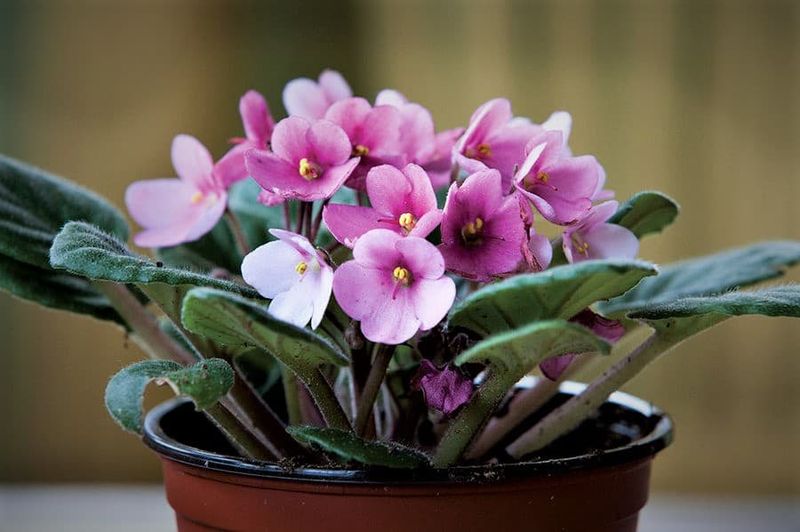
Your African violet looked perfect in October, but now the leaves are drooping and the flowers have stopped. Winter changes everything inside your home, from the light at the window to the dry air blowing out of the heater.
Most violets don’t die from one big disaster, they fade from small habits that seem harmless. The good news is that every one of these mistakes has a simple fix you can start today.
1. Watering on Autopilot
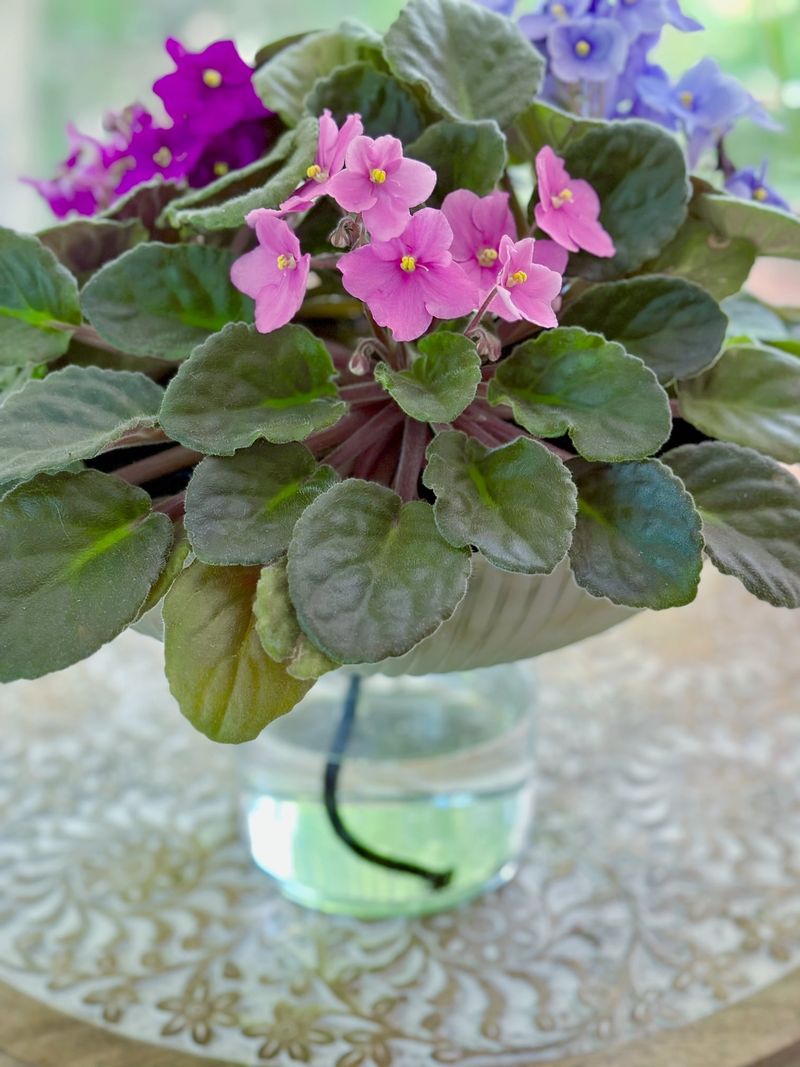
Picture a Sunday routine: coffee, a watering can, and a splash for every plant in the house. That habit works fine in July, but your African violet drinks far less once winter slows its growth.
Soggy soil paired with soft, mushy, or yellowing leaves usually points to too much water and the start of root rot. Dry, crumbly soil with brittle leaves means the opposite.
Wilting can show up in both cases, which is why so many people guess wrong.
The fix is to let your finger decide, not the calendar. Water only when the top of the soil feels dry, then let it dry slightly again before the next round.
Bottom-watering helps a lot here, so set the pot in a saucer of water for about 20 to 30 minutes, then dump whatever is left so the roots never sit in a puddle.
2. Parking It by a Cold, Drafty Window
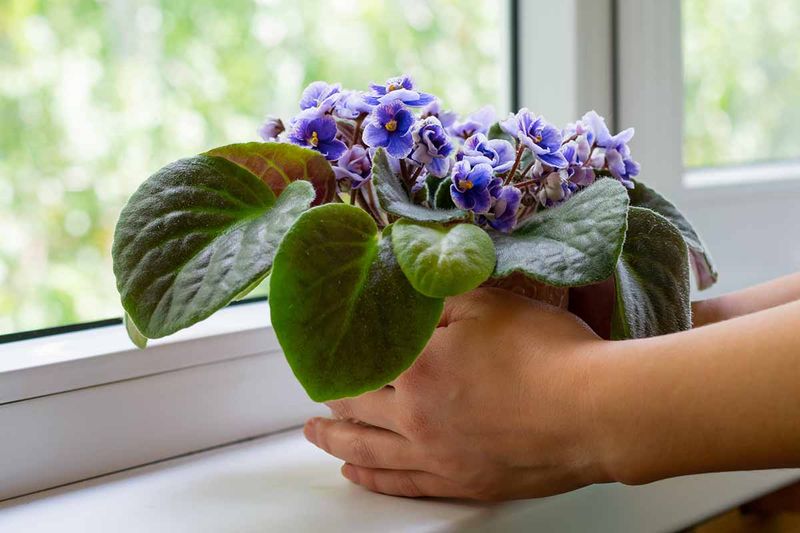
Touch your windowpane on a January morning. That chill is exactly what your violet’s leaves are pressed against all night.
African violets come from the warm forests of Tanzania and Kenya, so anything under 60 degrees Fahrenheit makes them sulk. Leaves may curl down, turn brittle, or droop, and blooming often stops completely.
Drafts from front doors and blasts from heating vents cause the same kind of stress, just from swinging temperatures.
Aim for a steady 65 to 75 degrees. On frigid nights, slide the pot a foot back from the glass or tuck a piece of cardboard between the plant and the window.
Keep it away from vents, radiators, and doors that open often, and you may see new buds within a few weeks.
3. Ignoring the Shorter, Weaker Winter Light
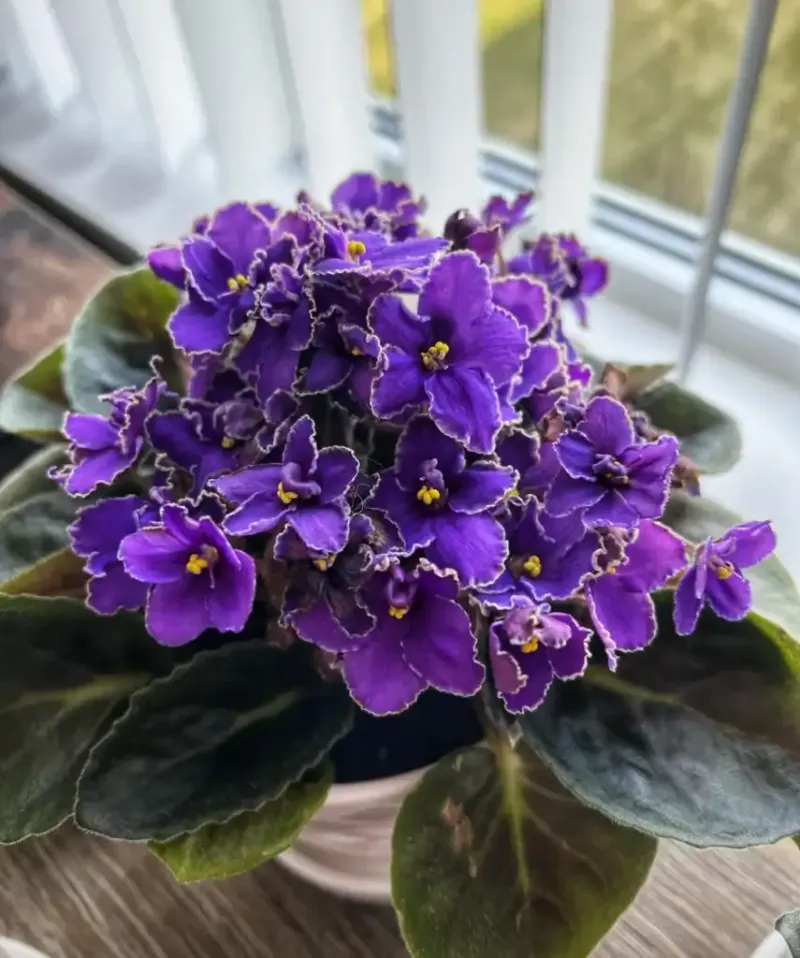
Long, skinny stems leaning toward the window like they’re trying to escape? Your violet is hungry for light.
Winter days are short, and the sun sits low in the sky. Without enough light, leaves turn dark green and thin, stems stretch out, and flowers simply don’t show up.
Too much harsh sun does damage too, leaving bleached or yellow patches, but that’s less common in winter.
Here’s a switch most people miss: a south or west window that would be too hot in summer often becomes the sweet spot in winter. If your home is dim, a basic LED grow light placed 8 to 15 inches above the plant for 12 to 16 hours a day works wonders.
Give the pot a quarter turn each week so it grows full and even instead of lopsided.
4. Letting Furnace Air Dry It Out
Ever notice your lips and hands crack in winter? Your heater is pulling moisture from the air, and your violet feels it too.
Dry indoor air shows up as buds that turn brown and drop before they open. Leaves may shrivel, and growth slows to a crawl.
It’s easy to blame water or food when the real problem is floating in the room.
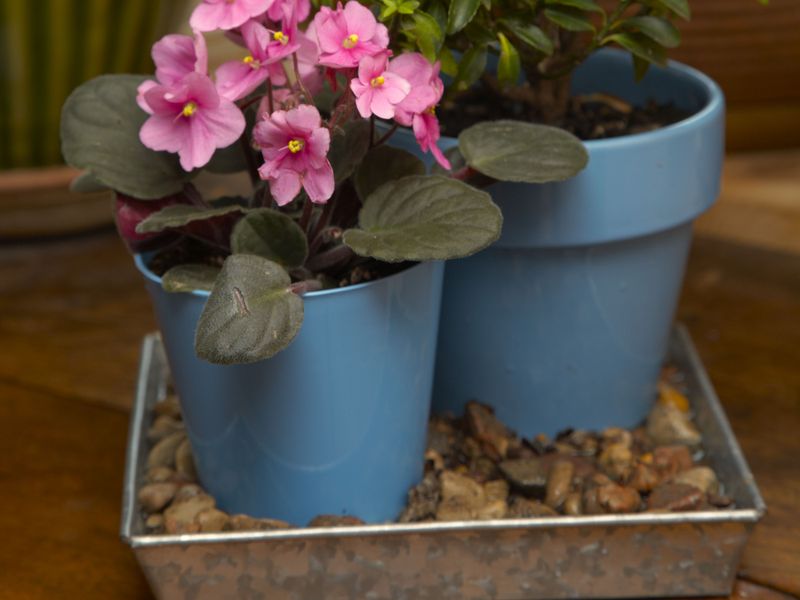
Shoot for humidity between 30 and 60 percent. A pebble tray is the cheapest fix around: fill a shallow dish with pebbles and water, then set the pot on top so it sits above the waterline.
Grouping houseplants together also raises the moisture around them. Skip misting, though, since wet fuzzy leaves can invite fungus and spots.
5. Feeding Like It’s Still Summer
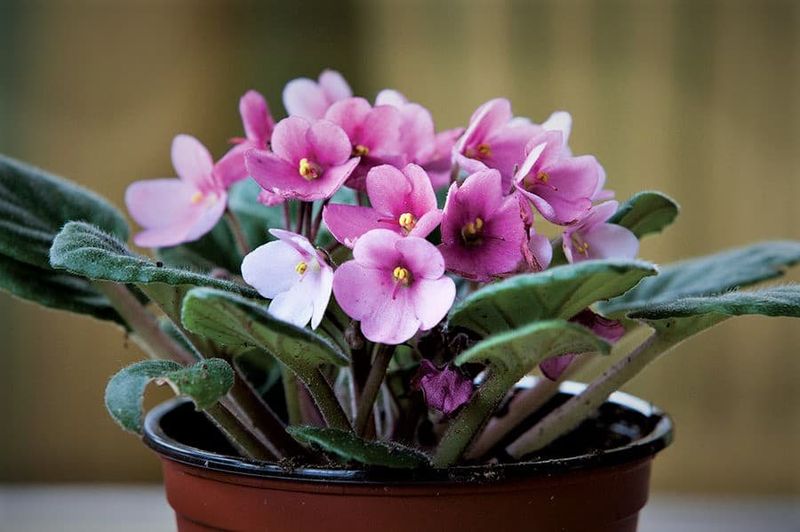
More food, more flowers, right? Not in winter.
Your violet grows slower now, so the fertilizer you add piles up as salts in the soil. Watch for crispy brown leaf edges, a white crust on the pot rim, or tight, bunched-up centers.
On the flip side, pale or faded leaves can mean it’s not getting enough.
Use a fertilizer made for African violets, mixed at half or quarter strength. During spring and summer, many growers feed with every watering, but in fall and winter, every 3 to 4 weeks is plenty.
Wipe away any salt crust from the rim, since leaves resting on it can get burned. Every so often, pour plain water through the soil to rinse out extra buildup.
6. Using Icy Tap Water
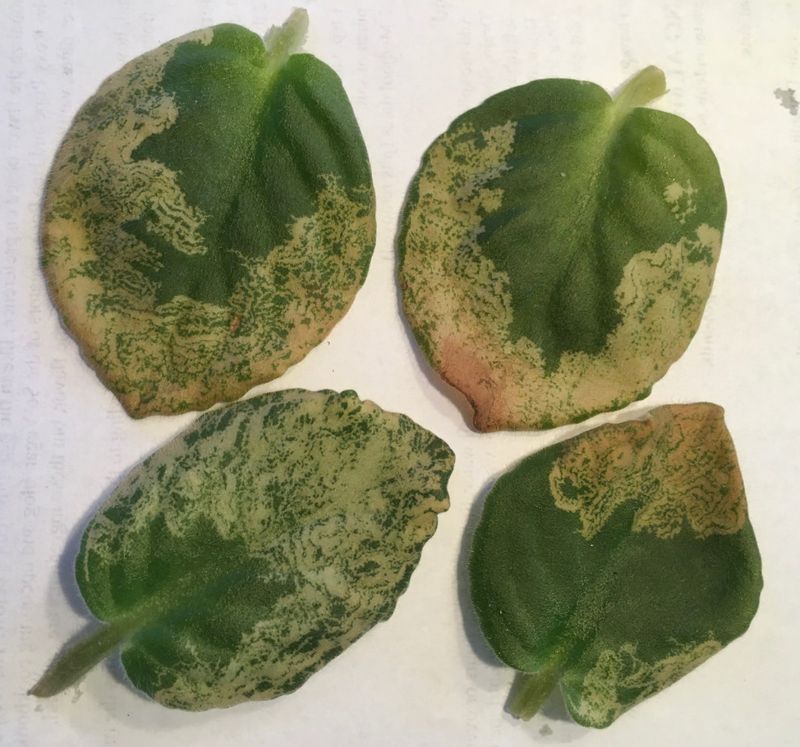
Winter tap water can come out shockingly cold, and violets are fussy about it. A blast of icy water can shock the roots and leave pale yellow or brown rings and spots on the leaves.
Those marks happen when cold water hits the fuzzy leaf surface and damages the cells underneath. They won’t heal, but new leaves will grow in clean if you change your routine.
The fix costs nothing. Fill your watering can the night before so it warms to room temperature, or check that it feels lukewarm on your wrist.
Pour right onto the soil, not over the leaves, or simply bottom-water so the leaves stay dry every time.
7. Keeping It in the Wrong Pot and Tired Soil
Bigger isn’t always better, especially when it comes to violet pots. Many folks move their plant into a roomy new container, thinking it will love the space, and accidentally set it up for root rot.
A pot that’s too big holds extra wet soil the roots can’t reach. Heavy, dense mix does the same thing, staying soggy for days in cool winter rooms.
And a crown buried too deep is an easy target for rot.
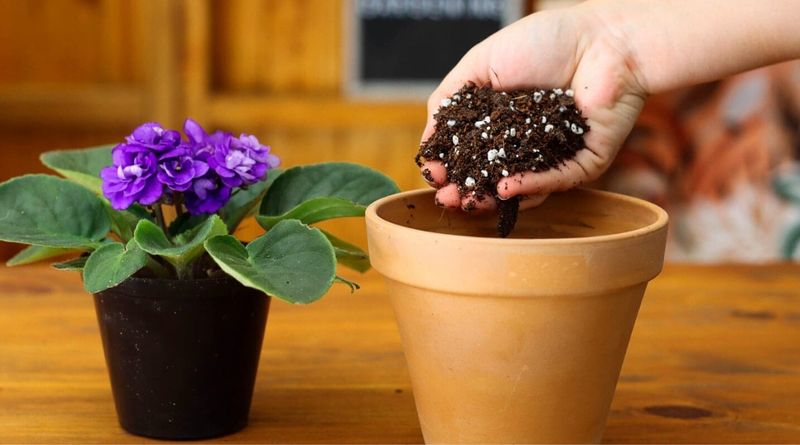
African violets actually like being a bit snug. Pick a pot that’s the same size or only slightly larger, and use a light, airy African violet mix with peat, perlite, and vermiculite.
Refresh the soil every 6 to 12 months, and keep the crown sitting just above the soil line.
Fun fact: a single healthy leaf tucked into that same fluffy mix can root and grow a brand-new violet, so a repotting day can double your collection.