
Why Creeping Charlie Returns After Pulling and When Fall Treatment Helps
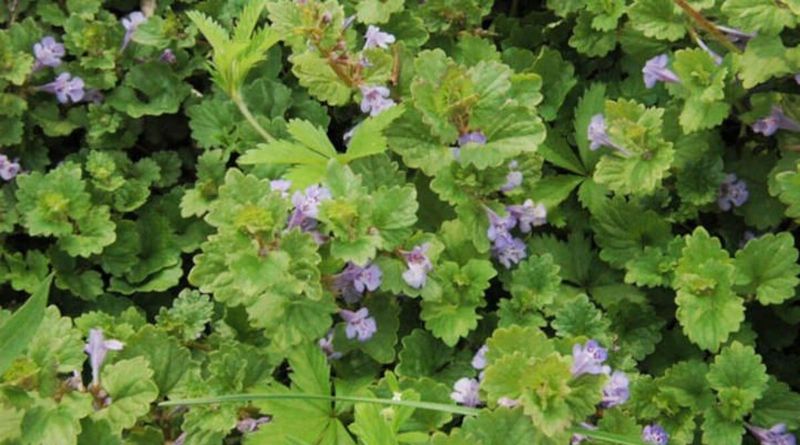
You pull a patch of Creeping Charlie, the soil looks clean, and a few weeks later green runners are back. That is frustrating, but it has a clear explanation.
Knowing how this plant spreads helps you pick the right fix for your yard. Fall may offer a good window for lawns, though it is not a magic switch.
Surface runners and underground rhizomes explain regrowth
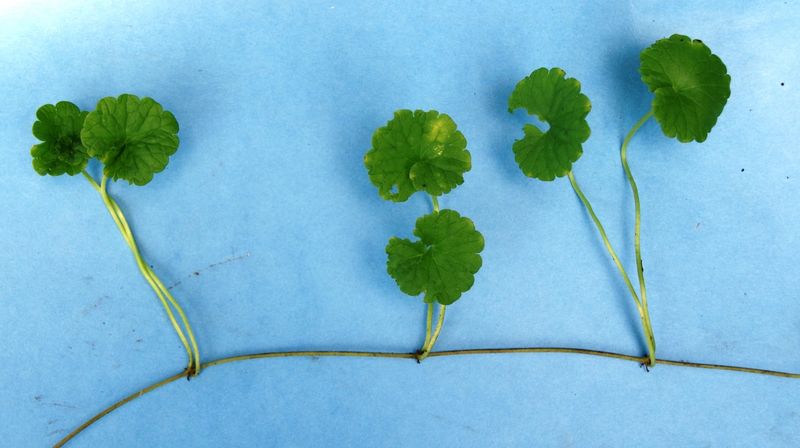
Creeping Charlie, also called ground ivy or Glechoma hederacea, travels mostly by stolons. These are runners that grow along the soil surface and send down roots at their nodes, the joints where leaves attach.
Each rooted node can become its own small plant.
The plant has other tricks too. According to University of Minnesota Extension, it spreads by stolons and seed, and it can also have rhizomes, which are underground stems.
So the runners you see are generally not hidden, but the roots and rhizomes under them are.
That mix explains many comebacks. If you tug a runner and it snaps, the rooted nodes left behind can keep growing.
A USDA Forest Service species review describes how ground ivy can regrow from stem and root fragments.
Pulled pieces matter as well. A stem left lying on damp soil can root again, which means a tidy-looking pile on the garden edge may quietly restart the problem.
No single structure explains every return. Some patches come back from missed nodes, some from rhizomes, and some from seedlings.
Knowing the possibilities helps you look in the right places when regrowth appears.
A small patch can yield to a careful pull
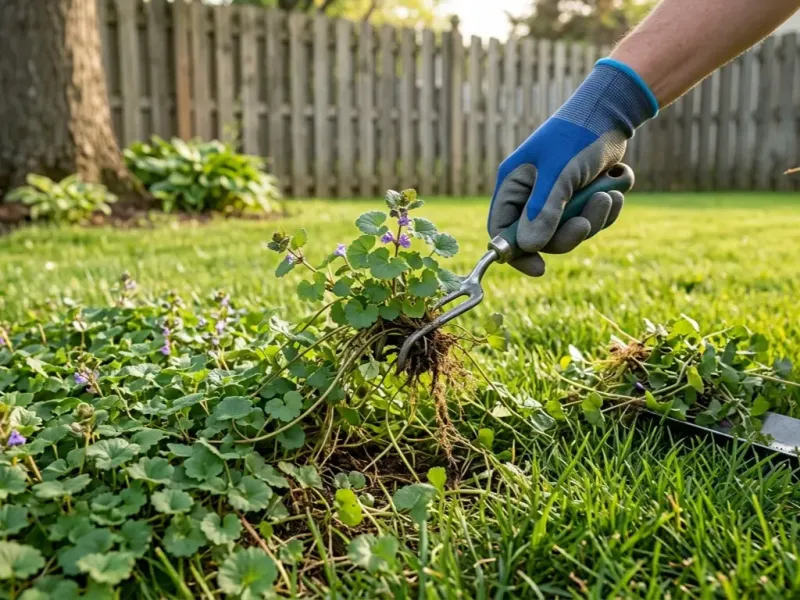
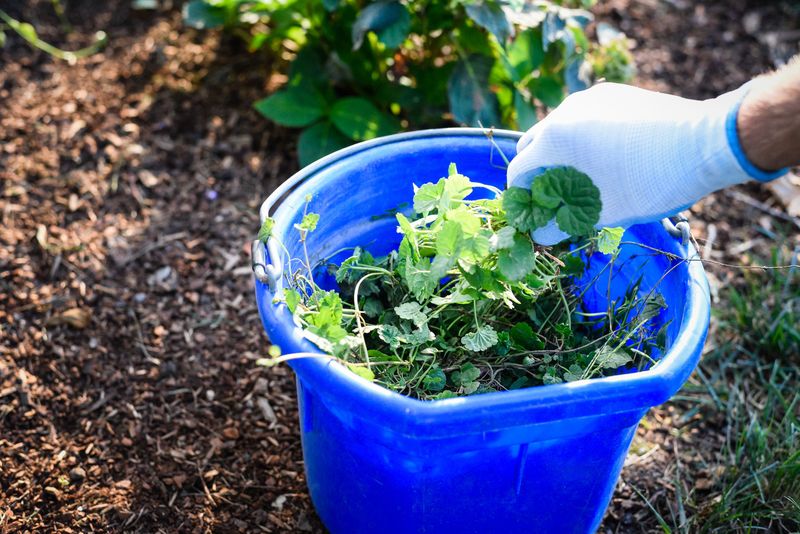
Hand removal does work on small patches, as long as you go slowly. The goal is to take out runners and roots, not just the leafy tops.
A quick tug often leaves rooted nodes behind, and those are enough to restart the patch.
Start after rain or a deep watering, when the soil is soft. Both Iowa State Extension and Minnesota guidance describe digging or pulling as practical for limited infestations.
Slide a hand fork under the mat, loosen it, and follow each runner back to where it roots.
Next, deal with what you pulled. Put it in a bag or bin for the trash, or let it dry completely in the sun before it goes anywhere near compost.
Stems dropped on moist soil can root again.
Plan to come back. Check the spot every week or two for new shoots, and pull those while they are small.
University of Minnesota Extension notes that persistence is part of the job.
Not every patch needs a spray. If the area is small and reachable, careful digging plus a few follow-up checks can be enough.
When does fall help with a lawn infestation?
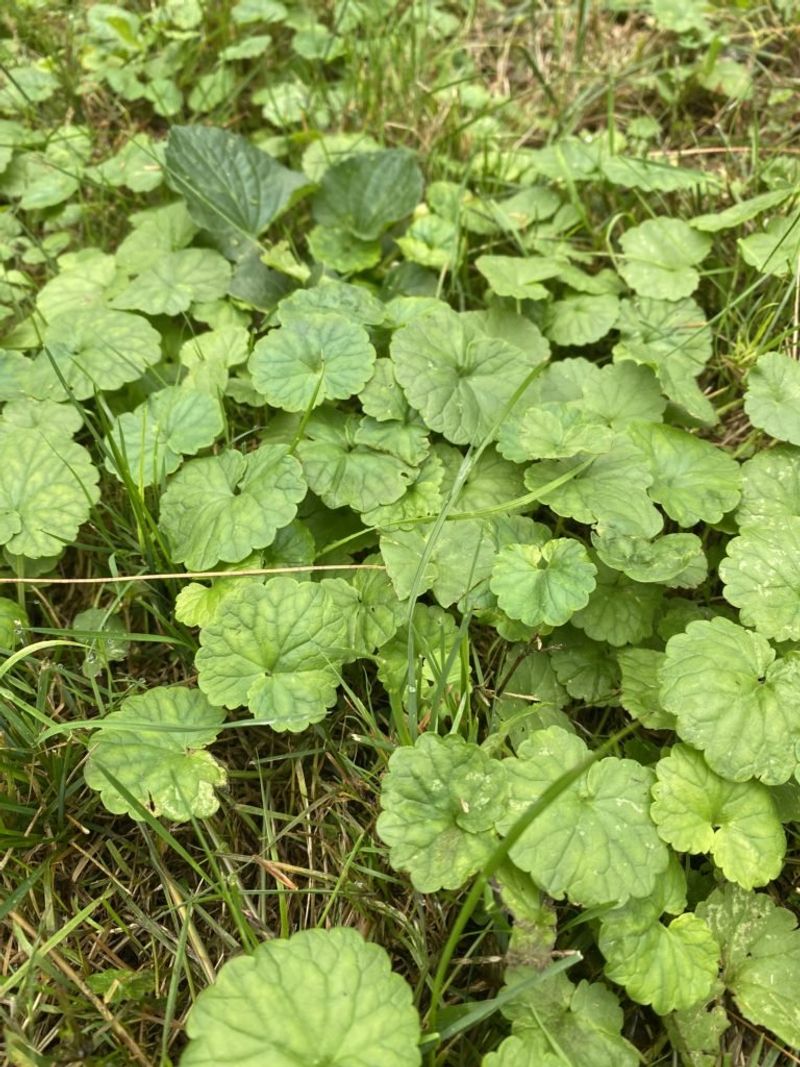
Once Creeping Charlie covers a good part of a lawn, digging it all out is rarely realistic. That is where fall can help.
Extension guidance often describes autumn as a favorable time for lawn herbicide, since the plant is still actively growing then.
Timing depends on where you live. Iowa State Extension points to late September through early November for its region.
Penn State Extension describes treating after the first frost. Those are regional examples, not a national calendar date.
Plant condition matters as much as the date. Treatment works best when the plants are green and growing, so check your own lawn and local extension office before you pick a day.
Fall treatment is an opportunity, not a promise. University of Minnesota Extension notes that repeat applications may be needed, so expect to look again the following spring.
This timing applies to lawn herbicide only. Hand-pulling can be done any time the soil is workable and the plants are visible.
Choose a method for the place it grows
Before you reach for any tool or product, look at where the weed is growing. A pure lawn, a flower bed, and a vegetable patch each call for a different approach.
Mixing them up is how good plants get hurt.
In beds and mixed plantings, pulling and digging are the safer choice. Lawn herbicides can injure flowers, vegetables, shrubs, and other plants you want to keep, which is why Iowa State Extension separates garden advice from lawn advice.
Lawns are different. A large infestation across turf can be treated with a product labeled for lawns, and Illinois Extension discusses options for both settings.
Edges deserve extra thought. If Creeping Charlie runs from the grass into a hydrangea or tomato bed, treat the lawn side with care and hand-dig the bed side.
Roots of nearby shrubs and trees can also take up spray, so keep products away from them.
A quick check helps: Is it grass only, or are other plants mixed in? If other plants are there, start with your hands.
Use a labeled product, not a one-size-fits-all ingredient
If you decide a lawn herbicide makes sense, you will find that advice on active ingredients is not uniform. Iowa State discusses triclopyr and 2,4-D among its options.
Minnesota says triclopyr products can control it while 2,4-D is not very effective. Illinois Extension reports strong results with triclopyr or fluroxypyr in cool-season grasses.
So no single ingredient is the best in every yard. What matters is that the product is labeled for your site, your grass type, and Creeping Charlie.
The label of a residential lawn herbicide shows the kind of directions to expect, such as rates, timing, and where not to apply.
Protect the plants around the lawn. Keep spray off flowers, vegetables, shrubs, and trees, and skip windy days.
EPA drift guidance explains how spray can travel beyond the target.
Also keep products from washing into storm drains, ponds, or streams. Avoid applying before heavy rain, and never spray on hard surfaces where water can carry it away.
Borax is sometimes suggested as a natural fix, but extension sources report inconsistent results and risk of plant injury, and it is not labeled as an herbicide.
Make the lawn less inviting to encroachment
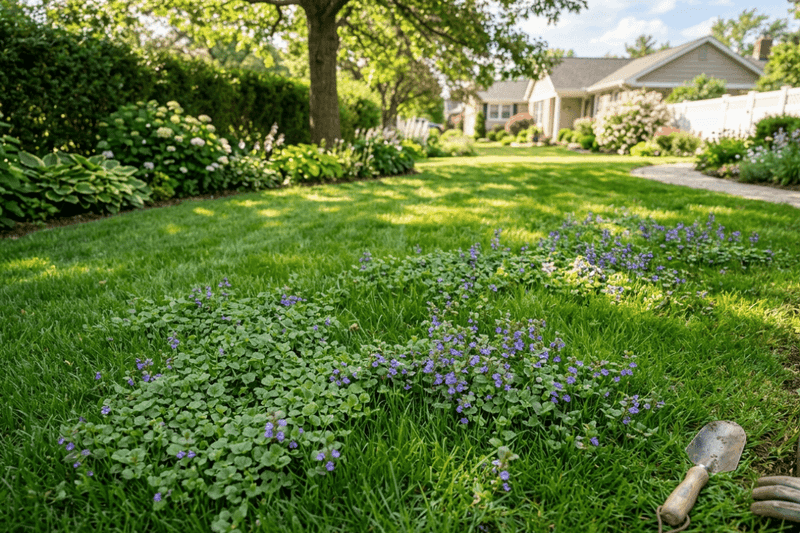
Creeping Charlie loves damp, shaded places, which are also the spots where grass tends to struggle. Thin turf under a maple or along a north fence gives it room to creep in.
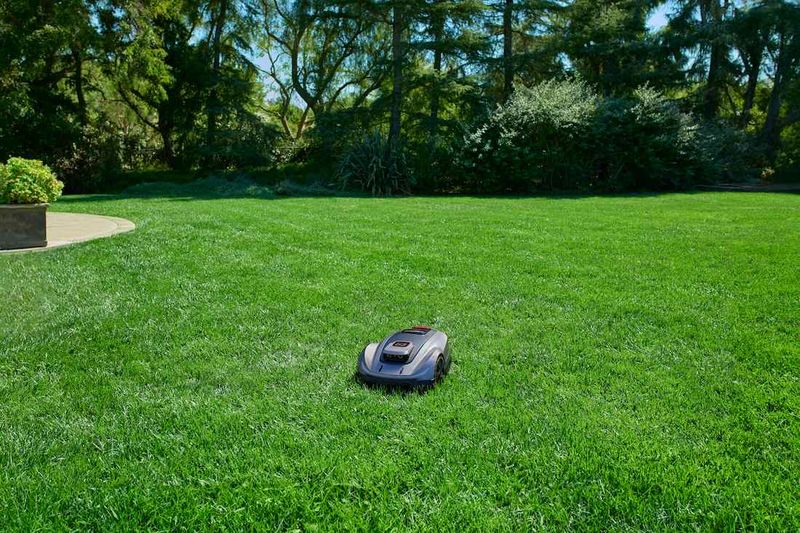
Dense, healthy turf can help discourage encroachment. Illinois Extension includes lawn care among its management tools.
Good mowing height, proper watering, and fertilizing as your grass type needs all help the lawn fill gaps.
This is prevention, not a cure. A thick lawn may slow new invaders, but it will not remove an established mat on its own.
In deep shade, grass may never thrive. University of Minnesota Extension notes that moist, shady sites favor the weed, so a shade-tolerant grass or a different groundcover may be a more practical choice than fighting for turf.
Whatever you choose, keep scanning the edges. Pull any new runners early, before they root, and the lawn has a better chance to hold its ground.
Check again after treatment
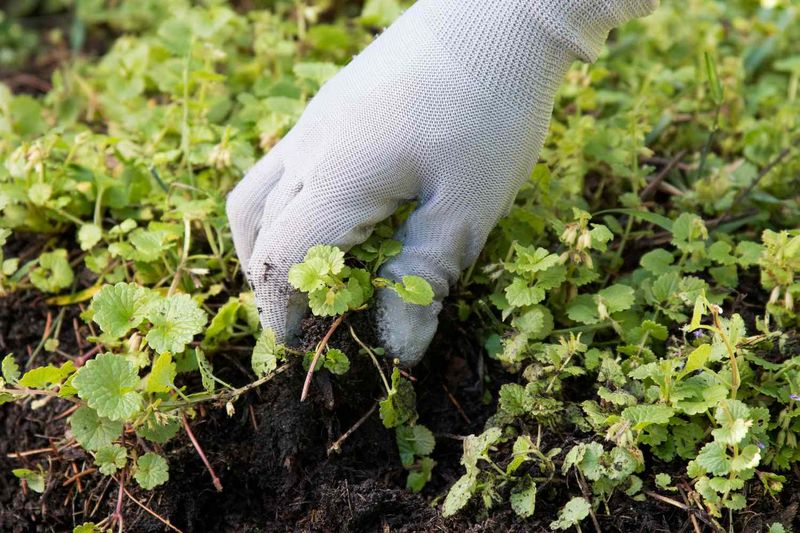
The best plan matches the method to the place. Dig small patches thoroughly and bag the pieces.
Consider a labeled lawn product in fall where local timing fits, as in Penn State Extension guidance.
Then keep watching. Iowa State Extension makes clear that follow-up may be needed after treatment.
Walk the area every couple of weeks and pull new shoots while they are small.
Creeping Charlie rewards patience more than speed.