
These Native North Carolina Bloomers Shrug Off Brutal Mailbox Heat Long After Petunias Quit
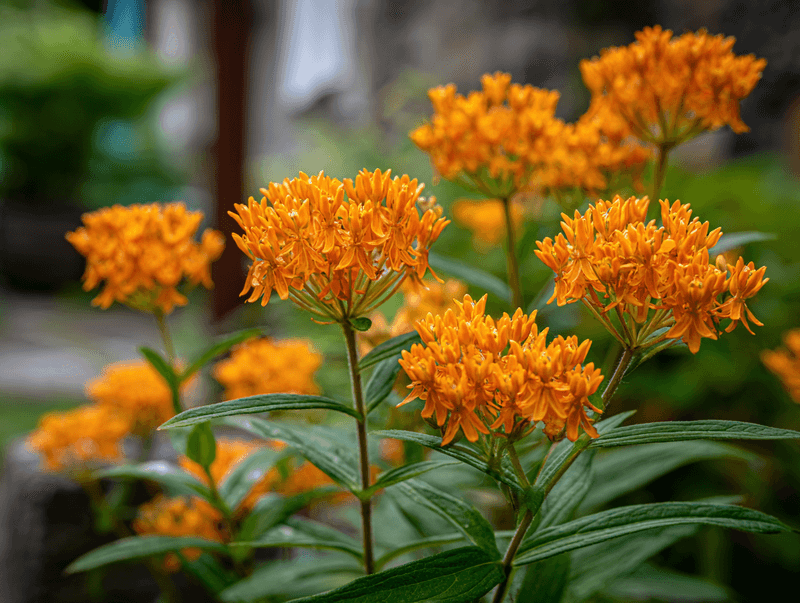
By late July, the strip around most North Carolina mailboxes looks like it lost a fight with the sun. Pavement throws heat back up, the soil bakes hard, and those cheerful petunias from May fade into brown sticks.
The good news is that plants born and raised in our state know how to handle this kind of punishment. Swap in a few of these natives, and your hottest spot can feed bees, butterflies, and goldfinches all summer while asking for almost no water.
1. Black-Eyed Susan (Rudbeckia hirta)
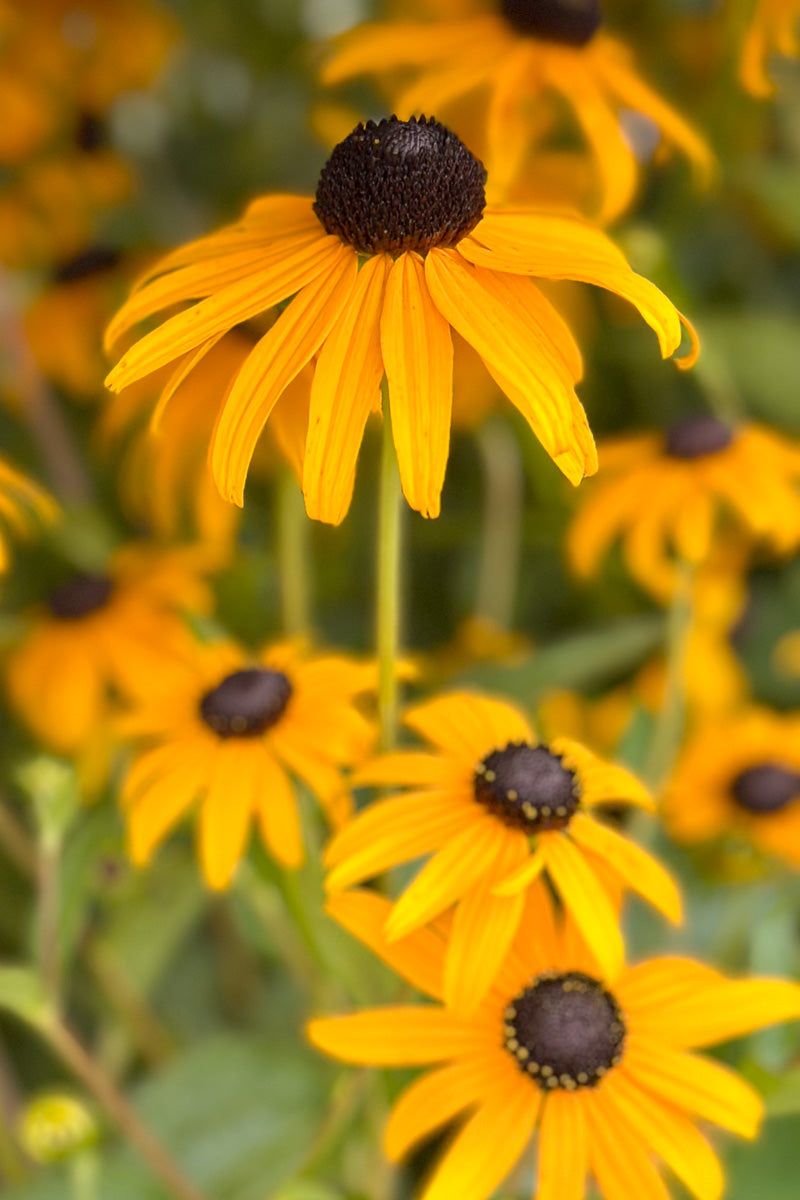
Ask any North Carolina grandmother what grew by her mailbox, and there is a decent chance she will say Black-eyed Susans. These golden daisies with chocolate centers have been brightening roadsides here for generations, and they still earn their spot.
Full sun and average to dry soil are all they want. They keep blooming through the summer heat when bedding annuals give up, and native bees and butterflies work the flowers from morning until evening.
Leave the seed heads standing into fall. Goldfinches love to pick at them, which turns your mailbox bed into a small bird feeder you never have to refill.
2. Coreopsis (Tickseed)
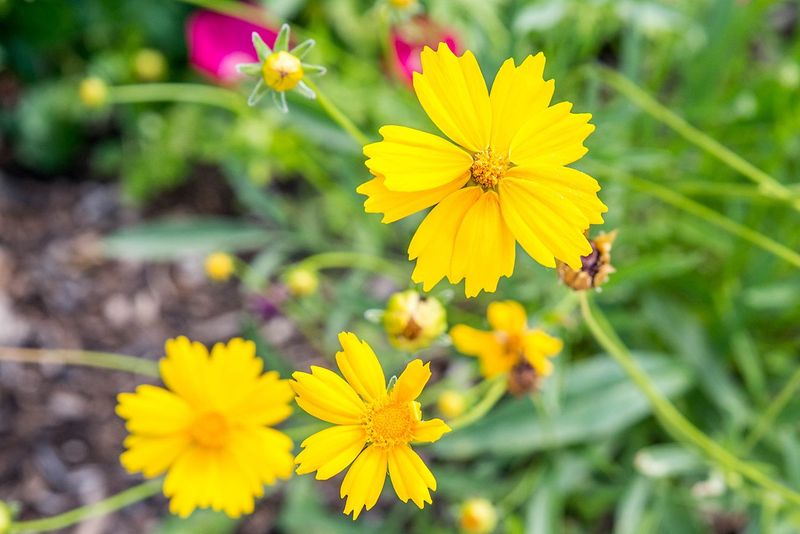
Poor soil? Coreopsis practically celebrates it.
Also called tickseed, this cheerful perennial throws out daisy-like flowers in yellow, orange, and sometimes red from early summer well into fall.
The name has nothing to do with the ticks you worry about on your dog. Early settlers thought the little seeds looked like ticks, and the nickname stuck.
Fun bit of history, harmless plant.
Native bees adore these blooms, so a patch by the road becomes a fueling station for pollinators traveling between yards. Once established, coreopsis shrugs off drought and needs little more than an occasional trim of spent flowers to keep the show going.
For a true NC choice, look for lanceleaf coreopsis (Coreopsis lanceolata) at a native plant nursery rather than heavily bred hybrids.
3. Butterfly Weed (Asclepias tuberosa)
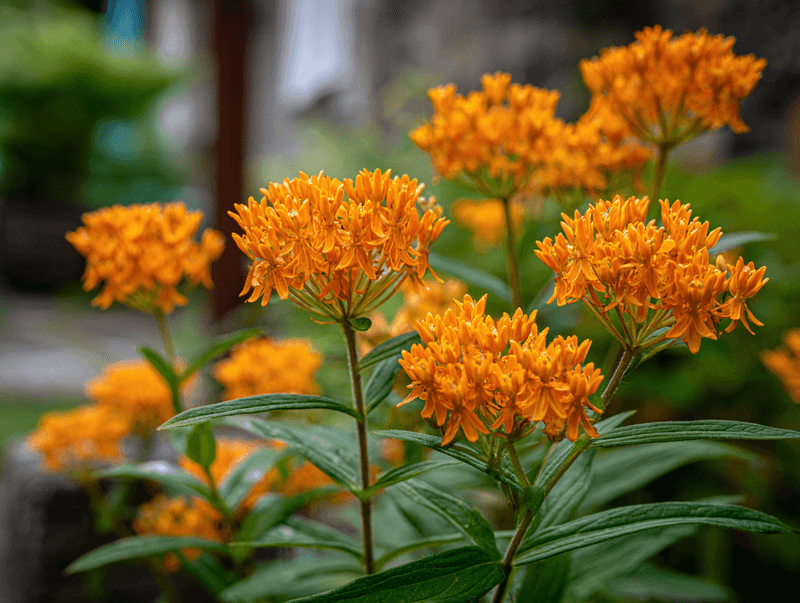
Picture a monarch drifting down the street in July and stopping right at your mailbox. Butterfly weed makes that scene happen.
Its flat clusters of blazing orange flowers thrive in dry, full-sun spots that would scorch most garden plants. As a milkweed, it is a host plant for monarch caterpillars, so you are helping raise the next generation, not just feeding adults.
A deep taproot lets it pull moisture from far below the crusty surface. That same root means it hates being moved, so pick its home carefully and leave it be.
It also wakes up late in spring, so mark the spot and do not dig it up by mistake.
4. Blazing Star (Liatris spicata)
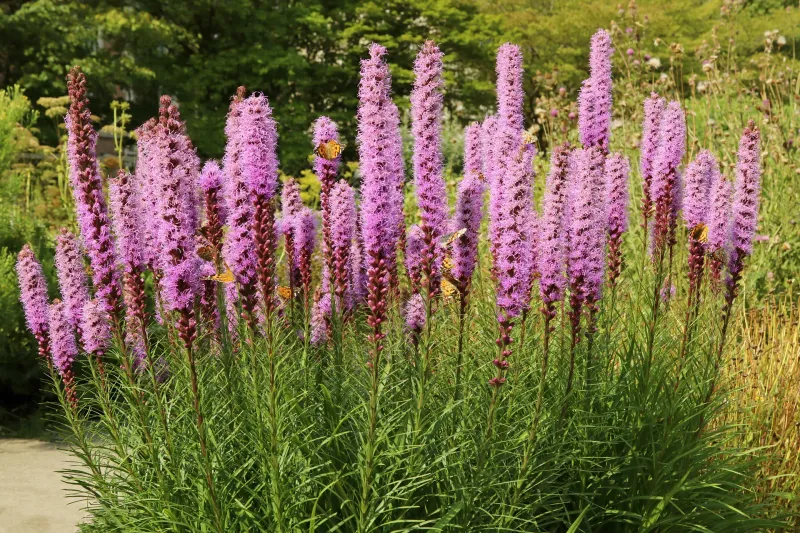
Purple fireworks, frozen in place. That is what blazing star looks like in mid-summer, when its tall spikes of purple-pink flowers open from the top down, which is backwards from most spiky bloomers.
Native bees and butterflies crowd the spikes during the hottest weeks of the year. Come fall, the seeds feed goldfinches and other songbirds, giving you a second season of wildlife value from the same plant.
It handles our heat and humidity well and adapts to many soils, though it does best where water drains away instead of puddling. Tuck it behind shorter plants so the spikes rise like exclamation points over the bed.
5. Purple Coneflower (Echinacea purpurea)
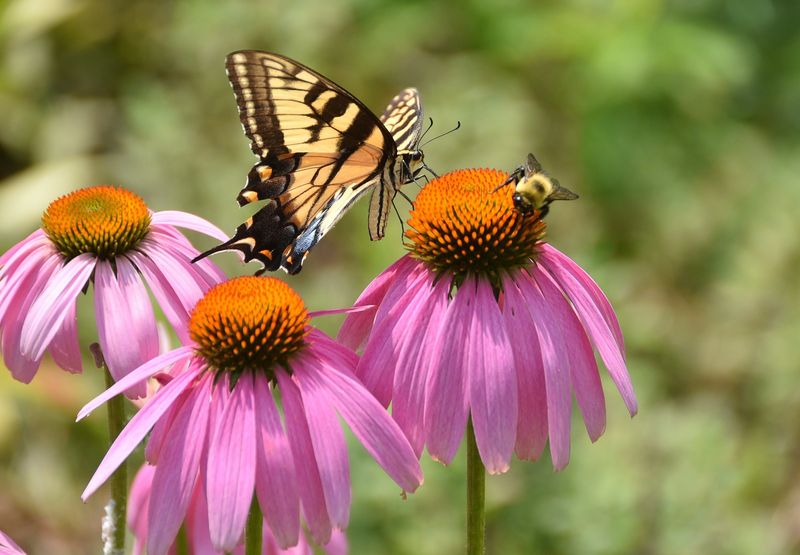
Some plants are flashy for a week and done. Purple coneflower settles in for the long haul, blooming through the summer with sturdy pink-purple petals around a spiky orange cone.
It handles heat and drought like a champ once established. Butterflies and bees visit all season, and birds pick at the seed heads later.
Here is a regional tip. Coneflower grows naturally in the Piedmont and mountains, so Coastal Plain gardeners should give it a raised or well-drained spot to keep roots from rotting in soggy winters.
6. Wild Bergamot (Monarda fistulosa)
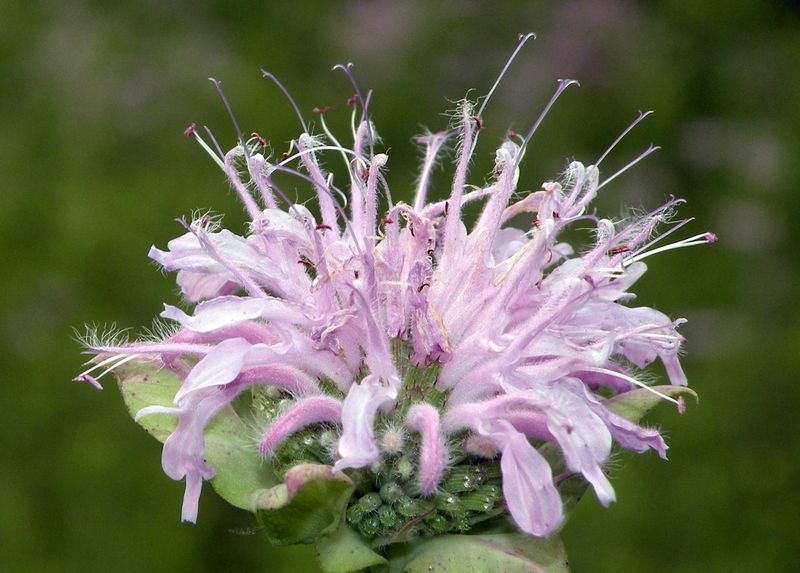
Brush past wild bergamot and your fingers will smell like oregano and mint. That fragrant foliage is part of the charm, and it may help discourage deer from chewing on it.
From July through August, lavender pom-pom flowers draw in bumblebees and hummingbird clearwing moths. Those moths look like tiny hummingbirds and are a real treat to spot at dusk.
Wild bergamot likes drier, well-drained ground and slowly spreads into a manageable colony. Give plants good air flow to cut down on powdery mildew, which can show up in muggy weather but rarely does serious harm.
7. Carolina Wild Petunia (Ruellia caroliniensis)
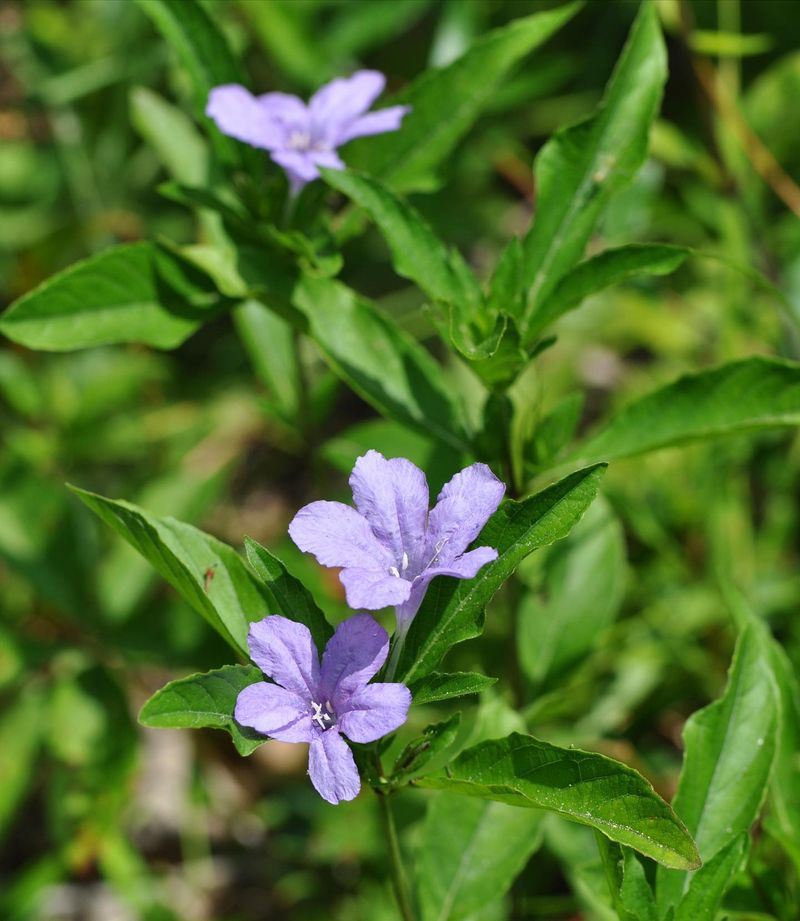
Here is a fun twist. The plant that replaces your tired petunias is called a petunia too, but it is not related to the store-bought kind at all.
Carolina wild petunia stays low and sprawls, opening soft lavender flowers from June all the way through September. It is especially tough in dry, sandy Coastal Plain soils where drought hits hard.
Plant it at the front edge of a mailbox bed where it can soften the border. One caution: avoid Mexican petunia (Ruellia simplex), a look-alike sold in garden centers that can escape and spread aggressively.
Stick with the true Carolina native.
8. Rose Verbena (Glandularia canadensis)
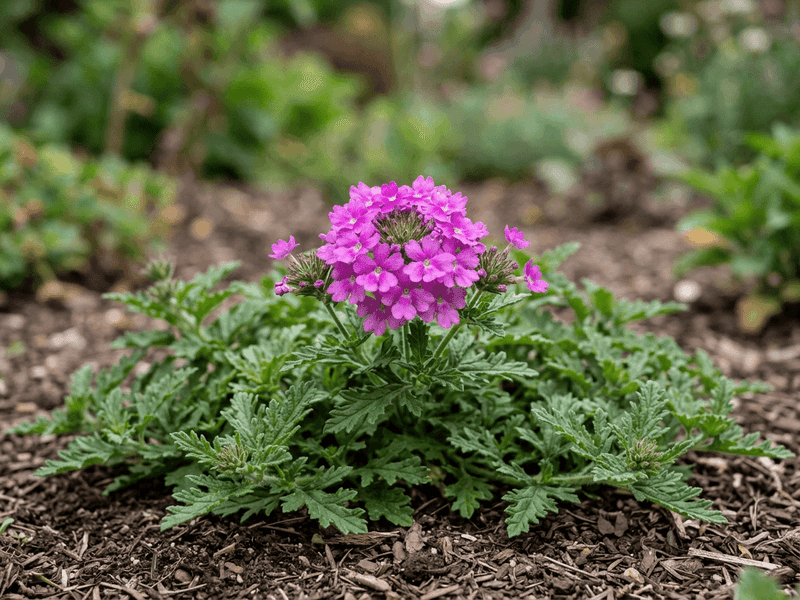
Six months of flowers from one low plant sounds too good to be true. Rose verbena comes close, blooming for roughly half the year in the right spot.
Clusters of rosy-pink flowers spill along the ground, making it perfect for the hot gap between your mailbox post and the pavement. Full sun and dry soil suit it just fine.
Hummingbird clearwing moths and butterflies stop by often. Keep it out of wet or shady corners, where it tends to sulk, and trim it back lightly midsummer to encourage fresh blooms.
9. Adam’s Needle Yucca (Yucca filamentosa)
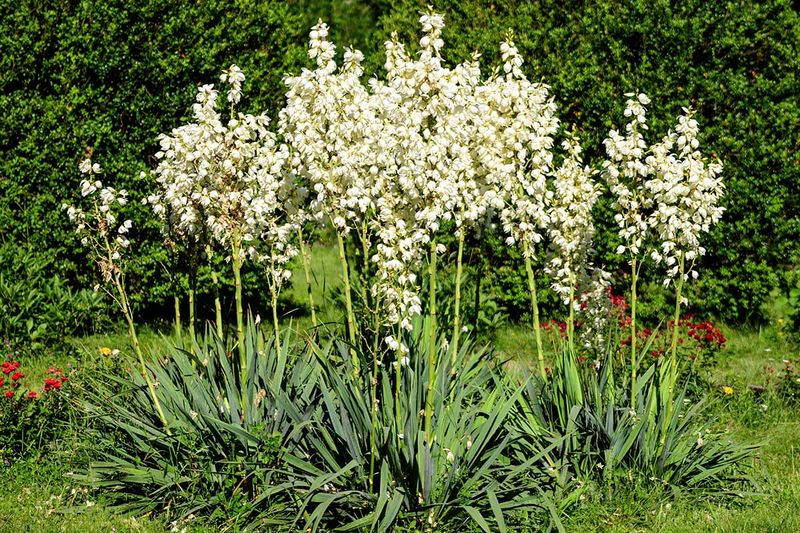
When nothing else will grow, yucca will. This spiky evergreen laughs at drought, reflected pavement heat, and sandy soil that drains in seconds.
In early summer it sends up tall stalks lined with creamy white bells. At night those flowers rely on a special yucca moth for pollination, a partnership that has lasted for ages.
The leaves give year-round structure when perennials die back in winter. Coastal gardeners can also consider Spanish bayonet (Yucca aloifolia) for salty, sandy sites, but place either one away from walkways because those tips are sharp.
10. Carolina Rose (Rosa carolina)
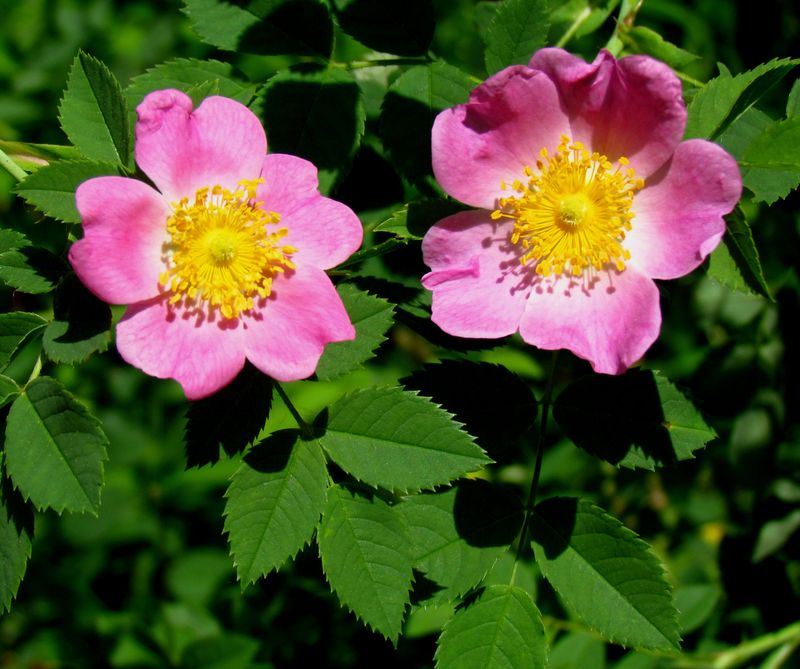
Forget fussy hybrid roses that need spraying every week. Carolina rose is the wild cousin that grows happily in sunny, rough spots with no pampering at all.
Simple pink five-petal flowers open in late spring and early summer. Bright red hips follow, giving birds a snack into the cold months.
It also makes a smart swap for invasive multiflora rose, which smothers NC fields and woods. Pulling the invader and planting this native keeps the look while helping, not hurting, your local ecosystem.
Give it room near the back of a mailbox bed or along a property edge, and it will reward you for years.