
A Healthy Broken Christmas Cactus Piece Can Be Rooted Into a New Plant in Your North Carolina Home
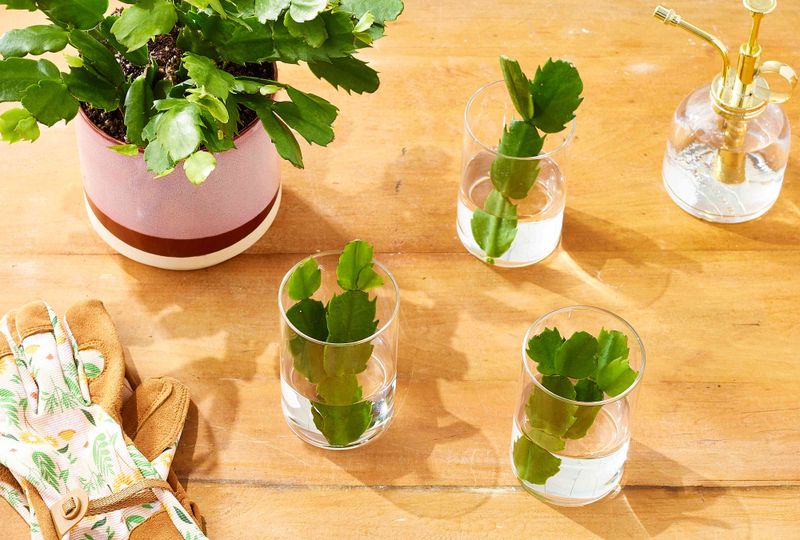
A snapped piece of holiday cactus looks like bad news, but it can turn into a chance to grow another plant for free. Some pieces root well, and some do not, so a little care makes a big difference.
Here in North Carolina, the steps are simple and fit on a bright windowsill. Knowing what to expect keeps the project fun instead of frustrating.
A healthy broken piece can become a new plant
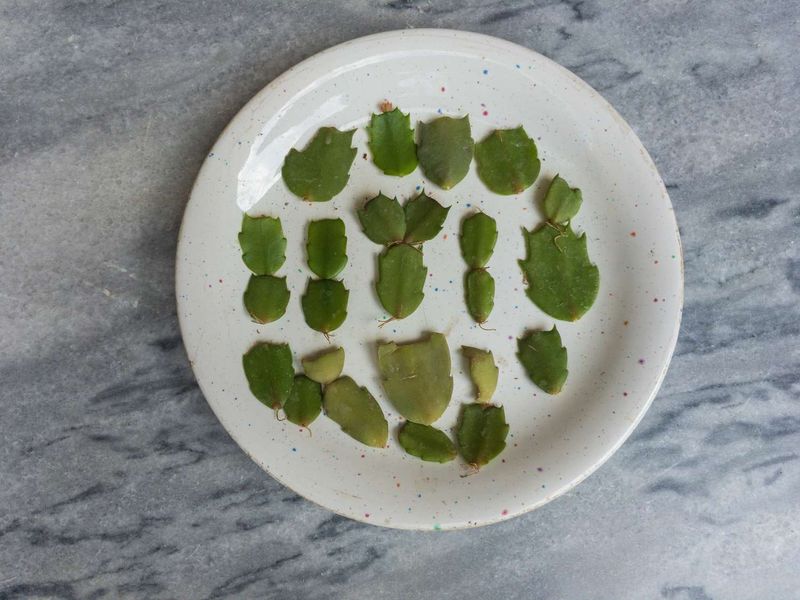
Picture the moment: you brush past your holiday cactus and a piece drops onto the floor. Before it goes in the trash, take a closer look.
N.C. Cooperative Extension suggests gathering broken segments and rooting them, so a healthy break can be a real propagation opportunity.
A word of caution about the old line that a snapped piece is already halfway to a new plant. There is no way to measure that, and a loose piece is still just a cutting.
It has to grow roots, then settle into a pot, before it counts as a new plant.
Not every piece will make it. Some shrivel, some rot, and some simply sit there.
A healthy, plump piece with decent care gives you good odds, though nobody can promise a result.
Iowa State Extension lays out a more controlled method that uses short sections of stem. The next sections walk through it: picking a good piece, letting the end dry briefly, rooting it in a light medium, and moving it to a pot once roots show up.
This is an indoor houseplant project. Think of it as rescuing a broken piece of a plant you already own, with a modest and realistic payoff of one more potted plant down the road.
Choose a healthy cutting
Start by looking at the piece itself. For the most dependable results, use a healthy section of about 2 to 5 flattened segments, as described by Iowa State Extension.
Plump, firm, green pieces are good candidates, while soft, shriveled, or mushy ones are poor bets.
If your broken piece is longer, or the break was ragged, separate a section at a joint. Gently twist the segments apart instead of cutting through the middle of one.
Here is a small botany note. The flat, leaf-looking parts are really stem segments, which is why a piece of several segments can form roots at its base.
UConn Extension describes these plants as rainforest-associated epiphytes, not desert cacti.
You may also wonder which kind you own. Many plants sold as Christmas cactus are actually Thanksgiving cactus.
According to N.C. Cooperative Extension, true Christmas cactus segments have smooth, rounded edges, while Thanksgiving cactus segments have pointed edges.
You do not need to settle that question before you begin. The general propagation steps apply to holiday cacti broadly, so run your finger along a segment edge out of curiosity, then move on to rooting.
Prepare the cutting and give it rooting conditions
Preparation happens in two separate stages. First, let the broken or pinched end callus overnight, which means it forms a dry seal.
That is only a short prep step, not the rooting period, so do not leave a cutting sitting out for days or weeks.
Second, set the cutting up to root. The method from Iowa State Extension uses moistened perlite or coarse sand.
Push the callused end in about an inch, and firm the medium lightly so the piece stands upright.
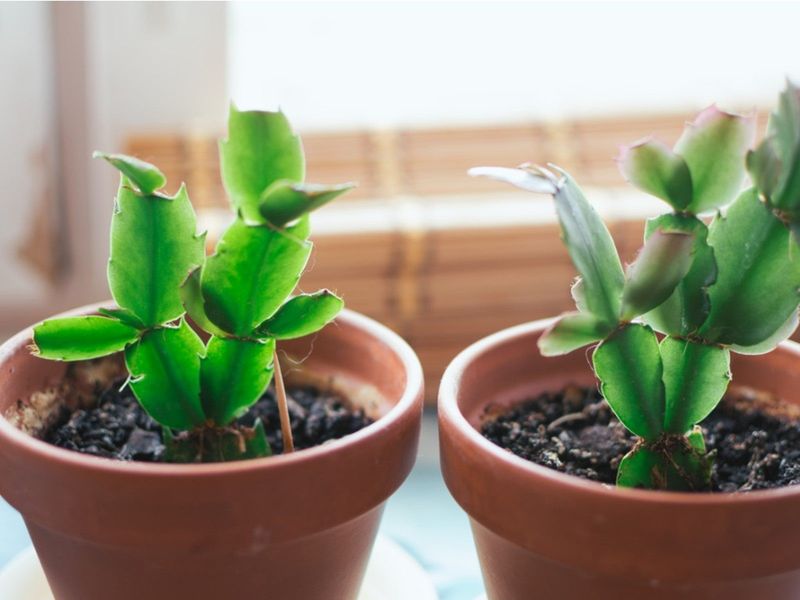
Choose a small pot with drainage holes and place it in bright, indirect light. A spot near a window with a sheer curtain works well, while hot, direct afternoon sun can scorch a cutting with no roots to replace lost moisture.
Moisture takes some judgment. The medium should not dry out completely, but it should never sit soggy either.
N.C. Cooperative Extension warns that holiday cactus can rot when overwatered, and UConn Extension stresses excellent drainage.
Water lightly, let extra water run out, and empty any saucer.
As for timing, sources vary. Iowa State reports about 6 to 8 weeks, while Penn State Extension gives a wider range of 3 to 8 weeks.
Treat those as rough estimates, not deadlines.
Pot the cutting once its roots are established
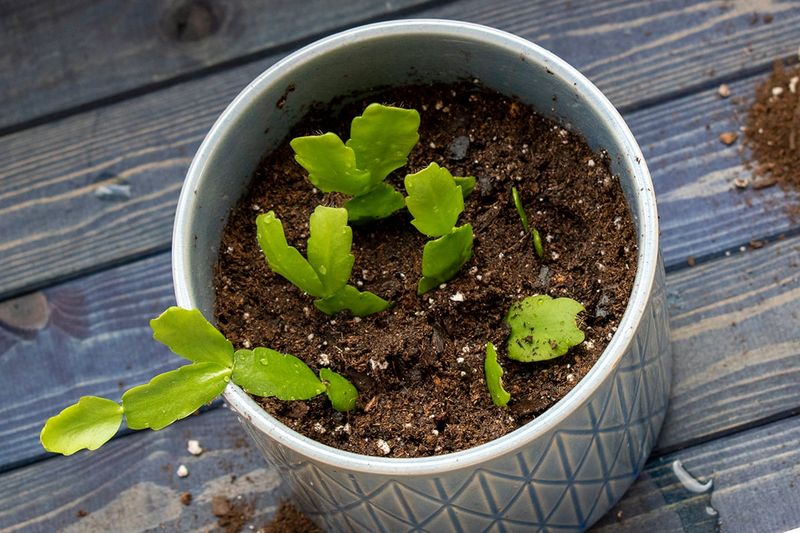
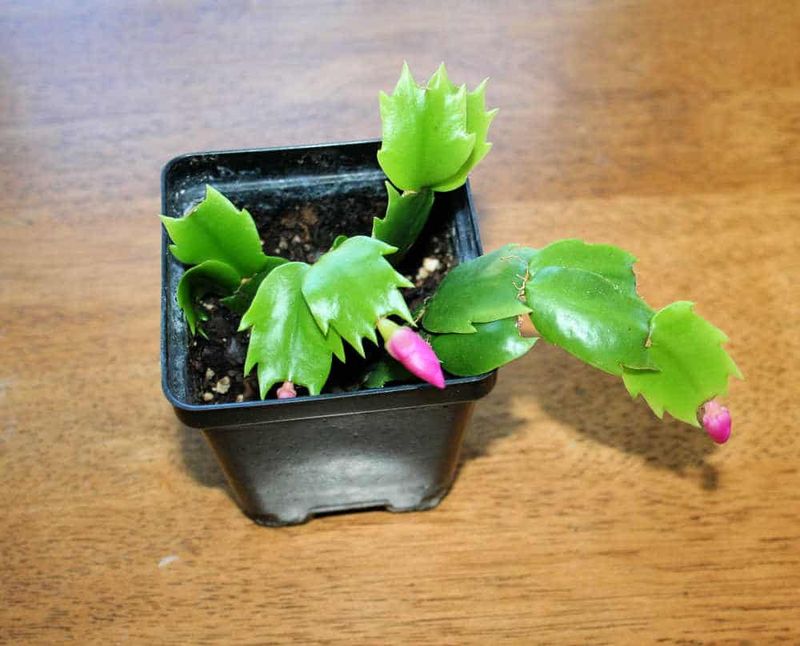
Roots are your cue. Once they reach about an inch long, Iowa State Extension says the cutting can move into a well-drained potting mix.
Moving it earlier risks damaging tiny roots that have barely started.
Pick a small pot with drainage holes, since a big pot holds extra wet soil around a small root system. Fill it with a loose, fast-draining mix, make a hole, and settle the roots in gently.
Firm the mix just enough to hold the cutting upright.
Keep the new pot in the same bright, indirect light the cutting liked before. Then watch how it behaves.
Firm, green segments and slow new growth are good signs, while a limp or darkening base calls for less water.
Potting is not the finish line. The cutting still has to establish, and it is a young plant, not a mature or flowering one.
Drainage remains the main safeguard, because N.C. Cooperative Extension notes that frequent overwatering can cause rot.
Rather than following a fixed watering schedule, check the mix and let the plant’s condition guide you.
Rooting does not guarantee a holiday bloom
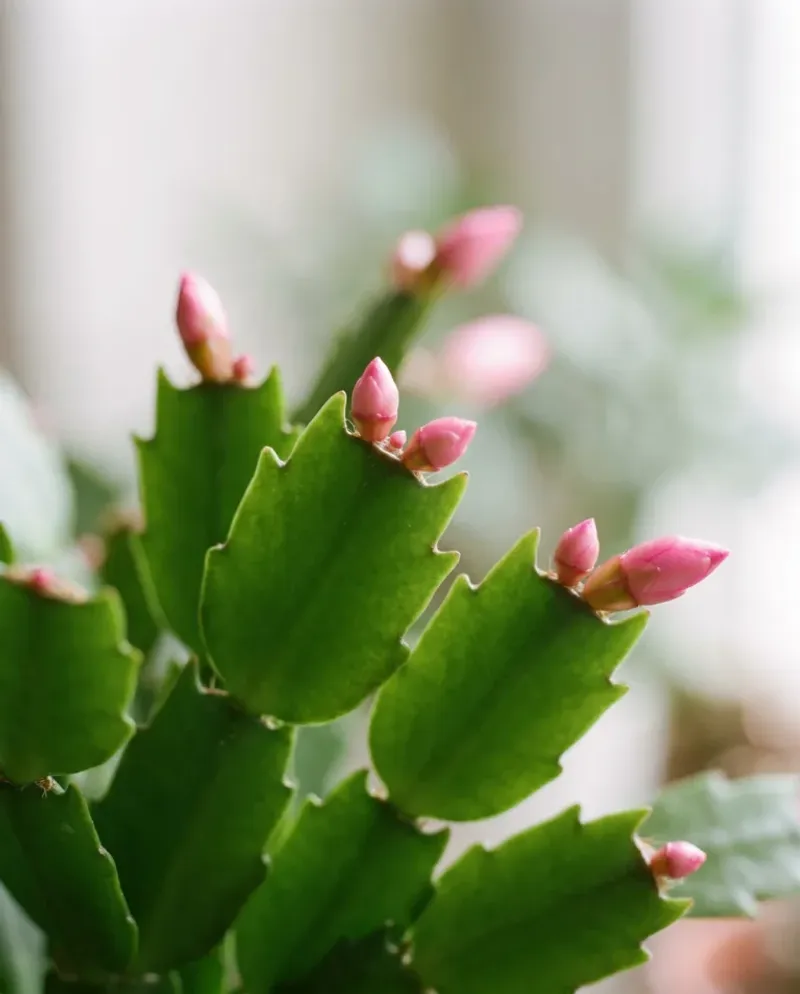
Many people hope a new cutting will bloom by the next holiday. That is a different question from rooting, and the answer is a careful maybe at best.
The estimates you have seen cover roots only. Penn State Extension says 3 to 8 weeks, and Iowa State Extension says about 6 to 8 weeks.
Neither one tells you how long a small rooted cutting needs to grow into a plant ready to flower.
Bloom timing depends on the plant type and its growing conditions. UConn Extension points to factors like day length and temperature.
Your plant may be a Thanksgiving cactus, which usually blooms earlier than a true Christmas cactus, and the NC State Plant Toolbox lists these plants as houseplants from southeastern Brazil.
You may read that growers root cuttings between December and March to sell blooming plants in November and December. UMass Extension describes that schedule, but it comes from commercial greenhouse conditions.
A home windowsill is a different setting.
So enjoy the new plant as it grows, and treat the first flowers as a pleasant surprise. Learning how your own plant behaves may take a full year.
Keep North Carolina frost in mind
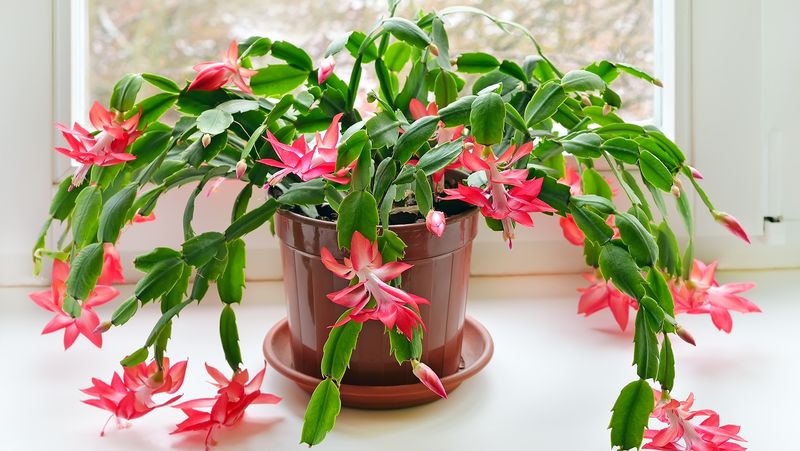
Because this is a houseplant project, the safest place for a cutting is indoors. If you want to give a established plant a warm-season vacation, wait until frost danger has passed.
N.C. Cooperative Extension advises moving plants outdoors only after that point.
Frost dates differ across the state, so check what is typical for your area, whether that is the mountains, the Piedmont, or the coast. Pick a shady, sheltered porch or patio, and keep a young rooted cutting indoors until it has settled in.
In fall, watch the forecast. Bring the pot inside before frost or freezing temperatures arrive, since this tropical-leaning plant is not a winter outdoor resident.
As for the payoff, it is modest but real. A healthy broken piece may root, following steps like those from Iowa State Extension, and become another potted plant with suitable care.
Neither success nor a timely bloom is assured.
Sometimes the best houseplant lesson is that a small accident can start something new, as long as you give it time.