
Leave These 13 Perennials Standing All Winter And The Birds Will Thank You For It
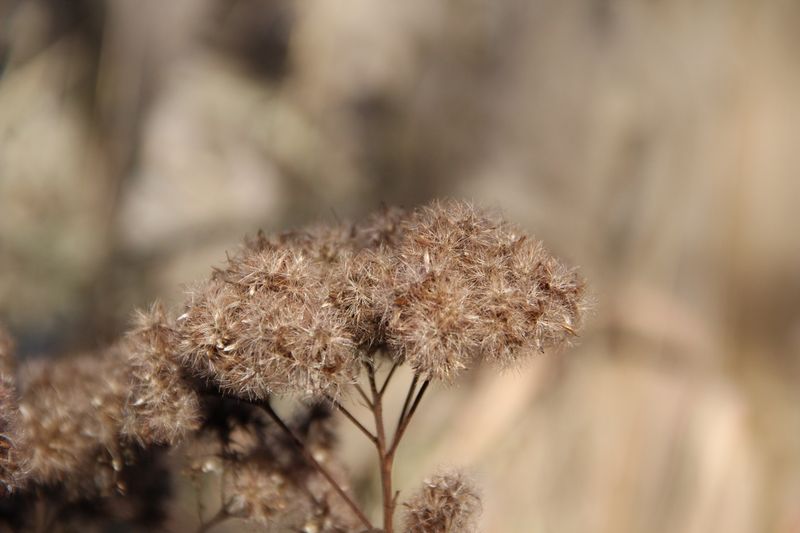
That messy patch of brown stems you want to cut down this fall might be the best bird feeder you own. Many common perennials hold seeds and shelter long after their flowers fade, and hungry birds count on them when food runs low.
Skipping the fall chop is easy, free, and it saves you work. Here are 13 plants worth leaving alone until spring.
1. Purple Coneflower
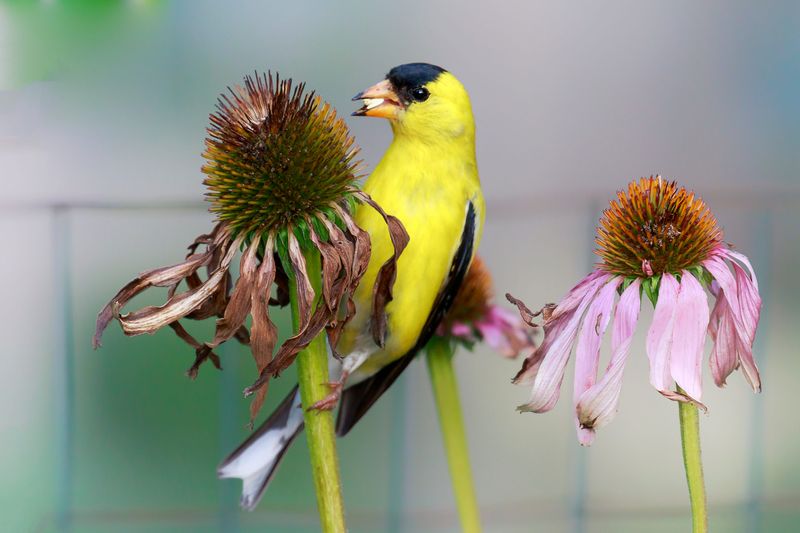
Picture a goldfinch hanging upside down on a frosty coneflower, picking seeds out one by one. That scene happens in backyards across the country every winter, but only where gardeners leave the stems up.
Purple coneflower forms a spiky dome packed with seeds once the petals drop. Finches, chickadees, and juncos work these heads for weeks, and the stiff stems hold steady even in wind.
If your plants look scraggly, resist the urge to tidy. Cut them back to a few inches in early spring, right before new green leaves push up from the crown.
2. Black-Eyed Susan
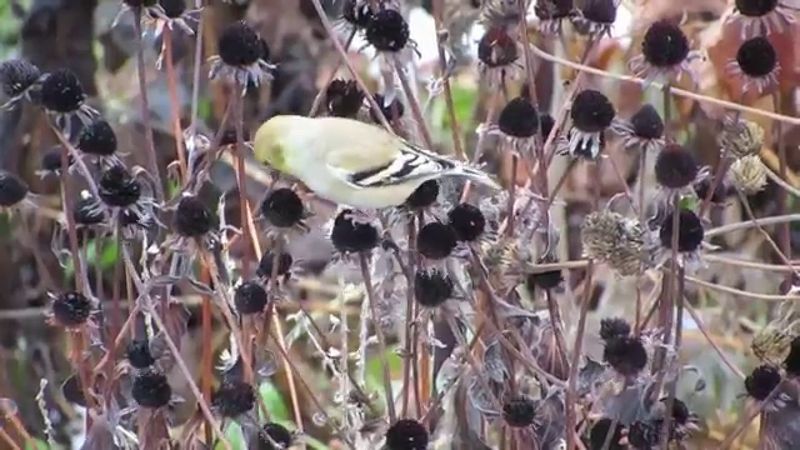
Few plants are as forgiving as Rudbeckia. It blooms through summer heat, shrugs off dry spells, and then quietly turns into a winter snack bar.
Those dark brown cones hold tiny seeds that sparrows and finches love. The stems also shelter insects over winter, which gives birds a second meal when they peck along the stalks.
One small bonus: some of the dropped seed will sprout next year. If you want fewer volunteers, simply pull the extras in spring when they are easy to spot.
3. Goldenrod
Poor goldenrod gets blamed for sneezing season, but ragweed is usually the real culprit. Goldenrod pollen is heavy and sticky, carried by bees rather than drifting through the air.
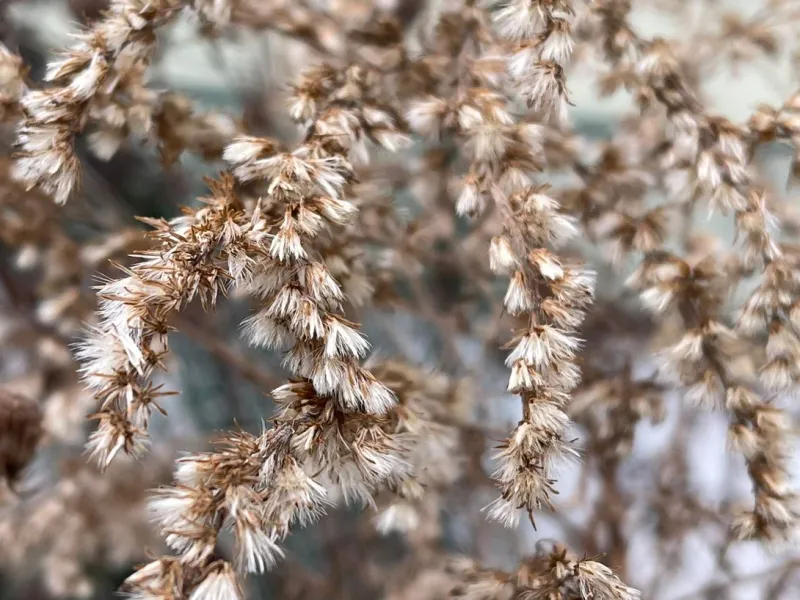
By late fall, the golden plumes turn soft and fluffy. Dozens of bird species pick at the seeds, and in spring some birds pull the fluff for nest lining.
Leave a clump standing near a window and you may see visitors all winter long. It is one of the hardest-working natives you can grow.
4. Joe Pye Weed
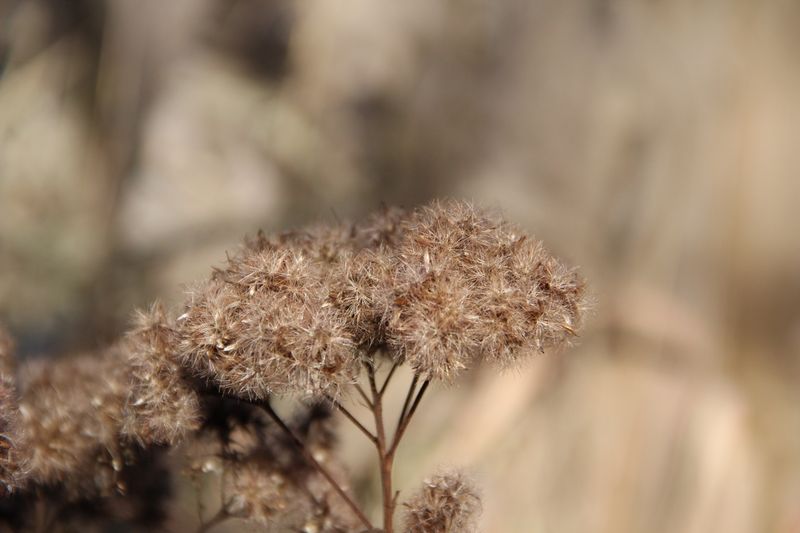
Standing taller than most gardeners, Joe Pye weed is the skyscraper of the late-season border. Its size is exactly what makes it valuable after frost.
The big domed seed heads break apart slowly, so the food supply stretches across many weeks instead of vanishing at once. Finches are frequent guests.
Down below, the thick stems create a sheltered pocket where ground-feeding birds can duck out of sleet and wind. Give it a back-of-bed spot and let it stand.
5. Liatris
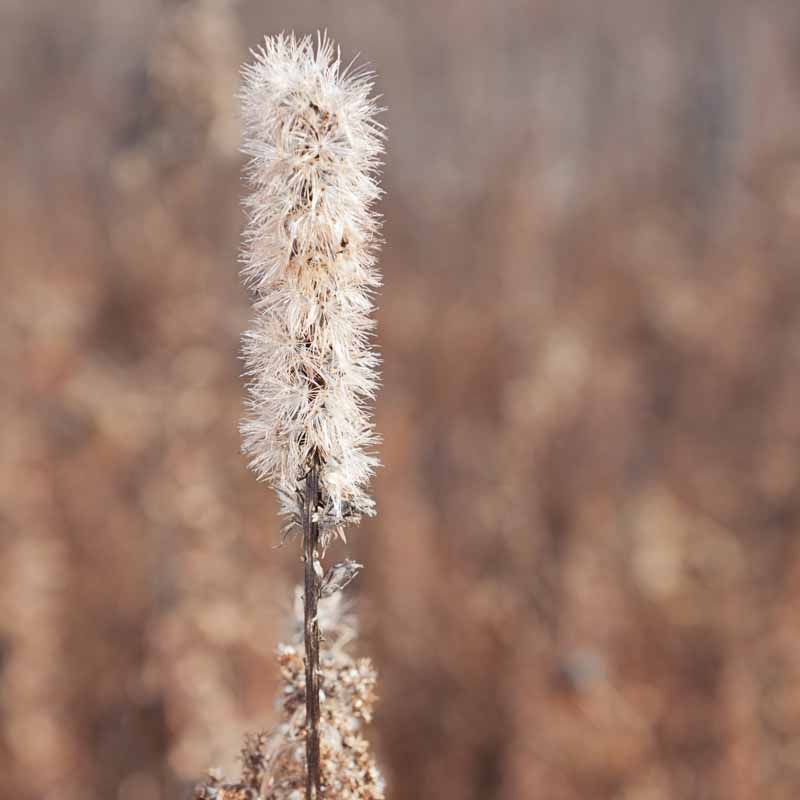
Ever notice how some plants flop the moment snow hits? Liatris does not.
Its stiff vertical spikes stay upright, keeping seeds above the drifts where birds can reach them.
Seeds ripen in stages from the top down, which means the buffet lasts longer than you might expect. Goldfinches especially enjoy the feathery seed.
Cut spent spikes only in late winter or early spring. Until then, they add tidy vertical lines to an otherwise flat winter yard.
6. Asters
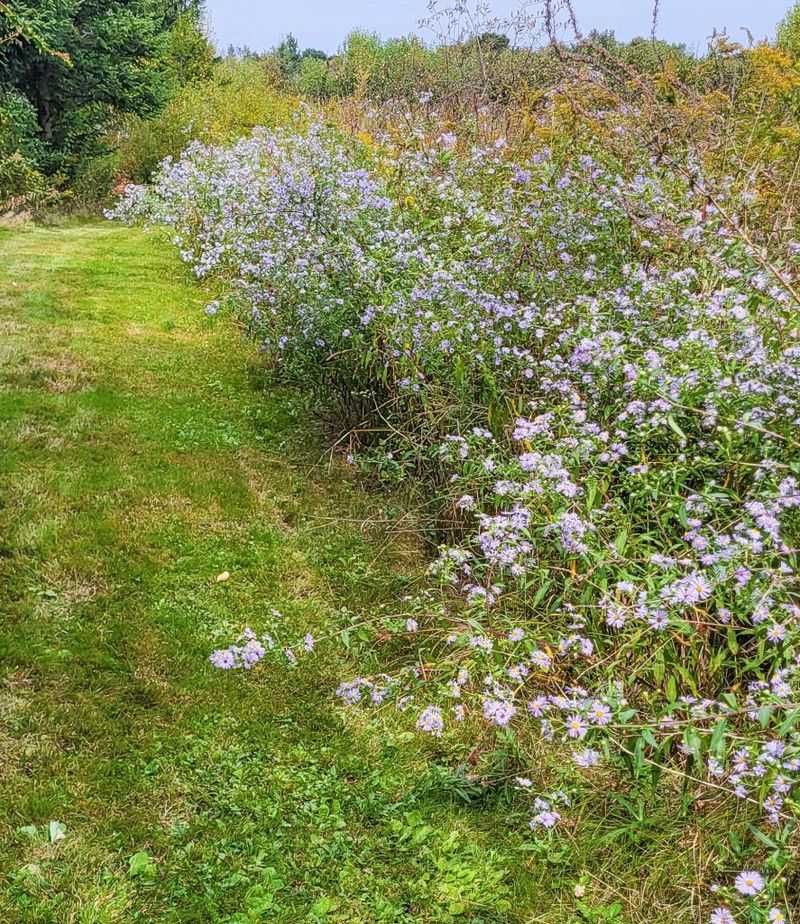
Asters close out the flower season with a burst of purple and blue, then keep giving after the color fades.
Their tiny seeds feed a surprising list of birds, from nuthatches and towhees to cardinals and chickadees. Hollow stems may also shelter native stem-nesting bees through the cold months.
Here is a tip if you want to tidy: cut stems to about 12 to 18 inches in spring rather than flush with the ground. Bees can then nest in the leftover stubs the following year.
7. Bee Balm
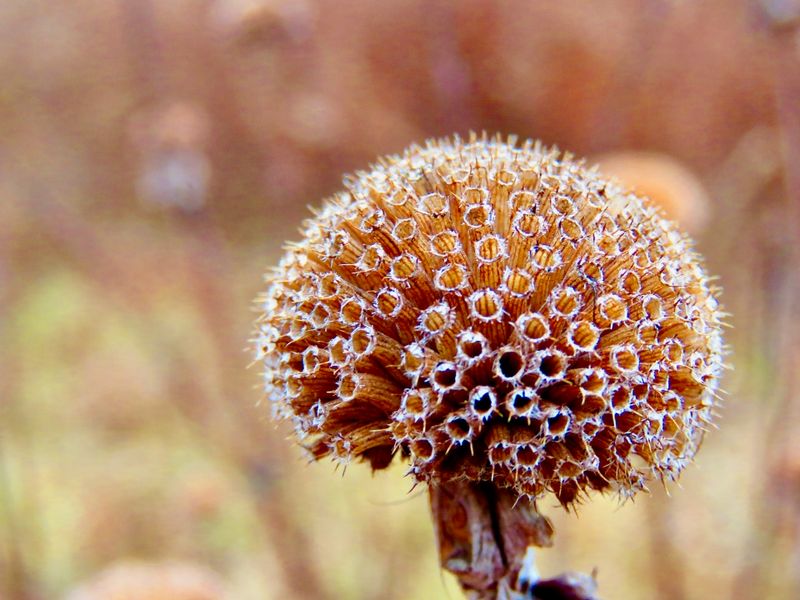
Summer bee balm is a hummingbird magnet. Winter bee balm is less flashy but still busy.
The round seed heads dry into little brown pompoms that hold seed for birds. Even better, the hollow stems may offer winter shelter for solitary native bees, which helps pollinate your garden next year.
Gardeners who fight powdery mildew sometimes cut bee balm early. If your plants were healthy, though, leaving them standing costs you nothing and helps several creatures at once.
8. Perennial Sunflowers
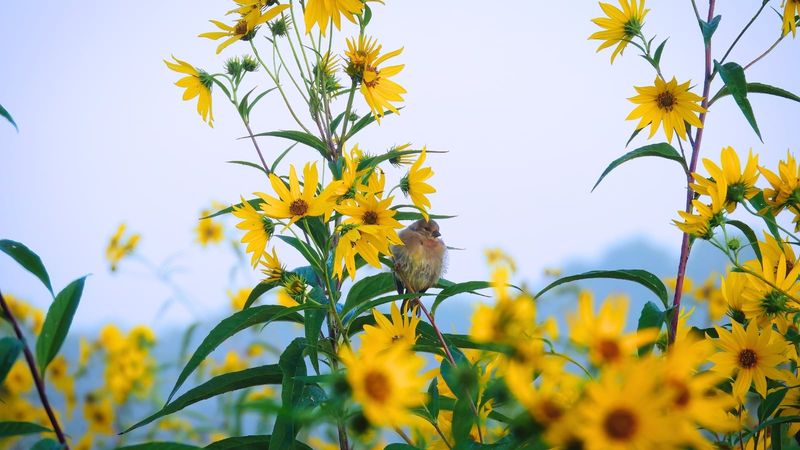
Anyone who fills a bird feeder knows sunflower seed is a top favorite. Perennial sunflowers deliver that same treat straight from the garden, no refills needed.
Chickadees, titmice, cardinals, nuthatches, and juncos all pick at the small seed heads. The plants come back year after year, so one planting keeps paying off.
Some types spread quickly, so give them room or edge the bed. Then sit back with your coffee and watch the show.
9. Blue Globe Thistle
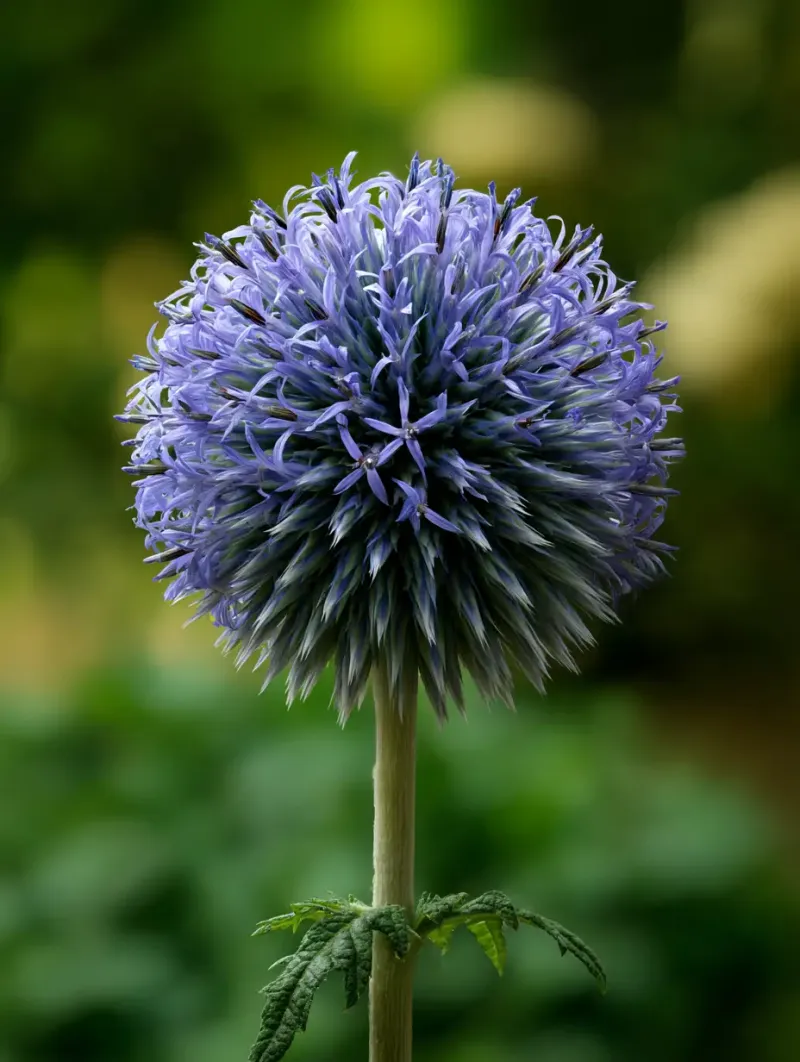
Globe thistle looks like something from a science fiction movie. Spiky blue balls float above silvery leaves all summer.
After the color fades, those spheres dry into sturdy seed heads that hold their shape remarkably well. Birds pick seeds from them, and the round forms catch frost in a way that looks almost like ornaments.
Wear gloves when you finally cut them in spring. The leaves are prickly.
10. Brazilian Vervain
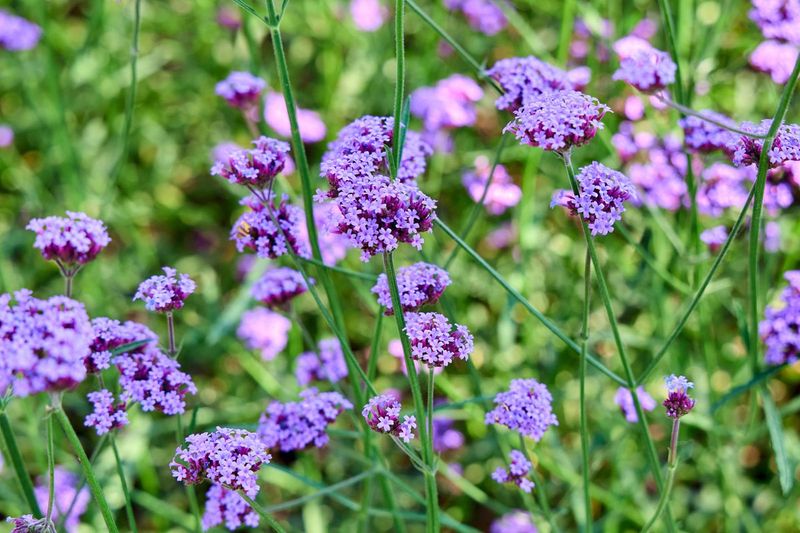
Thin as pencil lines, Brazilian vervain seems too delicate for winter. Looks fool you here.
Its wiry stems bend with the wind instead of snapping, and the small seed clusters on top attract finches and other little birds. In colder zones it often acts like an annual, but leaving it standing helps it reseed for next year.
Because it self-sows freely, check with your local extension office if you garden in a warm southern area where it can spread too much.
11. Milkweed
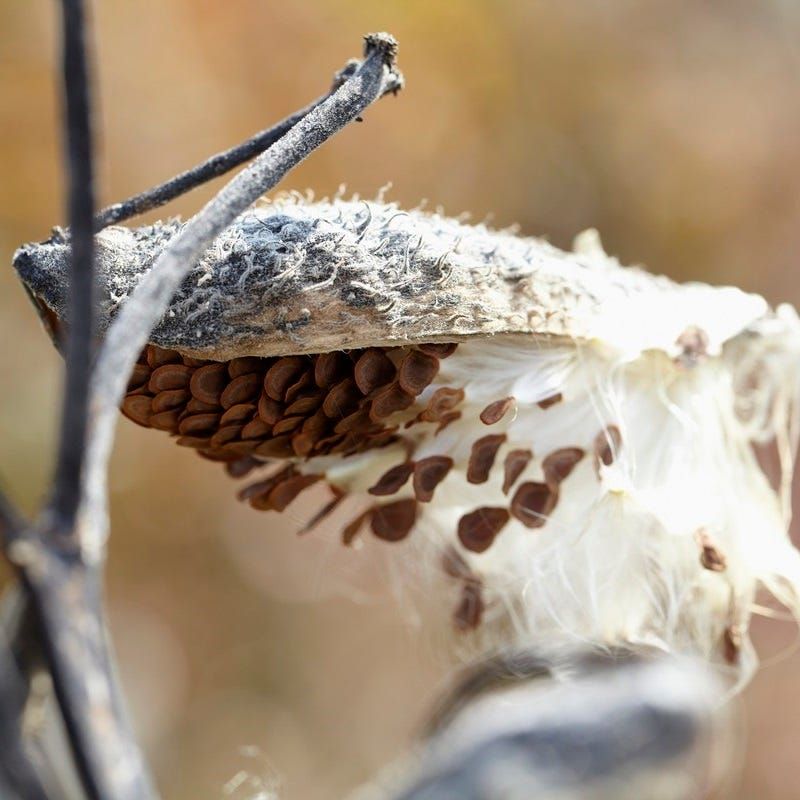
Most people plant milkweed for monarch butterflies, and that alone earns it a spot. Its winter value is a nice extra.
When pods split open, they release seeds and silky fluff. Some birds snack on the seeds, and the silk may end up in spring nests.
Leaving dried stalks also marks where your plants are, so you will not accidentally dig them up before they wake up late in spring. Milkweed is famously slow to emerge.
12. Switchgrass
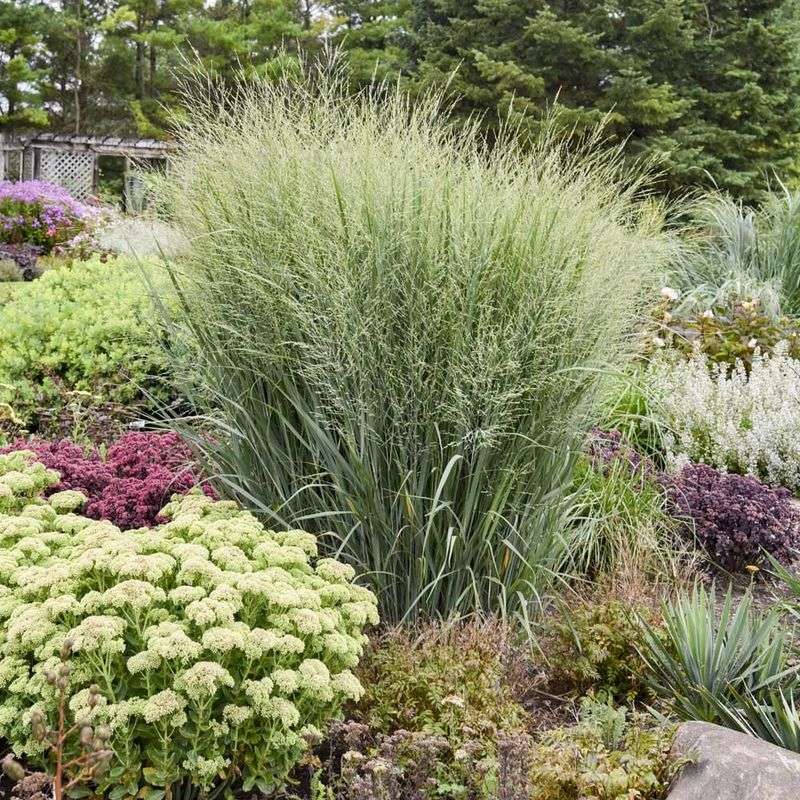
Not every bird-friendly plant is a flower. Switchgrass brings something the others cannot match: dense, year-round cover.
Its airy seed sprays feed sparrows and juncos, while the thick clumps block cold wind, rain, and snow. Birds dart into them to hide from hawks, too.
Cut it down in late winter, about four to six inches from the ground. New blades grow quickly once the soil warms.
13. Russian Sage
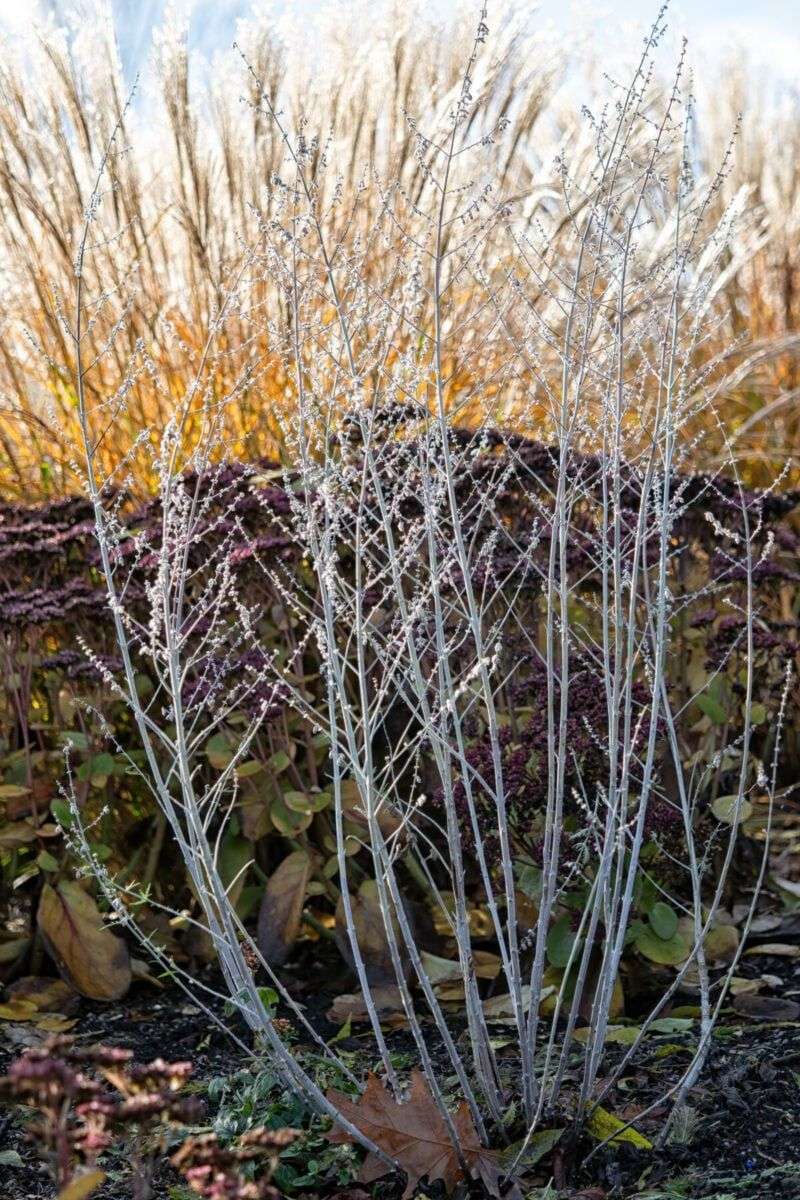
Tough, drought-proof, and almost impossible to kill, Russian sage is a favorite for hot, dry spots. It deserves winter credit as well.
The silvery stems glow against snow, and the small dried seed heads can offer some food for birds. It also adds height and structure when the rest of the bed goes flat.
Wait until you see new buds in spring, then trim the woody stems back to about a foot. Cutting in fall can leave the plant more exposed to winter damage.
Leave all 13 standing this year and enjoy the busy, feathered garden that follows.