
Lily-Of-The-Valley Looks Sweet In Your Shade Bed, But Eating It Can Seriously Harm Your Dog

Those tiny white bells and sweet scent make lily-of-the-valley a favorite in shady corners. But this pretty groundcover carries a hidden risk if a dog chews or eats it.
Knowing what the danger really is, and what to do if your pet gets into it, helps you decide whether it belongs in your yard.
Lily-of-the-valley can harm dogs, but no leaf-count dose is established
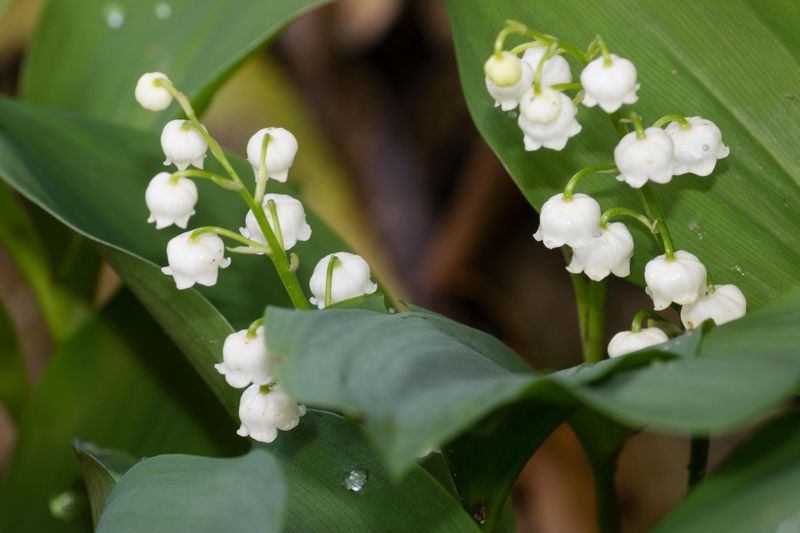
You may have seen the claim that two leaves are enough to hurt a dog. That number sounds precise, but nobody has shown it to be a dog-specific harmful dose.
What is clear is that the plant is a real ingestion hazard. ASPCA Animal Poison Control lists lily-of-the-valley as toxic to pets, and Cornell’s veterinary college includes it among plants that can poison dogs.
Neither source gives a leaf count that separates a harmless nibble from a dangerous meal. Both simply identify the plant as a risk.
That is the honest takeaway: the hazard is real, and the exact amount that causes trouble is unknown.
There is also a veterinary report of a dog that died after lily-of-the-valley ingestion. In that published case report, plant fragments were found in the dog’s intestine.
The report does not say how much the dog ate, so it cannot be used to set a safe or unsafe number of leaves.
You may also run across advice about two leaves or two stems. That advice is written for people, not dogs, and it cannot be converted into a dog threshold.
Not every nibble means severe poisoning, and no small amount can be called safe. The sensible approach is to treat any possible ingestion as worth a call to a professional.
Cardiac glycosides make ingestion a heart concern

The trouble comes from compounds called cardiac glycosides. As the name hints, they can interfere with how the heart beats.
They can also upset the digestive system, so stomach signs are often part of the picture.
According to the ASPCA, signs reported in pets include vomiting, an irregular heartbeat, low blood pressure, disorientation, coma, and seizures. Cornell specifically lists abnormal heart rhythms, a decreased heart rate, and seizures in dogs.
That list covers what can happen, not what will happen to every dog. A dog that eats a little may show few signs, and another may become seriously ill.
Since you cannot predict which, vomiting after a garden chewing session deserves more attention than a shrug.
Heart rhythm changes are the reason a quick call matters. Some of them cannot be seen from the outside, and a dog may look fairly normal while a vet would want to check its heart.
Severe poisoning can be fatal, but that is a possible outcome, not a guaranteed one.
A practical clue: if you find torn leaves or missing flower stalks and your dog is drooling, vomiting, or acting dull, treat that combination as a reason to phone for advice right away.
The whole plant—and vase water—can be an exposure
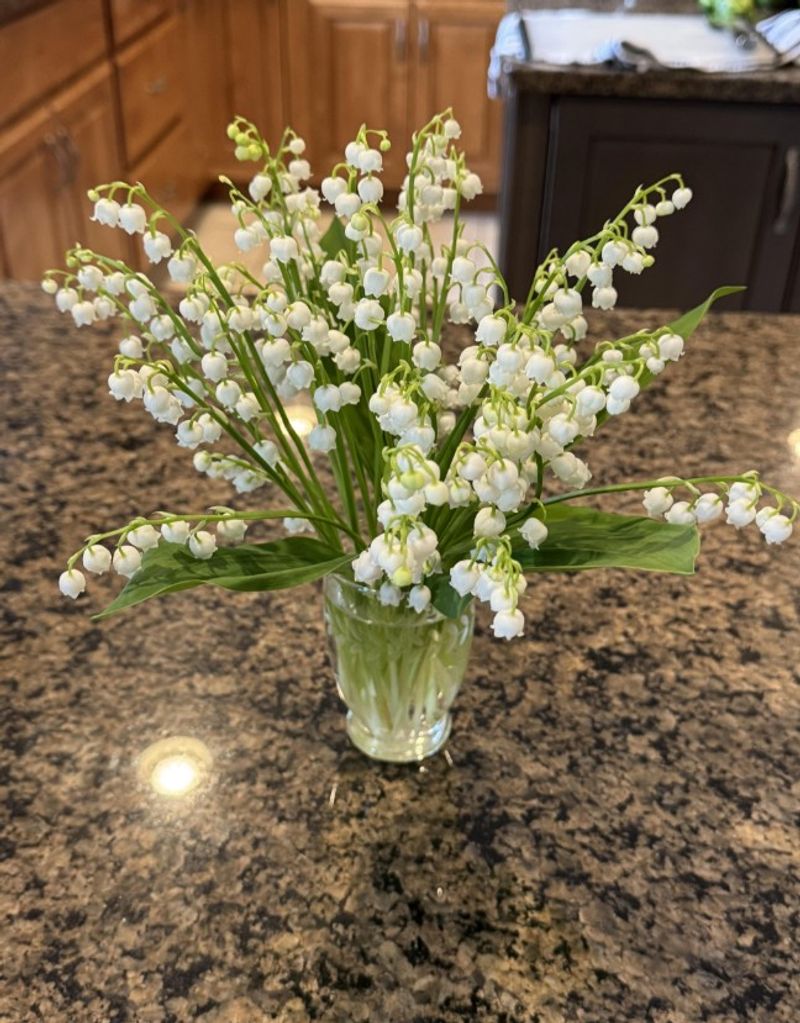
Every part of the plant counts. The Merck Veterinary Manual names the leaves, flowers, rhizome, and the water that cut flowers have stood in as hazards.
That last item surprises many people. A spring bouquet on a low table can be a problem even after the stems are out of the garden.
The risk here is about eating or drinking, not simple closeness. Walking past the bed, or a dog lying near it, is not what the sources describe as poisoning.
NC State Extension lists no contact dermatitis for the plant, so brushing against it is not the concern.
This matters for cleanup. Snipping off the blooms does not remove the danger, because the leaves and the underground rhizomes are still there.
A dog that digs could reach rhizomes, and one that chews could reach foliage.
Cut stems deserve their own plan. Keep bouquets high on a shelf or in a room the dog cannot enter, and pour out vase water where pets cannot lap it up.
Drop trimmings into a closed bin, not an open compost pile or a bag by the back door.
A suspected dog ingestion calls for prompt expert help

If you think your dog ate any part of lily-of-the-valley, call a veterinarian or an animal poison-control service promptly. The ASPCA page for this plant points owners toward professional help for suspected exposure.
Make the call even if your dog seems fine.
Waiting for symptoms is a poor plan. The Merck Veterinary Manual lists the plant among those that poison animals, and signs involving the heart may not be obvious at home.
Early advice gives a professional more options.
Do not try to guess risk by counting leaves. Nobody has set a dependable leaf-count threshold for dogs, so a tally from you will not tell anyone whether your dog is safe.
Also skip home remedies. Do not make your dog vomit unless a veterinarian or poison specialist tells you to.
Whether that step helps depends on the dog, the timing, and the situation.
While you phone, gather useful details: your dog’s approximate weight, what part of the plant was eaten, how long ago, and whether vase water was involved. Take a photo of the plant or bring a piece with you.
Then follow the instructions you are given.
Children need a separate exposure response

Kids explore with their hands and mouths, and the small red berries and bell flowers can look inviting. If a child may have eaten any part of the plant, call Poison Help at 1-800-222-1222 in the U.S.
The line connects you with poison specialists who can advise on next steps. MedlinePlus takes this cautious approach to suspected ingestion.
Human guidance stays with humans. An emergency-medicine toxicology article in ACEP Now notes that severe poisoning has been reported in people after two stems with leaves.
A Belgian poison center, Centre Antipoisons, advises hospital assessment after two leaves or stems. Those figures describe people, and they say nothing about dogs.
This does not mean every small exposure leads to severe poisoning. It also does not mean any amount is safe.
The point is that a quick call gets case-specific advice, so you are not left guessing.
Practical steps help more than worry. Teach children early that garden plants are not snacks, and keep bouquets and vase water out of reach.
After handling the plant, hand washing is a good habit before snacks, even though touching the plant is not the concern.
Shade suits the plant, but its rhizomes can spread
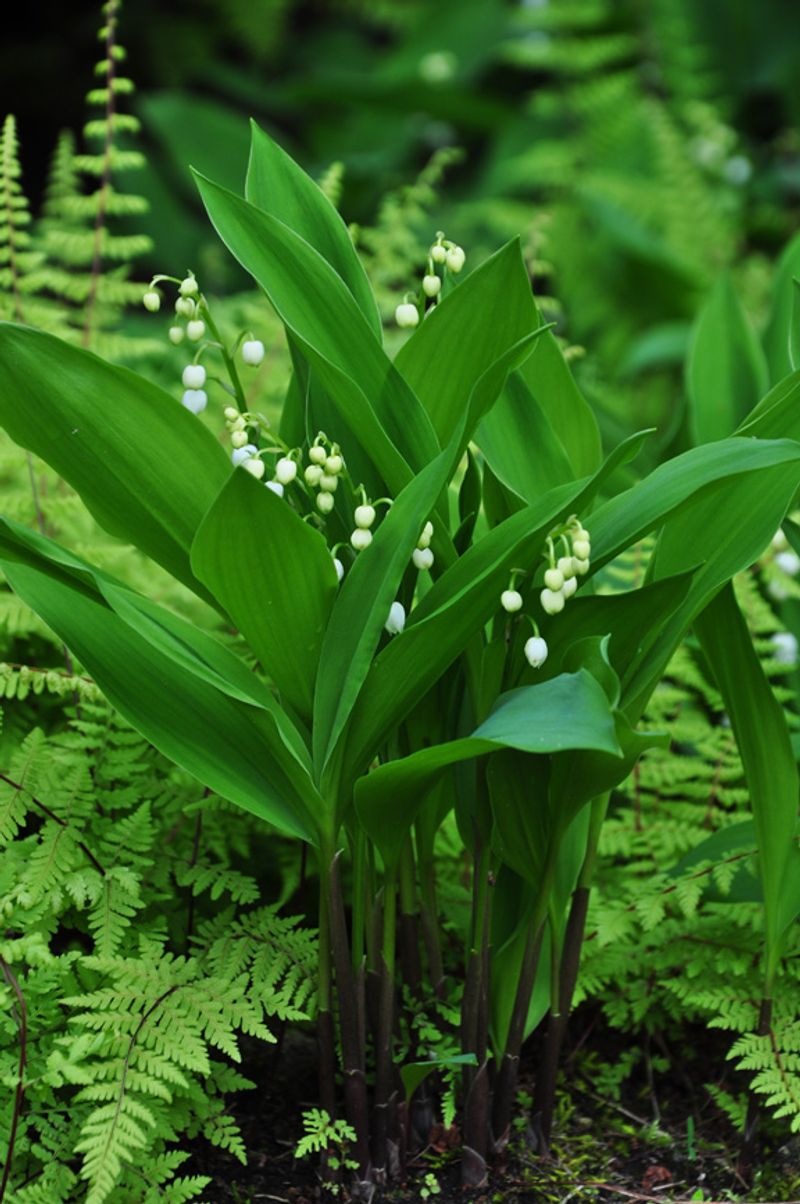
As a garden plant, lily-of-the-valley has real appeal. NC State Extension describes it as suited to dappled to full shade and moist, organically rich soil.
That makes it a natural fit for the dark spot under a maple or along a north wall where little else thrives.
The catch is how it grows. Its rhizomes, the underground stems, can spread and crowd out neighbors.
Over a few seasons, a small patch can become a thick mat that pushes against hostas or ferns.
How much that matters depends on where you live. NC State Extension reports that the plant is considered invasive in Wisconsin and Arkansas, and that it can become aggressive in some cool, moist regions.
That does not mean it is invasive everywhere, so check local guidance before planting. A county extension office can tell you how it behaves in your area.
Spread also changes the safety picture. A patch that wanders is a patch you must keep track of, and the plant can pop up closer to a play area or dog run than you planned.
Ask yourself whether you can keep both the growing plants and any cut stems out of reach of pets and children.
If you cannot, choose a different shade plant. If you can, give it a spot with clear edges you can watch each season.
A safe planting decision starts with the right lily
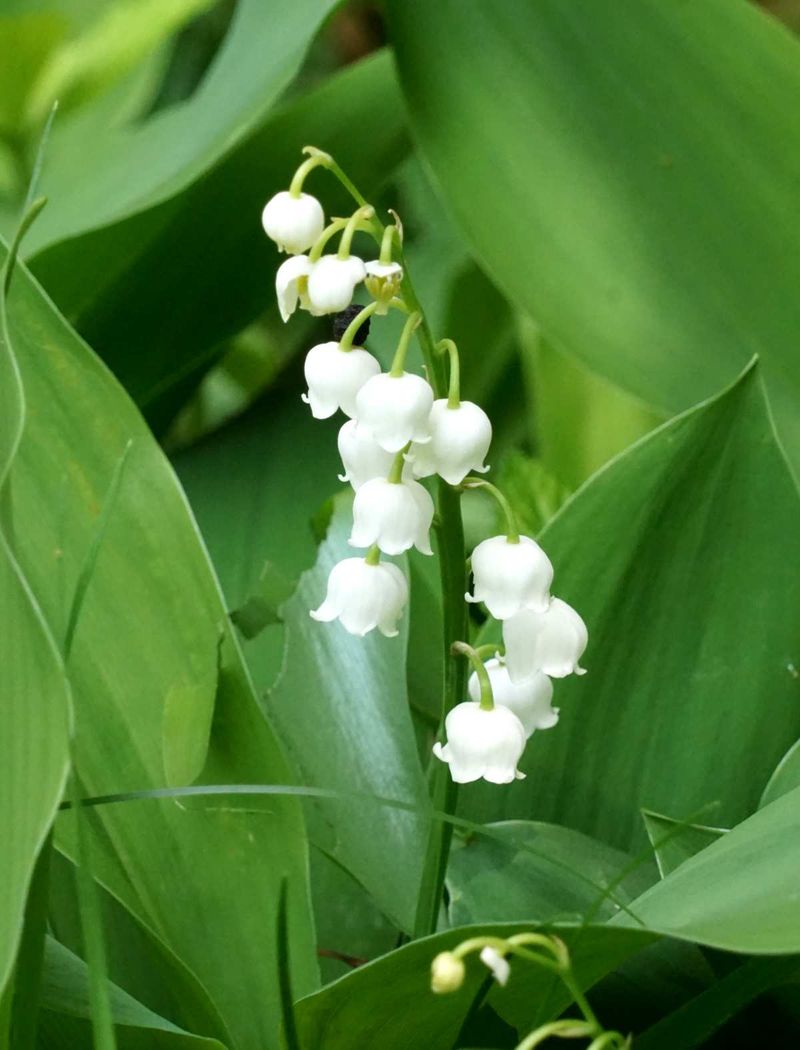
Names can mislead here. Lily-of-the-valley is not a true lily (Lilium) or a daylily (Hemerocallis), and the effects differ.
The ASPCA’s guide to toxic lilies explains these distinctions, so do not carry the severe kidney-injury warning for cats over to this plant.
Your decision comes down to ingestion. If you can keep the plant, cut stems, and vase water away from curious mouths, it may fit your yard.
NC State Extension also notes its spreading habit, which is worth weighing.
A pretty bloom is fine to enjoy; a loose bouquet is where the trouble starts.