
The Old Fashioned Shrubs Grandma Planted Around North Carolina Porches Still Feed Birds All Winter
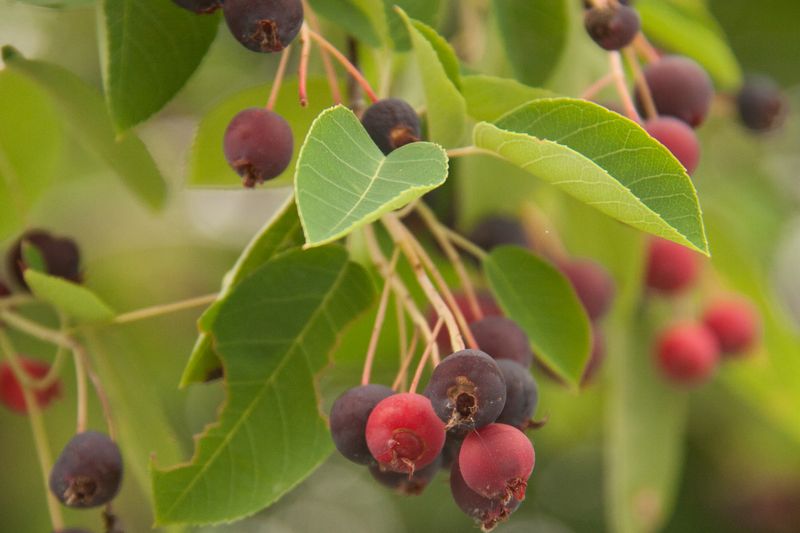
Grandma never read a single article about wildlife gardening, yet her porch shrubs kept robins, bluebirds, and cardinals fed through the coldest North Carolina winters. Those same plants are still some of the best choices you can make for your yard today.
Most of them are true NC natives, so they handle our heat, clay, and sandy soils without much fuss. Here are ten of those old porch favorites, and why each one deserves a spot in front of your steps.
1. Winterberry Holly
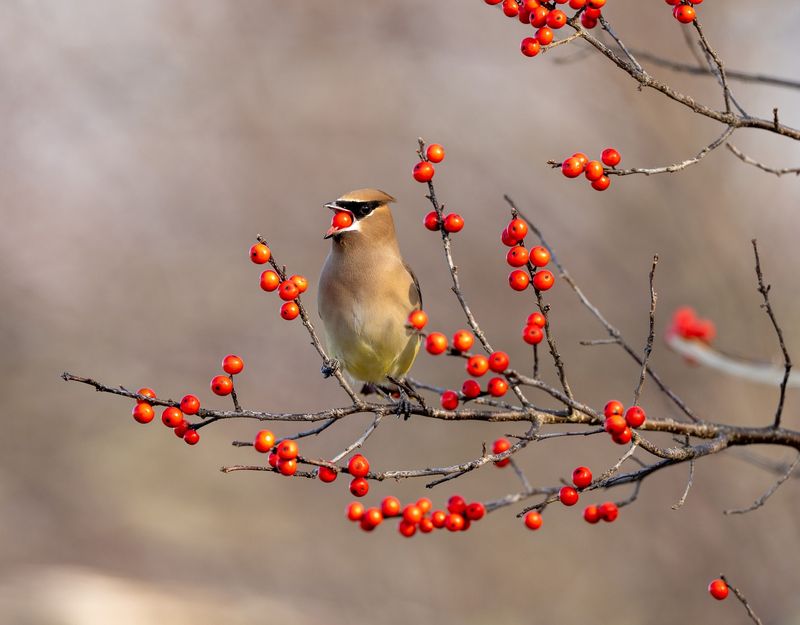
Picture a gray January morning when everything looks brown and tired. Then you spot a shrub by the porch steps glowing with red berries on bare branches.
That is winterberry, and it is a show-stopper when nothing else is.
Winterberry is a holly that drops its leaves in fall, which makes the berries pop even more. At least 48 bird species eat the fruit, including cedar waxwings, robins, and bluebirds.
Flocks often arrive in late winter, right when other food runs low.
One catch: you need a male plant nearby for the females to set berries. A good rule is one male for every five or so females.
Winterberry also handles wet soil, salt spray near the coast, and deer browsing better than many shrubs, so it works from the Outer Banks to the Piedmont.
2. American Beautyberry
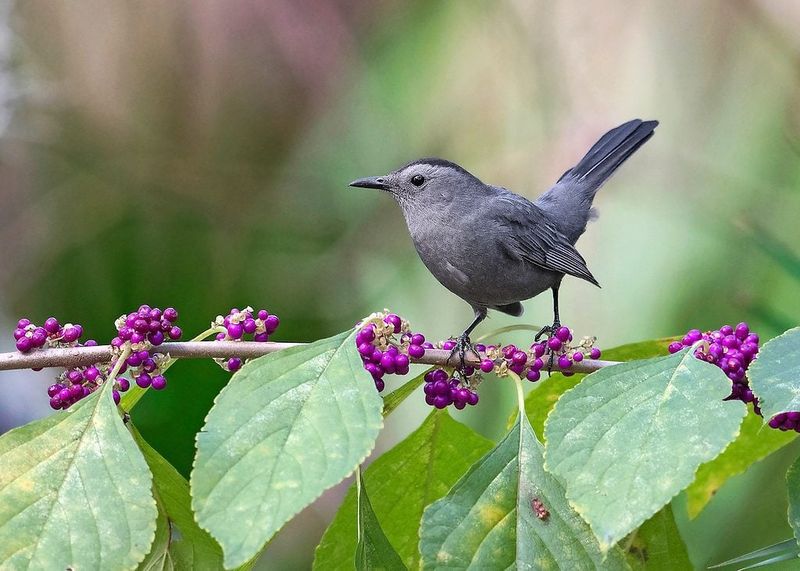
Those purple berries look almost fake, like someone strung candy beads along the stems. Folks who visited Grandma always asked about them.
American beautyberry was a conversation starter long before anybody called it a native plant.
The clusters ripen in early fall and often hang on into winter. Eastern towhees, robins, mockingbirds, and purple finches pick through them.
Foxes, opossums, and raccoons sneak a few too, so your yard feeds more than just birds.
Here is a smart swap tip. If you have nandina by the porch, consider pulling it out and planting beautyberry instead.
Nandina is invasive in NC, and its berries can be toxic to cedar waxwings, while beautyberry gives birds safe, real food.
Cut it back hard in late winter if it gets leggy. It blooms and fruits on new growth, so it bounces right back.
3. Red Chokeberry
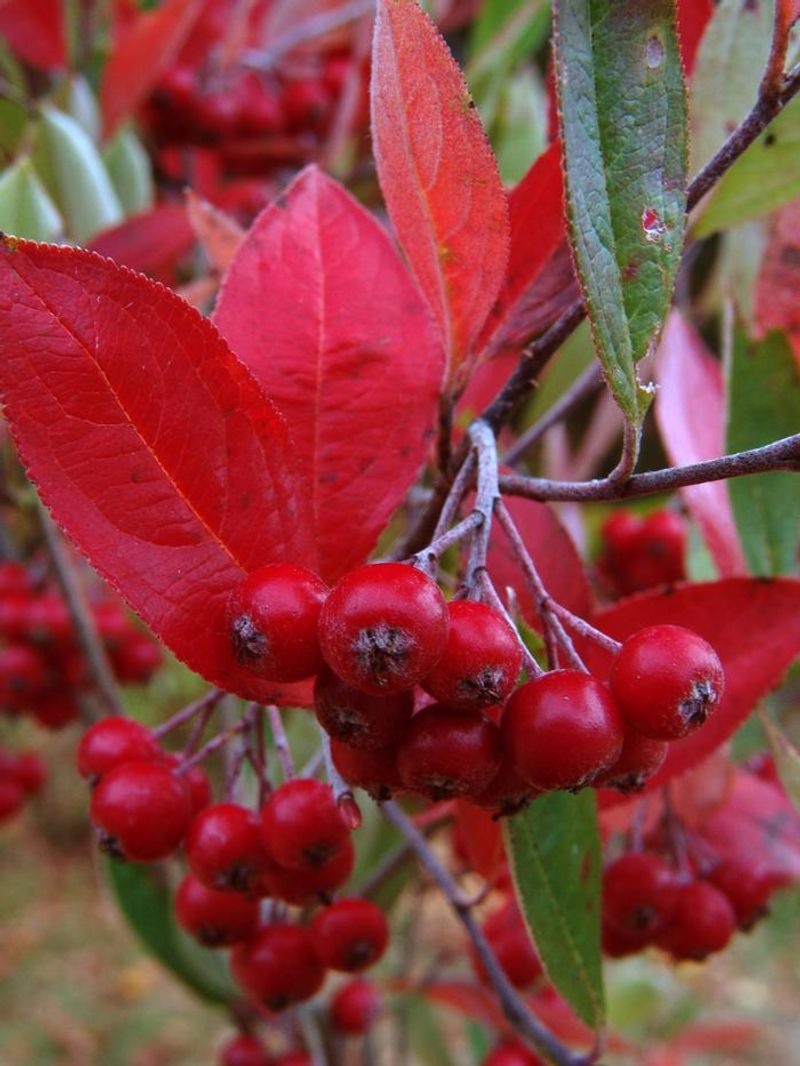
Few shrubs earn their name as honestly as chokeberry. The fruit is so tart that birds usually leave it alone in fall.
That sounds like a flaw, but it is actually the secret to its value.
Because birds skip it early, the berries are still hanging in January and February. That is the hungry stretch of winter, when bluebirds, mockingbirds, and thrushes really need a meal.
Chokeberry acts like a pantry that opens late.
It also likes damp spots, so it fits nicely where a downspout drains near the porch. Fall leaves turn a deep scarlet, and spring brings little white flowers that native bees visit.
For small yards, this is a hard-working plant that rarely gets taller than eight feet.
4. Yaupon Holly
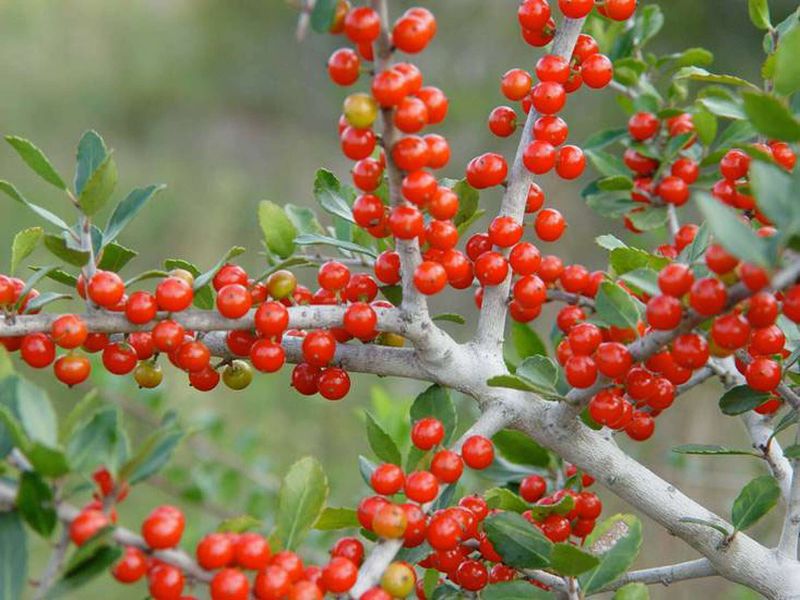
Down on the coast, yaupon was the shrub you trimmed into a hedge and forgot about. It never complained about sandy soil, salty wind, or August heat.
Grandma probably clipped hers every spring without a second thought.
Female plants load up with tiny red berries that birds love. Mockingbirds will even guard a yaupon like it is their personal property.
The thick evergreen leaves also give shelter from cold wind and hawks.
Fun history bit: Native Americans brewed yaupon leaves into a tea, and it is the only native North American plant with caffeine. That is a pretty good story to tell your porch guests.
Plant a male nearby for berries. Avoid the weeping and dwarf forms if fruit is your goal, since many are male or sterile.
5. Inkberry
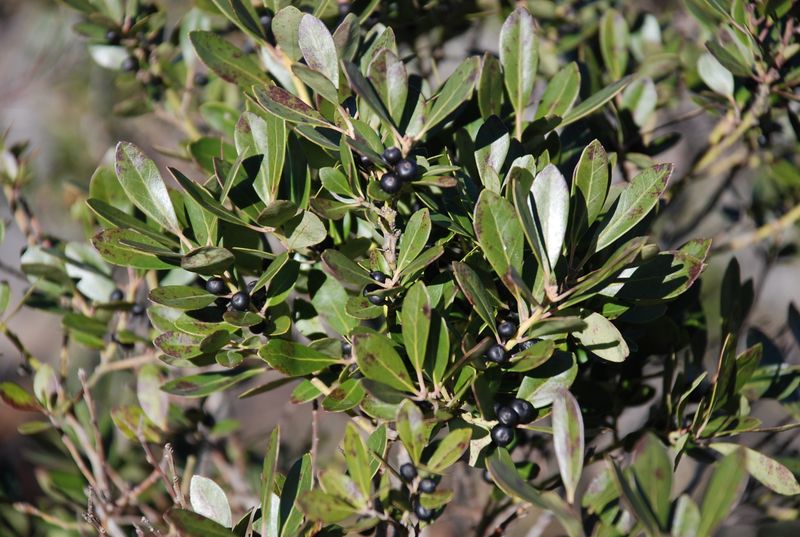
Not every helpful shrub is flashy. Inkberry is the quiet neighbor who shows up with soup when you are sick.
Its small black berries do not grab your eye, but birds find them. Thrushes, mockingbirds, and other winter visitors snack on them when showier fruit is gone.
The dense, glossy leaves stay green all year and hide nests in spring.
Inkberry makes a great native replacement for boxwood or Japanese holly along the porch foundation. It grows naturally in Coastal Plain bogs, so it tolerates wet feet, but it also does fine in Piedmont gardens with some mulch.
Keep a male nearby for better berries, and enjoy a foundation planting that actually gives back.
6. Wax Myrtle
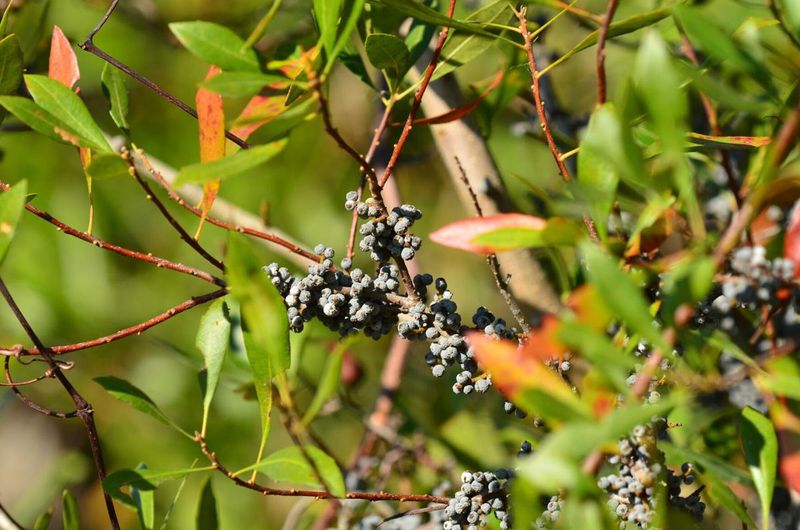
“Smells like Christmas,” my aunt used to say when she brushed past the wax myrtle by the porch. Crush a leaf and you will see what she meant.
Colonists boiled the waxy berries to make bayberry candles. Birds have a better use for them.
More than 40 species eat the fruit from fall through late winter, and the yellow-rumped warbler practically lives on it, since it can digest the wax that many birds cannot.
The evergreen leaves make thick cover from cold winds. Wax myrtle grows fast, takes salt and drought, and can be shaped into a hedge or small tree.
Like winterberry, you need male and female plants for fruit. Mountain gardeners should know it can get winter damage at higher elevations.
7. Serviceberry
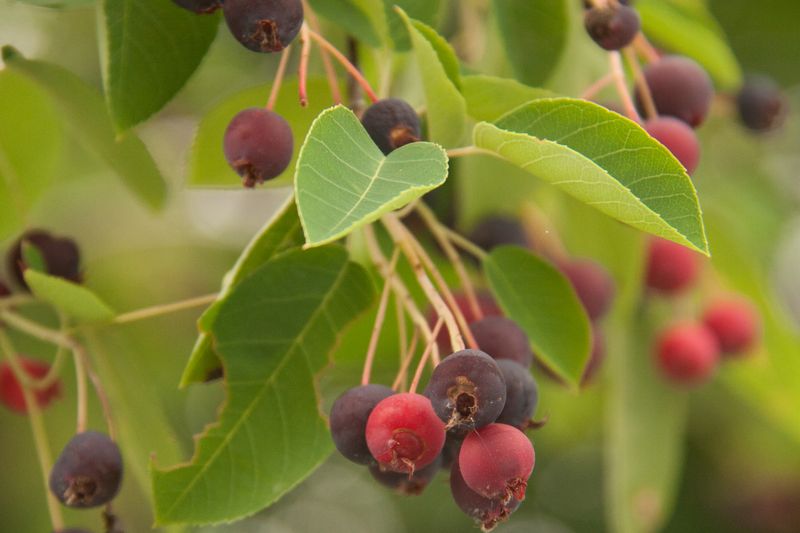
Mountain folks called it “sarvis,” and they watched for its white blooms as a sign that spring had arrived. Old stories say circuit preachers could finally travel the muddy roads when sarvis bloomed, so church services started up again.
Serviceberry earns a spot on this list because it feeds birds at the other end of the calendar. Its berries ripen early, giving cedar waxwings, thrushes, and finches a boost, and some fruit can last toward early winter.
Many branches mean lots of safe nesting spots too.
You can eat the berries yourself, if the birds leave any. Plant it near the porch where you can watch the feeding frenzy, and give it decent drainage.
It thrives from the mountains down through the Piedmont.
8. Flowering Dogwood
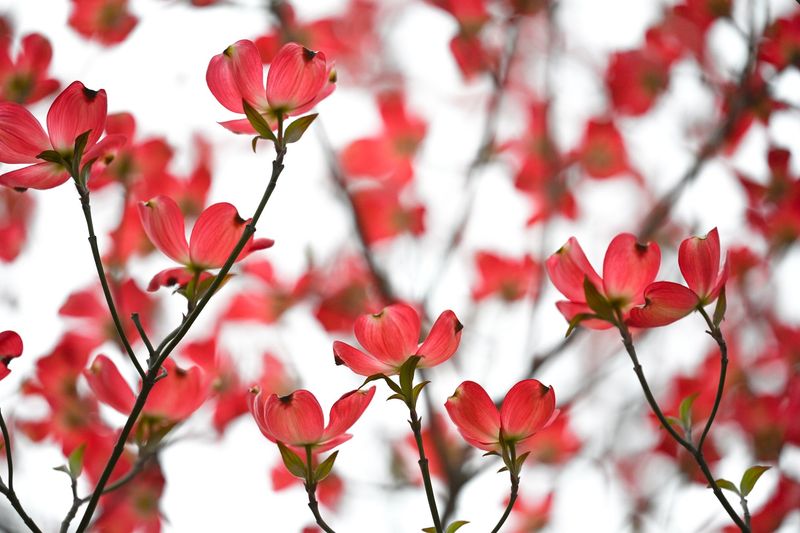
It is our state flower, so of course it made the list. Almost every old NC homeplace had a dogwood shading one corner of the porch.
The red berries ripen in fall and are packed with fat. Migrating birds and year-round residents like cardinals, bluebirds, robins, and mockingbirds rely on that energy before the cold sets in.
The fruit often disappears fast, so it bridges the gap until holly and chokeberry take over.
Dogwoods like part shade and moist, rich soil, much like the woodland edges where they grow wild. Skip the Kousa dogwood if birds are your goal, since our native Cornus florida fits the needs of local wildlife much better.
Keep mower and string trimmers away from the trunk, because bark wounds invite disease.
9. Possumhaw
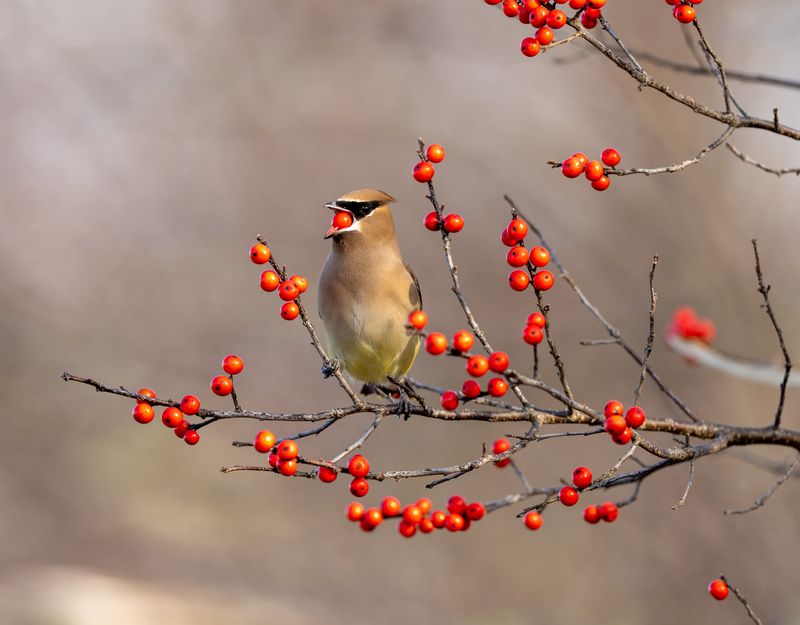
With a name like possumhaw, you know this one has some country roots. It is another deciduous holly, a cousin of winterberry, and it grows wild in wet woods across the Piedmont and Coastal Plain.
What sets it apart is timing. Its orange-red berries often hang on until late winter, after robins and waxwings have stripped other shrubs.
Bluebirds especially seem to appreciate a late snack when temperatures drop.
Possumhaw handles clay soil and some drought better than winterberry does, which makes it handy for Piedmont yards. It can grow into a small tree, so give it room at the porch corner.
As with other hollies, a male is needed nearby for good fruit.
10. Arrowwood Viburnum
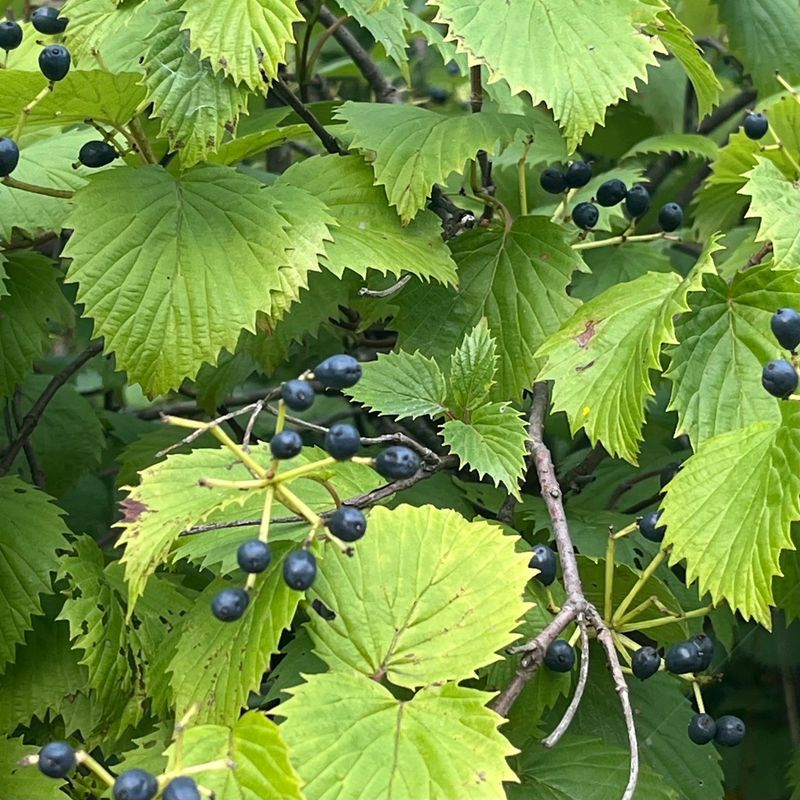
Straight, sturdy stems gave this shrub its name, since Native Americans once used them for arrow shafts. Today those same stems hold up big clusters of blue-black berries.
Arrowwood blooms in late spring with flat white flowers that native bees and butterflies love. By fall, the dark berries draw catbirds, bluebirds, and thrushes.
Its leaves are also food for many native caterpillars, which baby birds need in spring.
It makes a great swap for invasive burning bush or privet along a porch or property line. Plant two different arrowwoods for better cross-pollination and heavier fruit.
It grows well in all three regions of North Carolina.
Grandma may not have known all of that. She just knew the birds kept coming back, and with plants like these, they will come to your porch too.