
Why Fall Armyworm Damage Can Keep Showing Up In North Carolina Lawns Even After You Spray
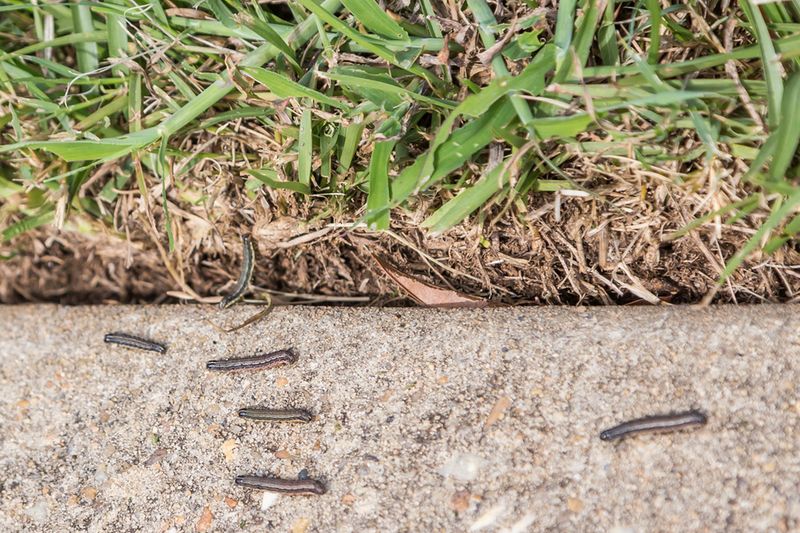
You sprayed, the brown patches stopped spreading, and then weeks later the caterpillars were back. That can feel personal, as if your yard is on a list.
The real story involves traveling moths, hidden eggs, and several waves of young caterpillars in one season. Knowing how that works helps you protect your grass without harming the bees, beetles, and birds that share your yard.
Recurring damage does not prove the same lawn was targeted
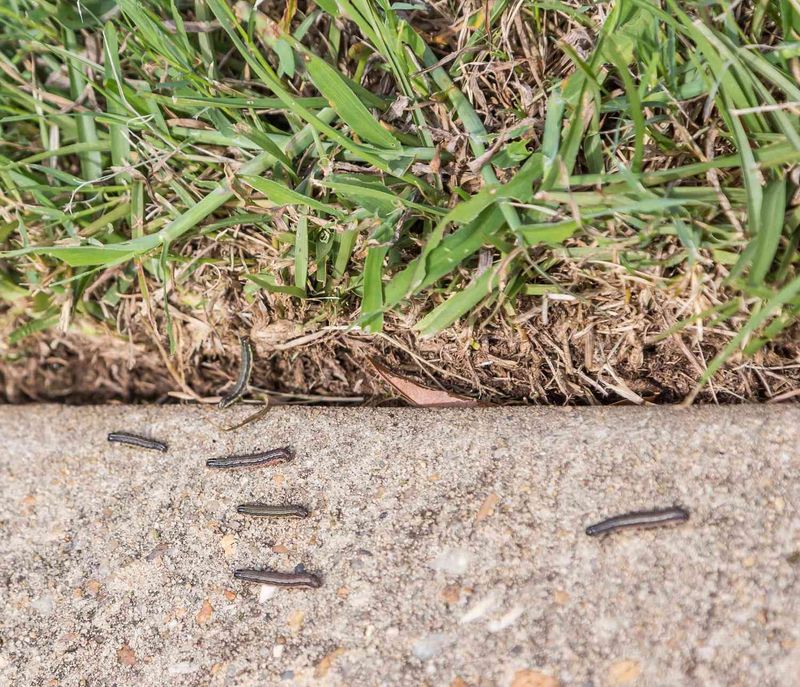
If you have seen armyworm damage more than once, your experience is real. Brown, chewed patches can show up in late summer or fall, and it is natural to wonder why your yard keeps getting hit.
Here is the correction that matters: the sources we have do not show fall armyworms returning to the same North Carolina yard each year. There is no sign that moths remember a property or home in on it.
What the research does describe is a pest that moves around the region and keeps reproducing while the weather stays warm.
According to NC State Extension, moths lay eggs on many kinds of vegetation, and several generations can develop in a single season. Fall armyworms also generally do not overwinter in North Carolina.
They arrive from warmer areas, and a N.C. Cooperative Extension article from Lee County describes how they can march in during certain weather events.
So seeing damage again does not mean your lawn was singled out. It means new exposure can happen, either from fresh moths arriving or from a new batch of eggs hatching after you treated.
That distinction helps you focus on what you can manage, which is spotting trouble early, and let go of what you cannot control, which is where moths travel.
Migrating moths can create new exposure
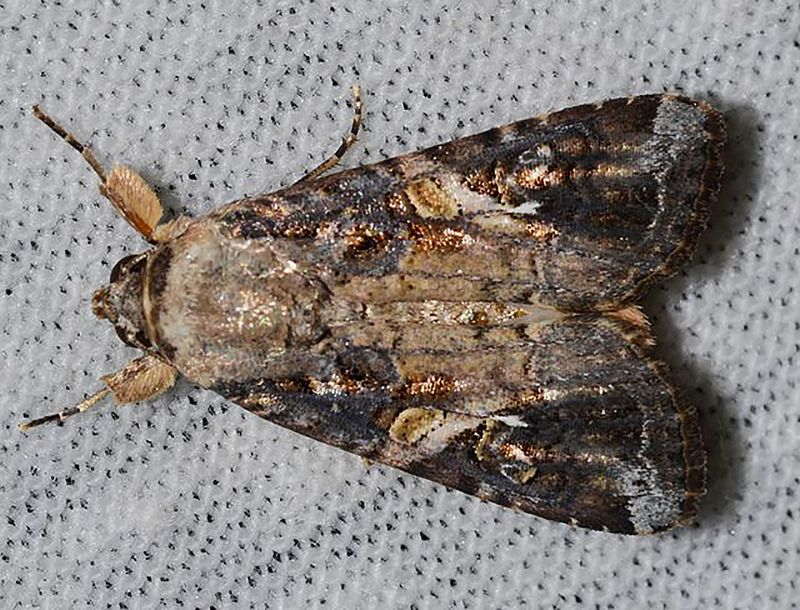
Late-season armyworm trouble often starts with a moth you never notice. Adults fly north from warmer regions as the season goes on, and they can cover long distances.
Once they land, they look for places to lay eggs.
That is why a lawn can look fine on Monday and show fresh damage a couple of weeks later. Any larvae you treated earlier were the ones already there.
Moths that arrive afterward bring a separate batch of eggs, and those caterpillars have not met your spray at all.
NC State describes this pattern in its fall armyworm turf publication, noting that moths move into the state and that grasses broadly can serve as hosts. Extension staff in Lee County also explained in a news piece on post-hurricane outbreaks that weather can help push these insects into new areas.
Not every lawn in the Piedmont, Coastal Plain, or mountains gets a visit in a given year. Some neighborhoods see heavy pressure while the next street over sees little.
Nothing suggests moths seek out familiar yards, so think of arrivals as a regional event your lawn may or may not be caught up in.
Migration also sets up the next problem. Moths that arrive and lay eggs start a new generation, and that generation can produce moths of its own.
Eggs and generations can outlast a one-time treatment
Fall armyworm eggs do not stay only in the grass. Moths lay egg clusters on vegetation and also on flat surfaces such as posts, signs, and buildings, according to NC State Extension.
A fence, a mailbox post, or a shed wall can hold eggs that never touched your spray.
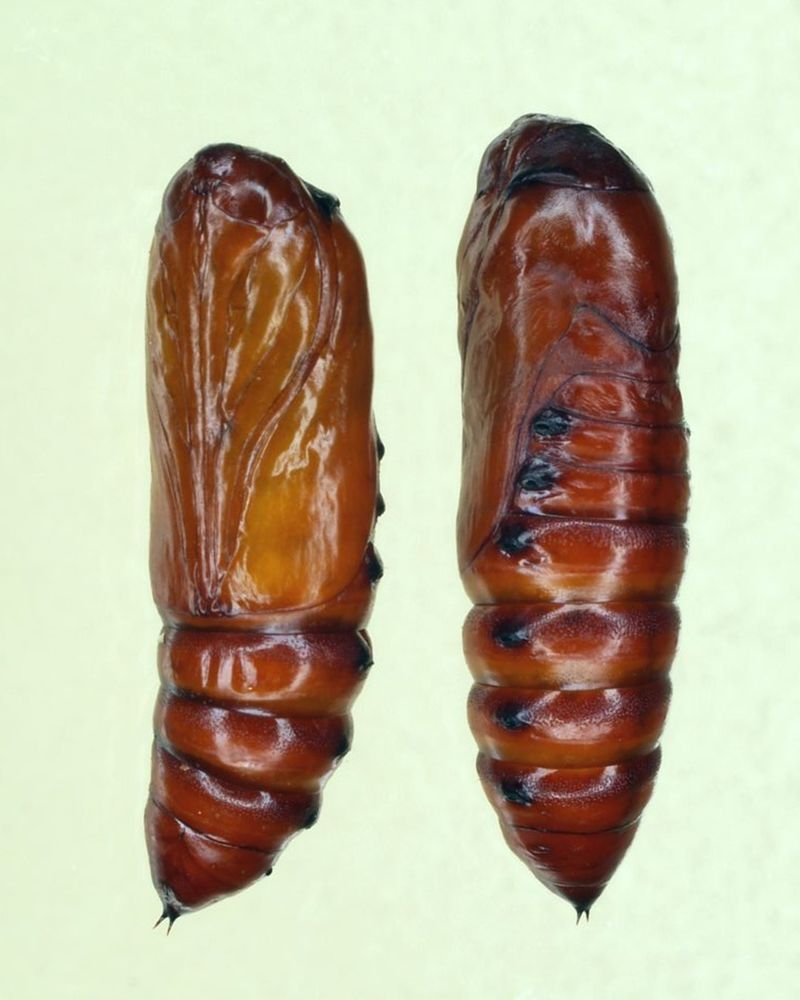
Eggs may hatch in about 2 to 10 days, depending on conditions. The tiny caterpillars then feed for roughly 2 to 3 weeks before they burrow into the soil to pupate.
A new generation of moths can emerge in about two weeks after that.
Those timelines are general, and real yards vary with temperature and weather. Still, the pattern explains a lot.
Caterpillars hatching on different days mean a lawn can hold larvae of mixed sizes, and a later hatch can start feeding after the first group is gone.
Several generations can occur in North Carolina in one season. That means one round of treatment deals with the larvae present at that moment, not with eggs yet to hatch or moths that have not yet arrived.
A practical example: if you treat on a Saturday and find fresh chewing ten days later, check the edges near posts or siding first. A new hatch is a likelier explanation than a failed product.
Newly established turf can be more vulnerable
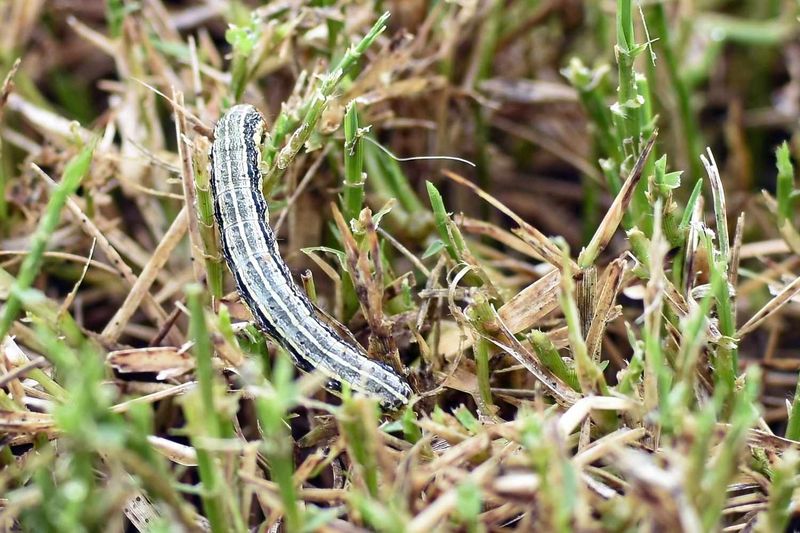
Lawn age matters more than most people expect. Newly installed sod is more attractive and susceptible to fall armyworms, according to NC State Extension.
If you laid sod or seeded this year, give it extra attention in late summer and fall.
The University of Georgia adds a useful detail. UGA Extension links infestation risk with newly established turf that is irrigated and fertilized with nitrogen, because it produces soft, succulent growth.
That is a narrow point, and it is easy to stretch too far. It does not mean that watering or feeding your lawn causes armyworms.
NC State notes that grasses broadly can be hosts, so a mature, plainly managed lawn can still be affected.
It also does not mean you should change your normal care to keep moths away. Skipping water on new sod can hurt the grass more than caterpillars would, and nothing here shows that routine care prevents moth arrivals.
The takeaway is simple. Young, lush turf is a spot to check more often, especially along seams and edges.
Walk it every few days in the season, and keep caring for it the way you normally would.
Scout the grass and confirm the pest
Brown grass has many possible causes, including drought stress, grubs, fungus, and pet damage. Before you buy anything, confirm that armyworms are the culprit.
Scouting is how you find an active infestation that is happening right now.
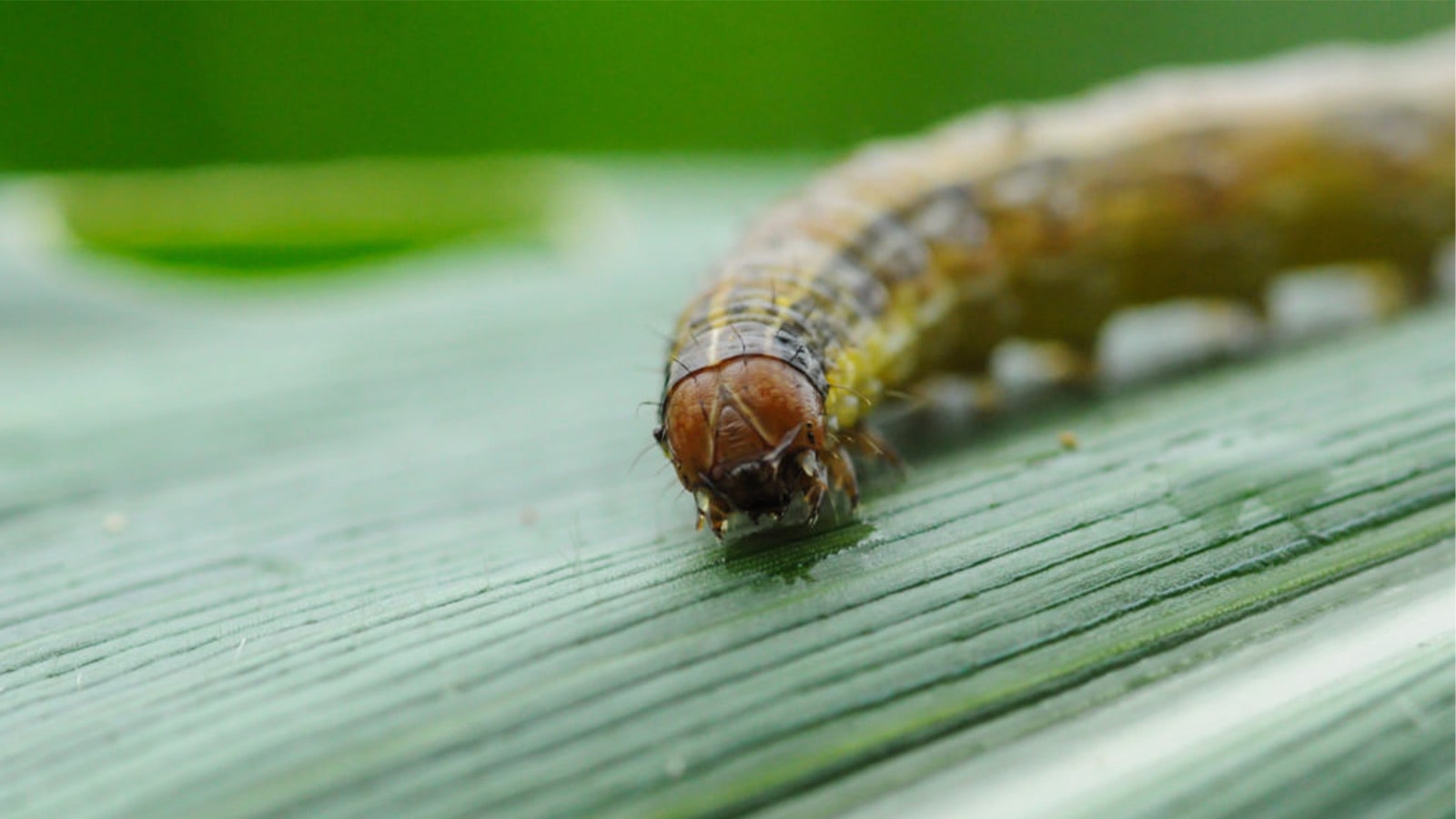
Start by parting the grass canopy at the edge of a damaged patch, where caterpillars are often feeding. Look closely at the head of any caterpillar you find.
Fall armyworms carry an inverted white Y on the head, a mark highlighted in the NC State turfgrass entomology decision guide.
If you see nothing, try a soapy-water flush. Mix a small amount of dish soap in a bucket of water and pour it over a square patch of grass.
Hidden larvae tend to wiggle to the surface within a few minutes, as N.C. Cooperative Extension in Lee County describes.
Rinse the grass with plain water afterward.
Mark where you find caterpillars and note how big the affected area is. A lawn with one chewed corner needs a different response than one with damage across the whole yard.
Remember what scouting can and cannot do. It finds larvae that are present today.
It cannot stop a later wave of moths, so plan to check again over the following weeks.
Match the response to the larvae and the lawn
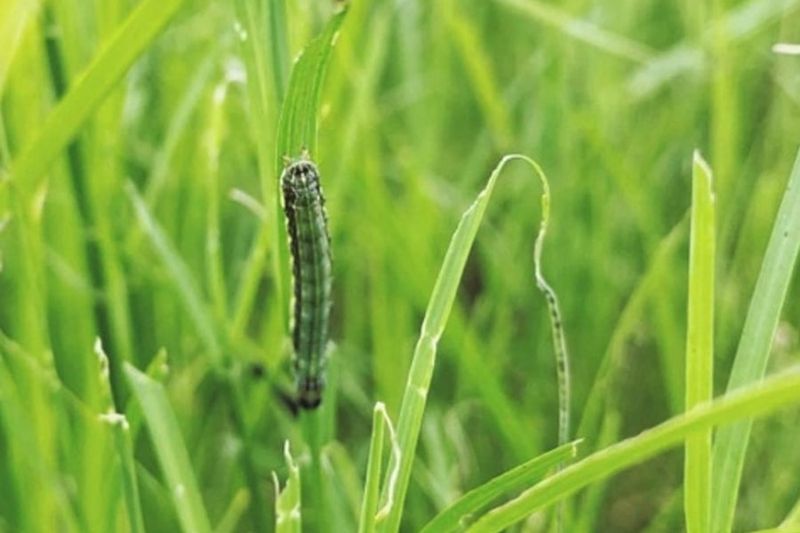
Once you have confirmed armyworms, weigh a few things before reaching for a product: how many larvae you found, how big they are, how much grass has been damaged, and whether the lawn looks healthy enough to bounce back.
Size matters. Small larvae are generally easier to control, while NC State advises against treating large larvae, since they may soon finish feeding and pupate.
The NC State decision guide also builds identification, life stage, and larval size into its decision process.
Healthy turf may tolerate feeding and grow back, a point made in the Lee County Extension article. If only one section is affected, spot treatment can avoid treating the entire lawn, as Iowa State Extension discusses for home lawns.
You may come across numbers for how many caterpillars per square foot justify action. Purdue Extension says turf thresholds are not well developed, and a UGA county source gives a different figure for forage or turf.
Treat those as context, not a rule. No single threshold has been settled for North Carolina home lawns.
When in doubt, call your county Cooperative Extension office. They can look at your lawn, your grass type, and the time of year before you decide.
Treat only when needed, and only as the label allows
A calm routine works best. Keep scouting, confirm that the caterpillars are fall armyworms, and decide whether the damage warrants action.
Many lawns recover on their own.
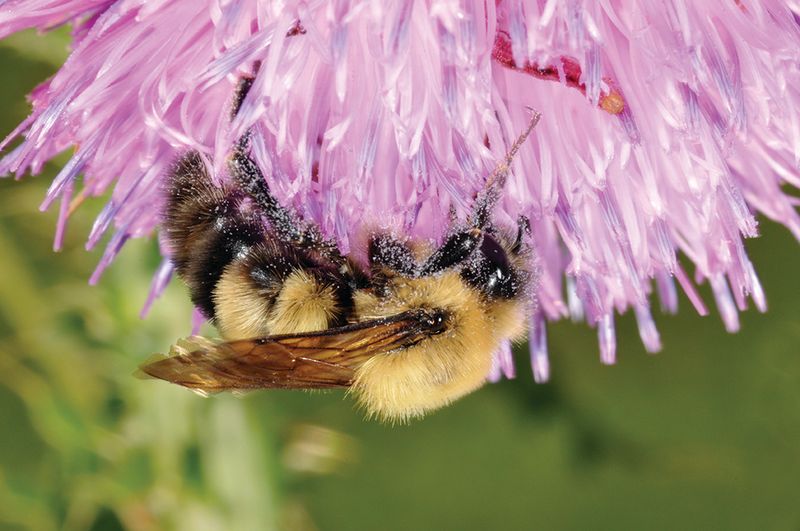
If treatment is warranted, choose a product labeled for your site and for fall armyworms. Follow the current label for application, irrigation, and re-entry instructions, and treat only the area that needs it.
The EPA’s wildlife tips advise using pesticides only when needed, and its lawn and garden guidance stresses label directions. Skip blanket spraying, and check your local Extension office instead of relying on older product advice such as that in NC State’s turf publication.
Targeted action can limit damage and keep pollinators safer, but it cannot promise that later moths will stay away. Your lawn is one small stop on a long regional route.